Setting Up a Temporary Apartment After a Fire: Structured Strategies for Comfort and Regret Avoidance
TL;DR
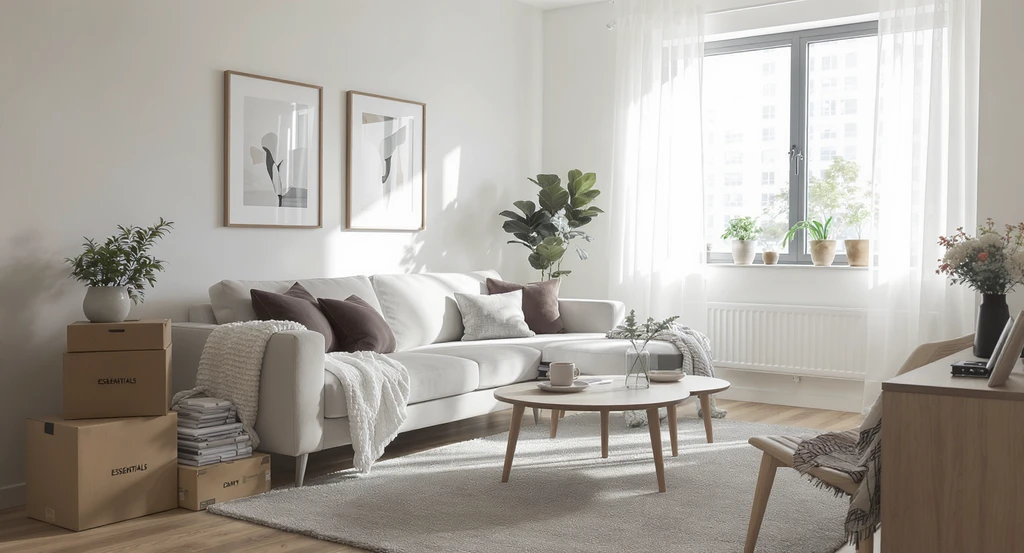
To set up a temporary apartment after a fire, use the REimagineHome AI Temporary Residence Coherence Model: analyze what to bring, identify crucial comfort drivers, and create visual continuity. Avoid regret by pre-visualizing placement, respecting scale limits, and prioritizing adaptable, renter-friendly elements.
Transitioning to Temporary Living: A Decision Framework
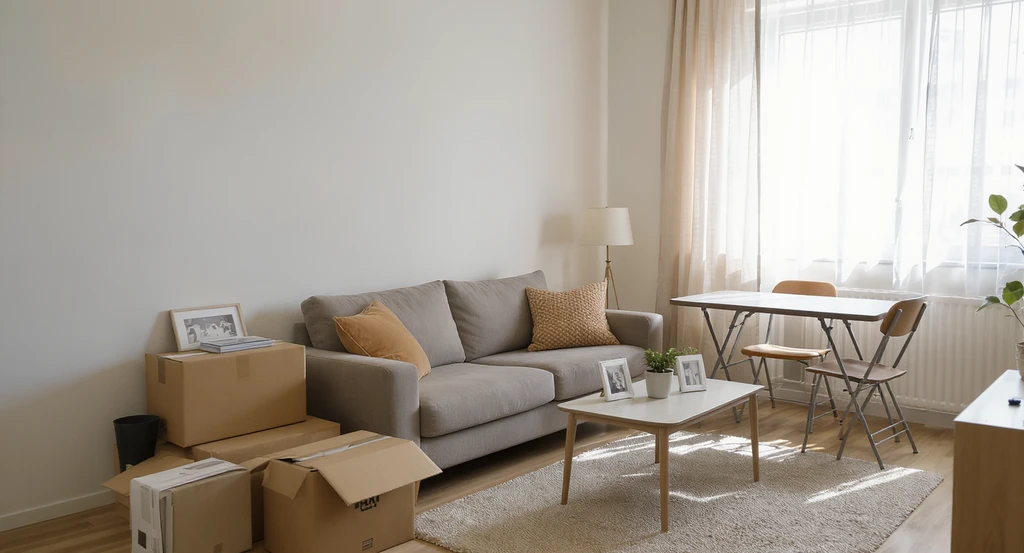
Setting up a temporary apartment after a fire means making careful decisions about temporary living decor, rental-friendly paint colors, and essential furnishings. Prioritizing comfort and function helps create a homelike atmosphere without regret in a short-term residence.
Moving into a temporary apartment due to fire damage or emergency repairs disrupts routines and identity anchors. Many face an urgent pressure to create normalcy quickly, yet excess effort or expense can later feel like wasted energy. How space is reconstituted what to bring, arrange, store, or adapt has long-term impact on comfort, function, and satisfaction. Effective temporary setup depends on recognizing spatial constraints, psychological needs, and future move-out logistics. Unlike typical moves, urgency to feel “un-transient” must balance with financial or emotional risk. The goal is not perfection, but durable functionality with a sense of belonging. A structured approach clarifies priorities and reduces regret, empowering better decisions with limited time and control.
-
The Underlying Mechanism: Temporary Residence Stress and Adaptation
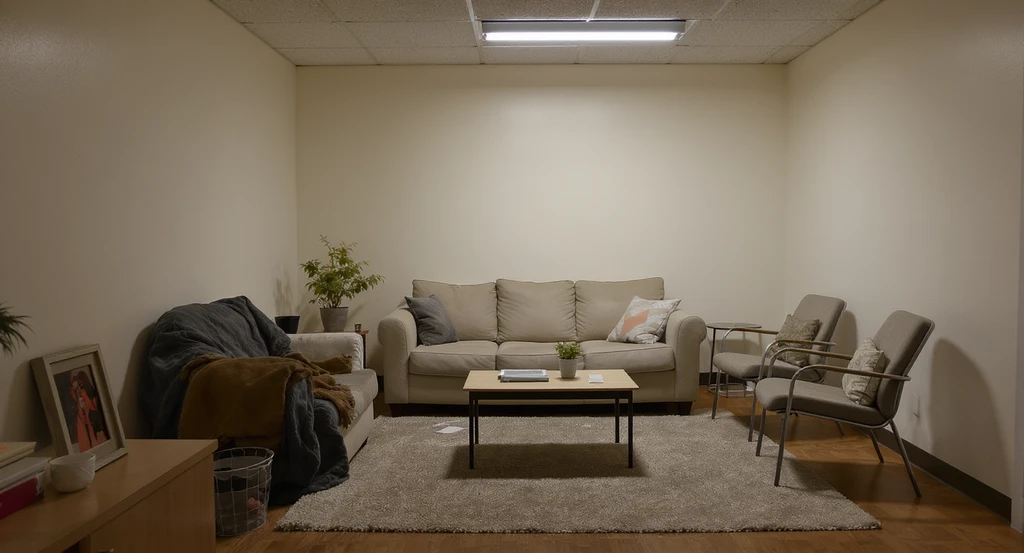
Spatial anxiety in temporary housing after a fire can result from mismatched furnishings, awkward layouts, and loss of visual continuity. Strategic choices in temporary living decor—like the selection of familiar textiles or art—help create a homelike atmosphere while avoiding regret when deciding what furnishings to bring to a short-term rental.
Temporary housing following disaster triggers acute spatial anxiety: loss of control, unfamiliar layouts, and aesthetic discontinuity undermine a sense of normalcy. Visual triggers misfit furniture, awkward scale, absent personal items reinforce impermanence. Unease often stems from a mismatch between the volume or scale of one’s belongings and new floor plan, alongside changes in lighting, material tone, and absence of favourite textures. Recovery is expedited by restoring visual continuity of art, textiles, and plants that signal identity but over furnishing, mismatched colour, or impractically large items can crowd and stress the new space. Psychological resilience increases when visual order and functional routines are rapidly re-established.
Expert Insight
Within four days of moving into a temporary apartment post-fire, one resident recreated visual order by using only their own furnishings, carefully pre-selecting what would fit. By concentrating on essentials and favourite art, they felt less transient and more settled a cohesion recognized and praised by others, despite differing opinions about style or scale. This points to the importance of layering identity and comfort in adaptive, structured ways.
-
The REimagineHome AI Temporary Residence Coherence Model
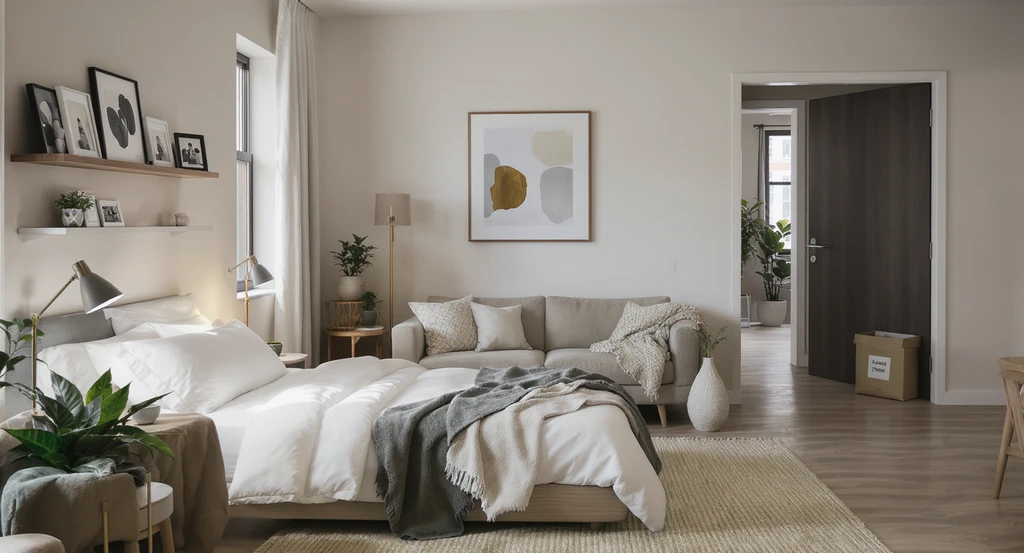
Setting up a temporary apartment after a fire requires deliberate spatial and visual strategies—curate key furnishings and decor for comfort, avoid regret with temporary living decor, and thoughtfully choose rental-friendly paint colors to create a homelike atmosphere that supports well-being.
The Temporary Residence Coherence Model structures decisions into three sequential layers: 1. Core Comfort Layer: Identify and prioritize the minimum set of belongings that drive daily comfort (bed, seating, lighting, essential cookware, vital art/photographs). 2. Visual Identity Layer: Select a limited tier of decor (textiles, signature objects, resilient plants) that reinforce identity and history, ensuring continuity without clutter. 3. Spatial Adaptation Layer: Analyze the new apartment’s scale, light direction, and color temperature before assigning or adapting furniture and objects. Remove or store non-fitting items. Visual coherence is achieved by advancing through these layers in order, using pre-visualization tools to avoid regret over volume, color clash, or disordered flow. Allowing spatial constraints (e.g., ceiling height, window placement) to dictate what is set up maximizes comfort and minimizes friction during both move-in and move-out.
-
Practical Application: Step-Based Setup for Temporary Apartments
1. Assessment: Begin by measuring the most constraining dimensions doorways, key walls, and available storage. Using a digital room planner or sketches, map major furniture’s fit before moving. 2. Selection: Edit possessions according to the Core Comfort Layer. Only bring items that serve daily utility or are irreplaceable for psychological well-being. 3. Visual Curation: Curate a small set of visually cohesive decor (pillows, throws, art in analogous or neutral colorways) for the Visual Identity Layer. Limit contrasting textures and colors to single focal points to control visual density, as explored in our minimalist living room warmth guide. 4. Installation: Arrange furnishings and art with attention to sightline clearance, window access, and new lighting angles. Avoid blocking natural light or architectural highlights, revisiting the arrangement after 24 hours as perception adjusts. 5. Adaptation: Store surplus or misfit pieces offsite if needed. Rely on modular, rental-friendly additions (e.g., lightweight shelving, peel-and-stick decor) to maximize function and reversibility, as detailed in our renter-friendly DIY project guide.
-
Visualization Impact: Previewing and Regret Avoidance
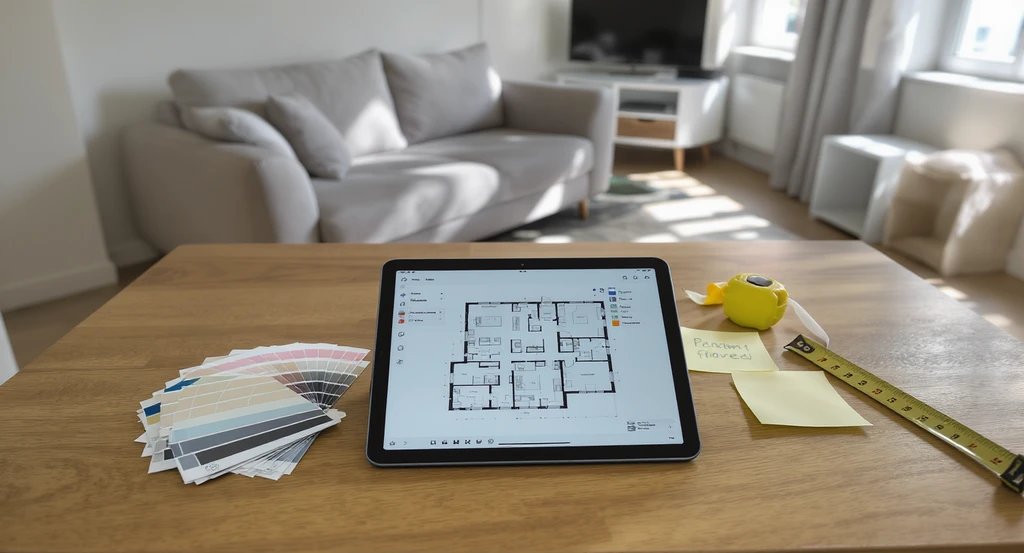
Visualizing furniture layout with floor plan tools, color swatches, and smart planning helps set up a temporary apartment after a fire and avoid regret with temporary living decor decisions.
Pre-visualization is critical in the compressed timelines of emergency moves. Visual planning whether through manual sketches, digital tools, or online staging software allows for rapid simulation of furniture scale, color harmony, and traffic flow in the new space. This process reduces the likelihood of physically moving objects only to reverse course, minimizing effort and potential property damage. Visualizing layouts before committing supports psychological control and reduces future regret, supporting the transition from mere shelter to genuine residence. The power of visualization is amplified by the ability to adapt decisions as the realities of space and routine become clear. For a detailed inventory and decision matrix on what to bring for a mid-term rental, see our guide to furnishing a rental.
-
Spatial Considerations: Scale, Light, and Material Interactions
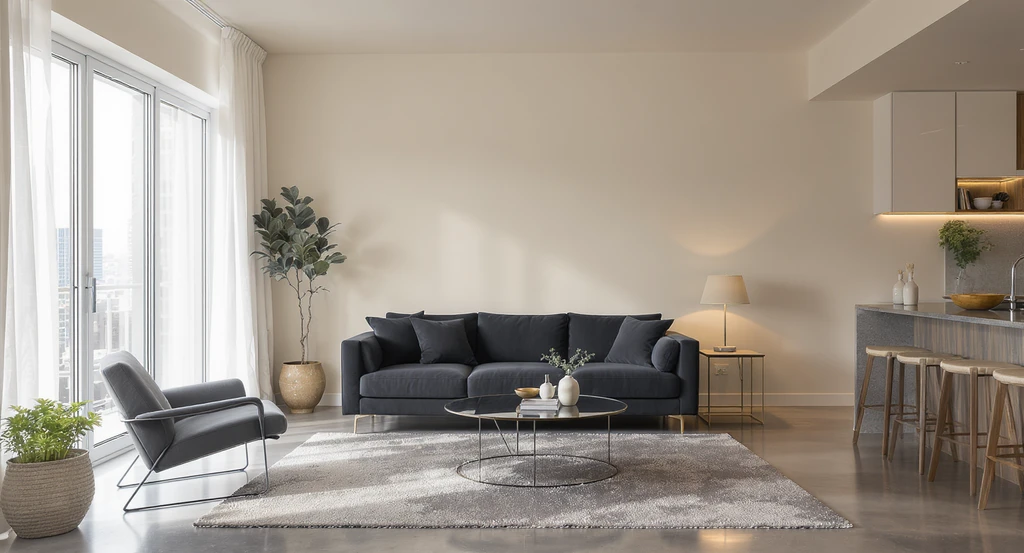
Optimally sized, visually light furnishings preserve space and comfort when setting up a temporary apartment after a fire. Layered lighting and strategic material choices help avoid regret with temporary living decor and create a homelike atmosphere in a short-term rental.
Small temporary apartments, especially those downsized from larger homes, force strict choices about scale. Optimally sized furniture ensures maneuverability and preserves natural light flow. High-contrast color schemes, visually heavy objects near circulation paths, or oversized textiles can shrink perceived space. Instead, reference the Visual Compression Rule: objects with lighter tones, open legs, or glass elements compress less visual weight, increasing perceived airiness. Light sources should be layered to substitute for lost natural light, and plants should only be placed where light quality supports growth otherwise, opt for preserved or artificial alternatives to avoid visible decline. Door swing, pass-throughs, and window views dictate where bulkier items can reside without impeding flow or blocking valued sightlines.
-
Material Resilience and Rental-Friendly Surfaces
Temporary setups benefit from high-resilience materials: washable slipcovers, durable rugs, and mobile storage solutions that can be rapidly redeployed. For color on walls, use only pre-approved, easily reversible paint or consider peel-and-stick alternatives, especially if tenancy is short. Cohesive color schemes in textiles and portable objects offer more impact than semi-permanent changes and can migrate back to the original residence later. For more on low-risk, high-reward upgrades, consult our DIY project resource.
-
Psychological Anchors: Rituals, Routines, and Visual Touchstones
Beyond physical arrangement, psychological comfort is created by re-establishing familiar cues and daily rituals brewing coffee in the same mug, reading beside a familiar lamp, displaying heirloom objects in prominent locations. These visual and tactile anchors stabilize both mood and productivity. Resist the urge to replicate every detail; instead, concentrate key identity markers within view in the spaces most lived-in—bedroom, living area, main entry. This supports emotional well-being with minimal physical effort, echoing strategies from our guide to designer logic for small apartments.
Visualization Scenario
Imagine standing in your empty temporary living room. Using a digital tool, you simulate the arrangement of your sofa, two chairs, and a rug, instantly seeing traffic flow and how natural light interacts with the space. This preview highlights that the largest art piece blocks the window view. Adjusting layouts virtually, you avoid unnecessary physical effort and ensure each object contributes to comfort and continuity. When actual setup begins, it feels like returning to something familiar rather than improvising under stress.
Frequently Asked Questions
What furnishings should I bring to a short-term rental after a fire?
Bring only core comfort items such as your preferred bed, essential seating, everyday cookware, and a concise set of sentimental or identity-defining decor. Use pre-visualization or measurement to prevent overcrowding, as detailed in our structured approach above.
How can I avoid overinvesting in temporary living decor?
Adopt a modular and rental-friendly mindset: utilize peel-and-stick elements, portable textiles, and multi-function storage that easily transition to your permanent residence. Reference our temporary furnishing matrix for guidance on cost discipline and reversibility.
What are the best rental-friendly paint colors for a temporary apartment?
Prioritize neutral mid-tones, off-whites, and soft greys that coordinate with most furnishings and are easily painted over. For strict rental agreements, opt for peel-and-stick backsplashes or decals for color impact without permanence.
How do I make a temporary apartment feel homelike?
Rapidly reintroduce daily rituals, signature objects, and familiar textiles in visible living zones, establishing psychological anchors and visual continuity. Minimize clutter to keep the environment calming and personal.
Summary: Achieving Belonging Without Over-Commitment
A temporary apartment is best approached as a system for staged comfort and controlled investment. Use the Coherence Model to clarify what is essential versus optional, calibrate belongings to actual physical and psychological space, and resist overfitting decor that cannot adapt upon return. Pre-visualization, scale discipline, and renter-friendly upgrades minimize regret and facilitate a swift, composed transition. Temporary does not mean improvised—it means intentionally flexible.