9 Design Decisions That Made This First Home Feel Cozy and Personal
TL;DR
A successful first home makeover blends welcoming color, layered textures, personal touches, and functional layouts for work and relaxation. From a green-forward living room to an inviting WFH setup, these nine editorial lessons highlight how intentional design, smart paint and texture choices, and pet-friendly decisions shape a main social space that truly reflects its owner. Learn how to combine warmth with practicality and create a home that feels rewarding to return to daily.
Why Thoughtful Design Matters in a First Home
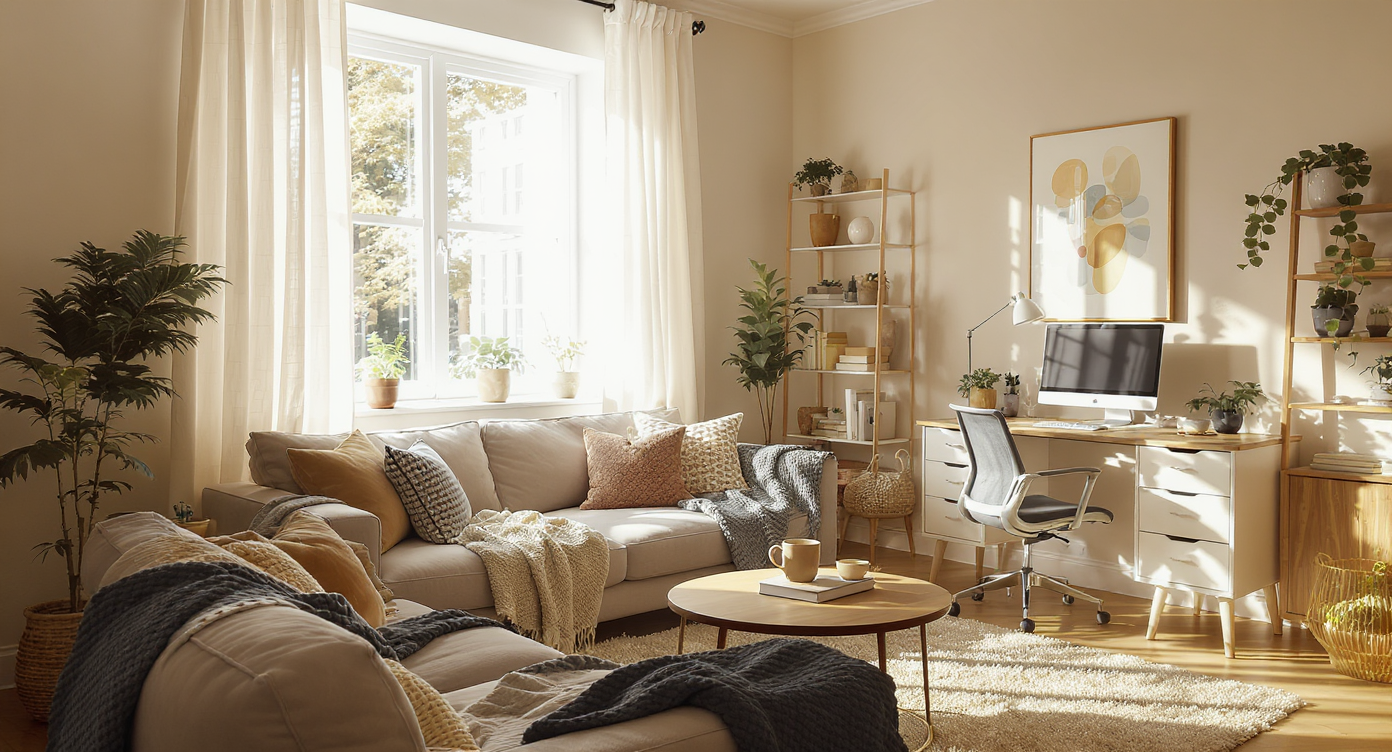
Carefully designed first home living space with a layered, cozy sofa, discreet workspace, and visible pet-friendly features bathed in soft daylight.
Moving into your first house is an exciting milestone—a personal canvas for establishing comfort, style, and routines that define daily life. The design journey is about far more than just filling empty rooms. It is an opportunity to balance self-expression with real-world needs like remote work, pet happiness, and efficient, multi-use spaces.
For many homeowners, the challenge lies in intentionally shaping rooms that are both visually rewarding and genuinely functional. The following nine editorial insights reflect modern patterns professionals see when making an ordinary house feel like home, especially when blending color, texture, workspace functionality, and pet-friendly features for today’s lifestyles. These principles help ensure that every corner feels considered, approachable, and truly your own.
-
1. Setting the Tone with a Signature Color Palette
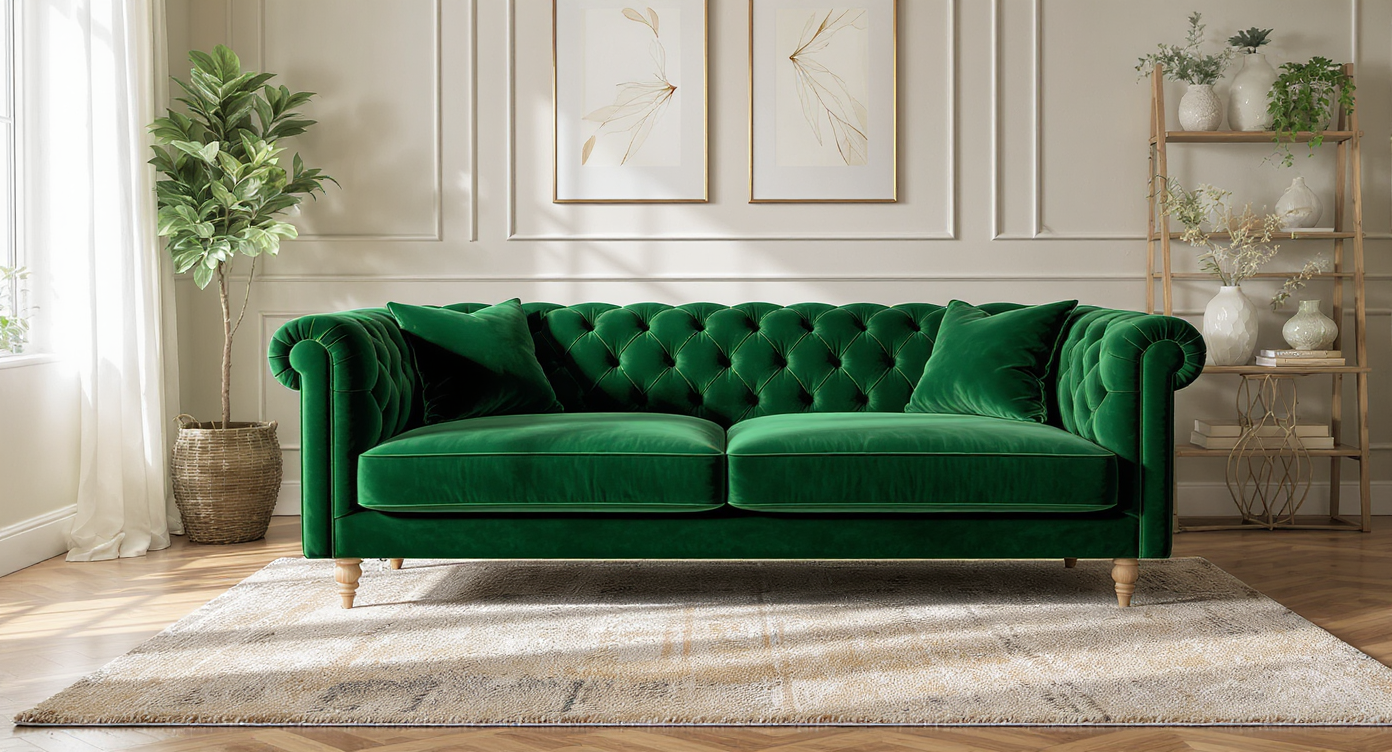
A bold emerald green sofa anchors this living room, unified with complementary rugs, green accents, art, and soft furnishings for a harmonious feel.
Anchoring the main social space with a bold yet harmonious color scheme is a frequent hallmark of memorable design. An emerald or moss-green sofa adds immediate personality and warmth, signaling confidence in personal taste. Whether paired with complementary-toned rugs, as seen in many successful living rooms, or layered with plants and art, designers often note that repeating a key hue—green, in this case—creates intentional unity. For additional balance, surrounding shades in pillows, curtains, and accent pieces can soften the space, inviting relaxation while expressing identity. Those unsure about working with statement upholstery can reference examples in our feature on how to style a bold green sofa.
-
2. Mixing Paints and Textures for Layered Comfort
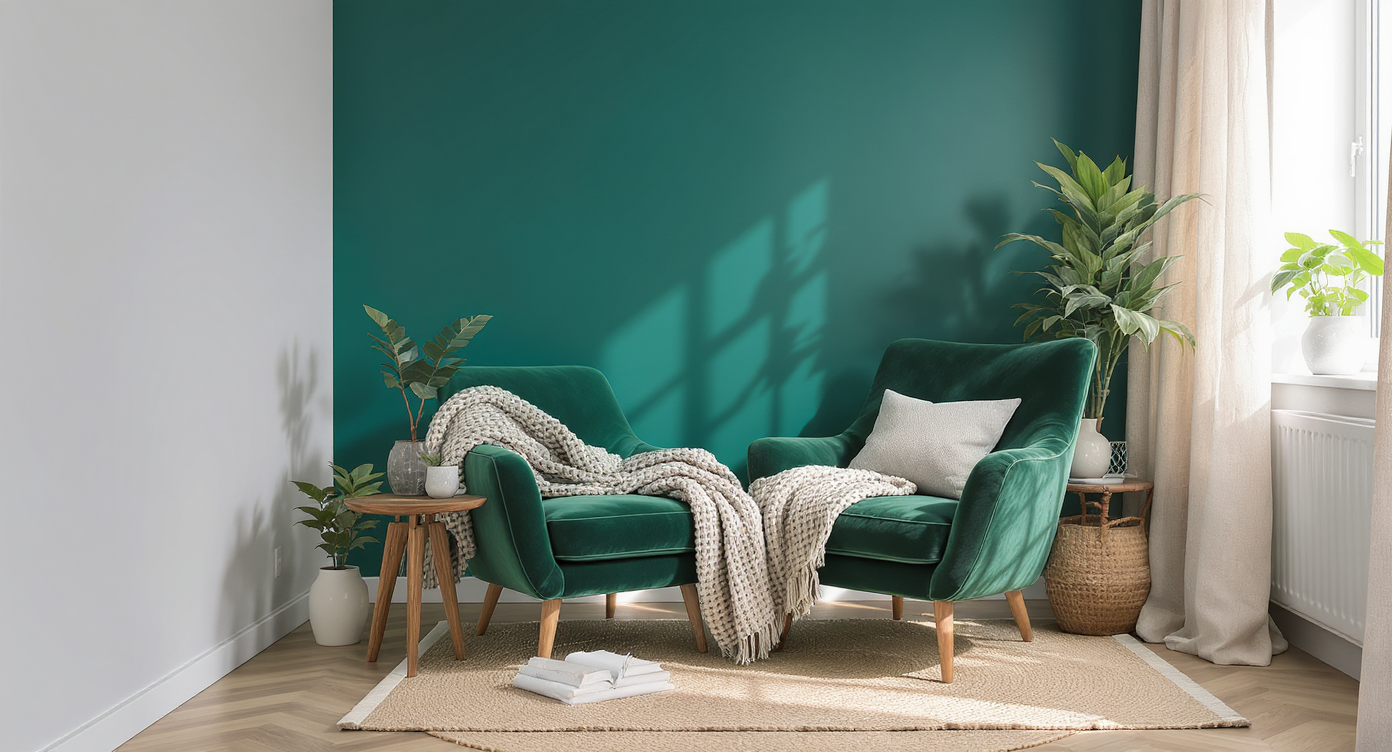
Layered paints and tactile textures—matte walls, velvet, wood, woven rug, plants—create depth and comfort in a cozy reading nook.
A cozy home relies heavily on layered textures and strategic paint choices. Rich wall colors—especially in offices or reading nooks—help define zones and anchor daily routines, while textural contrasts in velvet, wood, or woven materials elevate tactile interest. Natural wood finishes, leafy plants, and tactile throws provide balance to the visual coolness of painted walls or statement furniture. Industry professionals emphasize how combinations of matte, gloss, and natural-fiber finishes bring depth even to compact rooms. Drawing from our guide for first-time homeowners, simple swaps such as adding full-length curtains or upgraded area rugs can quickly shift a room from basic to bespoke.
-
3. Creating a WFH Lifestyle That Lasts
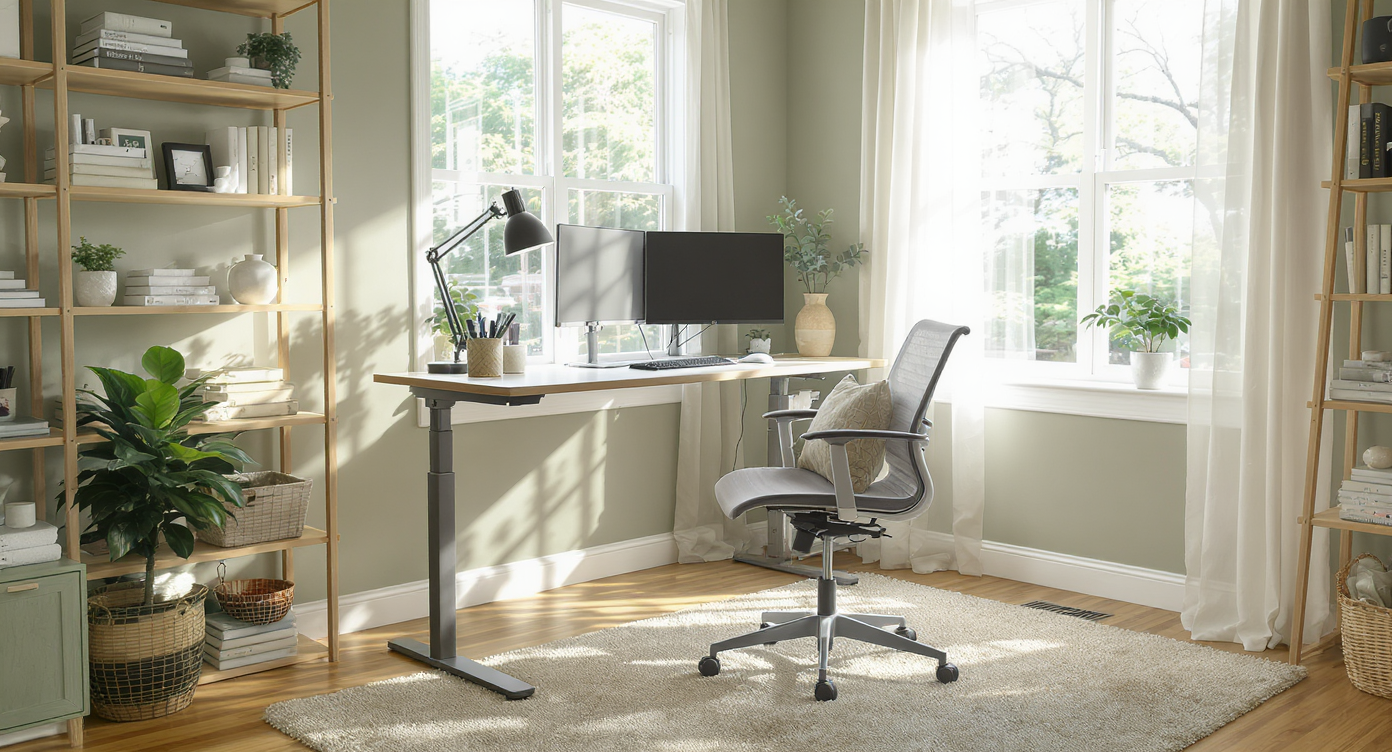
A dedicated home office with ergonomic furniture, calming wall color, and ample natural daylight encourages comfort and productivity.
Remote work is now a defining aspect of home life, requiring thoughtful design in both primary and auxiliary rooms. A comfortable, healthy WFH lifestyle centers on ergonomic furniture, daylight exposure, and clear organization. Rather than relegating work to a crowded corner or neglected guest room, professionals have found that painting a dedicated workspace in a soothing color and incorporating adjustable lighting can noticeably boost mood and productivity. For a deeper dive into these principles, our editorial on building a productive home office offers actionable recommendations that can be tested virtually before committing to a layout.
-
4. Pet-Friendly Spaces with Personality
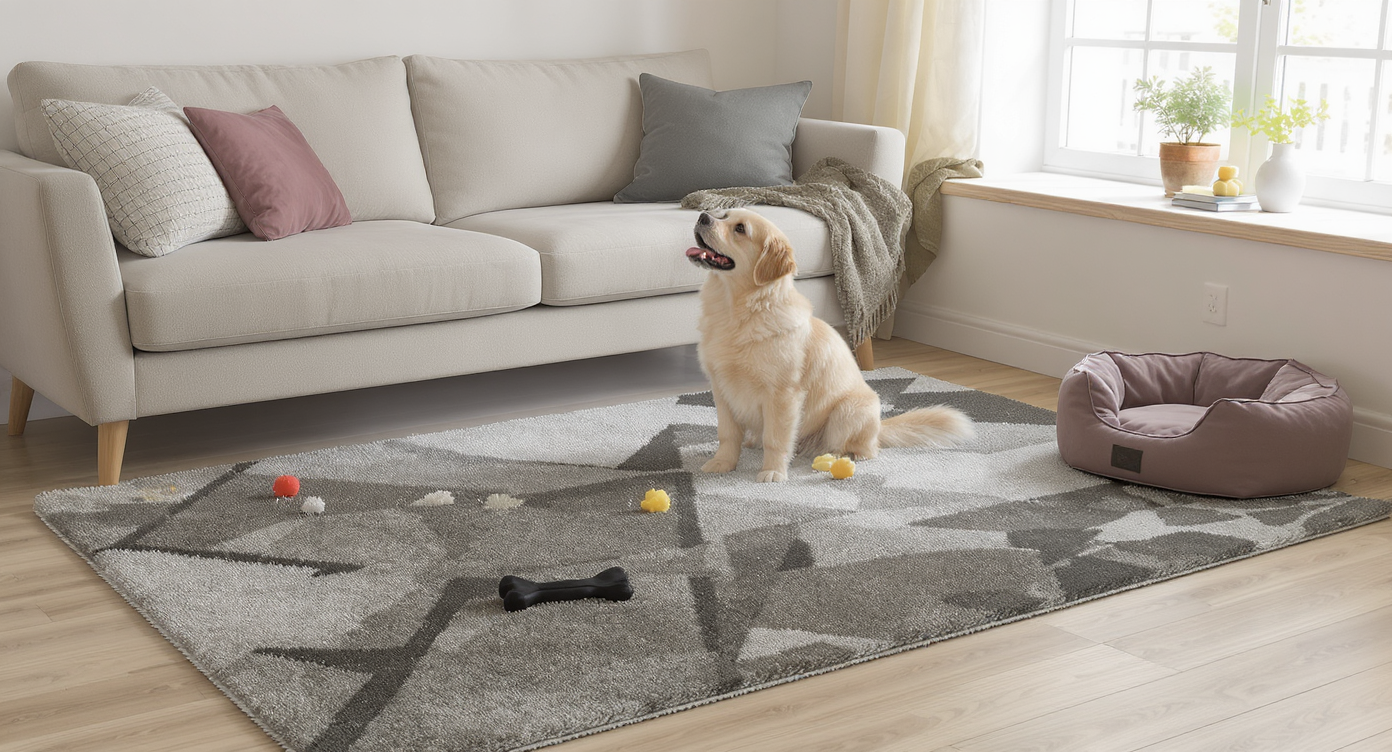
Pet-friendly living room corner featuring easy-clean sofa, washable rug, and a window ledge for pets—comfort for both pets and owners.
Bringing a pet into your new home is both delightful and a practical challenge. Successful designs dedicate zones—such as soft rugs or accessible window ledges—where pets can relax or observe. Designers building pet-friendly spaces recommend durable, washable textiles and furniture with non-slip, easy-clean fabrics. Consider positioning seating to create cozy view spots for pets, or laying area rugs that absorb sound and provide warmth underfoot. Industry patterns show that harmonizing human comfort with a pet’s routine transforms living spaces into shared sanctuaries rather than high-maintenance showcases.
-
5. Main Social Space: Inviting Layouts and Warm Lighting
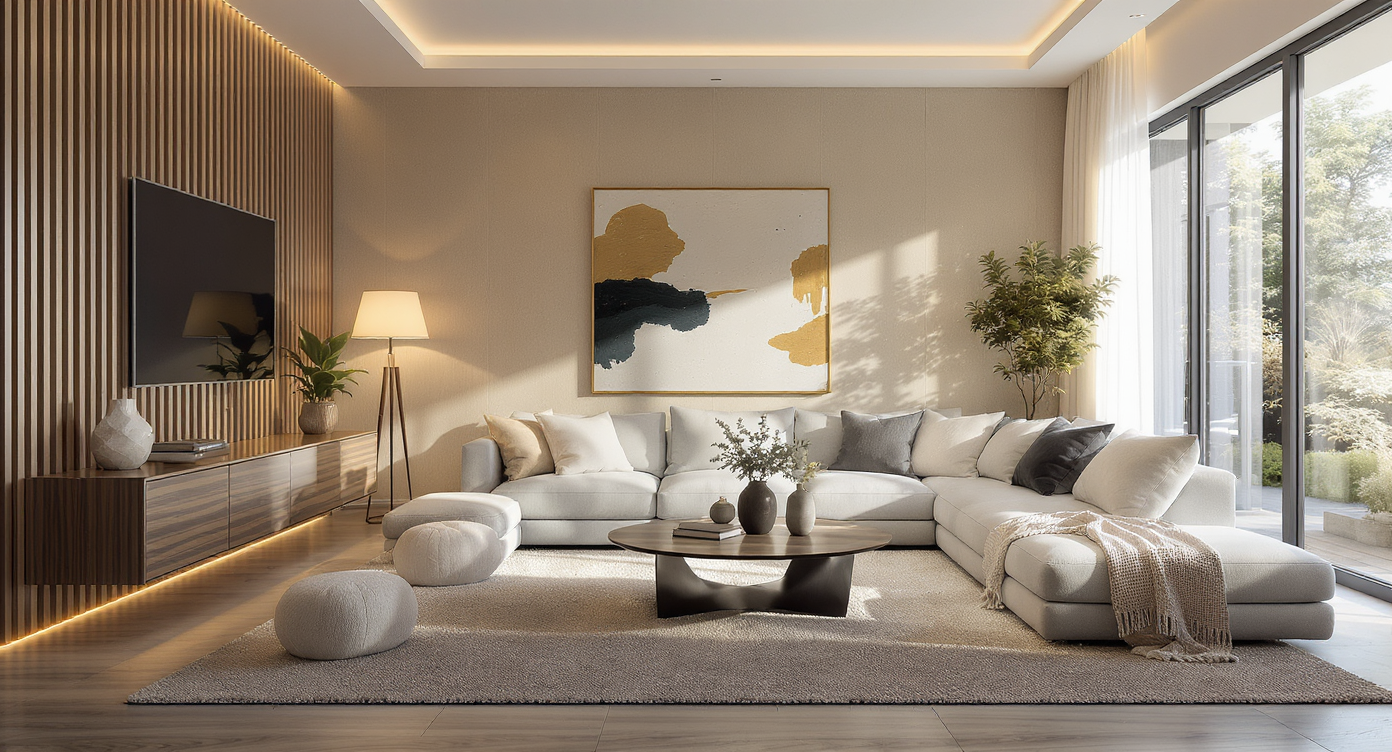
This living room features a floating sectional, oversized rug, and warm layered lighting, creating an inviting social space for gatherings.
A welcoming main social space depends on a flexible layout that encourages gathering without crowding. Large sofas should float away from walls when possible to create conversational flow, while oversized area rugs help define active zones. Lighting layered from ambient to accent types contributes to an intimate, inviting atmosphere for both solo relaxation and entertaining. Choosing warm, dimmable bulbs, string lights outdoors, or sculptural floor lamps indoors ensures the space feels lived in rather than staged. For more direction on creating cohesive learning and gathering spaces, refer to our breakdown of rug sizes and living room arrangements.
-
6. Using Art and Books to Add Identity
Intentional selection and placement of art, posters, and bookshelves go far beyond filling wall space. They establish focal points and spark conversation, grounding the design in personal experience. Framing favorite prints, mixing vintage finds with new works, and displaying beloved book collections invite guests to know the story of your space. Design observers note that an evolving gallery wall or a color-coordinated bookshelf can unify mixed furnishings and add a lived-in richness that mass-market decor cannot replicate.
-
7. Maximizing Small Patios and Outdoor Rooms
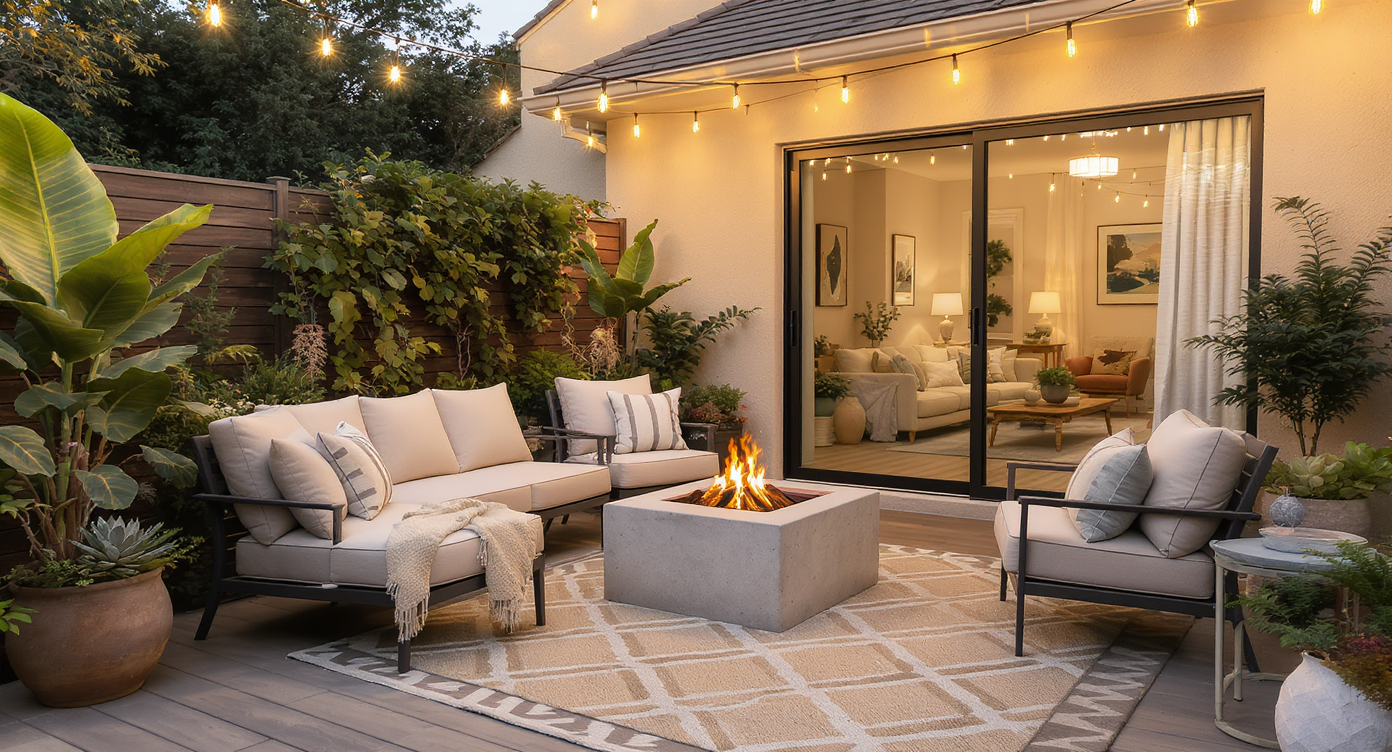
A thoughtfully designed small patio uses layered rugs, cozy seating, string lights, and potted plants to expand outdoor living space.
Outdoor extensions of living spaces are increasingly vital, especially for those who value dinners with friends or quiet evenings by a firepit. Even compact patios can feel expansive with careful planning: string lights, cozy seating, and layered outdoor rugs can instantly transform these areas. Borrowing design strategies from interiors—such as grouping potted plants or choosing weather-resistant fabrics—adds comfort and cohesion. Thoughtful transitions from indoors to outdoors allow a home’s personality to radiate through all seasons.
-
8. Balancing Statement Pieces with Practicality
Striking the right note with bold sofas, supersized TVs, or mid-century cabinets is a test of both aesthetic bravey and practical needs. Specialists observe that anchoring a room with a statement piece often sparks debate (such as TV height, size, or sofa color), but the true measure of success lies in comfort and satisfaction while living in the space. Pairing focal furniture with the right rug, a properly scaled media console, and thoughtful seating arrangements ensures function is never sacrificed for style. Iterative tools like REimagineHome.ai are increasingly used to preview scale and layout before committing to major purchases, minimizing regret in the process.
-
9. Adapting Over Time: The Ongoing Project
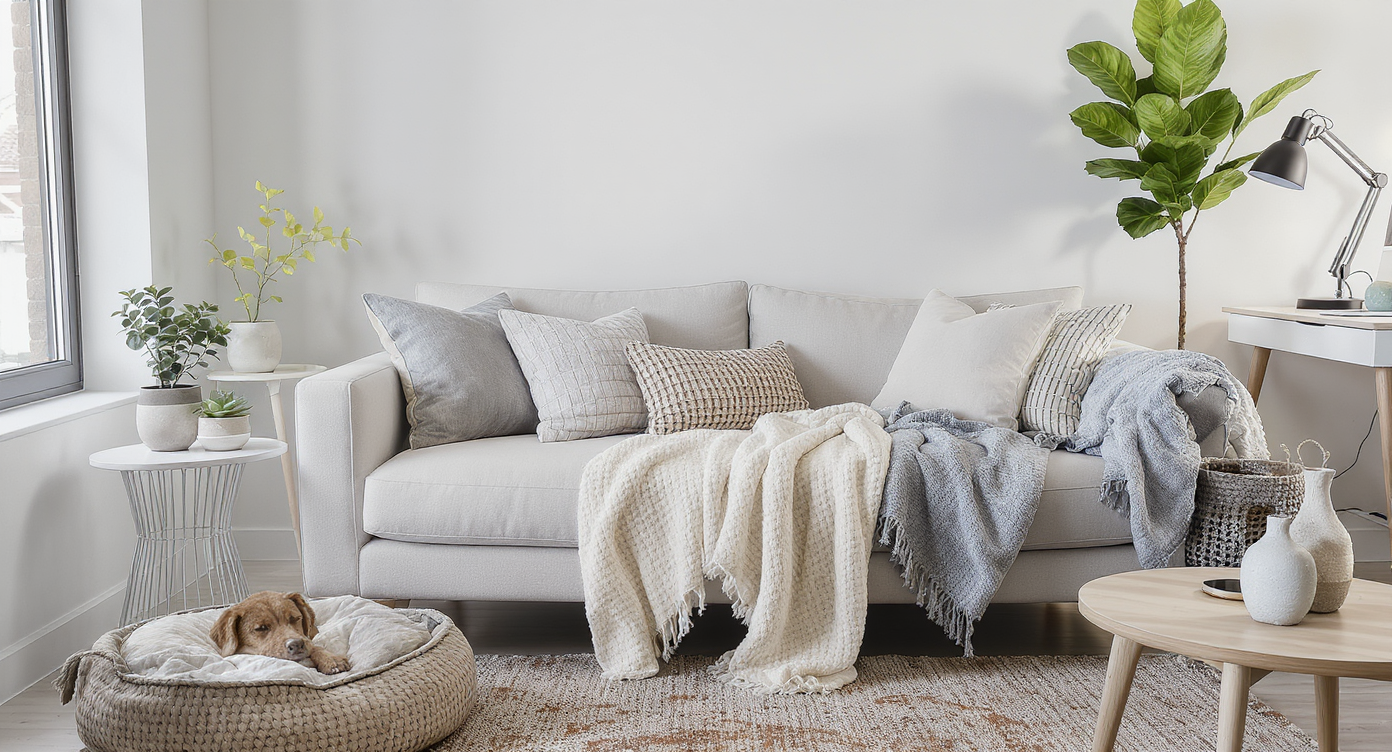
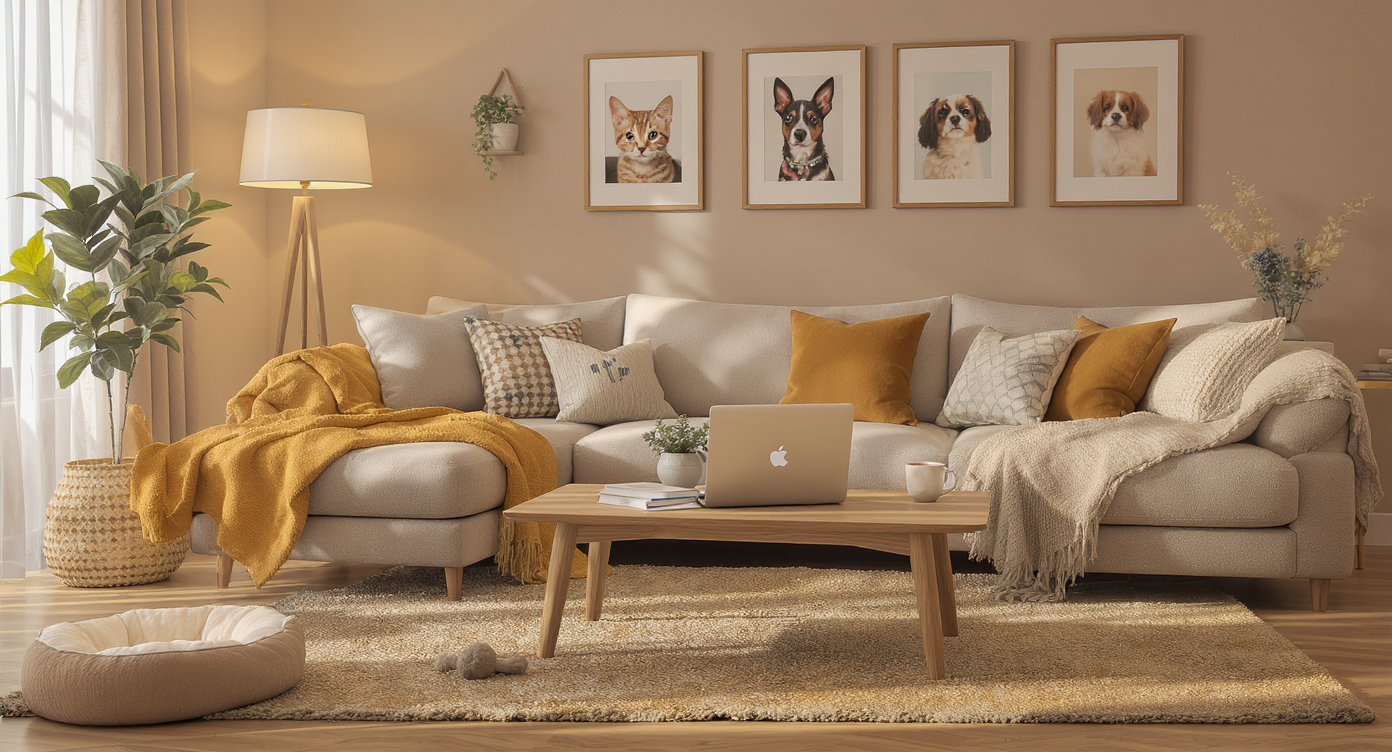
Realistic living room subtly evolving over time—layered throws, pet bed, updated plants, and a flexibly arranged WFH workspace.
The happiest first homes are never frozen in time. Residents and professionals alike encourage small, ongoing adjustments—whether swapping out accessories, layering in seasonal textures, or refining plant placement. Personal style and household needs evolve, particularly with changes in remote work routines or new pets. A flexible approach to design means the home matures alongside its owner, inviting both experimentation and gradual investment rather than overnight perfection.
FAQ
Select a color that reflects your personality and mood goals, then repeat it in multiple places (sofa, pillows, plants) for cohesion. Using a statement piece—like a green couch—can anchor your palette, as explained in our feature on styling a green sofa.
What role do rugs play in making a living room feel inviting?
An appropriately sized rug anchors the furniture, defines seating areas, and adds softness. Industry guidance suggests the rug should tuck under the front legs of major pieces, a principle explored in our living room layout guide.
How do you balance pet-friendly choices with design?
Opt for durable, washable textiles, and dedicate spots (soft bedding, accessible ledges) for pets. This encourages a shared, easy-to-maintain space without sacrificing aesthetics.
How can I ensure my home office supports productivity?
A purpose-built WFH lifestyle benefits from ergonomic chairs, daylight, and organized storage. Our overview of home office design offers actionable setup tips, while tools like REimagineHome.ai help visualize different options.
How do I evolve my space as my needs change?
Embrace small, regular updates—rearrange furniture, try new textures, or adjust lighting—so your home always feels fresh and tailored to you.
Design Moves That Earn Their Place in a Happy Home
A main social space that feels truly welcoming is the result of creative problem-solving, contextual color choices, and details that celebrate personal routines and partnerships—including those with pets. Homes that grow more inviting over time combine practical, human-centered decisions with a willingness to shift layouts or palettes as needs change. Testing ideas with tools like REimagineHome.ai streamlines these iterations, helping today’s homeowners approach decorating as an evolving, rewarding journey rather than a one-time task.