Decoding Old Garden Surfaces: What Lies Beneath Your Urban Yard
TL;DR
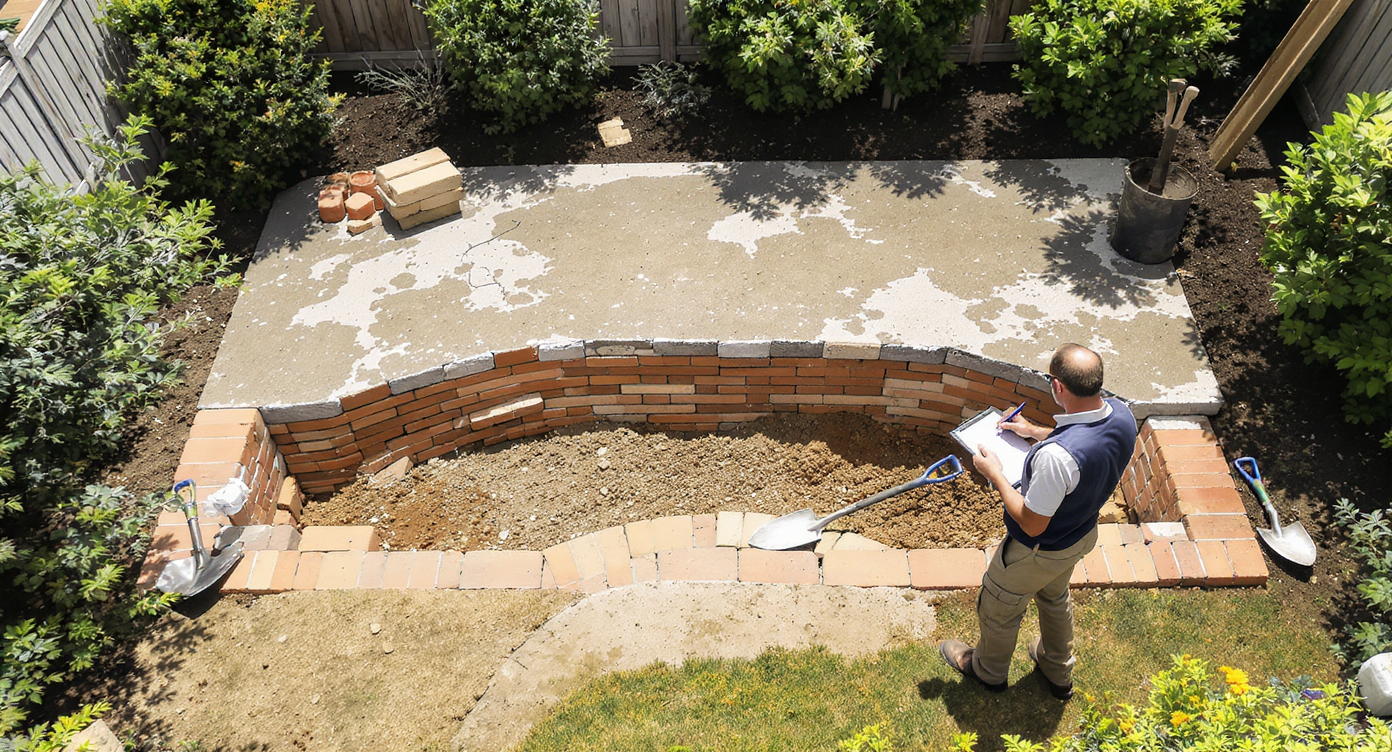
Uncovering hidden materials beneath a garden's surface, such as turf pavers or gravel grids, often reveals a legacy of practical landscaping choices. Understanding these features—whether for drainage, durability, or plant health—can help you make informed renovations and create safer, more beautiful outdoor spaces with AI-powered planning and visualization tools.
The Surprise Beneath: Urban Gardens and Their Forgotten Layers
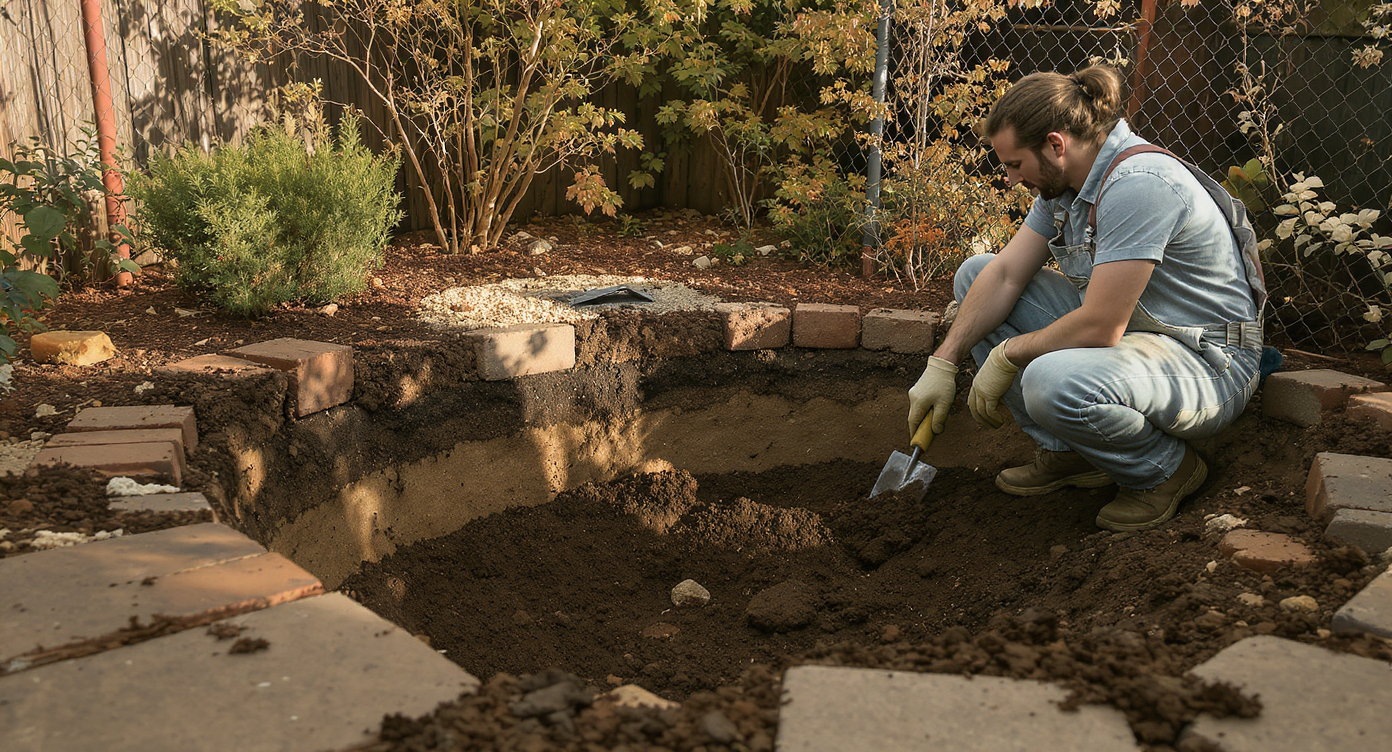
Uncovering layered surfaces in urban gardens can reveal hidden structures and inform smarter, more sustainable landscape choices.
Urban gardens are always more than what meets the eye. For many city-dwellers, a small yard or entry path carries years of layered history—each addition telling a story of previous attempts at beauty, utility, or simply a way to keep muddy shoes at bay. It’s not uncommon for new homeowners or renters to find unexpected structures while digging into seemingly plain dirt patches, especially in older apartment complexes. Recently, the growing trend of revitalizing modest outdoor spaces has led more people to question what exactly lies beneath the surface. From tangled roots to gravel-filled grids, a surprising number of gardens hold clever solutions and sometimes a few mysteries. Understanding these buried features is key to improving curb appeal, optimizing safety, and deciding how to update your landscape.
-
Why Garden Surfaces Conceal More Than You Think
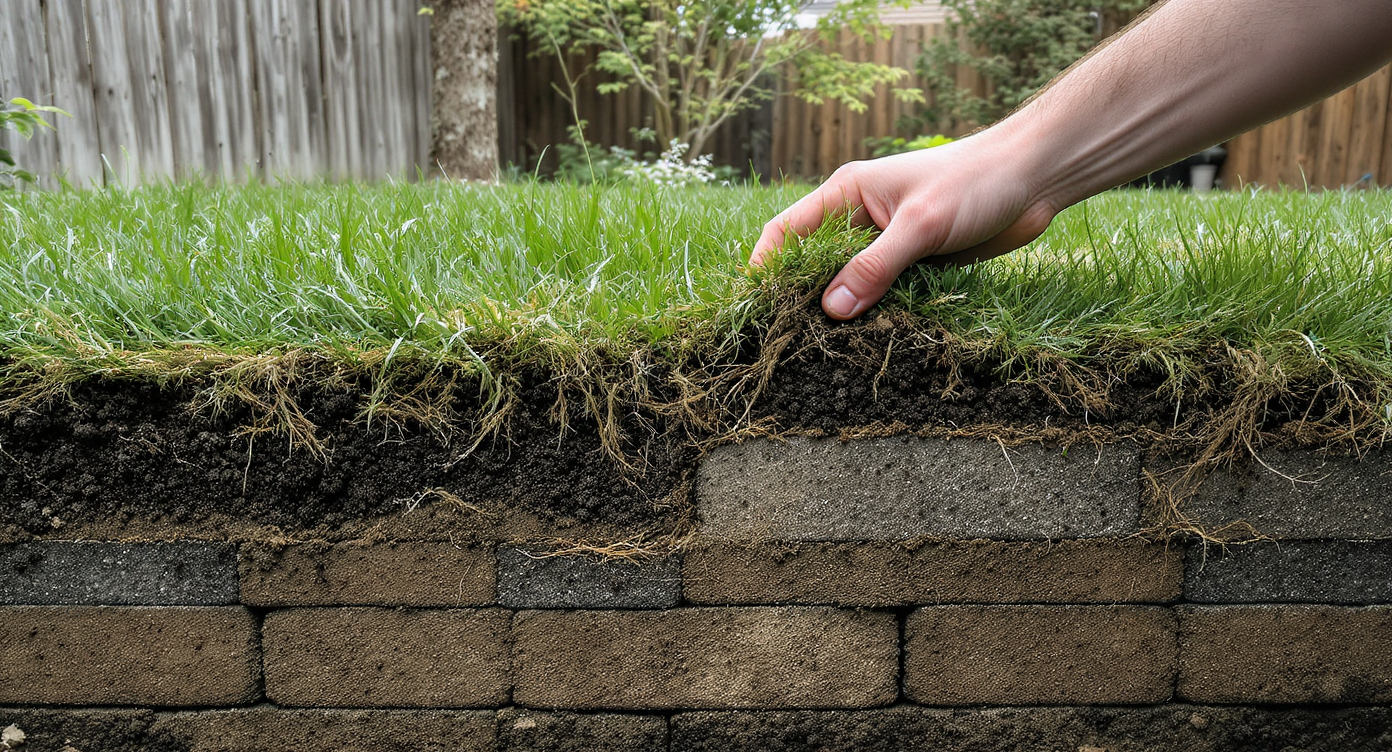
Uncovering layered garden surfaces reveals old permeable pavers—clues to past design solutions and smarter modern landscaping choices.
Many outdoor spaces, especially in urban developments from the mid-20th century, are layered with materials designed for practicality. Decades ago, permeable pavers—sometimes called grass blocks or turf grids—were installed in footpaths and gateways for several reasons. These allow grass to grow through while providing a stable surface for walking or driving, and are often found near entry gates or parking areas. Often, these elements are camouflaged by time, topped with gravel, soil, or even new layers of plant life. When homeowners encounter a rigid, grid-shaped structure beneath dirt and roots, it’s typically a sign of one of these features. Rather than being a sign of a hidden hazard or an unknown utility, it’s usually a vestige of someone’s attempt to tackle mud, improve drainage, or stabilize a well-trodden path. Identifying these features before removing or altering them not only prevents potential structural issues, but it can spark new design ideas tailored to your space.
Expert Insight
While updating a friend’s front yard in a decades-old apartment complex, we stumbled across precisely such a hidden grid under a patch of tough grass. Initially, everyone guessed it was a water access cover. It turned out to be an old grass paver, installed to reduce muddy entryways. With a little creative thinking, we layered in fresh gravel and used the grid as a base for native plants—transforming a mundane entry into a smart, contemporary focal point.
-
Permeable Pavers: Their Purpose and Design Value
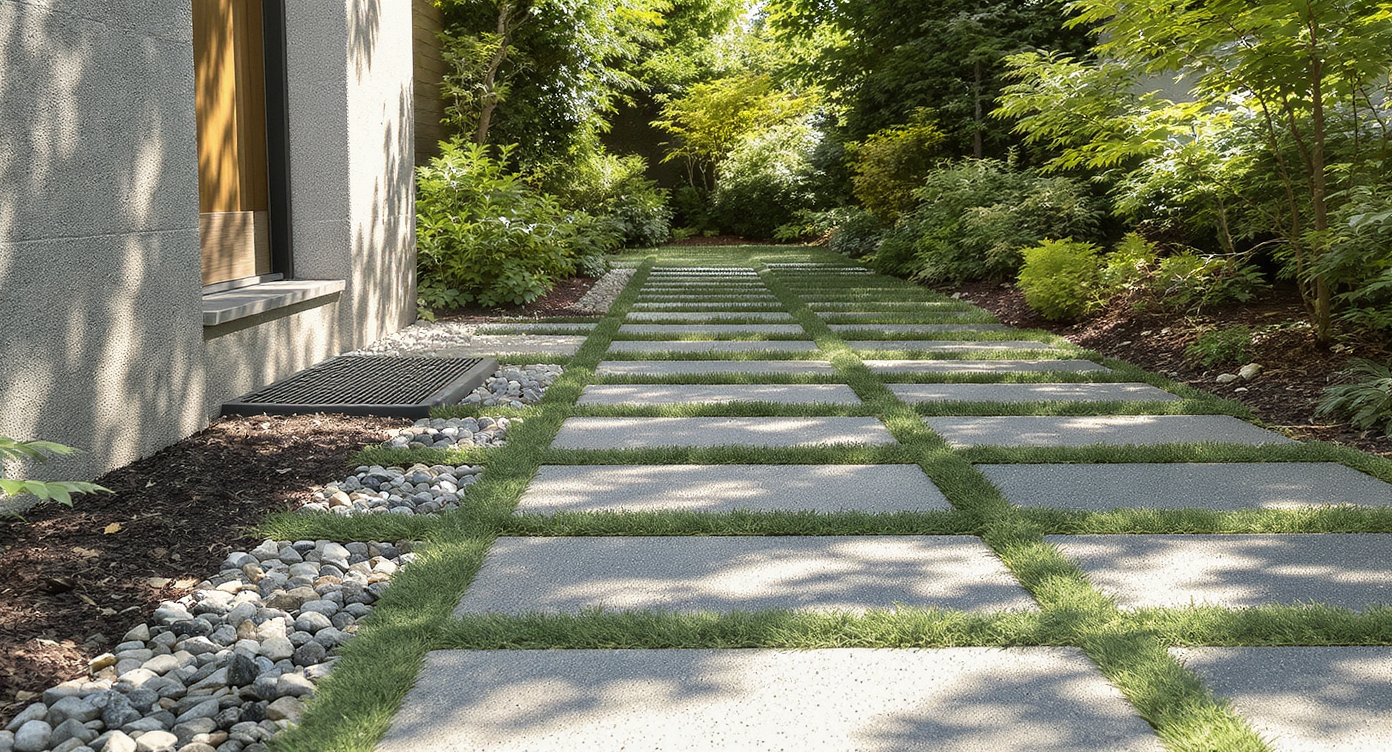
Permeable pavers create resilient, stylish paths that encourage drainage and support healthy planting in urban gardens.
Permeable or turf pavers have become an enduring favorite in landscape architecture because of both their practicality and their understated style. Designed in a grid pattern and filled with gravel or soil, these pavers let rainwater pass through instead of pooling on hard surfaces. This is especially useful in tight or shaded sites, reducing the risk of puddles and making garden entrances more resilient to foot traffic year-round. Searching beneath your own soil, you might find such a structure was put in place to keep the approach to your home tidy despite nearby trees or frequent rain. Unlike conventional concrete, these systems encourage healthy root growth beneath, benefiting nearby plantings. Their presence often signals thoughtful planning, especially where flooding or soil washout is a risk. According to tips for creating a low-maintenance, high-impact yard, permeable installations contribute both to sustainability and a rugged, handsome finish.
-
To Remove or Reinvent: Making Decisions in Small Urban Gardens
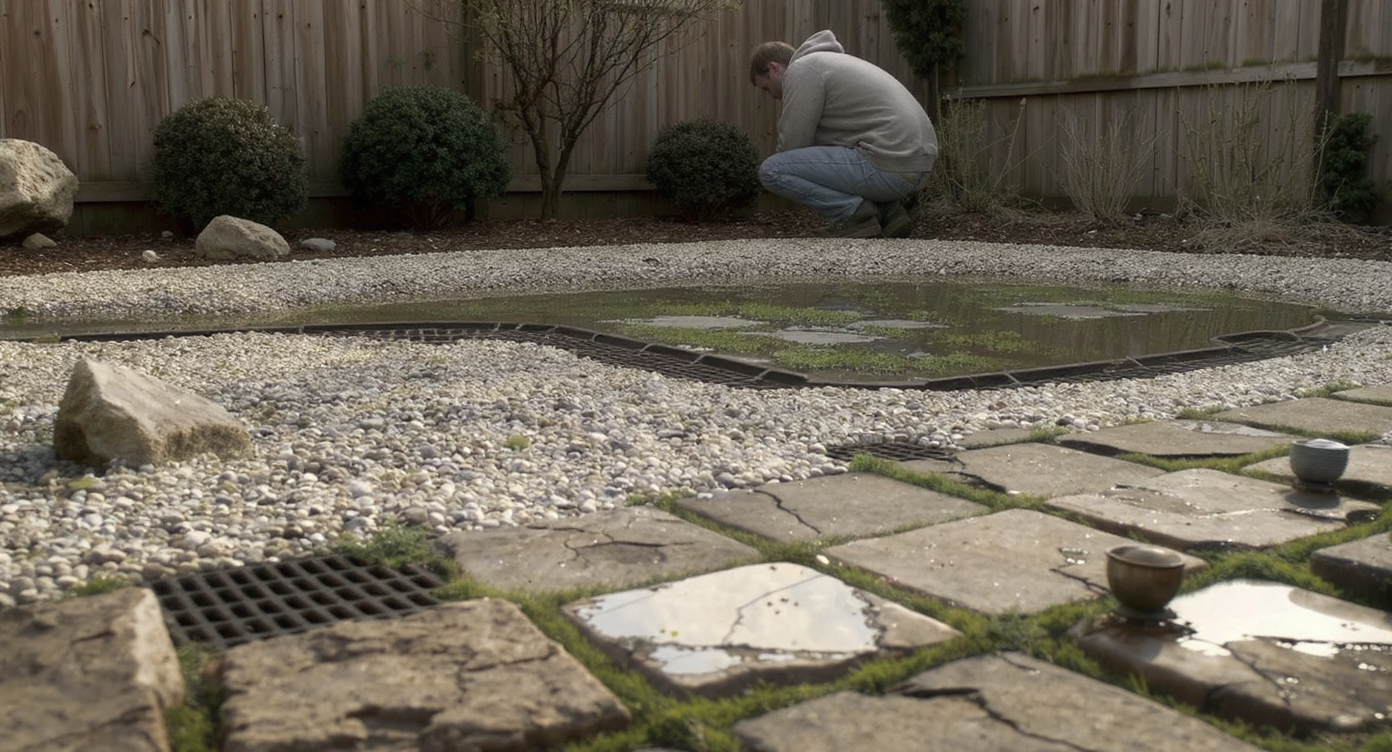
Blending old pavers with new materials in a compact urban backyard can create sustainable foundations for fresh garden transformations.
The discovery of old pavers or unusual grids in a compact garden presents homeowners with choices. If the surface remains functional—meaning it supports walking, drains well, and doesn’t impede planned upgrades—many designers recommend blending it into your refreshed design. This can mean topping the grid with decorative gravel, planting low-maintenance turf through the spaces, or using it as a foundation for new concrete or pavers. On the other hand, if the existing structure conflicts with your plans, such as raising deck levels or installing a patio, removal may be necessary, but only after confirming that it isn’t part of a utility or drainage system. Experts suggest slowly exposing the feature, observing drainage patterns after rain, and consulting building records or property managers when in doubt. Sometimes, as when replacing an uneven ground with stable pavers, the old grid can serve as a cost-saving base. With the help of AI garden design from photo tools, such as those highlighted in hardscaping guidance for 2025 backyards, homeowners can preview outcomes before committing to major changes. The growing availability of these digital resources is reshaping how small spaces are imagined and personalized.
-
Making Sense of Old Features: A Small Space Story
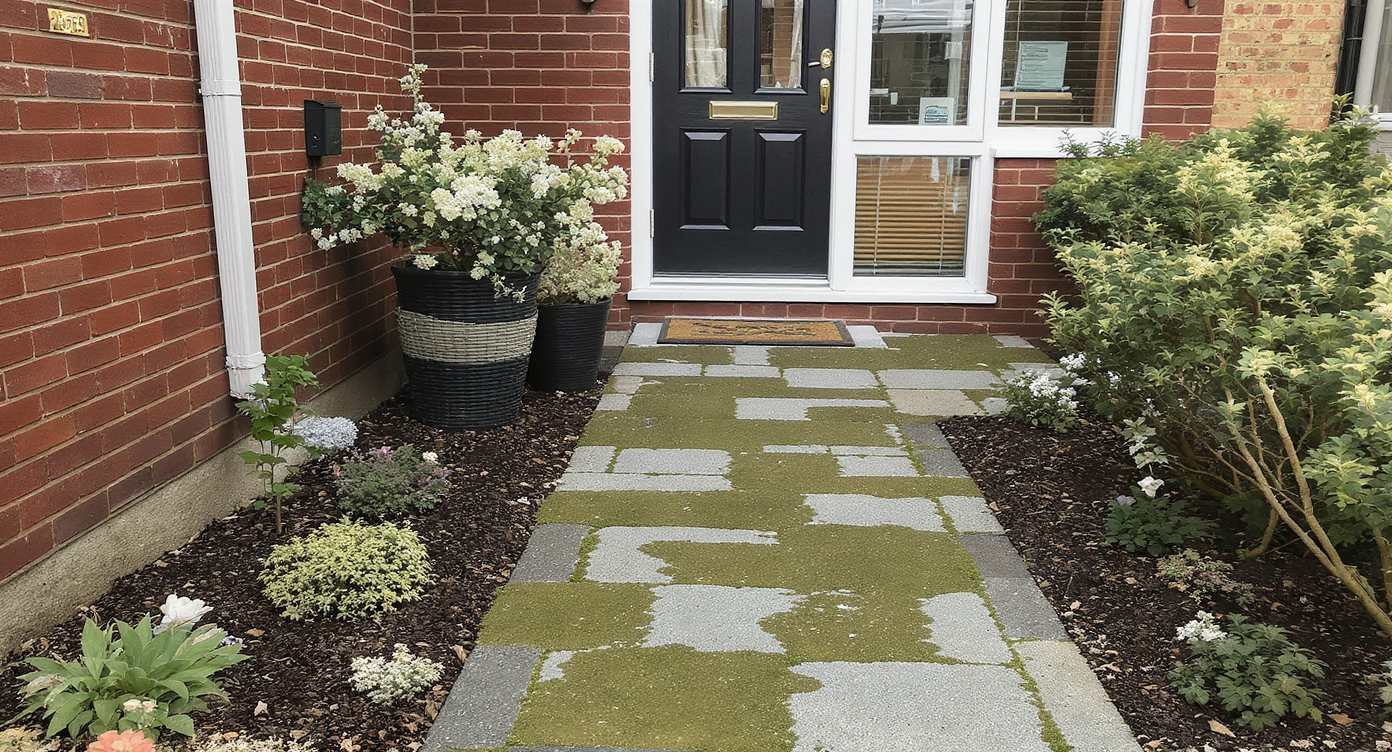
Repurposed old garden paving grids add enduring style and function to cramped entries—historic materials offer eco-friendly solutions today.
In compact apartments and townhomes, every outdoor step matters. The transition from footpath to door is especially prone to wear, puddling, and muddy build-up, which is why mass-produced permeable grids became common in high-use areas. Today’s garden renovators are discovering these remnants and, in many cases, treating them as prized finds rather than relics. Incorporating such old-world solutions can inspire updated, more sustainable hardscaping without starting from scratch. In fact, integrating historic materials is increasingly popular in urban garden makeovers for long-lasting style and eco-friendliness, as evidenced by current trends in DIY paver patio building.
Visualization Scenario
Picture a small city courtyard where a homeowner is confronted by a mix of soil, stone, and stubborn grids. By snapping a photo and using an AI garden design from photo solution, they quickly visualize the effect of keeping the permeable paver in place, topped with soft moss or river stones. At once, drainage improves, the look feels intentional, and the space is elevated without costly excavation.
FAQ: What To Do When You Find Old Grids or Pavers in Your Garden
Identify its likely purpose—stability, drainage, or access. Consult building plans or property managers if unsure about underground utilities.
Are permeable pavers worth keeping or should I remove them?
If they remain functional, consider blending them creatively into your updated design. Removal is only necessary if they block planned improvements and aren’t covering utilities.
Can I use AI landscaping design for homeowners to plan a makeover while keeping old features?
Absolutely. Visualization tools let you experiment before making decisions, saving both time and money. Platforms like ReimagineHome.ai offer these capabilities.
How do I know if a buried grid is part of a utility system?
If you suspect it might be, look for maintenance access points or reference site plans. When in doubt, consult professionals before digging up.
Layered With Possibility: Respecting What Lies Beneath
Uncovering hidden pavers or grids in your small garden is less a problem than a snapshot of thoughtful landscaping in action. These features often reveal past solutions to modern problems: drainage, durability, and maintenance. By thoughtfully evaluating what you uncover—rather than rushing to remove—you create opportunities for smarter upgrades and more harmonious designs. When in doubt, visualization platforms like ReimagineHome.ai can help you make the best choice for your space, blending what already works with visions yet to come.