7 Common Layout and Staging Mistakes in Designer-Staged Homes (And How to Fix Them)
TL;DR
Designer-staged homes can look bland or uninviting due to neutral palettes, poor layout flow, or awkward proportions. This list breaks down the most common mistakes seen in staged or 'designer' homes for sale and gives actionable ways to correct them, so buyers can better envision the real potential of any space.
Why Do Designer-Staged Homes Look So Bland?
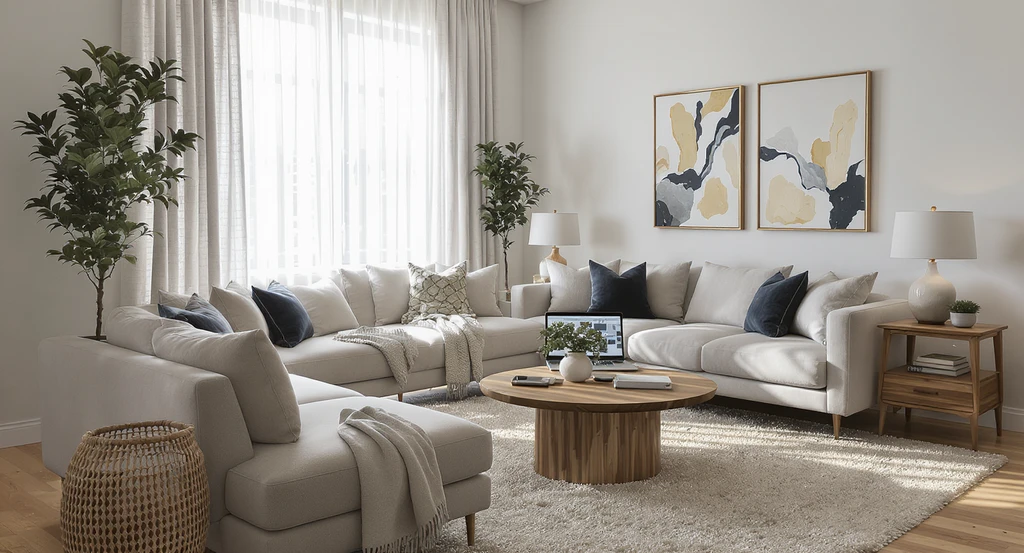
Many ai interior design tools for home buyers create neutral, impersonal staging that can hinder how buyers visualize home decor options or personalize recommendations.
Many homes advertised as "designed by an interior designer" or "professionally staged" can leave buyers underwhelmed. The intent behind such staging is often to appeal to the widest possible audience by removing bold personality touches. While this approach may create a blank canvas, it can lead to spaces that feel sterile, awkward, or difficult for buyers to envision as their own. Understanding the practical reasons behind common visual and layout mistakes in staged homes, and knowing how to correct them, can help buyers and homeowners alike spot the true potential hiding beneath bland decor. Below are seven key mistakes to watch for, plus clear correction strategies to reimagine your home’s possibilities.
-
01. Overly Neutral Color Schemes Create a Lifeless Atmosphere
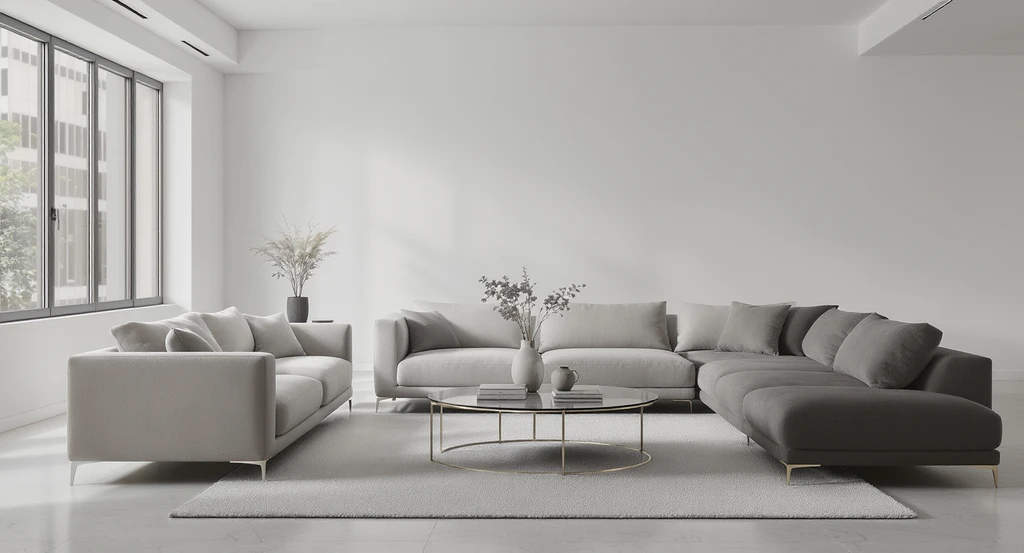
Ai interior design for home buyers demonstrates how ai visualizes home decor options, using virtual staging tools to add accent colors and overcome visualization challenges with ai design in overly neutral rooms.
Staged homes often rely on beige, grey, or white palettes throughout every room. This is done to avoid turning off buyers with bold or divisive colors, but it frequently results in spaces that feel cold or characterless.
Neutral walls, floors, and large furnishings can strip away all sense of personality and make it hard for buyers to imagine living comfortably or warmly in the house. The solution is to introduce accent colors in temporary ways, such as with pillows, artwork, or rugs, while maintaining neutral backdrops for larger surfaces. As seen in our guide to updating dated homes without losing character, adding personality through accessories gives buyers inspiration without jeopardizing broad appeal.
-
02. Poor Furniture Proportion Disrupts Room Balance
Poor furniture proportion disrupts room balance in staged homes. Virtual staging tools and ai interior design for home buyers empower real estate listings by visualizing better furniture scales and overcoming home design visualization challenges.
Staged homes often feature furniture that is either too small (to make rooms seem larger) or too generic (to avoid distraction). This can result in awkward empty spaces, or worse, cramped layouts that feel unnatural.
This mistake is common when sellers or stagers use discounted or rental furniture rather than properly scaled pieces. Proper correction requires measuring each room and following a proportion guideline: main seating should fill roughly two-thirds the width of a living room, and dining tables should allow a minimum of 36 inches clearance on all sides. To preview correct proportions visually, virtual staging tools like REimagineHome AI let homeowners test different scales before purchasing or arranging real items.
-
03. Inconsistent Layout Flow and Pathways
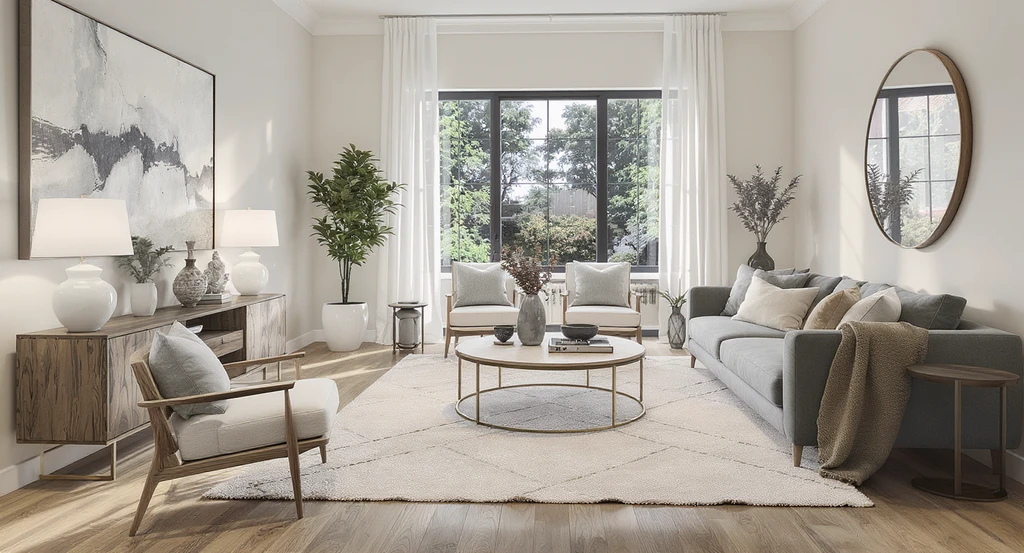
Proper furniture placement and clear pathways, as seen in this ai interior design example, help home buyers visualize functional flow. Virtual staging tools for real estate listings and personalizing ai home design recommendations make overcoming visualization challenges with ai design easy and effective.
It’s common to see staged homes with odd furniture placement: sofas blocking windows, side tables jutting into walkways, or dining spaces awkwardly divided by stairs or railings. This disrupts natural flow and makes moving between spaces uncomfortable, issues frequently cited by home shoppers.
To correct, follow a pathway clearance rule: leave at least 36 inches of open space through major traffic paths (entryways, around sofas, or leading to doors). If the home’s existing layout doesn’t allow for this due to fixed architectural features, highlight movement routes with area rugs or lighting, not furniture.
As discussed in our breakdown of common design mistakes that hurt home value, clear furniture flow is a simple fix that greatly improves comfort and appeal.
-
04. Lack of Layered Lighting Leads to Flat-Looking Rooms
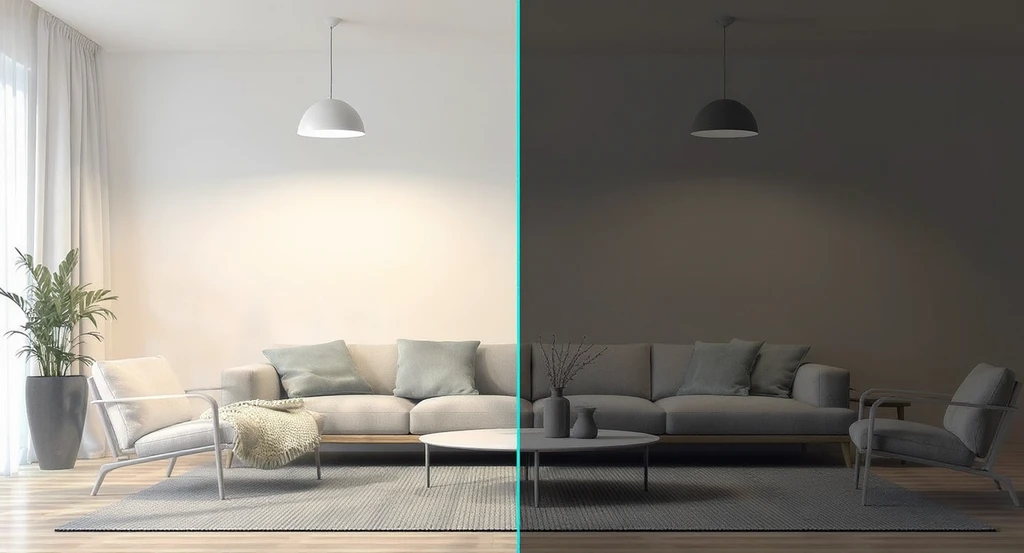
04. Lack of Layered Lighting Leads to Flat-Looking Rooms Image
Staged homes are often photographed with natural light alone or under harsh overhead fixtures. This results in rooms that seem flat, washed out, or lacking in warmth and depth.
Effective correction means layering three types of lighting: overhead (ambient), task (table/floor lamps), and accent (art lights or sconces). Match light fixture scaling to room and ceiling height, avoid tiny lamps in large rooms, or large pendants that overwhelm a dining table. When previewing staged photos, use editing or digital tools to simulate different lighting temperatures and placement to judge real-world effects before installation.
-
05. Minimal or Generic Artwork Fails to Anchor the Space
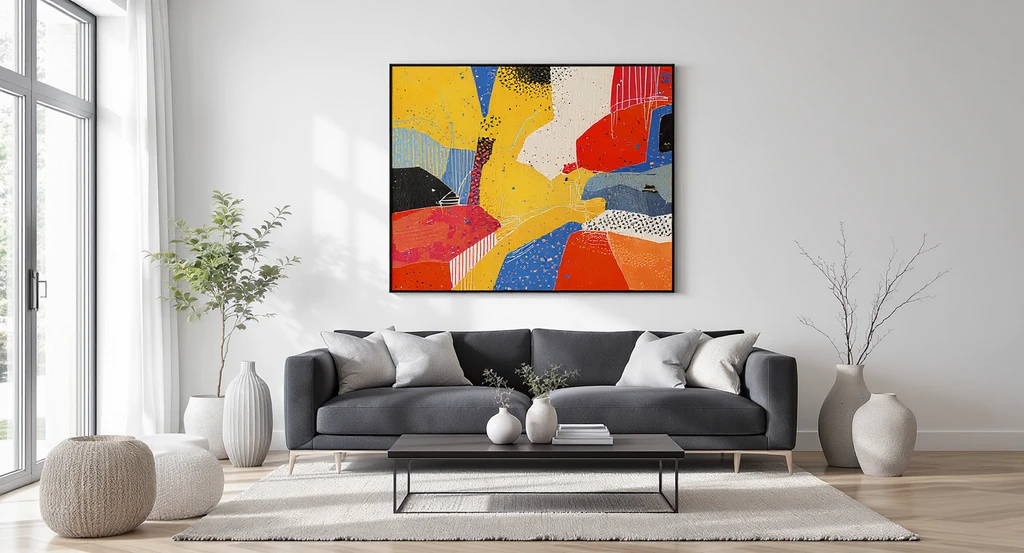
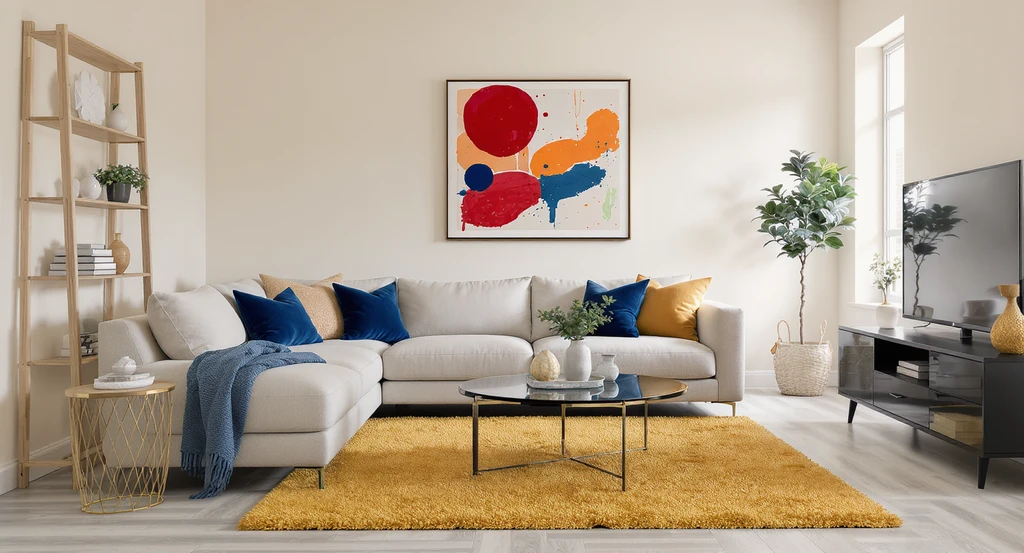
Properly placed, bold artwork above the sofa shows how ai interior design for home buyers and virtual staging tools personalize home decor recommendations.
Many staged homes use inexpensive, generic artwork, sometimes just framed paper or filler prints. Worse, art is often hung too high, centered incorrectly, or left in awkward empty corners. This strips away any focal point or interest in the room.
To fix, follow the art height rule: center artwork at eye level (about 57–60 inches from the floor) and ensure art’s width covers 60–70% of the furniture beneath it. Swap out ‘filler’ frames for larger, colorful prints or textiles that relate to the room’s function, kitchen prints in the kitchen, soft abstracts in bedrooms. This grounds the decor and adds needed depth.
-
06. Neglecting Connected Views Between Rooms
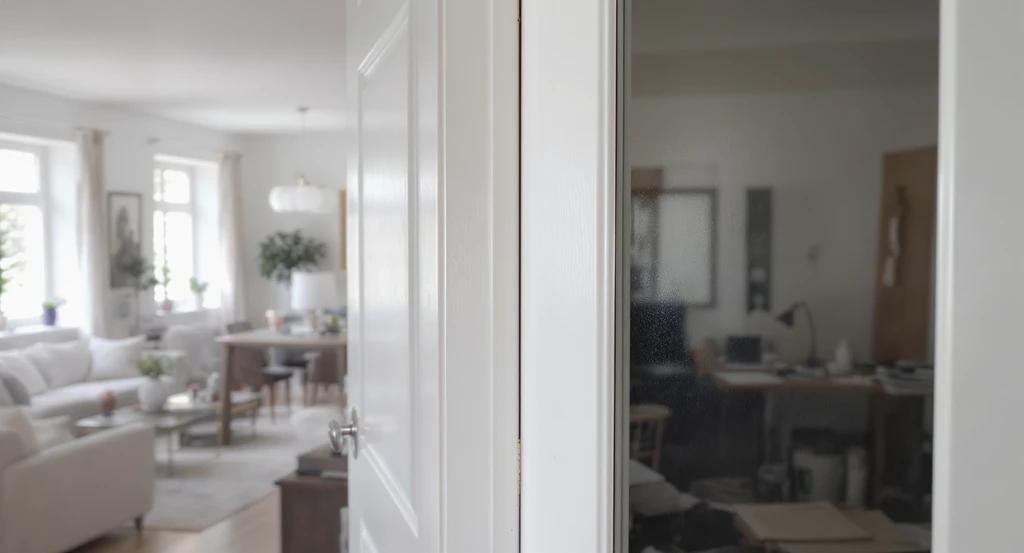
06. Neglecting Connected Views Between Rooms Image
Staged homes sometimes give each room a standalone look, using the same neutral everywhere but not considering how spaces connect or sight lines flow. This can lead to visual disconnects, especially in open-plan homes, where furniture, flooring, or wall colors shift abruptly from one zone to the next.
The correction is a connected palette framework: repeat at least one shade, metal finish, or texture from one room into the next, especially in sight lines from entryway to main living areas. This technique, discussed in our overview of enduring and current design trends, creates subtle flow and helps spaces feel thoughtfully unified rather than randomly staged.
-
07. Staging Ignores Storage and Everyday Function
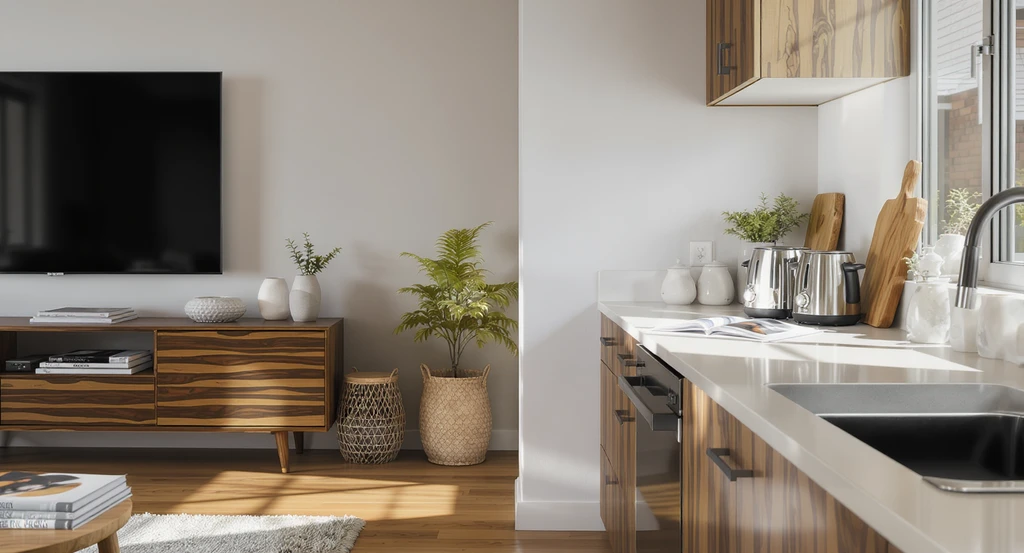
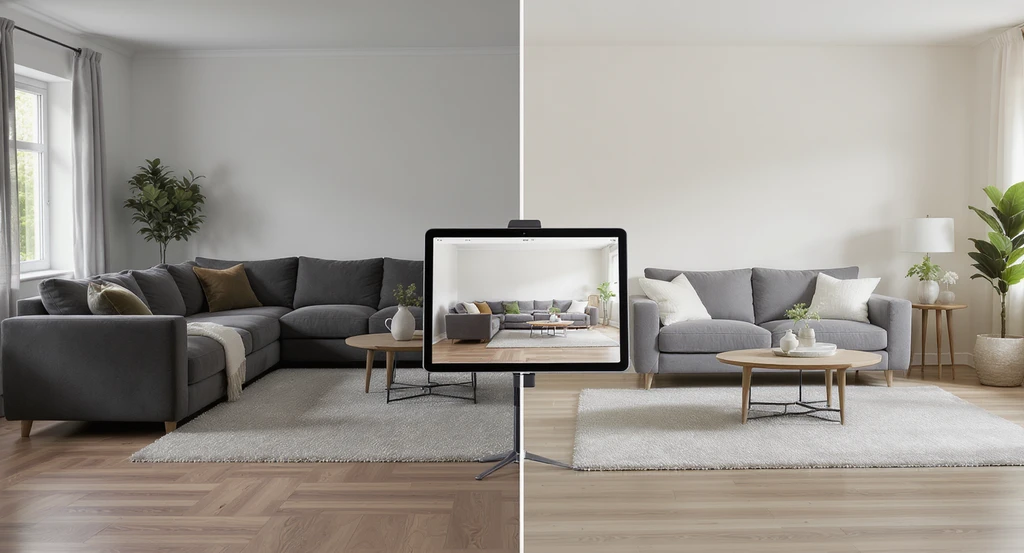
Editorial ai interior design for home buyers: This example shows how ai visualizes home decor options with subtle, real-world storage in a staged living room and kitchen, helping overcome visualization challenges with ai design.
Staged homes frequently “hide” daily-use items to create a minimal effect, but forget to demonstrate how real storage and function work. That means kitchens have empty counters (no practical appliances shown) and living rooms lack shelving or media centers, making it hard for buyers to imagine where things will actually live.
When correcting, add just enough storage cues (baskets, book stacks, or minimal appliances) to show how rooms can be both tidy and usable. For sellers staging on a budget, our staging tips guide recommends a balance: removing clutter but still hinting at daily life, so buyers don’t feel “fooled” by an unrealistic setup.
FAQ: Fixing Staged Home Design Mistakes
- Why do staged homes use so much beige and grey?
- They’re safe, neutral, and statistically less likely to turn off buyers, but can lack vibrancy. Learning to spot the opportunity for added color can help immensely.
- Is it normal for staged homes to feel colder or emptier than lived-in ones?
- Yes, staging often means removing personal touches and clutter. The goal is a blank slate, but this can overshoot and strip out the feeling of home.
- How can I tell if the furniture is the right size for the room?
- As a rule, main seating should fill 2/3 of the wall it sits against, with at least 36 inches left for walkways. Try digitally previewing different sizes if unsure.
- Does layout really impact home value?
- Absolutely. According to our guide to common home value mistakes, blocked flow and awkward layouts can directly reduce resale interest and price.
Layout Clarity Makes Any Home More Livable
Staged or designer-advertised homes aren’t always bad, they’re often just missing key elements of function, comfort, and visual coherence. By understanding and correcting these seven common mistakes, buyers can see beyond the bland surface and unlock a home’s potential, while sellers can create more appealing, realistically inviting listings. If you struggle to visualize changes, consider virtual staging tools to help preview options before committing, and always double-check the arrangement, lighting, and connection between rooms for maximum comfort.