11 Smart Ways to Polish an Understated Living Room Without Overdoing It
TL;DR
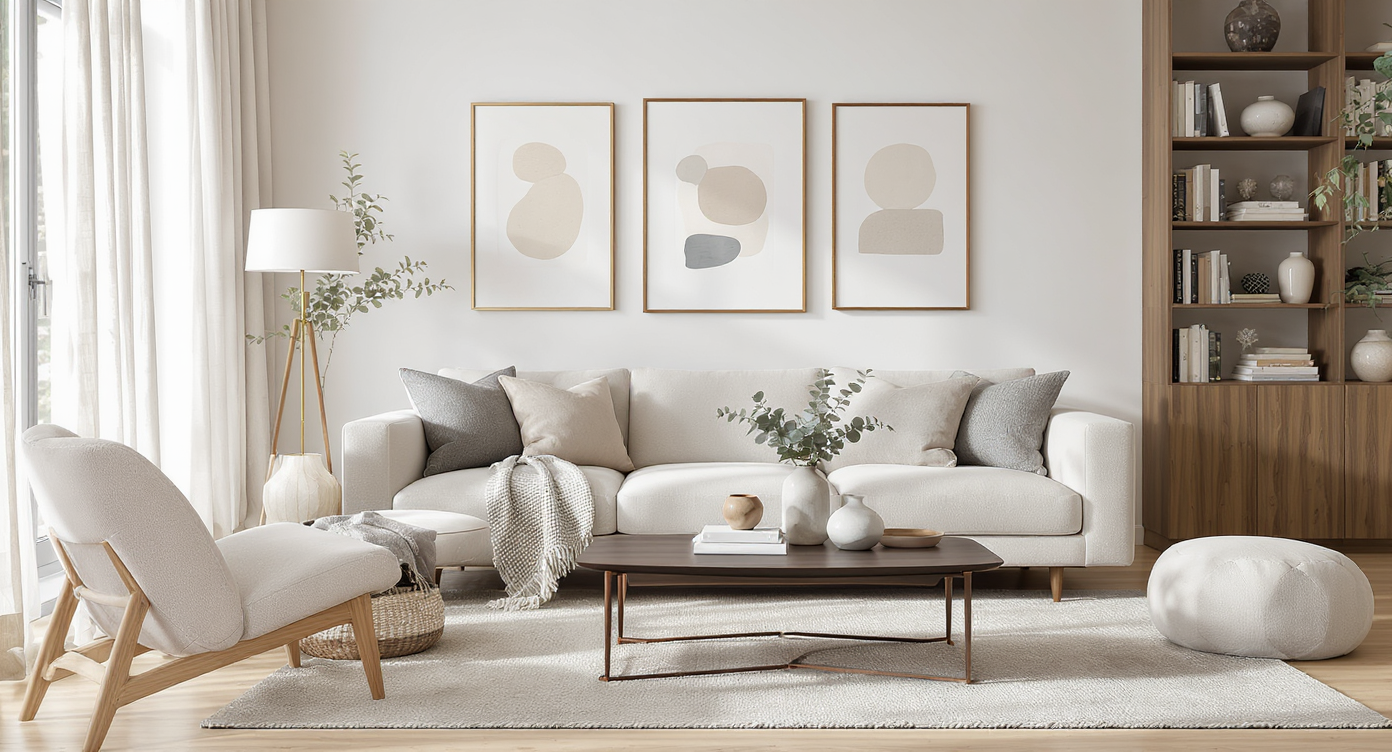
Refining a living room often means layering in thoughtful touches like better layout, harmonized color, textured soft furnishings, and meaningful art. This list breaks down foundational ways to elevate your main social space so it feels cohesive, functional, and uniquely yours, regardless of your design confidence level.
Why Subtle Details Make or Break a Living Room
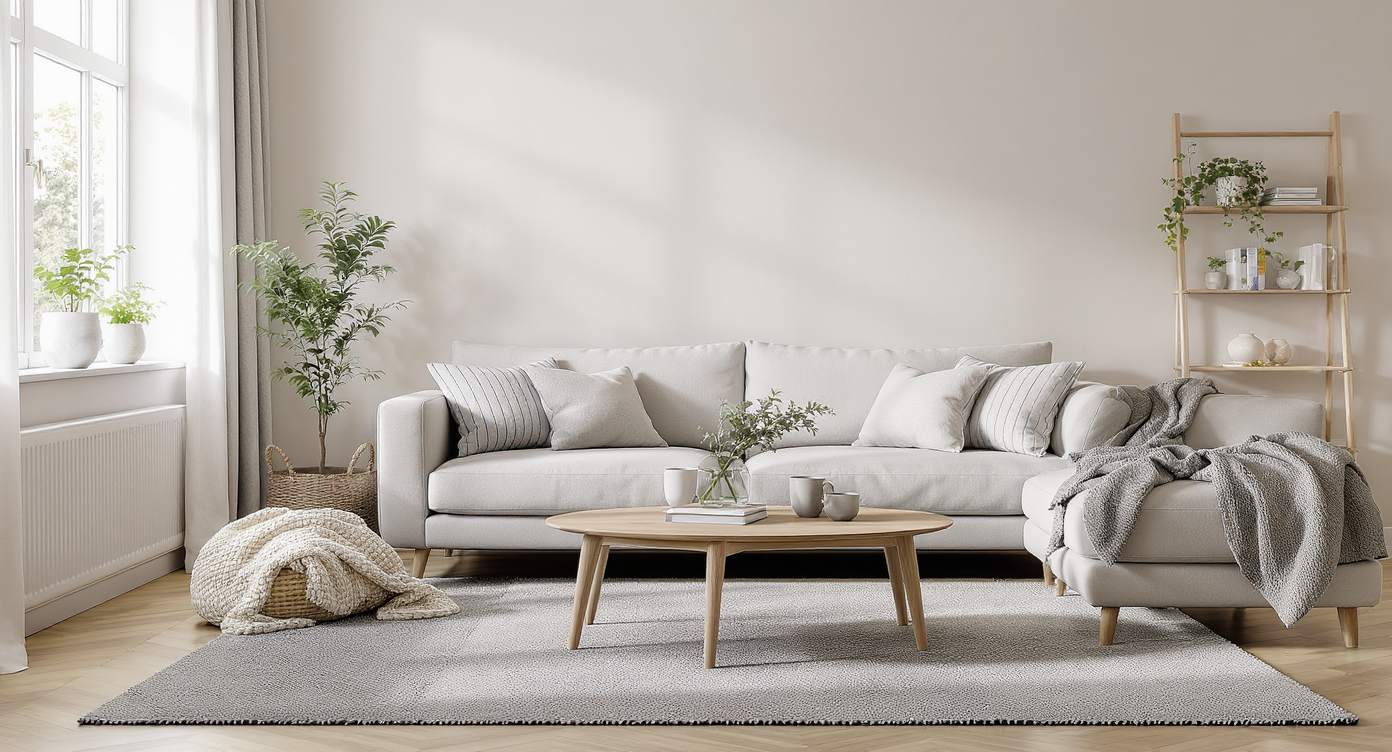
A naturally lit, understated living room feels almost finished with its neutral sofa, simple furnishings, and small personal touches.
A living room with natural character and good bones can still land short of feeling welcoming, especially when it is your first time styling a main social space. While daunting at first, progressing from “nearly there” to effortlessly pulled together involves small, specific tweaks rather than radical makeovers. Whether you lean toward minimalism or simply want a main social space that echoes your personality (and not just empty square footage), shifting a few practical habits can make the difference between a room that feels unfinished and one that invites conversation and daily relaxation. These techniques focus on layout styling, color coordination, and the best use of soft furnishings without overwhelming the room or your comfort with design.
-
1. Center and Define With Anchors
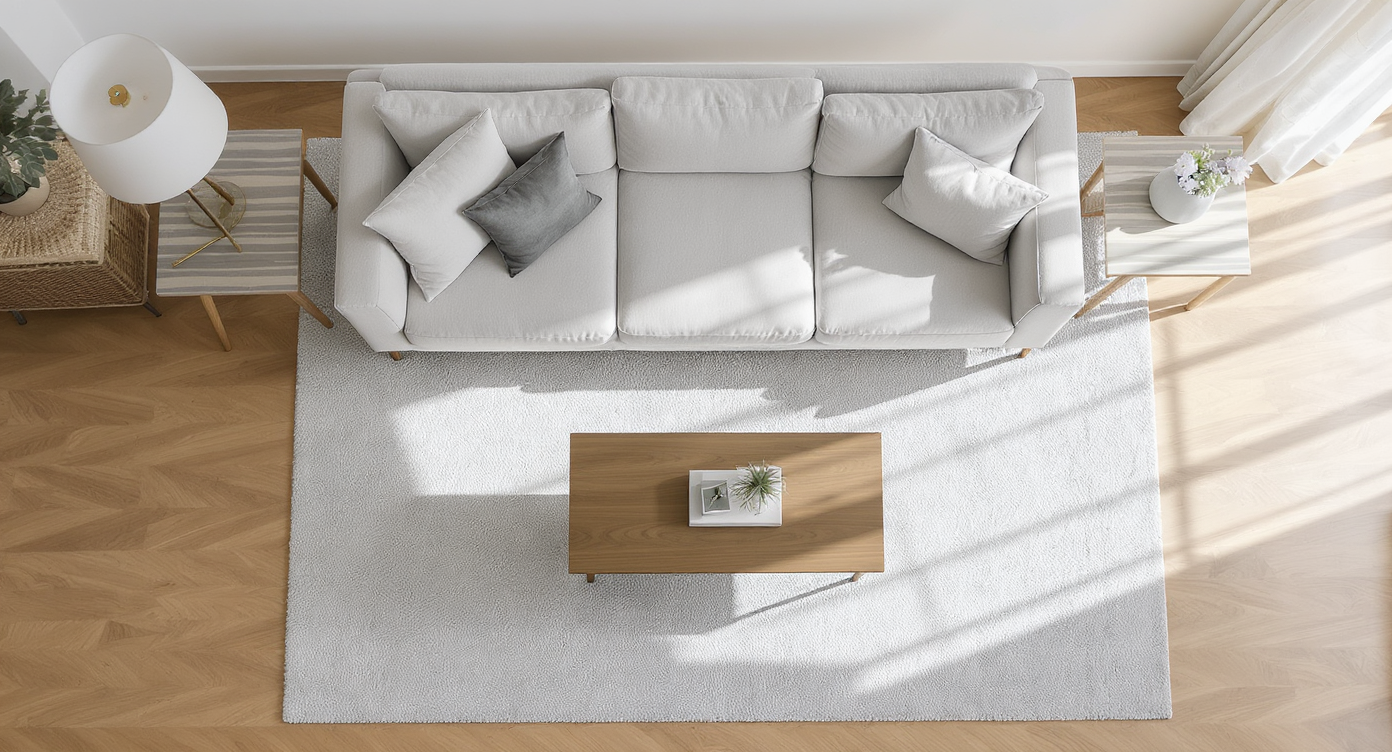
A realistic living room arrangement featuring a centered sofa, partially rug-anchored seating area, and precisely positioned coffee table.
One of the most common issues in new living rooms is furniture that floats awkwardly or doesn’t define zones for conversation. Starters should first center the largest piece—usually the sofa—and let it guide rug placement, then build out from there. Experts often recommend placing the rug partially under the sofa to visually anchor the main seating group. Coffee tables should then be centered in front, leaving enough walking space—around 16 to 18 inches. This approach grounds the space and creates a functional orientation that feels intentional, something detailed further in our cozy, cohesive space guide.
-
2. Layer Soft Furnishings for Warmth and Texture
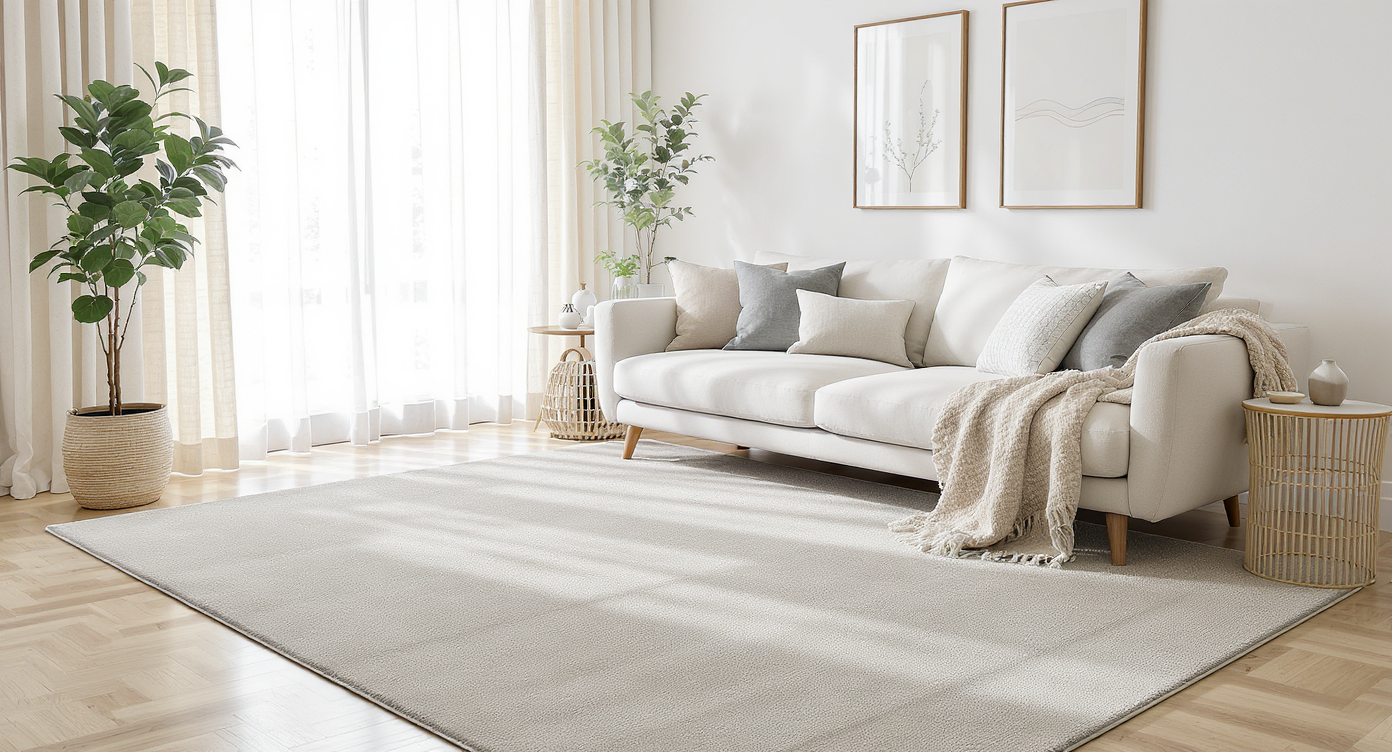
Layering a large rug, soft textured pillows, a cozy throw, and light-filtering curtains adds warmth and depth to a simple living room.
Bare-bones spaces often lack the tactile qualities that signal comfort. Layering is the fastest way to add dimension. Start with a properly sized rug—ideally large enough to tuck under at least half the sofa’s legs. Add throw pillows in various sizes and patterns that echo tones from other furnishings for subtle color coordination. A cozy throw, draped casually, further softens hard lines. For added depth, linen or cotton curtains can filter light while warming the room’s overall feel, as seen in our exploration on making minimalism feel inviting.
-
3. Feature Art That Reflects You
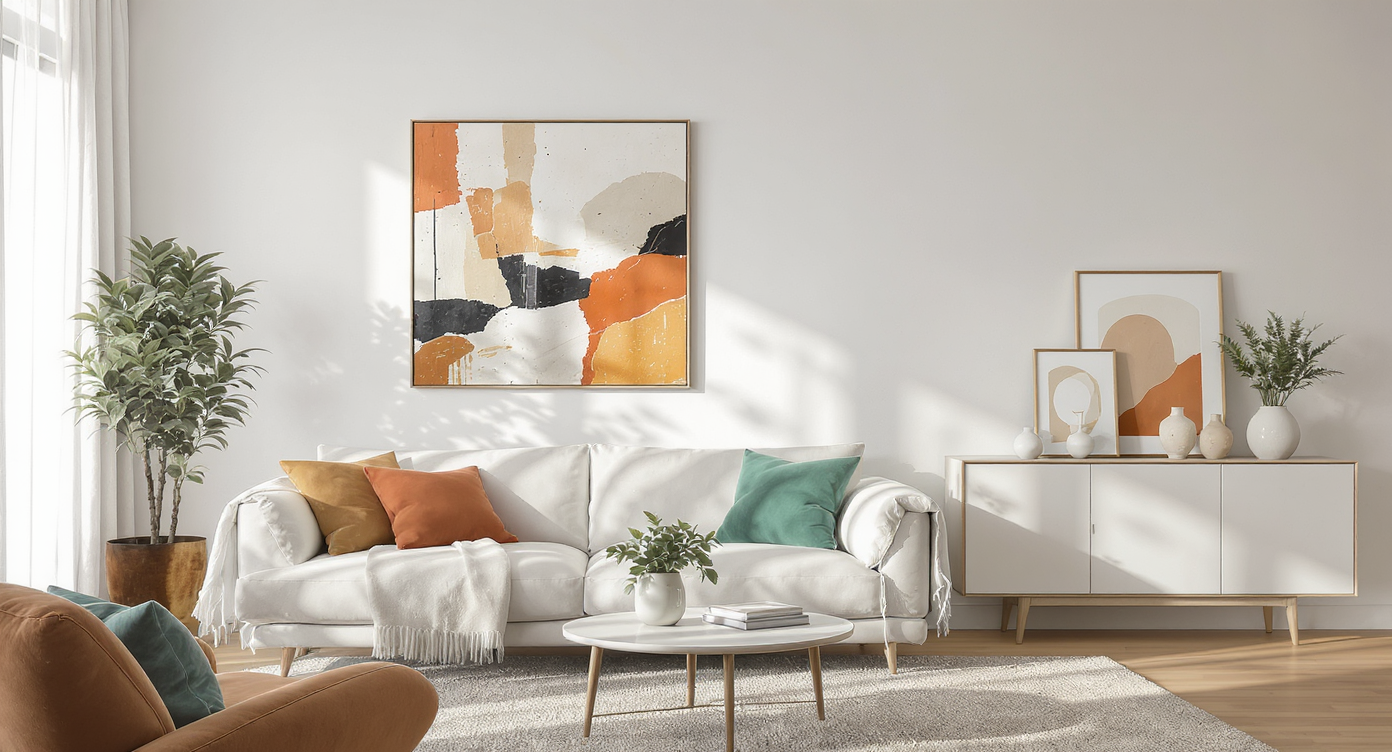
Showcasing how personal, large-scale or grouped artwork above a sofa instantly polishes and completes a living room’s look.
Bare walls, especially above a sofa, make even a well-furnished room feel incomplete. The best option is one large-scale work or a diptych for instant polish, but gallery clusters or even a row of three smaller framed pieces also work. Choose art that resonates with your experiences or local context rather than defaulting to generic prints for the main social space. If you hesitate to commit with nails, removable adhesive strips or even leaning frames on consoles add flexibility. According to our guide on art and gallery wall styling, this single step often provides immediate impact and helps establish the room’s color direction.
-
4. Rethink Lighting for Zones and Ambience
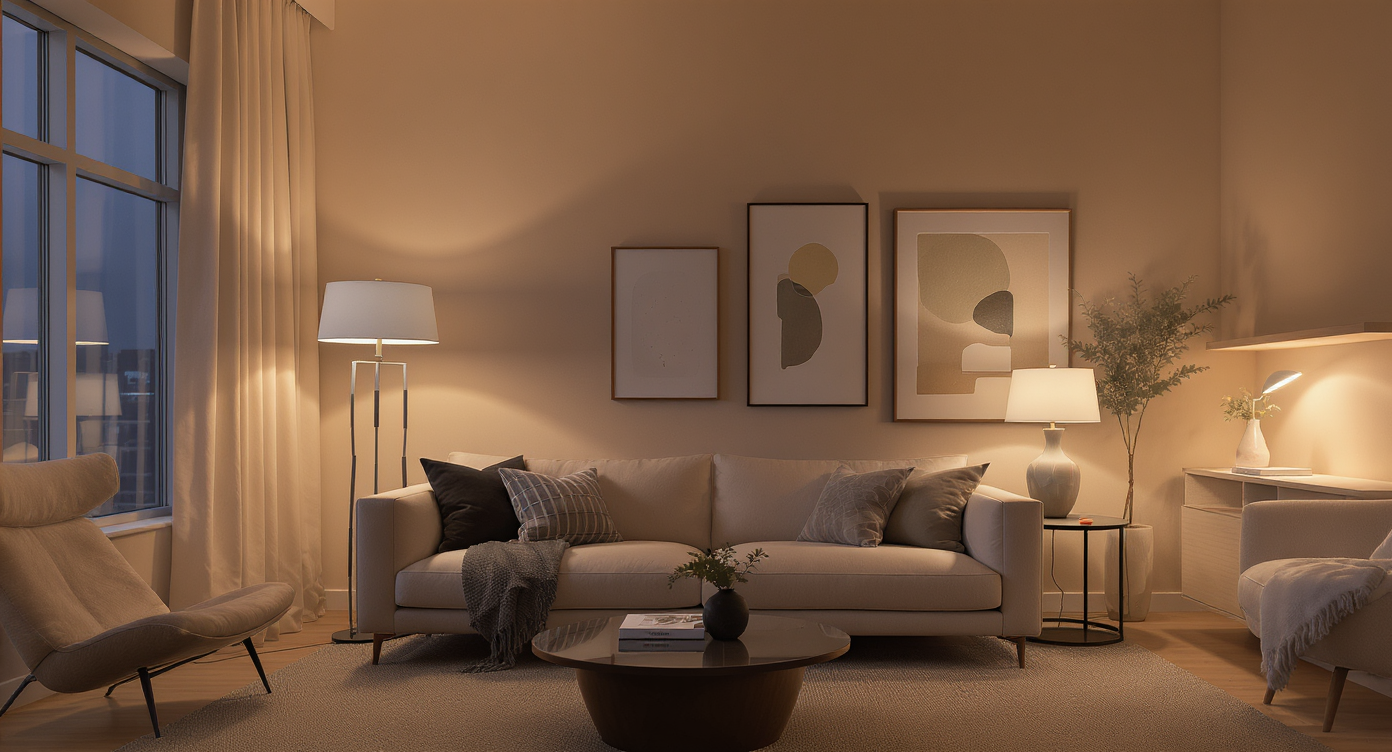
Layered lighting in a living room: table lamp, sculptural floor lamp, reading light, and cordless lamp create inviting ambience and flexible zones.
Relying solely on overhead fixtures can flatten the mood and limit how you use the room. Professional designers nearly always layer lighting types: an elevated table lamp or sculptural floor lamp at one end of the sofa, a slim reading lamp by a secondary chair, and perhaps a picture light over art. Warm bulbs and dimmers reinforce softness while drawing out material textures. Spreading light sources at varied heights not only adds ambience but enhances usability after dark. For renters or those just experimenting, cordless rechargeable lamps offer flexibility without the drill.
-
5. Embrace Plants for Freshness and Form
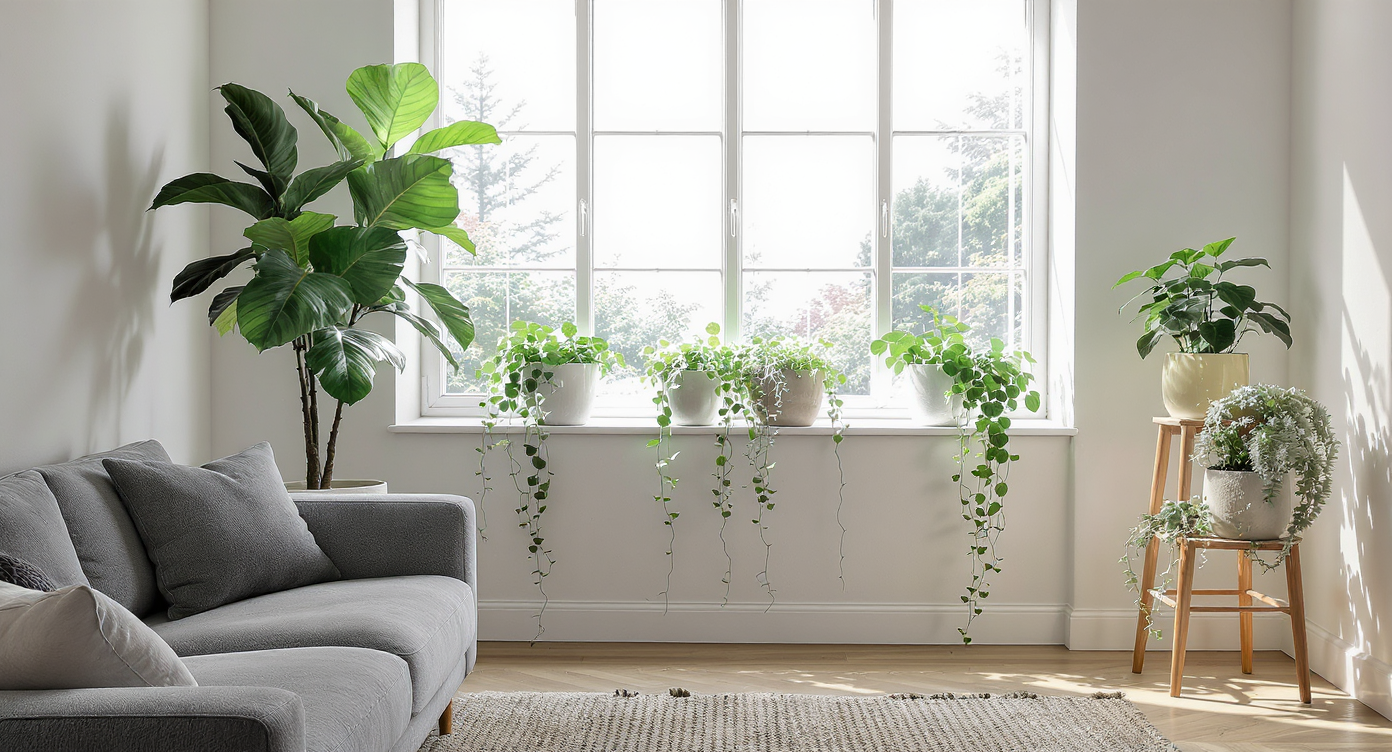
A tall potted plant and trailing varieties on shelves and sills add organic shape and freshness to this serene, modern living room setup.
Living greenery is one of the simplest soft furnishings for breathing life into any main social space. A tall statement plant in a stylish pot breaks up straight lines and brings organic shape, while trailing varieties, grouped on shelves or window sills, introduce a relaxed, curated vibe. If you already own plants, a well-proportioned stand elevates them to eye level, creating intentional height variation that fosters balance within your layout styling. For empty corners or near windows, even one or two bold species can transform the energy of the room.
-
6. Apply Simple Color Coordination Strategies
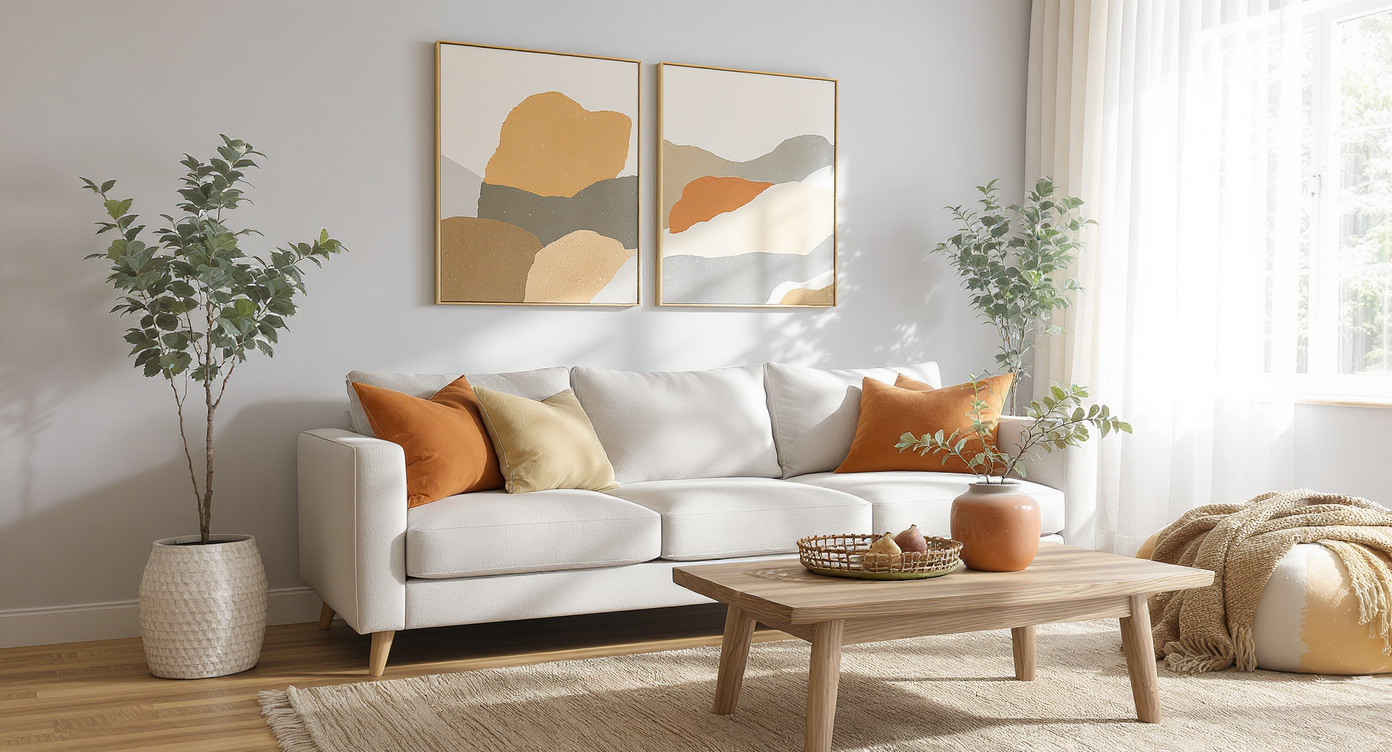
Simple color coordination: ochre, terracotta, and olive green accents echo wood floor undertones for a cohesive, inviting living room.
Color mistakes often come from too many unrelated tones or a palette that ignores floor and wall undertones. One straightforward fix is to first identify two or three main colors already present, then repeat them through new accents such as pillows, planters, or books. Warm undertones in wood floors, for instance, can be echoed with ochres, terracottas, and olive greens in accessories. Art should align with or gently contrast the established palette to give consistency without monotony. Color pinpoints like throws or a tray are low-commitment ways to test what feels right, as described in our guidance on tiny, high-impact color shifts.
-
7. Edit and Upgrade Multipurpose Pieces
In lived-in apartments, functional items such as stools and step ladders often linger in main view, disrupting spatial harmony. Professionals recommend either relocating these elsewhere or upgrading them into attractive accent furniture—think nesting side tables, sculptural bookcases, or distinctive baskets for storage that double as decor. Swapping an awkward stool for a streamlined side table with a lamp instantly polishes the area and keeps necessities within reach. Be intentional about every object’s purpose in the layout, favoring those with both use and visual appeal.
-
8. Contrast Scale and Shape for Visual Interest
Rooms can look flat when everything shares similar proportions or silhouettes. Mix in pieces that contrast each other: a slim-legged chair paired with a deep, cushiony sofa, or a round mirror set above a low, linear console. Incorporating both light and dark finishes in furniture or a single bold element—like an oversized art frame or a colorful planter—can break up monotony. These contrasting details create hierarchy, helping the eye travel naturally across the room.
-
9. Use the Dining Area as a Color Bridge
If your main living space is open concept, the dining area can unify or fragment the whole. Applying the same principles of color coordination and layout styling here—including art, a streamlined centerpiece, or an area rug that harmonizes but does not duplicate those in the living zone—can marry both sides visually. Removing tablecloths to reveal wood grain or adding a runner anchored by a bowl or tray brings subtle texture. Coordinated chairs or the strategic use of even a single statement piece helps fuse the atmosphere without overt repetition.
-
10. Add Layers Slowly and Test Virtually
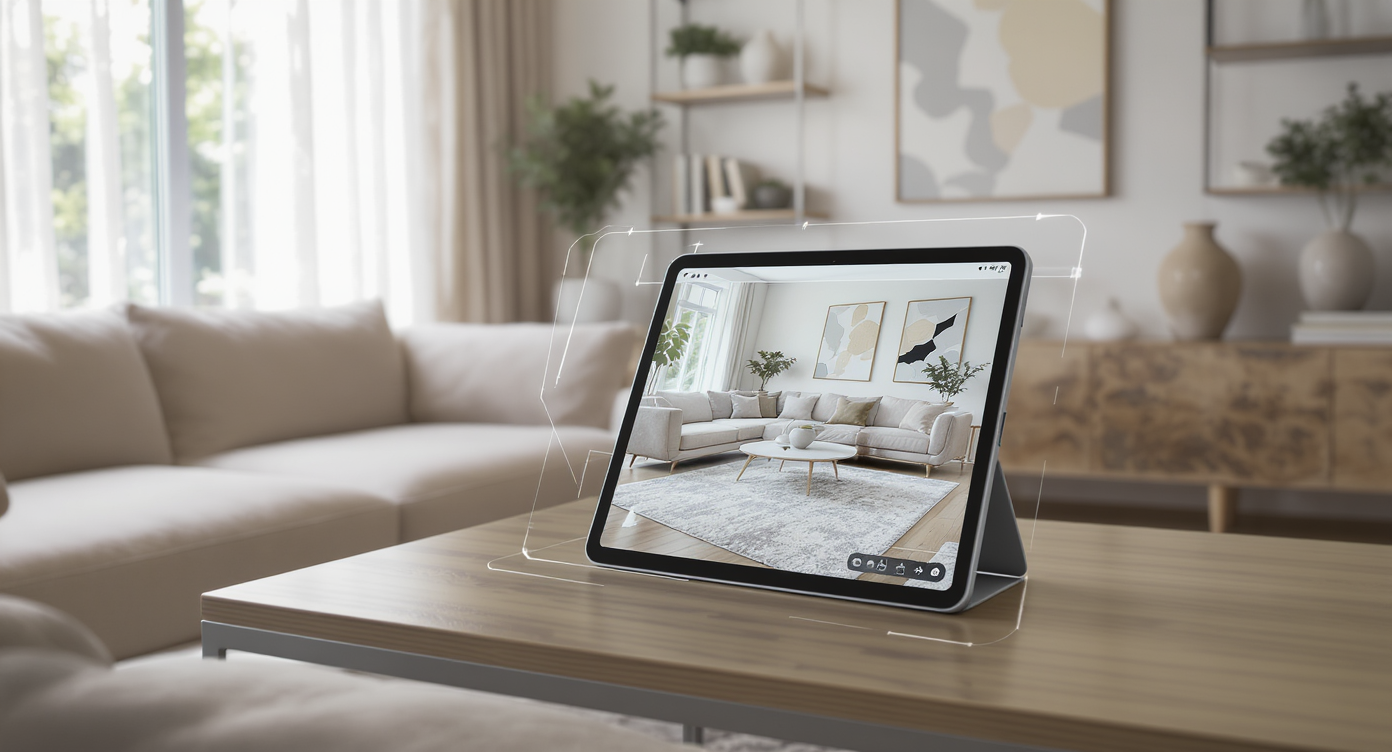
Living room with a tablet previewing decor changes, illustrating the use of virtual tools to test new layers before updating the space.
Building a personally satisfying room is an iterative process. Instead of buying everything at once, add or shift elements in phases, pausing to live with each change. For the indecisive or risk-averse, virtual tools have made experimentation less daunting—uploading a photo to REimagineHome.ai allows realistic previews of new rugs, art, or layout tweaks before making real adjustments. This approach increases confidence, prevents regretful purchases, and supports learning your unique taste as you go. Additional examples of digital design experimentation can be seen in our guide for first-time home designers.
-
11. Celebrate the View and Architectural Features
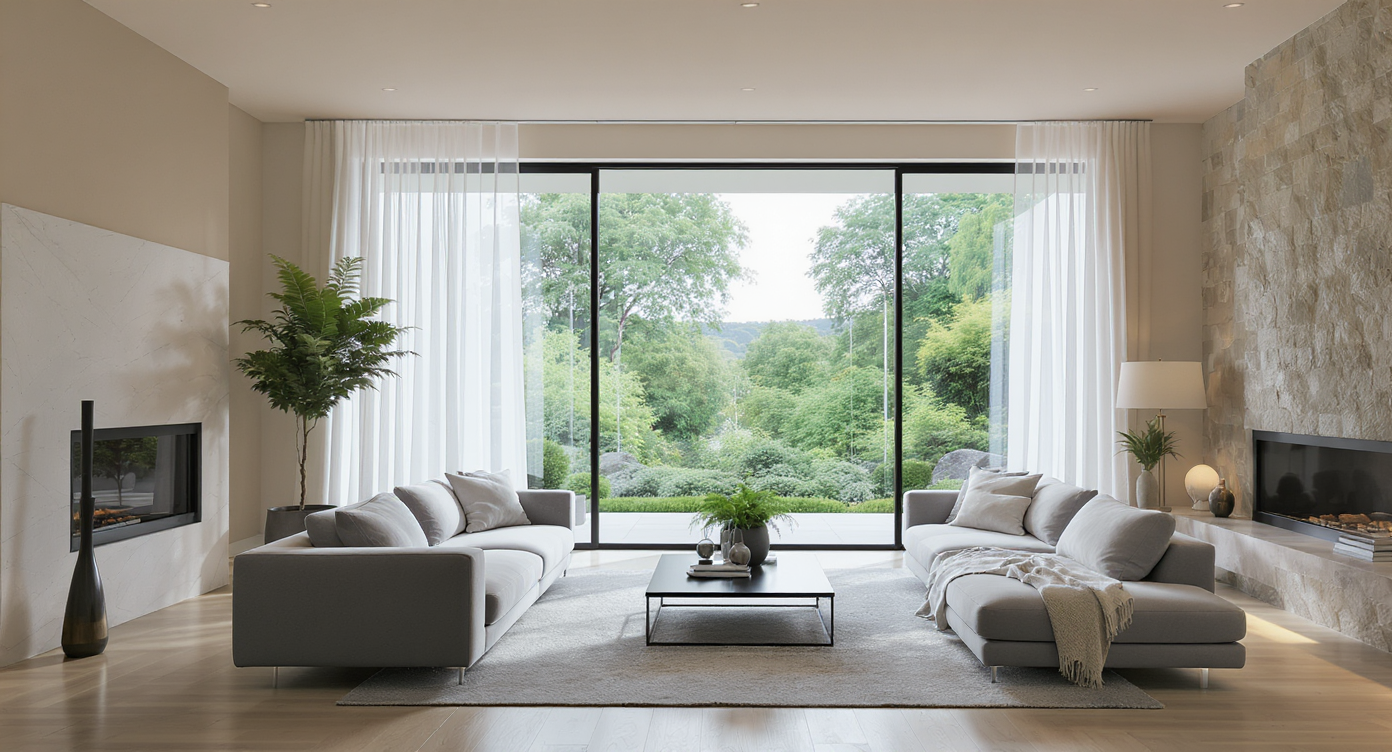
An understated living room layout uses broad windows, light curtains, and a mirror to showcase views and period details without adding clutter.
When your living room boasts beautiful views or period details, let them hold center stage. Frame broad windows with light, unobtrusive curtains and keep wall color neutral to amplify natural light. Arrange seating so the view becomes the focal point. Displaying a mirror directly opposite a window can magnify daylight and visually extend the room. Avoid overcrowding these spaces with large furniture or dense decor in order to maintain the airy, open feeling. This restraint—paired with strategic highlights—lets your space feel distinctly yours yet inherently calm.
Common Living Room Styling Questions
Start with the existing undertones in your floor and large furniture, then pick two or three complementary shades to repeat in soft furnishings, plants, and art. This creates easy color coordination without fuss.
Is it worth investing in a bigger rug right away?
Even a modestly larger rug that fits your seating layout well can transform the sense of scale in a room. If in doubt, tape out dimensions first or use a virtual preview tool like REimagineHome.ai.
What if I love minimalism but want the room to feel less stark?
Layering a few key textures (curtains, throws, textured art) and adding warm tone accents can help a minimalist space feel inviting. For more, see our feature on minimalist warmth.
How do I know if I have too much or too little decor?
Rooms look most composed when purposeful negative space is balanced by a handful of meaningful items. Rotate or edit decor until the space feels settled. Try photographing your space and reviewing the image from a fresh perspective.
Can I experiment with layout changes before buying new furniture?
Yes, virtual design tools such as REimagineHome.ai allow you to visualize potential moves and additions, saving time and avoiding costly errors.
Key Takeaways for an Effortless Refresh
A cohesive living room comes from layering comfort, considered layout styling, harmonious color coordination, and artful restraint. Focus on the principles above, taking time to edit, experiment, and prioritize what feels right for your personality and daily life. Virtual platforms such as REimagineHome.ai are invaluable when testing out changes and fine-tuning the look before reshuffling your real furniture or shopping for the finishing touches.