11 Practical Steps Every First-Time Homeowner Should Take After Closing
TL;DR
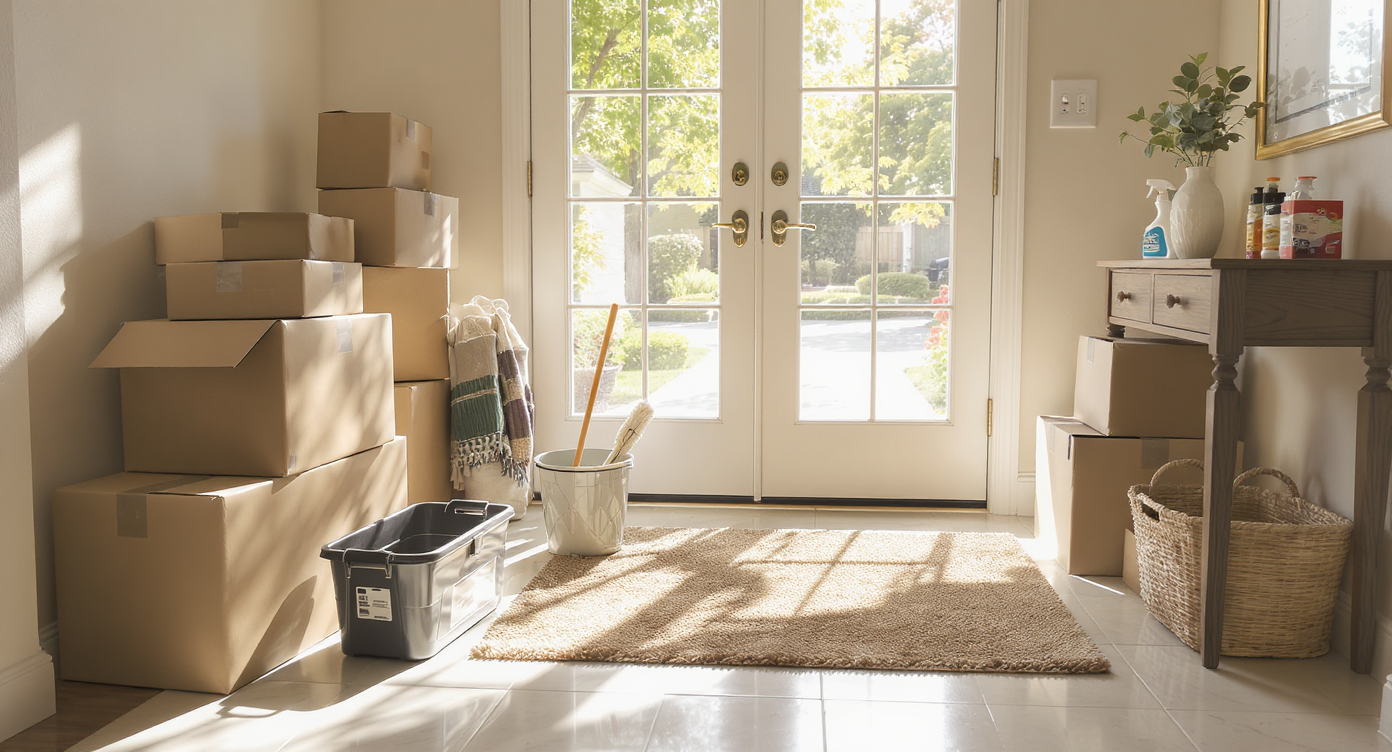
After closing on a new home, first-time buyers often feel a rush of uncertainty. Prioritizing security, smart cleaning, key maintenance, and phased improvements helps minimize move-in stress, control clutter, and tackle beginner confusion. Use this list to transform chaos into confidence and start your homeownership journey on solid ground.
Welcome to Homeownership: Here’s What to Do First
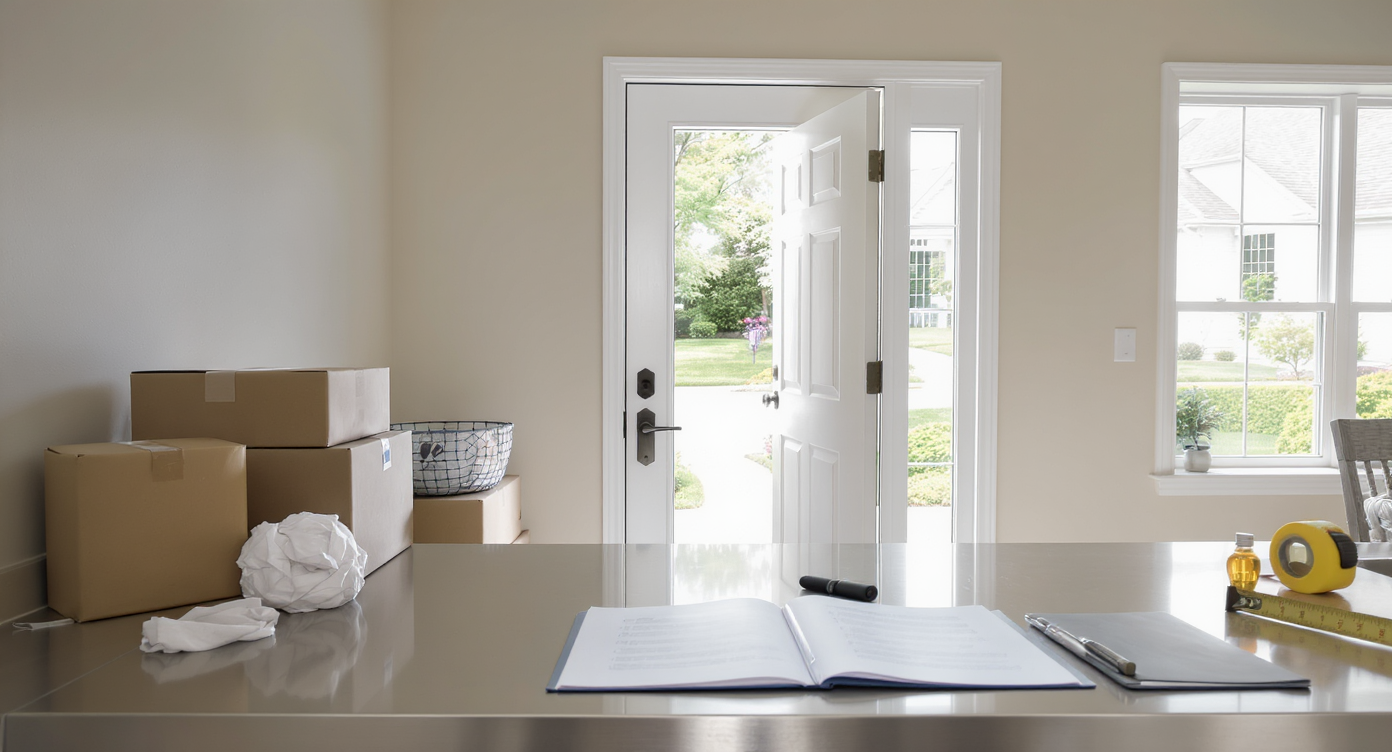
A new home's entryway with moving boxes, tools, and keys captures the transition from buyer to homeowner responsibility.
Stepping into your first home is equal parts thrilling and overwhelming. The keys are finally in your hand, but now the responsibility is all yours. Many homeowners admit that move-in stress quickly replaces initial excitement when faced with unfamiliar tasks, looming maintenance needs, and those first unexpected expenses. Understanding what to do first isn’t always obvious. From safeguarding your investment to conquering clutter control and setting up long-term systems, the transition from buyer to owner comes with a steep learning curve. This guide offers clear, actionable steps to help you avoid beginner confusion and make every decision count in your first months of ownership.
-
1. Change All Locks and Reprogram Garage Openers Immediately
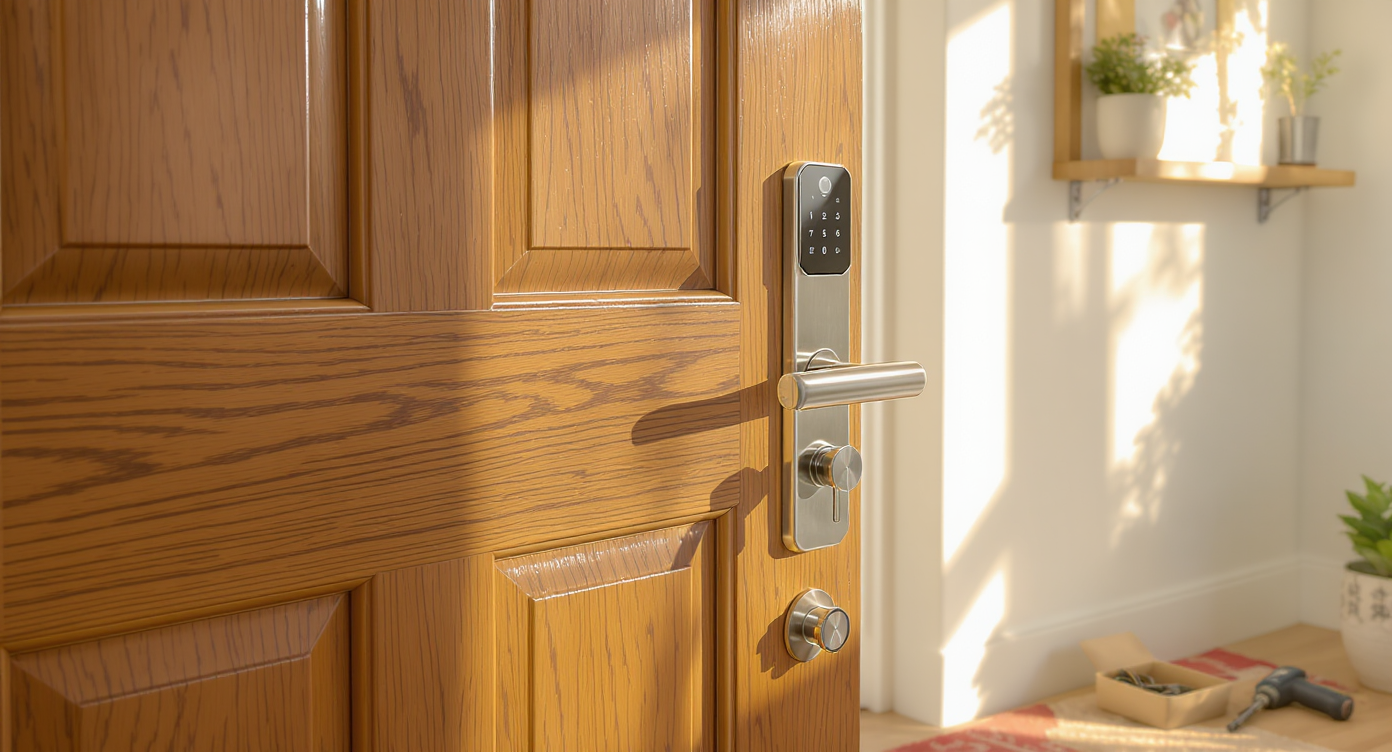
A photorealistic entryway shows a freshly installed smart lock, removed old locks, and a garage remote, highlighting essential security upgrades.
Your top priority should be security. No matter how trustworthy the previous owners seemed, you simply cannot know how many spare keys are out there. Install new locks on every exterior door and reprogram all garage door openers. Most modern locks are straightforward to install, even for a novice. If your garage system is unfamiliar, a quick search of your model number will usually yield clear instructions. Some homeowners opt for keyless or programmable locks for added flexibility. Taking this step within the first 48 hours will give you peace of mind as you move in.
-
2. Deep Clean from Top to Bottom
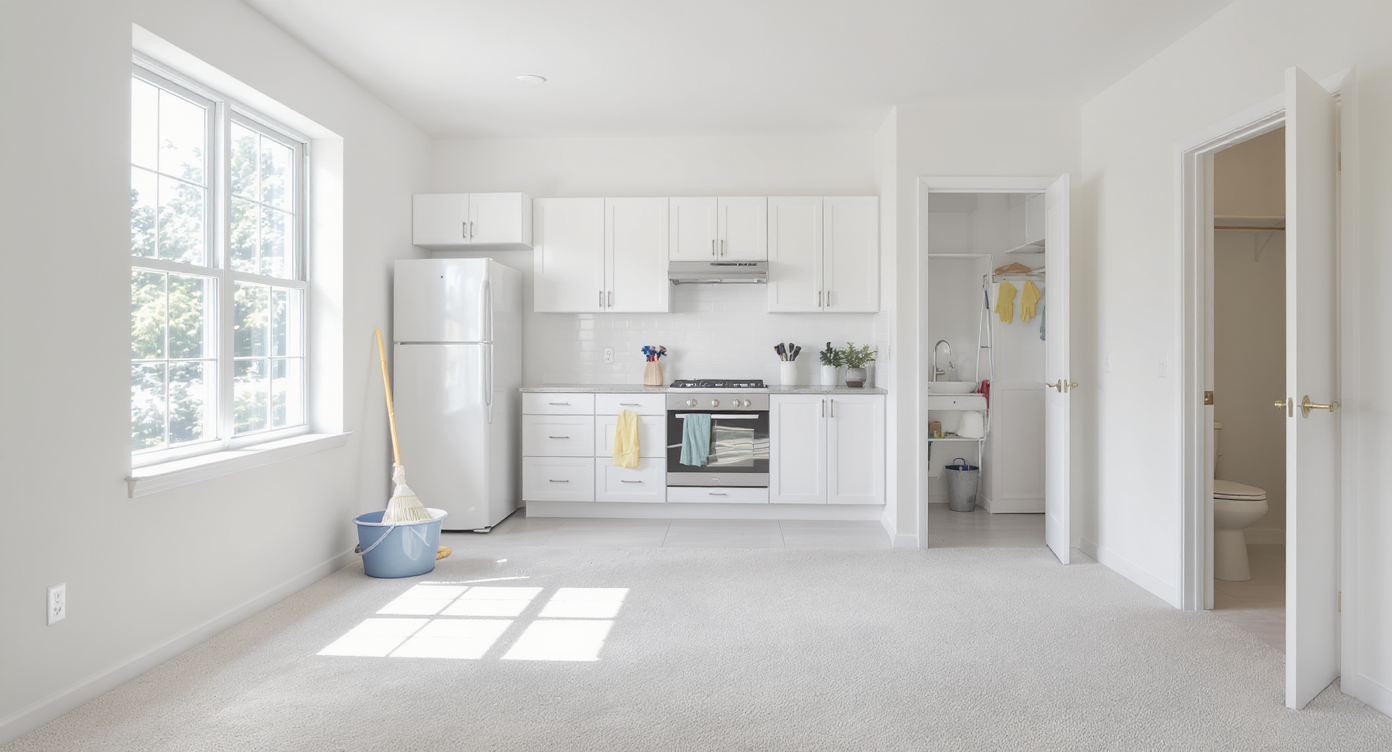
Thorough deep cleaning of every surface in an empty home, with focus on freshly shampooed carpets, cleaned kitchen, bathroom, and closets.
Before your furniture arrives or boxes are unpacked, tackle a thorough cleaning of every surface. A new home often hides layers of previous occupants' dust, allergens, or odors. Focus especially on bathrooms, kitchens, and closets. Shampoo carpets or consider replacing them if you notice lingering smells. If you’re short on time or energy, professional cleaning can be worth the expense, especially for HVAC ducts and stubborn areas. Many buyers find that a deep clean before move-in sets a higher standard for their own cleaning routines and helps with clutter control from day one.
-
3. Handle Essential Maintenance Early
Post-closing, you may wonder exactly what to do first in terms of regular upkeep. Start with basics like changing HVAC filters and scheduling professional servicing for heating and cooling systems. Drain and flush the hot water heater and clean out gutters to prevent future water issues. Walk the yard and examine downspouts, foundation grading, and visible pipes. Address these core systems before daily life and clutter take over. Having these systems checked early prevents headaches and surprise expenses. Many first-time homeowners also benefit from setting up a yearly maintenance budget, as highlighted in our breakdown of first-time home buyer mistakes.
-
4. Prioritize Painting and Flooring Before Moving In
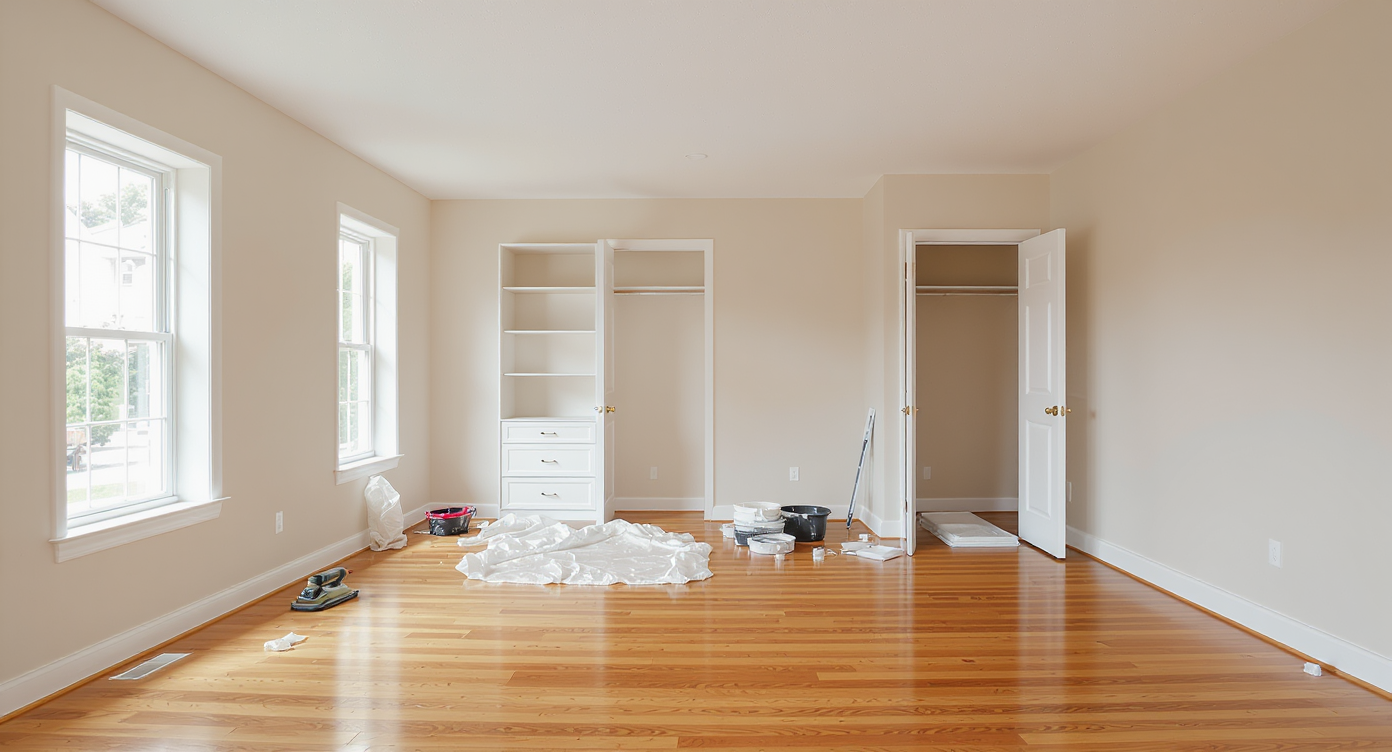
Refinishing floors and painting walls in an empty home, with tools and new fixtures visible for hassle-free, pre-move-in updates.
Interior updates are far easier in an empty house. If you plan to change paint colors, replace flooring, or refinish hardwood, tackle these projects before moving in furniture and boxes. Fresh paint not only transforms the space but can also remove hidden odors or stains left by previous residents. Pay special attention to painting closets and storage areas, which are often overlooked once filled. If major changes are out of budget, even small updates like switching outdated fixtures or refreshing wall plates help personalize your home.
-
5. Stock Basic Tools and Safety Supplies
Transitioning from renter to owner means ramping up your toolkit. Every homeowner needs a quality ladder, basic hand tools (such as screwdrivers, a hammer, measuring tape, adjustable wrench), plunger, and flashlight. Having these items on hand reduces stress when tackling small repairs or emergencies. Estate sales or local marketplaces can be a smart way to grow your toolkit affordably. Don’t forget safety items like smoke and carbon monoxide detectors, as these may be due for replacement or at least new batteries after your walk-through.
-
6. Tackle the Inspection Report List
Use your home inspection report as a ready-made to-do list. Address unresolved items, starting with those related to safety or long-term structural integrity. This may include updating plumbing, electrical repairs, or dealing with potential moisture concerns. Spread out less urgent improvements to balance time and budget. Refer back to your inspection every few months to keep track of progress and avoid letting smaller problems become bigger issues. For a deeper dive into what not to overlook, review the advice in our post on avoiding common home buyer pitfalls.
-
7. Set Up Smart Systems for Bills and Record-Keeping
Clutter control is not just about physical stuff. Open a dedicated checking account just for home expenses. Set up automatic payments for mortgage, insurance, and utilities to lessen the risk of late fees. Go digital with your important documents—scan warranties, inspection reports, and receipts. This separation makes budgeting easier and helps clarify actual homeownership costs during your first year. A clear system will also help at tax season and when reviewing your financial progress.
-
8. Introduce Yourself to the Neighbors
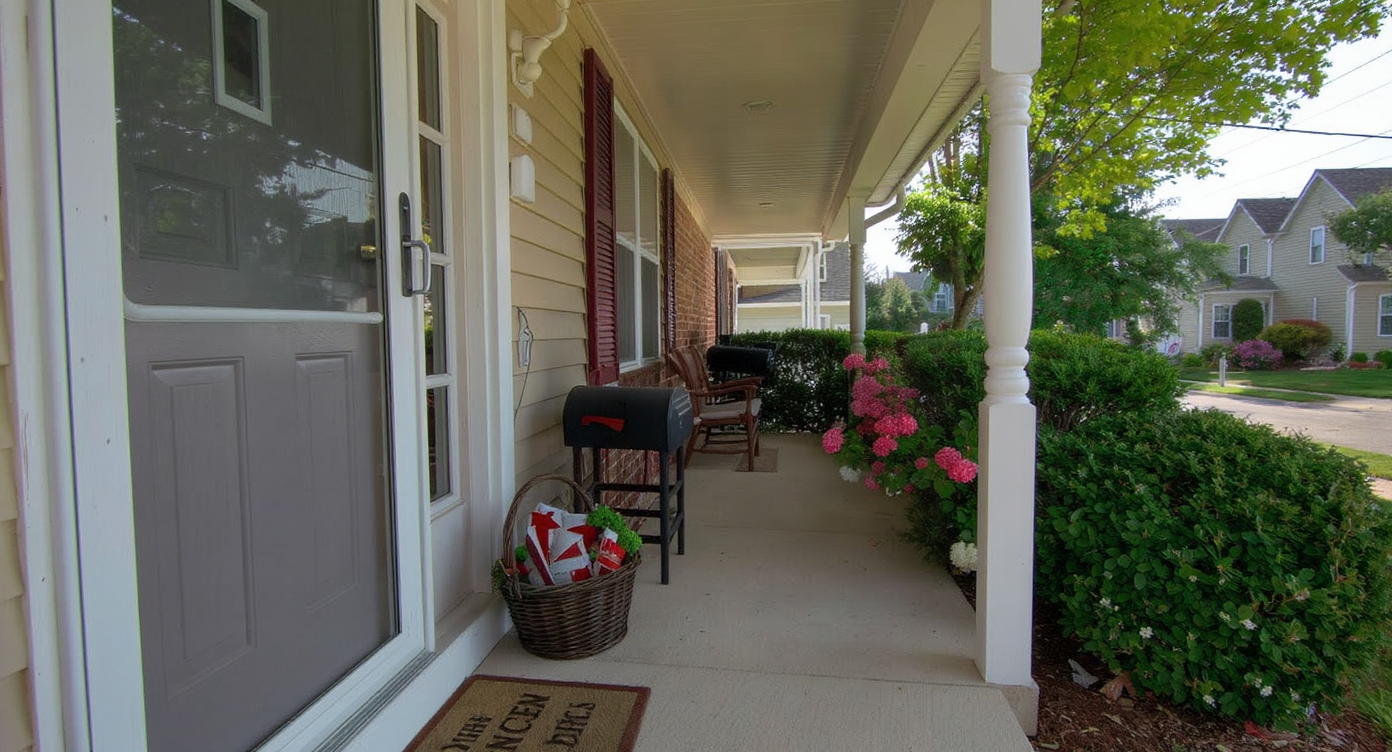
A new homeowner's front porch with a welcome gift basket, showcasing inviting neighboring homes and subtle signs of friendly community.
While often intimidating for those new to a community, building connections early pays dividends. Introduce yourself to neighbors on either side and across the street. Friendly rapport can provide everything from local contractor recommendations to extra eyes on your property when you travel. Some communities revive the "welcome wagon" tradition with small gifts or helpful information for newcomers, but even a simple hello helps foster goodwill. No need to overthink it; these relationships tend to develop naturally over time.
-
9. Take Photos of Every Room and Exterior Feature
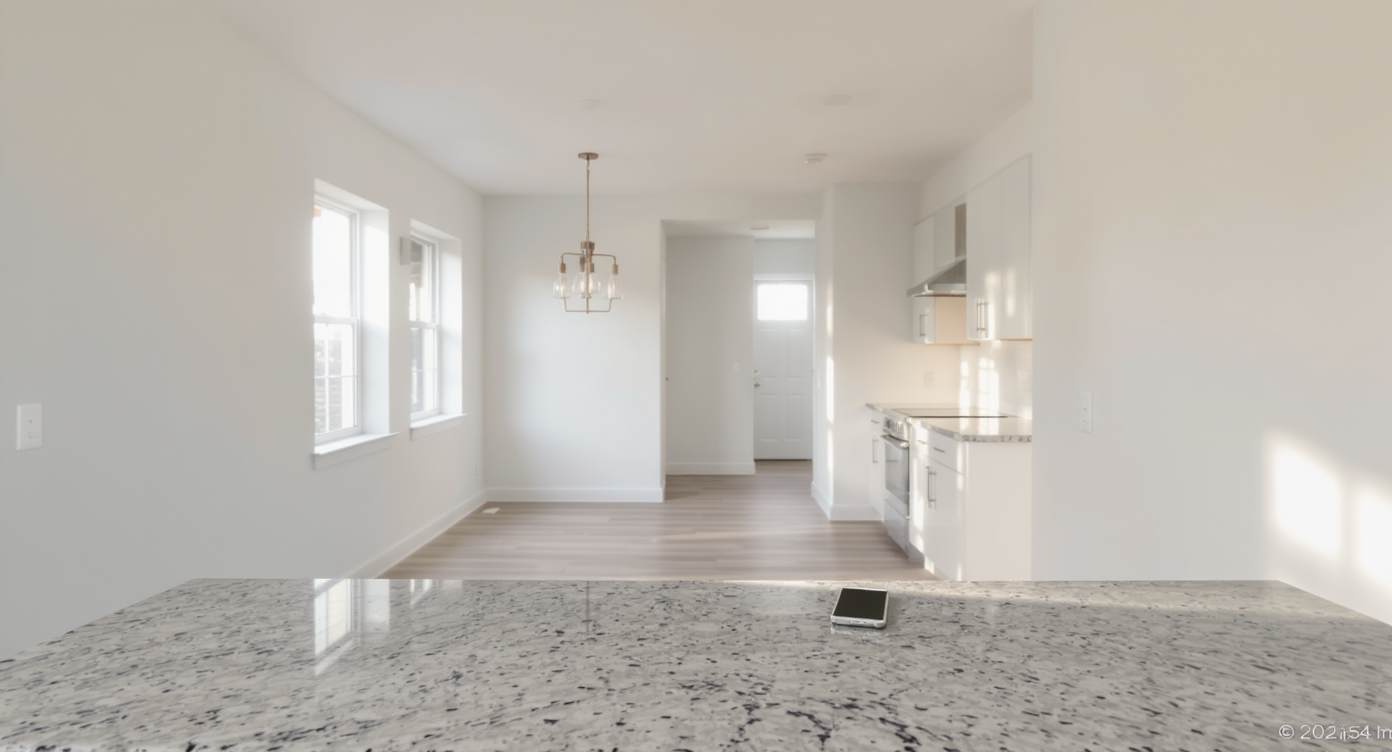
A smartphone displays photos of each room and exterior feature in a move-in ready home, illustrating a thorough photo inventory process.
Before settling in, use your phone to create a full photographic inventory of your home’s interior and exterior. Capturing each room, appliance, major system, and unique feature offers two advantages: documenting baseline condition for insurance and creating satisfying before-and-after progress photos. This record is invaluable if you ever need to file a claim or track whether an issue is getting worse. Professionals recommend updating this photo set periodically, especially after significant improvements or repairs.
-
10. Plan Your Furnishings and Decor Gradually
The urge to fully furnish every room immediately leads many new homeowners to overspend. Instead, prioritize essential pieces first, thinking through the use and flow of each space. Testing furniture placement digitally through platforms like REimagineHome.ai allows you to experiment with layouts and decor without the risk of buyer’s remorse. For more tips on setting up your first house piece by piece, browse our insights on budget-friendly first home furnishing. Spacing out purchases helps combat clutter and keeps spending under control as you settle in.
-
11. Schedule Utility and Energy Assessments
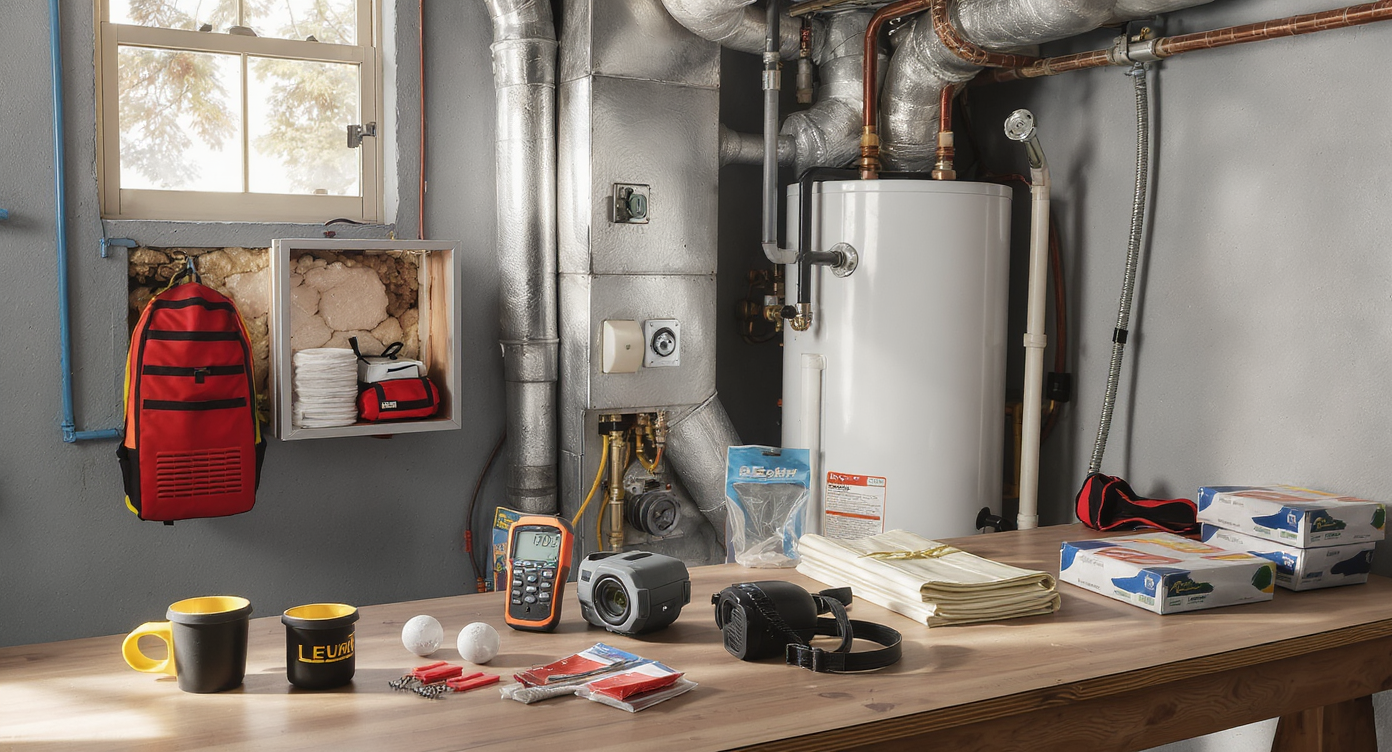
A modern utility room set up for a home energy assessment, featuring insulation, ductwork, audit tools, and energy-saving upgrades.
Many local utility providers offer free or low-cost energy audits. They will examine insulation, ductwork, appliances, and sometimes even offer free upgrades such as LED bulbs or low-flow showerheads. These assessments help you plan cost-effective improvements and can uncover quick wins for monthly savings. Simple steps like sealing drafts, updating thermostat settings, or weatherproofing windows pay off throughout the year. Consider bundling this with your first year’s maintenance projects to make the most of available local resources.
Frequently Asked Questions for New Homeowners
Ideally, do this before moving in or within the first few days after closing to ensure only you have access.
What is the best way to tackle clutter control when moving in?
Deep cleaning before unpacking, organizing essentials, and planning furniture gradually are the most effective ways. Digital tools such as REimagineHome.ai help visualize arrangements and prevent waste.
How do I choose what to do first for home maintenance?
Consult your inspection report and prioritize safety, critical repairs, and systems maintenance. Spreading out less urgent projects avoids overwhelm.
Should I renovate or paint before or after moving in?
Painting and flooring are always easier in an empty house. If possible, make cosmetic updates before you move in anything.
Key Takeaways for a Confident First Year
The path from homebuyer to responsible homeowner is lined with decisions, tasks, and moments of learning. By focusing on early organization, security, and simple maintenance routines, you can reduce move-in stress and minimize costly surprises. Take a phased approach to home improvement and rely on smart planning tools such as REimagineHome.ai to test ideas before you commit. Each step adds comfort and control, turning your new house into a true home.