10 Reasons Why "Forever Homes" May Not Be Forever

TL;DR
While the notion of a 'forever home' suggests a place for life-long occupancy, changing life circumstances often alter this ideal. Factors such as job relocations, family dynamics, and financial strategies frequently require reevaluating the permanence of one's current residence.
The Myth of the Forever Home

The backbone of any home: where culinary dreams turn into family memories.
The idea of a "forever home"—a place where one might put down roots for decades, or even a lifetime—has long captured the imagination of homebuyers. Many envision a dream house, complete with the perfect mortgage plan, design features that meet every conceivable future need, and suitability for each stage of life. However, the reality often paints a different picture. Changing family needs, career shifts, and the unpredictable nature of life events can make the concept of a forever home more myth than reality. Here, we explore ten reasons why that forever home might just be another chapter in a long journey.
-
01. Career Changes and Relocations

Career changes often require a fresh start in a new location.
Career advancements or changes in profession often necessitate relocation, uprooting families from what might have been intended as a long-term residence. A global study reveals that nearly 40% of homeowners move primarily due to changes in job situations. This can render the forever home temporarily perfect but ultimately unsuited to new commute realities or job markets.
Expert Insight
A young couple intended to settle down in their "forever home", only to find their careers demanded frequent relocations. Today, they embrace each move as an opportunity to explore new cultures and experiences.
-
02. Family Dynamics and Growth

Family dynamics change over time, reflecting growth and new beginnings.
Few aspects of life remain static, and family dynamics are no exception. As families grow with new additions or transition with children leaving the nest, space requirements change. Downsizing or upsizing becomes essential, proving that what fit the family perfectly at one point may not match future needs. This kind of shift is especially common when families move to "school homes" optimized for education needs, which you can learn more about in our blog on fitting homes to life stages.
-
03. Health and Accessibility Needs
Aging or unforeseen health issues can drastically alter a suitable living arrangement, transforming multi-story homes into impractical spaces. The need for accessible, single-level living often prompts moves, which can dissolve the notion of a forever home. This is particularly important as described in the trend of designing homes for every stage of life, which often includes aging in place adjustments.
-
04. Economic Fluctuations and Financial Planning

Accessibility needs redefine home layouts as our lifestyle evolves.
Economic factors such as recessions or booms can impact housing affordability, prompting homeowners to reassess their living situations. Downsizing to boost retirement savings or to reduce expenses can make more sense economically, suggesting that financial goals can shift even the most permanent-seeming plans. For insights on navigating such economic changes, check out our market predictions.
-
05. Emotional and Lifestyle Shifts

Economic fluctuations impact our approach to home ownership and financial planning.
As people age, priorities often shift. A bustling city center might lose its allure or the maintenance of a large garden might become burdensome. These lifestyle evolutions can necessitate a move to homes that better fit new values or energy levels, unveiling why forever may only mean until preferences change.
-
06. Property Value Changes

Emotional and lifestyle shifts lead to new ways of creating cherished memories.
In some cases, unexpectedly high property taxes from increasing home values can pressure owners to sell and relocate to more affordable areas. This reflects how standing market conditions often dictate the length of time a house can be appropriately sustained, showing that forever might be constrained by economic reality.
-
07. Social Connections and Community Ties

Understanding property value changes is key to making informed investment choices.
Changing schools, neighborhoods, or community dynamics often necessitate moves to places with a closer fit to evolving social and community needs. As kids grow and social scenes change, moving to align with family and friendship networks further proves that home longevity can be socially dictated.
-
08. Investment Opportunities
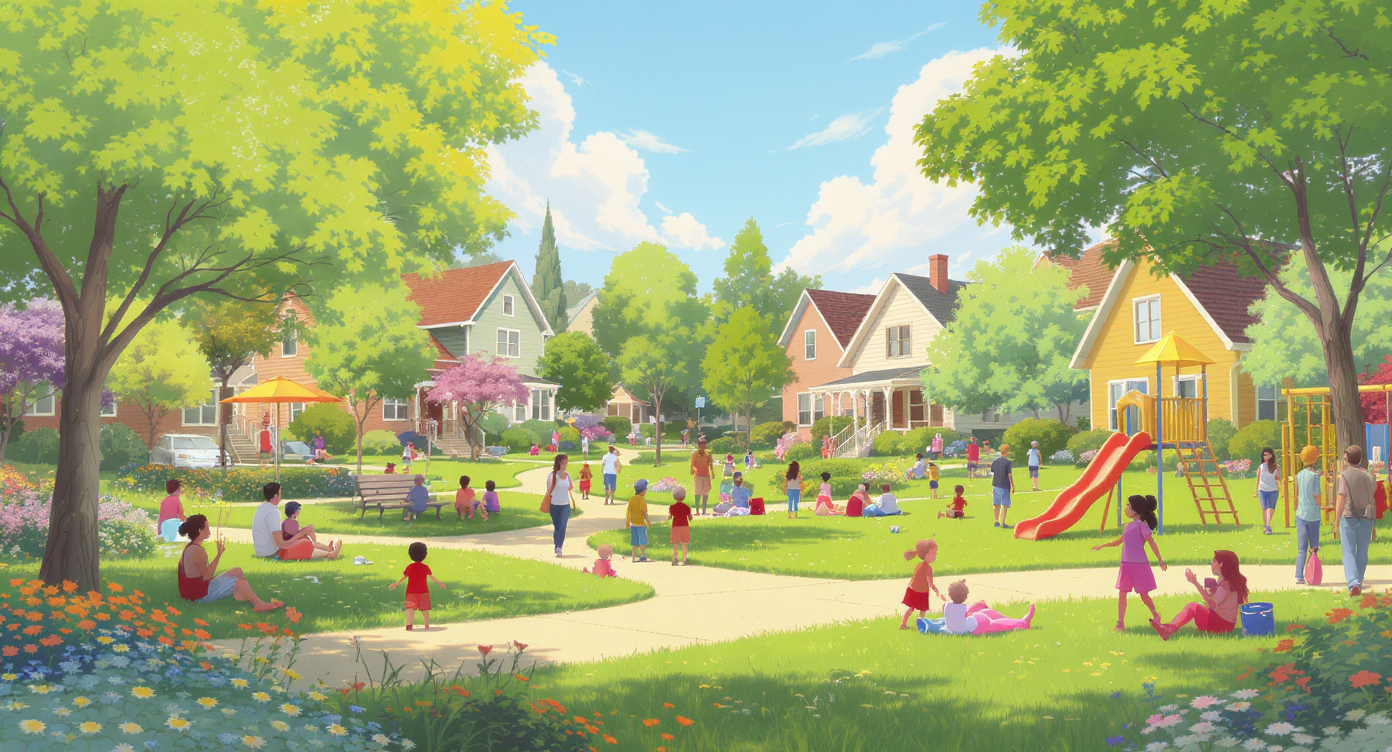
Strong community ties can inspire home choices and lifestyle decisions.
Some homeowners choose to sell when market conditions are favorable, capitalizing on equity to reinvest in other prospects or retirement savings. This often encourages some homeowners to abandon "forever" for financially strategic options, as explored in our insights on buying optimized for market timing.
-
09. Natural Disasters and Climate Change

Investment opportunities often arise, requiring homeowners to adapt their strategies.
Environmental factors like flooding, fires, or other natural disasters might render certain areas less desirable or even unlivable, necessitating a move. This reality highlights that the 'forever' stature of a home is fragile in an unpredictable world.
-
10. Evolving Housing Preferences

Natural disasters and climate change challenge the concept of a stable home.
Trends in housing styles and technology can shift preferences, leading many to move to more modern, efficient homes. As smart home technologies proliferate and sustainability becomes prioritized, what once was ideal might rapidly become outdated. To explore how automation and sustainability could shape future housing needs, visit ReimagineHome.
Visualization Scenario
Imagine standing in a newly purchased home, contemplating how each room’s utility might flex as life unfolds. Visualize using tools like ReimagineHome to experiment with room layouts and future-proofing investments.
Navigating Forever Homes: Your Questions Answered
While some remain in the same home for decades, factors like family changes, work relocations, or financial shifts prompt many to move periodically.
How can I future-proof my home to be a forever home?
Designing with accessibility in mind, investing in quality renovations, and choosing a location with robust community ties can all help sustain long-term occupancy.
Are there financial benefits to treating a home like a forever home?
Owning over long periods allows for equity build-up and insulation from rental market volatilities, but changing circumstances may shift priorities and financial strategies.
Finding Flexibility in Permanence
Ultimately, while a home may start as a forever intention, the idea often requires adaptability to life’s evolving tapestry. Every move opens a new chapter, offering the chance to reassess priorities and dreams. Rather than focusing solely on permanence, embracing flexibility might provide the true sense of home, wherever that may be.