Making Sense of Grading and Drainage for a Healthier Basement in 2026
TL;DR
To minimize moisture and protect your basement, prioritize proper yard grading, drainage planning, and the right hardscape choices near your foundation. Plant selection, walkways, and even humidity control inside the home all interplay to ensure finished basements stay comfortable and dry.
Why Grading and Drainage are the Unsung Heroes of Home Comfort
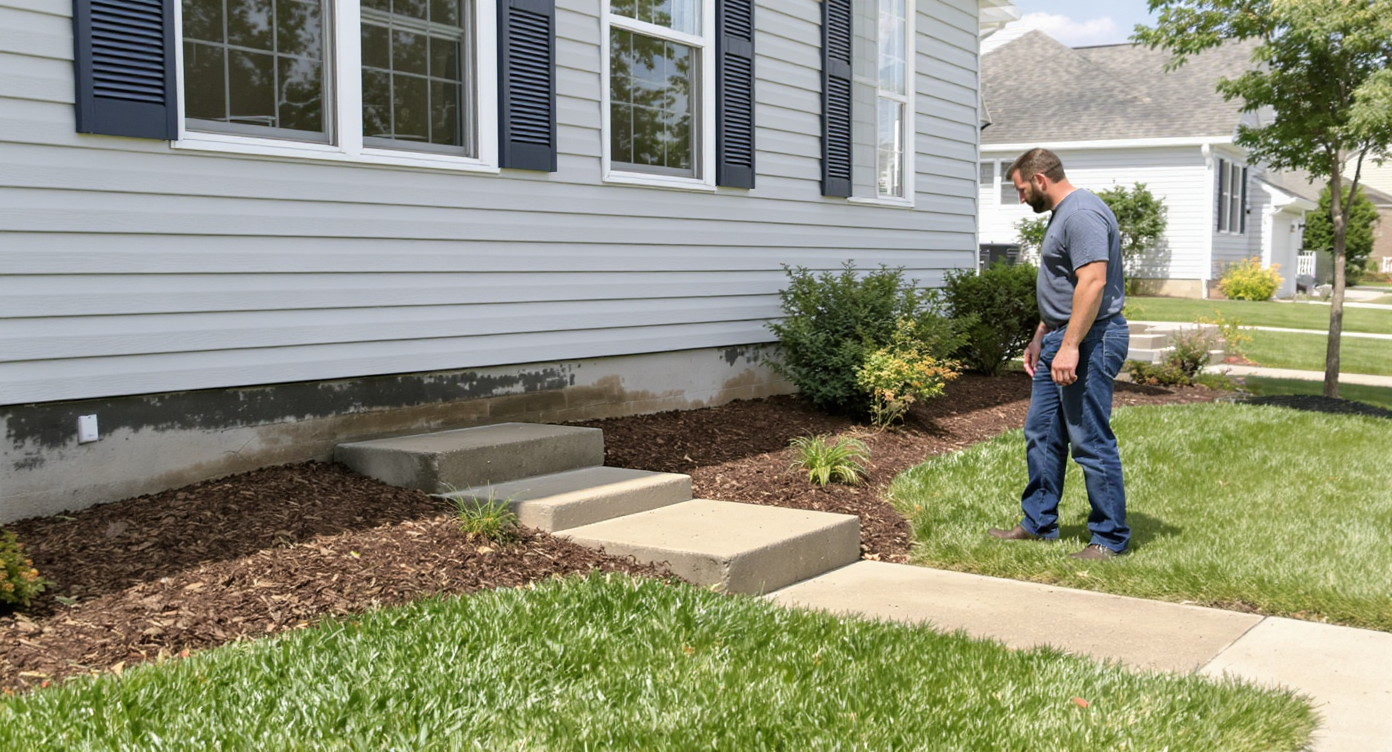
Thoughtful grading and landscaping choices, like sloped walkways and beds, can protect your basement and foundation from water issues.
For homeowners aiming to finish a basement or simply safeguard their investment, subtle exterior choices can make a profound difference indoors. Water marks, efflorescence on concrete, or surprise puddles in corners are not just inconvenient—they’re often symptomatic of issues above ground. Understanding the role that yard grading, concrete walkways, and landscaping play in managing runoff is essential. Whether you’re considering a sleek perimeter path or simply reimagining how water flows through your garden beds, tuning these elements can shape your basement’s long-term health.
-
The Slope Beneath Your Shoes: Why Yard Grading Sets the Stage

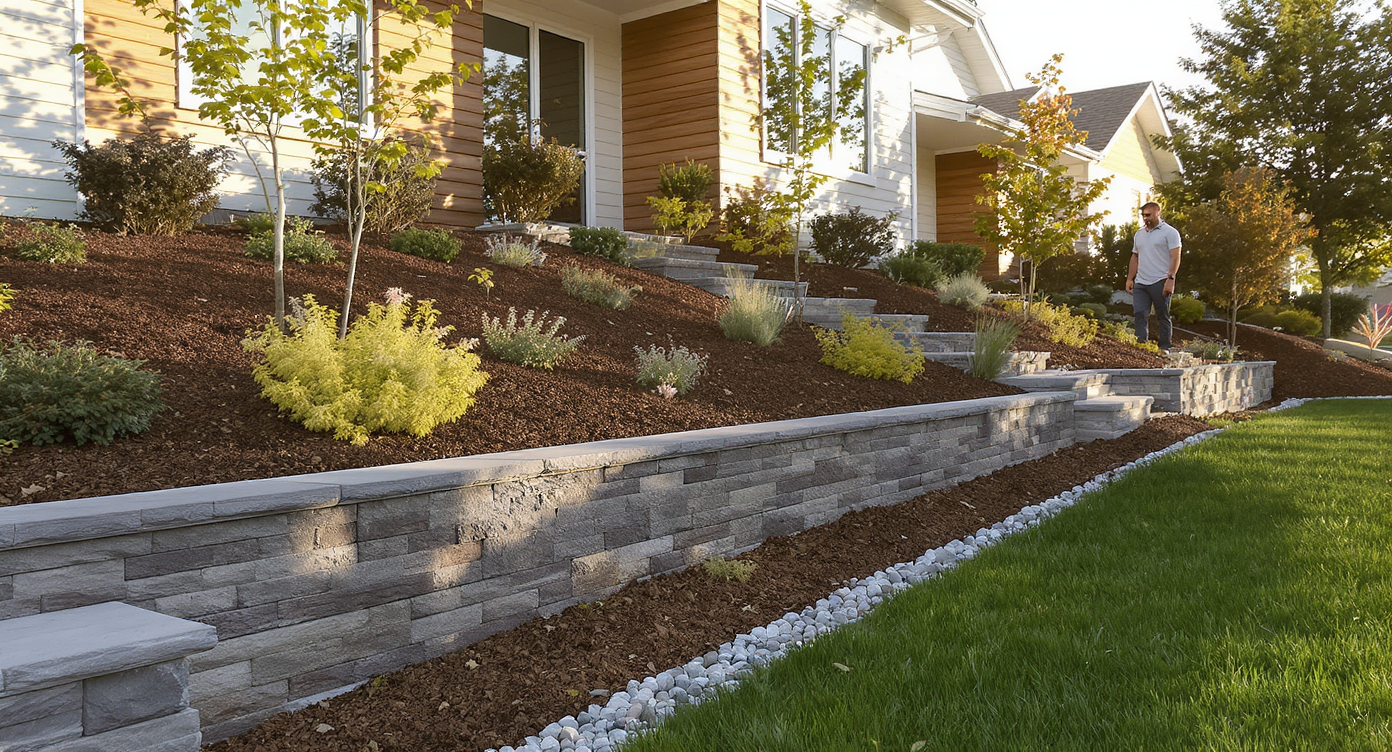
Proper yard grading guides water away from the foundation, preventing basement issues and laying the groundwork for lasting landscaping success.
The invisible slant of your yard—often measured in small degrees—governs how rainfall moves after a storm. Expert landscapers recommend a minimum slope of two percent away from the house foundation, translating to about a quarter-inch drop per foot for at least six feet. This gentle pitch encourages water to migrate out, protecting basement walls from prolonged exposure. Homeowners sometimes rely on decorative plant beds or retaining borders to mask irregular slopes, but grading remains the primary defense. In mature neighborhoods where yards may have settled or prior landscaping decisions have created dams near the foundation, re-establishing positive drainage is essential before planting or paving. A well-graded base not only diverts surface water but also prepares the scene for new hardscape. According to tips for shaping modern backyards, base preparation—whether for pavers or concrete—is crucial to both durability and drainage performance.
Expert Insight
Last spring, a family in a tree-lined Nassau County neighborhood decided to overhaul their waterlogged basement. Before installing drywall or flooring, they noticed patches of efflorescence creeping above the concrete floor. Rather than jump to expensive waterproofing products, they began by reviewing how their sloping garden beds and walkway funneled water toward the house. After working with a local landscape professional, they regraded their front path gently away, swapped thirsty shrubs for low-maintenance native varieties, and laid a modest paver border as a rain guard. Within weeks, recurring basement dampness faded, and finishing the basement became a more confident, less stressful project.
-
Paths, Plants, and Permeability: Choosing Walkways and Edges That Last
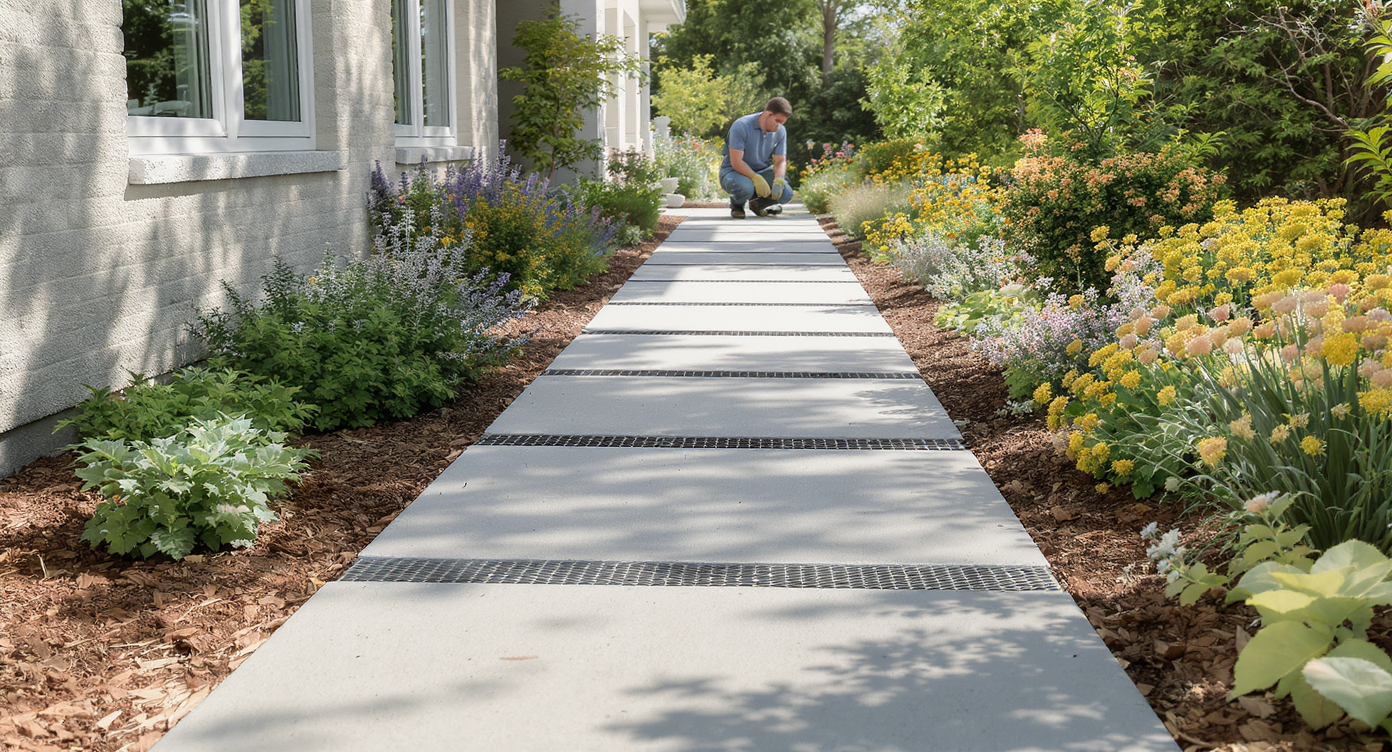
Smartly sloped walkways with well-kept edges help channel water away, enhance curb appeal, and protect basement health.
A popular approach in wetter or variable climates is to install concrete or paver walkways along the home’s perimeter, sloped outward. This not only supplies a clean walking surface but also limits how much water can linger near below-grade walls. The key is ensuring the walkway does not act as a dam or trap, but as a gentle ramp that guides runoff outward. Material choice matters. Impermeable slabs direct water, while permeable pavers allow some infiltration—both have merits when deployed correctly with base layers and edge restraints. Regular maintenance to keep gaps clear and prevent overgrown borders will also keep these paths effective over the years. Pairing walkway improvements with tidied garden beds and foundation-friendly plants reduces the risk of roots causing unwanted water channels. A tidy mulch layer at least six inches from foundation walls can help limit splashing and surface moisture. To envision how tweaks to edges and paths can lift curb appeal while protecting your home, homeowners can leverage powerful visualization tools described in AI-driven hardscaping planning.
-
Humidity, Condensation, and the Indoor-Outdoor Relationship
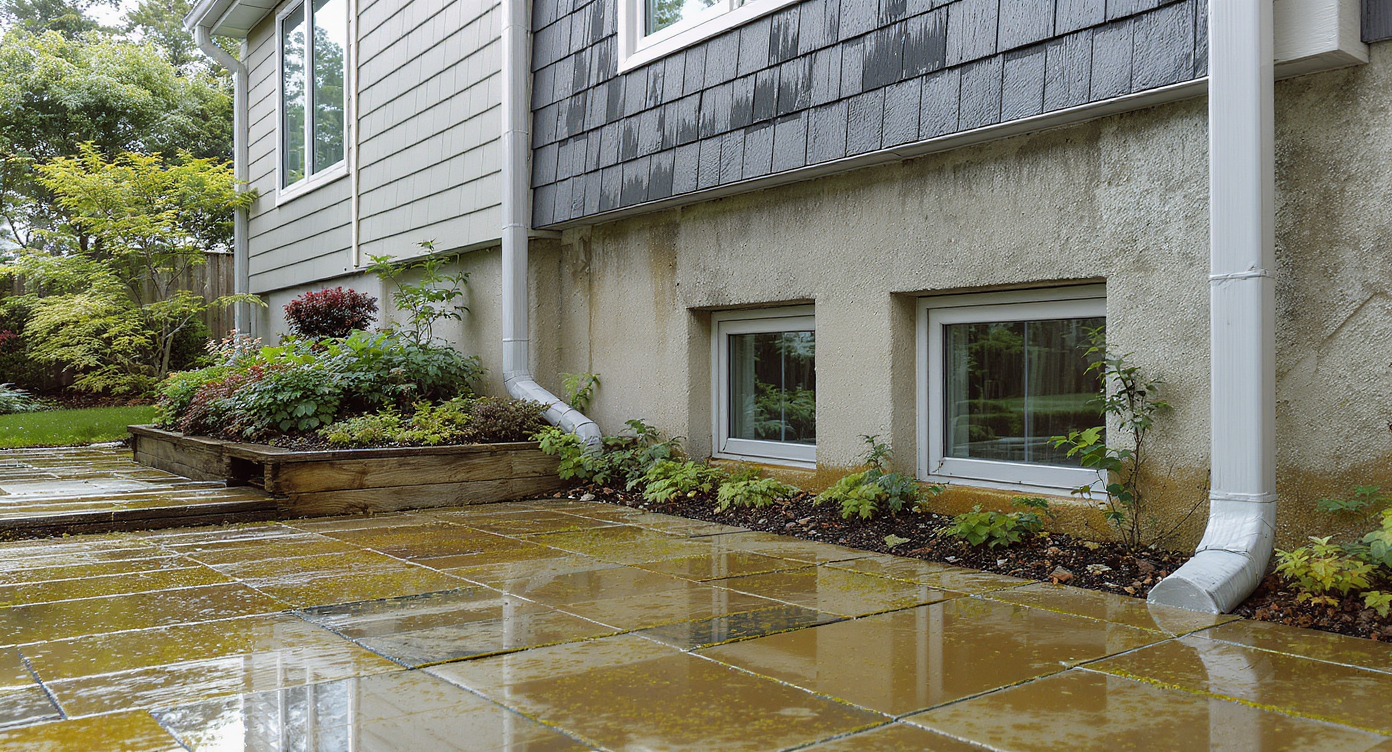
Permeable patios, raised beds, and clear gutters support a drier, healthier basement in humidity-prone coastal regions.
As humidity rises, even well-built concrete basements can collect condensation on floors or walls. This often becomes most apparent in coastal or humid northeast regions, such as Long Island’s Nassau County. The source of indoor condensation may be more about invisible vapor migration and thermal differences than leaks from outside. Nevertheless, exterior moisture issues—like pooling near the foundation or clogged downspouts—magnify the risk. Homeowners who take proactive steps outside, including adding proper gutters and extending splash blocks, find that indoor air quality and basement dryness both improve. Innovative yard designs can also address high-humidity environments. Raised beds, permeable patios, and thoughtful planting, as shown in humid-adapted hardscaping, are increasingly popular in regions prone to soggy seasons.
-
Anecdote: Navigating a Damp Basement Makeover
Last spring, a family in a tree-lined Nassau County neighborhood decided to overhaul their waterlogged basement. Before installing drywall or flooring, they noticed patches of efflorescence creeping above the concrete floor. Rather than jump to expensive waterproofing products, they began by reviewing how their sloping garden beds and walkway funneled water toward the house. After working with a local landscape professional, they regraded their front path gently away, swapped thirsty shrubs for low-maintenance native varieties, and laid a modest paver border as a rain guard. Within weeks, recurring basement dampness faded, and finishing the basement became a more confident, less stressful project.
-
Common Mistakes to Avoid
A frequent regret among homeowners is underestimating how exterior details drive interior comfort. Pouring a perfectly level sidewalk right up against the foundation, without considering out-slope and water management, may worsen moisture issues. Likewise, cramming thick plant beds or piling mulch against siding can trap moisture and encourage rot. Another pitfall is neglecting regular inspection of gutters, downspouts, and the subtle dips where patios meet flower beds. These overlooked spots collect water, creating slow leaks that only reveal themselves after a heavy rain or humid spell. Past experience and research on outdoor investment show that practical improvements to grading and drainage hold lasting value at resale and for everyday comfort.
-
Tips and Expert Insights
Designers often recommend walking the property after a rain to spot subtle puddles that can be corrected with minor grading tweaks. Prioritize a slow, continuous slope away from all sides of the house. Where adding a walkway, choose materials and patterns that can be gently cupped to carry water outward, working with—not against—existing garden contours. Use layers of crushed stone or gravel beneath pavers to foster drainage and apply solid edge restraints as shared in our patio construction tips. For homeowners finishing a basement, pair outdoor grading with indoor vapor barriers or dehumidifiers, especially in high-humidity climates.
-
How to Use This in Your Next Designs
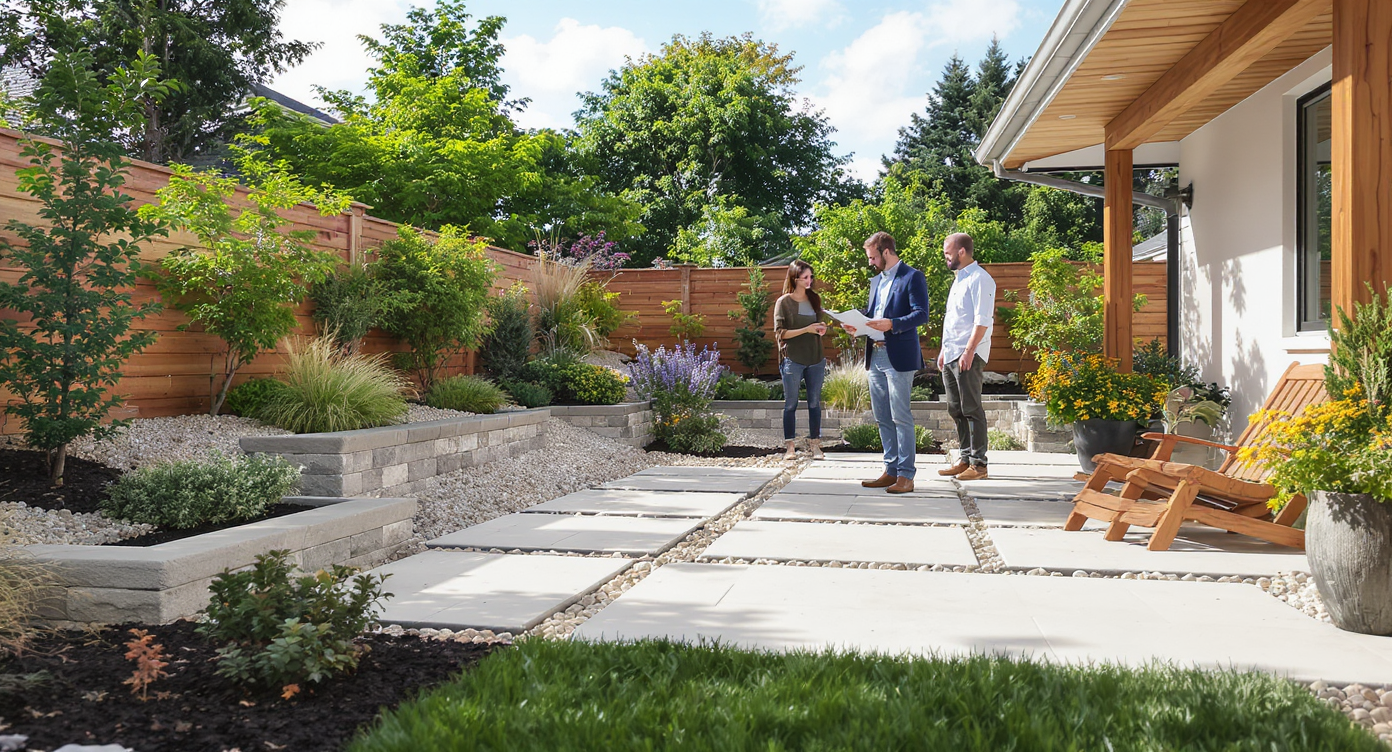
Smart grading and thoughtful patio layouts help guide water away, enhancing both outdoor beauty and basement peace of mind.
Whether you are reimagining a simple walk or embarking on a full-yard redesign, calibrate every outdoor change with an eye on where water will go. Design grading and patio layouts in tandem to ensure surface water flows gently away, and test ideas visually using digital landscaping tools before committing to a design. By anchoring hardscapes and gardens around smart grading and drainage, outdoor spaces not only look intentional but also bring lasting peace of mind inside—be it the next family movie night in the basement or a summer gathering on the patio.
-
Visualization Scenario: Seeing the Impact Before the First Shovel
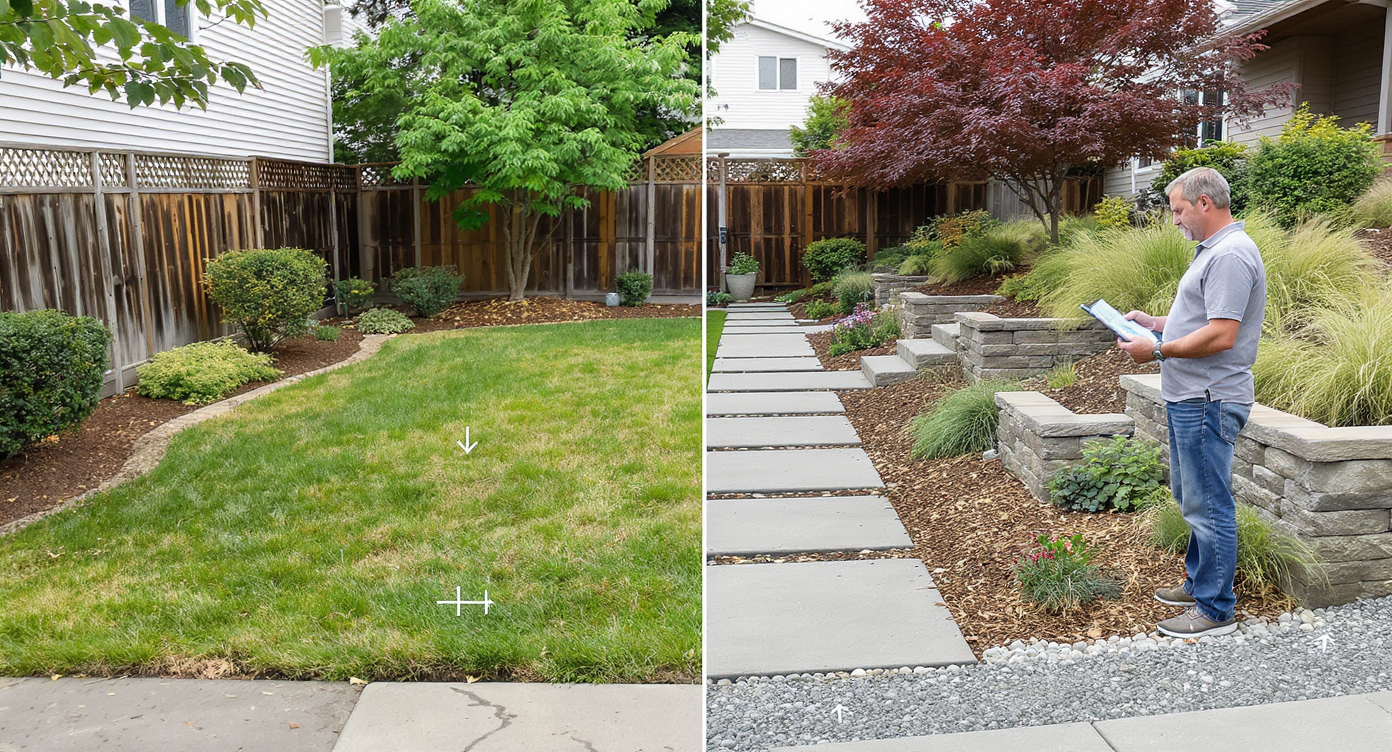
Previewing landscaping changes with digital tools helps homeowners spot drainage issues—before committing to a foundation-impacting redesign.
Imagine uploading a yard photo and experimenting virtually with a new walkway or garden border, adjusting slope and layout until the design channels water just as intended. In one version, a modern concrete path sweeps gently outward from the house, interspersed with permeable joints and flanked by neat, mulched beds. Another variation introduces slightly raised stone beds with native grasses, reducing muddy spots and eliminating persistent dampness along the foundation. Visual tools now let you forecast these choices before making a single cut or pour, helping you avoid the most common landscaping mistakes homeowners regret. This level of clarity encourages more confident, cost-smart decisions, especially for large projects like basement finishing or outdoor entertaining upgrades.
Visualization Scenario
Imagine uploading a yard photo and experimenting virtually with a new walkway or garden border, adjusting slope and layout until the design channels water just as intended. In one version, a modern concrete path sweeps gently outward from the house, interspersed with permeable joints and flanked by neat, mulched beds. Another variation introduces slightly raised stone beds with native grasses, reducing muddy spots and eliminating persistent dampness along the foundation. Visual tools now let you forecast these choices before making a single cut or pour, helping you avoid the most common landscaping mistakes homeowners regret. This level of clarity encourages more confident, cost-smart decisions, especially for large projects like basement finishing or outdoor entertaining upgrades.
FAQs About Grading, Drainage, and Healthy Basements
Grading ensures water flows away from your foundation, reducing the risk of seepage and moisture buildup that can compromise basements before, during, or after finishing.
Can new walkways help prevent basement moisture?
Yes. If sloped correctly and paired with drainage-aware landscaping, hardscape borders like walkways can redirect water away from the home, reducing soil saturation at the basement level.
Will adding more plants next to my house help or hurt?
Well-chosen, spaced plants with careful mulching can help absorb surface water, but overplanting or mulching close to the foundation can trap moisture and accelerate rot.
How can I be sure my plans will actually work?
Using digital visualization platforms like ReimagineHome.ai lets you preview drainage and grading strategies before making permanent changes.
Is surface condensation in a basement only about yard issues?
Not always. Indoor humidity and temperature differences play a role too, so pairing outdoor fixes with interior moisture control (like dehumidifiers) is best practice.
Thoughtful Grading and Drainage—The Foundation of Home Enjoyment
Attending to how your landscape manages water is one of the most underappreciated drivers of home well-being. Small shifts in slope, careful walkway placement, and strategic planting choices do more than boost curb appeal—they determine whether basements stay dry and enjoyable. Combining modern hardscape strategies with digital planning tools, such as those offered by ReimagineHome.ai, is now the smartest way to pre-visualize outcomes and build lasting confidence. Your next patio or garden project is about much more than aesthetics; it is about building spaces that support daily life, from topsoil to basement.