6 Practical Ways to Handle Awkward Dead Spaces at Home, What to Put There and What to Avoid
TL;DR
Not every awkward space needs filling. Prioritize function, safety, and scale before decorating. Choose one well-scaled piece if needed, and avoid placing hard-to-maintain items in inaccessible areas.
Introduction: The Challenge of Awkward Dead Spaces
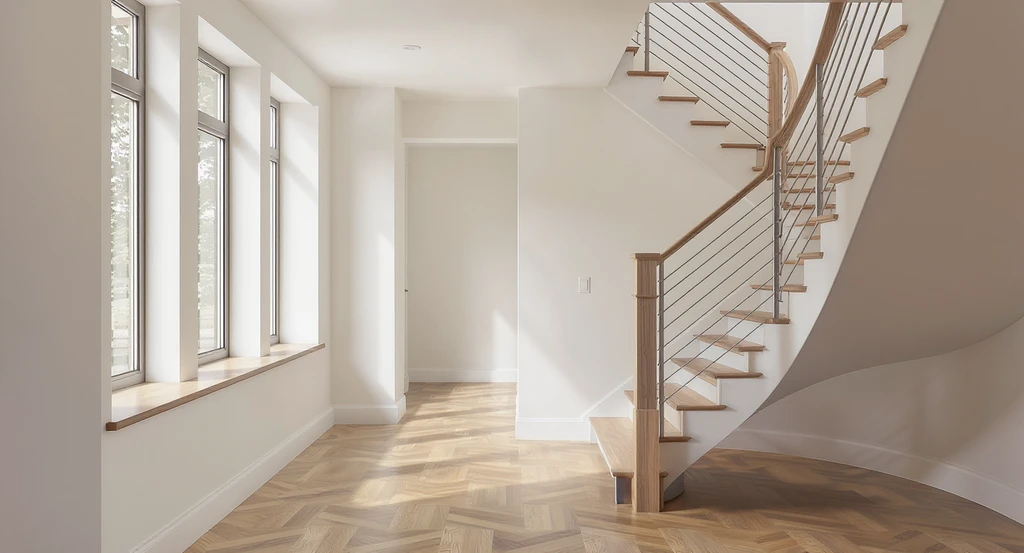
A modern hallway illustrates awkward dead spaces—stairwell landing, empty ledge, and narrow corner—demonstrating how to visualize dead space with AI, use AI tools for decorating awkward spaces, and apply virtual staging solutions for home dead zones.
Every home has empty ledges, stairwell landings, or narrow corners that seem to demand decoration. Many homeowners rush to fill these areas with trendy pieces, only to create clutter or extra maintenance work. Achieving a calm, functional, and visually balanced space requires practical layout thinking and clear decision rules. In this article, you'll learn when to decorate an empty spot, what works, and why sometimes leaving it empty is best.
For a structured approach to styling challenging areas, we'll review actionable frameworks and expert design principles to help you avoid common mistakes and create a home that feels complete without unnecessary extras.
-
01. Trying to Fill Every Space, The 'Automatic Decor' Trap
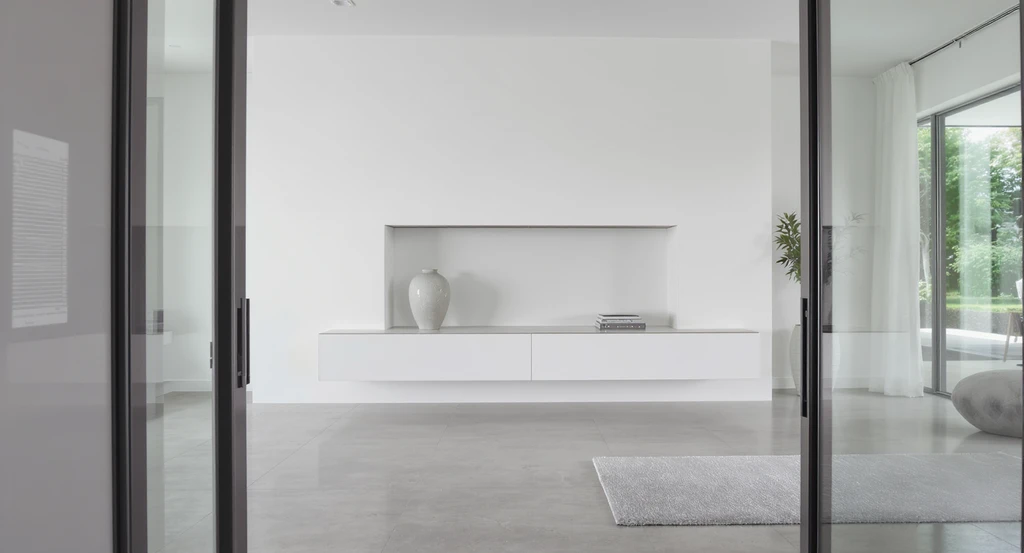
This room, staged with ai home design software, shows how to visualize dead space with ai by keeping secondary ledges empty and focusing decor only in primary sightlines.
Many people assume that every empty niche, shelf, or ledge must be decorated. Often, this results from discomfort with blankness or the urge to imitate styled photos online. However, filling space without a clear plan leads to clutter and poor visual flow.
Before placing objects, ask if the space genuinely needs anything. Professional designers frequently use negative space (purposeful emptiness) to give rooms a sense of calm and balance. Zero in on sightline areas, if a space isn't easily visible or falls outside main movement paths, it's usually best left empty. As outlined in our guide to decorating an empty living room corner, focus your efforts where they'll have the most visual impact, and avoid building up miscellaneous decor in awkward zones.
- Sightline Planning: Evaluate which parts of a room are naturally seen from entry or main seating areas. Only decorate within these zones if needed; keep secondary or out-of-sight ledges, landings, and niches clear.
-
02. Ignoring Access and Upkeep, Plants in Hard-to-Reach Spots
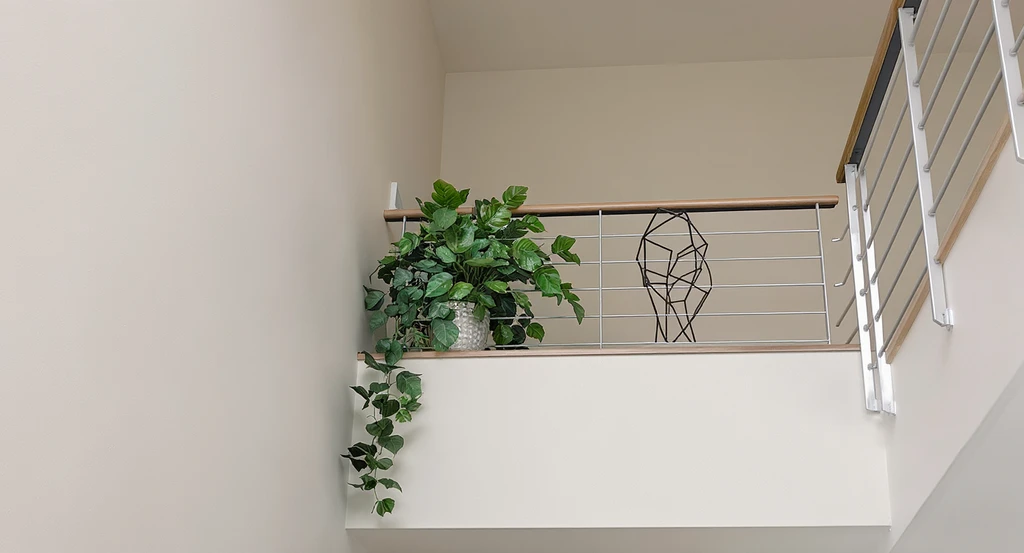
AI tools for decorating awkward dead spaces: virtual staging shows a high ledge in a stairwell with artificial plants, demonstrating how to visualize and address hard-to-reach dead zones with sensible, low-maintenance solutions.
It is common to add live plants or decorative items to high ledges and stairwells, but these spots can become maintenance problems. Watering, dusting, or rearranging items in difficult-to-reach places can be awkward and is often neglected over time.
Always check accessibility before decorating. If a space cannot be conveniently reached for cleaning or care, opt for high-quality artificial plants or a single, low-maintenance piece. Avoid live plants unless you can easily attend to them. As recommended in our minimalist living room warm-up guide, every design choice should support both aesthetics and sensible upkeep.
- Designer Checklist: Only style a spot if you can maintain it easily. For high areas, favor sturdy, artificial pieces over fragile or living items.
-
03. Choosing Multiple Small Items Instead of One Statement Piece
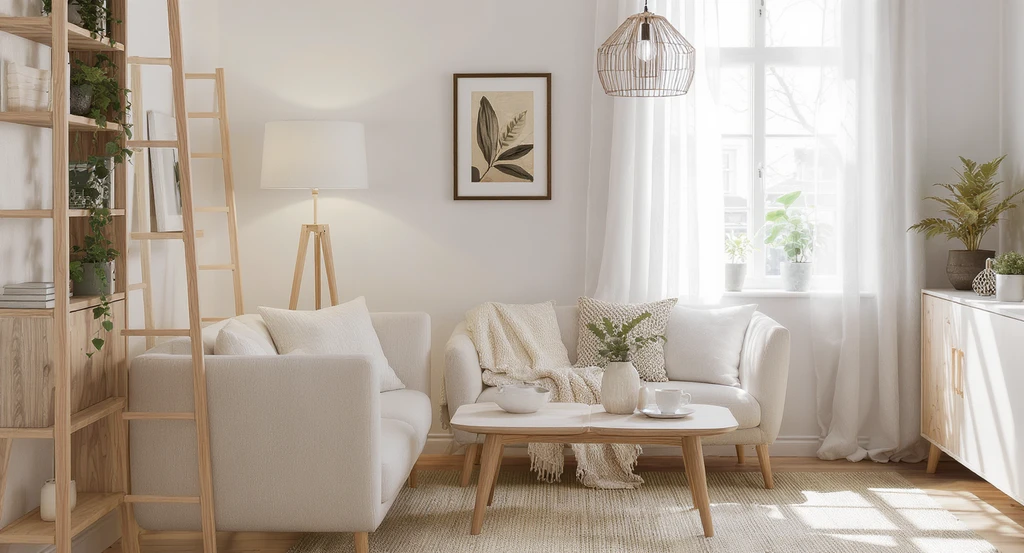
03. Choosing Multiple Small Items Instead of One Statement Piece Image
Filling awkward areas with lots of small decor objects, such as vases or trinkets, usually leads to visual clutter and a scattered, unfinished look. This often happens in an effort to make a space appear intentional, but it usually has the opposite effect.
The correction is straightforward: use a single, noticeably larger object that fits the space well, such as an art piece or an oversized vase. This provides clear visual weight and prevents busyness. As we explored in our corner styling guide, simplicity is key, one substantial object anchors an unused area without overpowering it.
- Scaling Principle: For awkward zones, a single piece should fill no more than one-third the width of a shelf or ledge for proper balance.
-
04. Overlooking Safety and Function (Especially Near Stairs or Railings)
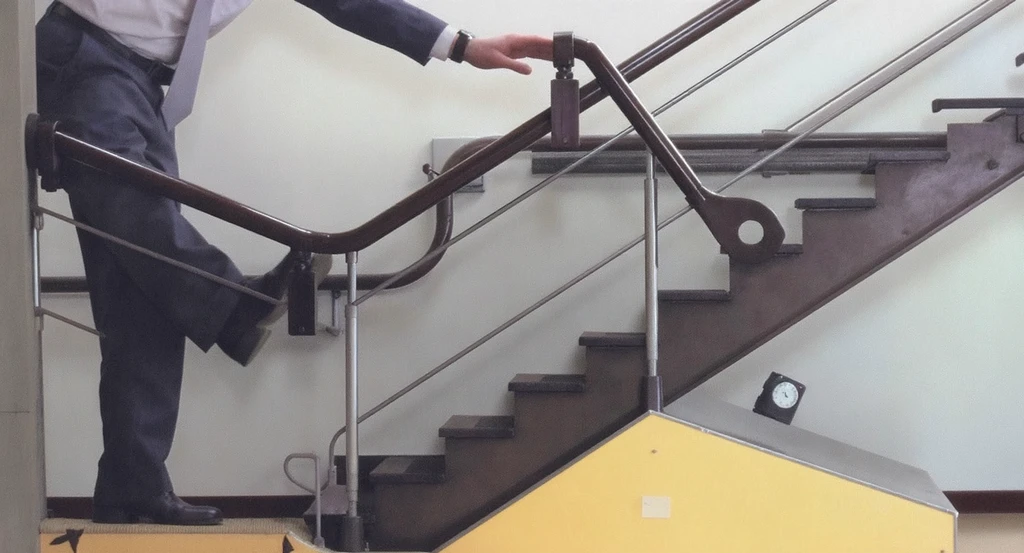
04. Overlooking Safety and Function (Especially Near Stairs or Railings) Image
Decorating dead space near stairs or railings brings safety risks, objects may fall, pose tripping hazards, or become tempting for kids and pets. Aesthetic inspiration sometimes overrides these practical concerns, but function should always come first.
Use only sturdy, secure items in accessible spaces. Near stairs, or in high traffic zones, consider leaving dead space empty, or use barriers if necessary. Learn more about safe and accessible decorating choices in our discussion on living room layout fixes.
- Rule: Always prioritize stability and safety over decoration, especially where objects could fall or block movement.
-
05. Poor Scale and Proportion, Using Décor That’s Too Small or Too Big
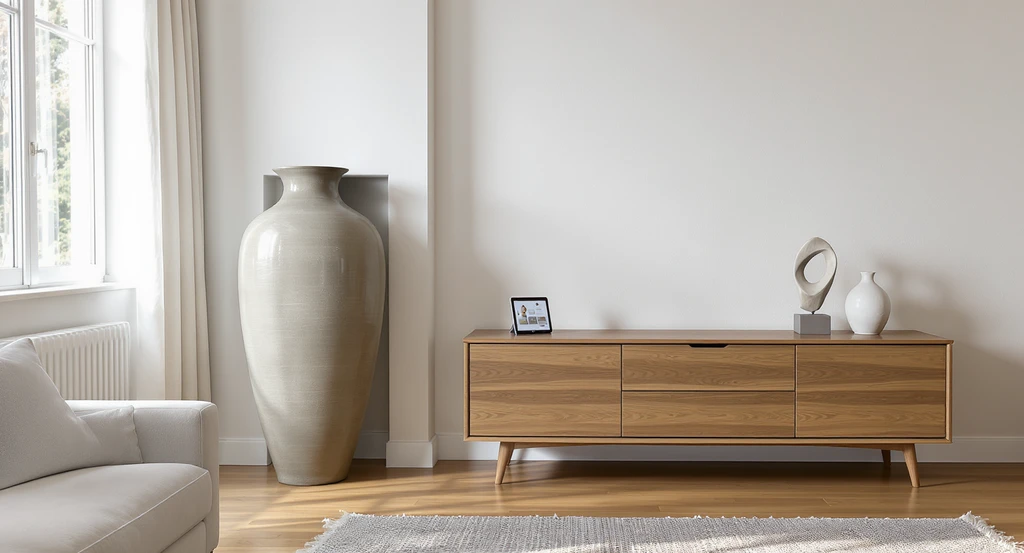
Use AI tools for decorating awkward spaces and how to visualize dead space with AI—virtual staging solutions can help identify poor scale and proportion, making architectural improvements with AI home design software more effective.
Decor with the wrong scale, either too small and lost, or so big it overwhelms, makes awkward areas look off-balance or impractical. This mistake arises from not checking proportion relative to surrounding walls, furniture, or the space's actual dimensions.
Apply a clear scaling rule: fill no more than one-third of a surface with a single object. For built-in niches, keep the item under half the width or height to leave negative space and keep sightlines clean. Previewing your arrangement (either with a quick photo or digital tool) from multiple angles ensures the decor fits visually, as noted in our finishing touches guide.
- Check: Take photos or use digital staging to compare scale and balance before finalizing any arrangement.
-
06. Choosing the Wrong Lighting, Ignoring How Light Hits the Space
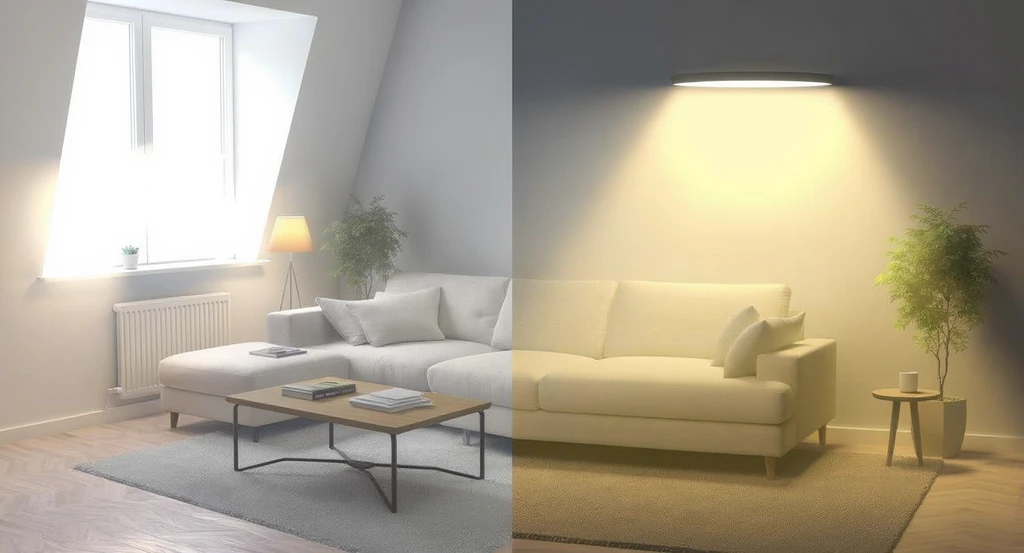
06. Choosing the Wrong Lighting, Ignoring How Light Hits the Space Image
Placing decor in dark corners or shadowy nooks, without considering how light falls, often makes even nice objects look out of place or forgotten. This problem happens when lighting isn’t evaluated at different times of day, or when artificial lighting is not adapted to highlight features properly.
Correction starts by assessing how much daylight hits the space in the morning and afternoon. Use wireless spotlights or low-profile LED strips for dark areas, but avoid placing delicate objets in glaring sun. For lighting strategies that help make minimal decor feel intentional, see our minimalist softness guide.
- Lighting Rule: Adjust placement and direction of lighting to draw subtle attention to decor; test artificial sources after sunset for shadow and glare.
-
The Dead Space Decision Framework Designers Use
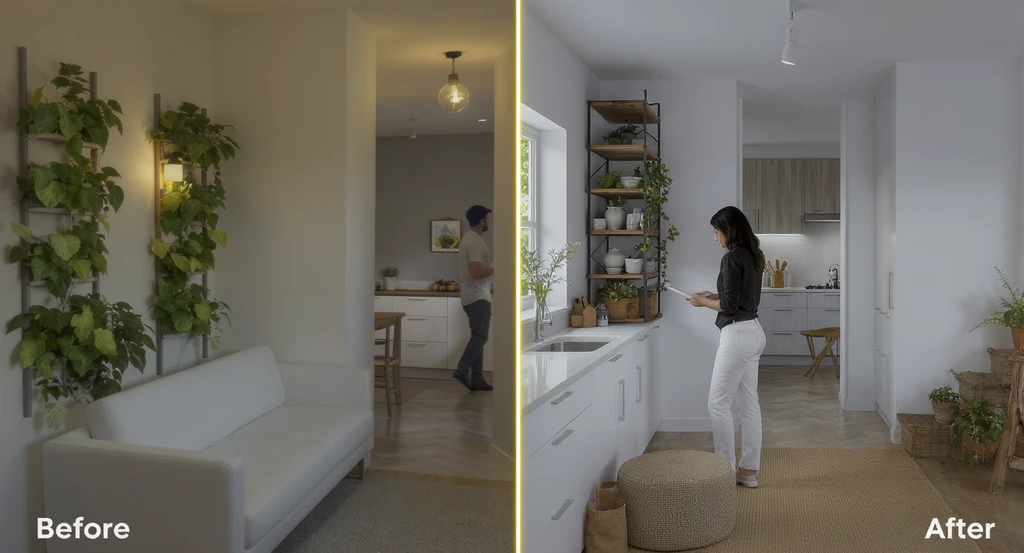
The Dead Space Decision Framework Designers Use Image
Before decorating awkward areas, professional designers often use a straightforward framework to decide if any decor should be added. This process helps prevent unnecessary clutter and ensures investments are practical.
- Visibility: Is the space noticeable from entry points or main seating?
- Accessibility: Can it be reached for cleaning and maintenance?
- Safety: Could objects here fall or create hazards?
- Maintenance: Will items require regular care?
- Visual Balance: Does the room feel incomplete without something here?
If a space fails most of these checks, experts recommend leaving it free of decor.
-
Quick Rules for Decorating Awkward Dead Spaces
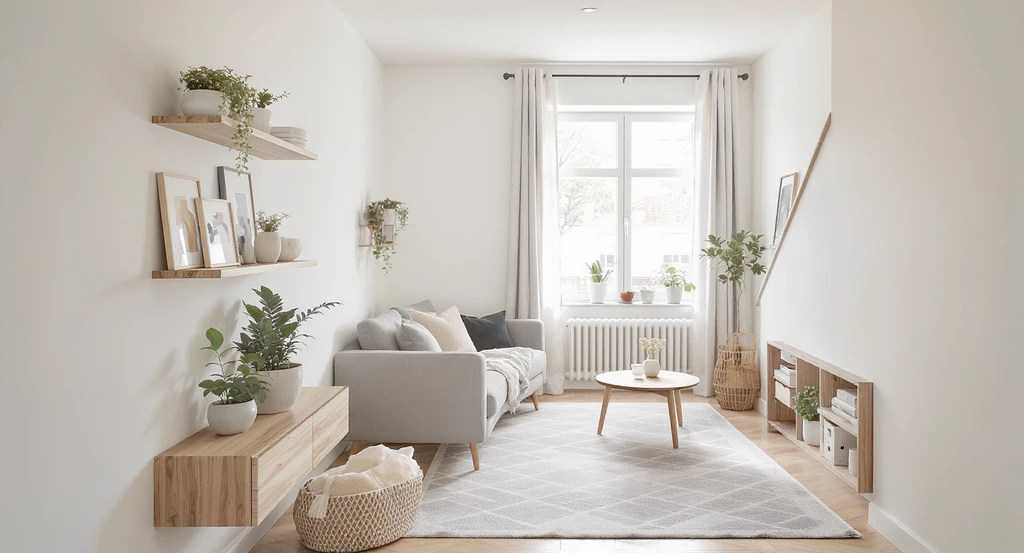
Quick Rules for Decorating Awkward Dead Spaces Image
Use these summary rules to guide layout corrections and avoid common pitfalls:
- Not every empty spot needs decor, purposeful blankness is valid design.
- Choose a single statement object over multiple small items.
- Avoid live plants in areas that are hard to reach.
- Always put safety first near stairs, railings, and passageways.
- Test lighting before styling awkward spaces.
These principles keep even odd areas tidy and intentional.
-
Designer Concept: Focal Point Hierarchy
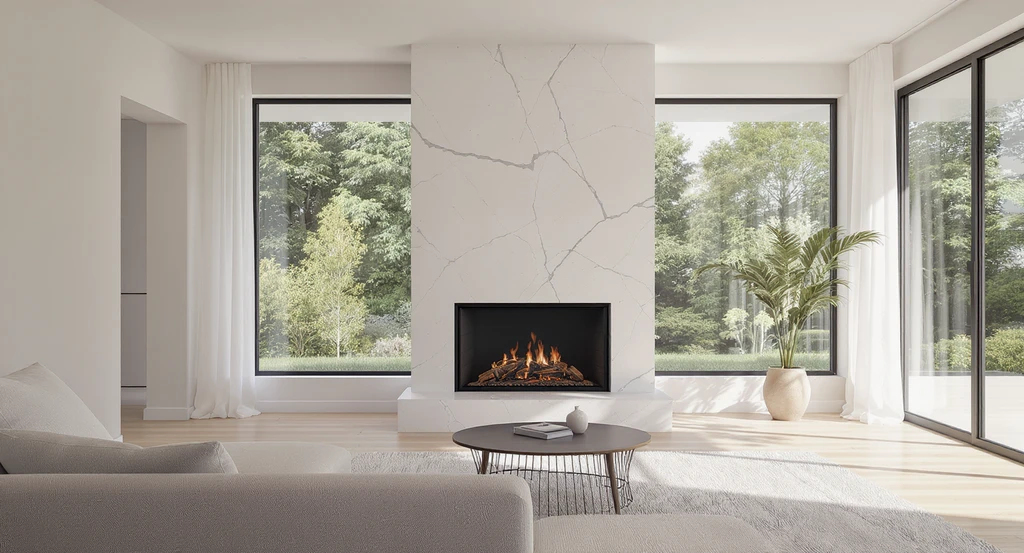
Designer Concept: Focal Point Hierarchy Image
Interior designers use focal point hierarchy to organize visual flow. The primary focal point, such as a sofa, fireplace, or main window, should always take precedence. Awkward ledges, tiny wall niches, and stair landings become secondary or tertiary zones.
Keep these less important spaces subtle, simple, or empty. Introducing complex displays here can compete with your room’s true focal points and lead to unnecessary clutter.
-
Display Methods for Awkward Spaces (Comparison Table)
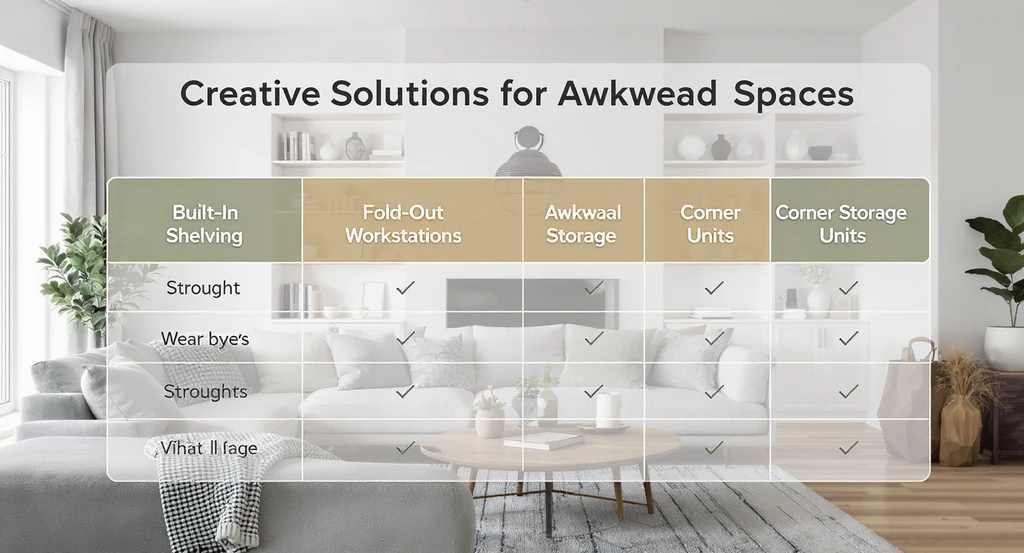
Display Methods for Awkward Spaces (Comparison Table) Image
Display Method Best Use Case Risk Single sculptural object High ledges, stair landings Minimal visual clutter Artificial plant Hard-to-reach decorative spots Can look artificial if low quality Built-in shelves Deep wall niches Permanently changes layout Gallery wall Visible staircase walls Requires careful spacing This overview helps you match the right strategy to the practical constraints of each area.
-
When Built-In Solutions Work Better Than Decor
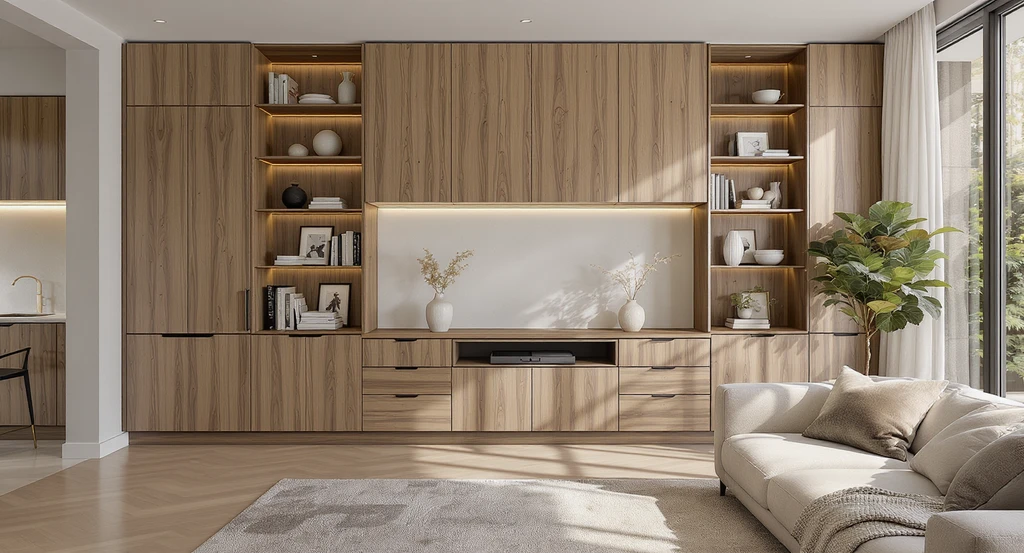
When Built-In Solutions Work Better Than Decor Image
Sometimes, the most practical fix for an awkward space isn’t styling, it’s modifying the architecture. Installing floating shelves in a deep niche, adding custom cabinets in corners, or creating a built-in bench on a stair landing can add both function and visual clarity. When dead spaces are large enough or frequently used, these solutions deliver lasting value and a more intentional look.
-
Maintenance Matters More Than Most People Realize
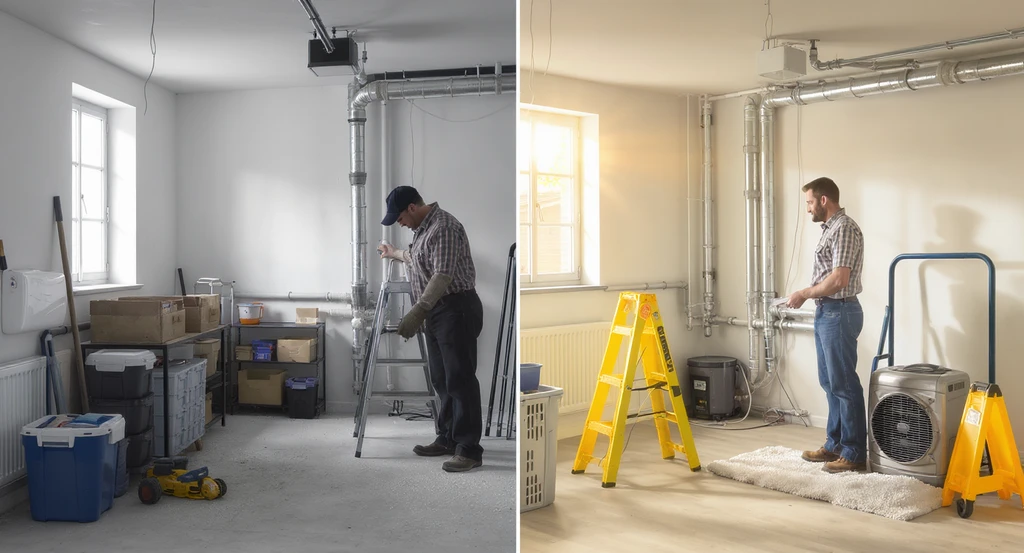
Maintenance Matters More Than Most People Realize Image
Decorating hard-to-reach spaces can create long-term cleaning and upkeep issues. Before committing, consider dust, potential plant care, and ease of rearrangement. For anything above head height, choose items that are easy to clean or replace. Maintenance planning leads to neater, more livable rooms—and less regret later.
-
Visualizing Dead Space Before Decorating
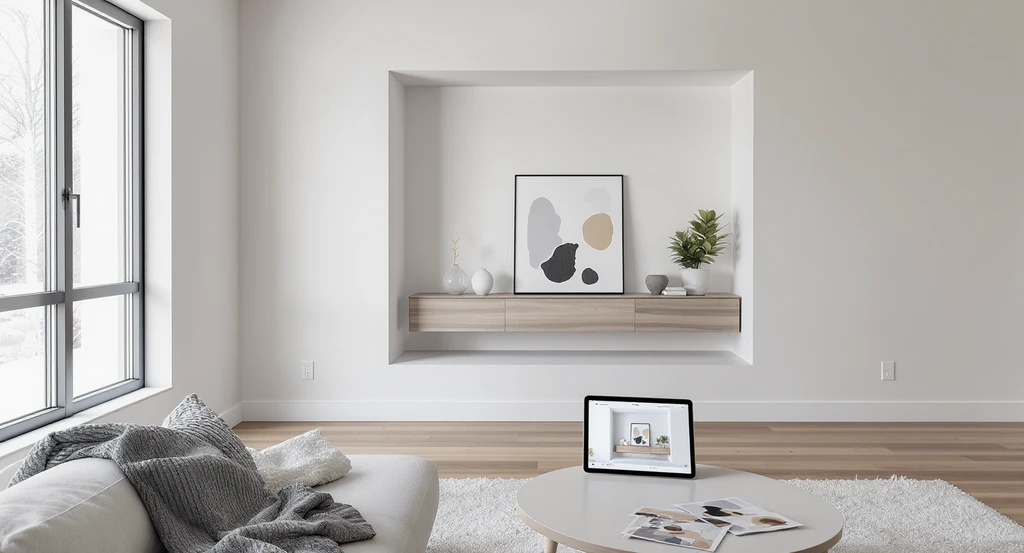
Using AI tools for decorating awkward spaces, this setup demonstrates how to visualize dead space with AI and virtual staging software, enabling effective design solutions for home dead zones before purchasing decor.
Photograph awkward areas from several angles before styling. Review the images to judge scale, lighting, and visual connection with the rest of the room. For even greater accuracy, consider virtual staging or simple digital sketches to test ideas without buying anything. Using visualization techniques or REimagineHome AI-style tools can save time and ensure decor choices enhance the overall flow.
FAQ: Decorating Awkward Empty Spaces
- How do I decide if I should decorate an awkward space at all?
- Start by asking if the area is visible, accessible, and safe. If not, it’s often best left empty. Maintenance and upkeep should also factor into your decision.
- What is the best solution for high or hard-to-reach ledges?
- A single artificial plant, substantial sculptural piece, or leaving it clear are the most practical options. Avoid small, high-maintenance items.
- Are architectural fixes better than decor for some spaces?
- Yes, sometimes built-in shelves or custom cabinetry offer a more functional and clean-looking solution than placing decorative objects.
- How can I ensure I’m choosing the right scale?
- Use one large item that fills no more than one-third of the available width or height, and preview using photos or staging tools before finalizing.
- What lighting works best for awkward spaces?
- Supplement natural light with spotlights or LED strips in dark areas. Always test lighting throughout the day for balance and highlights.
Conclusion: Sometimes Less Really Is More
Not every dead space needs a solution. A calm, practical layout sometimes means leaving odd corners, niches, or high ledges empty, especially if safety, access, or maintenance is a concern. If you do decorate, choose one well-scaled, easy-care item. Prioritize the health, safety, and daily functionality of your home over forcing a fix. For more finishing touch inspiration and minimalist room advice, see our tips for completing neutral spaces.