8 Smart Exterior Upgrades for Historic Homes That Preserve Architectural Character
TL;DR
The path to curb appeal isn’t a formula: it’s a balance of historical respect, modern updates, and context. Avoid stripping original details or chasing trends. Instead, use a structured framework to clarify which changes will boost both comfort and value while sidestepping irreversible regret.
-
1. Prioritize Historical Cohesion Over Forced Modernization
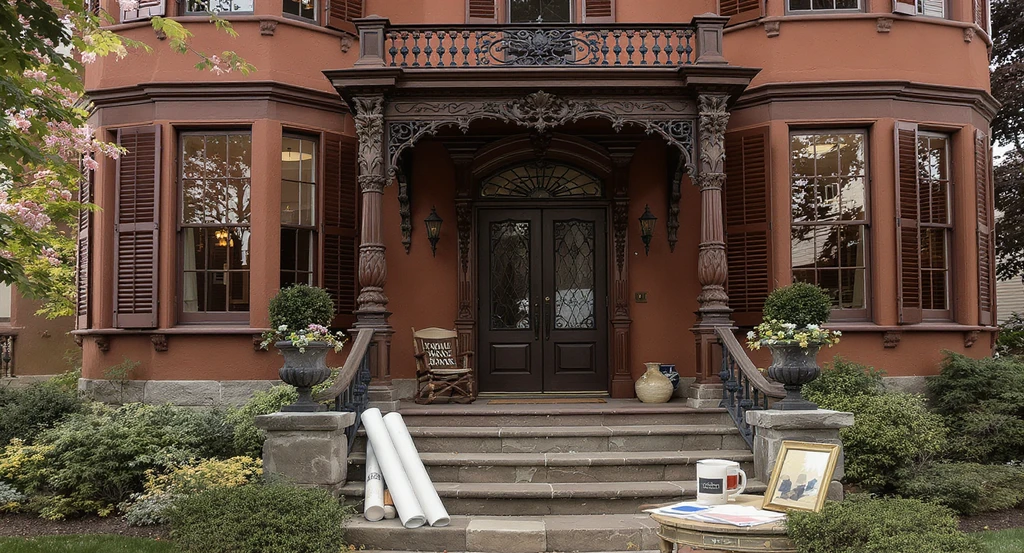
Enhancing exterior curb appeal begins by restoring historical home exterior features and choosing paint colors that reflect the home’s era. Adding architectural trim and referencing archival designs help update the front entryway authentically.
Restoring or echoing original details almost always yields a more appealing result than imposing a contemporary style on a historic facade. Many design regret stories on r/ExteriorDesign start when homeowners strip away period trims, balustrades, or historic colors to chase a fleeting modern trend leaving homes that feel soulless or disconnected. The Context Reversion Principle illustrates why: homes with details aligned to their era anchor visually with their neighborhood and gain psychological ‘rightness’ that pleases both owners and visitors. Before considering paint, review archival photos, old plans, or neighboring homes for stylistic cues that feel native to your architecture. As explored in our guide to 2025 exterior design trends, enhancing curb appeal begins with honoring and thoughtfully updating a home's inherent style.
Expert Insight
A client once purchased a grand, flat-faced historic home with layers of faded paint. Instead of painting it a trendy color, they commissioned archival research, restored cornices, and added contrast-heavy, period-inspired trim. The modest investment in research and detailing not a radical transformation made their home the model of curb appeal in the neighborhood, and buyers actively cited its character as a draw when it went on the market.
-
2. The ReimagineHome Facade Contrast Formula
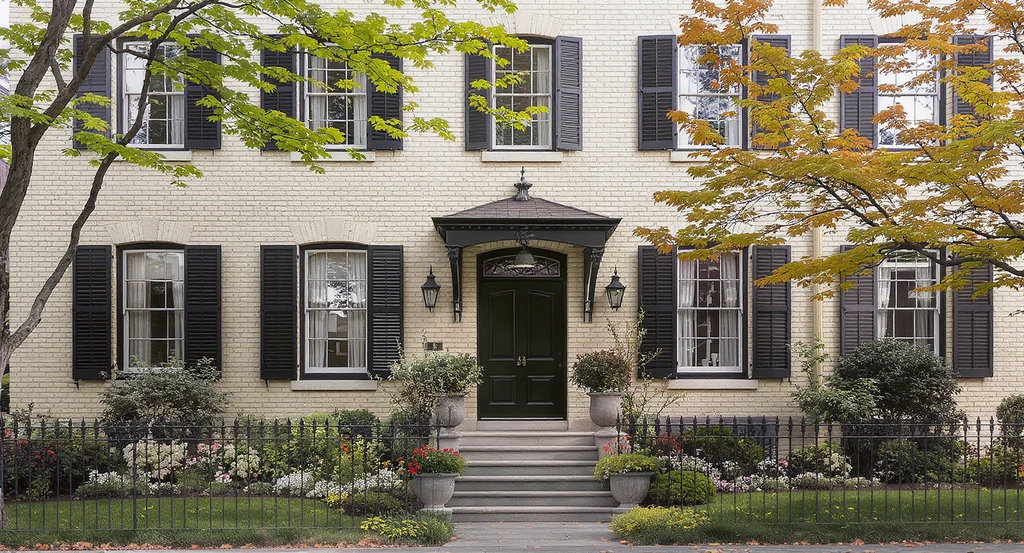
Enhanced historic home exterior applying the Facade Contrast Formula: using high-contrast trim and siding to boost curb appeal, restore architectural features, and choose the best exterior paint colors for resale.
Boosting curb appeal and combating visual blandness depends on calculated contrast between structural elements, not just bold color choices. The Facade Contrast Formula (FCF) suggests: the paint or siding color (L) should differ by a value of at least 30 on a lightness scale (0-100) from the trim (T) and windows (W). For flat-fronted homes or painted brick, FCF immediately increases dimensionality. For example, warm off-white with black or rich green trim, or charcoal with pale stone. Aim for crisp lines between structural planes to define architectural rhythm and clarify visual hierarchy. This approach is more reliable than trend-chasing, as detailed in our in-depth guide to choosing exterior paint colors for resale.
-
3. Reintroduce — Don’t Reinvent — Architectural Trim
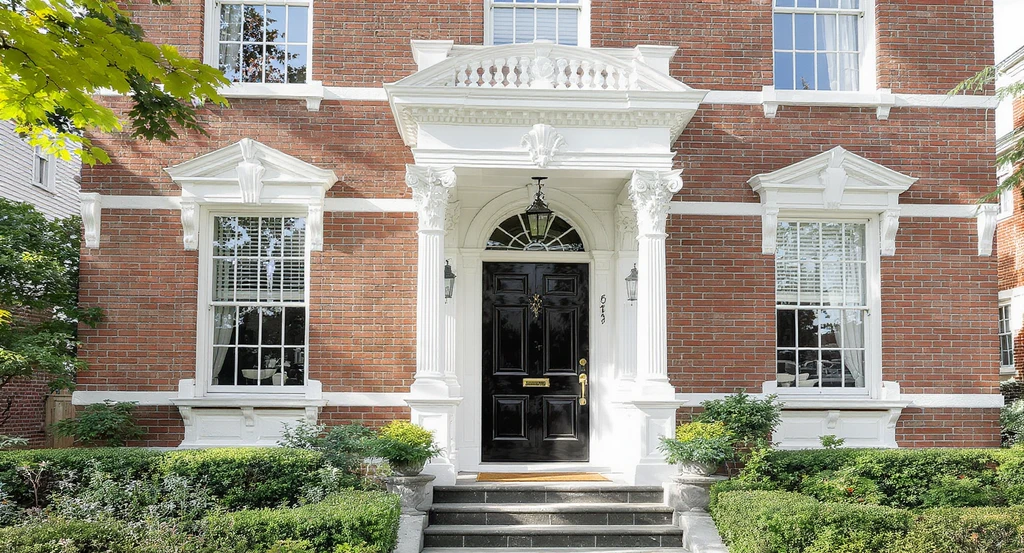
Restoring period-appropriate architectural trim, including wide window and door surrounds, is one of the best ways to update the front entryway and enhance exterior curb appeal while preserving historical home exterior features.
Adding or restoring period-appropriate exterior trim creates a measurable impact on curb appeal and facade balance. The Architectural Anchoring Rule: Every window and key door should have trim or a surround that is at least one-tenth the width of the window, scaled upward for larger facades or more ornamented styles. Historic molding, sills, and parapets add visual weight and signal care, making windows seem larger and walls less monolithic. Layered trim not only frames views from the interior but corrects for flat or blank facades, as many Redditors have rediscovered. Learn more about pitfalls and strategies in our painted brick vs. curb appeal fixes guide.
-
4. Window Hierarchy Correction: Size, Casing, and Proportion
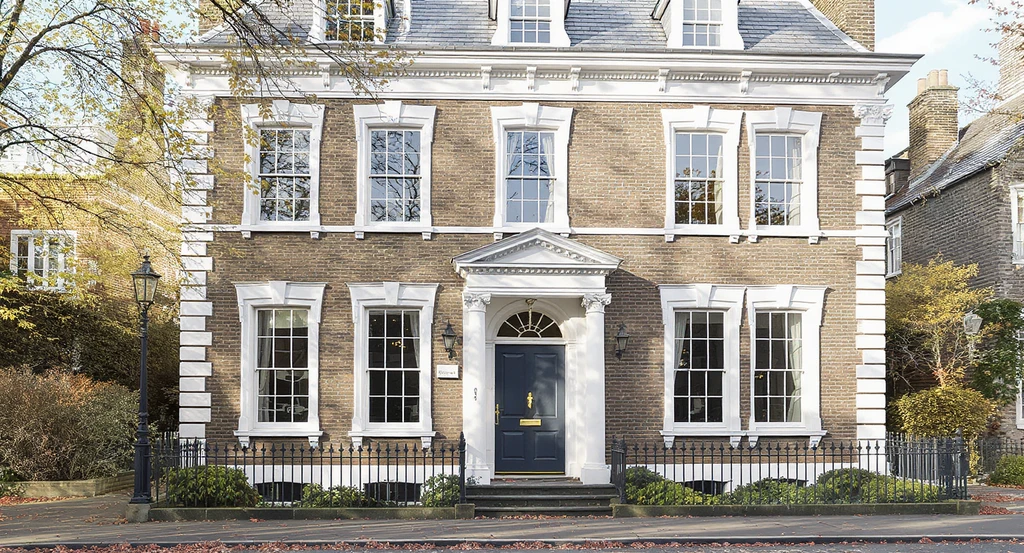
Upgrading window size, casing, and sash divisions instantly elevates historic homes by restoring exterior features and enhancing curb appeal. This approach highlights how to enhance exterior curb appeal, restore historical home exterior features, and add architectural trim for the best ways to update your facade.
Addressing disproportionately small, misaligned, or caseless windows offers one of the strongest returns for both aesthetics and interior comfort. The Window Hierarchy Correction Model emphasizes: proportional window upgrades (taller, paired, or multi-light sashes) and robust casings can elevate an otherwise dull facade. Interior comfort improves with increased natural light, while from the street, the house appears more lively and cared for. For period homes, emulating sash divisions or adding transoms above doors reestablishes architectural logic and balances vertical massing.
-
5. Entryway Framing: The 3-Point Focal Method
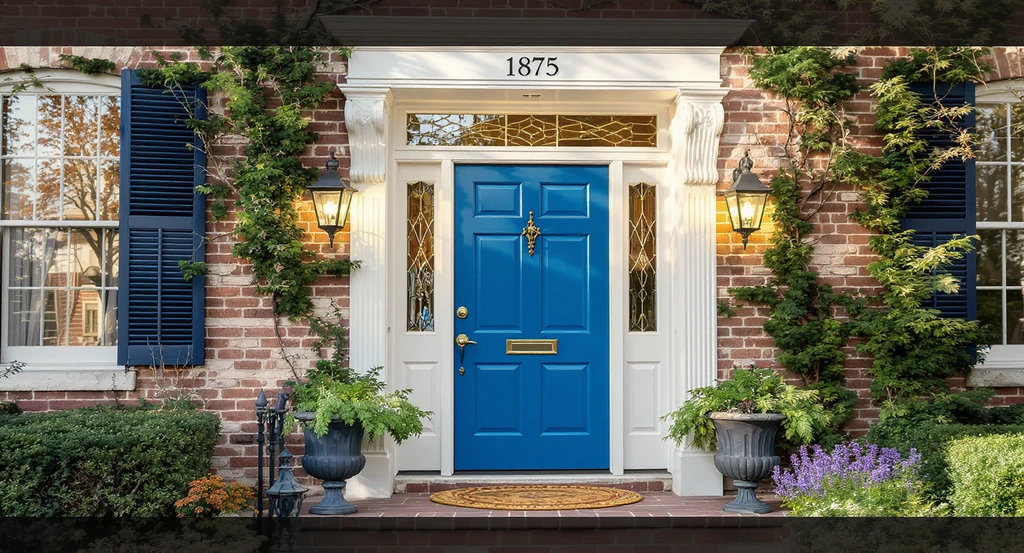
The 3-Point Focal Method enhances curb appeal by restoring historical home exterior features—bold door colors, unique lighting, and adding architectural trim to the facade.
A recessed or indistinct front door drains presence from the entire facade. The Entryway 3-Point Focal Method suggests: define the entry with a strong door color, bold light fixture, and visual boundary (porch rail, planters, or deep trim). At least two of these elements should contrast strongly with the adjacent facade. Oversized house numbers, statement sconces, or a wood canopy not only guide the eye but offer psychological cues of welcome and intentionality the opposite of the neglected, ‘blank box’ effect. For inspiration and visualization, ReimagineHome allows you to test layouts and colors digitally to ease design anxiety before making a final decision.
-
6. The Vertical Relief Principle: Railings, Balconies, and Parapets
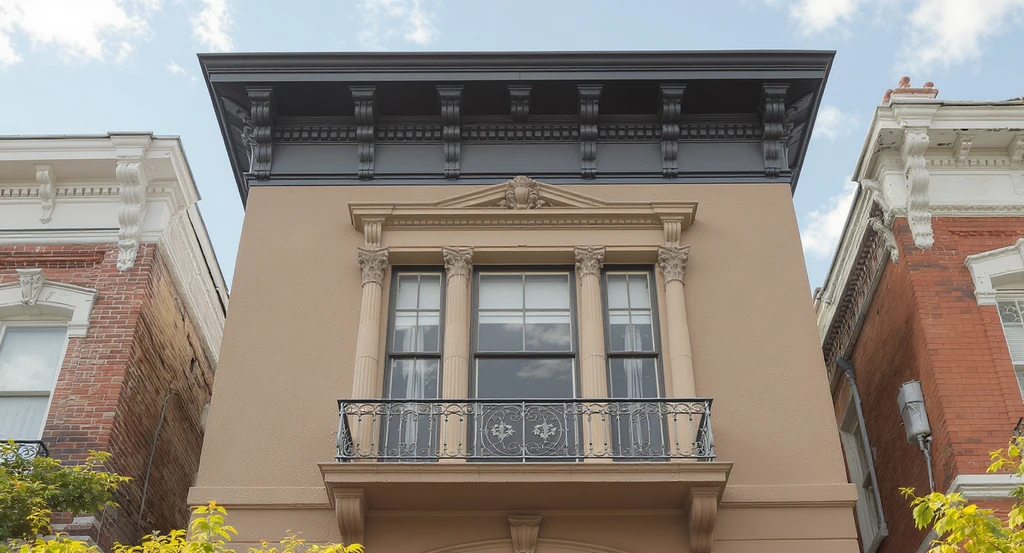
Adding period-appropriate railings, faux balconies, and parapets to tall historic facades enhances exterior curb appeal while restoring historical home exterior features and introducing architectural trim for a refined, authentic look.
Flat-roofed or tall, boxy homes benefit from vertical articulations that divide height and create visual stops. The Vertical Relief Principle states: Where a single vertical surface exceeds 2.5x its width, incorporate elements such as decorative railings, faux balconies, or period-appropriate parapets. This interrupts visual monotony, referencing not only history (think balustrades or cornices) but also providing spatial rhythm. Refer to neighborhood context and old photos to inform whether a balustrade, detailed gutter line, or roof rail feels natural rather than forced.
-
7. Foundation Planting for Softness and Scale
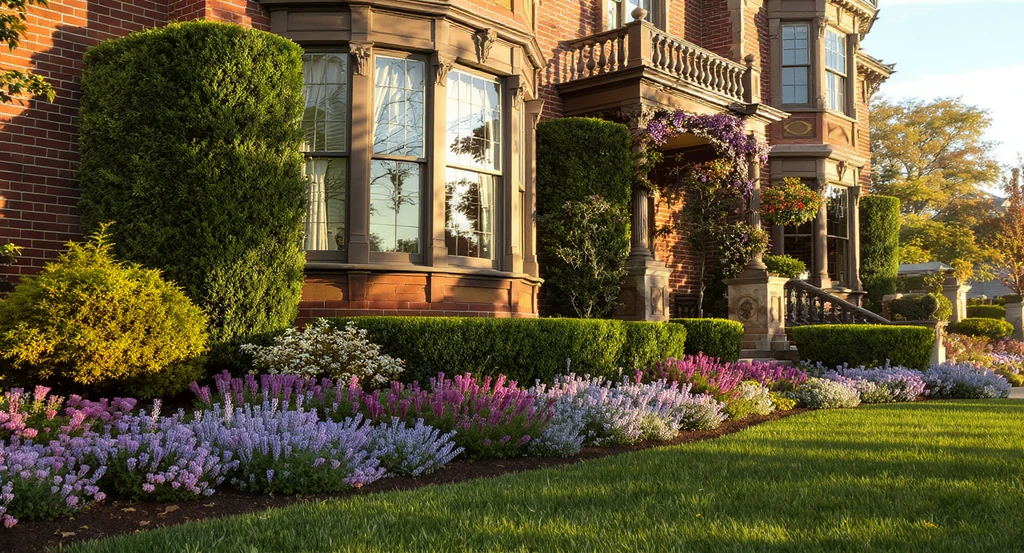
Soft, layered foundation plantings—evergreens, grasses, and vertical accents—enhance exterior curb appeal, restore historic character, and visually shorten tall walls without hiding original architectural trim.
Replace rigid, ball-shaped shrubs with layered, informal plantings (drifts of grasses, perennials, or low seasonal evergreens) to blur the line between ground and wall. The Foundation Soft-Edge Model recommends three layers: lowest beds against the house, medium-height accents for depth, and at least one vertical variety that reaches one-third up the front wall. Soft foundation planting visually shortens tall facades, hides awkward transitions, and draws the eye with seasonal change building a richer curbside experience as reflected in our facade render explorations.
-
8. Don’t Commit Without Visualization: The Curb Appeal Preview Rule
Before any major change especially with paint, windows, or trim use a visual preview tool to simulate alternatives. The Curb Appeal Preview Rule states: Never commit to a facade-altering choice (e.g., paint color, trim style, window configuration) without seeing it at scale on your own home. This practice reduces regret and budget waste, and it’s one of the strongest predictors of post-renovation satisfaction. With ReimagineHome, you can preview contrasting palettes, different trims, lighting arrangements, and even hardscaping combinations before executing a single update. As detailed throughout our content, seeing it first leads to better, faster decisions and avoids costly missteps.
Visualization Scenario
Imagine uploading a photo of your facade into a digital platform. Instantly, you layer deep charcoal paint, crisp white trim, and decorative parapets each step showing the impact before committing. You explore options for window casings, add soft landscaping, and tweak entry details until the balance feels right. Most importantly, you see in minutes what would otherwise require months and thousands of trial and error, leading you to a decision you can trust.
Frequently Asked Questions
How do I choose an exterior color that feels both modern and appropriate for my historic home?
Start by analyzing local historic color palettes and seeking a hue with stronger contrast than existing paint. Use digital preview tools to test options and ensure the new shade enhances your home's architectural character and resale value.
Is it possible to remove paint from old brick, and is it recommended?
Removing paint from historic brick is possible but costly and may damage the masonry. Consult restoration professionals before proceeding. Sometimes, choosing a deeper, period-appropriate exterior paint color is safer and more effective.
What’s the most cost-effective way to add dimension to a dull facade?
Paint with contrasting trim, install window shutters or deep casing, and add layered landscaping. These updates often yield the biggest visual return per dollar while respecting your home’s original structure.
Should I replace my windows or just add trim?
If windows are very small, mismatched, or inefficient, consider replacing them to scale with the facade. Otherwise, adding robust, proportioned trim and painting sills can dramatically improve their impact without the cost of full replacement.
How do I avoid making changes I’ll regret?
Never commit to major updates without visualizing them at scale first. Use digital design tools to see options in context and involve professionals when addressing structural or historic elements.