9 Unconventional Predictions for the Housing Market in 2050
TL;DR
The housing market in 2050 may bear little resemblance to today's landscape. Expect everything from metaverse migrations to corporate landlord empires, radical home financing changes, and a new meaning of homeownership. Reviewing these predictions reveals which scenarios are already unfolding and which remain speculative projections.
Imagining the Real Estate Future: 2050 and Beyond

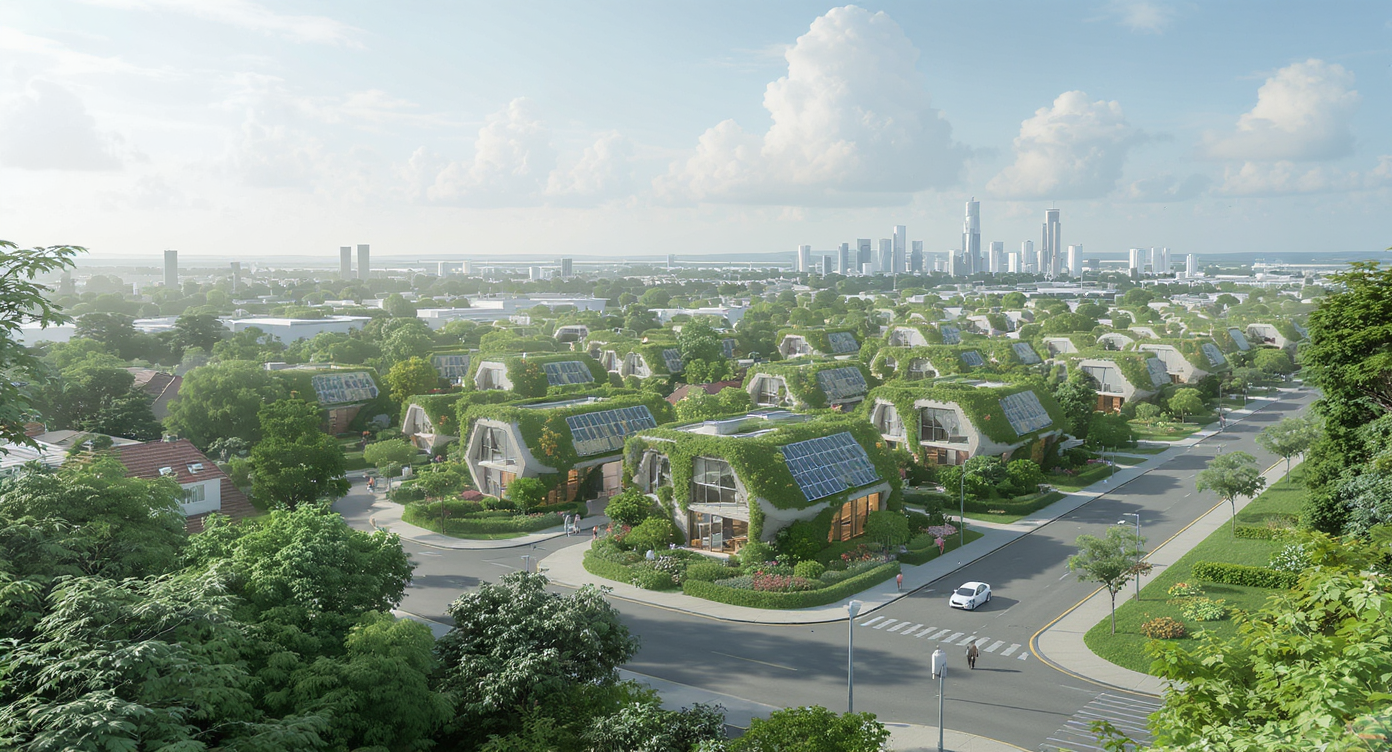
A contemporary workspace with views of an evolving city, illustrating decision-making and speculation about the housing market’s future.
Speculating about the housing market decades from now can easily slip into science fiction, but recent history shows many ideas that once seemed improbable are now mainstream headlines. As mortgage rates shift, technology disrupts transactions, and new players enter the market, the foundations of homeownership and renting are being actively redefined. For anyone planning remodel projects or considering long-term investments, looking ahead to 2050 is not just a creative exercise—it's a way to better understand emerging patterns and value comparison. Here, we break down nine predictions for what the housing market might look like by mid-century. Some are grounded in trends observable today, while others stretch the imagination to expose underlying truths and potential consequences of our present choices. Viewed collectively, these scenarios offer insight for homeowners, buyers, renters, and industry professionals evaluating their next steps against the backdrop of dramatic change.
-
1. Mortgage Rates Take Wild Swings—and People Still Buy

Editorial close-up of a real estate office desk featuring reports on soaring mortgage rates, innovative buying strategies, and a coveted neighborhood view.
By 2050, the relationship between mortgage rates and home prices may look stranger than ever. Historical spikes in the 1970s and periodic jumps since then show rates can soar, yet housing demand often persists. If mortgage rates approach double digits again, as some speculate, affordability crises could intensify, with buyers still competing aggressively for limited inventory in prime neighborhoods. According to our guide on housing market predictions through 2029, even sustained higher rates might not substantially dampen prices if supply stays tight. Creative solutions—such as multi-decade mortgages or group homebuying—may become the norm, reflecting a continued willingness to pay premiums if location and lifestyle align.
-
2. Corporate Landlords Dominate Sales and Rentals

Modern apartment lobby with a leasing office dominated by consumer brand-style logos, digital rental kiosks, and branded delivery lockers.
The boundaries between consumer goods companies and housing could blur completely, with brands once confined to groceries or apparel transforming into major landlords and developers. The shift toward institutional homeownership and large-scale property management is already underway. As ownership consolidates, renters and buyers may find themselves negotiating with household-name companies whose resources dwarf personal finances. This trend is explored in depth in our analysis of why the U.S. housing market feels rigged, where investor pressure and supply gaps lead to fewer individual transactions and more corporate-driven competition for properties. For consumers, the upshot is a shift from local market quirks to standardized rental contracts, loyalty programs, and even housing-themed branding wars.
-
3. Metaverse and Virtual Real Estate Become Mainstream
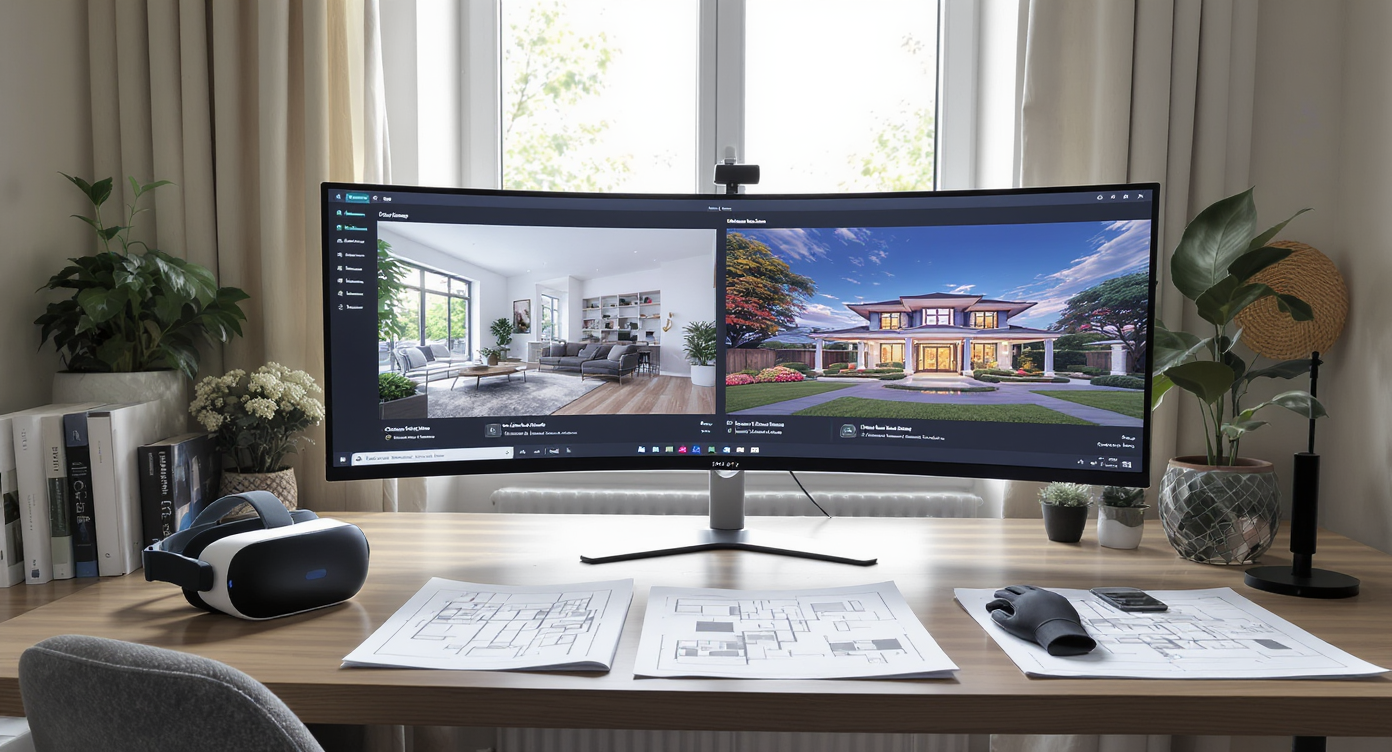
A home office workspace seamlessly blending physical real estate documents and cutting-edge metaverse virtual property listings on a realistic screen.
As immersive technology matures, more people may spend significant portions of their lives in virtual environments where buying, selling, and customizing property is just as significant as in the physical world. Already, tech-forward investors are staking claims in virtual neighborhoods, and designers grapple with the practicalities of digital-only "remodel projects." Future value comparison might weigh square footage in both the physical world and online. The surge in demand for digital real estate could mirror today's rental crunch, with speculative bubbles, metaverse HOAs, and virtual landlords emerging. Skeptics might scoff, but digital scarcity is already influencing prices and social status within these new platforms.
-
4. Warehouses and Subterranean Spaces Replace Traditional Homes

A realistic warehouse-turned-residence showcases modular co-living pods and an adjoining subterranean, tech-integrated living environment.
Rising rental ratios and affordability issues may mean that unconventional housing options—such as public warehouses converted into residential blocks or underground living spaces—grow increasingly appealing, especially in urban areas. Shared amenities and co-living arrangements will likely become more prevalent, with privacy traded for cost savings and community access. Some see this as a return to dormitory living, while others point to the practicality for digital nomads or single professionals priced out of solo apartments. These spaces will likely integrate smart infrastructure, from energy systems to security and social functions, optimizing every square foot for adaptive, flexible use.
-
5. Corporate Identity and Homeownership Intersect
Homeownership could become a facet of brand loyalty, with companies offering bundled lifestyle contracts that include housing, subscriptions, and exclusive experiences. Value comparison might involve perks such as weekly meal deliveries, access to proprietary apps, or on-site retail discounts. If such packages are built into long-term leases or ownership deals, the lines between consumer and citizen will blur further. While the thought of a pizza chain acting as both landlord and sustenance provider seems humorous, the financialization of all aspects of living means such absurdities edge closer to reality.
-
6. The Role of Real Estate Agents Transforms—or Disappears
By 2050, the traditional real estate agent may be a relic, replaced by algorithms, AI-driven platforms, or minimal-fee digital services. As outlined in our exploration of how AI and new models are reshaping real estate, the value agents provide is already shifting toward strategic advisory work. If blockchain-enabled contracts and instant digital valuations become reliable and trusted, buyers and sellers may transact peer-to-peer, reducing costs but also requiring more financial literacy and tech-savvy from all parties. The upshot for homebuyers: greater transparency, but potentially less personalized support.
-
7. AI-Driven Smarter Homes—Physical and Virtual

A modern smart home interior equipped with embedded AI controls and virtual layout displays, showcasing seamless physical and digital management integration.
Artificial intelligence will likely be integral not just to property management, but also to the design and operation of living spaces, whether tangible or digital. Automated workflows could cover everything from lease management and energy efficiency to predictive maintenance and personalized interior environments. In practice, professionals see AI applications already streamlining valuation and energy use, as described in our review of AI in property management. By 2050, these technologies could facilitate continuous upgrades to both physical structures and virtual dwellings based on user preferences, environmental conditions, and shifting lifestyle needs. For those planning layout revisions, platforms like REimagineHome.ai offer a starting point for experimenting with changes before they are implemented in either setting.
-
8. Housing Scarcity—Physical and Virtual—Creates New Social Divides
No matter how advanced technology gets, scarcity often persists. Artificial constraints on virtual real estate supply, echoing current land-use policies, may drive up valuations in both worlds. This could lead to new forms of exclusion, as digital "location" and avatars become status markers. Meanwhile, persistent physical supply gaps will keep competition high for desirable properties, making value comparison an increasingly complex and strategic endeavor for buyers and renters alike. Policy approaches and reforms will play a pivotal role, but underlying demographic and investor pressures are likely to keep housing market access a major challenge for ordinary households.
-
9. Underground and Off-World Living: The Last Frontier

A climate-resilient subterranean living space with stone walls, ambient LED lighting, live greenery, and simulated daylight for future housing.
Extreme scenarios, such as subterranean megacities and off-Earth settlements for the ultra-wealthy, may sound outlandish, but early steps toward both are already visible in architecture and space exploration sectors. While mass migration to Mars remains hypothetical, underground construction for climate resilience and privacy is a growing field of interest among urban planners. For most, however, the day-to-day will be shaped by adapting to new housing realities and maximizing quality of life within emerging constraints.
FAQ: The Housing Market in 2050 and How to Prepare
Supply constraints, technological disruption, and the rise of corporate ownership are expected to be dominant forces according to most year-based trends examined.
Will real estate agents still be necessary for buying and selling homes?
It is possible their role will shift drastically or even become obsolete. As reported in our post about Realtors and the future of real estate, agent compensation and value are being actively reconsidered. Digital solutions may soon dominate.
How can I future-proof my home investment or remodel project?
Use value comparison tools and design platforms such as REimagineHome.ai to assess new features, energy systems, or whole layouts. Flexible, adaptable design remains key.
Could metaverse property ever replace traditional homeownership?
Digital assets are becoming more valuable but do not fulfill every function of physical homes. They may supplement, rather than supplant, traditional real estate in most households.
Is it possible for rental costs to take up nearly all of my income by 2050?
If structural supply shortages continue, escalating rents are a risk. As discussed in our feature on housing supply and affordability pressures, the best way to adapt is by seeking housing alternatives and legislative reforms.
What Today's Home Decisions Mean in a 2050 World
While few—if any—of these predictions will play out exactly as described, they signal larger shifts in how society, technology, and economics are converging to refashion the meaning of home. For those weighing the value of remodel projects, investment property, or lifestyle moves, scrutinizing year-based trends helps clarify which decisions offer flexibility for the unknown. Using tools such as REimagineHome.ai allows homeowners to play with future scenarios in both their physical space and digital representations, facilitating more resilient, informed planning as we move toward an unpredictable future.