9 Essential Lessons from a Japanese Ryokan’s East-West Design Story
TL;DR
Remodeling a culturally significant space, like a Japanese ryokan, reveals how blending Western and East Asian design influences can both elevate and challenge interior harmony. This list explores nine key insights drawn from such transformations, offering guidance for creating cultural rooms and navigating complex layout styling issues. Inspiration drawn from heritage projects helps designers, renovators, and homeowners make thoughtful, intentional choices.
Why the Ryokan’s Design Journey Matters for Your Next Remodel
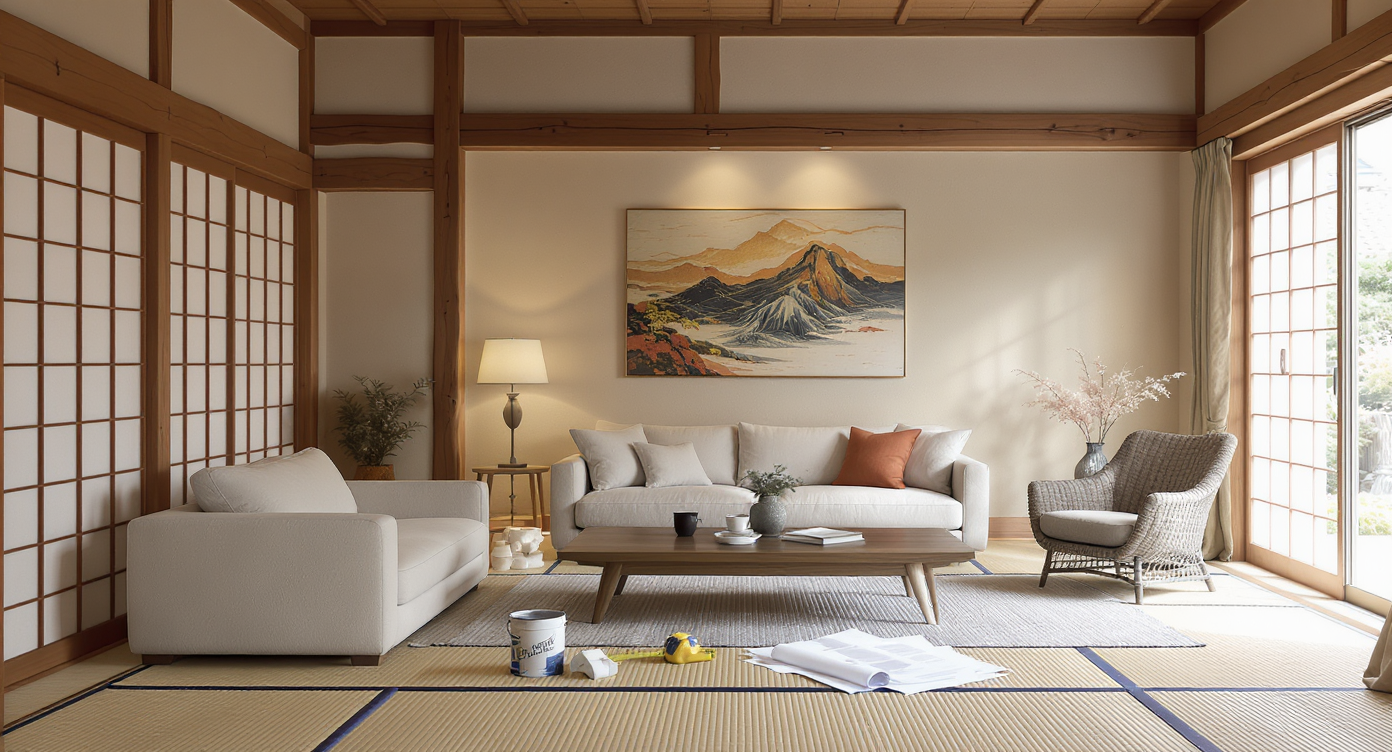
A Japanese ryokan interior in transition: traditional architectural features merge with Western furnishings and modern renovation details.
When traditional and contemporary worlds collide in home design, unforgettable spaces can be born—or a room’s soul can feel lost. Renovating a historic structure like a Japanese ryokan, especially one that bridges Japanese architectural style with Western and East Asian influences, poses questions about respect, innovation, and the search for harmony. Evolving a space with deep cultural roots into a livable, functional interior means facing the challenge of merging multiple design languages without diminishing their meaning. For anyone venturing into remodel projects on heritage homes or planning to create cultural rooms that transcend a single style, these lessons hold valuable guidance. These insights help avoid common pitfalls in layout styling and show how thoughtful combinations can yield rooms with real spirit. If you’re dreaming of a home that honors history yet feels approachable for modern living, start with what these cross-cultural design experiments teach us.
-
1. Architectural Bones Set the Tone
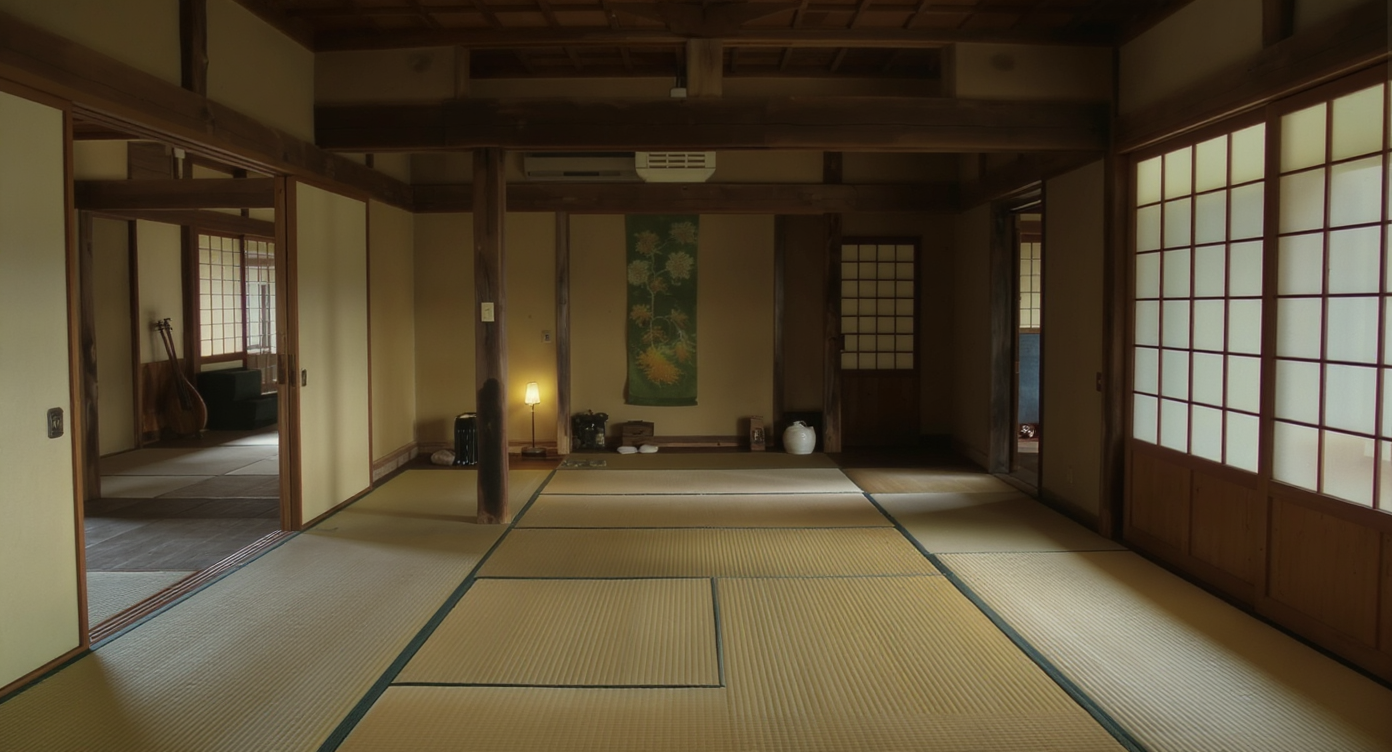
The essential architectural features—tatami mats, wooden beams, and shoji screens—define the foundation of a traditional Japanese ryokan room.
The permanent features of a building—such as tatami floors, wooden beams, or shoji screens—anchor any remodel. In a former ryokan, these elements remind us that original craftsmanship is more than aesthetic backdrop. Removing or overshadowing them risks stripping away the space’s sense of place. For cultural rooms, professionals suggest letting core architectural motifs inform rather than fight new design decisions.
-
2. Cultural Fusion Demands Delicate Balance
Introducing distinctly Western decor (like fireplaces, ornate dressers, or stained-glass ceilings) within a Japanese structural shell produces a bold statement, but can tip a room toward visual disharmony. According to leading designers, harmonious fusion often comes from subtle layering—such as blending furniture shapes or palette contrasts, as opposed to mixing ornate with minimalist extremes. The 2025 trend toward bolder, more personal interiors, seen in design guides focusing on material drenching and quiet luxury, reflects this nuanced balancing act. For example, combining textural richness with restraint preserves cultural integrity while keeping the space engaging, as discussed in our exploration of 2025 interior design trends.
-
3. Color Placement Shapes Perception
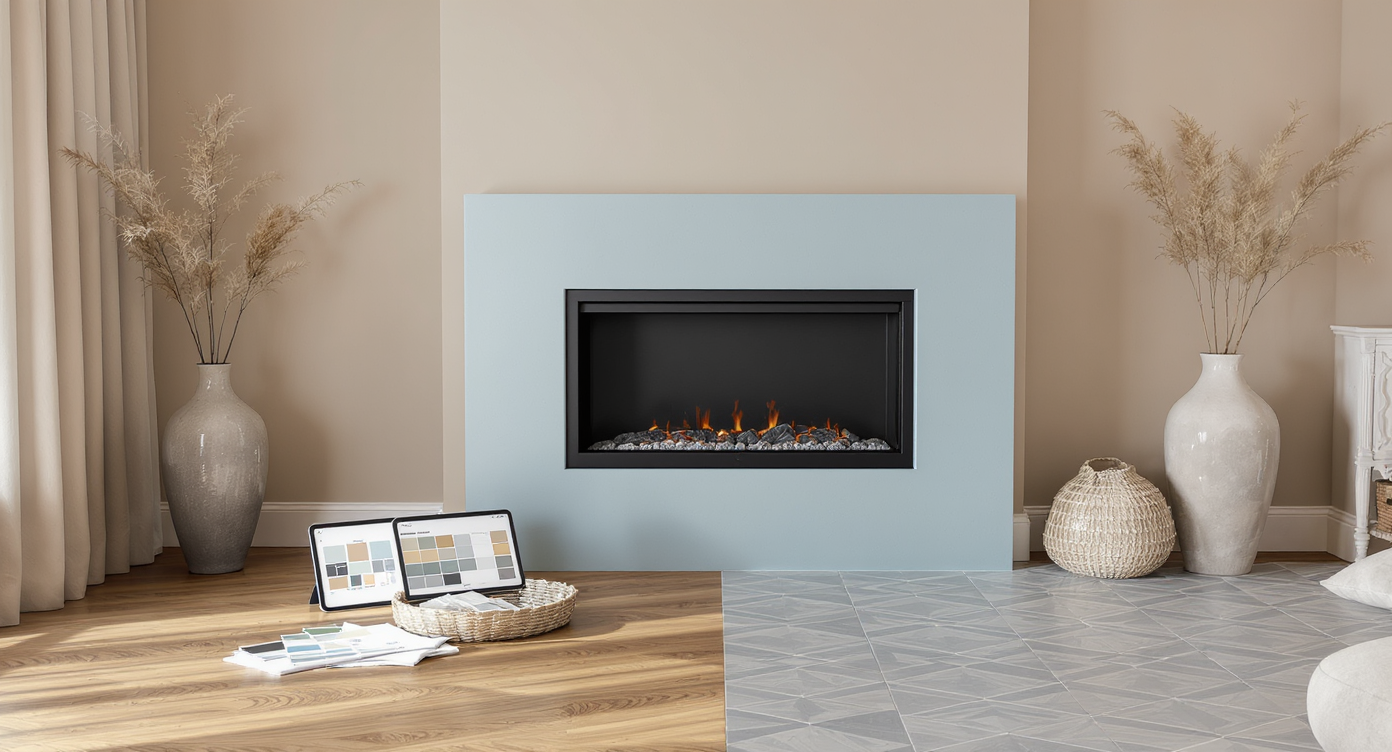
Color swatches, sample tiles, and digital visualization tools help blend cool and warm tones in rooms with mixed design influences.
In rooms where East Asian and Western styles converge, color blocking can become a battleground. A cool-toned fireplace in an otherwise warm space, or mismatched tiling next to softwood floors, can be jarring. Visual continuity—achieved with color gradients or repeat accents—ties disparate elements together, easing tension and inviting comfort. Designers emphasize a trial approach: test small surfaces first, or use digital visualization tools such as REimagineHome.ai to preview color combinations in context before committing to paint or tile in cultural rooms.
-
4. Layout Styling Is More Than Furniture Placement
Successful layout styling bridges form and function while respecting the space’s heritage. In former ryokans, logical flow might have clashed with newly introduced Western pieces, leading to a sense of crowding or confusion. Modern remodel projects benefit from mapping out sightlines, considering how people move through rooms, and ensuring focal points acknowledge both traditions present. Experts often recommend aligning the axes of old and new elements to keep rooms from feeling like patchworks.
-
5. Minimalism Versus Ornament: Finding the Sweet Spot
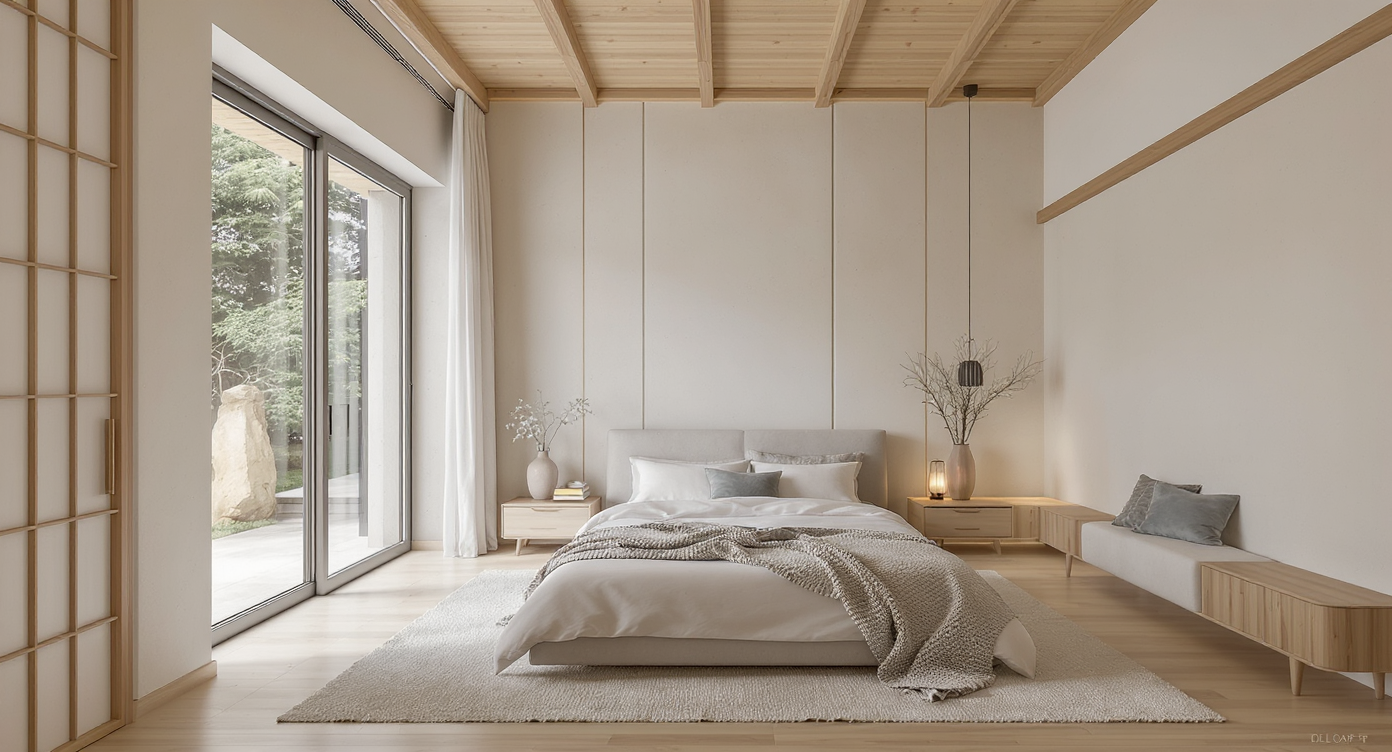
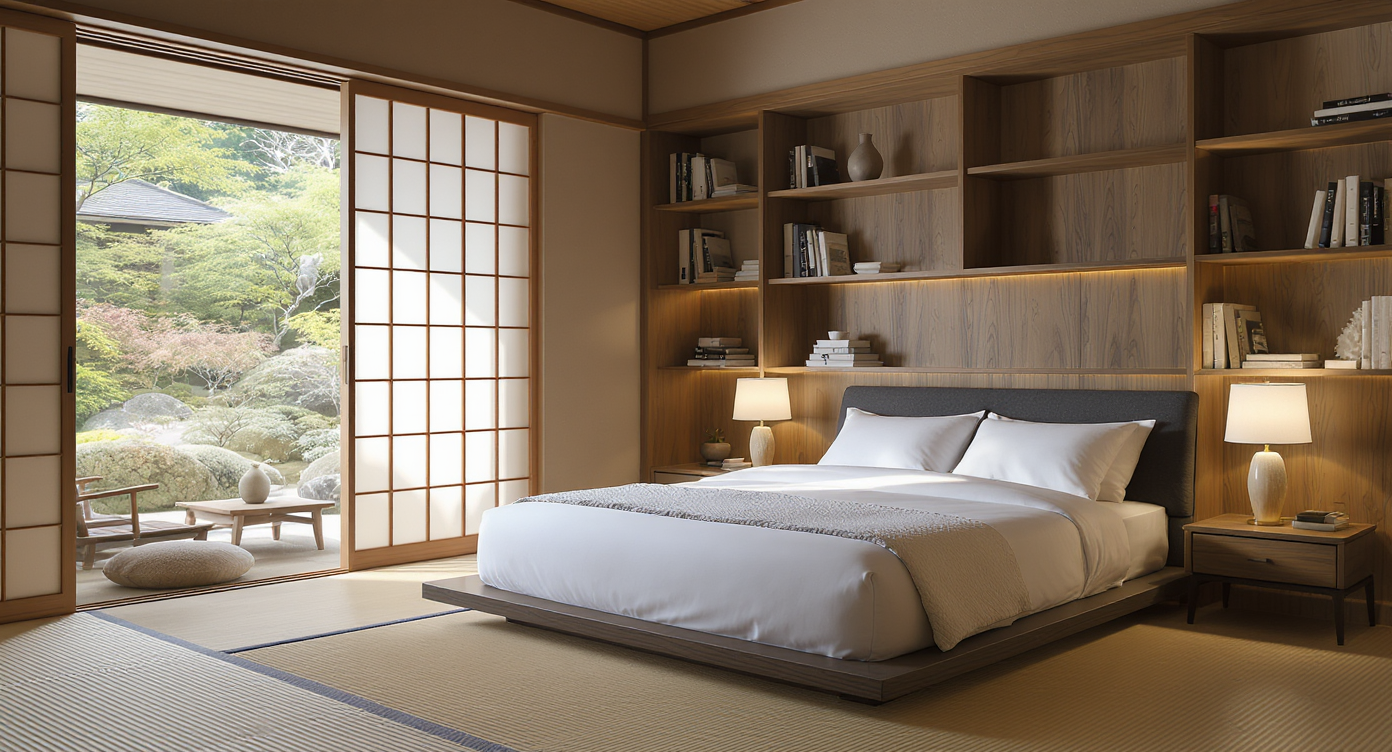
A Japandi-inspired bedroom finds harmony by limiting decorative pieces, prioritizing breathing room, and emphasizing tranquil furnishings.
Japanese interiors traditionally favor serenity and uncluttered calm, while Victorian or Art Deco Western furnishings can easily tip rooms into visual busyness. The lesson here is to resist crowding, especially in spaces defined by simple architectural poetry. To achieve that calming effect, as explored in calm, minimalist trends like Japandi-inspired bedrooms, prioritize breathing room, limit decorative objects, and echo tranquil shapes in larger pieces.
-
6. The Power of Textures and Materials
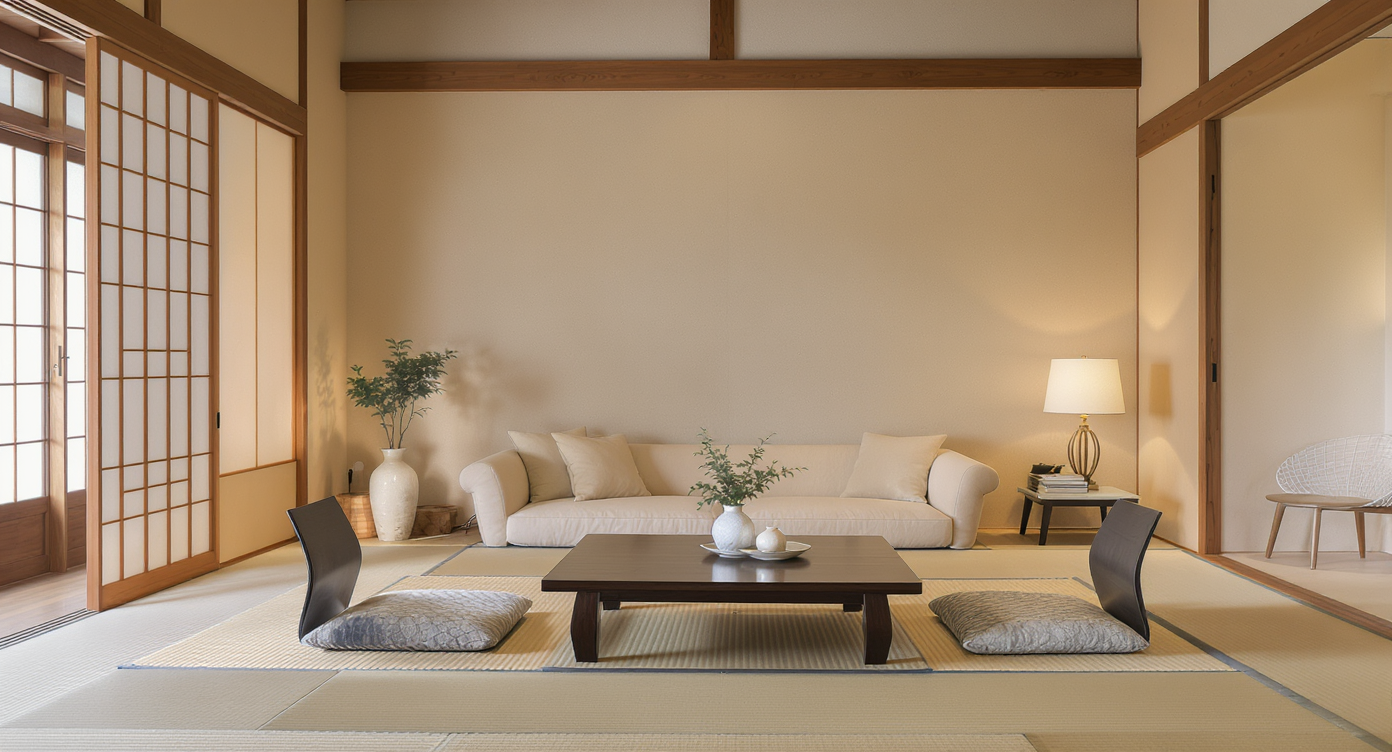
A Japanese tatami setting merging natural wood, rice paper, glass, marble, and plush fibers demonstrates harmonious use of varied textures.
Ryokans are celebrated for tactile depth—think hand-smoothed wood, rice paper screens, and natural fibers. When introducing materials such as glass, marble, or plush upholstery, aim for material echoes rather than stark contrasts. Details like a subtly grained wood Western table can adapt more gracefully to a tatami setting than glossy lacquer or metallic finishes. Organic modern design principles show how harmonizing warm neutrals and calm contrasts foster comfort in hybrid spaces.
-
7. Lighting Is Integral to Mood and Authenticity
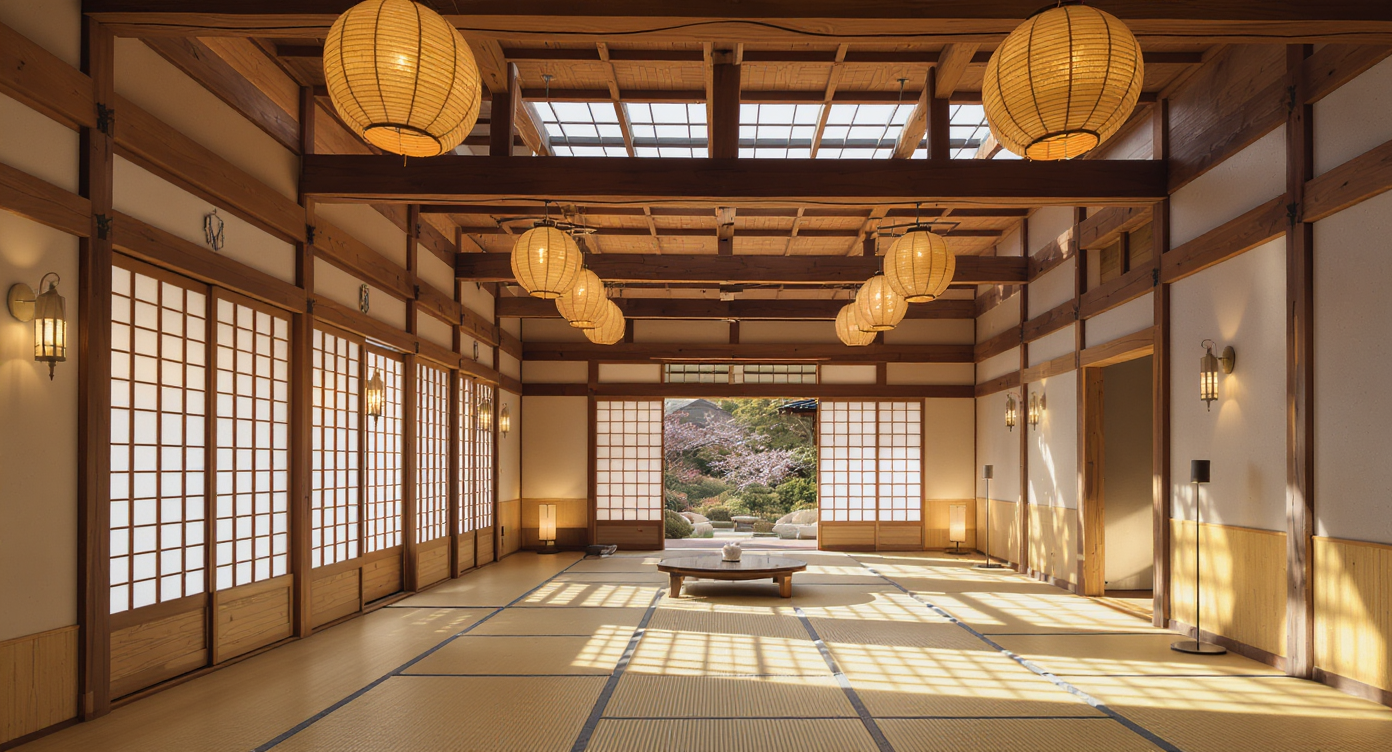
Layered lighting—glass ceilings, paper lanterns, and shoji screens—creates adaptable ambiance for hybrid Japanese-Western rooms.
Large glass ceilings or contemporary fixtures may create dramatic lighting shifts, sometimes at odds with the diffused glow of paper lanterns or shoji-filtered daylight. Designers stress that hybrid cultural rooms do best with adaptable lighting: dimmers, layered sources, and fixtures that nod to both traditions. This approach ensures rooms can shift between functional brightness and contemplative calm as needed.
-
8. Antiques Anchor a Room’s Story
Including heritage furnishings—true antiques and vintage pieces—can ground cultural rooms, giving context to newer introductions. Placement matters; an antique chest, for example, can serve as a visual and thematic bridge between eras. The 70/30 guideline, favoring a mix of one dominant style with curated accents, is a practical approach, detailed in guides on integrating antiques into modern interiors.
-
9. Tranquility Should Prevail Over Novelty
Despite the creative temptation to juxtapose maximalist and minimalist ideas, lasting rooms offer peace, not tension. Surveyed opinions from diverse projects reveal that tranquility is universally valued in cultural rooms. Thoughtful sightlines, less visual noise, and uninterrupted transitions turn cross-pollinated interiors into restful sanctuaries—rather than exhibitions of contrast for its own sake.
Frequently Asked Questions About Blending Cultures in Home Design
Cultural rooms feature interior design elements rooted in specific traditions or heritages, often blending motifs, materials, and layouts from different cultures to create unique, expressive spaces.
How do I avoid visual chaos when mixing styles during remodel projects?
Keep the initial framework simple, use the 70/30 mixing rule, and preview combinations using tools such as REimagineHome.ai to fine-tune layout styling and color coordination.
Are antiques necessary in a culturally fused room?
Antiques are not essential, but they do provide character and a storytelling anchor, especially when following the approach detailed in our blog on using antiques in modern home decor.
Where can I see more examples of layout styling for heritage-inspired spaces?
Contemporary guides on organic modern, Japandi, and bold trend mixing in 2025, such as those found in our 2025 trend forecast, offer excellent starting points for visual inspiration and methodology.
What Every Designer Can Learn from East-West Room Hybrids
Whether adapting a historic ryokan or envisioning a new cultural room, the real lesson is that successful remodel projects stem from empathy for a space’s origins and a willingness to experiment mindfully. By weaving together textures, colors, and stories, homeowners can foster interiors that honor tradition while welcoming new influences. Digital tools such as REimagineHome.ai allow a safe playground for these experiments, letting you preview ambitious layout styling choices before making lasting changes.