DIY Demolition Mishaps: What Kitchen Remodelers Need to Know About Electrical Safety
TL;DR
During kitchen remodels, cutting hidden electrical wires is a common accident, even for careful DIYers. Prevent costly and dangerous errors by researching what's behind your walls, shutting off breakers, and understanding your home's electrical circuits. If you cut a wire, code requires an accessible repair—often a junction box or running new wire. When in doubt, a licensed electrician ensures both safety and compliance.
Demolition Day: What Lurks Behind the Walls
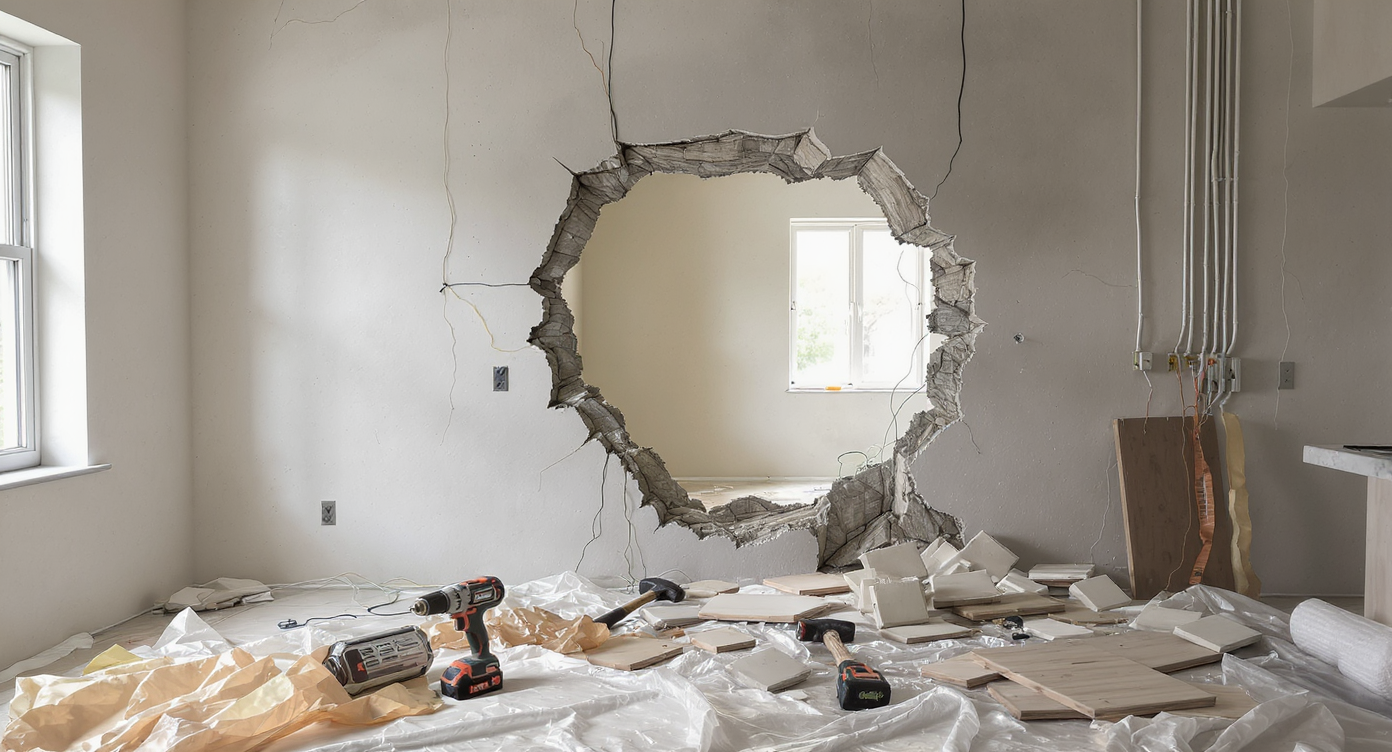
A kitchen in mid-demolition shows exposed electrical wires and tools, highlighting common risks faced during DIY remodels.
Kitchen overhauls often begin with excitement and the satisfying whir of power tools. Yet for many homeowners taking sledgehammers or saws to their old kitchens, the thrill of DIY can quickly pivot to anxiety at the sound—or sudden silence—of severed electrical wires. Cutting through hidden wiring is, unfortunately, a rite of passage for many first-time remodelers, even those who meticulously research every step. Electrical mishaps are not just inconvenient—they can be hazardous and costly in both repairs and potential legal liability if handled improperly. Whether you are upgrading your own kitchen for resale or enjoying the challenge of reimagining your space, understanding how to approach demolition with foresight is essential for a smooth, safe remodel.
-
Why Electrical Surprises Still Happen in Modern Remodels
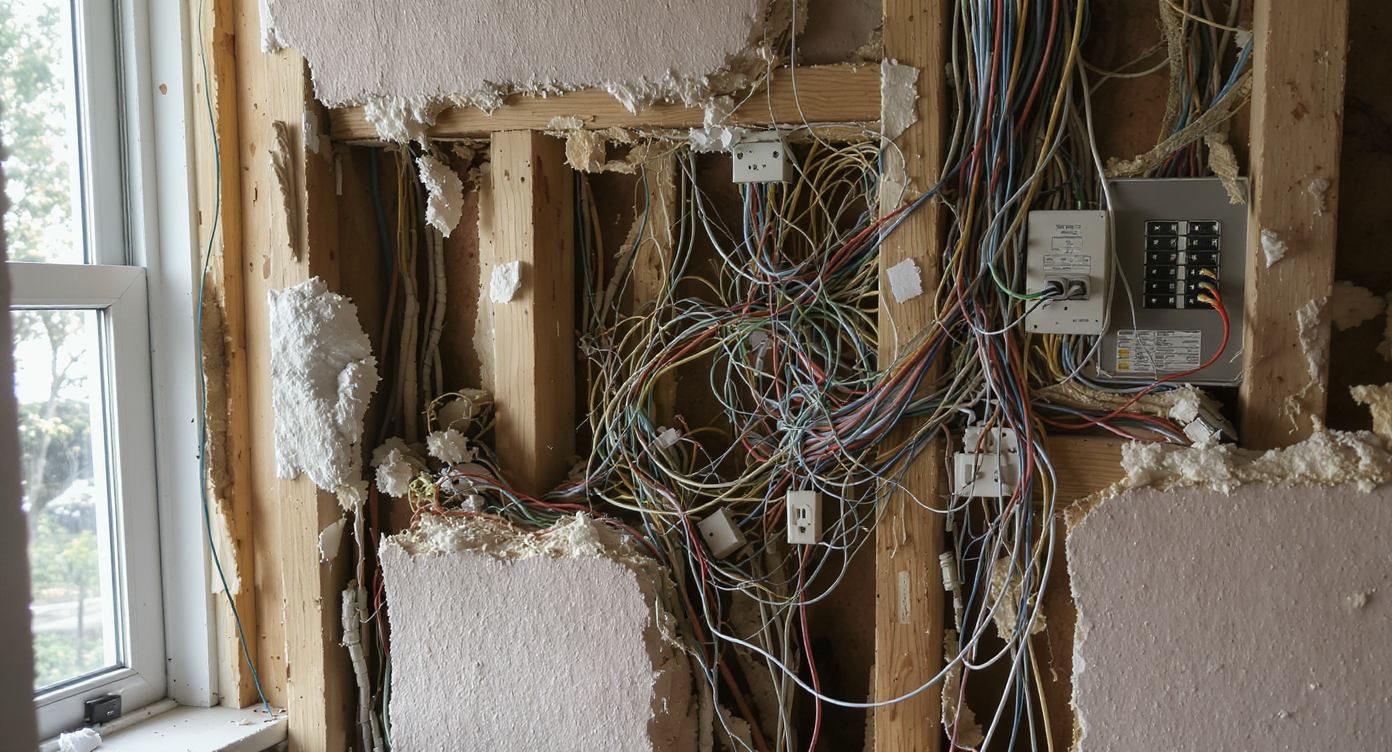
Hidden wiring and legacy outlets discovered during kitchen wall demolition show why electrical surprises persist in modern remodels.
With decades of renovations, additions, and quick fixes, few homes have wiring exactly where original blueprints suggest. What might look like an empty wall cavity could hide runs of romex feeding distant bedrooms or legacy outlets abandoned by previous owners. Even with a stud finder and a practiced eye, it's all too easy to cross paths with live wires—especially in kitchens, where circuits often intertwine with those serving other rooms. DIY enthusiasts may assume shutting off power at the breaker panel is enough to prevent disaster. While this crucial safety step reduces risk, it does not account for the code and practical requirements for repairs should you slice through a live or inactive cable. At this point, the project shifts from demolition to damage control.
Expert Insight
During a winter kitchen renovation, a first-time DIYer accidentally cut a wire while removing a wall. The immediate reaction was panic, imagining worst-case scenarios. Luckily, their precaution in shutting off the breaker prevented harm, and a local electrician quickly restored order. The experience underscored the value of slowing down, researching each step, and leveraging expert advice before proceeding.
-
What To Do (and Never Do) If You Cut an Electrical Wire
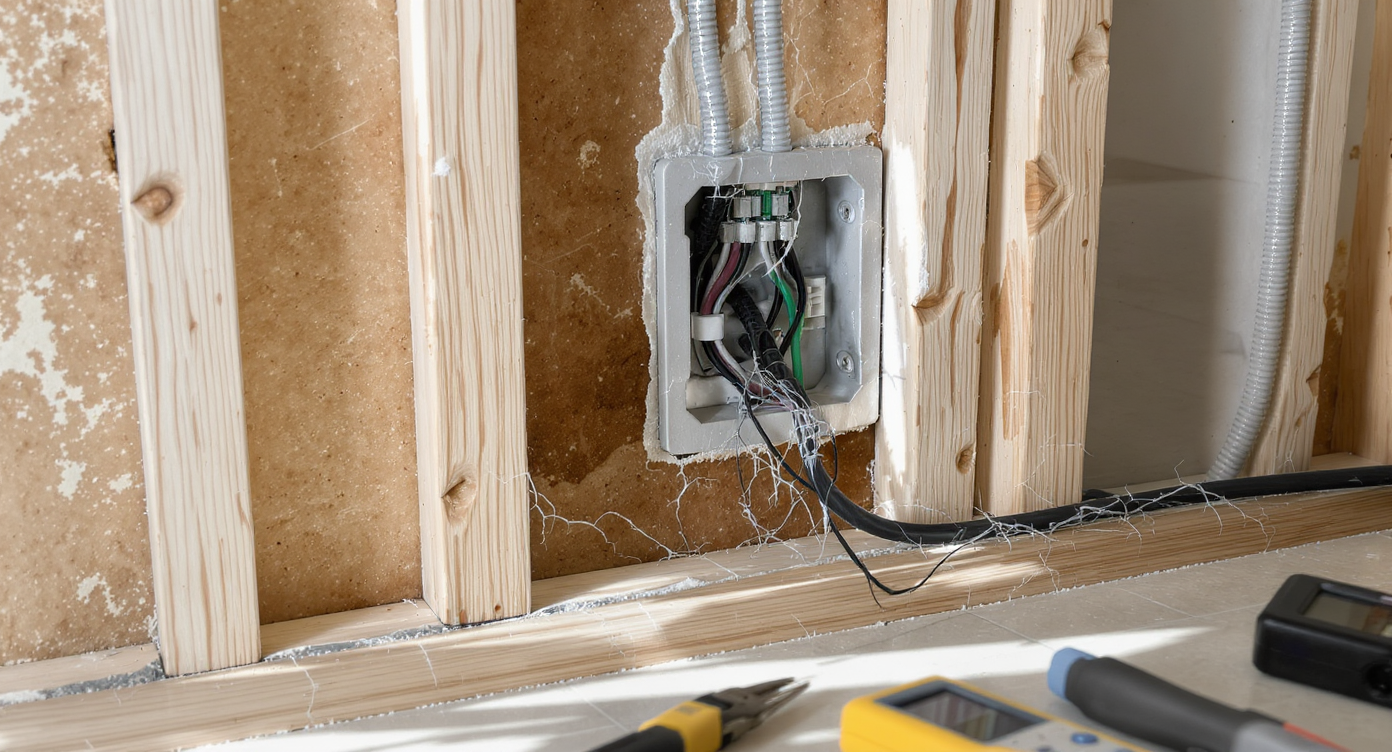
A safely repaired cut wire in a kitchen remodel, featuring a code-compliant junction box and visible electrical tools for reference.
Discovering a cut wire mid-project is unnerving, but the next steps make all the difference for safety and future home value. National and local electrical codes require every wire splice to stay accessible, meaning a junction box with a secure cover—never hidden behind drywall. Attempting an out-of-sight repair may be tempting, yet it risks not only house fires but also failed inspections and complications during the next sale. Homeowners sometimes see this as a chance to add new outlets or switches, but mixing kitchen and bedroom circuits can violate code and lead to operational headaches. Small fixes can spiral if the affected wire serves a distant or critical part of the home. For some, specialized in-wall splice kits offer a code-compliant, minimally invasive solution, but understanding code—as well as the realities of resale—remains paramount. Even seemingly simple fixes can backfire if one misstep later causes inaccessible arcing or tripped breakers.
-
DIY vs Pro: When to Call in a Licensed Electrician
A certain pride comes with handling home improvements solo, and many of the easiest DIY home repairs—like swapping outlets or patching drywall—yield real savings and confidence boosts, as explored in our feature on quick DIY upgrades. However, once electrical wires are damaged, the stakes rise. Local regulations often permit homeowners to perform basic work, but even seasoned pros sometimes consult electricians for tricky reroutes or code-heavy issues found in kitchen remodels. In real-world scenarios, running a new cable for a cut wire can be time-consuming—requiring attic or crawl space access, or creative fishing techniques using the old wire as a pull. Difficulty increases with distance from the panel and when walls are largely intact. Many homeowners calculate the hours needed for successful DIY against the moderate, predictable cost of hiring an electrician, especially as resale approaches. According to real estate agents, cosmetic kitchen updates do offer returns, but buyers (and inspectors) quickly spot DIY electrical shortcuts.
-
How Planning and Tool Selection Prevent Costly Mistakes
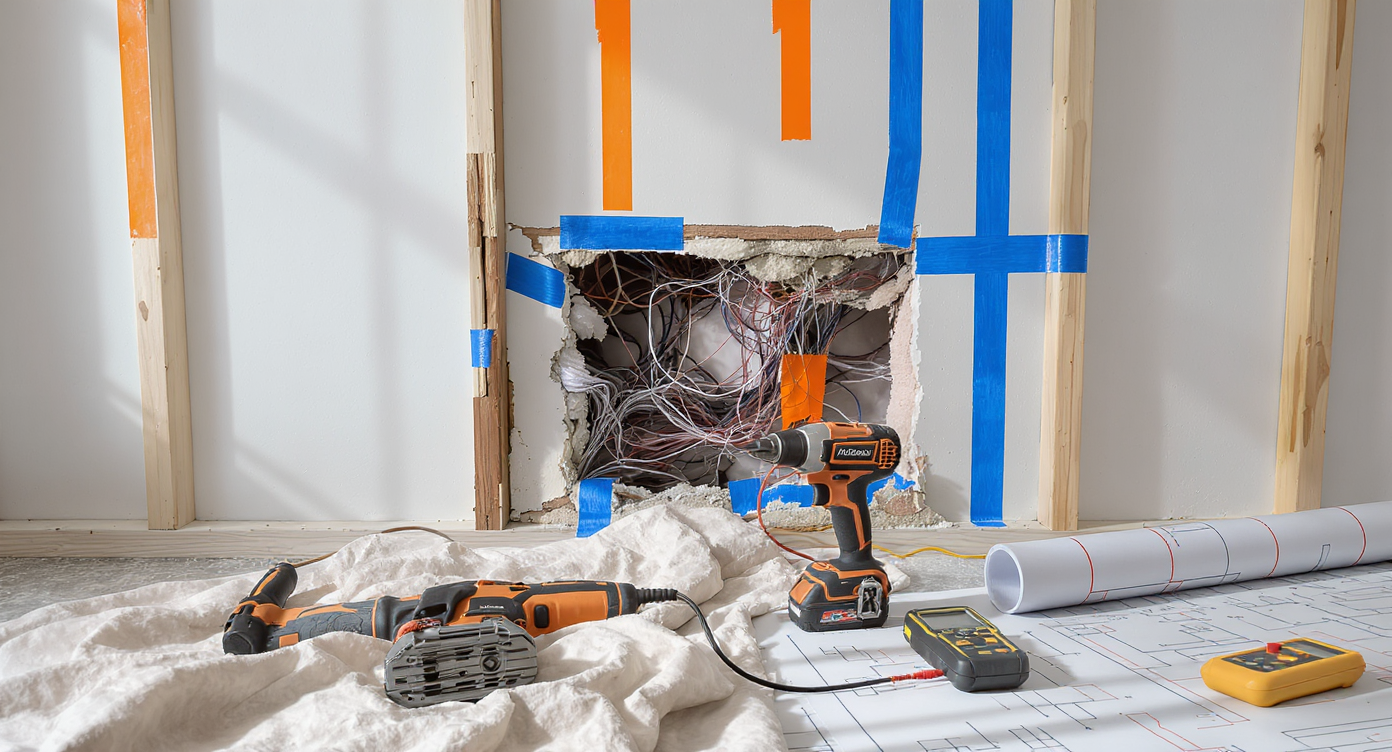
Selecting precise demolition tools and marking electrical runs help prevent costly mistakes during kitchen remodeling projects.
Selecting the right demolition tools makes a substantive difference. Reciprocating saws are famously powerful for removing studs and cabinetry, but lack the precision needed around wiring and plumbing. Designers and contractors often recommend oscillating multitools for controlled cuts in close quarters—these tools reduce accidental run-ins with hidden wires and pipes. Even so, nothing substitutes for pre-project planning. Marking known wire runs, using visual guides, and double-checking room circuits before demoing a wall can save both time and nerves. A mid-remodel detour into electrical repair adds hours and stress, sometimes derailing both timelines and budgets, as discussed in our coverage on DIY costs versus real savings.
-
Anecdote: Lessons on the Other Side of the Wall
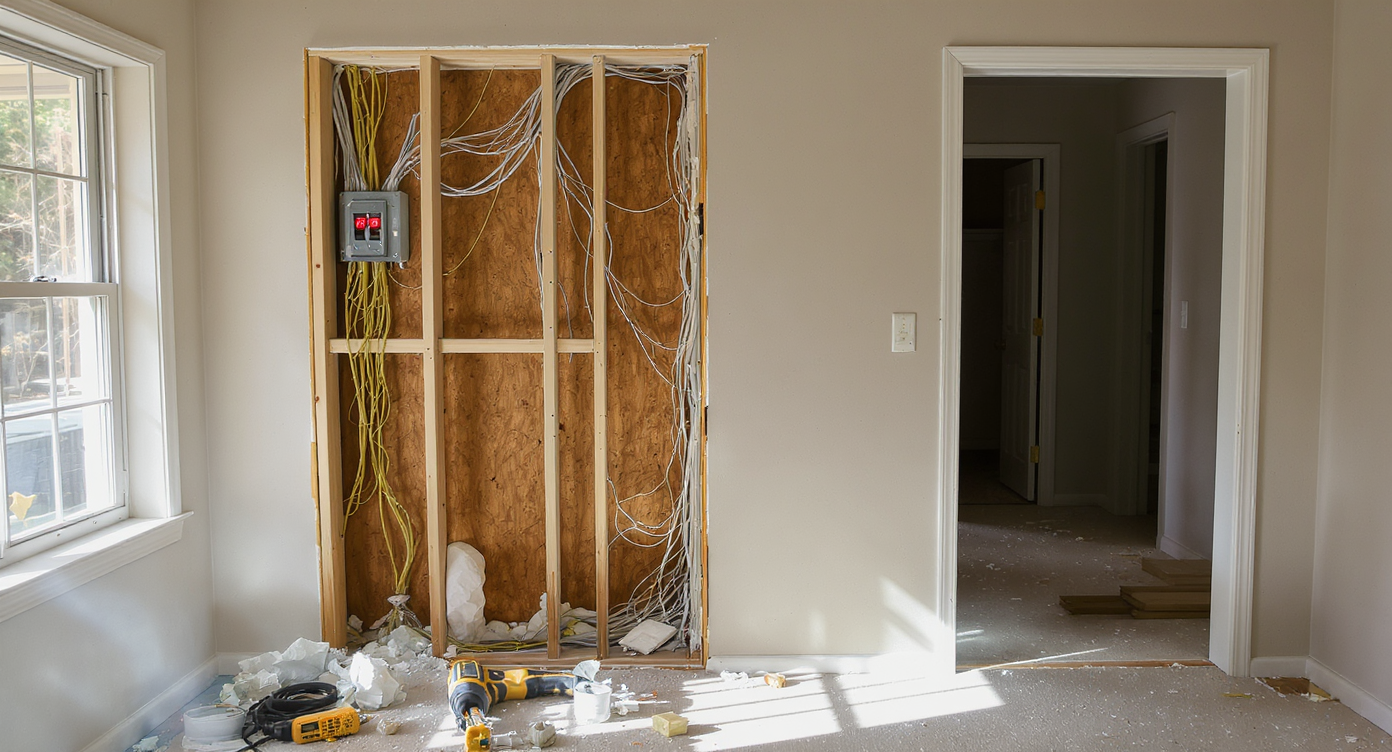
A freshly cut romex cable exposed in a mid-demo kitchen wall, with adjacent bedroom lights off and a reciprocating saw on the floor.
Midway through a kitchen update in a 1970s ranch, one homeowner recalls making rapid progress with a reciprocating saw—until the blade went quiet and the lights in two bedrooms flickered off. They had smartly shut off the breaker ahead of time, sidestepping any immediate danger. But as they stared at the exposed, freshly cut romex, a wave of regret washed over the thrill of demo. Rather than risk a questionable repair, they placed a call to an electrician. While the unexpected delay and invoice stung at first, completion came with peace of mind and a code-compliant finish, ready for both resale and restful nights.
-
Common Mistakes to Avoid
Two errors stand out. First, never attempt to splice a wire or complete a repair and then cover it behind finished walls. Not only does this violate code, but it puts future homeowners and your investment at risk. Second, always resist the urge to expand a kitchen's electrical system onto bedroom or living room circuits just because the opportunity presents itself—this can overtax circuits or create noncompliant setups. As uncovered in our look at DIY upgrades and their actual return, rushing to finish without understanding circuits, capacity, and code compliance often results in costly rework, lost value, or lingering household mysteries.
-
Tips from Pros and Experienced Remodelers
Experienced remodelers return to a handful of best practices. When walls are open, take photos of wiring and mark their runs for future reference. Use stud finders with deep-scan and live-wire detection before every cut—even in spaces where utility lines seem unlikely. For complex kitchens, mapping out every outlet, switch, and fixture can reveal unexpected connections that help prevent mid-demo shocks, both figurative and literal. If a mistake does happen, step back and assess thoroughly before moving forward, and never hesitate to consult or hire a professional when the fix exceeds your expertise. The initial cost is far less than a patchwork solution that risks safety.
-
How to Integrate Safe Demolition Tactics in Design Planning
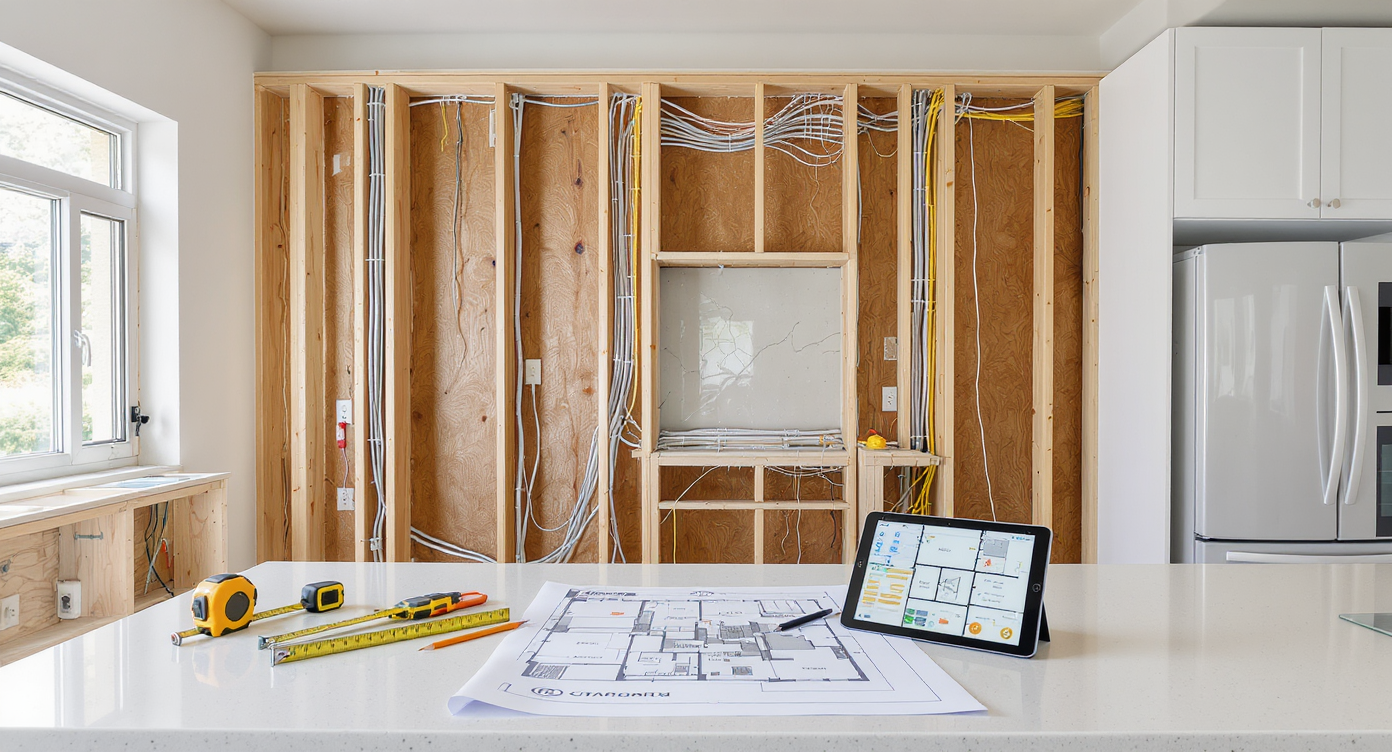
A partially deconstructed kitchen wall reveals careful electrical mapping, shown alongside digital planning tools and renovation equipment.
Kitchen remodels benefit from detailed layout planning long before physical work begins. Use digital tools or apps to visualize cabinet placements, appliance moves, and traffic flow alongside electrical pathways. Designers frequently recommend mapping likely locations of wires based on outlets and switches before scheduling demo. If you plan to alter the room’s footprint or repurpose walls, updating circuits with the guidance of a professional ensures every new feature is powered safely. Those who invest in visualization and careful home project planning enjoy fewer surprises, streamlined timelines, and synchrony between design goals and smart, code-compliant execution.
-
Visualization Scenario: A Safer and Smoother Remodel
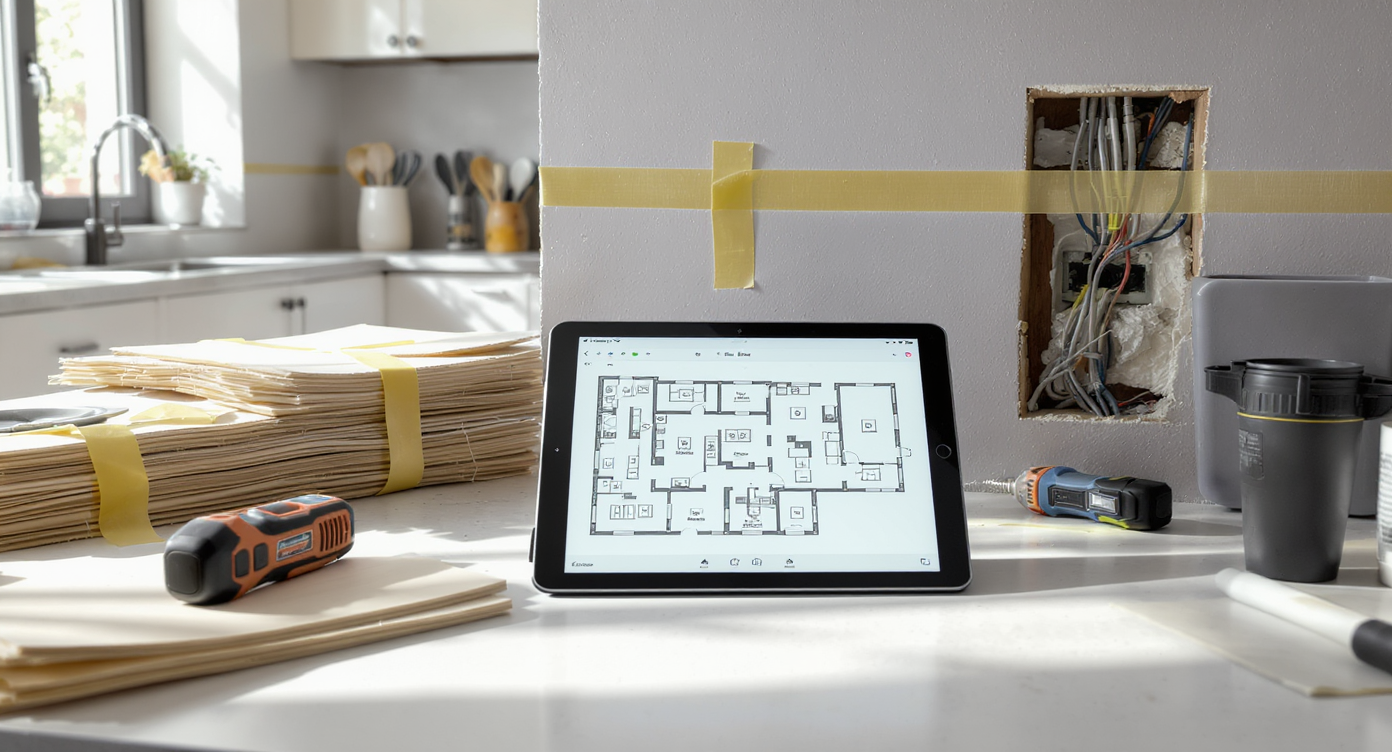
A meticulously prepared kitchen remodel demo: digital planning, marked outlets, clean wall cuts, and safe electrical exposure for easier repairs.
Imagine preparing your kitchen for a major update. Before a tool comes out, you trace existing outlet and switch locations, consult your home’s circuit map, and use a digital layout to simulate both demolition and design. At demo, you switch to a multitool to carefully slice wallboard and watch for potential hazards. Where plans show a major wire path, you peel back drywall in a controlled square, confirming and documenting what you find. The process may be slower, but your repairs are easier—and weeks down the line, your finished kitchen stands as proof that cautious planning outshines any shortcut.
Visualization Scenario
Picture walking into your outdated kitchen, armed with a detailed floor plan and a list of potential wire locations. Before demolition, you mark danger zones and carefully use a multitool to create access points exactly where needed, guided by both digital visualization and hands-on precaution. When construction wraps, your new kitchen not only looks stunning but reflects the confidence gained through careful, considerate planning.
FAQ: DIY Kitchen Remodel Electrical Safety
Ensure the circuit is de-energized and confirm there is no risk of shock. Assess the situation and determine if you need professional help. Only proceed with a code-compliant, accessible repair such as a junction box.
Is it legal for homeowners to repair their own electrical damage?
This depends on local regulations. Many areas allow basic repairs by homeowners but require licensed electricians for any work inside walls or with major circuits. Check with your local building department first.
Why can’t electrical splices be hidden behind drywall?
Codes require all electrical connections to remain accessible for inspection and future repairs. Hidden connections are a safety hazard and can lead to failed inspection or insurance issues.
What tools are safest for demolition near wiring?
Oscillating multitools and rotary saws are preferred for precise cuts. Always confirm wire locations in advance and use detection tools.
Can digital visualization tools help with planning?
Yes, platforms like ReimagineHome.ai allow you to map layouts, test design changes, and help plan safer, smarter remodels.
Planning Ahead Means Fewer Regrets—A Smarter Way Forward
Every remodeling adventure has its share of minor setbacks, yet electrical mishaps need not become long-term regrets. Savvy homeowners research their homes' electrical systems, select demolition tools with intent, and rely on a blend of DIY initiative and professional expertise. With care, compliance, and a design-first outlook, your next kitchen transformation will be remembered for the right reasons—not the hidden patch jobs behind new drywall. For visualizing changes before you commit, or for personalized design support, resources like ReimagineHome.ai can support both inspiration and practical planning.