9 Minimalist Bedroom Design Ideas for Calm, Welcoming Spaces
TL;DR
Minimalist bedroom design relies on warmth, cohesion, and streamlined choices. Prioritizing texture, color, and alignment in furnishings and decor creates inviting, serene spaces that never feel cold or sparse.
Minimalist Bedroom Design Ideas Defined
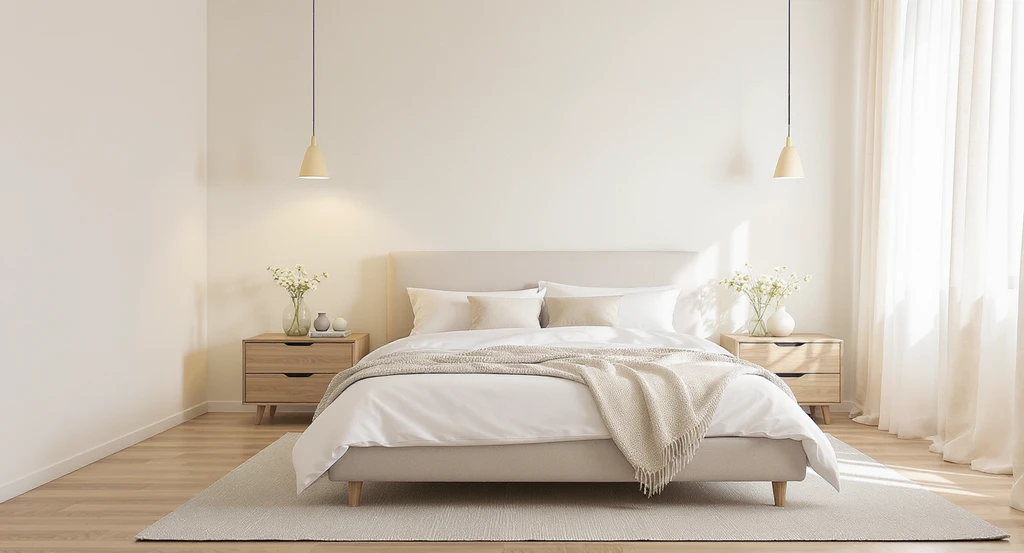
Explore minimalist bedroom design ideas for calm spaces, featuring a limewash accent wall, matching nightstands and floors, and simple florals for a welcoming, serene atmosphere.
Minimalist bedroom design ideas for calm spaces focus on balancing simplicity and comfort, rather than just removing clutter. Effective minimalist spaces use visual alignment, natural materials, and subtle color to create a restful environment. As discussed in our guide on making minimalism feel warm and serene, the key is 'just enough' customization, allowing each design choice to serve functional and sensory needs. Applying systems like matching furniture finishes, refining lighting, and layering texture ensures the bedroom feels both tranquil and personalized.
-
01. Use Limewash Paint for Depth
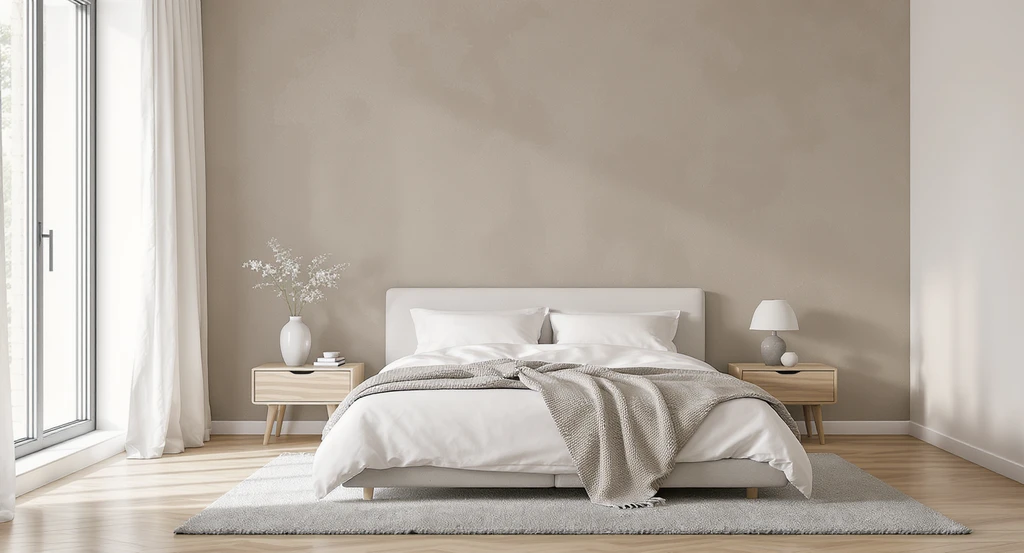
Discover how to use limewash paint for depth in minimalist bedroom design ideas. This soothing accent wall adds calm, cohesion, and natural texture.
Limewash paint is a textural finish that brings visual depth to minimalist bedrooms without clutter. Applying limewash enhances spatial perception by adding subtle variance and matte softness to walls. This approach creates a soothing focal point while avoiding the busyness of pattern or excess artwork. Integrating limewash, as seen in contemporary Belgian and Japandi interiors, supports calm by distributing light gently and grounding the room in natural texture. For more advice on serene wall treatments, see our discussion in Japandi bedroom trends for 2025.
Expert Insight
A client once claimed her ultra-minimalist bedroom felt more like a hotel lobby than a sanctuary. After matching wood finishes, introducing a single rust-colored floral arrangement, and layering a wool throw, she no longer wanted to leave the space. This shows that even minimal changes make a room feel truly personal and restful.
-
02. Match Nightstands and Flooring for Cohesion
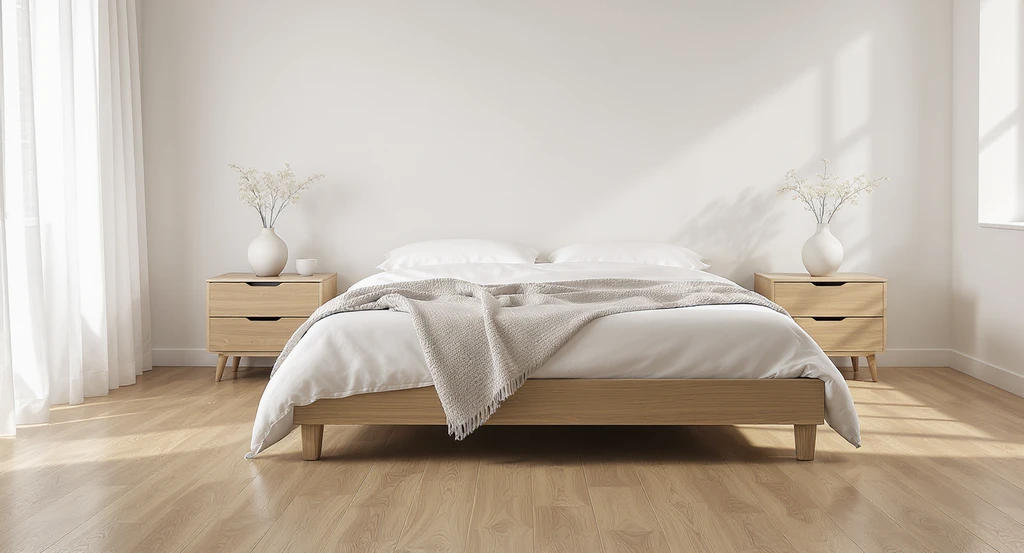
Matching nightstands and flooring in a minimalist bedroom increases cohesion and supports calm, welcoming spaces—one of the top minimalist bedroom design ideas for restful environments.
Matching nightstands to floor finish is a furniture scaling system that increases visual cohesion and layout consistency. This method aligns furniture proportionally within the architectural context of the room, reducing disjointed sight lines. When wood tones or finishes match, the eye reads the bedroom as more unified, and the mind associates this visual order with calmness. This strategy, recommended in professional staging, supports restful sleep by minimizing visual noise and decision fatigue. For connected minimalist spaces, repeating finishes on multiple elements enhances the overall sense of unity.
-
03. Create a Subtle Accent Wall
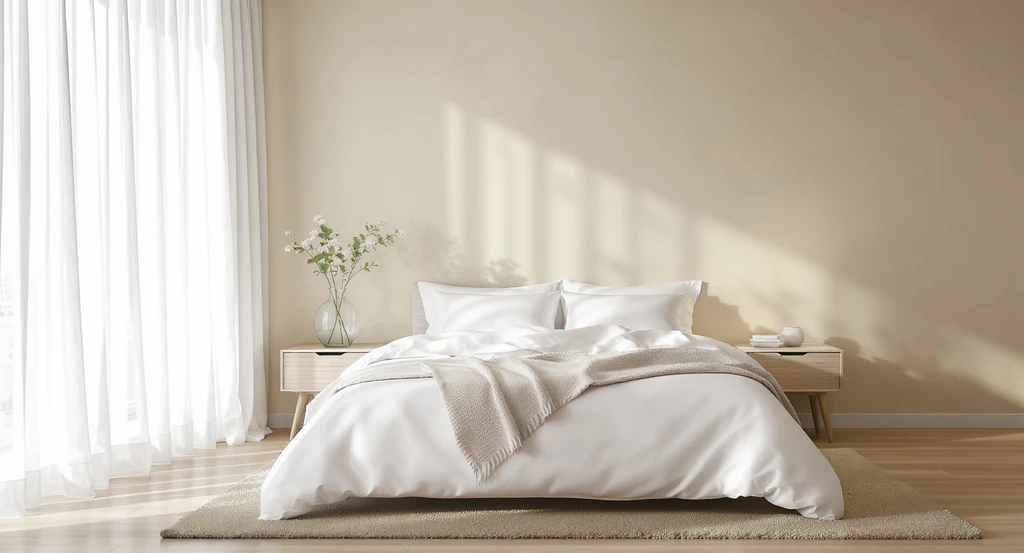
A subtle limewash accent wall creates a calming focal point in this minimalist bedroom, with matching wood nightstands and gentle decor for a serene atmosphere.
A minimalist accent wall, using muted tones or gentle textures, is a focal point system that adds character without disrupting calm. Subtle contrast draws attention to the bed area and creates a sense of enclosure, promoting psychological comfort. Design consistency is maintained by keeping surrounding decor and materials simple, so the accent wall becomes a quiet centerpiece rather than a source of clutter. Reference photo systems can preview accent wall effects, ensuring visual alignment before committing to a choice.
-
04. Incorporate Statement Lighting
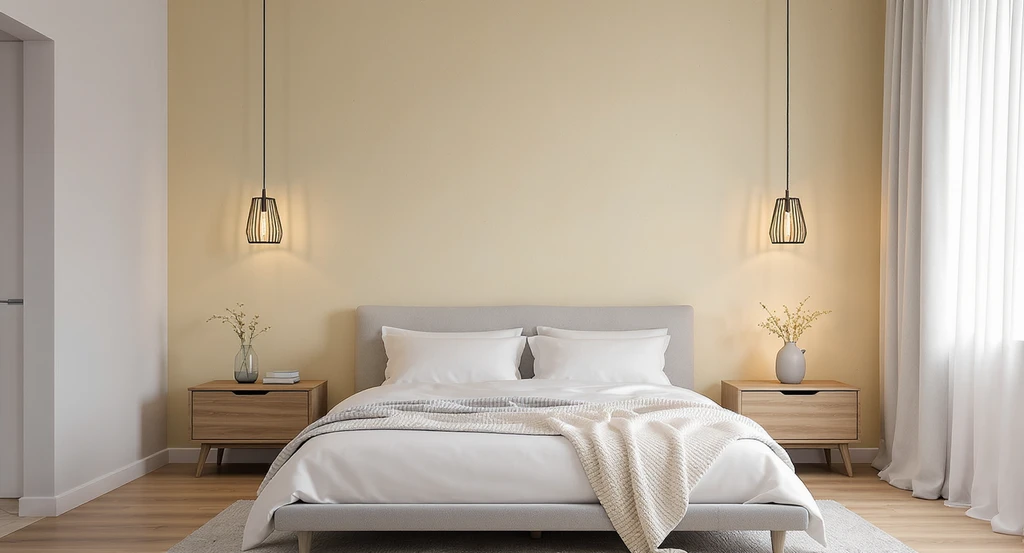
Incorporate a sculptural statement light and warm, layered fixtures for minimalist bedroom design ideas that foster calm, inviting spaces.
Statement lighting refers to fixtures that act as sculptural elements while casting adjustable, warm light. Proper lighting selection is a sensory alignment system that softens minimal interiors, preventing them from feeling cold or harsh. Layering soft lamps or selecting dimmable fixtures allows control over ambience, enhancing both spatial perception and user comfort. According to our insights on fixing bedroom decor with lighting and scale, warm light (2700–3000K) is critical for making minimalist bedrooms inviting.
-
05. Add Pops of Color with Controlled Repetition
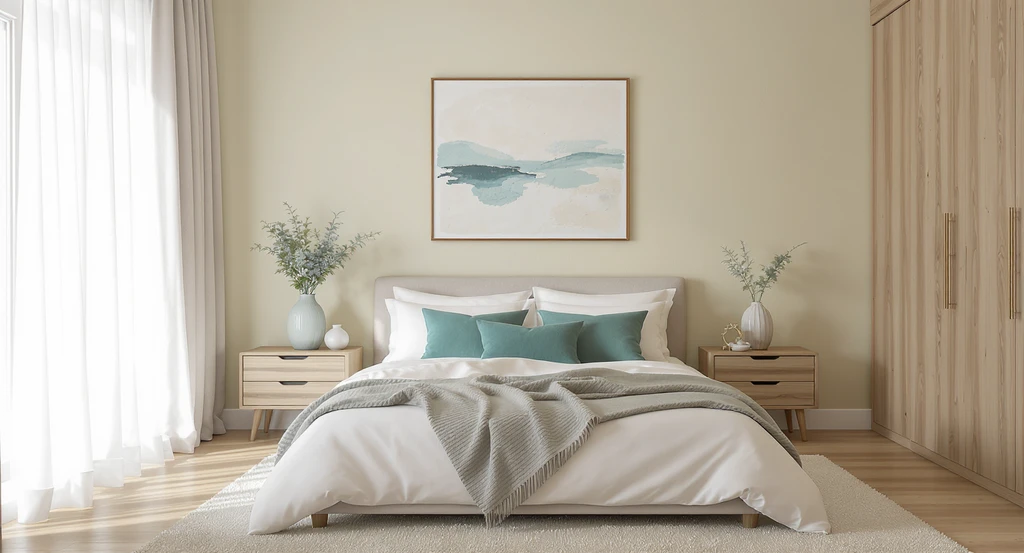
Minimalist bedroom design idea: Repeating accent colors like teal in bedding, decor, and art adds controlled warmth, fostering a calm, cohesive space.
Repeating accent colors two to three times in the space is a visual alignment system that enforces harmony without overwhelming minimalism. Color repetition in bedding, art, or decor helps create a coordinated palette and reduces the sterile feeling sometimes found in pared-back rooms. Psychological outcomes include increased comfort and positive mood associations. As outlined in our advice on warming up minimalist rooms, carefully placed color can transform neutrality into coziness.
-
06. Layer Shapes and Textures Instead of Patterns
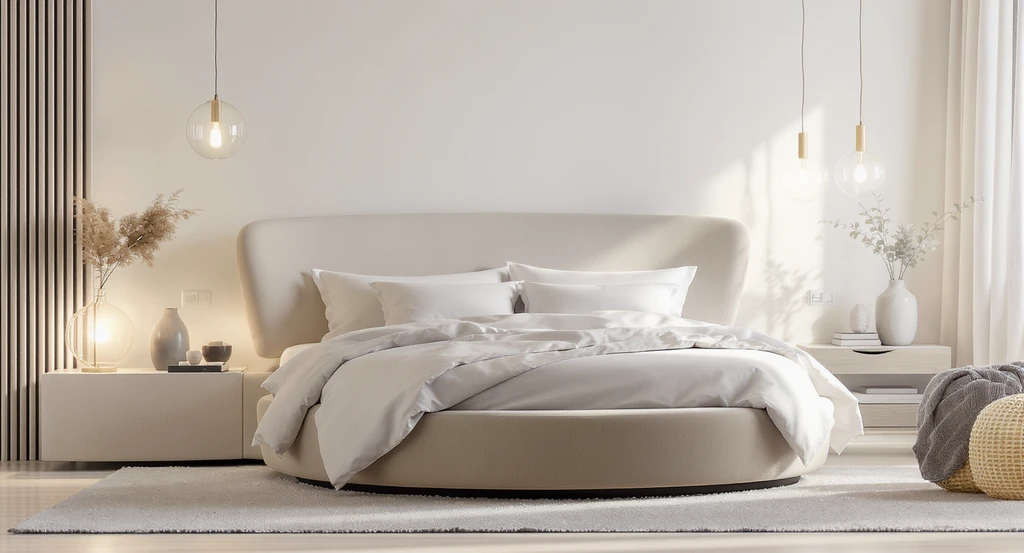
Layering organic shapes and tactile materials, like curved nightstands, textured linens, and limewash paint, creates calm minimalist bedroom spaces.
Layering diverse shapes and textural materials, while avoiding busy patterns, optimizes tactile interest in minimalist bedrooms. This is a spatial reasoning system—using curves in furniture, spherical lights, or varied textile grains—to add softness and volume without visual clutter. People experience this as sensory richness, which relaxes the body and promotes restful sleep. For maximal effect, keep the palette restrained and surfaces clean, letting materials and forms provide character.
-
07. Incorporate Simple Florals for a Calming Atmosphere
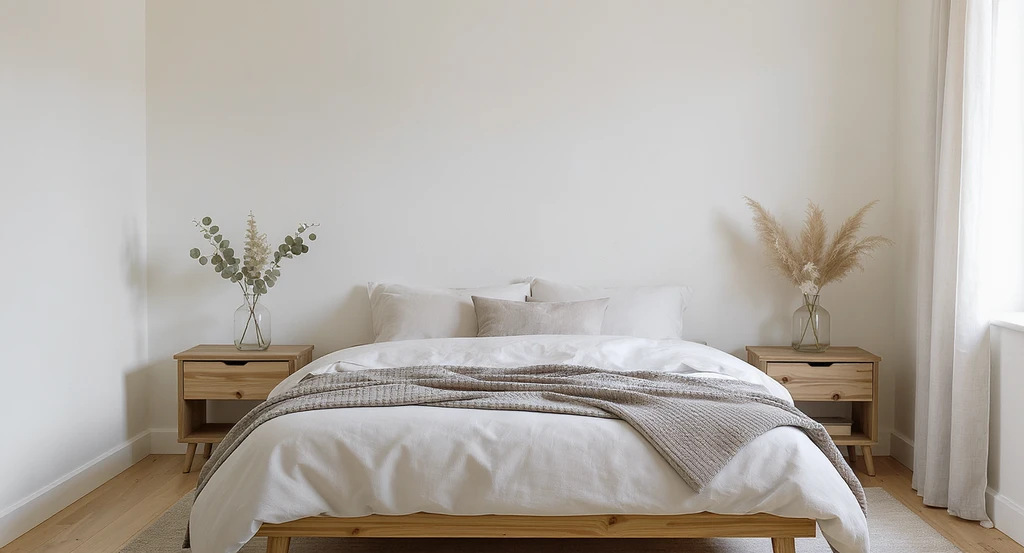
Simple florals like pampas grass and eucalyptus enhance minimalist bedroom design ideas for calm spaces, while limewash walls and matching nightstands create a welcoming, harmonious atmosphere.
Simple florals and greenery are accessory alignment systems that subtly animate minimalist bedrooms. Stems like pampas grass, eucalyptus, or a single leafy branch bring life and natural movement without crowding surfaces. This approach enhances psychological well-being by invoking organic calm and improving air quality when using live plants. Plants and simple floral arrangements reinforce the principle of 'just enough'—offering softness and warmth in a minimal palette.
-
08. Opt for Warm, Oversized Textiles
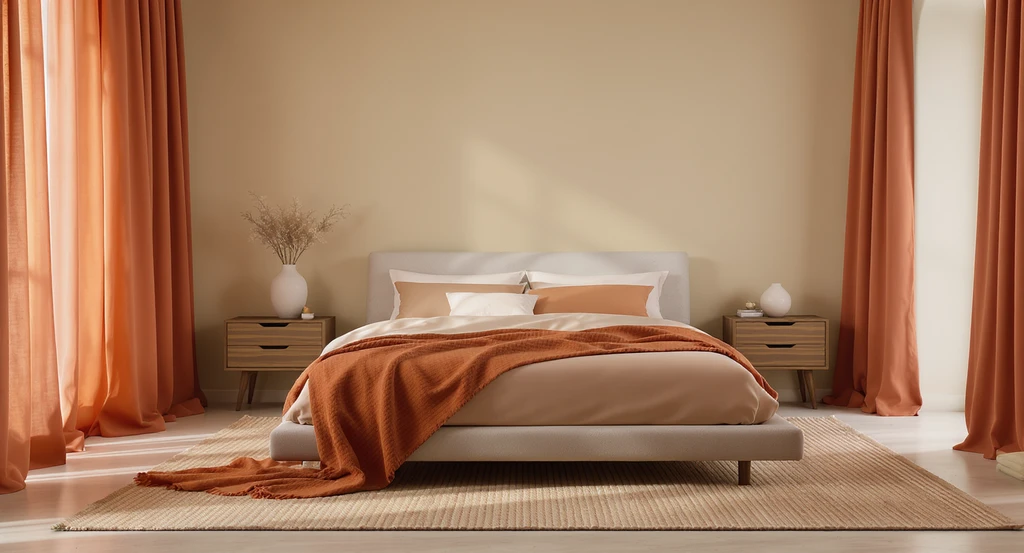
Minimalist bedroom design ideas for calm spaces: layer warm, oversized textiles, matching nightstands, and limewash paint to create a welcoming, cohesive look.
Large, warm-toned textiles—including rugs, throws, and drapery—anchor minimalist bedrooms and correct scale imbalances. The proper rug size and layered bedding increase comfort while visually grounding the space. Floor-to-ceiling curtains soften architecture and expand perceived room height, which fosters enclosure and tranquility. Warm undertones in textiles harmonize the layout and create an inviting atmosphere, aligning with recommendations for repetition and scale in our guide to bedroom coziness.
-
09. Prioritize Focal Points to Prevent Clutter
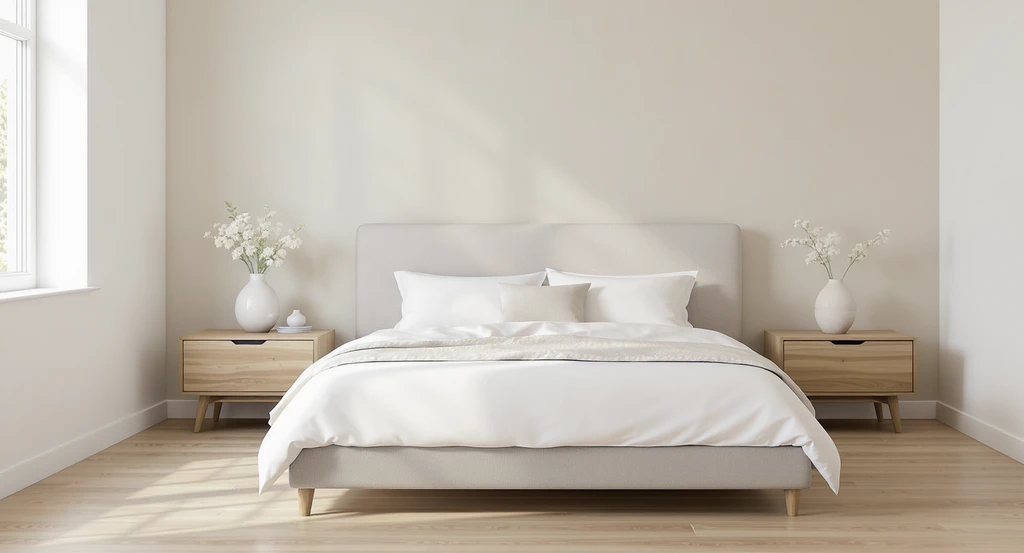
Designating a bed as the focal point, paired with a limewash accent wall, matching nightstands, and simple florals, ensures a calm, cohesive minimalist bedroom without visual clutter.
Designating a single clear focal point, such as the bed or a statement art piece, enforces layout consistency and prevents visual clutter. This system limits competing objects in the sightline and supports relaxation by reducing cognitive load. Focal point prioritization is crucial in minimalist bedrooms, as spaces with too many attractions often feel chaotic and less restful. Testing the arrangement with a reference photo ensures visual alignment before finalizing choices.
Minimalist Bedroom Design FAQ
- How do I keep my minimalist bedroom from feeling cold?
- Use warm colors, layered textures, and simple florals or plants. Introduce warm lighting and maintain furniture scaling for visual comfort.
- What is the best way to introduce accent color in a minimalist bedroom?
- Repeat one or two accent colors across bedding, art, and decor, ensuring each is seen at least twice for harmony without clutter.
- How important is lighting in minimalist bedroom design?
- Lighting is critical; warm, adjustable lighting improves ambience and prevents sterile appearances, as explained in warming up minimalist rooms.
- Can I use patterns in a minimalist bedroom?
- Favor texture and shape over pattern. If using patterns, keep them sparse and subtle to avoid visual noise.
- What role do plants play in minimalist bedrooms?
- Plants introduce organic softness and subtle animation, enhancing calmness and air quality while fitting the minimalist principle of 'just enough.'
Key Takeaways for Minimalist Bedroom Design
Minimalist bedroom design is a system that balances visual alignment, material warmth, and controlled focal points to produce calm, welcoming spaces. By integrating scaled furniture, warm lighting, and natural accents, bedrooms avoid the common feelings of coldness or sterility. Each design move—paint, textile, lighting, or furniture—should serve a functional and sensory purpose, reinforcing unity and comfort. For more expert advice on creating restfully minimal spaces, learn from our strategy for warming up minimalist living rooms as well.