Deciding on Modern Bathroom Design: Balancing Style, Function, and Maintenance
TL;DR
Embracing a modern or minimalist bathroom design requires weighing visual preferences against day-to-day needs like storage, cleaning, and comfort. Design elements such as floating vanities, statement bathtubs, and vessel sinks can create a spa-like effect, but details like fixture placement, maintenance demands, and usability often become the deciding factors in long-term satisfaction. Using preview tools and considering real-life routines helps achieve a bathroom that feels both sophisticated and livable.
Where Modern Bathroom Design Meets Real Life
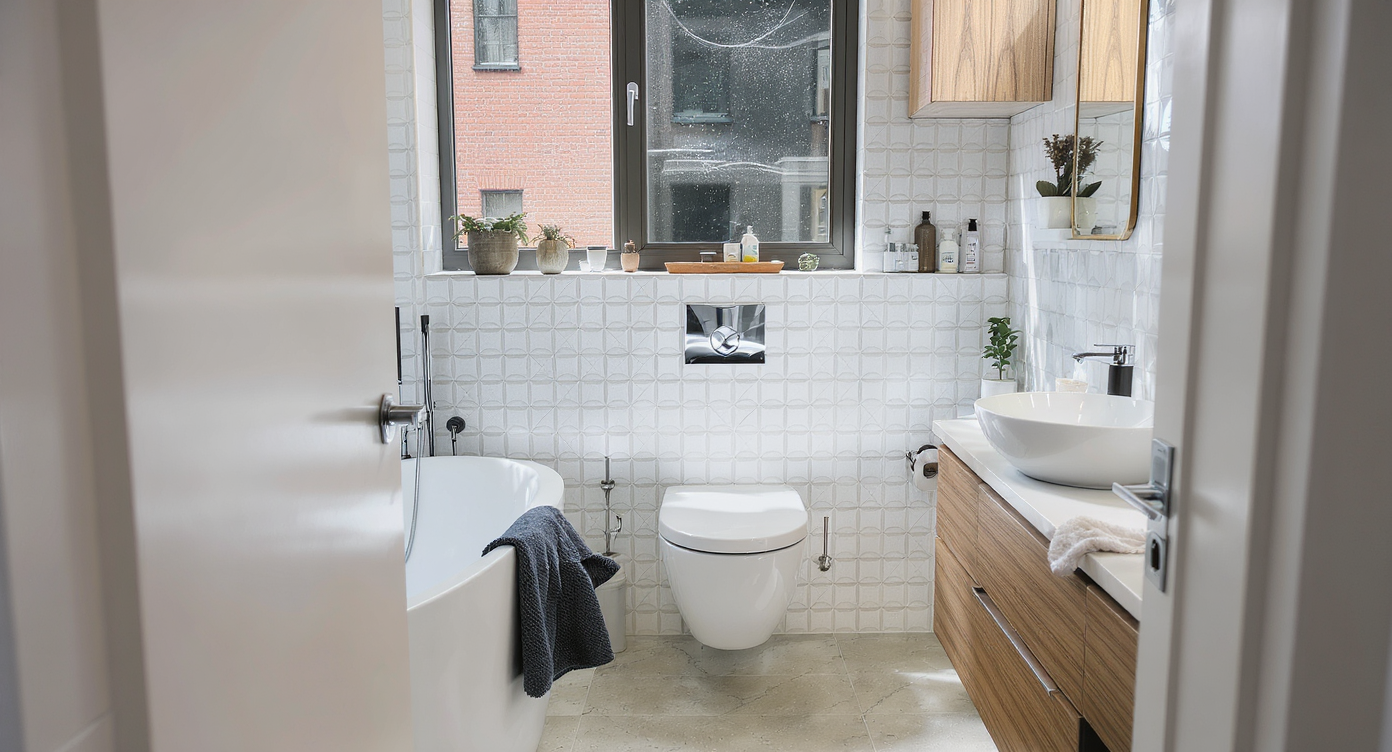
Modern urban bathroom with freestanding tub, floating toilet, and above-counter sink, subtly illustrating style versus practical maintenance.
Modern bathroom remodels increasingly blend aesthetic ambition with the challenges of compact city layouts and busy routines. Owners today gravitate toward striking freestanding tubs, floating toilets, bold tile insets, and above-counter sinks, inspired by images of serene, minimalist luxury. Yet those moves come with everyday tradeoffs hardly visible in glossy photos. How do you create a bathroom space that feels indulgent and current, but also works for cleaning, storage, and long-term comfort?
That tension—between what catches the eye and what stands up to years of use—forms the heart of most renovation debates. Observing real-world scenarios and user insights surfaces practical wisdom that even the best designers occasionally miss. The result: a bathroom that’s truly yours, not just this season’s trend.
-
Weighting Form and Function in Compact, Luxury Bathrooms
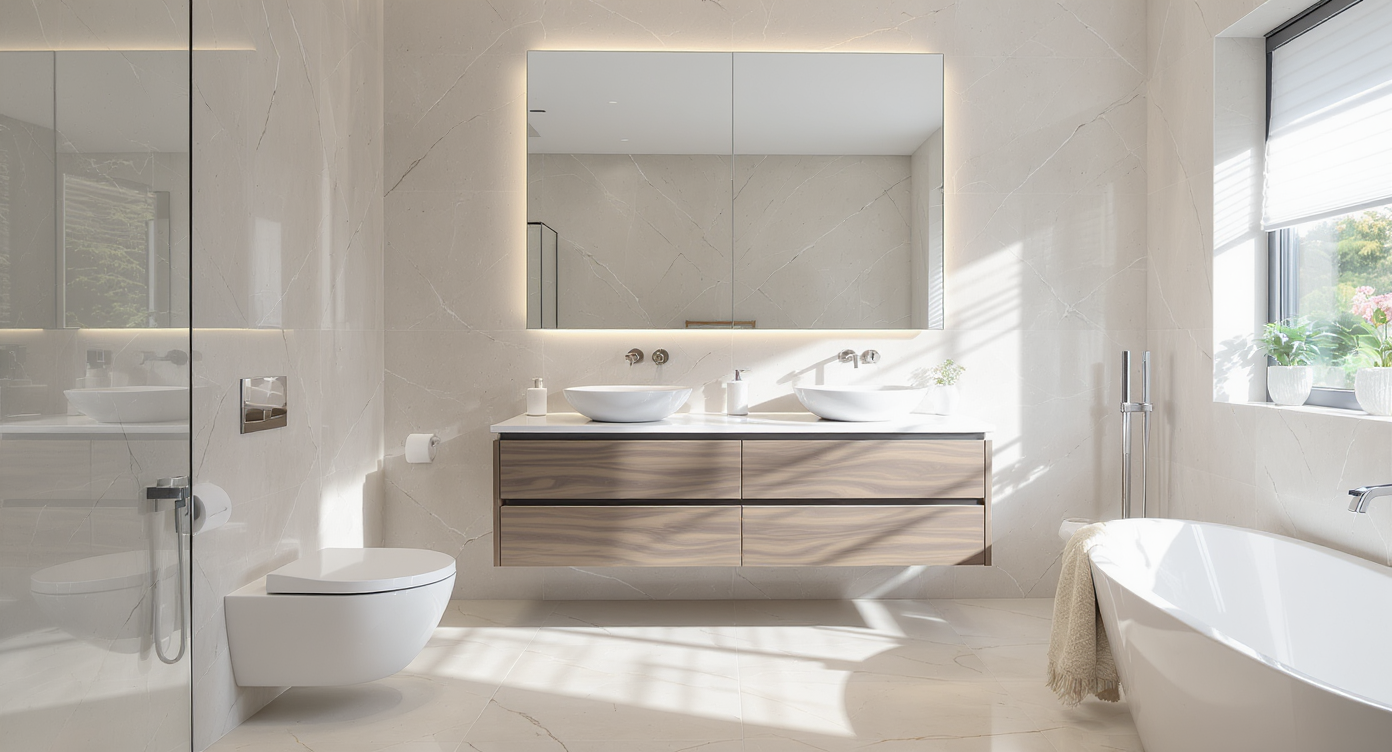
A compact luxury bathroom showcases floating fixtures, different sink styles, and the visual effect of built-in versus freestanding bathtubs.
The appeal of floating fixtures, expansive mirrors, and uncluttered lines is undeniable in modern and luxury compact bathrooms. Homeowners often cite ease of cleaning as a principal motivation, with floating toilets and vanities eliminating the need to maneuver awkward mops around baseboards and corners. As users in well-loved online communities point out, this design staple quickly becomes a favorite perk for those who tackle bathroom chores regularly.
But elegance isn’t everything. Installing above-counter vessel sinks, although visually captivating, can mean more water splashes and reduced countertop space for toiletries. Likewise, freestanding tubs deliver strong visual impact but may be challenging to clean around, especially if wedged closely between walls. The choice between undermount and vessel sinks, or between built-in and freestanding bathtubs, is less about absolutes and more about matching daily routines and cleaning preferences. Designers frequently recommend previewing the long-term upkeep and comfort of each element, a step made easier with digital tools that allow you to test tile, backsplash, and finishes in your own space before final installation.
Expert Insight
Last spring, an urban homeowner chose a freestanding bathtub wedged into a narrow alcove. While she loved soaking with a view of the city lights, she quickly realized that cleaning the side of the tub closest to the wall was a major ordeal. A handheld sprayer helped somewhat, but eventually, she invested in a small extendable cleaning tool to reach the hidden corners—and now swears by it for maintaining those otherwise impeccable lines in her minimalist retreat.
-
Modern, Minimalist, or Boho? Finding a Cohesive Visual Language
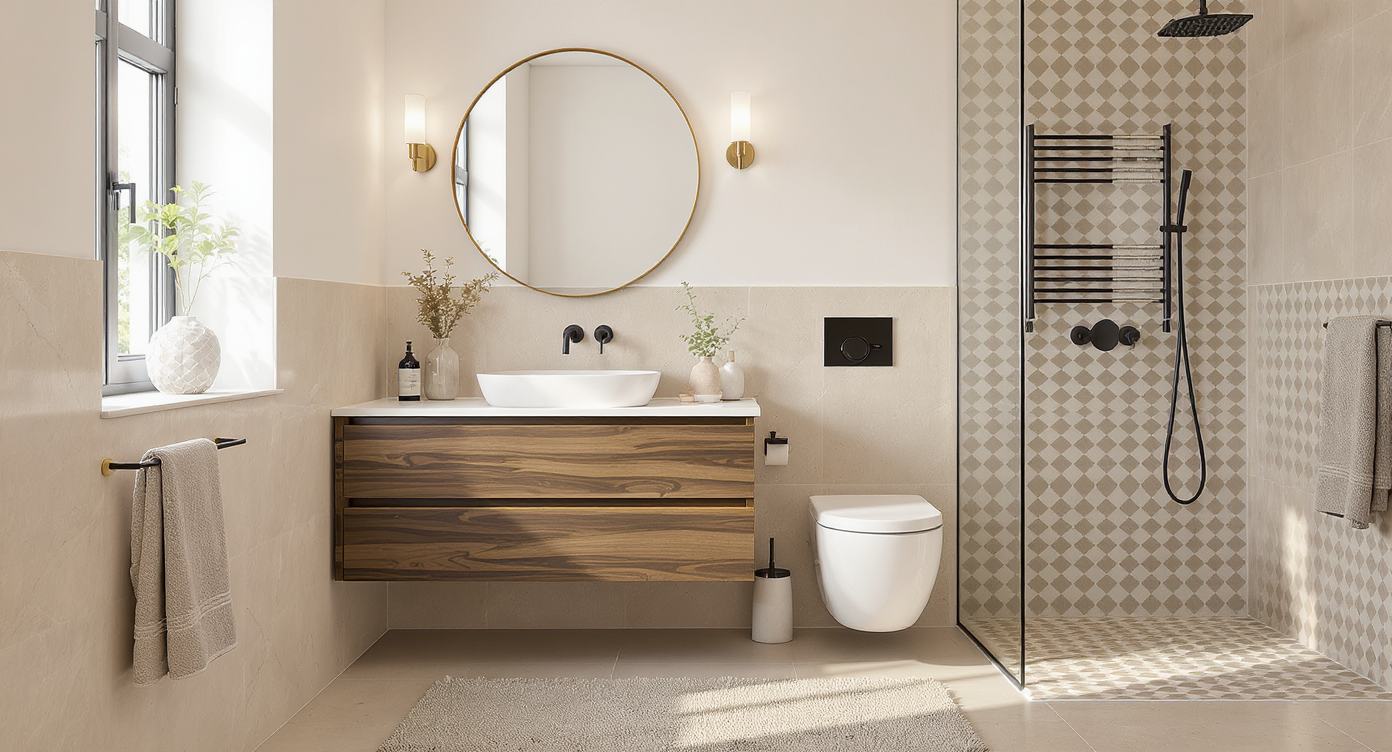
A modern bathroom balances minimalist and boho styles with floating fixtures, coordinated accent tiles, and warm-toned finishing touches.
Designers and homeowners alike often debate how far to push a theme, whether referencing the popular hotel-inspired minimalist trend or embracing an eclectic boho look. A space that marries floating fixtures, bold geometric tilework, and warm neutral palettes is stunning on mood boards, but every detail needs harmony. For example, a small rectangle of contrasting tile behind a toilet can add interest, but it risks feeling unbalanced if it doesn’t play off a similar motif elsewhere in the room. As commenters on design forums often note, what feels intentional versus what feels arbitrary comes down to repetition and proportion.
Hardware, lighting, and curtain height are the unsung heroes that turn a bathroom from "just finished" to fully inviting, as selecting the right finishing touches can soften overly sterile modern designs. Warm lighting, a well-sized mirror, and even the choice of a large bath rug can radically shift the mood. Sometimes, downsizing the towel warmer or relocating the toilet paper holder makes a design feel less contrived and more adapted to daily life. Every choice is an invitation to personalize—but consistency is what ties it all together.
-
Practicalities: Layout, Cleaning, and Long-Term Use
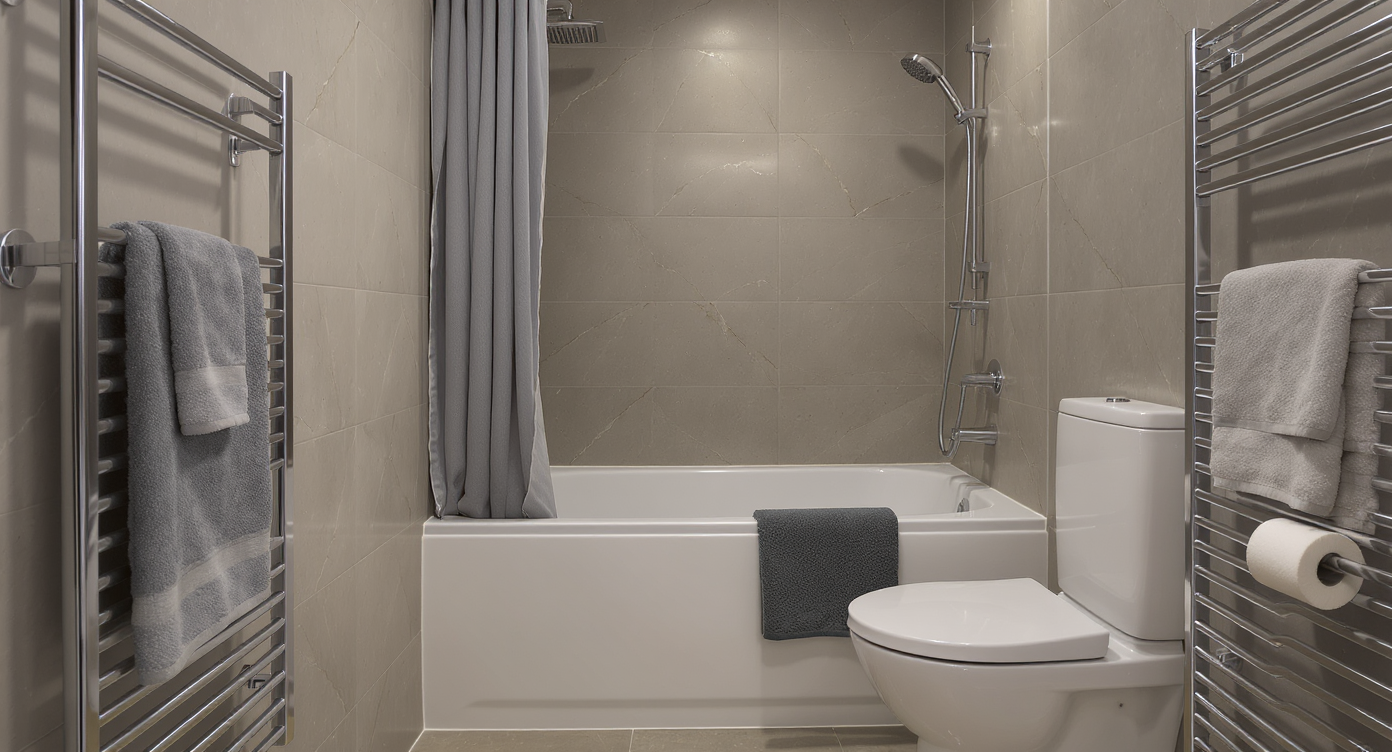
Thoughtfully designed bathroom with efficient layout, well-placed fixtures, and durable finishes, balancing daily function and cleanability.
One of the trickiest challenges in small or narrow bathrooms is locating permanent fixtures such as bathtubs and toilets so that all areas remain accessible for both use and cleaning. A freestanding tub can be a visual centerpiece but may breed mildew or dust in hard-to-reach gaps unless fitted nearly wall to wall, a concern echoed by users who have later regretted their choices. Similarly, quirky details like towel racks that are too large for the wall, or toilet roll holders placed behind the user, generate daily annoyance despite being overlooked in the design phase.
Many homeowners have discovered that minor adjustments—raising a shower curtain close to the ceiling, using deeper tile colors to avoid clinical overtones, or opting for a hand sprayer with an actual overhead shower—can elevate both function and ambiance. For those prone to second thoughts about tile or grout shades, being able to preview dark versus light tile on actual room photos saves headaches and expensive returns. Ultimately, a bathroom’s longevity depends as much on its cleanability and access as its style. Smart layout planning is indispensable for both luxury and compact spaces.
Visualization Scenario
Imagine uploading a snapshot of your current bathroom and seeing how a wood-toned floating vanity would complement a statement round mirror, or previewing how deep emerald tiles on the tub wall might warm up the entire room. With each swap, the room transforms until one configuration just feels right: Towel warmer slimmed down and tucked under the window, vessel sink swapped for an integrated design, and the curtain hung high for a boutique hotel vibe. You realize these small decisions, easily previewed before installation, make all the difference.
Frequently Asked Questions
In compact luxury bathrooms, layouts that feature floating fixtures and wall-mounted storage help maintain a sense of openness while maximizing cleanability. Ensuring all surfaces remain accessible is key for longevity, and visual balance—such as aligning tile motifs with hardware placement—makes the space feel cohesive.
How can I reduce cleaning headaches with modern fixtures?
Floating toilets and vanities allow for effortless floor access with mops or cleaning robots. Choosing tiles and finishes that resist spots or mold, along with larger area rugs and ceiling-height curtains, can help keep the bathroom inviting and easy to maintain.
Are above-counter vessel sinks worth it?
Vessel sinks offer a dramatic look, but often create additional splash zones and take up counter space. If you love the style, be prepared for routine wipe-downs. Undermount or integrated sinks are favored for those prioritizing function.
How do I preview design changes before remodeling?
You can test paint, tile patterns, hardware, and layout options in your actual bathroom using digital tools. ReimagineHome.ai is a platform that lets you upload a photo of your space and experiment with different finishes in real time.
How can lighting and hardware choices finish a bathroom remodel?
According to our deep dive on bathroom finishing touches, swapping to warm lighting and carefully matching mirror and fixture finishes brings essential warmth, turning a room from cold and "almost there" to truly complete.
Making Your Bathroom Work For You—Now and Long Term
Modern and minimalist bathroom design still offers enormous potential for beauty, even in the tightest spaces. The secret is focusing on habits and needs, then matching finishes and layout accordingly. When cleaning becomes easier and the details feel intentional, your bathroom not only looks magazine-worthy—it works for your daily routine.
If you want to visualize alternatives before committing to major purchases or installation, digital design previews can give you the confidence to explore bolder choices without risk. Platforms such as ReimagineHome.ai let you experiment with layouts, colors, and finishes using your own space as a canvas—perfect when every square foot counts and mistakes are felt for years.