
TL;DR
Light, low-contrast palettes, cool undertones, and strategic ceiling treatments are the fastest design trends for making a small room feel bigger. Use ReimagineHome.ai to upload one photo, test multiple interior design style palettes, and preview a room makeover in minutes before you ever open a paint can.
Why Small-Space Paint Color Design Matters Right Now
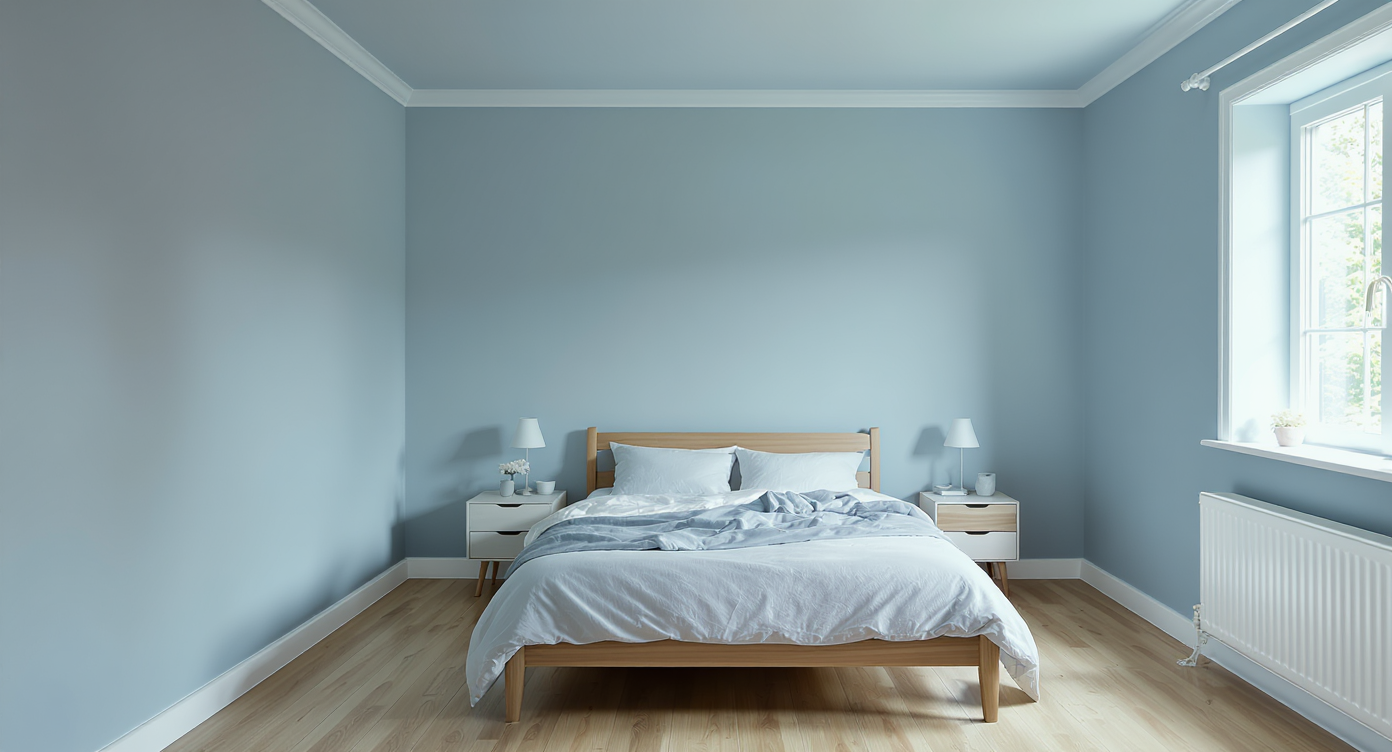
Cool, low-contrast palettes with lighter ceilings visually enlarge compact rooms.
To make a small room look bigger, lean on light, low-contrast paint schemes, cool-leaning hues that visually recede, and a ceiling that’s a shade lighter than the walls. Then preview those choices on your actual walls with AI design tools: ReimagineHome.ai lets you upload one photo, test palettes across your favorite interior design styles, and pick a confident plan in minutes. At a glance - Choose soft neutrals and cool undertones (light gray, misty blue, gentle green) to make walls recede. - Keep contrast low: paint trim the same color as walls in rooms with 8–9-foot ceilings. - Use the LRV rule: aim for 70+ in dim rooms; go lower only if you have abundant natural light. - Paint ceilings 10–20% lighter than walls, or try a pale sky blue for an airy lift. - Consider satin/eggshell on walls and semi-gloss on trim to bounce light without highlighting flaws. - Try vertical stripes or shiplap to draw the eye up; avoid mid-to-deep color drenching. - Test everything first by visualizing a room makeover from one photo with ReimagineHome.ai. Early CTA: Ready to see these design trends in your space? Try ReimagineHome.ai now: https://www.reimaginehome.ai/?utm_source=blog
What’s Driving This Design Trend (Fact: Colors with LRV 70+ reflect significantly more light than midtones)
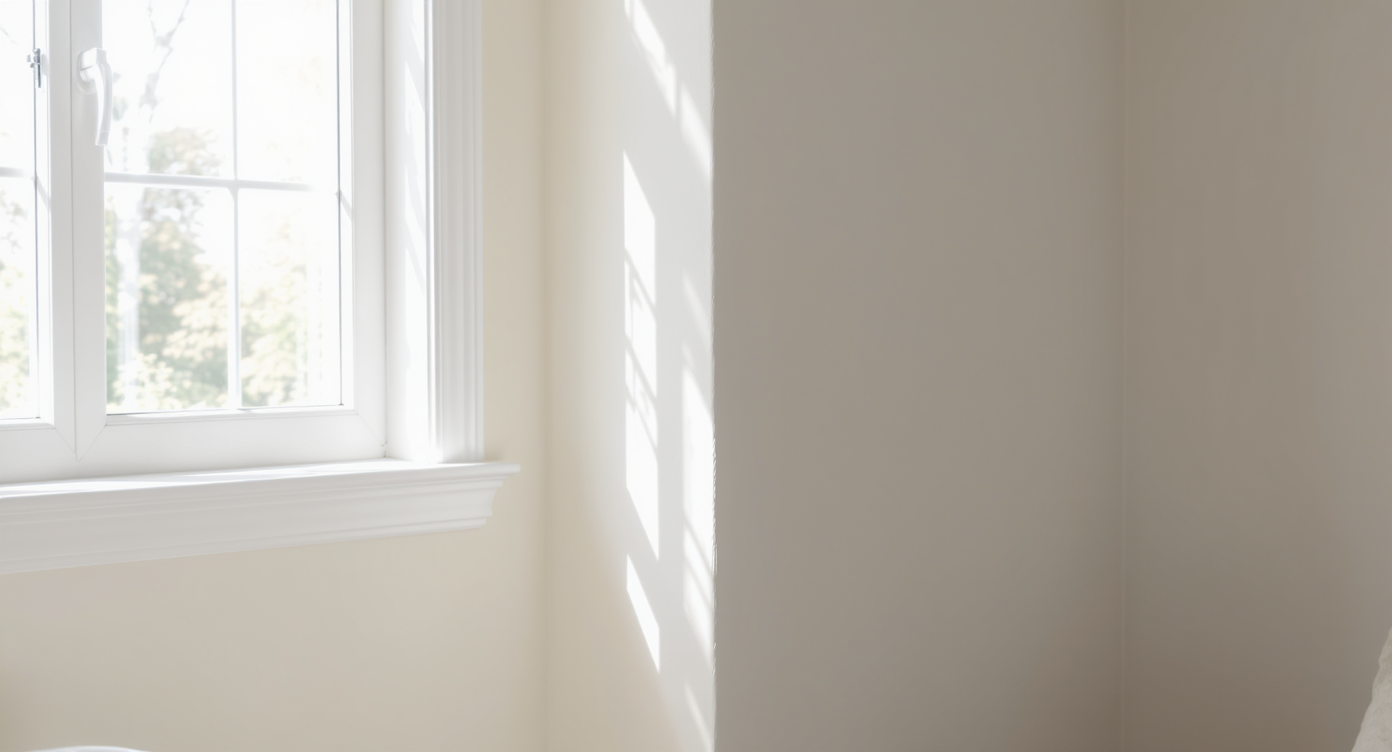
High LRV paints reflect more light, brightening small spaces effectively.
Colors with LRV 70+ reflect significantly more light than midtones, which is why they top small-space design trends in 2025. In interior design style terms, think Scandi and Japandi restraint — calm palettes, natural light amplification, and modern decor that feels breathable. What’s driving it? Compact living, hybrid work, and the desire for home design inspiration that soothes rather than shouts. Light, cool-leaning colors cause walls to visually recede, tricking the eye into reading more depth. Low-contrast transitions (walls, trim, and even doors in the same shade) remove visual breaks, so a room feels wider and taller. And because many homes have 8–9-foot ceilings, the ceiling strategy matters: a tone that’s 10–20% lighter than the wall is an instant lift without looking stark. If you’re choosing how to choose an interior design style for a small room, borrow from trending interior design styles 2025 like Minimalist and soft-Scandi: pale wood, textured neutrals, and one accent color used sparingly to keep the envelope open.
Anecdote
In a narrow 11-by-13 bedroom with an 8-foot ceiling, matching the walls and trim in a misty gray (LRV ~72) and dropping the ceiling one shade lighter made the headboard wall visually drift back. A linen duvet and pale rug kept the palette open, while a single midnight-blue pillow added focus without stealing space.
How This Style Looks in Real Homes (Fact: Unifying walls and trim removes 2–4 contrast lines per wall)

Unified wall and trim colors erase contrast lines, smoothing room surfaces visually.
Painting walls and trim the same color can remove 2–4 contrast lines per wall, creating a smooth, modern decor envelope that reads larger. In practice, this looks like soft whites, light grays, misty blues, and tender sages — hues that feel airy but not cold. Texture matters as much as color. Matte to eggshell finishes hide minor imperfections; a gentle satin on walls adds a whisper of reflectivity without turning every bump into a headline. Semi-gloss on doors and baseboards defines edges without chopping the room into pieces. If natural light is scarce, consider a pale yellow-ivory for a sunlit boost, or wash the ceiling in a sky-tinted blue to suggest height and daylight. Common questions surface here: Will a statement ceiling make the room look smaller? Not if the walls stay light and cohesive. A deep, moody ceiling can work as a focal plane when everything below it is quiet and reflective. Another frequent ask: Are stripes still in? Vertical pinstripes or narrow V-groove paneling elongate the eye; keep contrast subtle so the pattern reads as height, not busyness.
Modern Tools That Help You Explore This Style — And Why ReimagineHome.ai Wins (Fact: AI restyle tools can generate style variations in under 10 seconds)
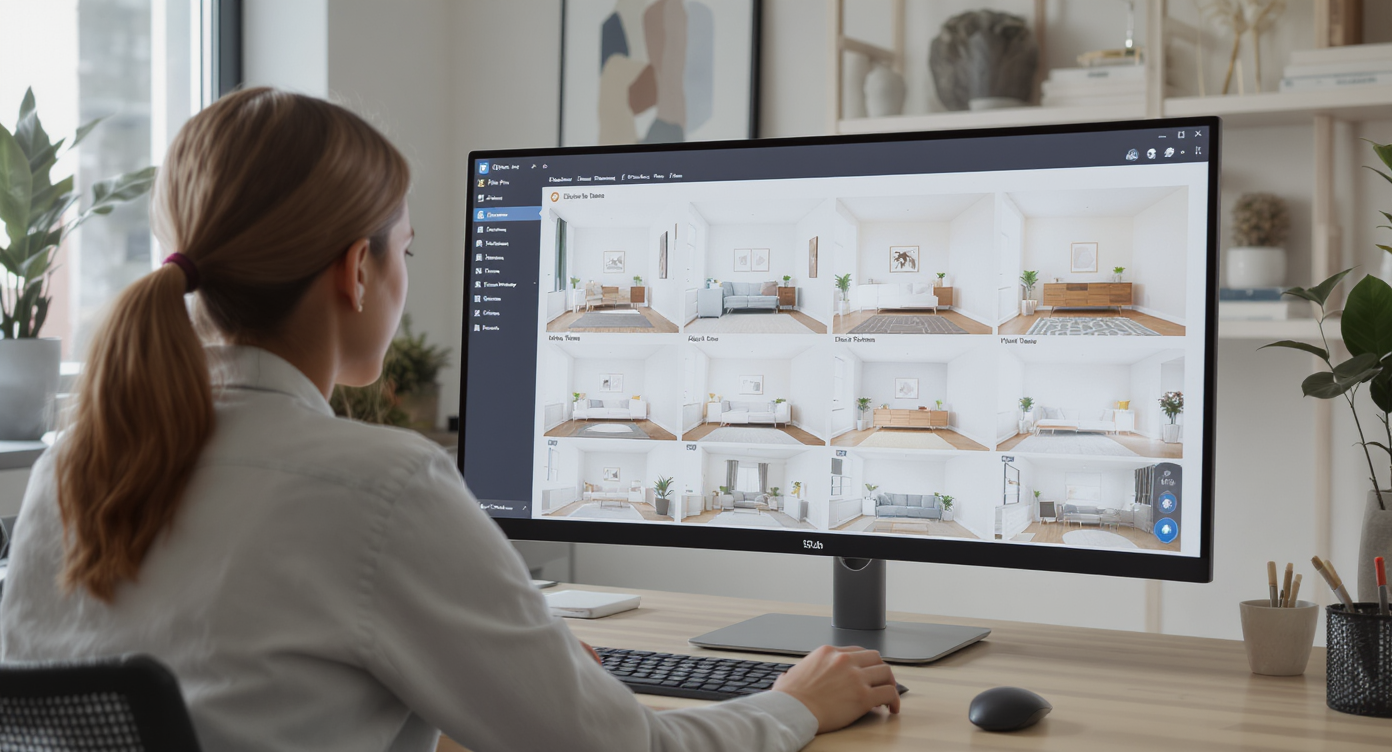
AI tools instantly generate multiple room paint styles, aiding quick design decisions.
AI design tools can generate style variations in under 10 seconds, making them ideal for testing small-space paint strategies before you buy a single sample pot. Traditional mood boards and floor plans are great for planning, but they’re abstract; 3D walkthrough tools demand measurements and time. Most people want how to visualize a room makeover from one photo — fast. Here’s where ReimagineHome.ai stands out among the most accurate AI interior design apps: - Single-photo restyle, no measurements: Upload a snapshot and instantly try Scandi, Japandi, Minimalist, or Industrial palettes on your actual walls. - Paint + furniture synergy: Get AI suggestions that pair wall colors with sofas, rugs, and lighting for cohesive interiors. - Realistic lighting: See how a north-facing room differs from golden-hour warmth so your picks translate off-screen. - Large catalog inspiration: Explore looks across materials and shapes, from curved sofas to fluted consoles, while keeping paint the hero. If you’re comparing alternatives to interior design apps, start visual and specific. These guides can help: how to visualize a room makeover from one photo (https://www.reimaginehome.ai/blogs/ideas/how-to-visualize-a-room-makeover-from-one-photo), a color palette guide for small apartments (https://www.reimaginehome.ai/blogs/guides/the-best-color-palettes-for-small-apartments), and a realism-focused tools comparison (https://www.reimaginehome.ai/blogs/insights/ai-interior-design-tools-ranked-by-realism).
Step-by-Step — Try This Style Using ReimagineHome.ai (Fact: One photo is all you need to visualize a room makeover)
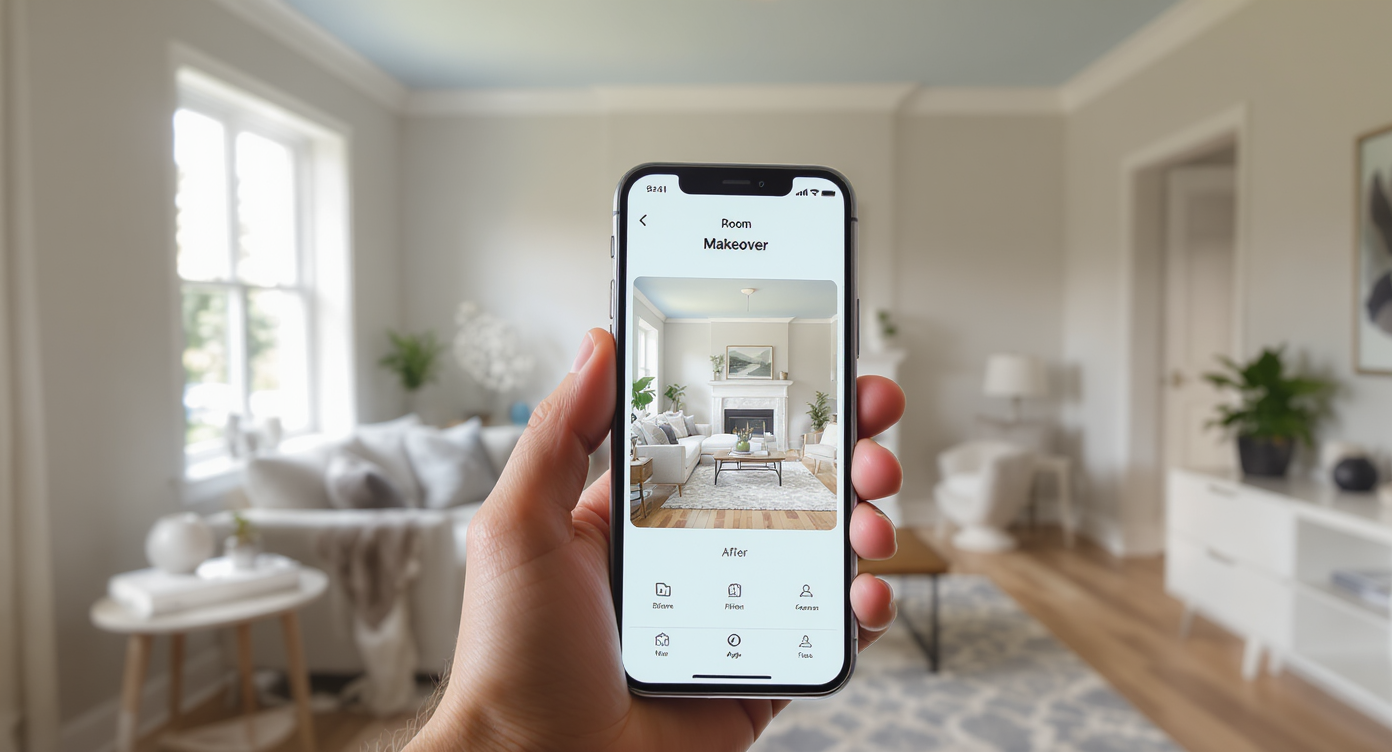
One photo lets you visualize a fresh room style easily with ReimagineHome.ai.
One photo is all you need to visualize a room makeover that makes your space feel bigger — no tape measure required. Step-by-step 1) Take a clear, daytime photo: Capture the full wall and ceiling line; open blinds to read true color and shadows. 2) Upload to ReimagineHome.ai: Choose an interior design style (Scandi, Japandi, Minimalist) that aligns with your vibe. 3) Set paint direction: Select cool-leaning, high-LRV palettes (goal: 70+) and a ceiling 10–20% lighter than the walls. 4) Test finishes: Preview eggshell vs satin on walls and semi-gloss on trim to gauge light bounce vs surface texture. 5) Try pro illusions: Toggle vertical stripes, a sky-tinted ceiling, or same-color trim to reduce visual breaks. 6) Compare variations: Save 4–8 renders, then shortlist what best amplifies space and daylight. 7) Collect your plan: Export the palette, finish notes, and furniture suggestions for a confident, weekend-ready paint schedule.
Visualization Scenario
A renter uploads a photo of a 220-square-foot studio. ReimagineHome.ai generates Japandi, Minimalist, and Soft-Scandi variations: all with light walls (LRV 70–80), a sky-tinted ceiling, vertical stripe option, and curated sofa-rug-light combos. In two minutes, they shortlist a calm sage-gray scheme that reads brighter and wider.
FAQ
- What paint colors make a small room look bigger? Light, cool-leaning hues with LRV 70+ — think soft whites, pale grays, airy blues, and gentle greens. Keep contrast low by matching trim to walls and painting the ceiling a shade lighter. - Can dark colors ever help a room feel larger? Yes. Deep colors can blur wall edges at night and create depth when balanced with light flooring, pale textiles, and ample lighting. Keep ceilings lighter and avoid high-contrast trim. - How do I choose an interior design style for a small space? Start with function, then pick a restrained style like Scandi, Minimalist, or soft Japandi. Use the 60-30-10 color rule and test looks on your photo with the best AI tools for interior style recommendations. - What’s the fastest way to visualize a paint decision? Upload one photo to ReimagineHome.ai to see multiple palettes applied to your actual room in minutes — the quickest path for how to visualize a room makeover from one photo. - Are high-gloss finishes a good idea on small-room walls? Use them sparingly. Higher gloss reflects more light but highlights imperfections. Try eggshell or satin on walls and reserve semi-gloss for trim and doors.
Visualize Your Style’s Next Chapter (Fact: Most people shortlist a palette in under 5 minutes)
Most people shortlist a palette in under 5 minutes when they see options on their actual walls, and that clarity cuts weeks off decision fatigue. Whether you lean Scandi calm or Japandi warmth, ReimagineHome.ai turns home design inspiration into a plan you can paint tomorrow. Ready to try the next chapter of your interior design style? Upload a photo, compare palettes, and pick the one that makes your room feel bigger: https://www.reimaginehome.ai/?utm_source=blog