Understanding Post-Frame Construction in Modern Home Building
TL;DR
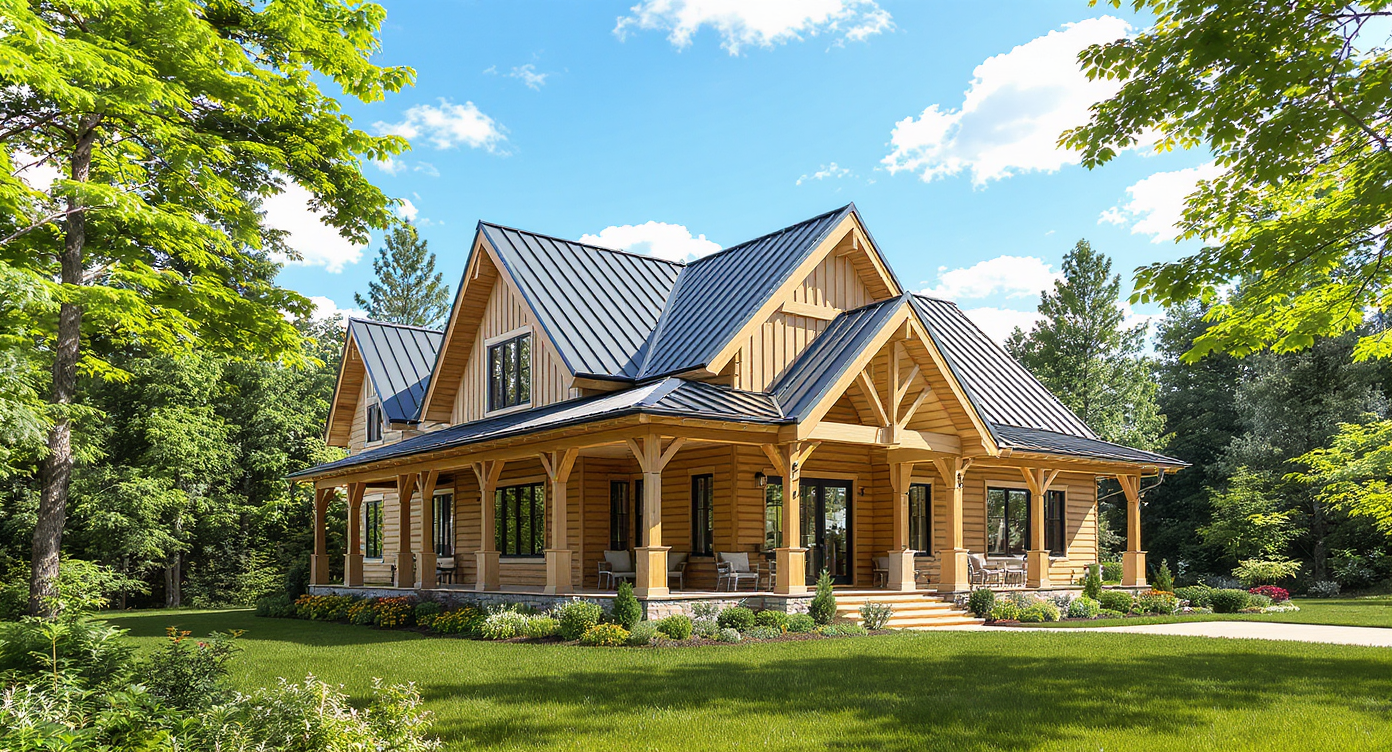
Post-frame construction, often seen in the form of pole barns or barndominiums, is gaining traction due to its cost-effectiveness, speed of assembly, and flexibility for residential and utility buildings. This method involves erecting a building with wide spans and fewer components than traditional framing, often on raised platforms to accommodate factors like flooding or uneven terrain.
Introduction
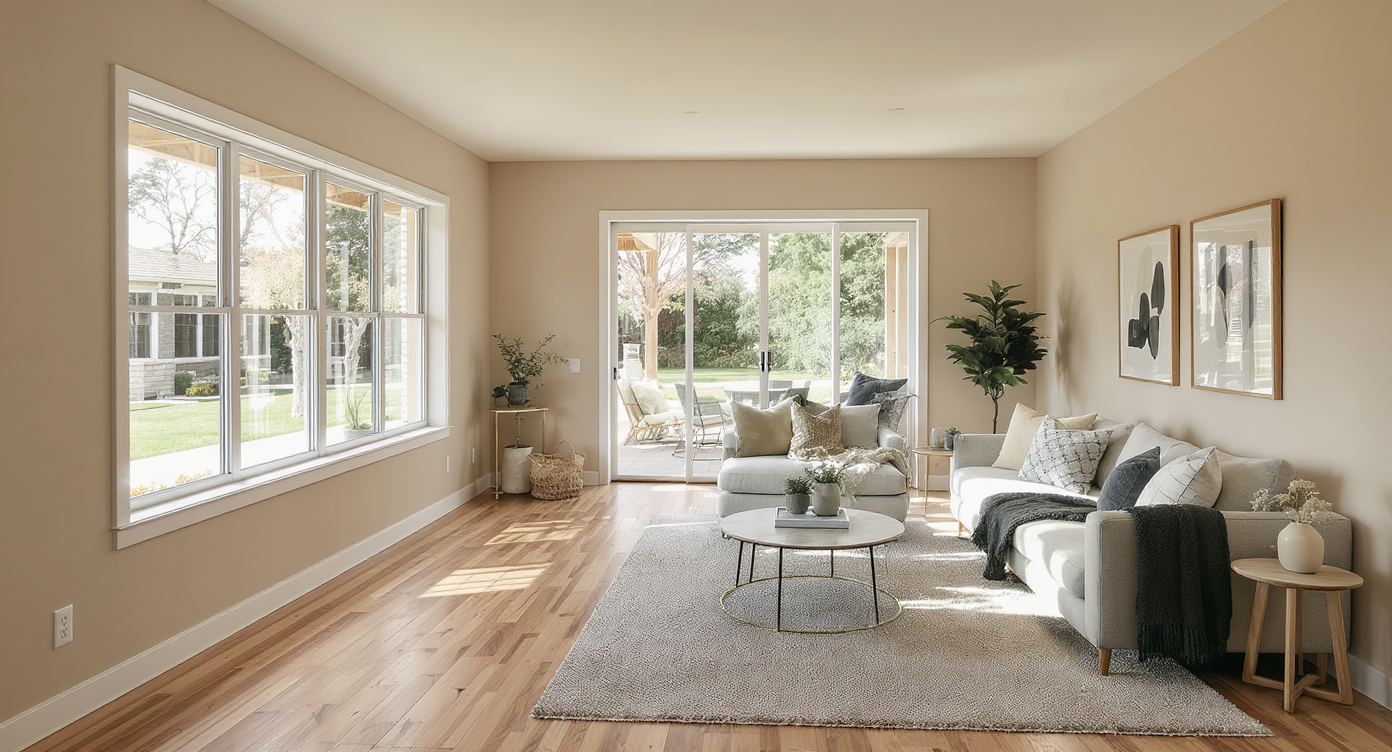
Interior spaces in post-frame homes showcase versatility and freedom in design.
In modern home building, post-frame construction is steadily becoming a popular choice, especially among those looking for cost-effective and versatile solutions. Unlike traditional stick-built homes that rely heavily on a continuous foundation, post-frame buildings, sometimes referred to as pole barns or barndominiums, emphasize ease of construction and adaptability to different terrains and climates. They are constructed on a framework of posts that provide structural support and can be erected faster and cheaper than conventional builds. This technique is especially beneficial in areas prone to flooding or where quick assembly is required. A notable feature is their adaptability, allowing integration of modern amenities and aesthetic touches—turning what might look like a simple barn from the outside into a modern living space inside.
-
The Rise of Post-Frame Construction
The Rise of Post-Frame Construction Image
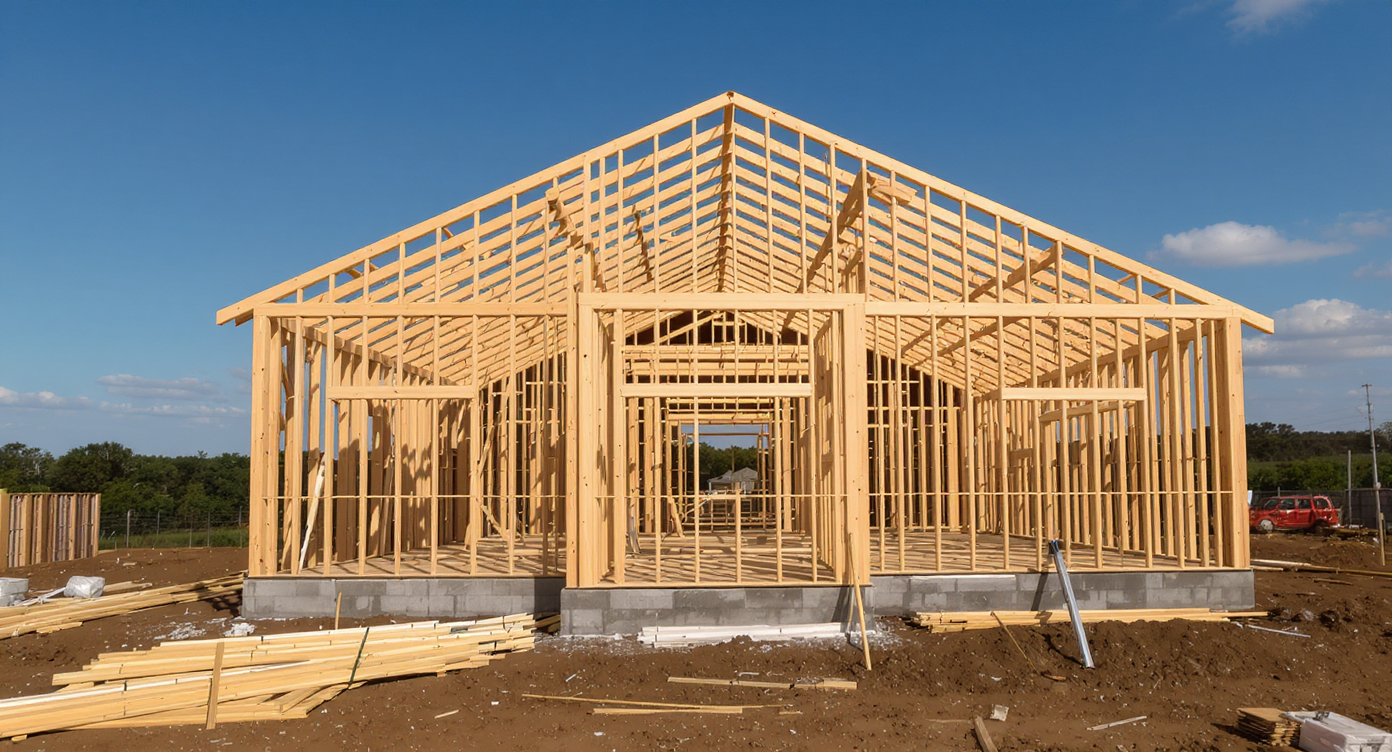
Post-frame construction has emerged as a compelling alternative in residential architecture, blending functionality with a reduction in both initial costs and long-term maintenance expenses. This method primarily involves using large posts driven deep into the ground to create a stable, yet flexible framework.
- Cost Efficiency: With fewer structural components, the material and labor costs are significantly reduced, making it an ideal choice for budget-conscious builders.
- Speed of Assembly: The simplicity of the design allows for rapid assembly, often seeing completion in a few weeks compared to months for traditional builds.
- Design Versatility: The open-span interior of post-frame structures means fewer load-bearing interior walls, allowing for imaginative floor plans that can include large open spaces, vaulted ceilings, and second-story mezzanines.
Expert Insight
During a recent visit to a burgeoning community embracing sustainable construction methods, a homeowner shared the lifestyle benefits of their post-frame home. Designed to withstand seasonal flooding, the elevated living spaces provided peace of mind while enabling panoramic views of the surrounding landscape—a marriage of practicality and beauty.
-
Practical Application and Benefits
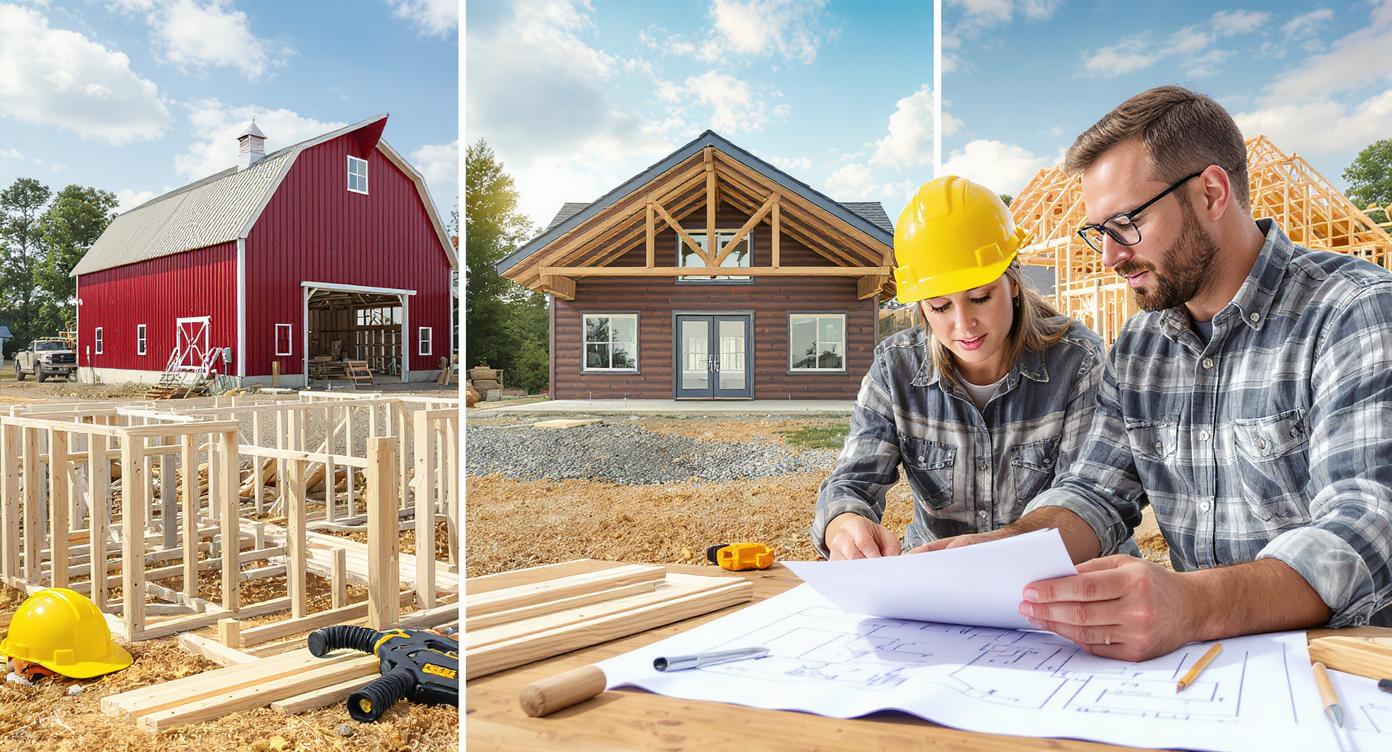
The practical benefits of post-frame construction are best demonstrated through cohesive design and planning.
In practice, post-frame construction finds favor where quick, sturdy, and flexible frameworks are needed. Particularly in rural and semi-urban setups, this method provides feasible solutions for diverse requirements.
- Adaptability to Terrain and Climate: Raising the building on posts can mitigate issues such as poor drainage or uneven ground, often seen in areas prone to flooding.
- Modern Comforts and Customization: Despite the economical build, these homes can be outfitted with modern comforts including insulation techniques like closed-cell foam that rivals traditional methods.
- Stylish and Modern Aesthetics: While the exterior might suggest a utilitarian function, interiors can be lavishly styled with state-of-the-art fittings and finishes, turning them into aesthetically pleasing homes.
-
Considerations and Challenges
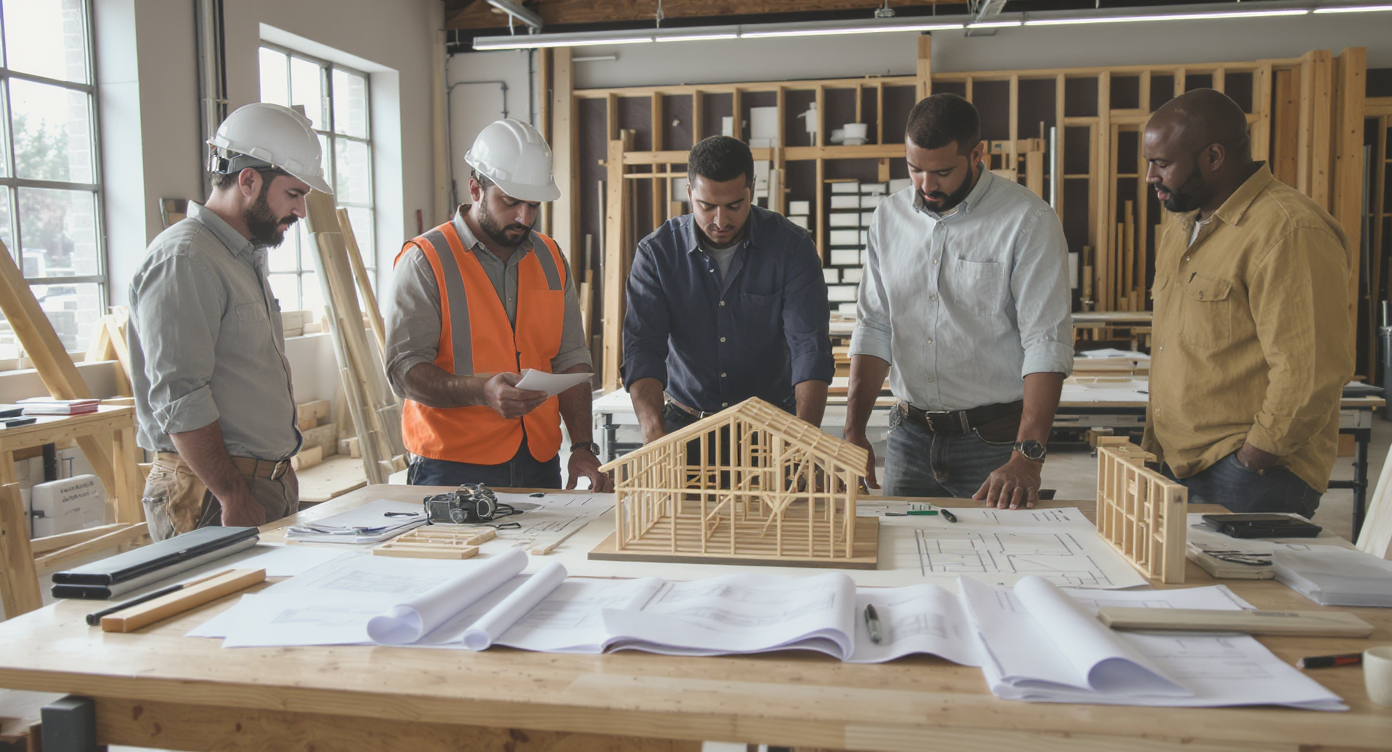
Challenges in post-frame construction are addressed through collaboration and attention to detail.
While post-frame construction offers numerous advantages, it also comes with considerations to keep in mind:
- Longevity and Durability: Ensuring that posts are appropriately treated for resistance to rot, especially at the ground interface, is crucial for long-term durability. Newer methods often involve using concrete piers for added stability.
- Climate Considerations: Insulation and moisture barriers need special attention to prevent issues common in structures that rest on elevated platforms.
- Building Codes and Insurance: As this method deviates from traditional construction practices, getting appropriate permits and insurance might be complex.
Visualization Scenario
Imagine walking through a post-frame home where the grand openness is immediately felt. High ceilings and expansive living areas invite you in, bathed in natural light from strategically placed windows. Using ReimagineHome.ai allows you to plan your ideal layout, perhaps eliminating inner walls for an even greater sense of space.
FAQ
- What is post-frame construction?
Post-frame construction is a building technique using large posts in place of traditional stick-built frames, beneficial for its cost and versatility. - Are post-frame homes energy efficient?
Yes, with advancements in insulation techniques and building materials, post-frame homes can be as energy-efficient as traditional homes. - Can post-frame buildings be used for residential purposes?
Absolutely. Initially popular for barns and utility structures, modern design adaptations allow for stylish and comfortable residential applications. - Does post-frame construction have any environmental benefits?
By reducing the amount of material and labor required, post-frame construction can potentially lower the environmental impact associated with traditional building methods. - How long does it take to build a post-frame structure?
Typically, construction is faster than conventional methods, often completing within several weeks depending on complexity and size.
Conclusion
As we see the evolution of residential construction techniques, post-frame construction stands out by offering a harmonious blend of resource efficiency and architectural versatility. This method caters not just to those with agricultural and industrial needs but increasingly to homeowners and developers appreciating an open, flexible space. By adopting new materials and technologies like ReimagineHome.ai, prospective builders can visualize and plan these spaces, ensuring that their modern living space not only meets aesthetic desires but also withstands the test of time.