Understanding Post-Renovation Regret: Why Your House Feels Wrong—and What To Do
TL;DR
Post-renovation regret and buyers’ remorse are surprisingly common, especially after major life changes or layout and lighting shifts. The feeling often fades, but its underlying causes—lighting issues, awkward layouts, and mood impact—can be addressed gradually. Experts and homeowners alike suggest embracing small, meaningful updates, rethinking lighting, and accepting that loving a new space takes time.
The Unspoken Side of Moving In: When Your New House Doesn’t Feel Like Home
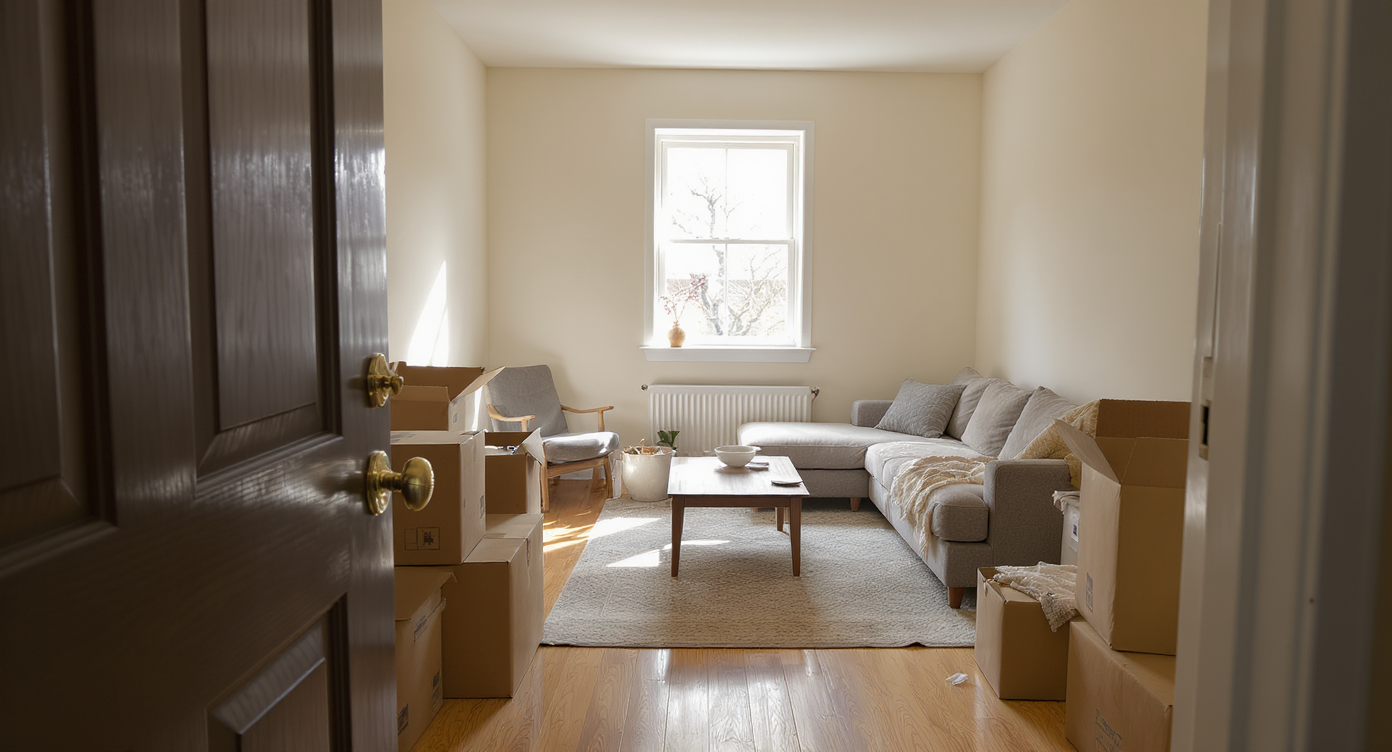
A newly renovated living room in transition—boxes piled near the entry, limited natural light, and mismatched furnishings hint at post-renovation regret.
The elation of unlocking your new front door can give way to a surprising emotional slump just days or weeks later. For many, this uneasy feeling—often called post-renovation regret or buyers’ remorse—stems from disappointment with aspects of the house that felt invisible during open houses and showings. Maybe the natural light just doesn’t compare to your old place, or the layout proves less functional than anticipated. Combined with the chaos of moving and shifting routines, it’s no wonder so many homeowners quietly ask: Will this ever feel like home?
The good news: you’re not alone. These feelings are normal, and there are practical ways to both understand and soften them, whatever your space’s quirks. Often, it comes down to light, layout, mood and the pressure of change—all fixable, if not overnight. Let’s dig into why regret often follows big moves and what experienced designers and homeowners have learned about making a house feel like your haven again.
-
From Excitement to Regret: Why the Shine Wears Off
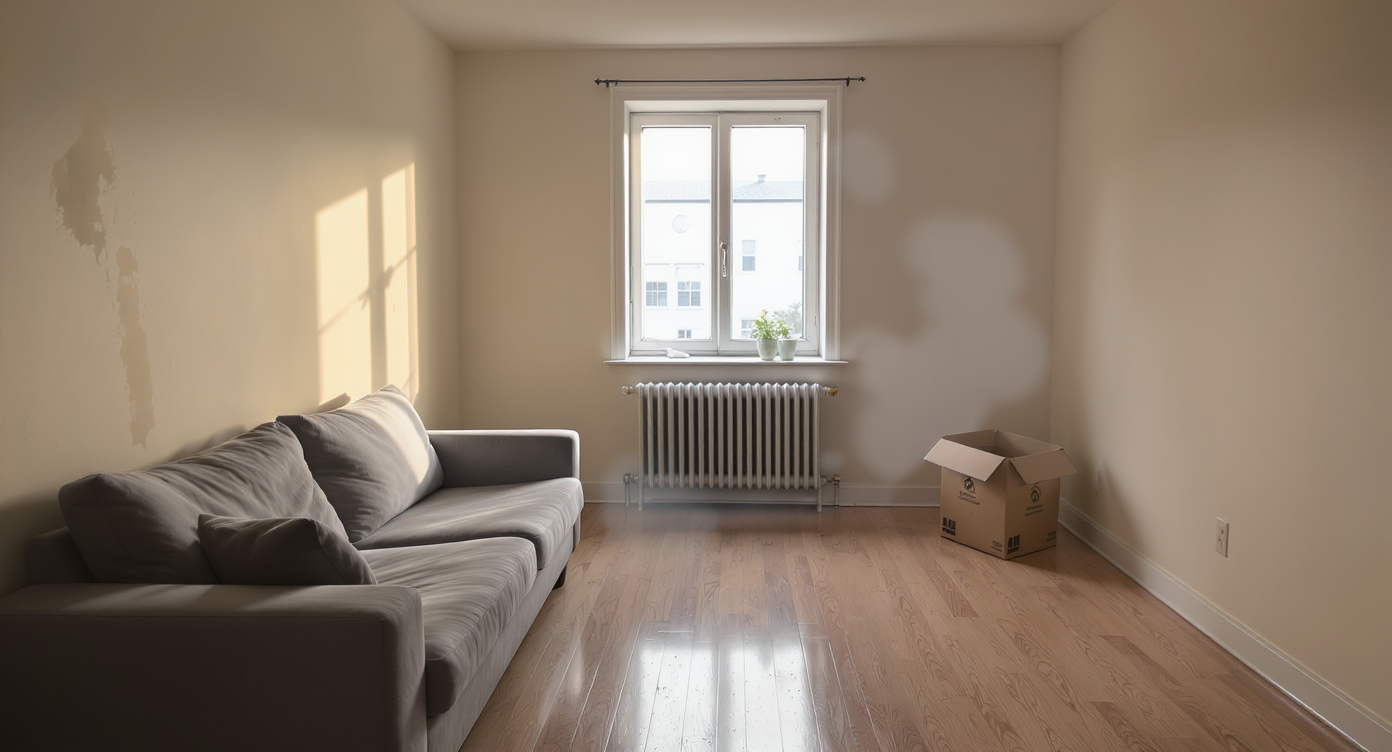
Recently renovated living room showing minor imperfections, subdued light, and unpacked boxes—a realistic look at post-renovation reality.
The journey toward homeownership or post-renovation bliss is rarely linear. Many homeowners report a strong sense of loss for the space they left behind, compounded by mounting to-do lists and unforeseen costs in their new home. Disappointment sets in as the shine wears off—the cosmetic flaws become more obvious, rooms look darker, and the initial dream gives way to the reality of day-to-day life. In fact, experienced buyers say this is almost a rite of passage, with the feeling surfacing anywhere from days to a full year after move-in.
One major culprit is comparison. New spaces are inevitably measured against the familiarity and comforts of a previous home—the layout, the way light filtered through in the morning, even the small imperfections that had become loved idiosyncrasies. As a result, mood and emotional resilience dip, especially if the move coincided with bigger life changes such as job changes, growing families, or evolving routines.
Expert Insight
One homeowner, after feeling out of sync in a newly purchased house, tackled her regret head-on by updating the kitchen lighting and painting the dining room her favorite shade—a soft green. Each small win softened her misgivings, and over a year, as family celebrations and quiet evenings added up, her sense of regret faded. The place wasn’t flawless, but it gradually became the backdrop for laughter and meaningful daily moments.
-
The Hidden Impact of Lighting and Layout
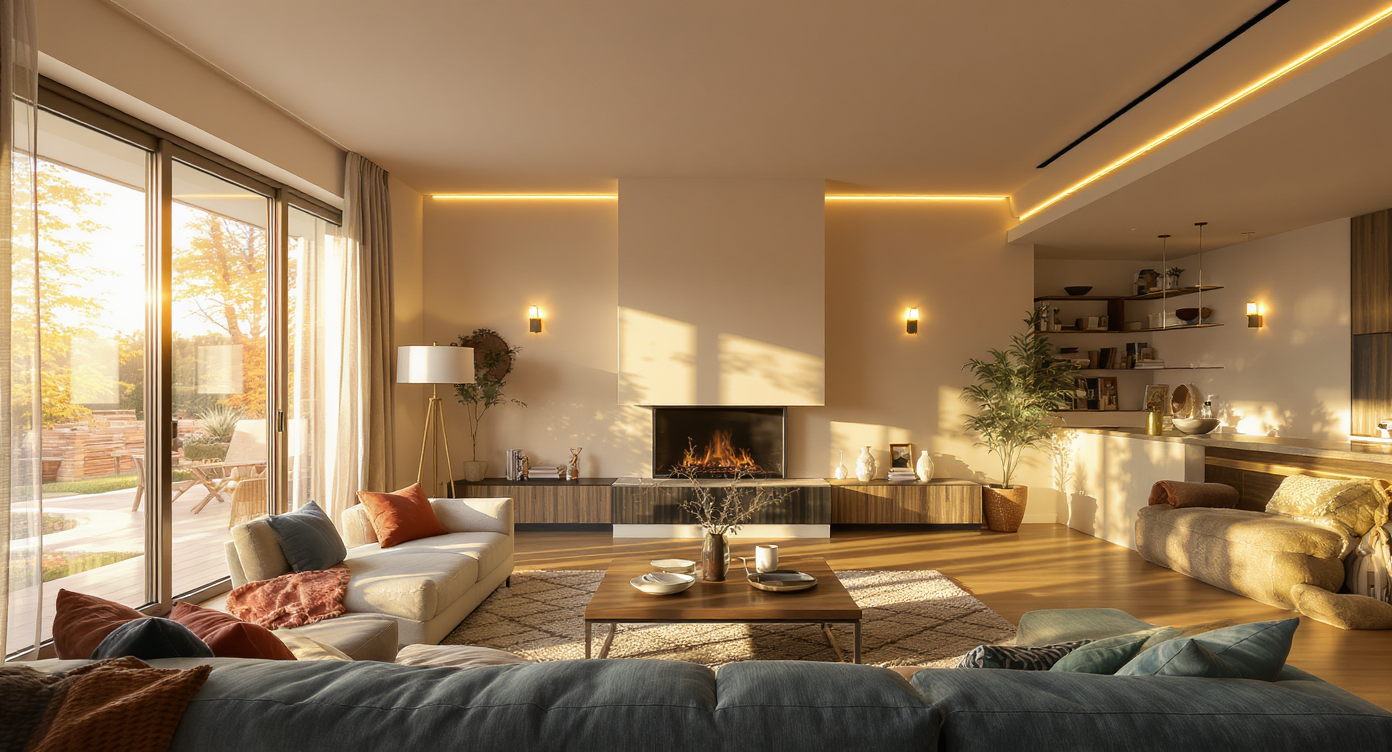
Modern living room demonstrating how layered lighting and thoughtful furniture arrangement enhance both mood and space usability.
It’s remarkable how much natural light and traffic flow shape our perception of a home. When moving from a house with generous windows to one with fewer, the emotional letdown can be significant. Designers continually emphasize that natural light isn’t just a practical matter—it lifts mood, expands space visually, and transforms how colors read at every hour.
If you’re feeling moody or unsettled, audit your lighting. Layered lighting solutions can radically improve the feel of any room: floor lamps, sconce lights, even sunlight-mimicking LEDs have become reliable stand-ins for daylight in darker homes. On the layout front, frustration often arises from underused corners or rooms that just don’t “work.” Sometimes the issue is as simple as how you arrange the furniture or where pathways intersect. A few strategic layout changes or swapping room functions can produce surprising relief, bringing overlooked spaces to life.
Many homeowners find refreshingly simple ideas, like those in designer-approved DIY makeovers, help them reconnect with their new setting without breaking the bank.
-
Memory, Mood, and the Real Meaning of Home
The sense of loss or malaise that sets in after a major move or renovation is often about more than paint or fixtures. Houses carry the emotional memory of moments lived there—a child’s first steps, the angle of light over coffee, the comfort of a familiar creak in the floorboards. When that context vanishes, homes can feel strangely out of sync with their inhabitants for months at a stretch.
This dislocation intensifies when a new home feels unwelcoming due to empty rooms, bare walls, or mismatched colors. Experts suggest creating positive associations with your new house by layering in personal touches over time—whether it’s photos, art, or simply repainting a single room in a mood-boosting hue. According to our paint color system, the right wall color can change not just a room’s appearance but its entire emotional temperature. Likewise, honoring original features instead of erasing them completely can help you settle in while preserving character, as shown in advice for refreshing a dated home.
-
Anecdote: When Home Takes Time
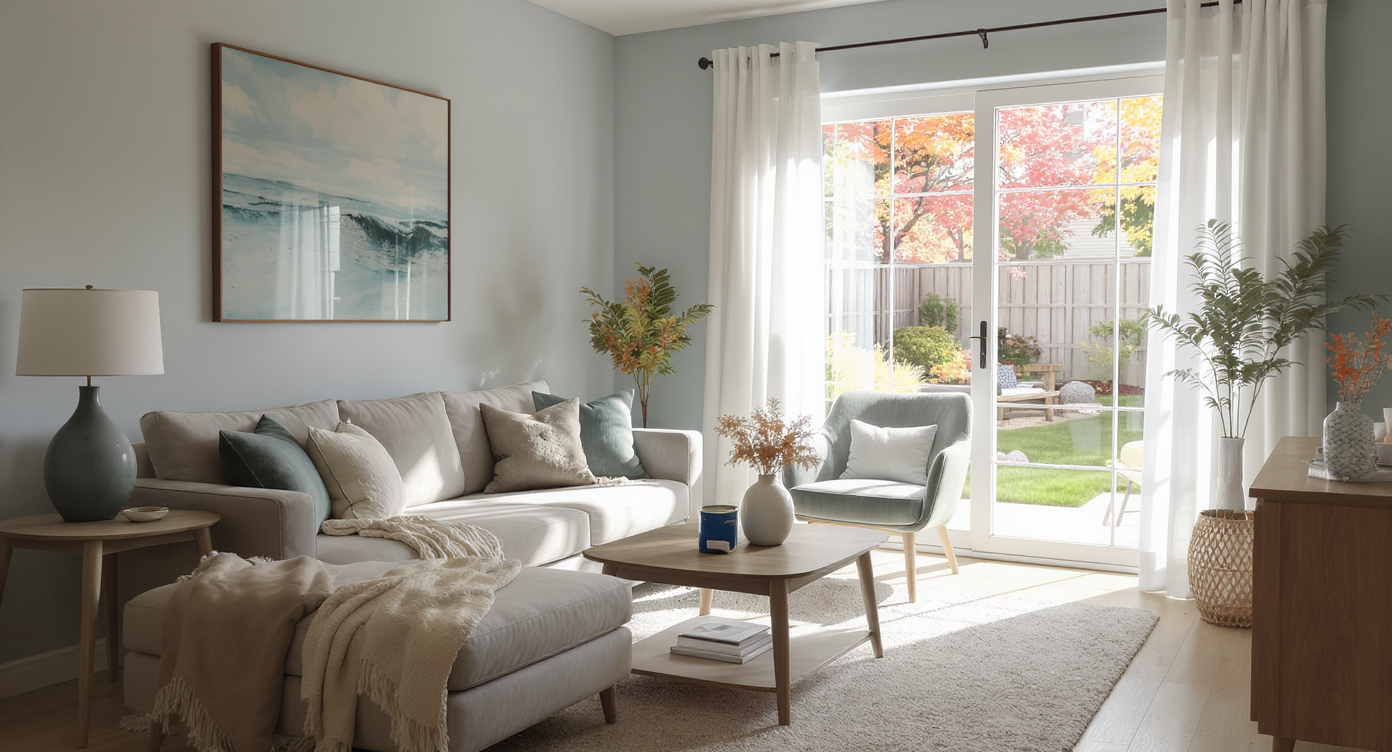
Living space transformed by sheer curtains, reoriented furniture, and a newly painted blue bathroom, evoking a gradual sense of home.
Consider the young couple who moved into their new house one crisp autumn, thrilled by the prospect of a big backyard and a respected school district. Yet once the boxes were unpacked, the space felt empty, the lighting cold, and the layout all wrong for their routines. At first, regret overshadowed everything. But three months in, after adding sheer curtains to soften the light, rearranging the living area to open up a view to the yard, and painting one small bathroom a favorite seaside blue, the mood shifted. Slowly, laughter started to echo in the halls, new traditions took root, and the home began to feel like theirs—not perfect, but perfectly livable.
-
Common Mistakes to Avoid
Anxious to fix post-renovation regret, it’s easy to rush grand improvement projects or overhaul a space all at once. This often leads to more frustration, unforeseen costs, or even undermines the individuality a house’s quirks provide. Designers often caution against stripping too much original detail when updating a home; as we’ve learned from home character makeovers, preserving craftsmanship may become what you love most. Another pitfall is going it entirely alone—seeking fresh eyes from a professional or even a trusted friend can reveal simple cosmetic solutions you might overlook during periods of regret or low mood. Lastly, conflating mood with home design—especially during periods of personal change—can blur the real reasons for discomfort. If you’re facing persistent sadness, addressing life’s bigger transitions or seeking outside support is just as important as the next paint swatch or light fixture.
-
Expert Insights: Slow Changes, Big Difference
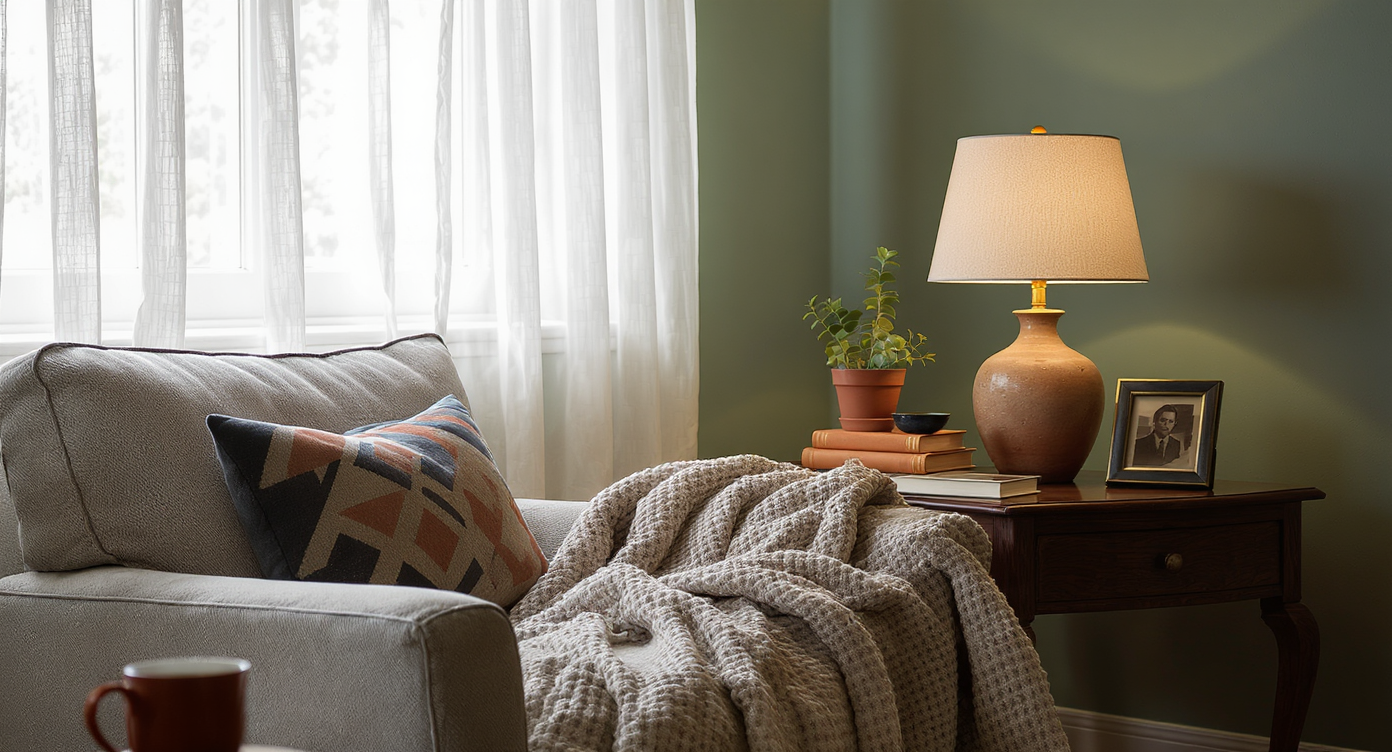
A living room corner refreshed with a reupholstered chair, smart lamp, fresh accent wall, and layered personal decor—showing slow, meaningful design changes.
Interior professionals recommend choosing a single room to personalize first. Even something as modest as updating light bulbs, adding cozy textiles, or experimenting with layout can refresh your perspective and kickstart optimism. If lighting issues dominate, designers are turning to sun-mimicking smart bulbs and layered light sources to recreate the gentle arcs and shadows of natural daylight—technology that’s increasingly affordable and easy to install.
Adopting a mindset of gradual improvement, rather than racing toward perfection, helps anchor the reality that homes evolve. Small projects—a reupholstered chair, a colorful accent wall, reworking curtain lengths, even bringing in a vintage lamp—generate visible progress, build confidence, and stake your claim to the space. Per affordable decorator advice, a focused color palette, bold details, and mixing in beloved objects go farther than major purchases in feeling at home.
-
How to Use This in Your Next Designs
Whether you’re still wrestling with remorse or planning your next home project, let these experiences guide thoughtful choices. When visiting possible homes, spend time during different times of day to truly see light levels and traffic flow. Don’t overlook how sentimental attachments color your initial feelings; give yourself permission to grow roots slowly. In planning updates, start with lighting and color before moving to larger renovations. Prioritize what impacts mood and daily routines, not just resale value. By acknowledging every house’s quirks and potential, you’ll end up with a space that feels like yours rather than someone else’s idea of perfection.
-
Visualization: Reimagining a Space that Feels Just Right
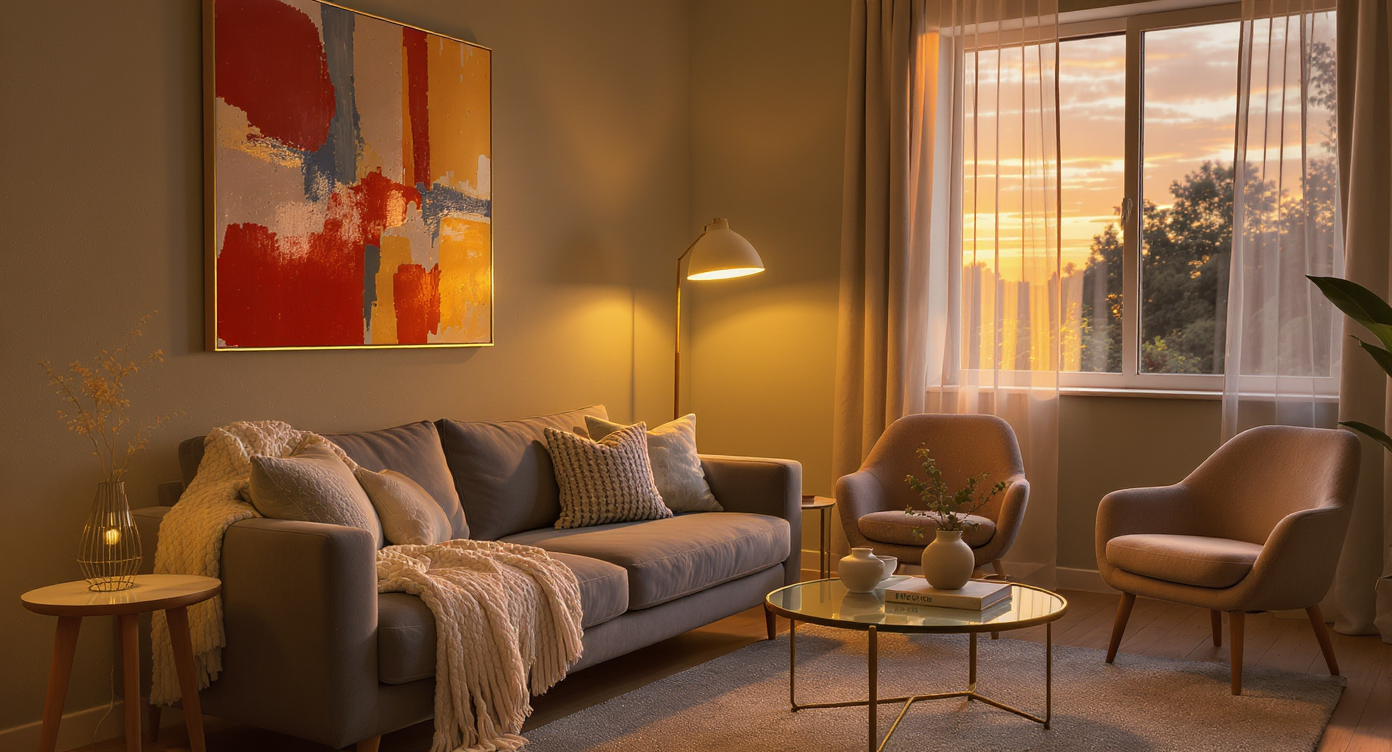
A living room transforms as small changes—cozy lighting, art, and thoughtful arrangement—bring warmth and personal comfort to the space.
Imagine standing in your dark living room, disheartened by blank walls and awkward flow. You tackle one corner with a soft floor lamp, then drape a textured throw over the arm of the sofa, and add a piece of vibrant art that makes you smile. Next, you reorient your chairs to catch more sun through the nearest window and select a fresh accent for the walls. The shift is subtle at first, but over weeks, your mood lightens. The next spring, you’re surprised to realize your home has become a place of comfort—a space shaped by small, continual choices that reflect your real life, not just a staged ideal.
Visualization Scenario
Picture waking up one weekend and choosing a single, manageable project—a cluster of planters on the porch, a reading nook made by repositioning furniture near the sunniest window, or finally hanging that gallery of family photos. By evening, the change is palpable. The once-foreign space now holds evidence of your care and creativity, capturing a bit more of the comfort you crave.
FAQ: Settling in, Regret, and Mood in New Homes
- Is it normal to feel regret after buying or renovating a home?
- Yes, many homeowners struggle with post-renovation regret or buyers’ remorse—especially when lighting, layout, or big life changes disrupt daily routines. The emotion often fades as you adjust and personalize your space.
- How long does it take for a house to feel like home?
- For some, it takes a few months; others need a full year or more. Gradual improvements and building new memories help foster attachment and ease discomfort.
- Can lighting really improve my mood and perception of the house?
- Absolutely. Strategic lighting adjustments—such as sun-mimicking bulbs and layered sources—can make even the darkest rooms feel inviting and boost your sense of well-being.
- Should I focus on cosmetic updates or major renovations first?
- Experts often recommend starting with modest, high-impact projects such as painting, lighting, or rearranging furniture. These changes yield quick results and may transform your perspective before expensive renovations are necessary.
- Where can I find more advice for tackling post-renovation regret?
- ReimagineHome.ai provides practical resources and inspiration for every stage of homeownership and design evolution.
Building a Home, Not Just a House
Almost every homeowner experiences some measure of post-renovation regret, especially when lighting and layout feel off or big transitions throw routines into disarray. The emotional journey is as much about revising expectations as it is about cosmetic changes. With time, small improvements, and acceptance that homes are always a work in progress, most owners find their space can support, inspire, and even comfort them—often in unexpected ways. If you’re looking for more tailored design inspiration, ReimagineHome.ai offers resources for every stage of falling back in love with your home.