Preserving Charm: Renovating a Historic Southern Home Without Losing Its Soul
TL;DR
Renovating a historic home means balancing preservation with modernization. By tackling urgent repairs first, honoring original materials, and layering in personal touches, you can create a space that feels both fresh and authentic. This approach requires patience, practical planning, and a deep respect for craftsmanship—but the end result is a home with a story and a future.
Restoring More Than Walls
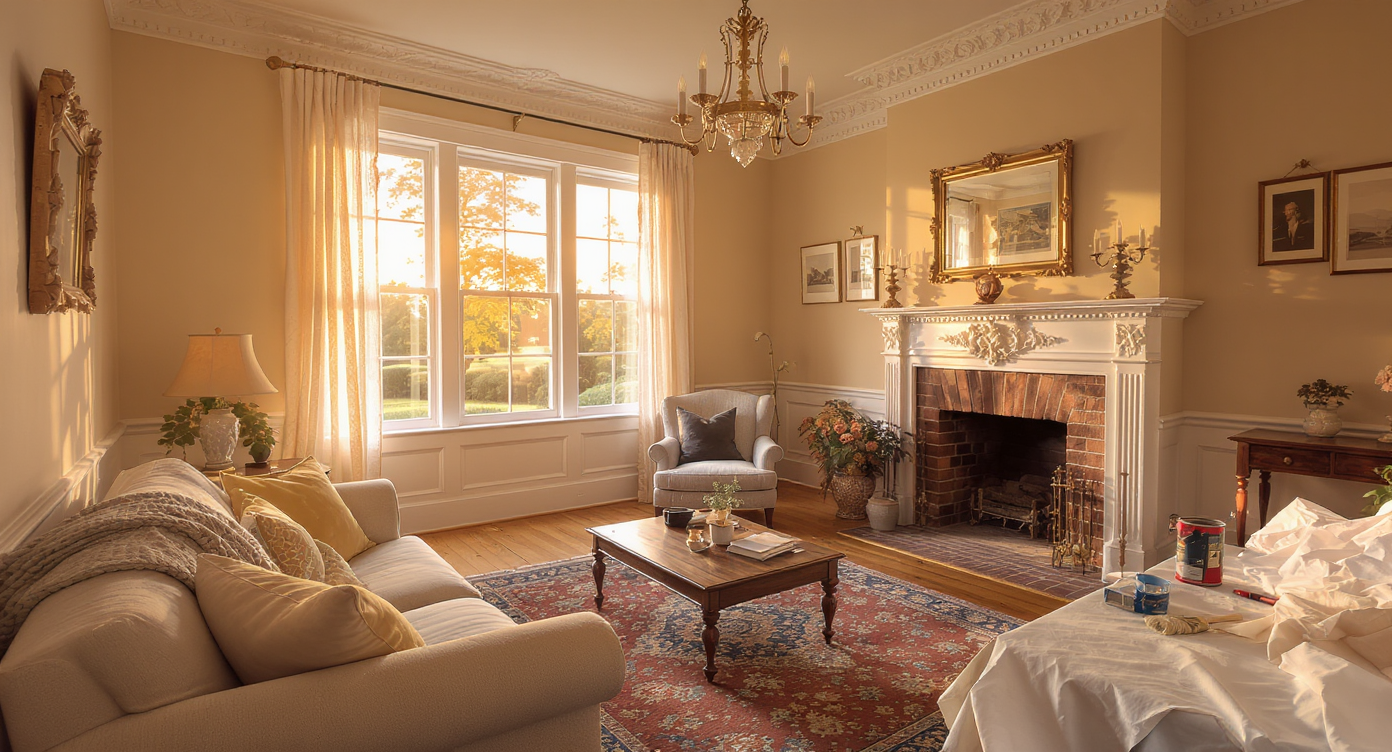
A historic Southern home's living room displays original floors, ornate trim, exposed brick, and subtle signs of respectful restoration in progress.
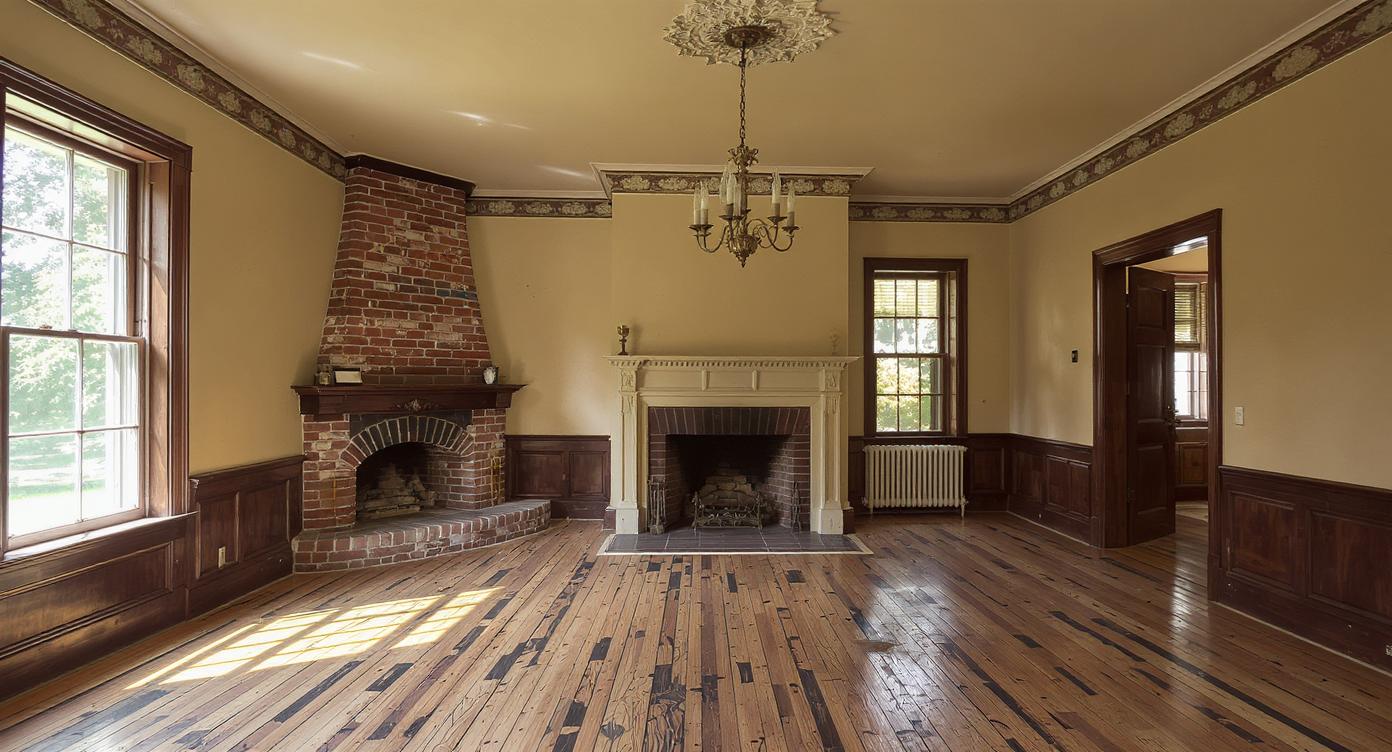
Historic homes possess a kind of allure that newer builds rarely match. Their tall ceilings, intricate trim, and weathered floors hint at generations of lives intertwined with the architecture. Yet for those who take on the restoration of a house in disrepair, the task is not just about making the space livable; it's also about preserving a sense of place. Taking on a renovation of a home considered 'unlivable' invites both risk and reward. Water damage, outdated systems, and worn finishes can seem daunting at first glance. Still, with intention and respect for original features, many homeowners find that these challenges become opportunities to celebrate stories embedded in plaster, brick, and pine. Reviving a historic property requires more than logistics—it invites creative energy and daily problem-solving. Ultimately, what emerges can be a home that feels at once deeply personal and true to its past.
-
Prioritizing Structural Integrity and Authentic Materials
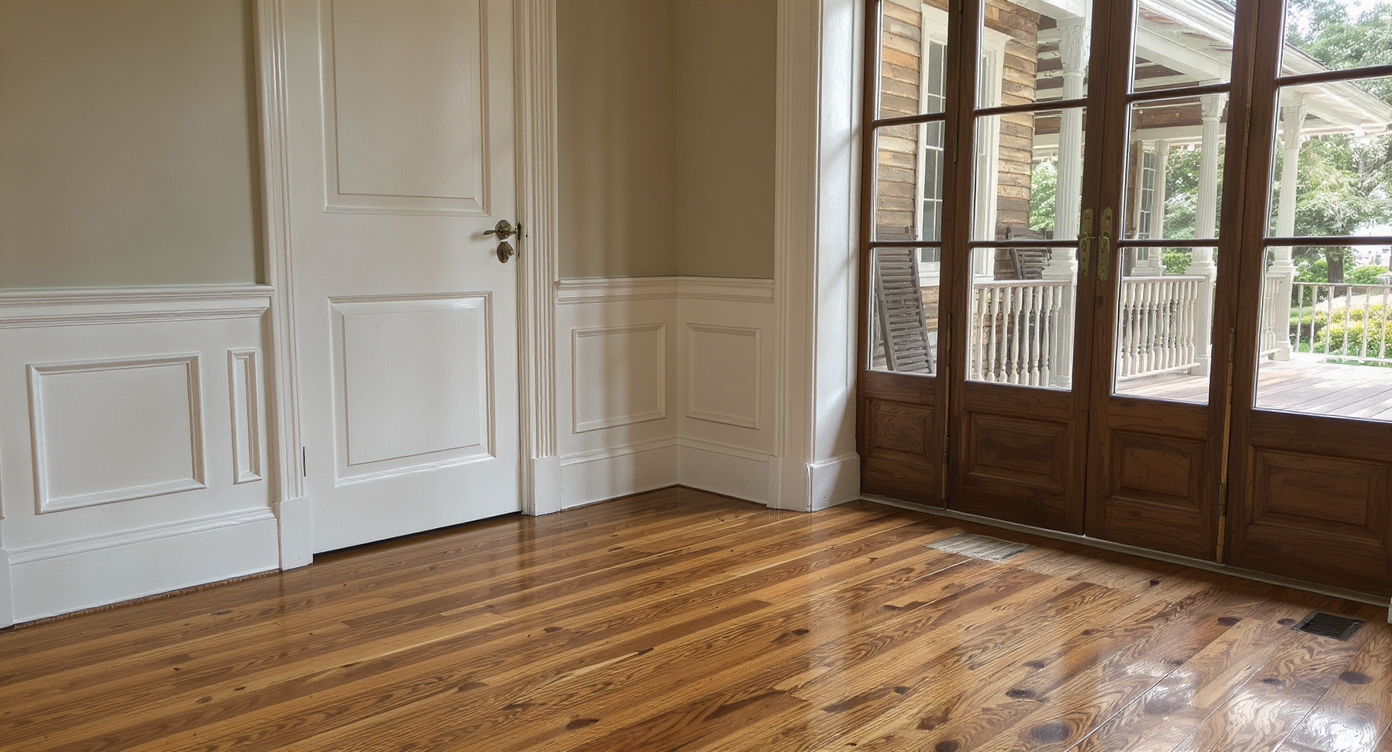
Sanded heartwood pine floors meet period moldings, with a freshly stained porch and restoration tools signifying focus on durability and authenticity.
Every successful historic renovation begins with respect for the building’s bones. Before any design decisions are made, it's critical to address issues that impact safety and durability—such as mold remediation, foundation repairs, or compromised roofing. These are the kinds of projects that rarely garner compliments at dinner parties, but they’re the foundation for every beautiful room that will follow. In older southern neighborhoods, reclaimed heartwood pine floors or period-specific moldings are as much a feature as the facade itself. Sanding and re-polishing original flooring lends not only beauty but a tangible connection to the house's heritage. Designers often recommend salvaging as much original material as possible, or sourcing authentic equivalents when repair isn’t possible. For exteriors—especially porches typical to regional homes—renewing wood with a deep-staining sealant can protect surfaces against the humidity and create a welcoming entry. Care and maintenance, such as re-staining every few years, is essential for longevity and curb appeal.
Expert Insight
On a muggy spring morning in Knoxville, a couple stood on their cracked porch, holding a cup of coffee and surveying their new but battered home. Months of negotiation had landed them the keys, but unlocking the door was just the start. Before dinner could be cooked or guests entertained, they spent evenings sanding floors, patching walls, and renewing porch boards with borrowed tools. Friends stopped by to marvel (or commiserate) at the slow transformation. Even after the first celebratory meal in the finished kitchen, they found that each new season brought small maintenance tasks—and a growing pride in every inch they had revived together.
-
Planning the Project: Living Through—and Around—Renovation
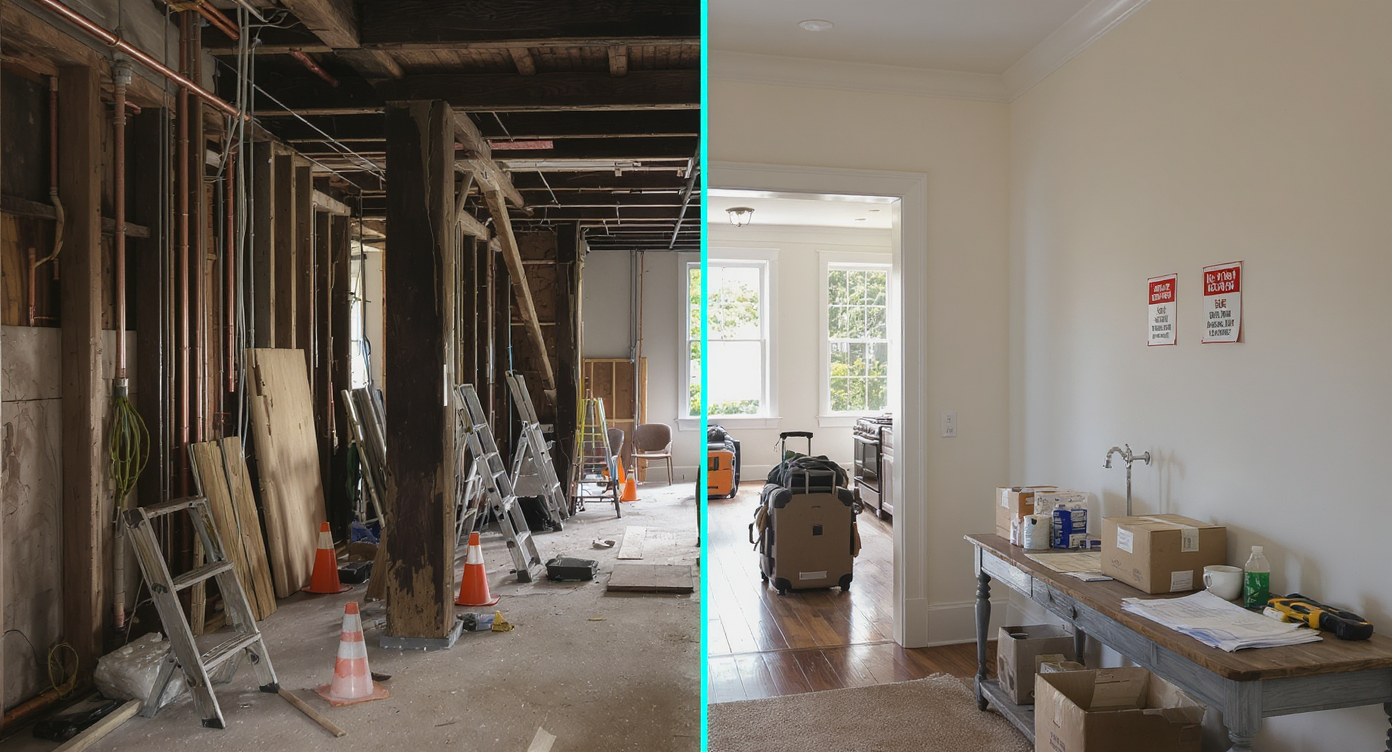
A historic home mid-renovation: exposed framing and utilities on one side, a partially completed, livable space on the other side.
Ambitious renovations rarely fit neatly into one season. Many homeowners find themselves splitting time between a temporary residence and their renovation site, orchestrating repairs in phases as funds and energy allow. In the case of structurally uninhabitable homes, it’s not uncommon to rent nearby until the essentials—plumbing, electricity, and structural safety—are squared away. Splitting the process into clear priorities brings clarity to the chaos. Moving in on a rolling basis, once core systems are reliable, makes the challenge feel more manageable. Experienced renovators and real estate agents alike often advise having a flexible plan and giving yourself grace; surprises, both pleasant and frustrating, are all but guaranteed when working with historic properties. Adding buffer time to the timeline and sequencing projects strategically can prevent burnout and help maintain momentum over months or even years. For those eager to avoid major disruptions, building a renovation schedule with contingencies is invaluable.
-
Modern Updates That Honor History

Restored kitchen preserves beadboard walls, gingerbread trim, and original windows while integrating modern appliances for comfort and character.
Breathing new life into an older home is not about erasing the past but giving its features a new role in daily life. Elements like gingerbread gable trim, built-in shelves, and high ceilings deserve celebration rather than replacement. Updating a kitchen or bathroom offers an opportunity to blend historic details—such as beadboard walls or original window casings—with contemporary fixtures and appliances that promote comfort and efficiency. It takes a discerning eye to distinguish between features worth preserving and those ready for an update. Painting over dark wood can brighten a room, but sometimes polishing and sealing is the best way to highlight natural beauty. Homeowners committed to blending character and freshness find success by weaving in personal flair, eclectic furniture, or period-appropriate color schemes. Keeping the soul of the home alive is possible even as you make pragmatic adjustments. For inspiration, see how owners refresh a dated property while preserving craftsmanship.
-
Anecdote: One Step at a Time
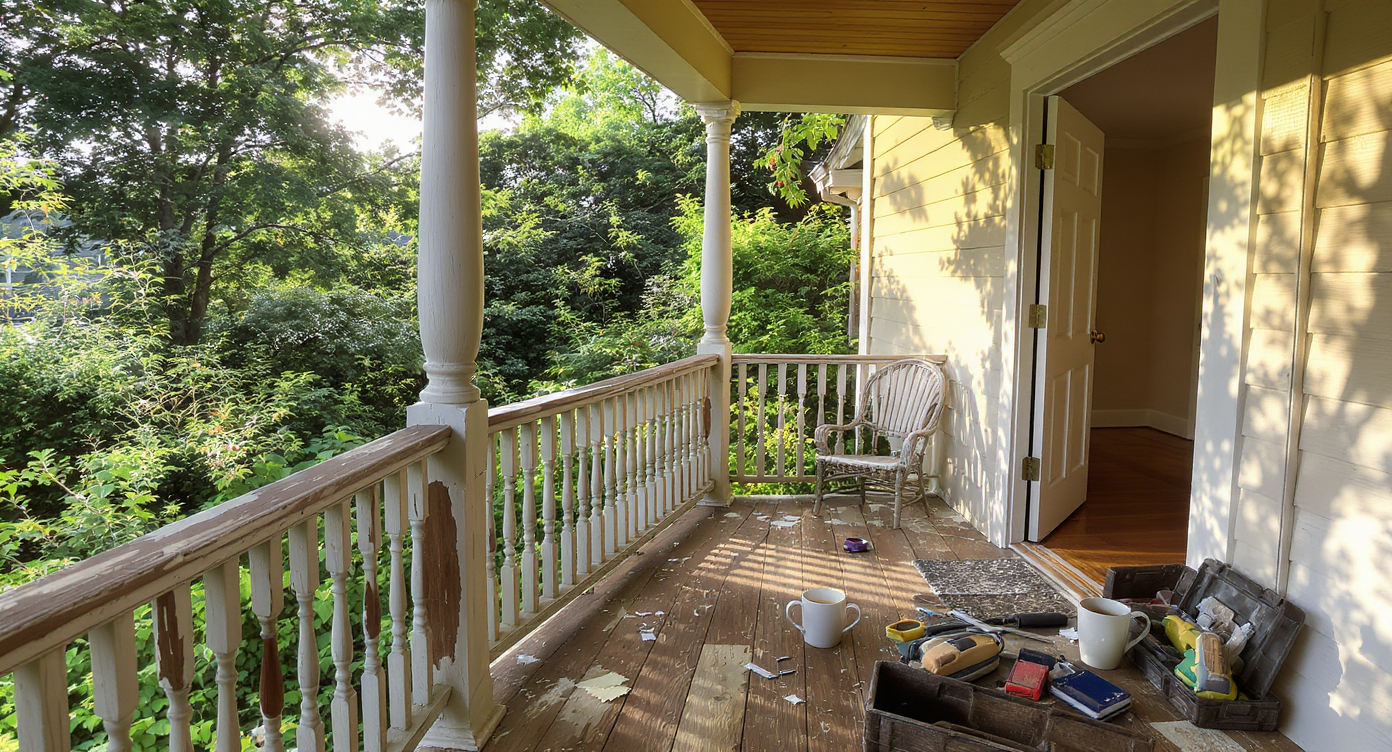
A restored Knoxville porch displays repaired boards, DIY tools, and coffee mugs, symbolizing the meticulous, hands-on renovation process.
On a muggy spring morning in Knoxville, a couple stood on their cracked porch, holding a cup of coffee and surveying their new but battered home. Months of negotiation had landed them the keys, but unlocking the door was just the start. Before dinner could be cooked or guests entertained, they spent evenings sanding floors, patching walls, and renewing porch boards with borrowed tools. Friends stopped by to marvel (or commiserate) at the slow transformation. Even after the first celebratory meal in the finished kitchen, they found that each new season brought small maintenance tasks—and a growing pride in every inch they had revived together.
-
Common Restoration Pitfalls and How To Avoid Them
Well-meaning homeowners are sometimes seduced by the promise of speedy makeovers, only to find that historic renovations reveal more beneath the surface than expected. Hidden water damage, outdated wiring, or foundation shifts can escalate budgets and timelines. Skimping on critical repairs, especially those affecting structure or moisture management, can threaten both safety and investment value. Many make the mistake of stripping away too much, replacing original trims and finishes with contemporary versions that diminish the home's personality. To dodge such issues, real estate pros often suggest taking a balanced approach—prioritizing professional help when needed and resisting the urge to modernize indiscriminately. When deciding between DIY and hiring out, consider the true cost, skill level, and longer-term implications for resale value.
-
Expert Tips for Breathing New Life into Old Spaces
Designers familiar with historic homes recommend starting with light: maximizing daylight with restored windows or sensitive placement of sconces can transform tired rooms. Where possible, showcase original wall textures, floorboards, or fireplace surrounds instead of covering them up. When modern touches are needed, match new finishes—hardware, tile, or cabinetry—to the scale and era of the original architecture to maintain coherence. Practicality should shape every update; select fixtures that are durable and easy to maintain, particularly in spaces prone to wear like porches or kitchens. Blending vintage finds with new pieces, as seen in projects that integrate antiques into modern life, helps create a layered space that feels acquired over time.
-
How to Apply These Principles to Your Own Renovation
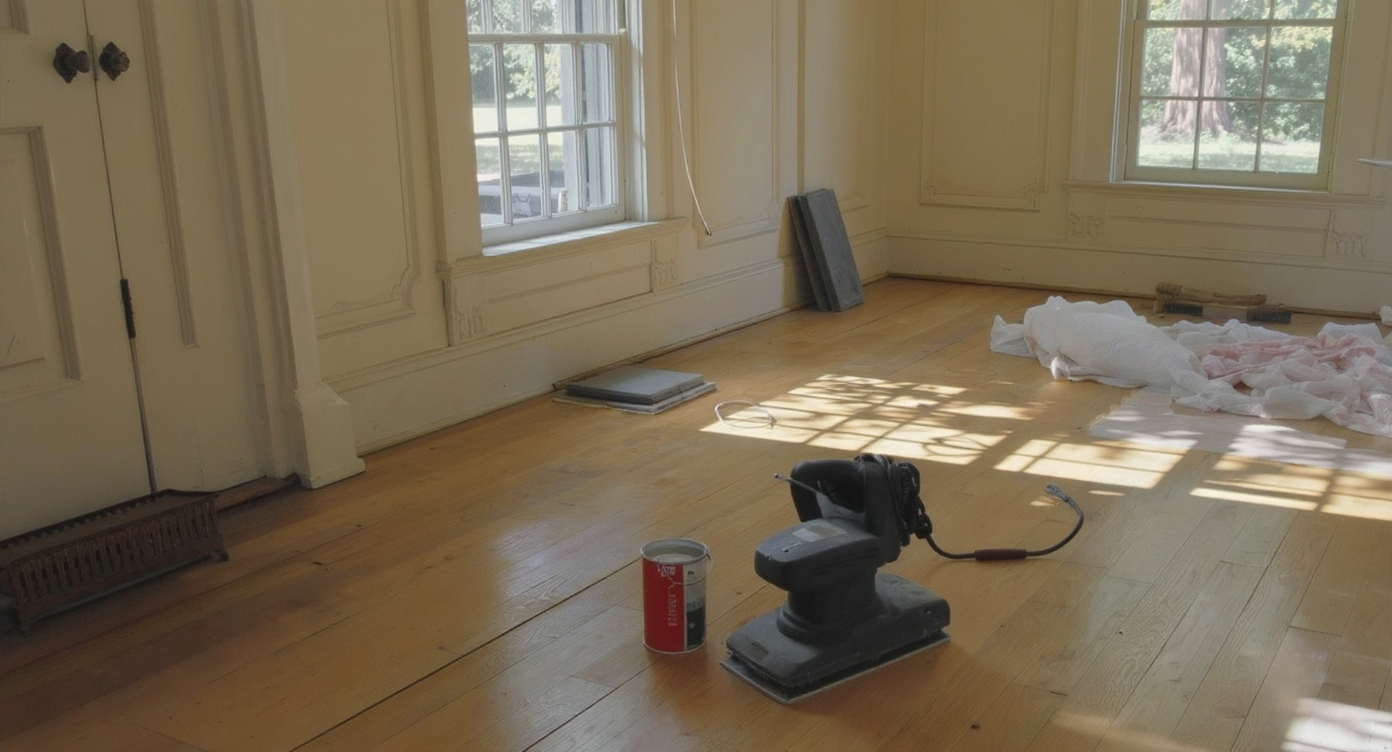
Sunlight pours onto a partially sanded wood floor in a historic home, with tools ready, highlighting measured steps in sensitive restoration work.
For anyone considering the leap into historic renovation, begin by listing non-negotiables for safety and structure. Live in the space if possible, even for a short period, to understand how light, traffic, and seasons affect daily life. When repairs arise, look for opportunities to honor rather than replace original elements—sometimes a worn floor only needs sanding and sealant. Progress, not perfection, is the goal. Expect projects to evolve over time and accept that the work may never feel fully finished. By weaving together the old and new, your home will reflect both your own story and the generations that came before.
-
Visualization: Standing in a Reclaimed Southern Parlor
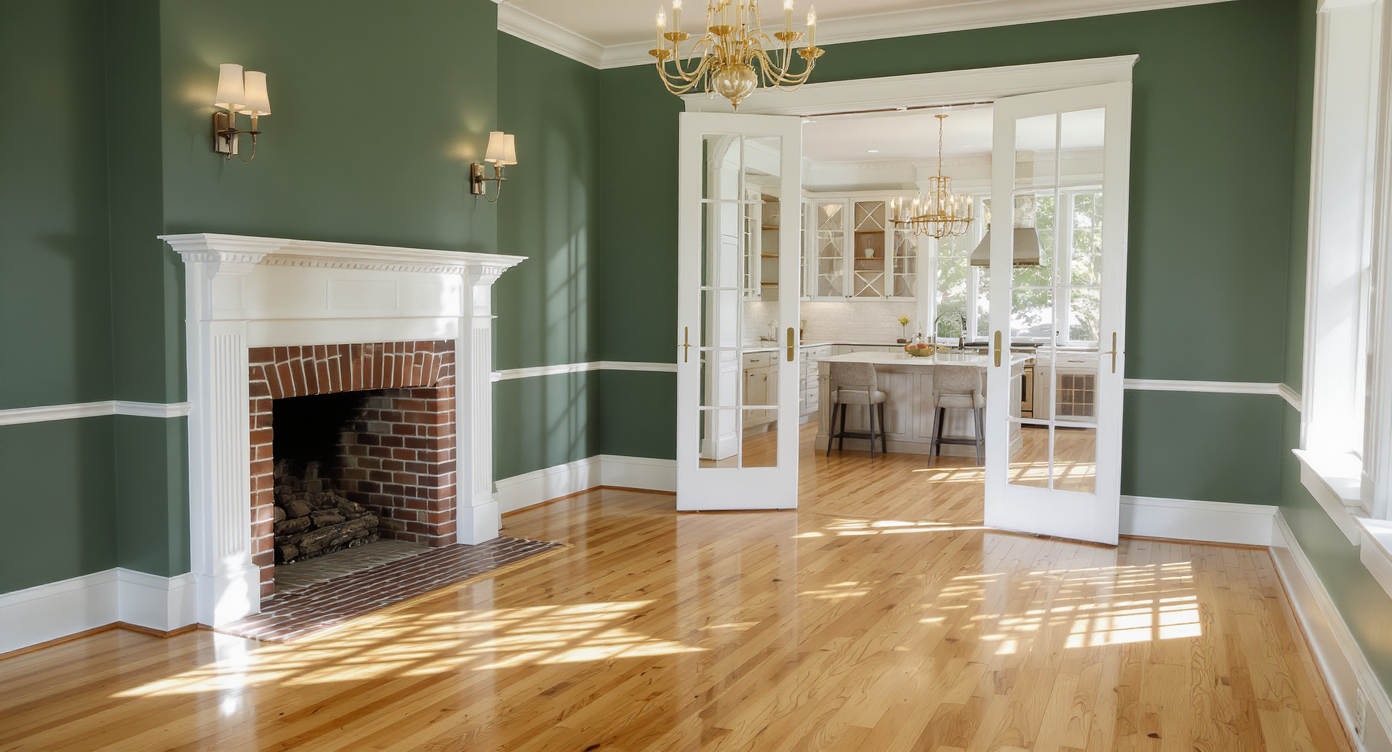
A reclaimed Southern parlor with pine floors, bright trim, jewel-toned walls, and arched doors opening to a modern farmhouse kitchen.
Picture yourself entering a sun-lit parlor. The floors shine with the warm grain of aged pine, every scratch telling a story. Crisp, white trim frames jewel-toned walls. The original fireplace anchors the room, with updated sconces casting a soft glow in the evening. Beyond arched pocket doors, a kitchen balances farmhouse practicality with contemporary polish—a place where history greets the present at every turn. The porch outside, newly stained, looks onto a street of trees and stately porches, a place where neighbors pause to admire both the craftsmanship and the care.
Visualization Scenario
Picture yourself entering a sun-lit parlor. The floors shine with the warm grain of aged pine, every scratch telling a story. Crisp, white trim frames jewel-toned walls. The original fireplace anchors the room, with updated sconces casting a soft glow in the evening. Beyond arched pocket doors, a kitchen balances farmhouse practicality with contemporary polish—a place where history greets the present at every turn. The porch outside, newly stained, looks onto a street of trees and stately porches, a place where neighbors pause to admire both the craftsmanship and the care.
Frequently Asked Questions About Historic Home Renovations
Address safety issues and secure the structure before making design choices. This includes remediating water damage, updating old wiring, and stabilizing the foundation.
How do I keep the character of my older house?
Preserve original elements wherever possible, such as wood floors, trim, and plasterwork. Blend in updates that complement the home's age rather than compete with it.
Is it worth living onsite during major repairs?
Many find it disruptive, so temporary relocation nearby may reduce stress. Once core repairs are complete, living onsite helps you connect with daily patterns.
Can I use modern materials and still keep an authentic look?
Yes, by choosing finishes and fixtures that suit the scale, color, and mood of the era, you can complement historic details with subtle upgrades. Learn more design strategies at ReimagineHome.ai.
How do I plan a realistic renovation timeline?
Build in buffer time, organize projects by priority, and expect the unexpected. Review ideas for effective planning in our renovation timeline resource.
A Home That Honors Its Past—and Its People
Restoring a historic home in the South is much more than a construction project; it's an act of stewardship. You are called to make decisions that both secure the building’s future and honor its story. Success comes when new comfort meets lasting character, resulting in rooms that feel as lived-in as they are loved. For homeowners planning their own transformation or seeking more inspiration, ReimagineHome.ai offers tools to help envision every step. The spirit of an old house can carry forward, one thoughtful renovation at a time.