Repair or Sell an Old House With Major Flaws? How to Weigh the Real Options
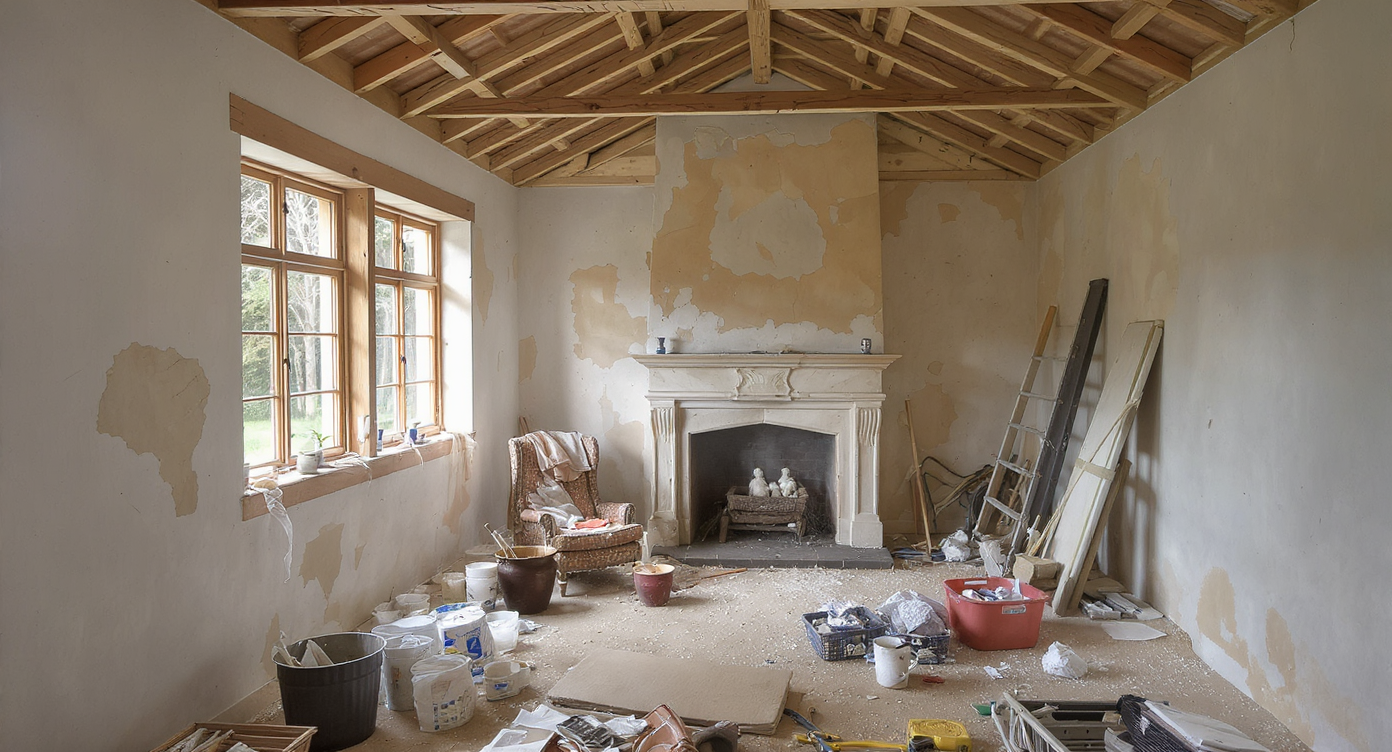
TL;DR
Deciding whether to repair or sell a problematic house comes down to objective costs, real market value, and personal tolerance. Serious issues, especially structural or electrical, often demand professional fixes. Weigh all repair estimates, resale scenarios, and your appetite for stress or upheaval before you leap—both staying and selling present pitfalls and opportunities.
When Your "New" House Starts to Reveal Its Secrets
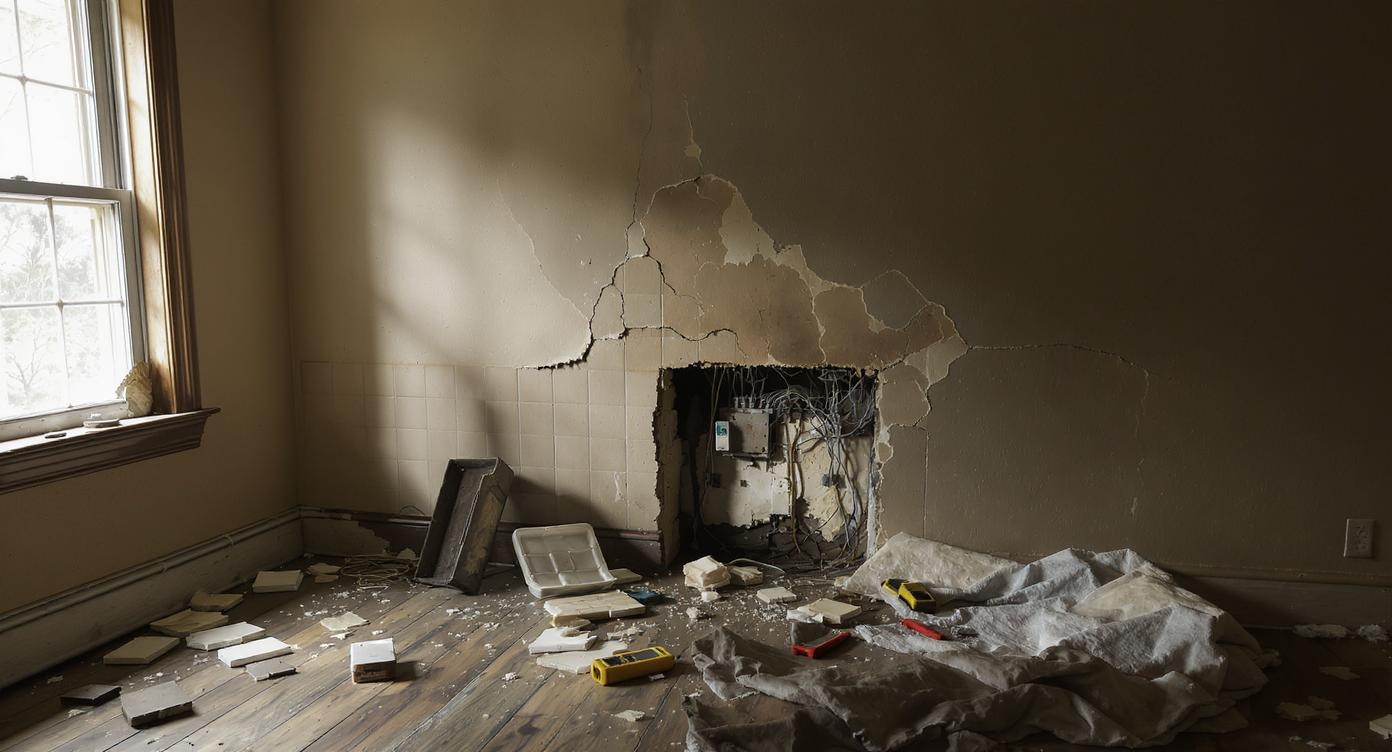
A lived-in home interior shows clear damage: cracked tiles, peeling paint, water stains, and exposed wiring, illustrating tough repair choices.
The dream of homeownership often meets tough reality when structural, electrical, and cosmetic issues begin to emerge—especially in homes marketed as “move-in ready” or “recently renovated.” For many buyers, the shock arrives slowly: tiles that crack, paint that peels, a roof that leaks, or worse, hidden code violations behind the walls. These problems raise an unavoidable question: Do you take on months of repairs, or sell the house as-is and start over elsewhere?
This dilemma becomes particularly acute amid rising repair costs and an uncertain market. Many homeowners find themselves weighing sticker shock against the comfort and history they have built in their space. Understanding which path makes sense is rarely clear-cut, but looking closely at financial realities, market context, and your own capacity for stress can bring focus and confidence to the decision.
-
Peeling Back the Layers: When a House’s Flaws Are More Than Cosmetic
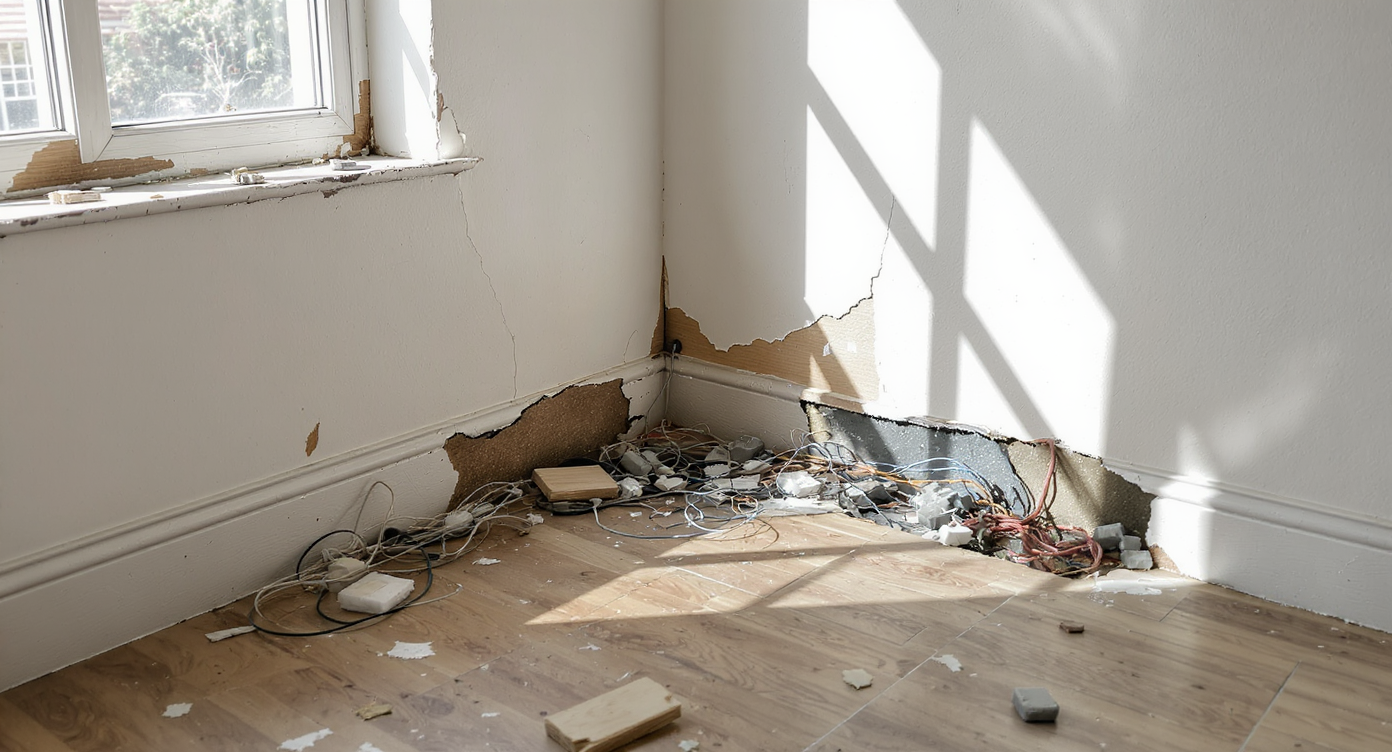
Layers of hidden problems: exposed shoddy wiring, peeling paint, warped floors, and rotten subfloor reveal serious issues beneath the surface.
What seems like a series of minor annoyances—peeling paint, soft floorboards, the AC going out unexpectedly—can mask deeper problems resulting from rushed previous renovations. It’s not unusual for homes advertised as “gut renovated” or “fully updated” to develop chronic issues several years after purchase, especially if flipper-grade shortcuts were taken. As homeowners dig deeper, they may discover hasty work in critical areas: electrical wiring tacked on as an afterthought, floor tiles laid over rotten subfloor, or porches that were never properly sealed against the weather.
The emotional fallout is real, but so are the regulatory and safety concerns. Inadequate wiring can quickly escalate from nuisance to code-violating hazard. Unpermitted work, once discovered, must be addressed before a house can be sold to a buyer using traditional financing. Cosmetic problems tend to accumulate, undermining not just comfort but resale value. Even those who purchased with a thorough inspection may discover inspectors either missed major issues or were unable to access critical areas, as discussed in our exploration of first-time home buyer mistakes, where improper assessment can lead to lasting consequences.
Expert Insight
A couple once bought a craftsman-style home that seemed flawless on walkthrough—gleaming countertops, new hardwood floors, fresh paint everywhere. Within months, they uncovered evidence of hasty work: loosely tacked electrical wiring in the crawlspace and unsealed windows letting in water with every storm. The couple tackled the visible fixes themselves, but ultimately called professionals for the major repairs. They learned that surface updates rarely count for much if the core of the house isn’t sound, and the hard-won wisdom shaped every home decision from then on.
-
The Real Math: Mapping Repair Costs Versus Market Realities

A realistic scene of a home workspace with repair quotes, blueprints, and local sales data, illustrating the financial analysis behind major home repairs.
When estimates from reputable contractors start stacking toward five or six figures, clarity is vital. Begin by building a thorough list of issues—structural, mechanical, and cosmetic—and assign realistic cost ranges, not best-case scenarios. A comprehensive quote on electrical rewiring, for instance, may look intimidating but could reflect the going rate for safe, up-to-code work. Expensive outlays for roofing or HVAC are often necessary and can’t safely be deferred.
Homeowners are often surprised by the scale of these costs relative to their home’s market value. For example, if a house purchased for $140,000 requires $100,000 in repairs but has a resale value that doesn’t cover the mortgage and renovation outlay, the numbers don’t lie. This is where pulling recent comparable sales—homes with similar size, features, and condition—pays off. Local agents can help, but relying on your own comparison points is crucial to avoid overestimating potential resale prices. As outlined in affordable renovation planning, expect that every dollar saved or spent affects the bottom line directly, especially in today’s real estate market.
Major repairs can sometimes create a refreshed property that attracts premium buyers, but more often, it’s the essential fixes—the roof no longer leaking, electrical up to code, water damage addressed—that simply bring a home back to expected neighborhood value, not superstar status. Set realistic timelines, as lengthy renovations can delay your market entry and eat into potential profits.
-
DIY Versus Professional Help: What’s Safe, What’s Smart, and What Actually Sells
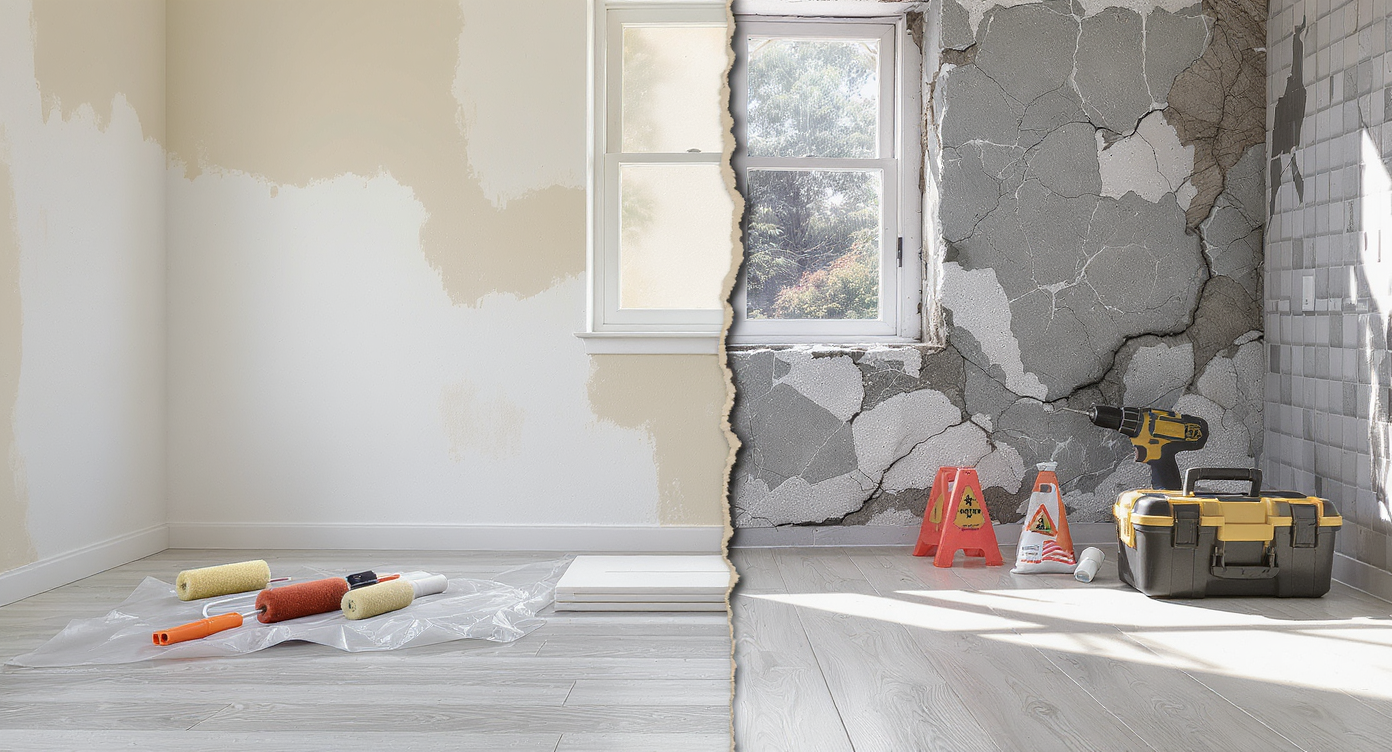
A realistic room shows DIY-friendly repairs and complex professional-only tasks side by side, highlighting what homeowners can safely tackle or should outsource.
Home improvement culture celebrates can-do spirit, but not all repairs belong in weekend warrior territory. Painting walls, regrouting tiles, and patching minor cosmetic blemishes can improve the house’s presentation with modest investment. Electrical, foundation, or major structural work, however, should nearly always be handled by licensed professionals, not only for safety but to pass lender and code inspections at sale.
Some tasks, like replacing flooring, can be worth tackling for confident DIYers—especially if the subfloor is in decent condition. As explored in our insights on DIY flooring, jumping in room-by-room and building your skills before committing to a whole-house overhaul helps control both costs and your own stress. For larger or hazardous jobs, multiple quotes from reputable contractors, paired with thoughtful prioritization of health and safety-related fixes, is the sustainable path. Cosmetic staging and minor repairs may boost your chances if you decide to list the property, but underlying defects must be disclosed—state laws often require it, and buyers (or their lenders) will generally demand it before closing.
-
Decision Points: When Selling As-Is Makes Sense—and What to Expect
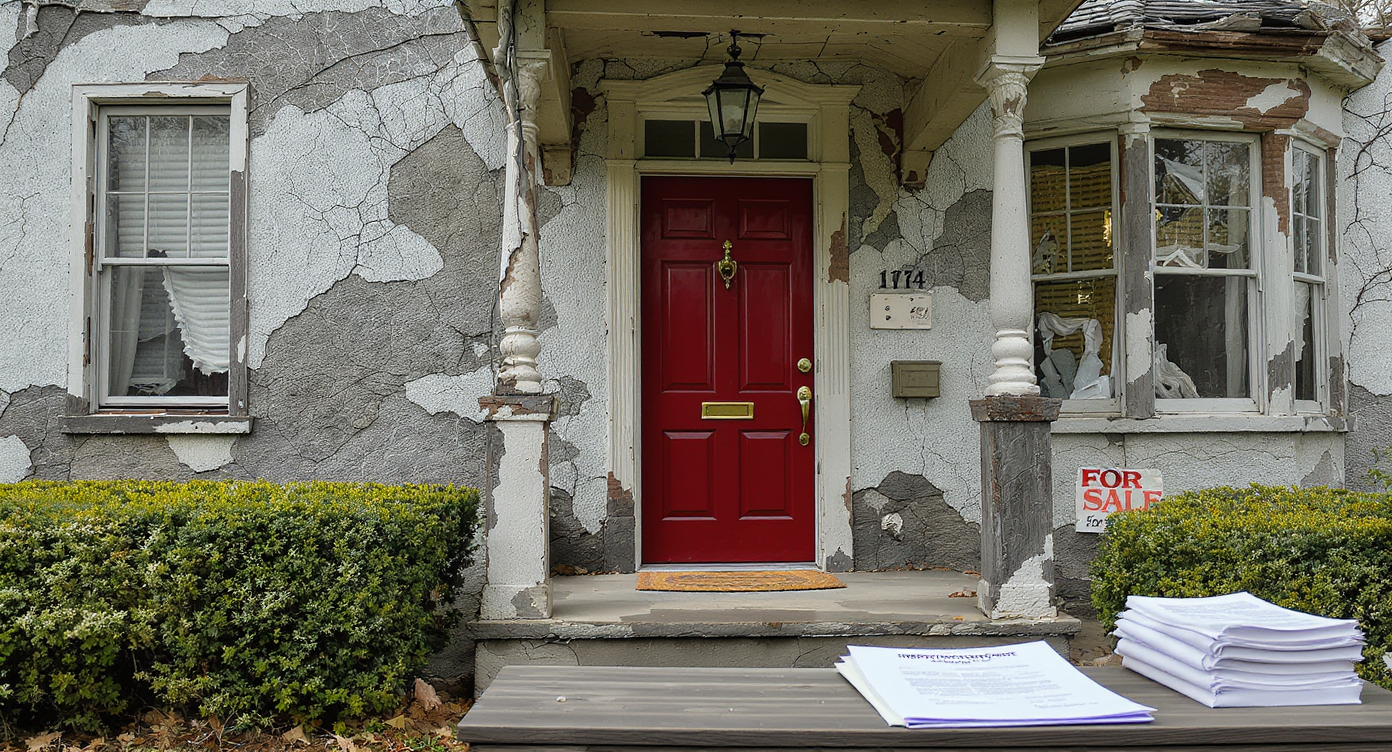
An older home with visible structural issues and minor curb appeal upgrades, plus inspection reports offered for potential as-is buyers.
Selling as-is can be appealing when the cost or emotional toll of repairs seems overwhelming. However, owners must candidly assess: severe structural or code issues require disclosure and will almost always reduce buyer offers or limit the pool to cash buyers and investors. Most standard buyers can’t or won’t purchase homes with hazards lurking behind the walls, and mortgage underwriters typically demand documentation that critical systems are functional and safe.
Still, strategic minimal investments in curb appeal—fresh paint on the front door, clearing the yard, fixing obvious water leaks—can help the house show just well enough to secure the best possible as-is offer. Savvy sellers provide inspection reports and estimates for major work, signaling transparency and reducing haggling. But expect bidders to factor repair costs directly into their negotiations, sometimes aggressively. As we covered in agent perspectives on DIY resale value, buyers frequently overestimate the cost and hassle of renovation, demanding deep discounts even for fixable flaws.
-
Anecdote: The Saturday When Everything Changed
One couple vividly remembers the weekend when a plumber, called in for a minor leak, pulled up a bathroom tile to reveal not just moisture, but rotten wood extending into the hallway. Their neat to-do list ballooned into a months-long saga of triage and tough budgeting. With every tradesperson’s quote, their initial hope to “just fix what’s broken” gave way to tough prioritization: would it be a patch, a full replacement, or the leap into selling altogether? Their experience echoes the real-world advice often found in forums and blogs, where homeowners discover that triage is as much about emotional readiness as material costs.
-
Common Mistakes to Avoid
Many homeowners in this situation fall into predictable traps. First, they underestimate the extent of hidden damage, failing to open up walls, floors, or ceilings for proper assessment. Relying on a single contractor’s bid, especially when feeling desperate, can lead to inflated costs or incomplete solutions. Overconfidence can lead to biting off more DIY than is realistic, resulting in projects left half-finished.
Critically, jumping into major updates for style rather than function tends to waste precious resources—prioritize roof integrity, safe wiring, plumbing, and water management. Under-disclosure or attempting to hide issues before a sale carries legal risk and can backfire in negotiations. Finally, emotional decision-making—whether out of exhaustion, frustration, or sunk-cost fallacy—often leads to regret.
-
Tips and Expert Insights
Designers and real estate professionals alike urge homeowners to take a deliberate, phased approach. Begin by ranking repairs according to their impact on safety and home integrity. Leverage local resources: municipal websites often detail code requirements, and neighborhood groups can recommend reputable trades. If you’re on a tight budget, focus on maintenance and DIY cosmetic improvements that don’t require permits or specialized skills.
For those considering tackling renovations, the most successful projects pair careful planning with a willingness to reconsider scope and cost. As in our review of renovating on a budget, sourcing materials smartly, using room-by-room plans, and gathering multiple contractor quotes gives you more control and less stress. When selling as-is, transparency and documentation can soften negotiations and help avoid post-sale disputes.
-
How This Applies to Your Next Designs
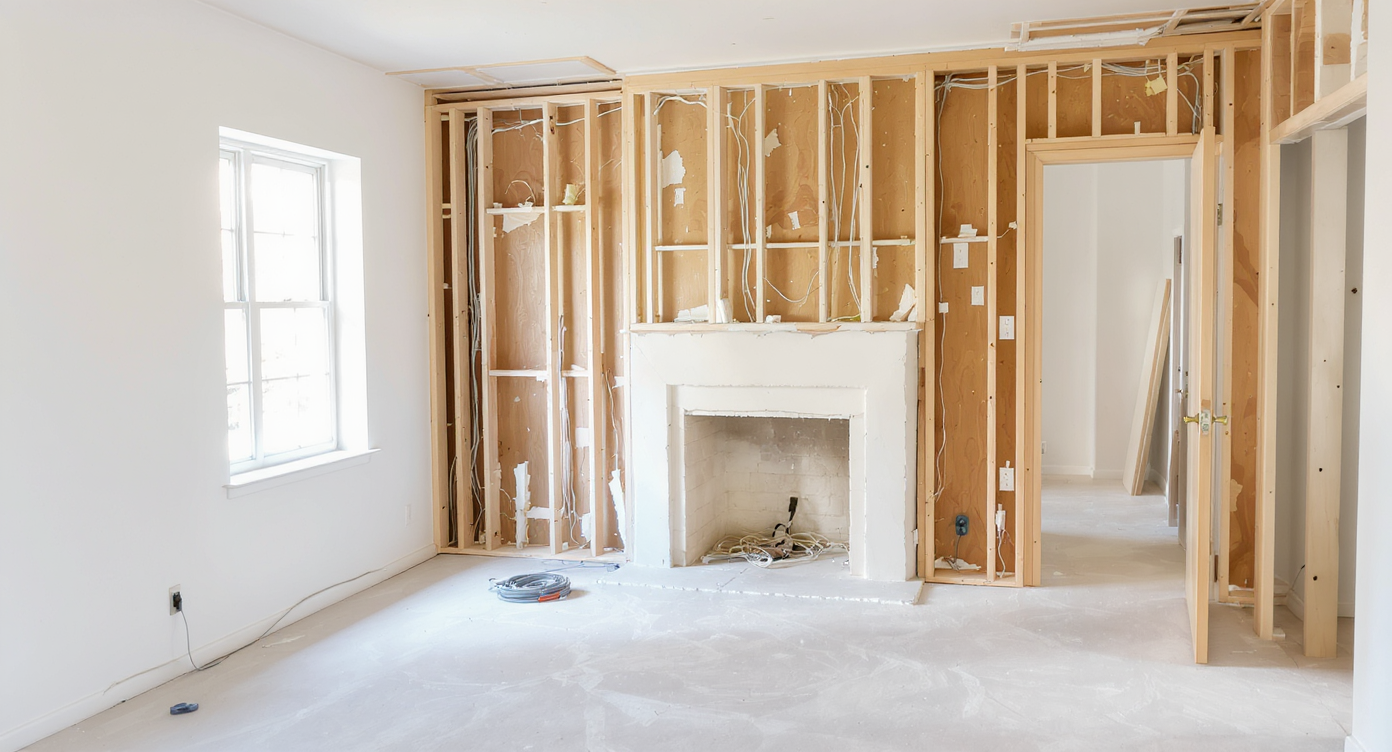
A living room under renovation, with open wall revealing wiring and insulation, and new flooring—prioritizing essential upgrades over finishes.
For designers and homeowners embarking on future renovations, the lessons here are essential. Always perform (or commission) a rigorous inspection—open up the walls, demand documentation on recent work, and look for warning signs concealed by fresh finishes. If doing your own upgrades, start with the fundamentals: address leaks, shore up flooring, and invest in robust electrical and insulation. Leave cosmetic choices and dramatic style upgrades until the basics are secured. If you plan to one day sell, make choices that stand up to inspection—not just the next buyer’s eye, but their mortgage lender’s scrutiny as well.
Incorporating these checks and balanced priorities into your planning ensures less risk, more comfort, and better financial outcomes—whatever path you choose, whether remodeling or moving on.
-
Visualization: The Crossroads Moment

A well-lit, slightly worn kitchen table with repair documents, coffee mugs, and a real estate card, overlooking a tilted porch through the window.
Picture a light-filled, slightly worn kitchen: a young couple sits at the table, spreadsheets and contractor bids splayed alongside half-empty mugs. Through the window, a lopsided porch hints at the bigger challenges beyond the door. With each phone call and every YouTube tutorial, the possibilities expand—yet so do the anxieties. Will they lean into the repairs, piecing the house back together one paycheck at a time? Or will a real estate agent’s business card, slid gently across the table, represent the door to something simpler? The crossroads is not just about the house—it’s about their next chapter, and the boundaries of what “home” really means to them.
Visualization Scenario
Envision standing in a sun-dappled living room, patchy paint quietly peeling at the corners. Quotes and spreadsheets cover the coffee table. With each conversation, you weigh the promise of a refreshed home against the effort and risk of major repair. A builder’s reassuring words or a real estate agent’s promise of a fresh start pull you in different directions. Which will you choose—the patient process of renewal, or the open road to somewhere new?
FAQ: Repairing or Selling a Problem Property
- What repairs must be completed before selling my house?
- Safety-related fixes (such as electrical hazards or major leaks) are typically impossible to ignore, as most buyers and their lenders will require proof of these repairs. Less critical issues may be left for the next owner, but must be disclosed, and will lower the sale price.
- If I choose to sell as-is, do I have to disclose known problems?
- Yes, in most states sellers are legally required to disclose all known defects. Failing to do so can risk lawsuits after the sale.
- Is it ever worth investing in full cosmetic renovations before selling?
- Sweeping cosmetic overhauls rarely return more than their cost unless your local market is unusually hot. Focus on urgent systems, curb appeal, and affordable updates that photograph well—see our review of what real estate agents say about resale renovations.
- How do I estimate the true cost of old house repairs?
- Obtain detailed line-item quotes from multiple contractors, and build in extra budget for contingencies. Our guide to budgeting a renovation provides a snapshot of key numbers and strategies for keeping costs in check.
- Where can I visualize renovation options before committing?
- Platforms like ReimagineHome.ai enable homeowners to preview changes, compare finishes, and estimate project scope confidently before making big commitments.
Moving On or Moving Forward: Choosing the Best Path For You
Ultimately, the choice between repairing and selling an old house with serious flaws isn’t just about numbers—it’s about your well-being, risk tolerance, and long-term goals. For some, fixing up is an act of reclaiming agency and value; for others, moving on offers freedom and the chance to avoid ongoing battles with bad construction. Whatever you decide, prioritize careful analysis, honest disclosure, and realistic budgeting. For AI-powered visualization or deeper planning support, ReimagineHome.ai offers tools that can help chart your next move, whether you decide to stay or sell.