How to Effectively Prevent Light Leakage Around Curtains in Your Home
TL;DR
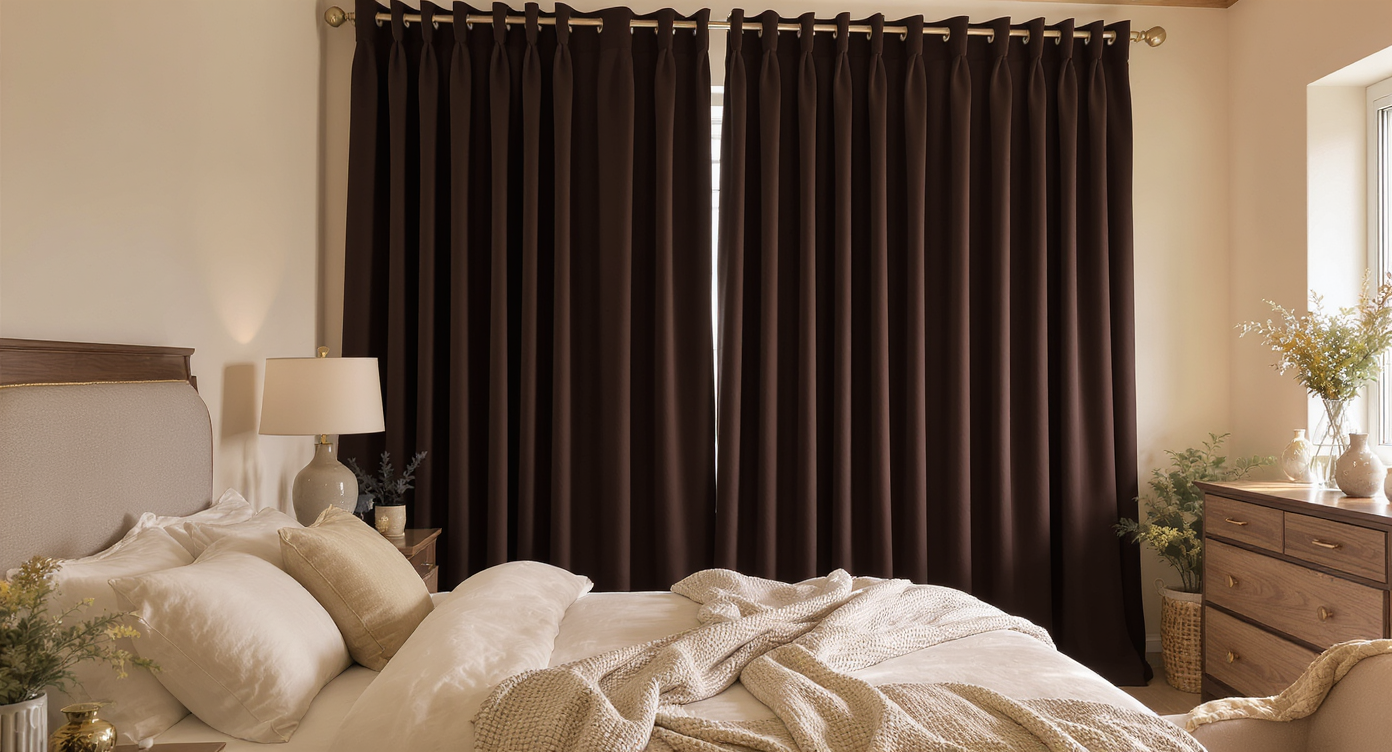
To stop light from coming through the sides and top of curtains, extend the rod beyond the frame, use a curved rod for tight fits, and consider adding a blackout lining or roller shade. Adjusting the curtain rod height and curtain size also helps in creating a seamless, dark environment.
Introduction

Properly designed curtains can transform your space, making it cozier and darker for better relaxation.
Entering a room where the curtain edges betray beams of intrusive light can be frustrating, particularly if you're longing for a restful sleep. The secret to solving this dilemma often lies not just in the curtain choice, but in how they are hung and what is layered beneath them. With the right approach, preventing light leakage through the sides and top of curtains is an attainable goal, enhancing both the function and aesthetic of the space.
-
Understanding Light Leakage: The Basics
Curtain light leakage commonly occurs around the perimeter of the curtain where improper sizing and installation create gaps. According to experts, this often stems from using a rod that’s too short or placed too low, as well as insufficiently wide panels that struggle to cover the window opening fully. This not only disrupts sleep but also diminishes the cozy ambiance a well-dressed window can offer.
Expert Insight
Recently, during an unexpected early dawn wake-up call in a dimly-lit hotel room, I realized how much curtain arrangement affects sleep. It was the combination of blackout curtains and precisely installed window treatments that maintained the dark haven, showing firsthand that small changes make a big difference.
-
How To Optimize Curtain Installation
To minimize these gaps, install a wider curtain rod that extends several inches beyond the width of your window frame. This helps the curtains cover not only the window but also some of the adjacent wall, effectively eliminating side gaps. For ceilings higher than average, consider mounting the rod closer to the ceiling to block light ingress from above.
- Choose a rod with a return or curve, which allows curtains to bend towards the wall, covering the sides.
- Consider adding a pelmet box, which is a horizontal structure that covers the top of curtains, preventing any overhead light from spilling over.
- Layering curtains with roller blinds or shades fitted within the window frame can provide an additional barrier against light.
-
Enhancing Curtain Coverage with Accessories
Various accessories can further optimize curtain function. According to design insights, layering fabrics and using curtain liners can effectively enhance blackout capabilities. Attach curtain liners or employ double-layered curtains for a robust defense against unwanted light.
- Consider blackout liners, which can be affixed to the existing curtains or the window frame itself.
- Add a strip of Velcro along the curtain edge and adjoining wall to secure edges and prevent them from moving with air drafts.
- Hit the edges of the curtain with fabric weights if you have a particularly drafty room.
-
Common Curtain Mistakes and Solutions
Understanding and fixing common mistakes can significantly improve the effectiveness of your curtains:
- Insufficient Curtain Width: Curtains should ideally be 2 to 2.5 times the width of the window. This width allows for the fabric to drape beautifully even when closed, blocking light more effectively.
- Low Rod Installation: Installing the rod too low fails to account for blackout capabilities above the window. Always aim to install at least 4-6 inches above the window frame.
- Ignoring Layering Opportunities: Not utilizing sills and frames for additional layers misses an easy blackout opportunity. Consider dual rod setups for double curtain layers or adding shades.
-
Tips & Tricks for Optimal Curtain Coverage
Experts recommend a few additional steps to ensure your curtains can keep light at bay:
- Employ wraparound curtain rods, which enable the curtains to hug the wall closely.
- Apply adhesive magnetic strips to align curtain edges more tightly against the wall frame.
- Choose opaque or thick fabrics known for their light-blocking abilities, such as velvet or heavy-duty cotton blends.
- Ensure curtains "kiss" the floor, which prevents light from leaking from underneath.
-
Visualization: Transforming Your Space
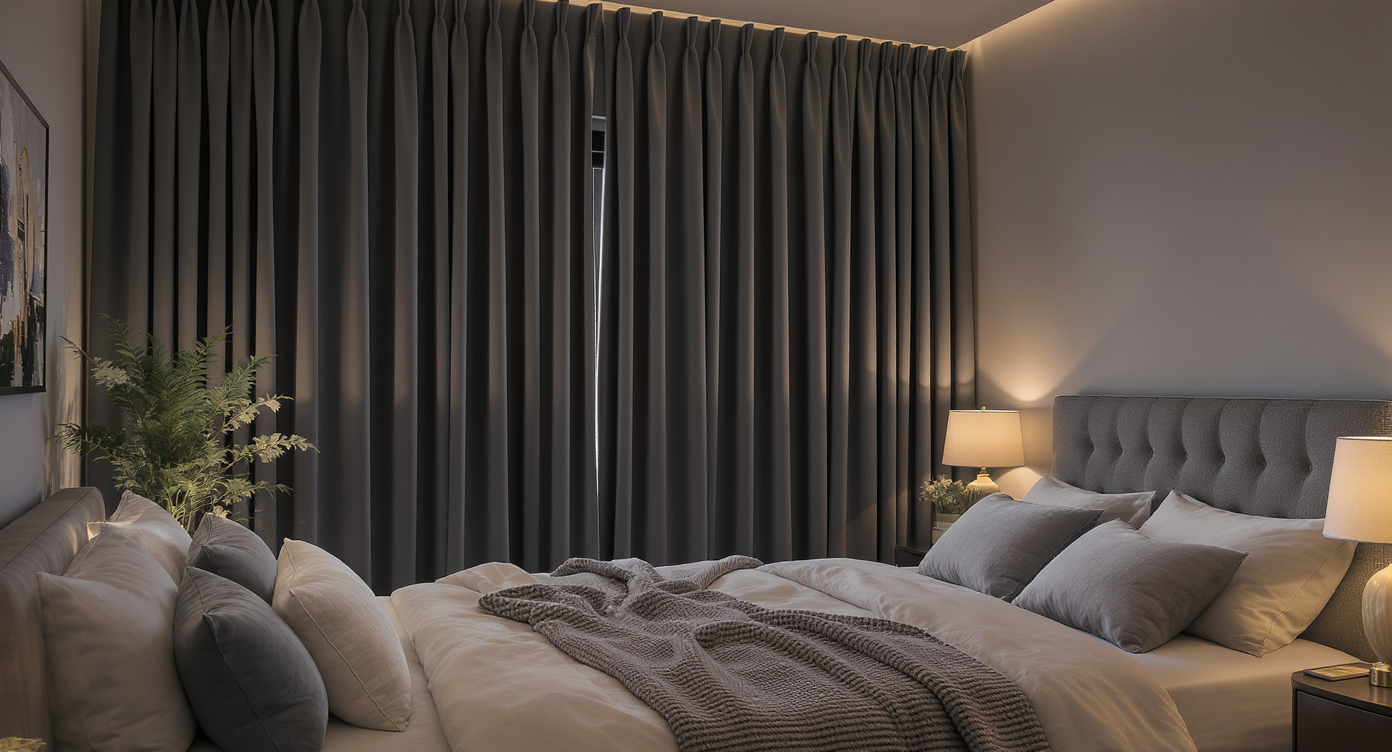
Imagine a restful space where quality curtains provide complete light block, enhancing your relaxation experience.
Imagine a serene, darkened room where no beam of light interrupts relaxation. This restful environment is possible by employing the strategies outlined. Tools like ReimagineHome.ai can help you visualize and plan your curtain arrangement, ensuring perfectly tailored solutions for your living space.
Visualization Scenario
Envision a bedroom where no beam escapes the boundaries of your window, with perfectly hung velvet drapes, high and wide curtain rods, and a touch of folded blinds for reinforcement.
FAQ
- How high should a curtain rod be installed?
Ideally, a curtain rod should be installed 4-6 inches above the window frame to block overhead light effectively. - What is the best fabric for light-blocking curtains?
Velvet, suede, and heavy cotton are excellent for blocking light due to their thickness and opacity. - Can blinds be used with curtains to block light?
Yes, installing blinds can work together with curtains to minimize light entry from around the window frame. - How do I prevent curtains from moving with drafts?
Using curtain weights or securing edges with Velcro strips can prevent movement due to drafts.
Conclusion
By addressing common issues with curtain placement and layering, you create an effective buffer against harsh light infiltration. Improvements such as choosing the right rod and employing blinds or liners set the scene for a restful, well-styled space. Utilize ReimagineHome.ai to experiment with various configurations and achieve your ideal darkened living space.