7 Editorial Takeaways for a Magical Storybook Nursery
TL;DR
A nursery inspired by storytelling can foster creativity, comfort, and family connection well beyond childhood. This guide identifies seven essential design lessons from a real-world storybook nursery project, from timeless themes and personal details to functional safety and future flexibility.
Why a Storybook Nursery Resonates Beyond Childhood
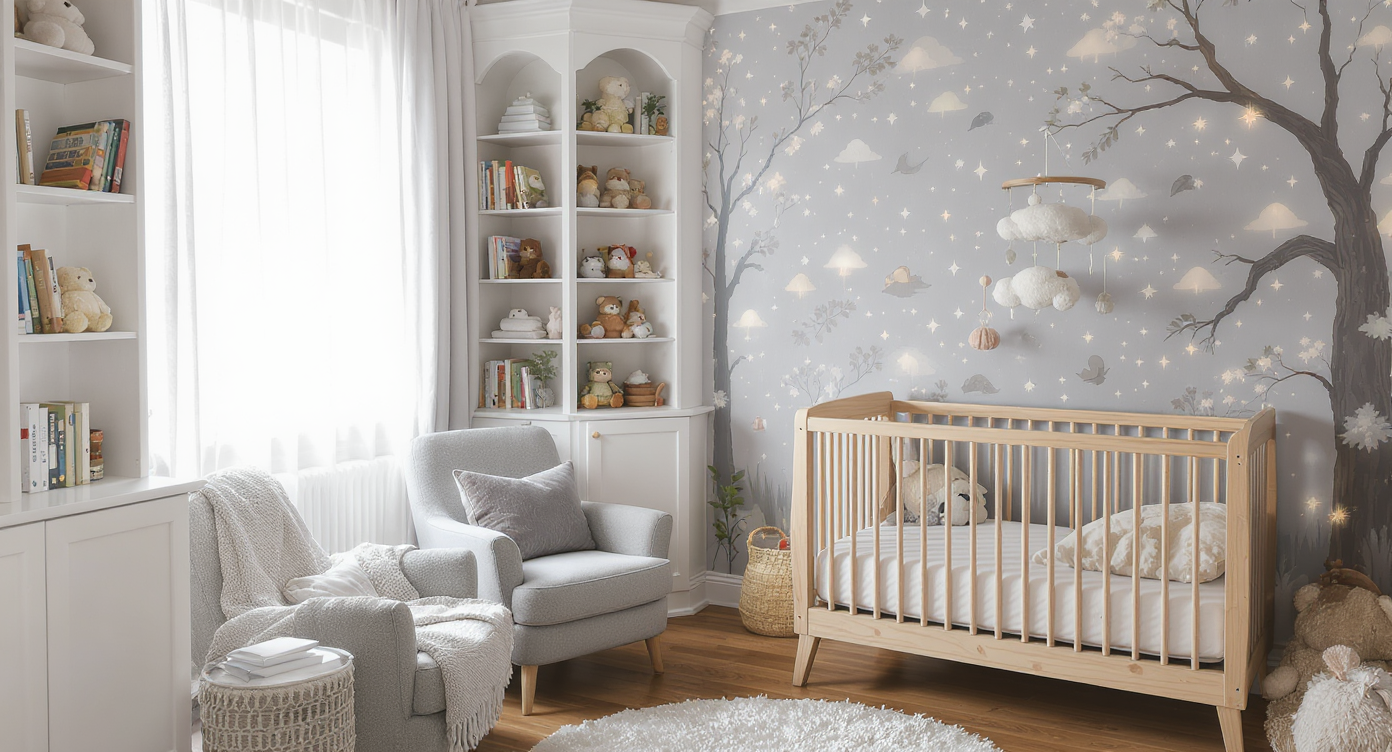
A naturally lit nursery blends storybook themes and thoughtful design, prioritizing comfort and imagination for both parents and child.
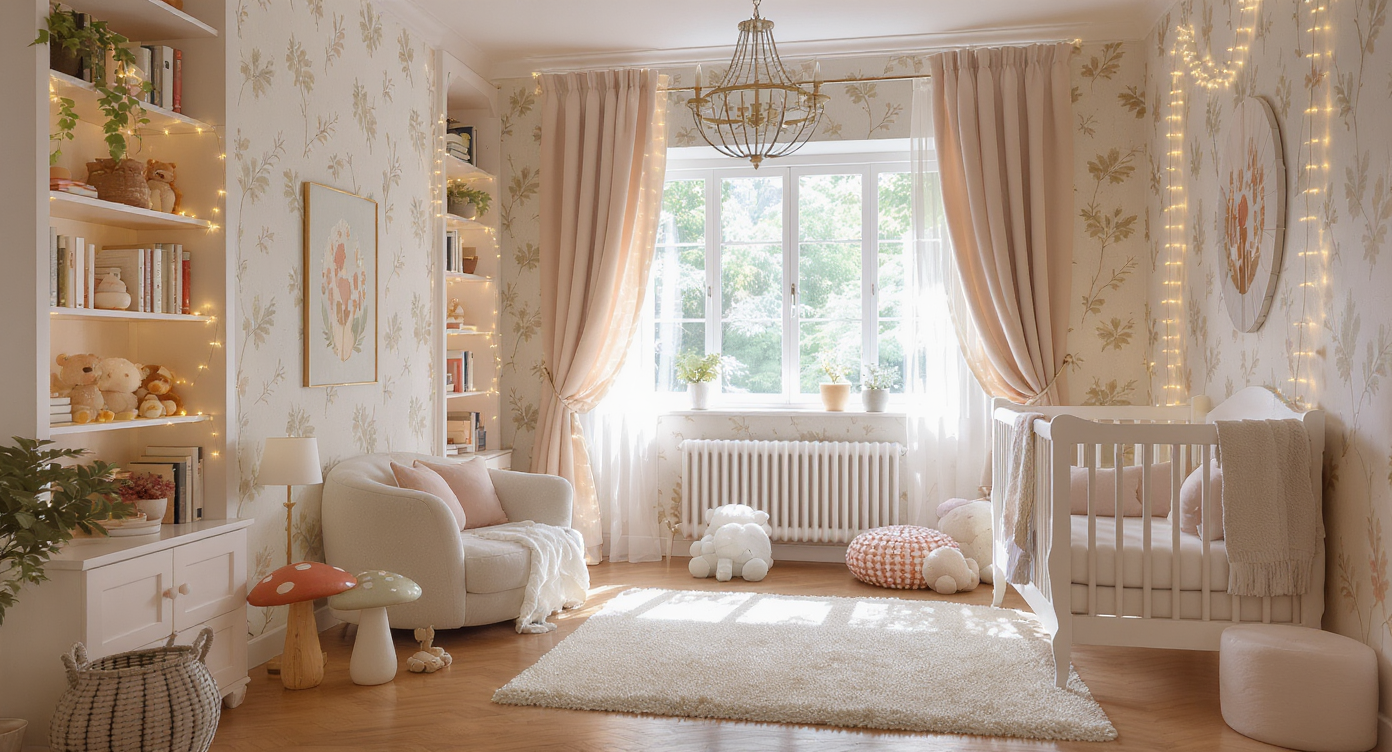
Designing a nursery goes beyond picking a color scheme or theme—it is about shaping a nurturing environment that supports a child’s development and reflects family identity. For parents with a shared passion for literature or fantasy, a storybook nursery becomes an immersive backdrop not only for bedtime routines but also for lasting family memories. Recent remodel projects in children spaces demonstrate that the choices parents make set a tone for comfort and joy, often placing as much emphasis on their own well-being as on their child’s needs. Investing in a thoughtfully designed nursery pays dividends in soothing both adults and infants, and it sets the stage for evolution as children grow and claim their space for themselves. Let’s break down the design approaches that transform a nursery into a lived-in story.
-
1. Anchor the Room with a Memorable Motif
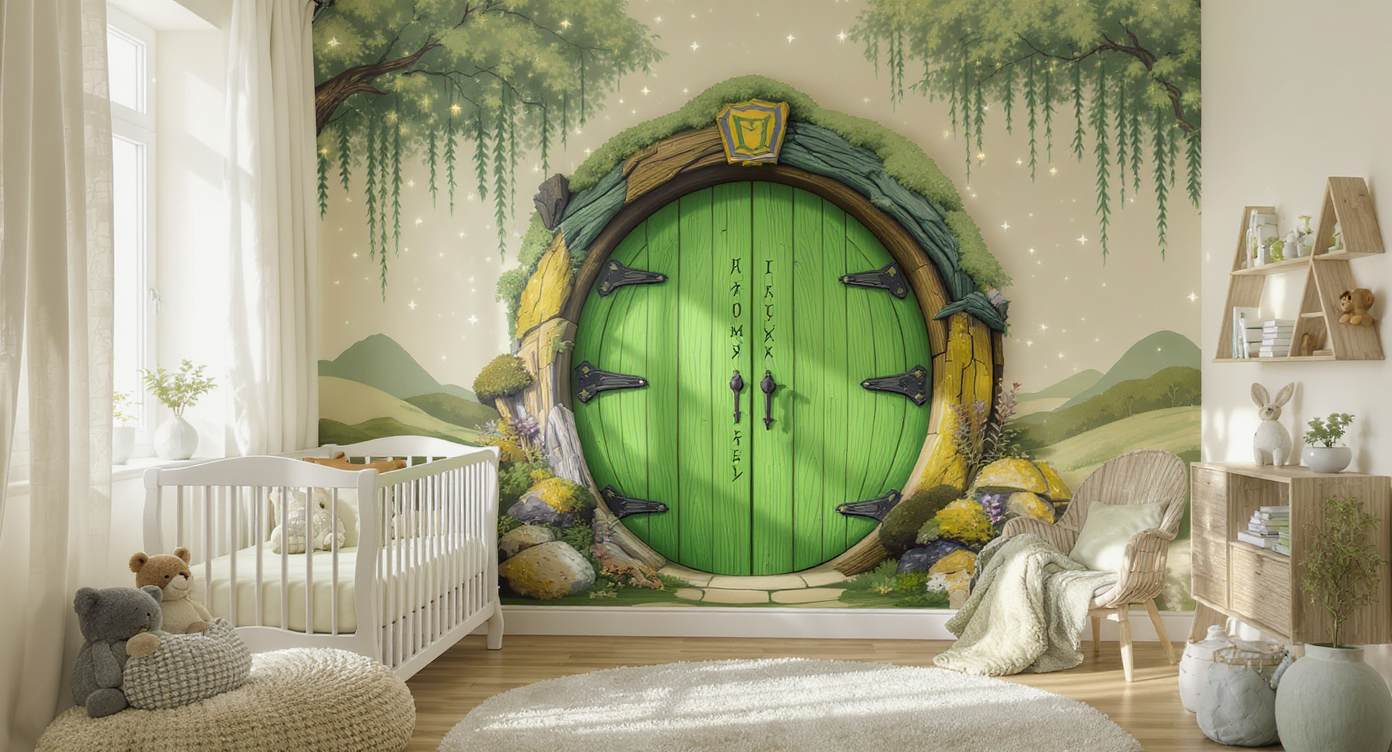
A round green hobbit door mural anchors this nursery, uniting natural woods and soft greens for a storybook-inspired, cohesive atmosphere.
Choosing a distinctive theme—whether drawn from Tolkien or another beloved narrative—provides a sense of magic and intention from day one. Design professionals often recommend selecting one central visual element, such as a round green “hobbit door” mural or a hand-painted landscape. This device not only delights visitors but also functions as an organizing principle, making decisions about colors and furnishings more cohesive. A thoughtfully executed motif brings continuity, which is a tip offered in affordable decorator guides such as our discussion of a tight color palette and unifying elements in the Southern Living Idea House.
-
2. Design with Every User in Mind
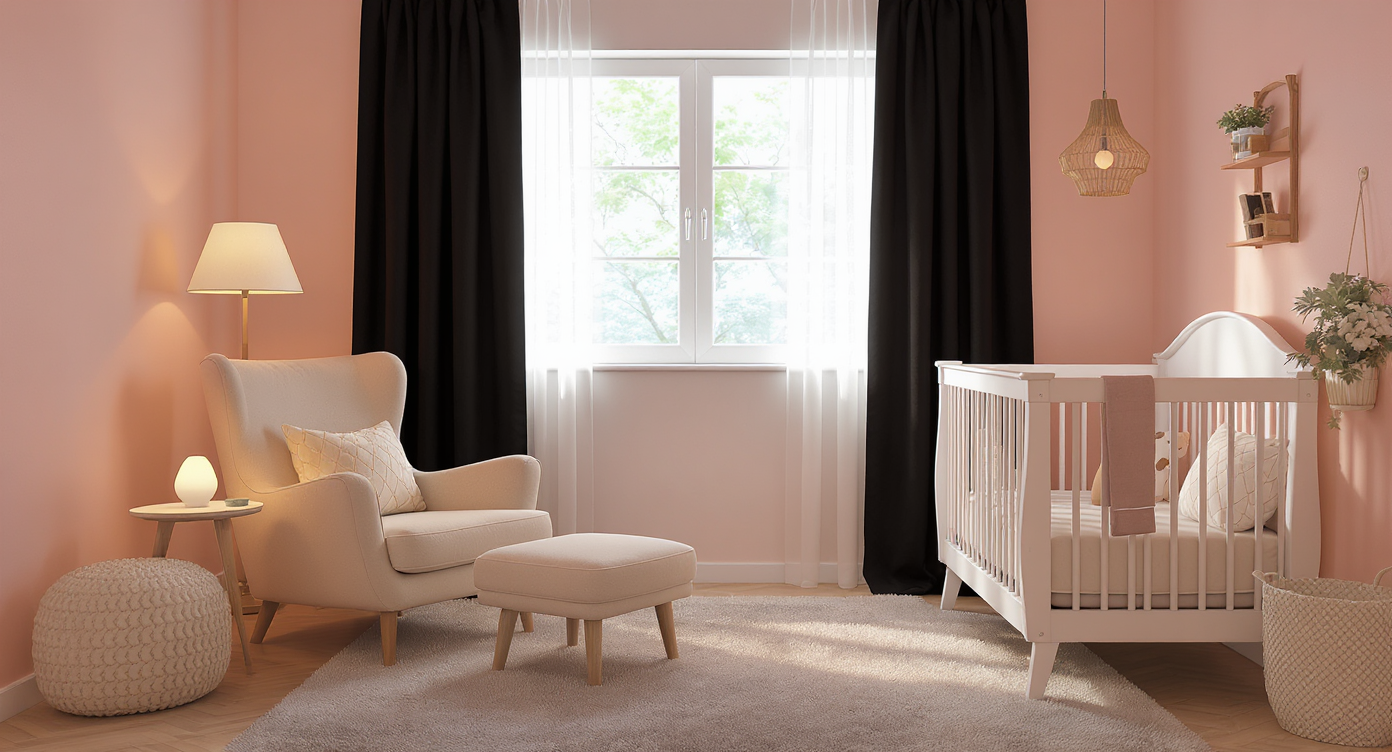
A real-world nursery arranged for both baby and caregiver comfort, featuring a supportive chair, blackout curtains, and soothing colors.
It is easy to view all bedroom concepts for children through the lens of fun or whimsy. In reality, parents spend countless hours in the space, so comfort is essential for everyone. Practical items like supportive chairs for late-night feedings, blackout curtains for flexible nap times, and calming color schemes can lower stress and make routines more inviting. Designers frequently note that nurseries are as much for the caregivers as the child, a philosophy echoed in the focus on parent-friendly layouts found in modern remodel projects.
-
3. Build Family Story Into the Decor
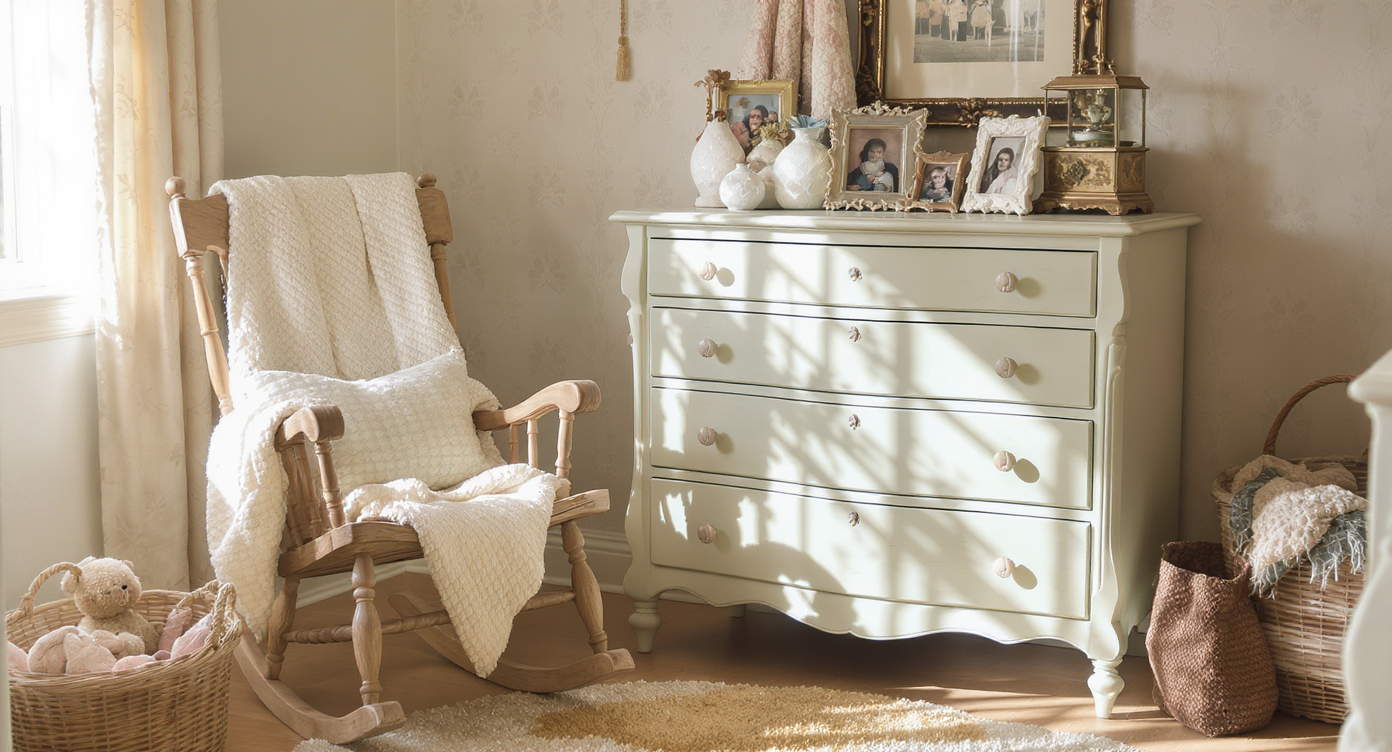
Heirlooms and upcycled furniture add authentic family history to a nursery, blending personal memorabilia with comfortable design.
A storybook nursery is most impactful when layered with family history. Incorporate heirlooms, hand-me-downs, or DIY touches—a hand-carved rocking chair or upcycled dresser add an authentic, lived-in feel. Professionals observe that bringing in vintage accents or personal memorabilia gives a room a sense of continuity, as discussed in our exploration of using antiques in modern home decor. This approach helps balance fantasy with family roots, providing touchstones as the child’s tastes change.
-
4. Prioritize Safety with Style
Creating a fantasy-inspired children space means considering safety at every turn. Securing lamp cords, anchoring tall furniture, and repositioning rocking chairs as mobility increases are best practices recommended by both designers and safety experts. For multipurpose rooms such as nurseries that evolve into guest spaces, visualizing the safest and most functional layout can be streamlined using tools like REimagineHome.ai, as seen in our step-by-step nursery design guide. These strategic tweaks allow creative flair without sacrificing peace of mind.
-
5. Invest in Adaptable Foundations
Children’s interests inevitably shift, so nursery elements should adapt as your child grows. Select furnishings and fixtures that transition easily—from convertible cribs to repaintable murals and modular storage. For instance, as described in the original project, a crib was eventually swapped for a child’s bed with the same finish, and themed details like princess decor were layered in later. This flexibility echoes the advice in affordable decorating guides to select investments that stand up to the transitions inherent in remodel projects.
-
6. Delight in Unexpected Details
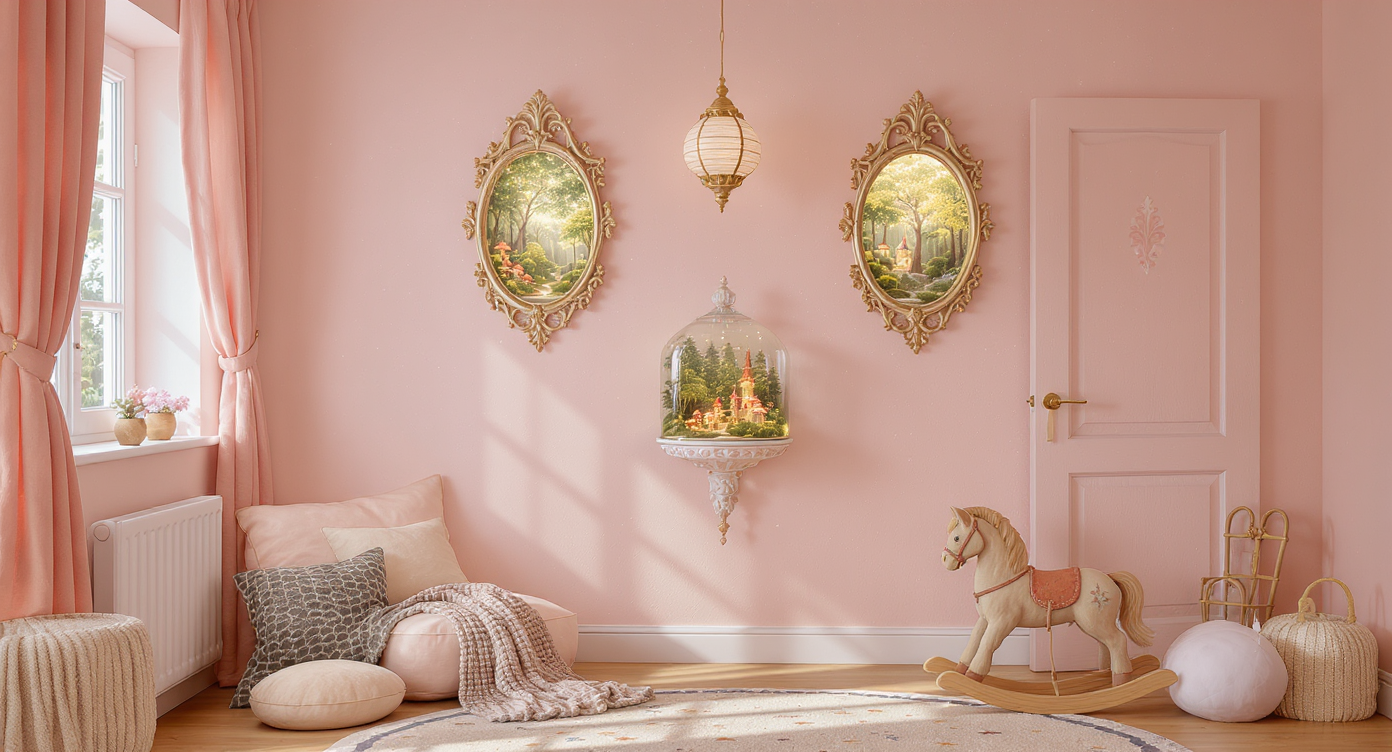
Editorial nursery design: faux peepholes, whimsical diorama, custom doorknob, and painted trim create moments of playful discovery.
Playful features, such as faux peepholes that evoke secret worlds or small scale dioramas, give a nursery a spark of discovery. As designers often note, these details prompt storytelling and foster imagination. Adding anchors opposite strong focal points helps balance the space visually—an idea mirrored in the advice of seasoned interior pros. Even a simple detail like a unique doorknob or painted window trim can support the narrative without overwhelming the room.
-
7. Blend Whimsy with Everyday Functionality
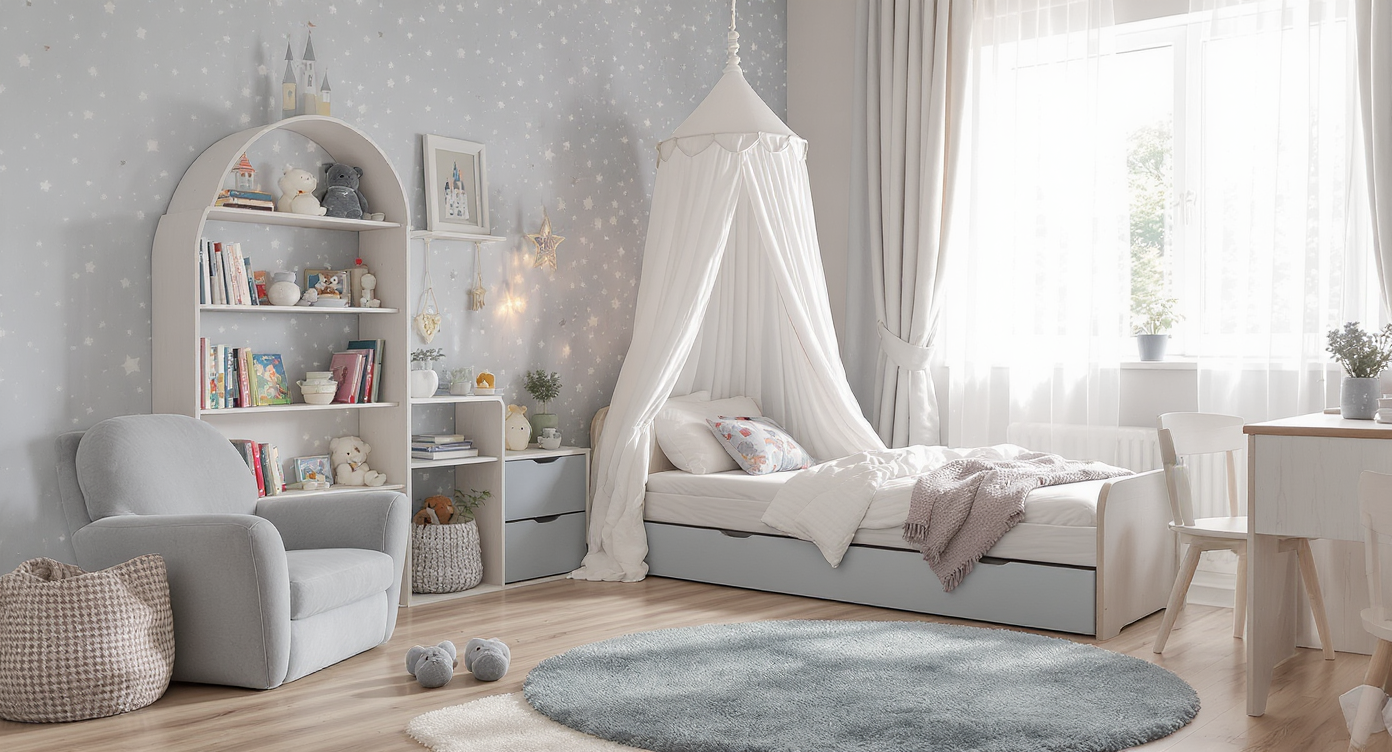
A storybook nursery blends whimsical décor with practical, accessible storage and multifunctional furniture for everyday use.
The right storybook nursery straddles fantasy and function. Make sure decorative features coexist with storage solutions and routines. For example, place shelving for favorite books where children can reach them as they grow, or select washable fabrics that endure daily wear. Multifunctionality is especially valuable in shared or adaptable children spaces, a challenge tackled in designs that double as guest rooms. Tools for visualizing changes in layout and finish—such as REimagineHome.ai—help families preview choices before committing, ensuring playful details work seamlessly with real life.
Frequently Asked Questions About Storybook Nurseries
Absolutely. Effective use of paint, creative DIYs, and repurposed furniture are highlighted in our guide to affordable decorator tricks for high-impact style on a budget.
Is it possible to change the theme as children grow?
Yes. Adaptable furnishings and removable decorative elements let you shift focus as a child’s preferences change, a principle covered throughout our discussion of remodel projects and flexible design planning.
How do you ensure a nursery is safe but still creative?
Follow best practices such as securing cords, anchoring furniture, and visually testing layout options using REimagineHome.ai to combine playful design with peace of mind.
What are smart ways to incorporate family history?
Personal memorabilia or gently used antiques lend rooms a sense of story, as we detail in our advice for blending antiques with modern style.
How can a nursery double as a guest room?
Plan with furniture and layout flexibility in mind. For proven approaches, see our full guide on shared nursery and guest room spaces.
Key Lessons for All-Ages Fantasy-Inspired Rooms
A well-designed storybook nursery leaves space for growth, family traditions, and delight. The most successful children spaces balance enduring decorative decisions with adaptable foundations and age-appropriate safety, all while capturing a sense of wonder. Drawing on thoughtful planning and inspiration from platforms like REimagineHome.ai, families can create meaningful environments that evolve as their child does.