9 Lessons the Last 20 Years Teach Us About Real Estate Dynamics
TL;DR
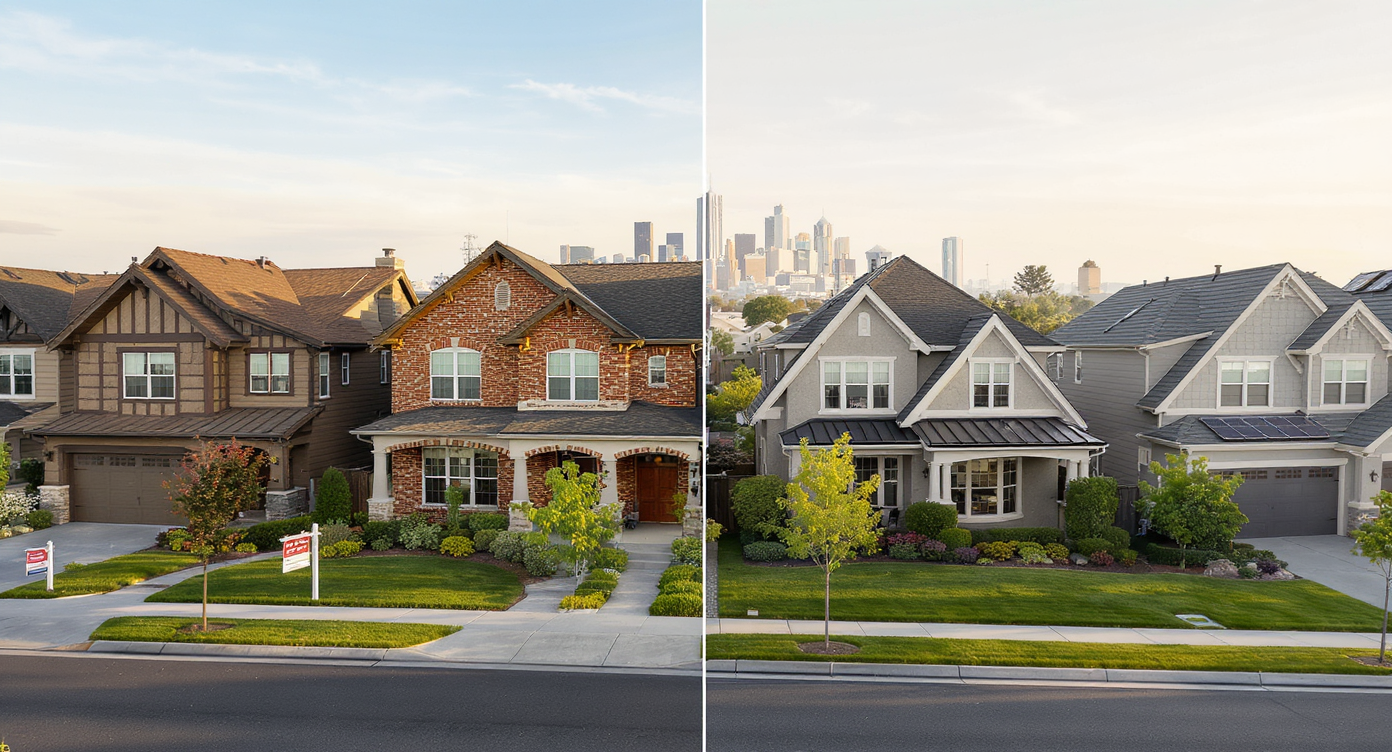
America’s real estate market has changed dramatically over the past two decades, with recurring cycles of boom and bust, shifting affordability, and evolving buyer behaviors. Understanding these patterns sheds light on today’s complex housing landscape and helps buyers and sellers make more informed decisions. Many familiar challenges, such as inventory shortages and affordability crises, continue to echo through time.
How the Past Twenty Years Redefined Real Estate
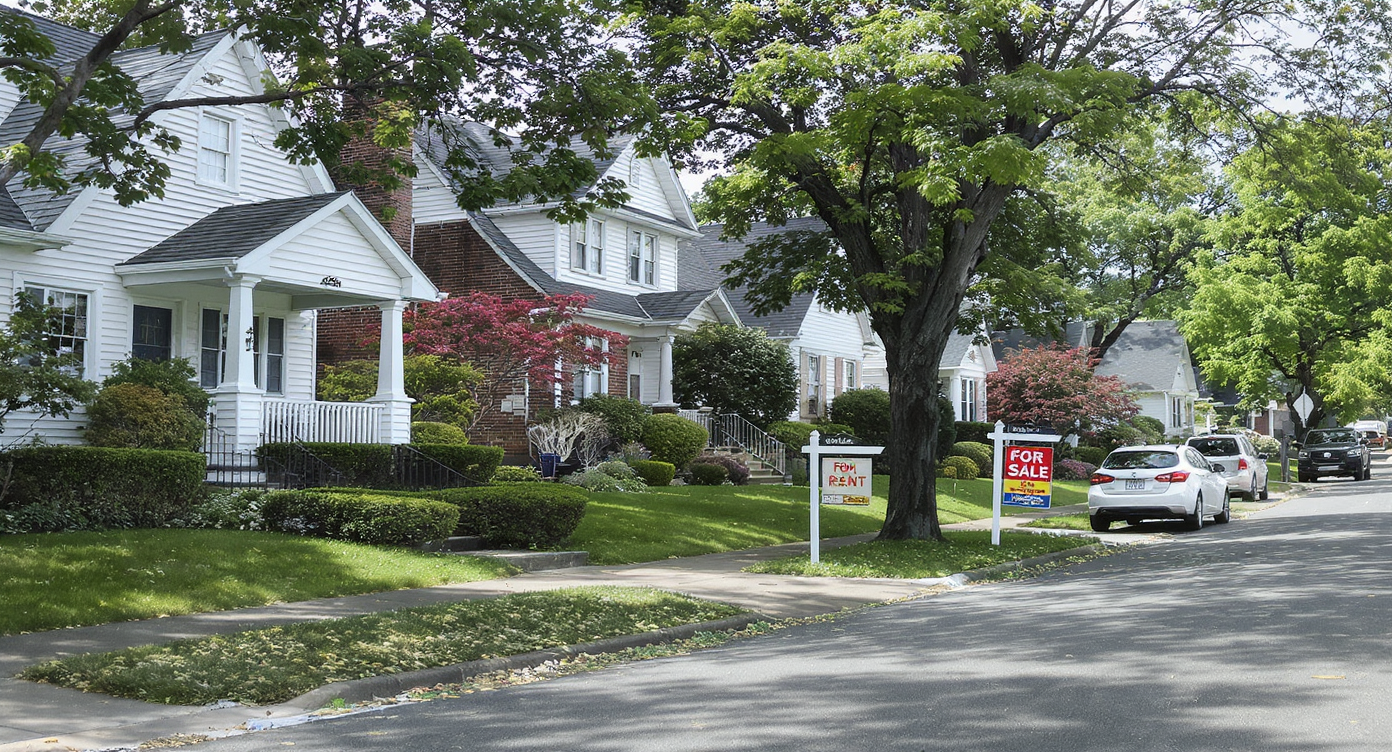
Two decades of American housing visible on a single street: shifting fortunes, evolving infrastructure, and real estate signs past and present.
Looking back on the past twenty years of American real estate reveals much more than simple price appreciation. This era has been marked by both wild volatility and quieter corrections, overlapping with profound transitions in policy, technology, and social attitudes toward home ownership. It has challenged long-held assumptions about what drives housing markets and for whom the system works. For buyers, sellers, renters, and industry professionals, these dynamics matter. The echoes of past bubbles and busts continue to inform today’s choices as affordability crises and speculative trends surge and recede. By extracting key lessons from these cycles, we gain better context for current headlines, identify persistent structural bottlenecks, and perhaps create more resilient strategies for the years ahead.
-
1. Public Policy Shapes Cycles—Sometimes Repeating History

A contemporary living room staged with real policy documents and real estate objects, representing cycles of government intervention in housing.
Direct government intervention has defined pivotal moments in real estate, only for history to repeat itself. Early 2000s policy moves, like downpayment grants and the expansion of subprime lending, set the stage for the housing bubble and subsequent crash. As was seen in 2004, government initiatives were designed to boost homeownership, sometimes overriding prudent lending criteria. More recently, pandemic-era stimulus and rate cuts produced a similar surge in demand. Each episode underscored that aggressive monetary stimulus can stoke rapid price appreciation, followed by sharp corrections once the market attempts to normalize. These parallels are not lost on observers who, after witnessing both eras, recognize the risks and long-term consequences when short-term affordability takes precedent over structural balance.
-
2. Supply Shortages and High Demand Outlast Policy Fixes
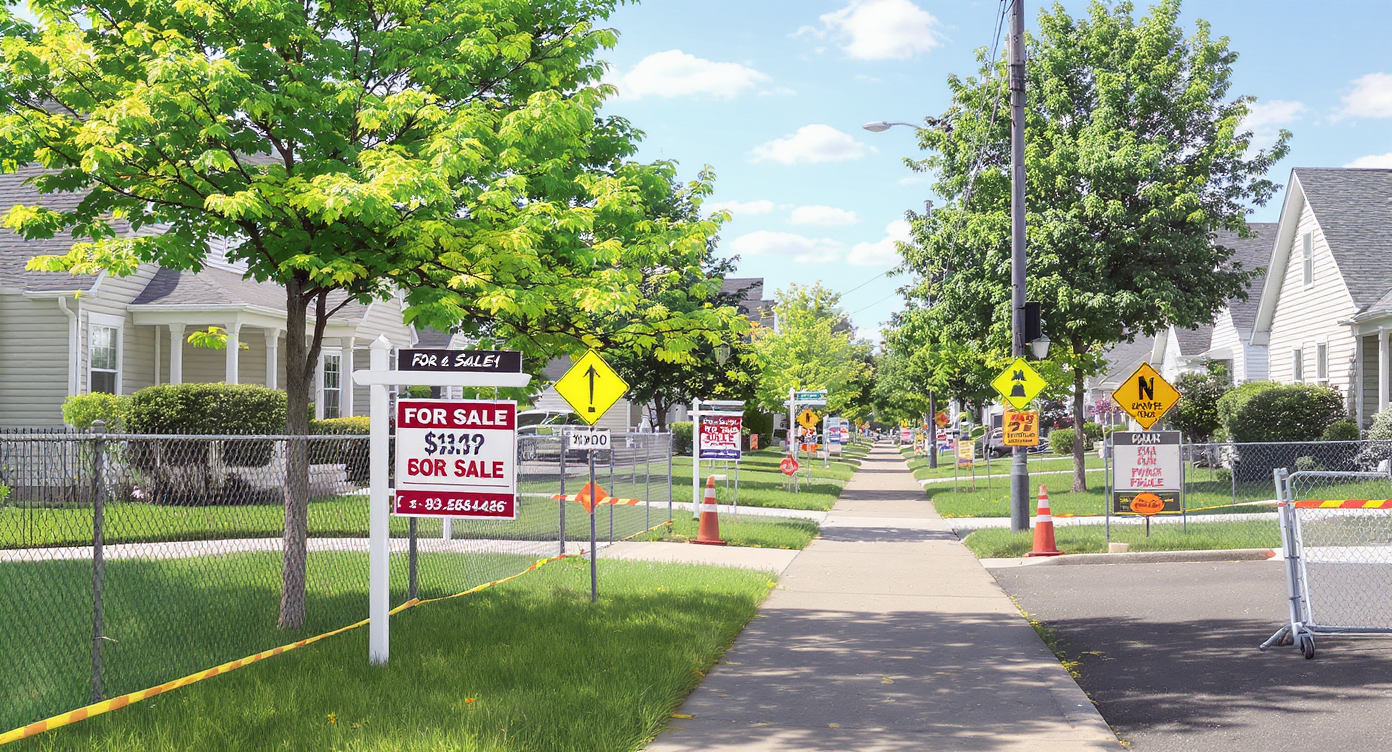
Suburban street with few completed houses, empty lots, and visible signs of limited housing inventory and paused construction activity.
Over the past two decades, inventory shortages have persisted nationwide despite numerous policy efforts aimed at closing the gap. From the post-2008 recovery to the pandemic-fueled buying spree, slow construction and regional land-use rules constrained available homes. This contributed to competitive bid environments, with buyers frequently facing over-asking offers and pressured timelines. As explored in our analysis of the 2026 housing market forecast, inventory levels remain a primary force determining leverage between buyers and sellers—with supply gaps still reinforcing many affordability challenges.
-
3. Speculation Drives Both Booms and Bubbles
Market psychology has become an undeniable force, sometimes intensifying real estate volatility. Prior to 2007, widespread belief in ever-increasing home prices fueled buying frenzies, with many assuming quick profits and perpetual appreciation. These speculative cycles contributed to both the Great Recession and, later on, the post-pandemic price run-up. As noted in historic analyses, speculative buying often transitions localized activity into a national phenomenon, amplifying boom-and-bust outcomes. This dynamic challenges the idea of real estate as a safe and steady investment, highlighting the role of consumer sentiment and FOMO in driving valuation detachment from fundamentals.
-
4. The Affordability Crisis Is No Longer a Regional Exception
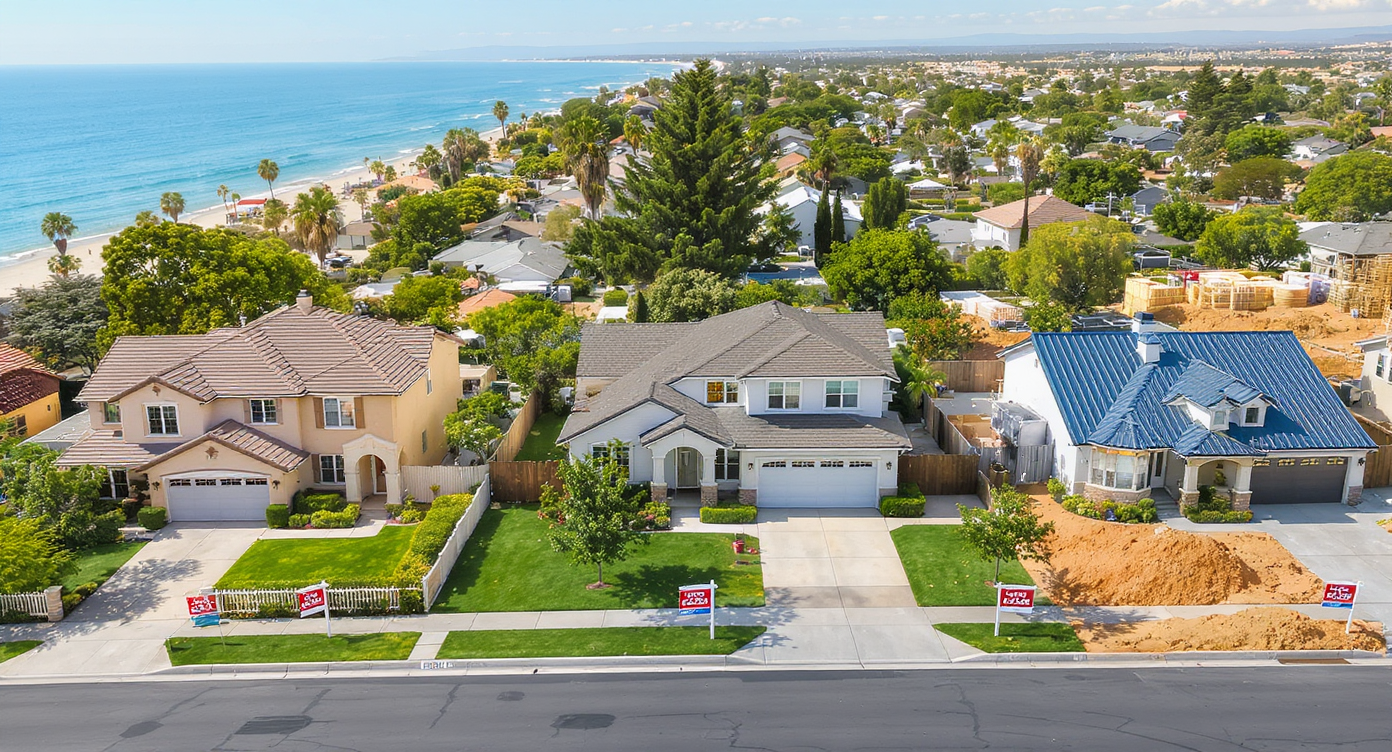
Aerial image juxtaposing coastal, suburban, and rural neighborhoods, each now displaying high-priced mls signage and evidence of new development.
Historically, steep price increases were a feature of select coastal or glamour markets. Over the last twenty years, however, affordability challenges have spread across mid-size and even rural markets, partly due to technological change and work-from-home flexibility. As regions perceived as affordable became targets for migration, those same communities experienced rapid valuation jumps and ultimately faced their own shortages. Reports consistently show that as buyers search for affordable design and housing, the rising tide of national demand follows close behind, outpacing supply almost everywhere. For a deep dive into how affordability pressures have changed generational expectations, see our examination of Gen Z’s homebuying reality.
-
5. The Investor Shift Alters Who Benefits From Appreciation
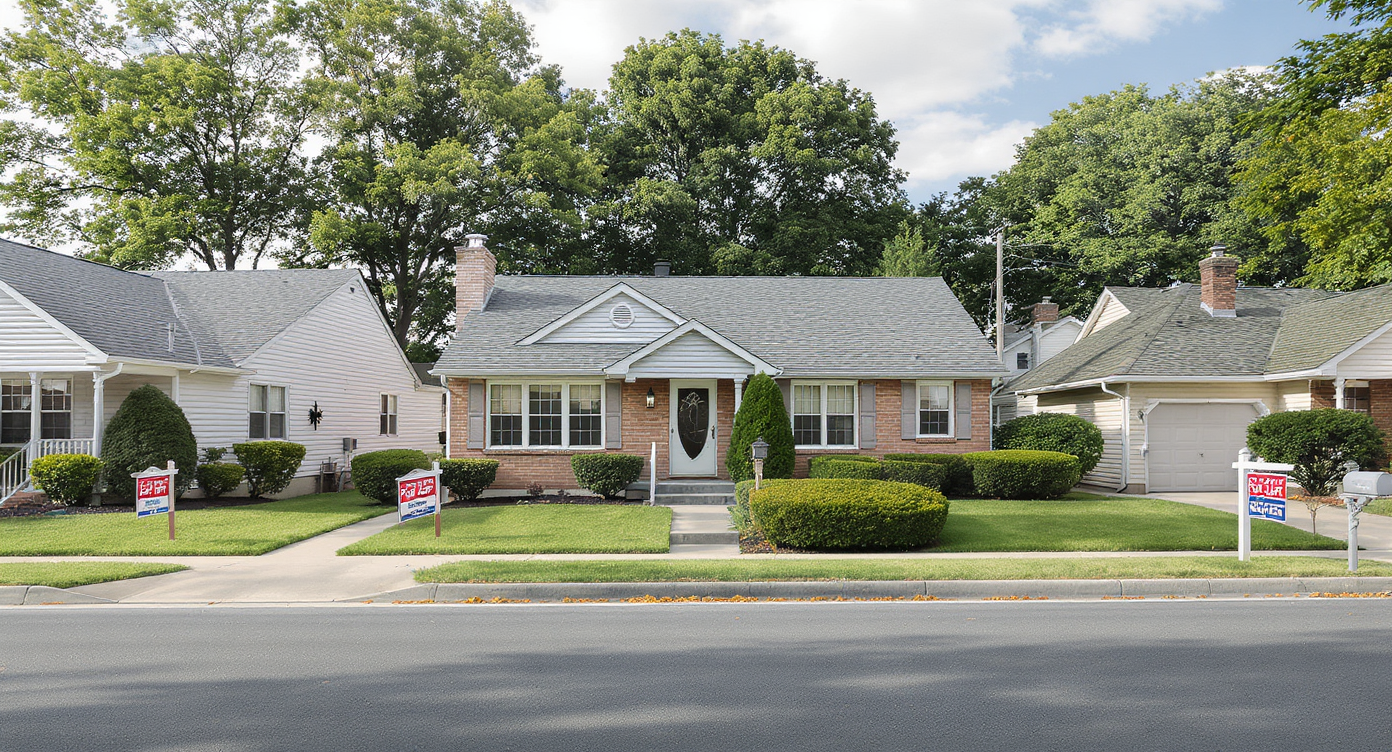
Many single-family homes in a neighborhood now display matching 'For Rent' signs, reflecting the growing role of large-scale investors.
A marked trend over the past two decades is the outsized influence of institutional investors and rental companies. While some regions have always attracted investor interest, the scale has shifted dramatically, particularly since the financial crisis. Large rental operators and private equity groups have purchased significant portions of single-family housing, narrowing opportunities for individual buyers and contributing to persistent upward pressure on rents and prices. This pattern is examined in detail within our article on market imbalances and investor impacts. In practice, this means appreciation increasingly accrues to portfolios rather than families, echoing wider debates about housing’s function as shelter versus asset.
-
6. “Starter Homes” Fade, Pushing Buyers to New Strategies
Once considered a rite of passage, the “starter home” is now a rarity in many markets, due in part to stagnant wage growth combined with persistently high land and building costs. Many first-time buyers confront a choice between stretching finances to make a purchase or remaining in expensive rentals. As a result, multi-generational living, co-buying with friends or family, and strategies reliant on creative or affordable design have become increasingly common. For many, working with tools like REimagineHome.ai is a practical solution for testing remodel projects and maximizing the value and utility of smaller or older homes when typical options fall short.
-
7. Remote Work Redraws the Real Estate Map
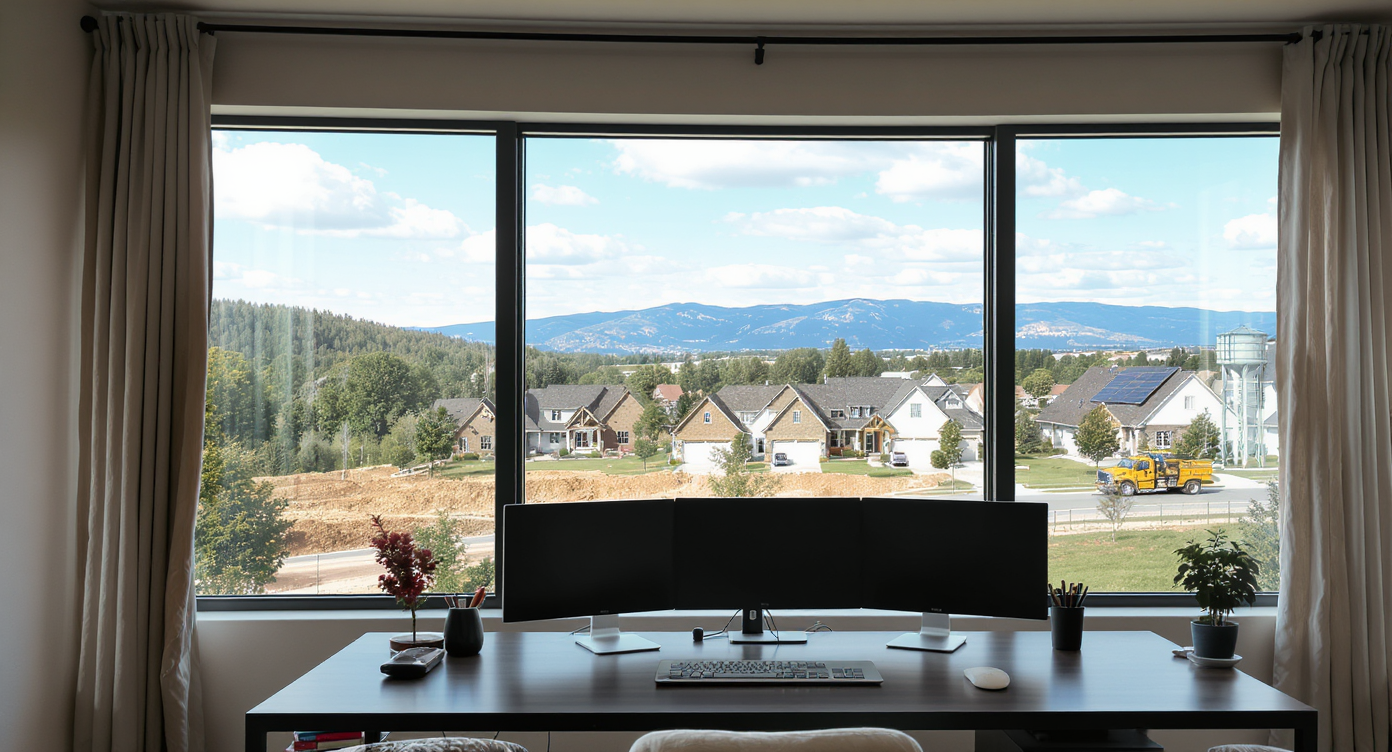
Remote work boosts demand in expanding regions—shown by a suburban home office overlooking new builds and improved utilities.
Flexible work has been a transformative force, enabling buyers to look beyond traditional job centers to prioritize space, affordability, or lifestyle. As telecommuting became mainstream, demand surged in previously overlooked regions, from mountain towns to modest suburbs. The result has been a ripple effect on pricing well beyond the classic high-cost urban cores. However, local infrastructure and resource constraints—such as water access in western states—now factor more heavily in long-term planning for both buyers and builders. Adaptive remote work trends suggest future housing demand will remain unpredictable, underscoring the need to balance desirability with sustainability.
-
8. Real Returns on Housing Are Modest Over the Long Haul
Despite popular belief, real estate does not guarantee rapid or outsized returns over time. After adjusting for inflation, periods of dramatic growth are often balanced out by lengthy stretches of flat or declining real prices. Research shows that long-term annual returns have trailed behind stock market averages, and the majority of so-called profits often stem from leverage or lucky timing rather than underlying appreciation. The reality is that homeownership acts as a hedge against rising rents and can serve as a forced savings plan, but should not be confused with a high-yield investment. Costly maintenance, taxes, and remodel projects easily erode gains, a reality that became clear for homeowners after the 2008 bust and again in the recent cycle.
-
9. Housing Market Forecasts Change—Vigilance Always Matters

A contemporary home office workspace dedicated to tracking real estate market forecasts, adaptable strategy notes, and current U.S. housing trends.
Perhaps the most enduring lesson is that market conditions, narratives, and the underlying drivers behind home values are always evolving. Long-held assumptions about perpetual growth or sudden crashes rarely hold true across every cycle. As outlined in our multi-year housing outlook, experts now forecast a period of modest, steady gains with elevated rates and strong rental demand. While past cycles empower us to spot early signs of imbalance, each new chapter is shaped by unique forces—from demographics to technology to geopolitics—requiring that buyers, sellers, and renters always adapt their strategies.
Frequently Asked Questions
Government policy, credit expansion, shifts in household formation, and technological changes like remote work have driven recurring cycles of boom and bust. These factors often overlap and reinforce one another.
Why are starter homes disappearing from many markets?
Rising land and construction costs, limited available inventory, and outsized demand from both investors and move-up buyers have shrunk the supply of entry-level homes, especially in growing regions.
How significant is investor activity in current real estate markets?
Institutional investors have become a major force, especially after the financial crisis. Their purchases drive up prices and rents, as detailed in discussions of market imbalances.
Is homeownership still a good way to build wealth?
Homeownership can serve as a hedge against rent inflation and enforce long-term savings discipline, but real after-inflation returns are often modest. Using planning resources like REimagineHome.ai can help clarify potential value.
How can buyers and renters use past cycles to make better decisions?
By understanding that cycles are the norm and that hype-driven markets rarely last, buyers and renters can focus on affordability, flexibility, and long-term planning rather than speculation.
Synthesis: Informed Decisions for a Shifting Housing Landscape
A review of the past twenty years proves that cycles of exuberance and correction are inherent in American real estate, but the specifics never line up exactly the same way twice. As policies change, new technologies emerge, and demographic shifts compound affordability pressures, there is no one-size-fits-all roadmap. What remains essential for everyone—buyers, renters, and investors—is a critical, context-driven approach. Leveraging tools like REimagineHome.ai can help households evaluate their choices with both history and future trends in mind.