Understanding Dog-Friendly Landscaping Before You Decide
TL;DR
Creating a dog-friendly landscape involves understanding your dog's instincts alongside practical landscaping solutions. Choices like mulch over rocks, strategic planting, or using outdoor structures can offer both visual appeal and function. Combining these solutions with consistent dog training ensures a harmonious backyard environment.
Dog-Friendly Landscaping Challenges
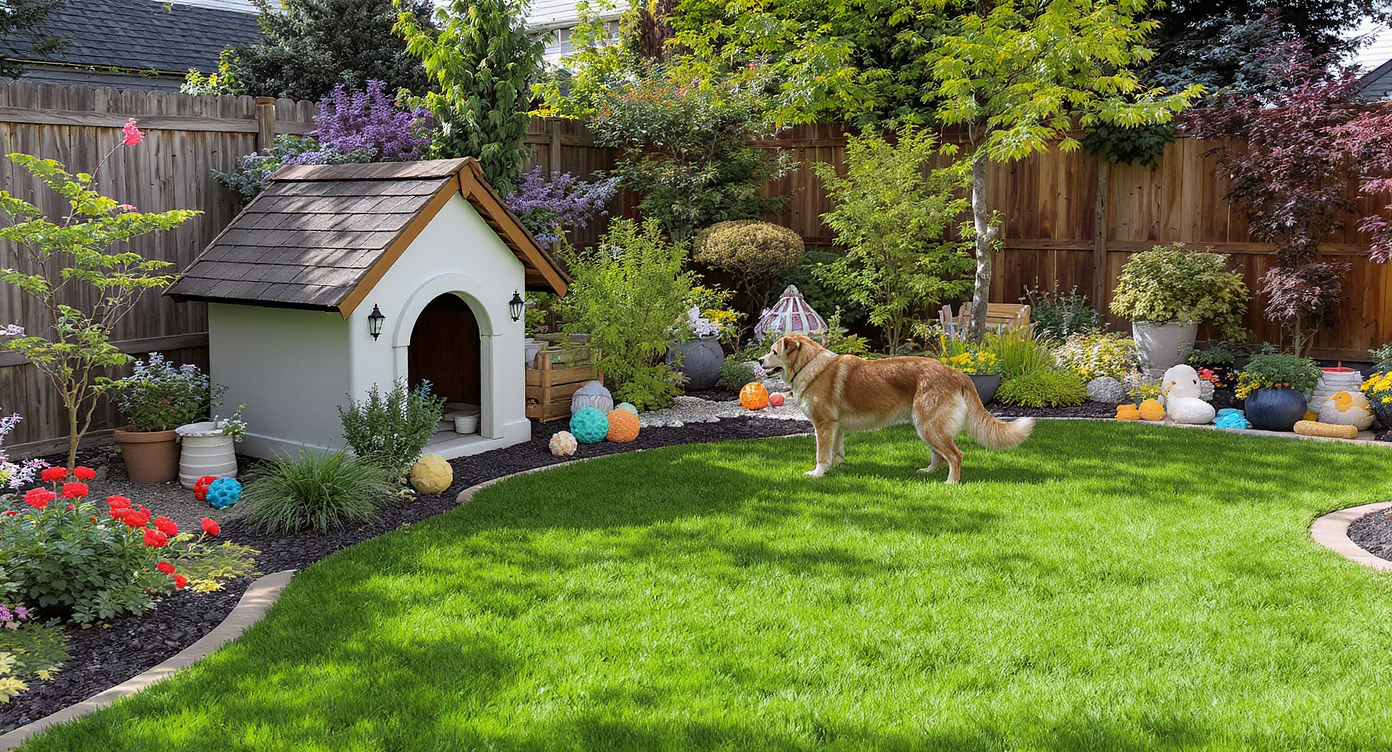
Creating a functional space for your pet while still embracing beautiful landscaping is key to a dog-friendly yard.
Transforming a yard where a large dog has free rein can feel like an uphill battle — especially when your canine will run, dig, or skid into fences, creating a muddy wasteland of a once-green lawn. Guardian breed dogs, like the beloved Pyrenees, are known for their protective yet energetic nature, and without the right landscape, these natural behaviors often lead to unintended yard chaos. Navigating the dual goal of maintaining curb appeal while accommodating your pet's instincts requires a blend of practical landscaping and training strategies.
-
Blending Function and Aesthetics in Pet-Friendly Landscaping
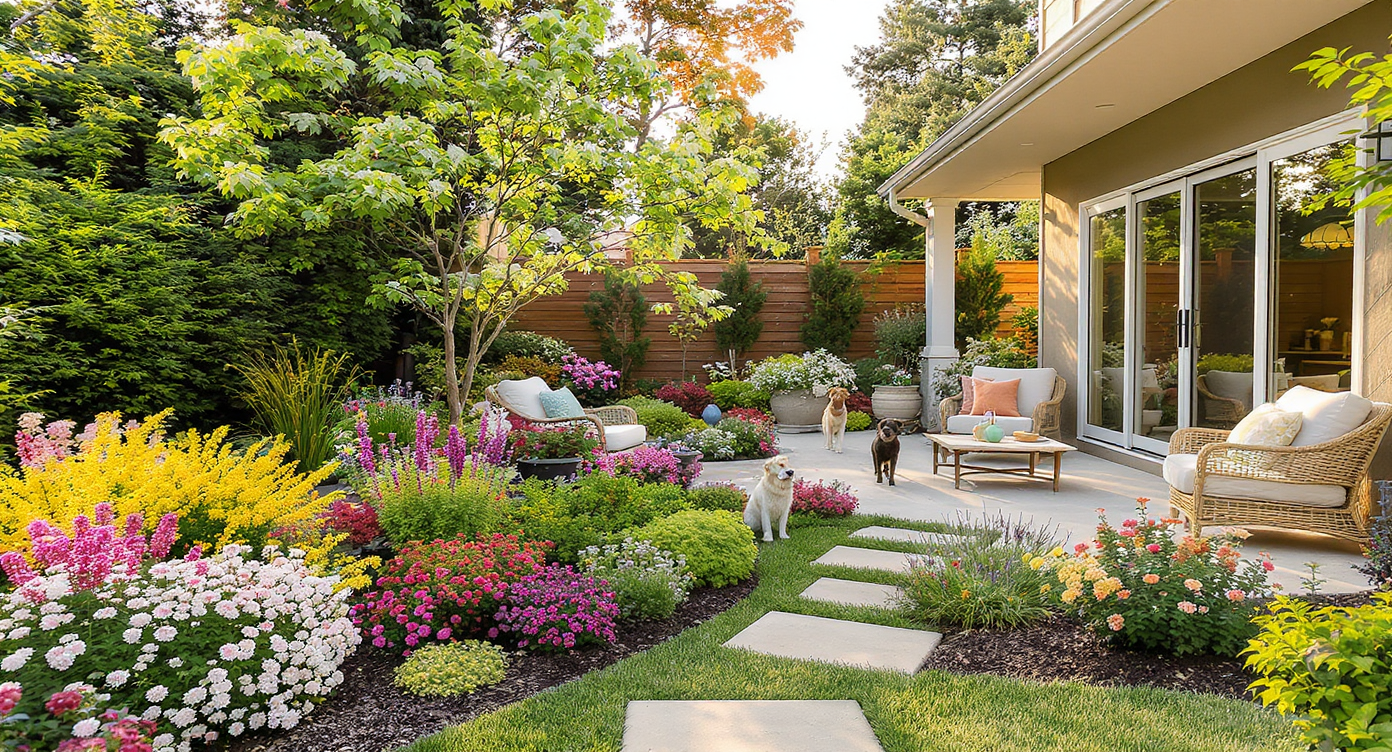
Blend function with beauty in your landscaping to create a welcoming space for both your pets and family.
The backyard becomes a haven not just for human relaxation, but also for pets to express their natural behaviors. When considering landscape design tailored for pets, blending function and aesthetics is crucial. To accomplish this, an owner might want to modify the area along the fence line where their dog races, choosing stable materials like densely packed stone or mulch. According to our guide on low-budget landscaping, swaps like moving from loose rocks to a more uniform ground cover can mitigate the issue of rocks becoming projectiles during a sprint. Strategic planting of shrubs can also help in breaking a dog's line of sight, creating visual obstacles that encourage the dog to slow down or redirect its energy.
Expert Insight
In one neighborhood, a family with a spirited German Shepherd found serenity by transforming their yard with sturdy mulch paths and natural hedges, which curbed their pet’s fence-running habits.
-
Practical Solutions for Active Dogs
While designing landscapes for dogs, understanding their behavior is key. Dog runs, paths of durable material, or sections of your yard designated as "dog zones" can channel their energy positively. In regions prone to rain-induced mud, opting for a thick, natural wood chip mulch can provide traction and absorb moisture, reducing the sloppiness after a rainy day. Experts note that implementing a double fence or a visibility screen can prevent dogs from seeing the 'threats' beyond their yard perimeter, helping to calm their territorial instincts. This strategic setup can help ease dog owners' frustration when their pets overreact to passing activity.
-
Integrating Dog Training with Landscaping Strategy
Combining training with landscaping efforts can often yield the most harmonious results. While some may insist that training alone can resolve the backyard chaos, others find that a dual approach is more effective. Engaging a dog’s body and mind with regular walks, mental exercises, and obedience training significantly contributes to a more relaxed backyard behavior. Simultaneously, developing a yard with built-in elements that appeal to a dog's playful nature, like logs to jump over or paths to explore, means the canine is less likely to create pathologies in undesirable areas. Training should never be discounted, and a blend of discipline with design tackles the issue effectively.
-
Common Mistakes to Avoid
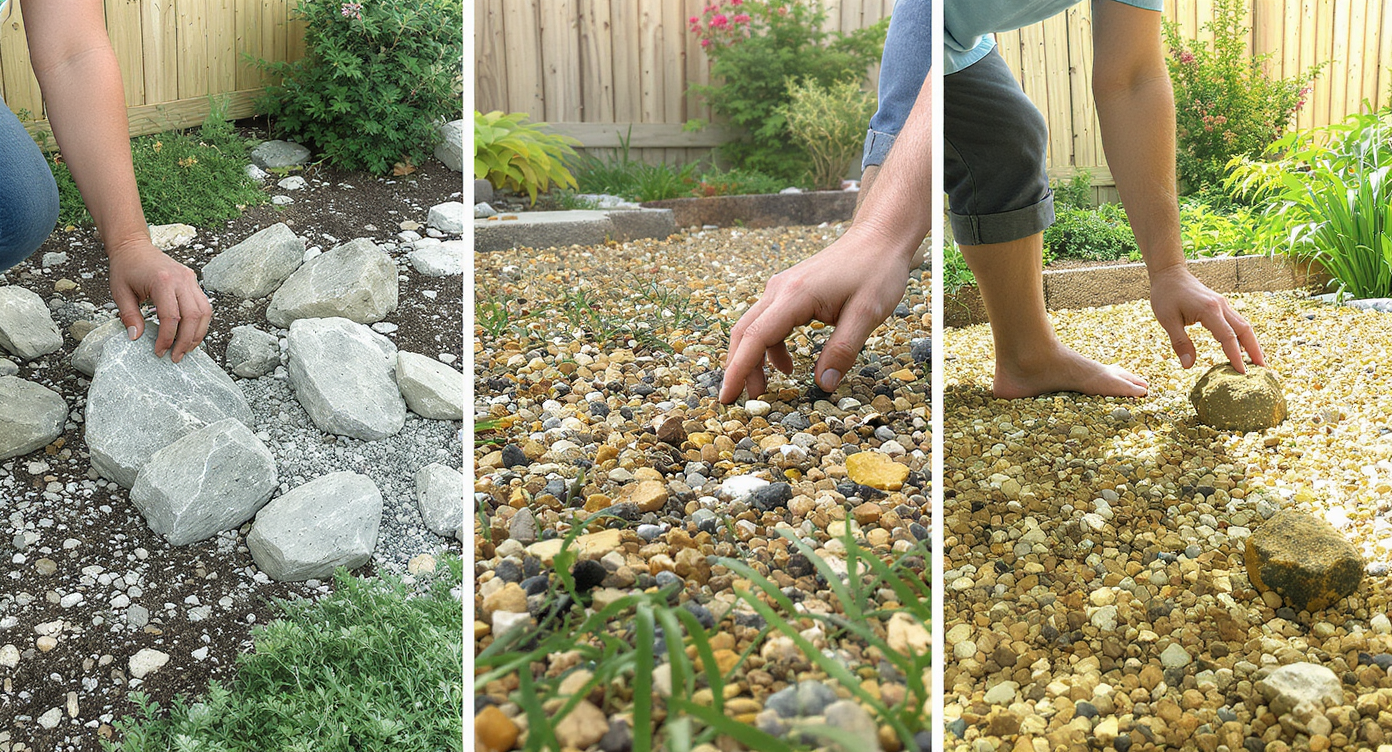
Avoid common landscaping mistakes that can endanger your pets and damage your yard's beauty.
- Using Loose Rocks or Gravel: These can quickly become projectiles during an energetic run. Instead, try compact gravel solutions to offer better stability and traction.
- Skipping Planting “Barriers”: Without visual barriers, even well-trained dogs can feel compelled to react to stimuli outside the yard. Incorporating shrubs or hedges can significantly reduce their urge to sprint along fences.
- Ignoring Training Complementation: Landscaping alone won't solve all behavior issues. Ignoring basic training in favor of aesthetic solutions limits the potential for a peaceful coexistence in your outdoor spaces.
-
Tips & Tricks for a Harmonious Yard
- Plant Low-Maintenance Borders: Choose hardy plants that can endure occasional trampling and fit the region’s climate. Our guide to low-maintenance landscaping shares tips on creating resilient plant borders that survive active play.
- Choose Dog-Safe Materials: Consider non-toxic, durable materials for paths and play zones. These will endure the wear and tear of active paws without requiring constant replacement.
- Engage Their Senses: Use outdoor furniture or structures to challenge your dog's curiosity and offer sheltered retreats. Incorporate scents and textures that stimulate but don't overwhelm your pet.
-
Imagining a Harmonious Landscape with ReimagineHome.ai
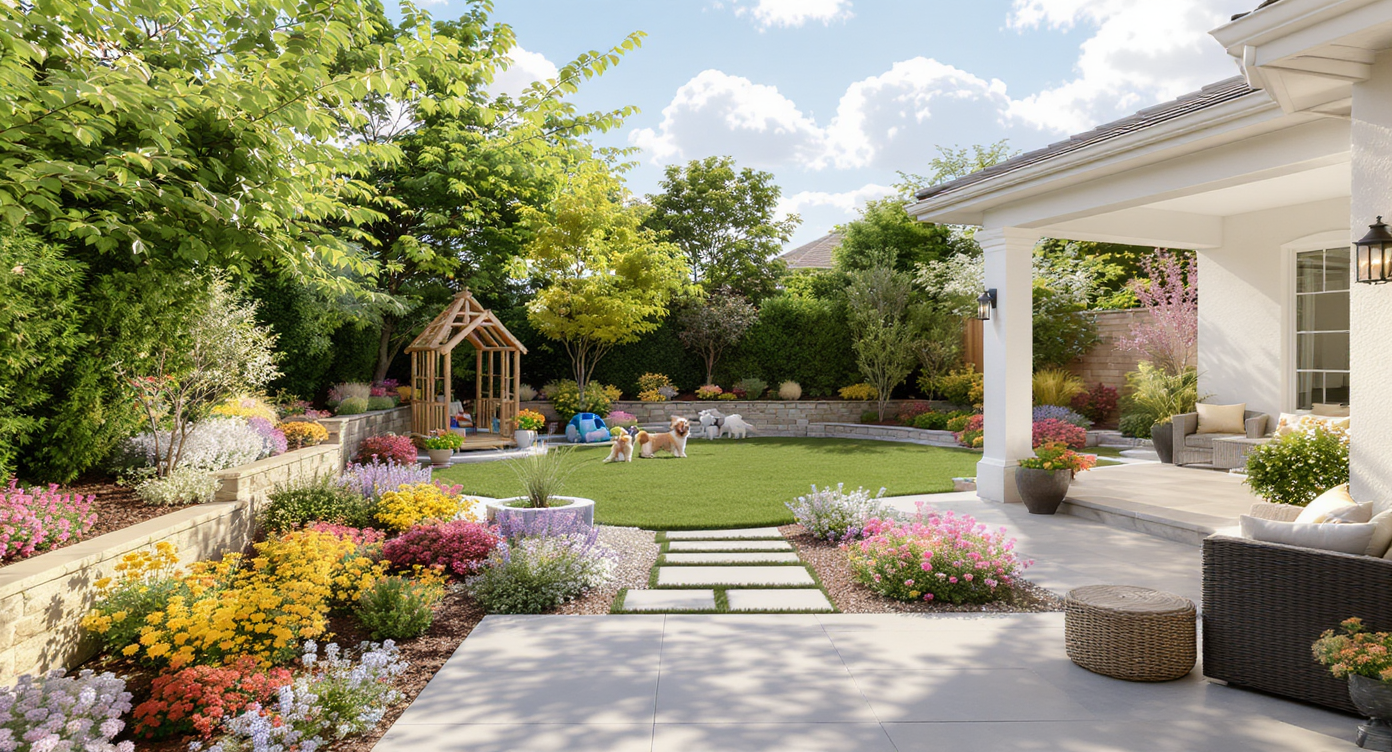
Envision your ideal pet-friendly landscape with inspiration from ReimagineHome.ai's designs.
Picture your backyard as more than just a place to contain your dog's energy. A harmonious landscape integrates beauty, playfulness, and tranquility. Visualize a terrain that embraces diverse plant life, stone paths, and tactile surprises that capture both human and canine interests. Using ReimagineHome.ai, you can experiment with different layouts and plant choices digitally before making any physical changes. Consider rearranging sightlines, placing visual and auditory barriers, and adding zones dedicated to different activities, which could transform your yard into a true retreat for all family members.
Visualization Scenario
Imagine a backyard that harmonizes your dog's vitality with the landscape's hush — a path winding past a sensory-rich mix of shrubs and textured stones, all designed to absorb paws' play and imbue peace into shared spaces.
Common Questions About Dog-Friendly Landscaping
- How do I prevent my dog from damaging my landscaped yard?
Consider installing durable paths, using heavy mulch, and incorporating landscaping features that guide your dog’s movements naturally. - What are the best materials for dog-friendly landscapes?
Compact gravel, flagstone, and natural wood chips provide durable, pet-safe options that blend well with diverse garden designs. - Can all dogs be trained to coexist calmly with a landscaped yard?
While all breeds can benefit from training, some, like guardian breeds, require more tailored approaches integrating both discipline and landscaping strategies.
Balancing Beauty and Practicality
Ultimately, achieving a balance between maintaining the beauty and function of shared outdoor spaces requires creativity and compromise. Applying thoughtful landscaping strategies that align with your pet's natural behaviors fosters an environment where both family and pets thrive. As you envision these changes, remember that resources like ReimagineHome.ai can be invaluable in planning and visualizing the best layout. Taking small, well-planned steps ensures your outdoor spaces remain a sanctuary for both people and their pets, respecting nature's way and life's unpredictable energy.