7 Professional Layout Rules Before Installing Wainscoting or Wall Paneling
TL;DR
Wainscoting can boost interior value and character if installed with the right proportions, alignment, and spacing. Before adding wall paneling, follow key layout rules to avoid visual clutter or design mistakes. Professional guidelines focus on panel height, spacing, style matching, and lighting impact.
Introduction
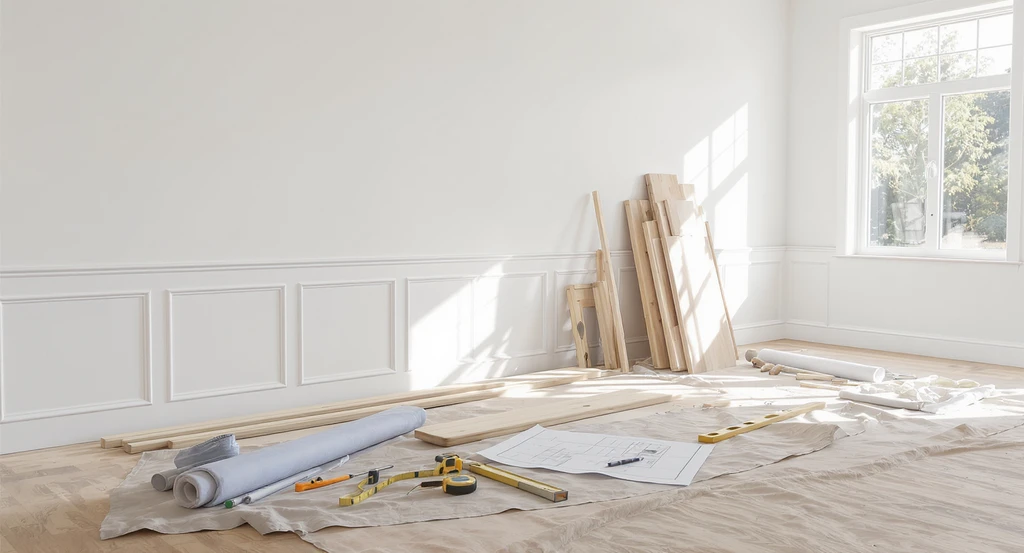
AI home design visualization of a realistic living room before wainscoting installation, illustrating how ai tools enhance interior decorating and show the impact of wainscoting in design renders.
Many homeowners wonder if adding wainscoting will elevate their room’s look or simply create another maintenance concern. Wainscoting, a form of architectural paneling for the lower wall, can bring rhythm and protection to interior spaces. However, its impact depends less on decorative appeal and more on correct architectural detailing. Poor placement or dimensions can make rooms feel crowded or outdated rather than more sophisticated. To help you plan, here are seven clear technical guidelines designers use before installing wainscoting or wall paneling.
-
01. Follow the One-Third Wall Rule for Proportion
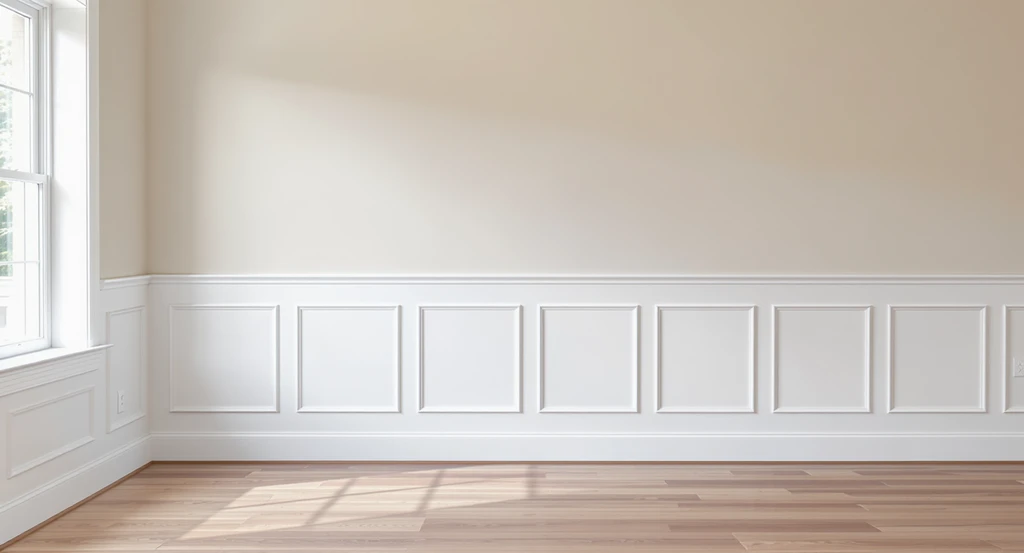
Using ai home design visualization, this image shows wainscoting at one-third of wall height, helping illustrate how ai tools enhance interior decorating and guide correct paneling in virtual room makeovers.
Installing wainscoting at the correct height is essential for achieving balanced proportions in a room. Neglecting this, paneling can visually overwhelm or underwhelm a space. Professionals typically follow the One-Third Wall Rule: place wainscoting at about one-third of the total wall height. For an 8-foot ceiling, that means panels around 32-36 inches high. This keeps the lower wall grounded while maintaining visual breathing room above. Panels placed too high compress the room, while panels that are too low appear disconnected and accidental. Setting panel height according to this rule ensures the feature acts as architectural framing, not just decoration. For more ideas on creating architectural character affordably, check out our guide to affordable decorator tricks from the Southern Living 2025 Idea House.
-
02. Match Panel Style to Existing Architecture

02. Match Panel Style to Existing Architecture Image
Selecting a wainscoting style without considering the home’s architecture is a common mistake. Using raised panels in a modern home, or flat Shaker panels in a classic setting, can create a sense of mismatch. Always relate style to the home's era and main architectural features. For example, beadboard works best in casual or coastal interiors, while raised panels suit formal dining rooms. Matching styles ensures paneling looks built-in, not an afterthought. This technique, as explored in our guide to updating a dated home without losing character, is key to respectful upgrades. Review the home’s era before finalizing choices.
-
03. Align Panel Divisions With Doors and Windows
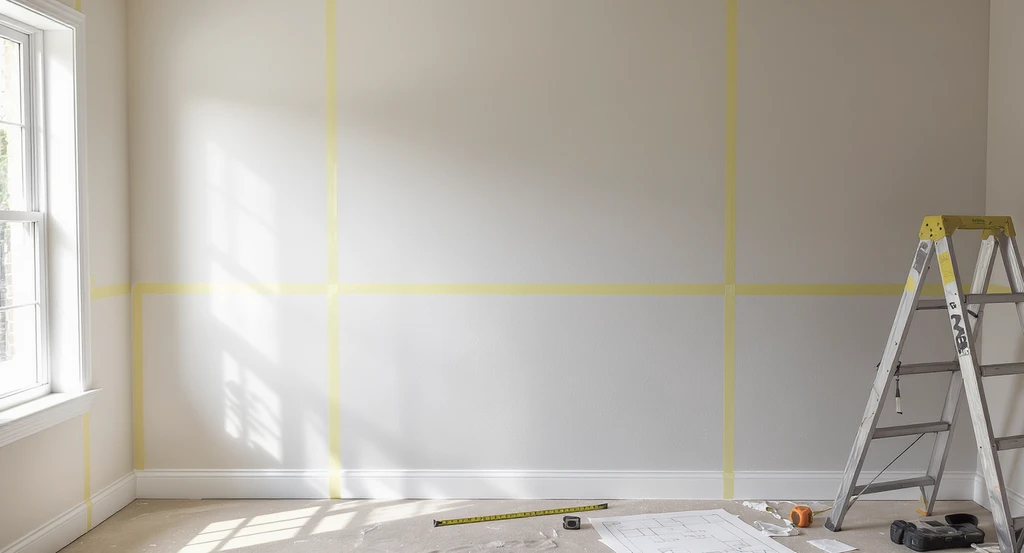
AI home design visualization with wainscoting highlights how ai tools enhance interior decorating by previewing proper alignment of panel divisions with doors and windows, ensuring a seamless virtual room makeover with paneling.
A frequent installation mistake is ignoring the location of existing doors, windows, and outlets. When panel edges intersect or come too close to trim, the result feels haphazard. Mapping the space before cutting ensures that panel divisions align with door frames and window casings. This maintains a consistent rhythm across each wall. Use a layout drawing or tape on the wall for visualization. Even spacing creates a structured look, while random joints signal poor planning. For a visual preview, AI design tools can help you check for alignment errors before work begins, reducing costly rework and visual mistakes. This step is crucial for anyone visualizing a virtual room makeover with paneling.
-
04. Maintain Consistent and Appropriately Scaled Panel Width
04. Maintain Consistent and Appropriately Scaled Panel Width Image
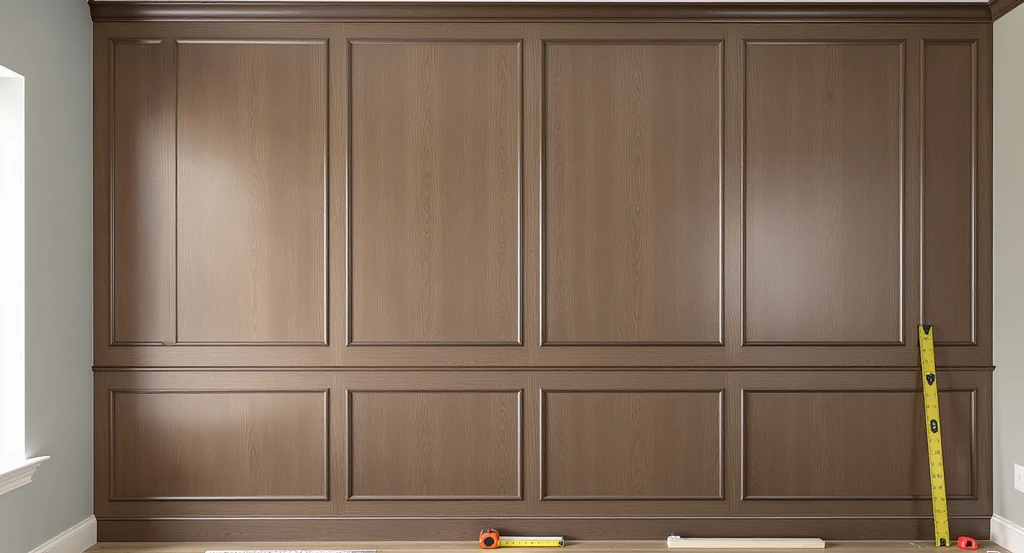
Spacing panels too narrowly makes walls appear busy, while overly wide panels look bulky. Designers use a Wall Rhythm Planning guideline: for small rooms, panels should be 16-20 inches wide; for medium spaces, 20-26 inches; for large areas, 24-30 inches. Uniform panel width promotes evenness and simplifies future repairs. For rooms with variable wall segments, tailor widths accordingly but avoid abrupt size changes. Keeping panel size in sync with room size avoids a cluttered or empty effect, as discussed in leading interior design trend resources like our 2025 design trends guide.
-
05. Evaluate Lighting and Shadow Effects on Paneling
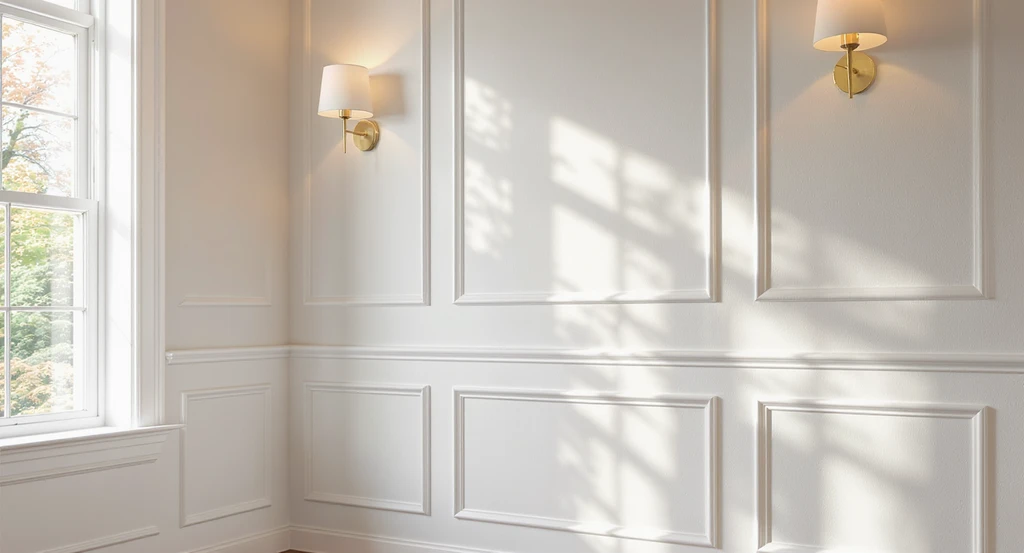
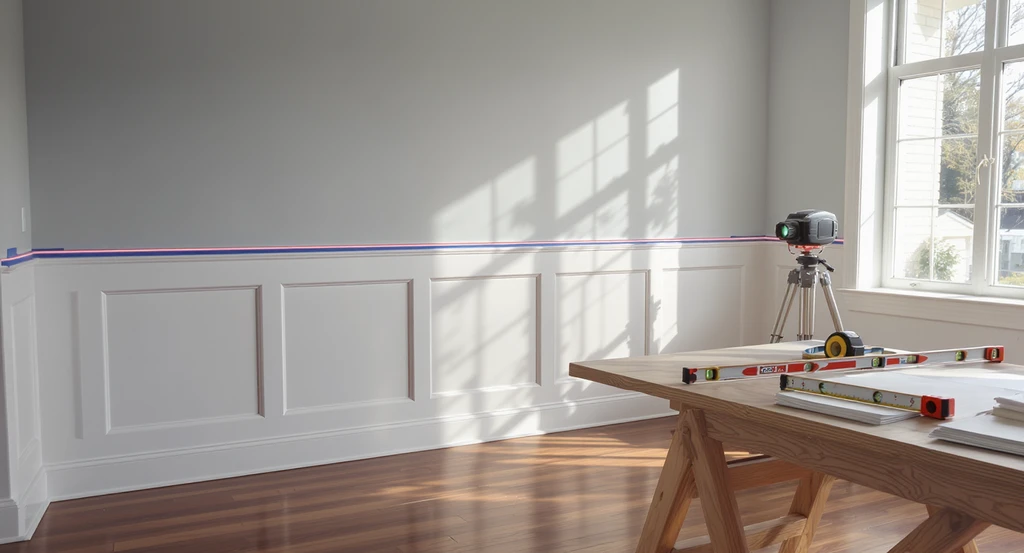
Explore ai home design visualization with wainscoting: see how natural and indirect light works with wall paneling to enhance depth and minimize unwanted shadow effects in virtual room makeover renders.
Wainscoting creates shadow lines and texture, so it’s important to plan lighting in tandem with panel installation. A common error is placing panels where lighting will create harsh or uneven shadows, making the wall look uneven. Position wall sconces to highlight vertical rhythm or indirect light to smooth out contrasts. Avoid glossy finishes that reflect light unevenly, exaggerating trim flaws or creating glare. Before installation, check how natural daylight falls across the paneling at different times of day. This correction framework ensures paneling enhances depth without causing unwanted visual disruptions. For more on using light and scale for finishing touches, see our finishing touches guide for living room decor.
-
06. Use Low-Profile Trim in Tight Areas
06. Use Low-Profile Trim in Tight Areas Image
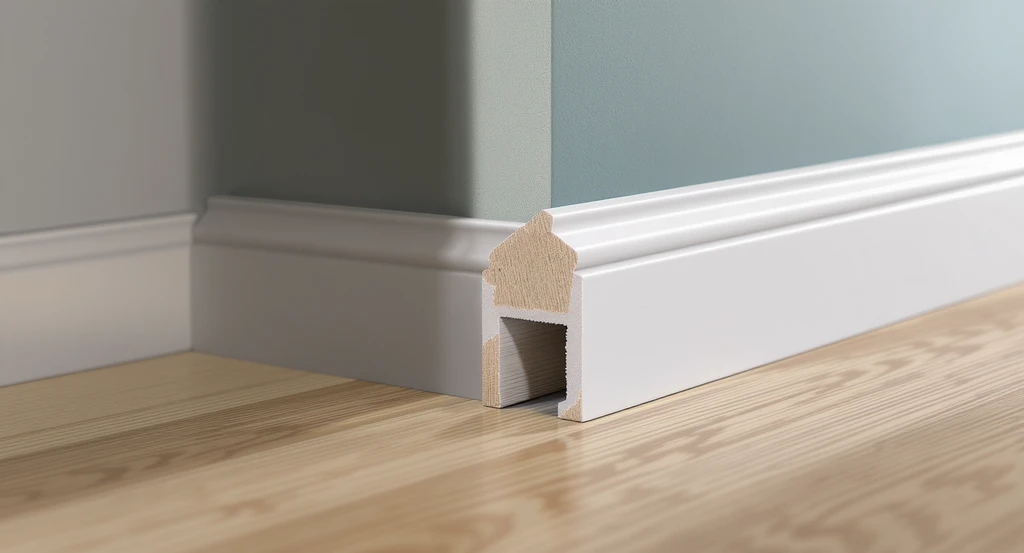
Thick panel profiles can reduce clearance in narrow hallways, stair landings, or small powder rooms. If space is tight, opt for flat panels or low-profile trim to preserve usable floor area and avoid bulky corners. This adjustment makes paneling accessible to more spaces and reduces the risk of doors or furniture bumping into the trim. It also keeps sight lines cleaner in areas that already feel compact. Always check door swings and furniture clearance before finalizing your trim profile. This grounding in practical constraints transforms paneling from a purely decorative feature into an integrated element that supports room function.
-
07. Use Wainscoting as an Accent, Not Everywhere
07. Use Wainscoting as an Accent, Not Everywhere Image
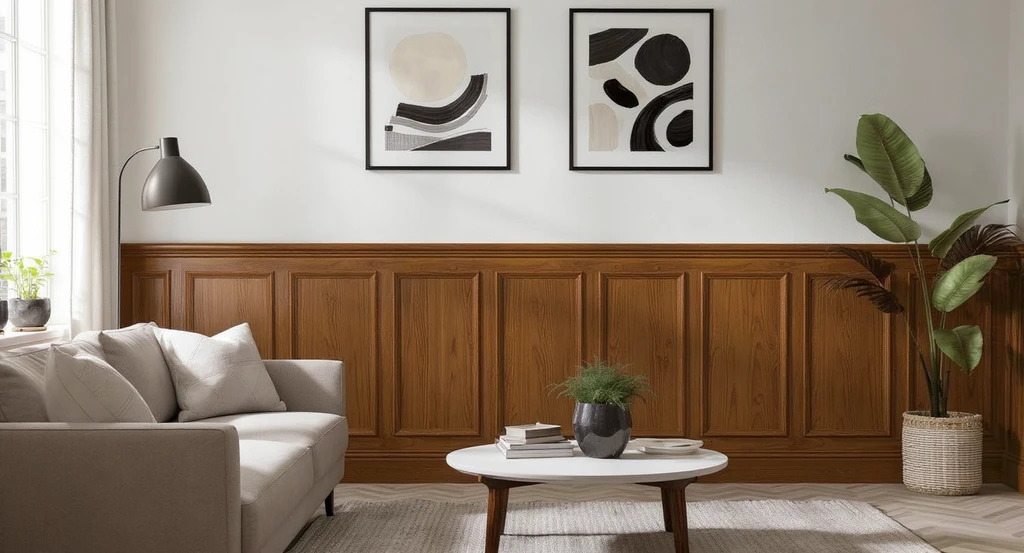
While adding wainscoting to every room can seem tempting, overuse may dilute its visual impact and make interiors feel busy. Instead, designers prefer using it to highlight architectural zones, such as an entryway, staircase, dining room, or hallway. This creates clear visual hierarchy and avoids visual fatigue. In open L-shaped or connected rooms, stop paneling at natural breaks or inside corners for a logical endpoint. Reserve full-wall treatments for areas that benefit most from definition. This approach reinforces wainscoting as intentional architecture, not a default wall solution.
Frequently Asked Questions
- Does wainscoting make a room look smaller?
When installed at the right height, wainscoting improves wall ratios and rarely makes a space feel smaller. Correct panel scale and proportion are key. - Is wainscoting still appropriate for modern homes?
Yes, especially with Shaker or board-and-batten styles. Contemporary panel profiles suit modern interiors, as long as proportions and spacing are tailored. - Can wall paneling increase property value?
While it may not directly increase appraised value, wainscoting adds perceived quality and helps homes stand out in real estate staging or marketing. - Is wainscoting difficult to install?
DIY panel kits are widely available for simple applications. More detailed raised or custom panels often require professional carpentry for best results.
Conclusion
Wainscoting offers a practical way to add structure and interest to interior walls, but its success depends on careful layout, scaling, and alignment, not just decorative preference. Before installing paneling, review these guidelines to ensure each decision supports spatial balance, lighting, and room function. Thoughtful application will help architectural paneling elevate your room and stand the test of time.