Why an Extractor Fan is Essential for Your Kitchen?
TL;DR
An extractor fan in the kitchen is crucial for maintaining air quality, preventing odor build-up, and reducing grease accumulation. This article explores the practical reasons for installing a range hood, addressing potential health concerns, aesthetic considerations, and alternatives like downdraft systems.
The Importance of Ventilation in the Kitchen
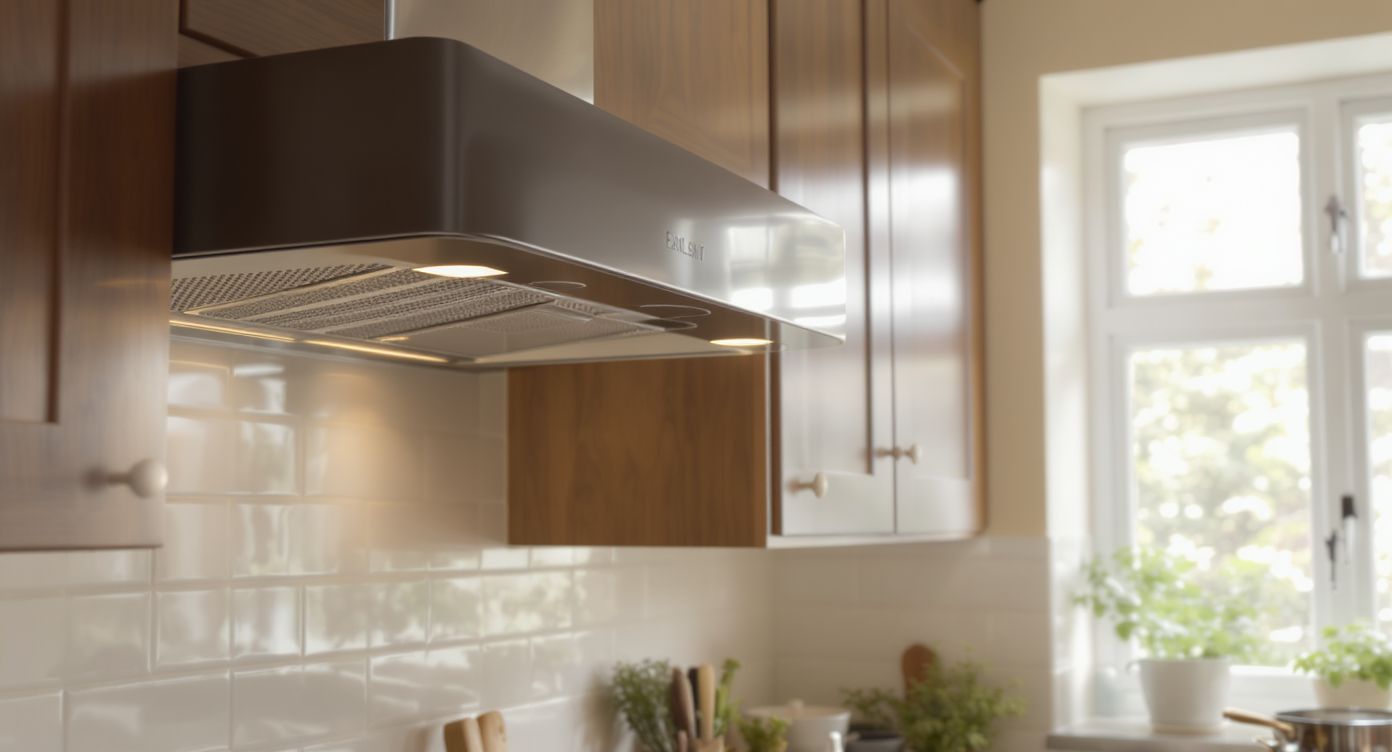
An inviting kitchen corner where design and functionality meet, underpinned by an elegant range hood.
An extractor fan, typically installed as a range hood over the oven, serves a fundamental role in maintaining a clean and functional kitchen. It efficiently removes smoke, steam, and airborne grease, preventing these elements from settling on surfaces or lingering in the air. Without adequate ventilation, kitchens can suffer from unpleasant odors, excessive moisture, and even structural damage over time, making the inclusion of an extractor fan not just a convenience, but a necessity.
-
Understanding the Role of Extractor Fans
Extractor fans are specifically designed to remove contaminants like smoke, steam, and grease from the kitchen atmosphere. They function by drawing in the air containing these particles and expelling it outside, or filtering and recirculating it if a ductless model is used. This process helps maintain indoor air quality, an aspect often overlooked until issues arise. High moisture levels from cooking can lead to condensation, which in turn supports the growth of mold and mildew, affecting both health and aesthetics. Without proper ventilation, airborne grease can settle on surfaces, making cleaning more challenging and potentially damaging cabinetry and walls over time.
Expert Insight
Reflecting on kitchen design flaws, one homeowner recalled a dinner party where the lack of an extractor fan led to a smoky fiasco, resulting in the gathering being moved outside due to lingering odors in the home.
-
The Health and Safety Implications
Proper ventilation in the kitchen is crucial for health reasons. Cooking, particularly on gas stoves, releases combustion gases such as carbon monoxide and nitrogen dioxide. These are hazardous to health, especially in poorly ventilated spaces. A properly installed extractor fan helps mitigate these risks by venting these gases outside the home. According to experts, poor ventilation can exacerbate or contribute to respiratory issues like asthma. Moreover, effective ventilation reduces the risk of smoke and steam setting off fire alarms, a common nuisance in unventilated kitchens.
-
Esthetics and Practical Considerations
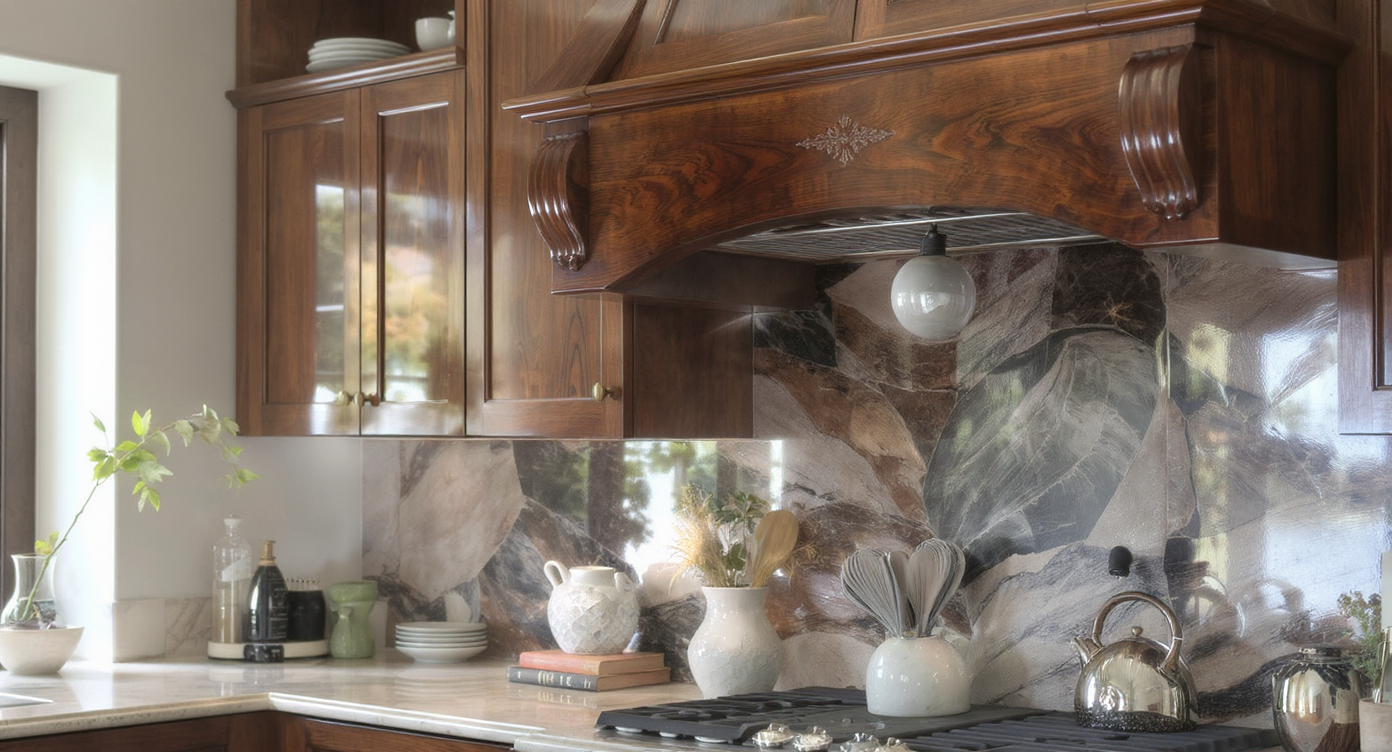
A kitchen where aesthetics and practicality harmoniously combine, highlighted by a beautifully designed range hood.
From a design perspective, a well-chosen range hood can enhance the visual appeal of a kitchen. Modern extractor fans come in various styles, from sleek and minimalistic to more pronounced, decorative designs, complementing a wide range of kitchen aesthetics. Without a hood, smoke and steam can discolor walls and ceilings, leading to frequent repainting or costly restorative work. For those concerned about space and style, downdraft extractors offer an alternative by integrating ventilation within the cooking surface, although these usually work best with specific cooktop designs.
-
Common Mistakes to Avoid When Installing Extractor Fans
Installing an extractor fan requires careful planning and consideration to avoid common pitfalls:
- Choosing the wrong size: Ensure the range hood is wide enough to cover the entire cooktop to effectively capture fumes.
- Improper installation height: Install the fan at a height recommended by the manufacturer to avoid inefficient performance or damage.
- Forgetting to vent outside: Whenever possible, install a ducted system that expels air outside rather than recirculating it, unless space constraints make ductless models the only option.
- Overlooking maintenance: Regular cleaning and filter replacements are essential to maintain efficiency and prolong the fan's life.
-
Expert Insights on Kitchen Ventilation
When designing a kitchen, professionals suggest prioritizing ventilation to ensure both comfort and safety. Here are some expert tips:
- Strategic placement: Alleviate airflow problems by positioning the vent hood to optimize exhaust efficiency without obstructing natural light or views.
- Ventilation power: Choose a fan with an appropriate CFM (cubic feet per minute) capacity based on your kitchen's size and your cooking habits.
- Regular maintenance: Clean or replace filters every three to six months to keep the ventilation system effective.
- Incorporate technology: Brands like ReimagineHome.ai offer digital visualization tools to aid in planning and making informed choices tailored to your space's specific requirements.
-
Visualizing a Functional Kitchen with Proper Ventilation
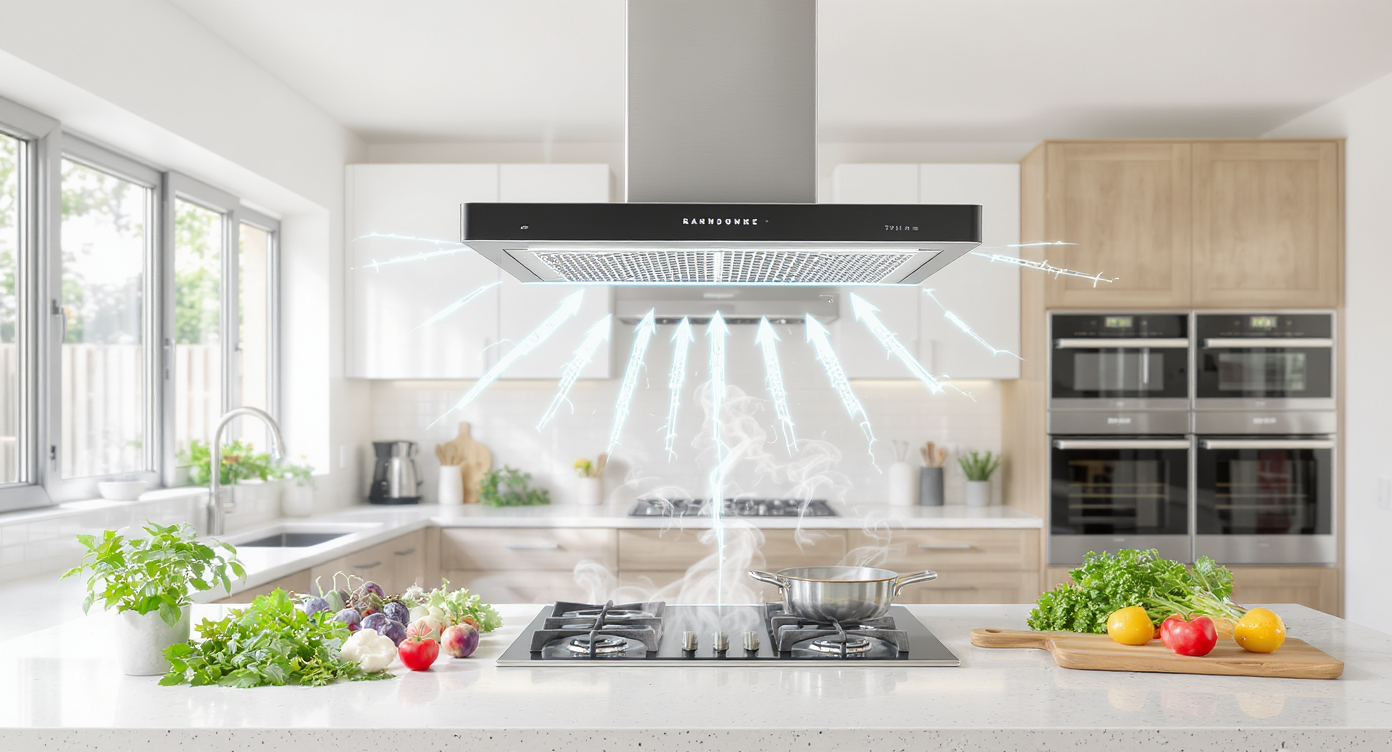
Visualizing a functional kitchen with proper ventilation, ensuring a fresh and safe cooking atmosphere.
Imagine stepping into a kitchen where the air smells fresh, not seasoned with last night's dinner. A well-placed range hood above your stove whisks away steam and aromas before they settle into your upholstery. Instead of lingering grease, the kitchen remains bright and welcoming. ReimagineHome.ai can assist you in visualizing these enhancements, offering digital previews of how different ventilation arrangements alter your space's atmosphere and function.
Visualization Scenario
Picture a kitchen equipped with a sleek, stainless-steel range hood that eliminates smoke and steam, creating a comfortable cooking environment. The use of ReimagineHome.ai allows you to visualize this setup, adjusting designs for optimal airflow and aesthetic appeal.
FAQs about Kitchen Ventilation
- Why is a range hood essential?
It removes smoke, odors, and grease, improving air quality and preventing damage to surfaces. - Can I install a downdraft fan instead?
Yes, especially useful for kitchen islands, but ensure it matches your cooking needs and setup. - How often should I clean my kitchen vent?
Filters should be cleaned or replaced every three to six months for optimal efficiency. - Is a ductless range hood effective?
While not as efficient as ducted, ductless models with effective filters can be suitable for spaces where ducting isn't an option. - What size should my extractor fan be?
It should cover the entire cooking area, with the width matching that of your cooktop for best results.
Creating a Safe and Inviting Kitchen Environment
Installing an extractor fan is an essential step in fostering a clean, safe, and enjoyable kitchen experience. By addressing both the air quality and practical design needs, homeowners can avoid common ventilation pitfalls and ensure their kitchen remains a welcoming space for gathering and cooking. Before finalizing your renovation plans, consider previewing how these elements integrate with your specific layout using tools like ReimagineHome.ai to make decisions that you'll savor for years to come.