9 Best Low-Maintenance Indoor Plants for First-Time Plant Owners
TL;DR
New to indoor plants? The easiest options for beginners are pothos, ZZ plant, spider plant, and others tolerant to irregular care and a range of light conditions. Selecting the right low-maintenance greenery ensures you create a thriving, stress-free indoor jungle from day one.
Starting Your Indoor Jungle: Beginner Plant Picks
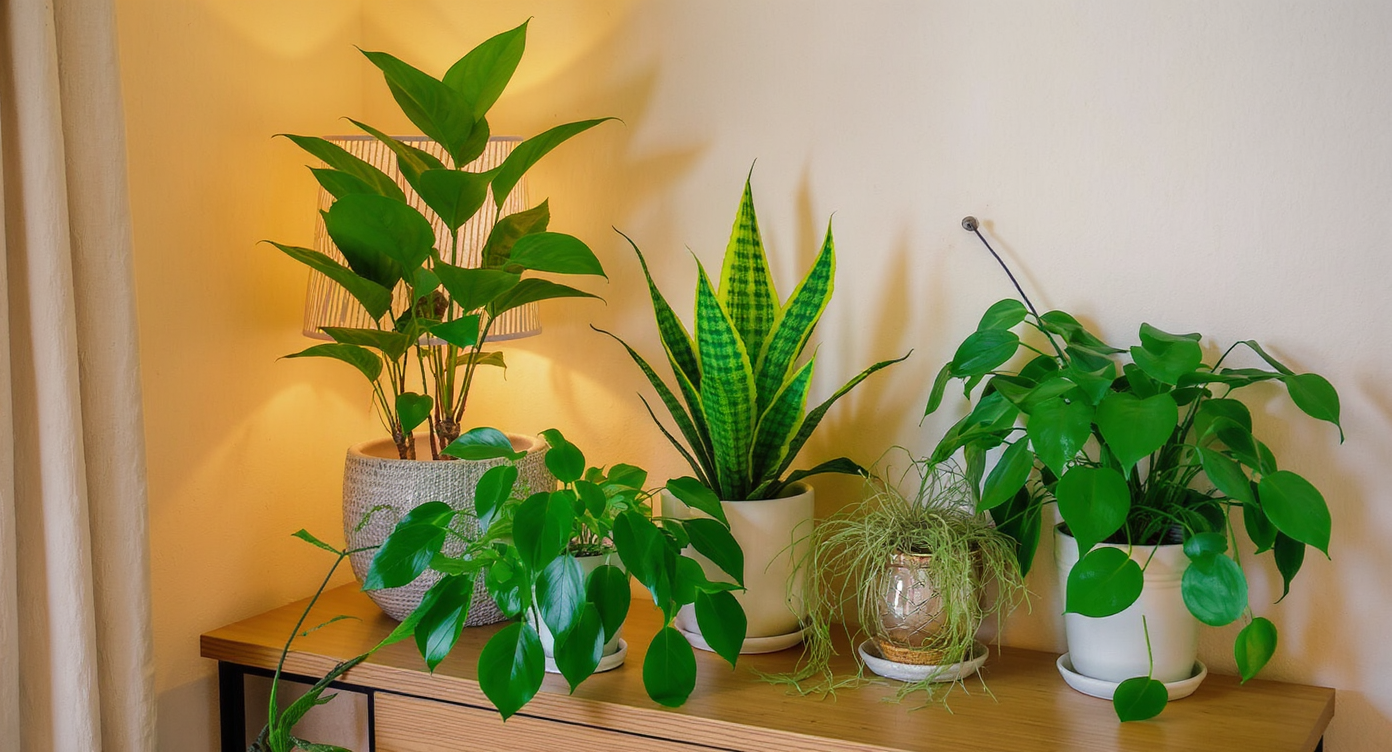
Welcome to the world of indoor plants—your guide to the best low-maintenance options for your space.
The rise of indoor plant culture has made houseplants an accessible joy for urban dwellers and suburbanites alike. But for first-timers, choosing the right greenery sets the tone for plant success—or disappointment. The best indoor plants for beginners aren’t just visually interesting: they’re forgiving of missed waterings, variations in light, and so-so humidity. Well-chosen starter plants will reward you with new growth even as your gardening skills evolve.
In practice, the key is matching a plant to your routine, and understanding that less fuss often leads to better results. Many of the most resilient options also come with bonus traits: they purify air, propagate easily, and bounce back from common mistakes. Below, you’ll find nine essential starter plants that can green up your space without the stress.
-
01. Pothos: The Gold Standard Low-Maintenance Plant
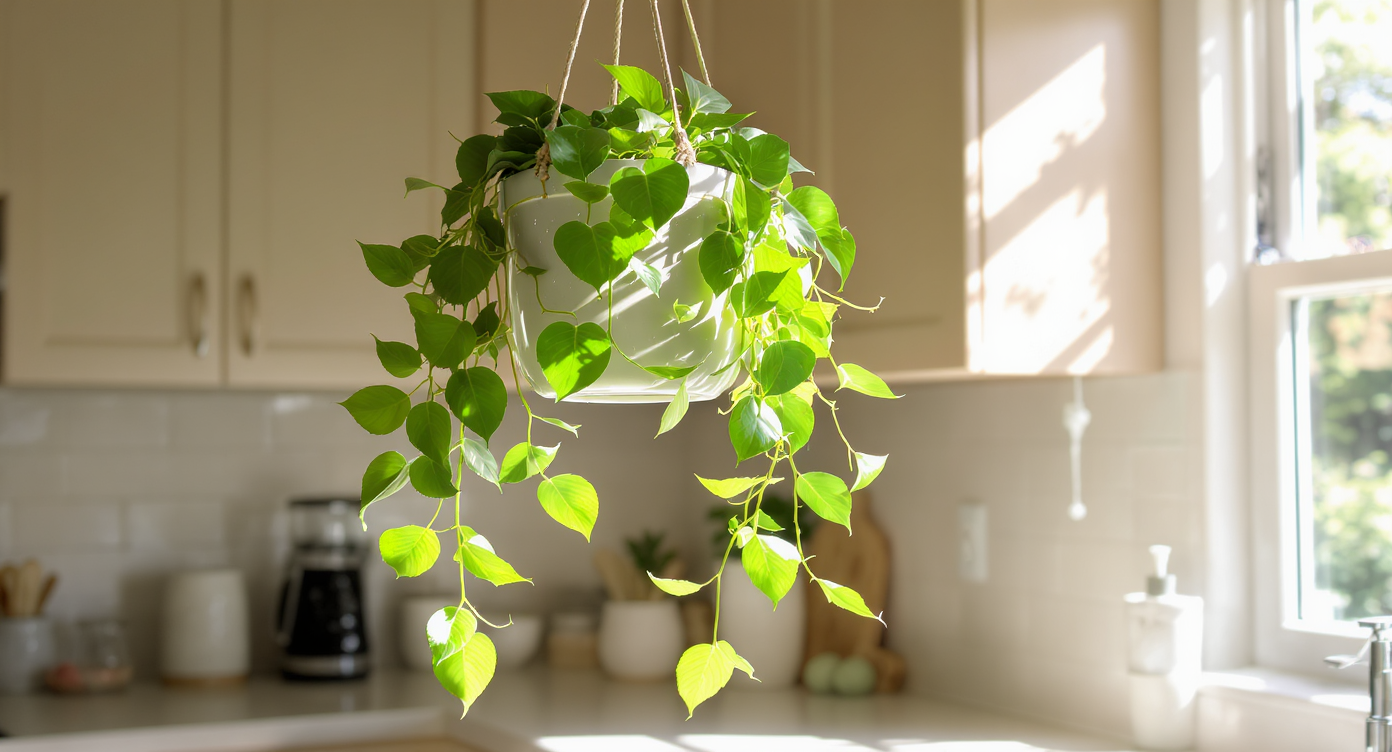
Pothos: A beautiful addition to any room, easily thriving with minimal care.
Pothos (Epipremnum aureum) thrive in a variety of lighting—from low indirect to bright filtered sun—and forgive the forgetful waterer. Their trailing vines grow rapidly, especially with basic care: water about once weekly, or when the top inch of soil goes dry. Most varieties, including Golden Pothos and Marble Queen, tolerate humidity and infrequent fertilizing.
- Design logic: Pothos fill empty wall space, hang beautifully, and can be shaped for shelf styling. According to our decor guide for first-time homeowners, these adaptable vines add softness and work well alongside statement art or large TVs.
- Workflow impact: Easy to propagate in water, making them a gift-worthy plant for friends or an expanding home jungle.
- Tradeoffs: Toxic to pets; opt for out-of-reach placement if you expect cats or dogs in your home.
-
02. ZZ Plant: Nearly Indestructible Resilience
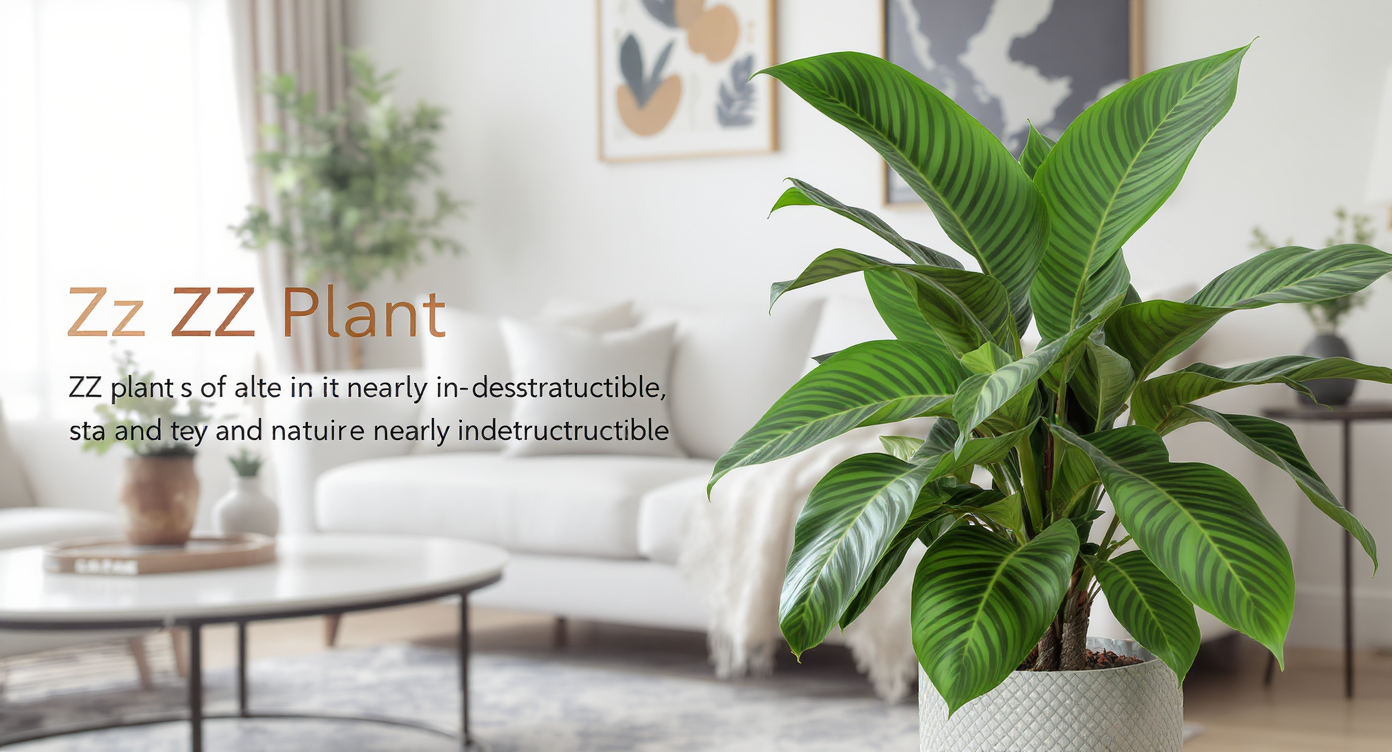
ZZ Plant: Effortlessly stylish and resilient, perfect for first-time plant owners.
The ZZ plant (Zamioculcas zamiifolia) is famous for withstanding low light, sporadic attention, and long dry spells. Their waxy, upright leaves store water, so you only need to water about every 2–3 weeks—perfect for frequent travelers or forgetful owners.
- Design logic: Upright, architectural form suits modern and minimalist interiors.
- Workflow impact: Tolerates north-facing rooms or low-light corners, requiring little maintenance.
- Tradeoffs: Slow growing; patience pays off for those seeking a hassle-free plant.
-
03. Spider Plant: Adaptable and Forgiving
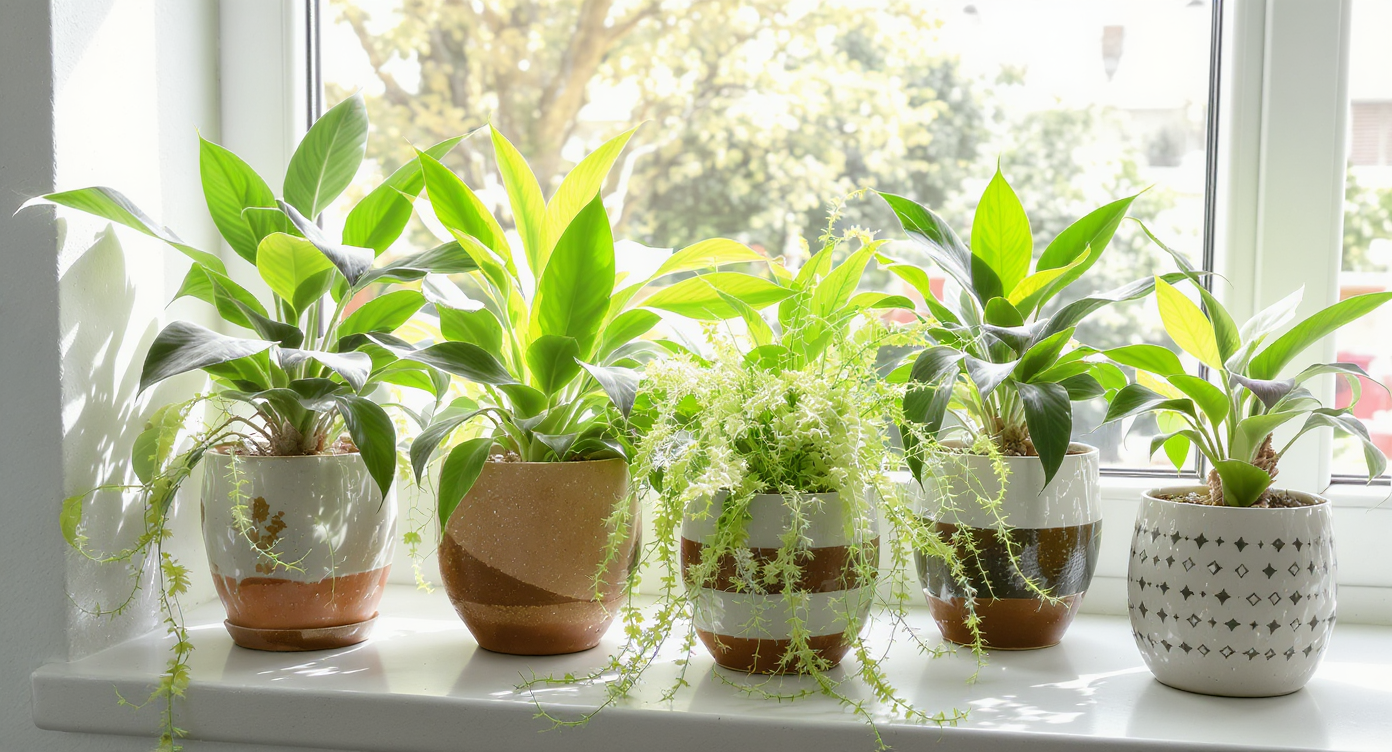
Spider Plants: Adaptable and forgiving, these plants thrive even in less-than-ideal conditions.
Spider plants (Chlorophytum comosum) tolerate a wide range of lighting and bounce back from irregular watering—soil should dry out between waterings, roughly once per week. They become even more rewarding when they send out baby offshoots ("pups"), which can be easily propagated.
- Design logic: Their arched leaves create movement and visual energy, making them a lively addition to both window sills and hanging baskets.
- Workflow impact: Ongoing propagation opportunities and rapid growth make them ideal for beginners seeking immediate gratification.
- Constraints: Spider plants are pet-safe, so they're a smart pick for future cat or dog households.
-
04. Snake Plant: Air-Purifying and Versatile
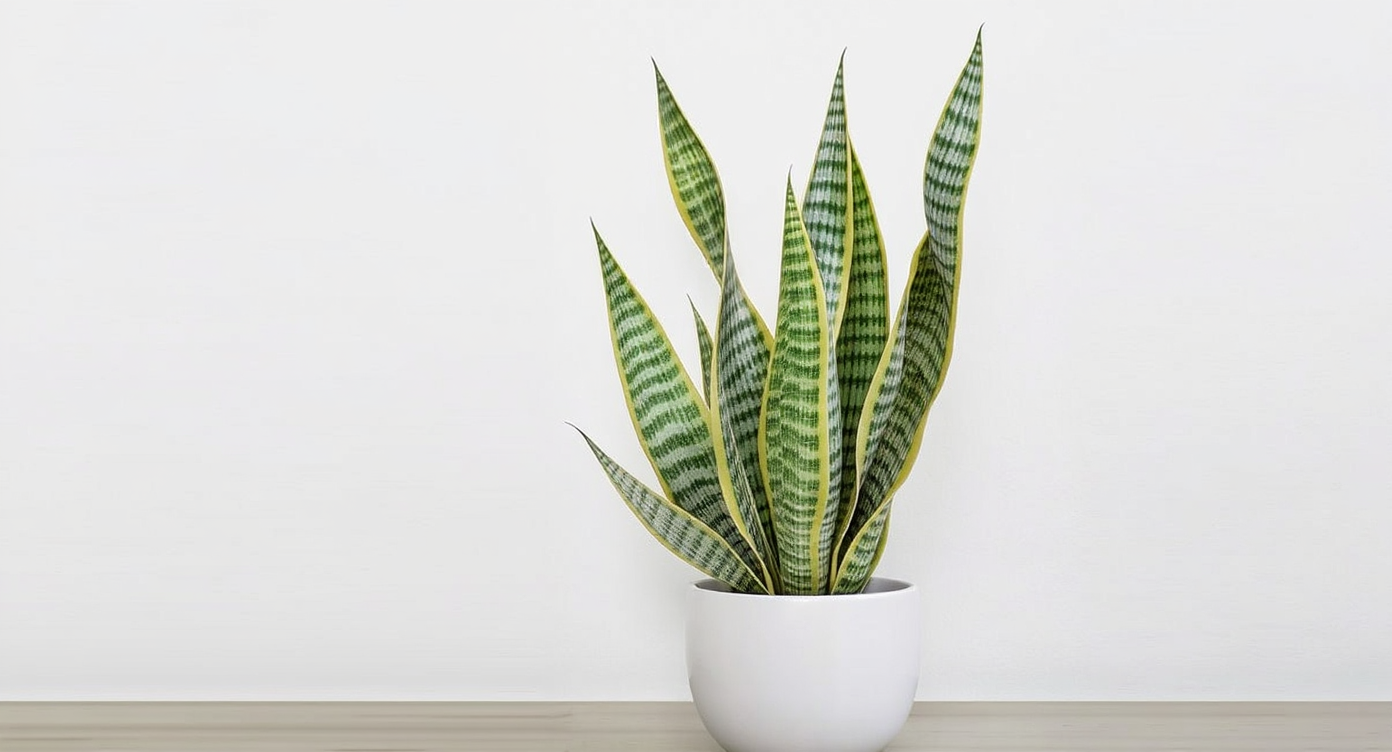
04. Snake Plant: Air-Purifying and Versatile Image
Snake plants (Sansevieria trifasciata) excel in varying light and thrive on neglect, needing water only every 2–4 weeks. They also purify the air by removing toxins, making them doubly valuable for nightstands or offices.
- Design logic: Their sculptural, upright leaves create height and drama in any setting.
- Workflow impact: Survivors of low, medium or indirect sun, withstanding missed waterings better than most.
- Tradeoffs: Some report a tricky transition period after repotting, but if left alone they provide years of easy beauty.
-
05. Philodendron: Classic, Reliable, and Fast-Growing
Philodendrons are recognized for their fast response to basic care. The heartleaf philodendron is particularly beginner-friendly—accepting moderate light and weekly water. Leaves will droop if very thirsty but perk up quickly with attention.
- Design logic: Perfect for creating lush, cascading displays in bright rooms or filling empty shelves.
- Workflow impact: Easy to propagate by stem cuttings and quick to recover from most mistakes.
- Constraints: Some varieties can be toxic to pets, requiring out-of-reach placement.
-
06. Cast Iron Plant: Tolerant of Neglect and Shade
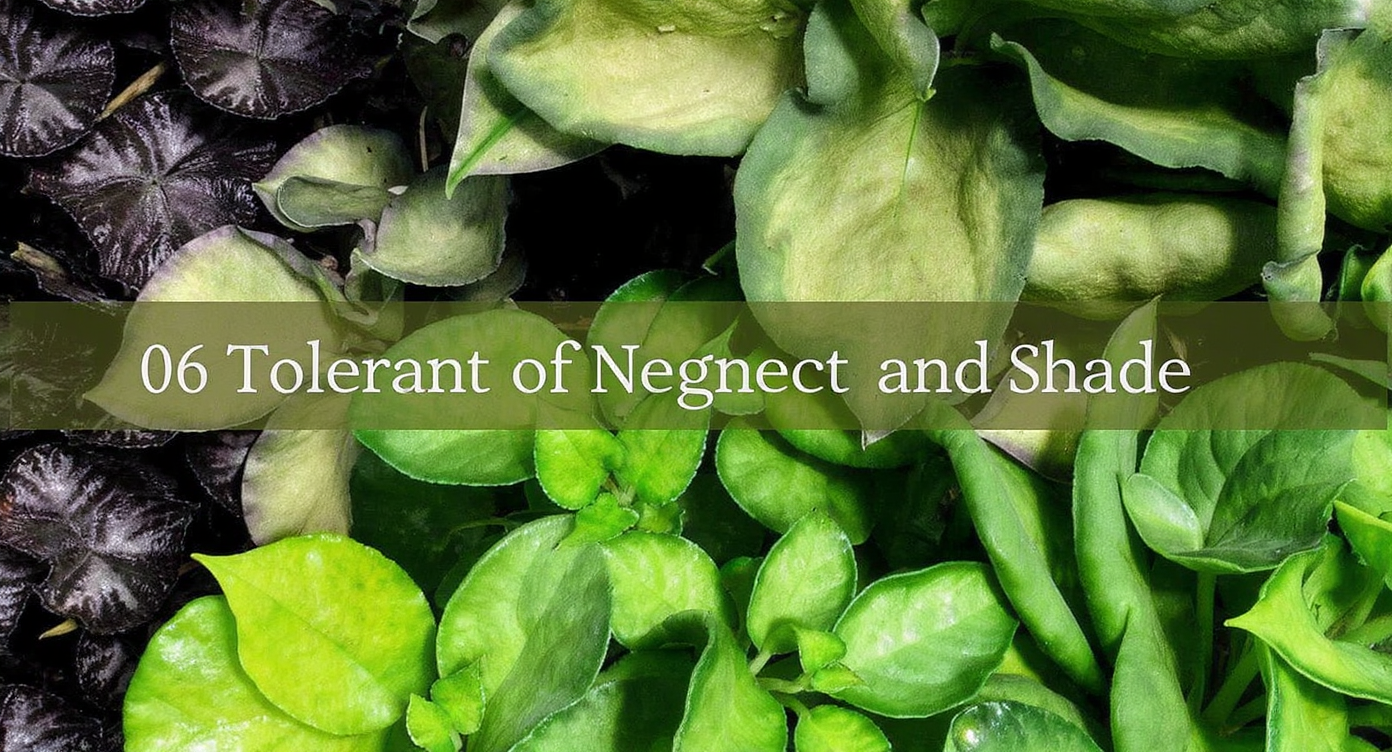
06. Cast Iron Plant: Tolerant of Neglect and Shade Image
Cast iron plant (Aspidistra elatior) lives up to its name: it copes with poor lighting, wind, and dust better than almost any other houseplant. Water it every couple of weeks, and it will quietly green up any dim corner.
- Design logic: Broad, stately leaves suit traditional and contemporary rooms alike.
- Workflow impact: Reliable performance in low-traffic, low-attention spaces such as hallways or shaded corners of living rooms.
- Tradeoffs: Grows slowly, so patience is needed if you want a dramatic, lush look quickly.
-
07. Hoya: Trailing Beauty with Minimal Fuss
Hoyas, or wax plants, are trailing or climbing vines with thick, waxy leaves that store water. They prosper in bright, indirect light and need water every 1–2 weeks—wait for the soil to dry out between waterings. Their flowers are scented, adding another dimension to their appeal.
- Design logic: Ideal for hanging planters and allowing tendrils to cascade down open shelving, creating visual flow between storage and decorative elements.
- Workflow impact: Less prone to pests and forgiving of skipped care days.
- Constraints: Flowering may require time and maturity, but foliage stays attractive year-round.
-
08. Chinese Evergreen: Adaptable to Different Homes
Chinese evergreen (Aglaonema) grows reliably in both low and bright conditions. Silvered or colorful foliage adds interest, and they need only moderate watering—about once a week.
- Design logic: Works well to complement neutral palettes or add a touch of color without high-maintenance blooms.
- Workflow impact: Tolerates shifting conditions—an asset for homes with inconsistent light or temperature.
- Tradeoffs: Most varieties are mildly toxic to pets, requiring positioning with care in animal-friendly homes.
-
09. Succulents: Sculptural and Space-Saving
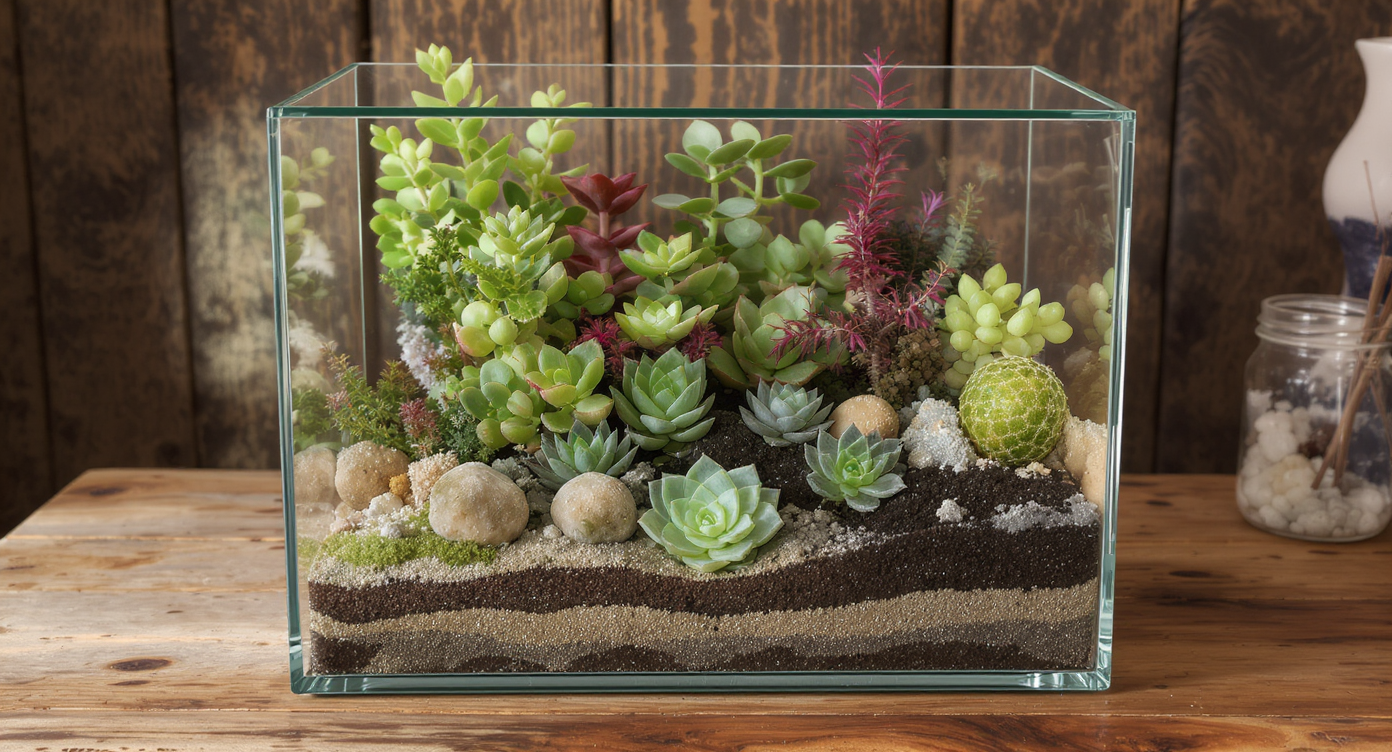
Succulents: Sculptural and beautiful, they’re perfect for adding greenery without taking up much space.
Succulents encompass many species, from jade plants to haworthia, and store water in their thick leaves, requiring infrequent watering—every 2–4 weeks is usually sufficient. These compact forms fit even the smallest apartment ledge.
- Design logic: Small pots cluster well for desk, bedside, or windowsill groupings—perfect for layering with other compact décor items.
- Workflow impact: Thrive on neglect but are sensitive to overwatering, so well-draining soil and sparse water is best.
- Constraints: Most can handle dry air from HVAC or AC, but provide maximum light for best growth.
Beginner Indoor Plant FAQs
Pothos and spider plants top the list, thriving under a range of light and forgiving the occasional missed watering.
What’s a common mistake first-time plant owners make?
Overwatering, especially with succulents or snake plants. Check that soil is dry before watering.
Can I have indoor plants if I have cats or dogs?
Yes, but pick pet-safe options like spider plants and be cautious with philodendron, Chinese evergreen, and pothos, which can be mildly toxic.
How should I plan plant placement in my apartment?
Use indirect light for most beginner plants, and anchor large windows with larger foliage for visual balance. Our blog on living room decor for first-time homeowners covers more plant display strategies.
What’s an easy way to experiment with plant styling before I buy?
Explore ReimagineHome.ai’s visualization tools to test plant layouts digitally before moving furniture or drilling hooks.
Growing Your Confidence—And Your Collection
Every new plant parent deserves a sense of accomplishment—and the right starter picks make it easy. Focus on forgiving choices like pothos, spider plant, or ZZ plant for space-filling, low-effort greenery; let more tailored selections like philodendron or Chinese evergreen bring color and texture when you feel ready. For an AI-powered way to visualize placement or test new looks before moving your plants, try ReimagineHome.ai’s design tools. With each plant you add, you’ll gain experience—and a home that feels both personal and vibrant.