
TL;DR
To pull off a bold, maximalist interior design in a small Victorian terrace or studio, lock down layout and scale first, then build color in coordinated zones with repeated materials. Use an AI room designer like ReimagineHome.ai to preview paint colors, patterns, and Memphis-inspired furniture in your actual photo so the look reads joyful, not overwhelming. Try your own layout, furniture style, or DIY idea on a photo of your room in ReimagineHome.ai.
Why This Room Feels “Off” (and Why You’re Not Imagining It)
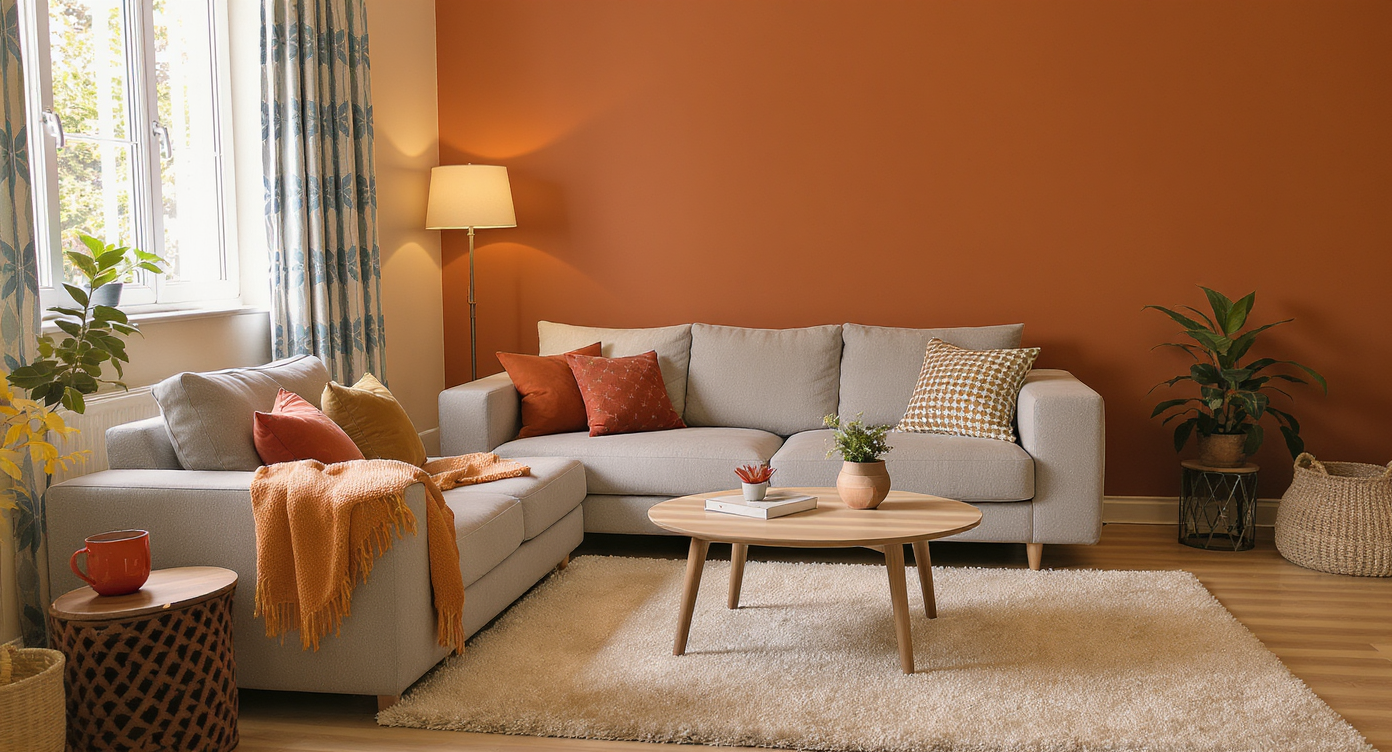
Start with smart furniture placement and color zoning before layering pattern and texture in small spaces.
Most small homes read as “too much” when color tries to compensate for layout. Start by getting the furniture plan right, then layer saturated color and pattern in repeatable ways so the eye can rest between moments of drama.
- At a glance: how to size sofas and rugs for compact rooms
- Color zoning that energizes without overwhelming (especially in windowless halls and stairwells)
- Pattern-mixing that works with Memphis revival and 90s references
- Rental-friendly swaps: vinyl floors, fabric panels, and curtain “boiler covers”
- Using room design AI to preview paint, wallpaper, and furniture scale
- Practical DIY: paint sheens, coats, and old-plaster prep
Before you move a single sofa or pick up a paint roller, upload a photo to ReimagineHome.ai and test a few ideas safely.
If your living room is long and narrow or door-heavy, this overview pairs well with a detailed guide to small living room layouts, which shows spacing benchmarks and sample floor plans you can adapt.
Why Interior Design Dilemmas Are Usually About Layout, Scale, and One Wrong Piece
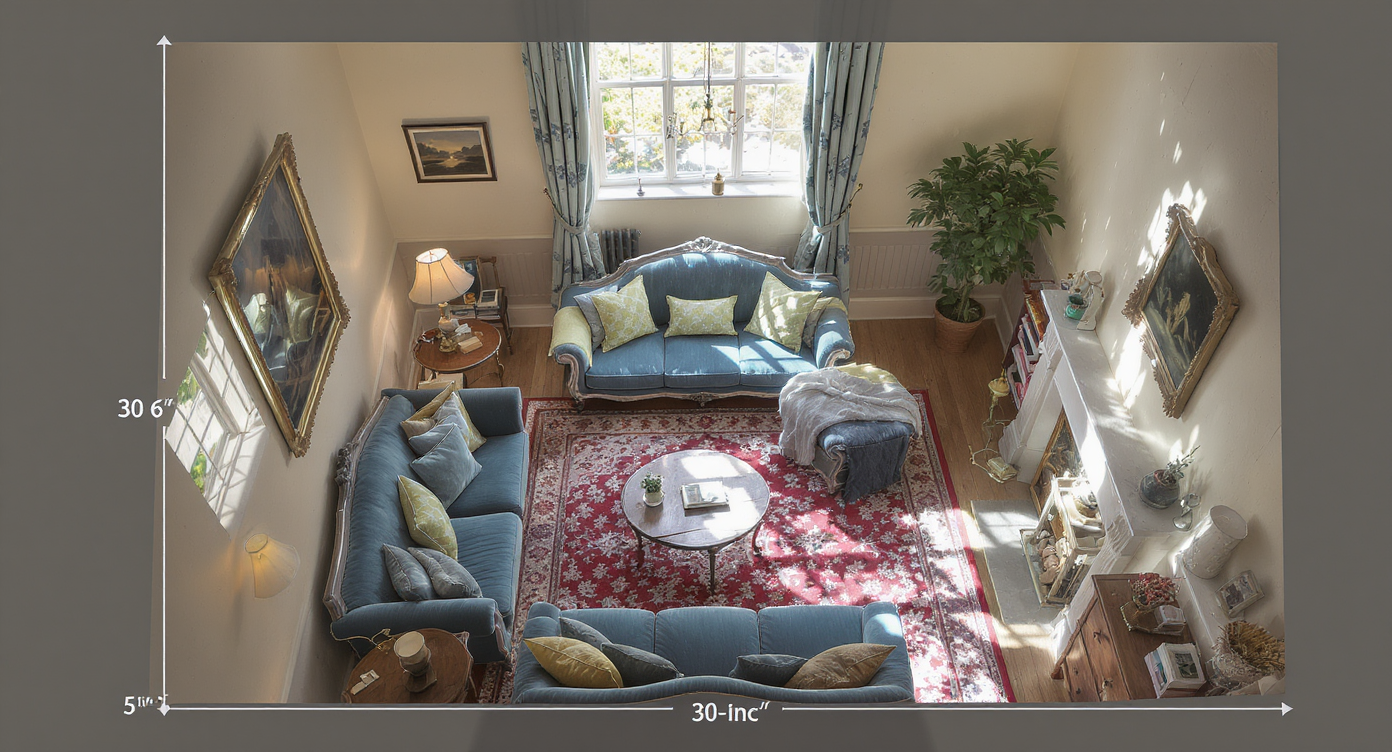
Design dilemmas boil down to layout, scale, and avoiding that one piece that throws off the balance.
Most designers recommend keeping 30–36 inches of clear walking space through main paths; tighter rooms can dip to 24 inches in low-traffic zones. In compact Victorian terraces, the “off” feeling usually comes from one oversized piece stealing circulation, not from bold color itself. Think: a deep sectional that blocks a doorway, a coffee table that’s too big, or a rug that visually chops the room.
Scale is your friend. In parlors with tall ceilings but modest footprints, choose slimmer silhouettes (sofa depths around 30–34 inches, low arms, visible legs) and keep bulky storage vertical (wall-mount shelves, tall cabinets) to free floor area. That makes space for joyful color—chartreuse walls, ultramarine ceilings, sunny stairwells—without pushing the room into visual gridlock.
Light matters, too. A windowless stair core can take a saturated yellow or lime because color becomes the “light source,” whereas a north-facing studio may need warmth (mustard, olive, peach) to balance cool daylight. If your home mixes living and working zones, define them with color blocks or ceiling color changes instead of extra furniture; you’ll get a stronger vibe with fewer pieces.
When a room still feels chaotic, remove the potential culprit for 24 hours (that super-deep sofa, the chunky coffee table). If the space immediately breathes, you’ve identified the one wrong piece. Swap scale before repainting everything.
For more planning help, scan this breakdown of AI interior design tools to see how different platforms handle layout, mood boards, and paint testing from a single photo.
Anecdote
That windowless stair core? Painting it a vivid yellow can feel like switching on permanent sunshine—especially in a British terrace. The trick is repeating that yellow once or twice elsewhere so it reads intentional, not random.
Furniture Rules That Quietly Solve Most Room Problems
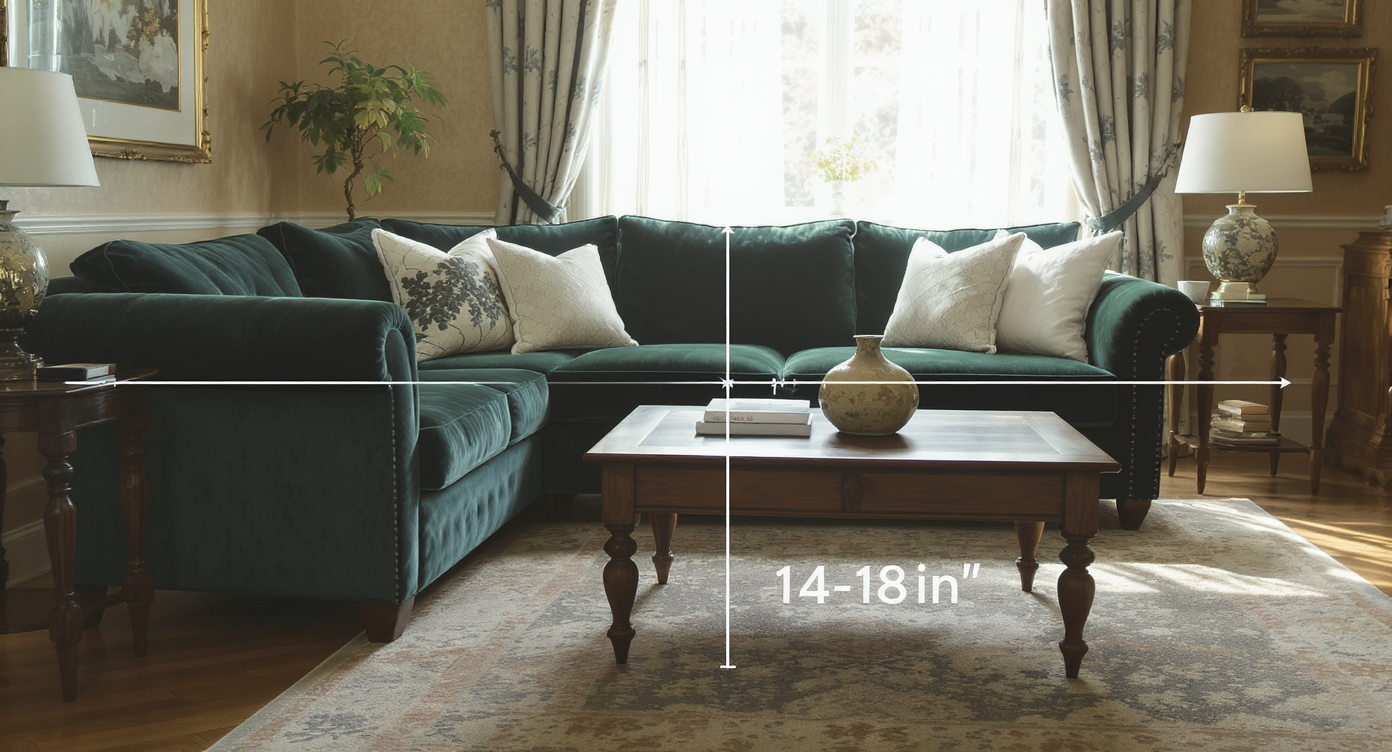
Simple furniture spacing rules create calm, functional rooms even with maximalist colors and texture.
Coffee tables usually work best when they’re 14–18 inches from the sofa front edge. Use that and a few other rules of thumb to keep a small, color-forward room easy to live in:
- Walkways: 30–36 inches in primary paths; 24–30 inches in secondary zones.
- Sofas: depth 30–34 inches for tight rooms; consider 72–84 inches long for terraces.
- Rugs: front legs of sofa and chairs on the rug; leave 6–12 inches from rug edge to walls.
- TV distance: roughly 1.5–2.5× the screen diagonal (e.g., 55-inch TV ≈ 6–11 feet).
- Dining: 36 inches from table edge to walls for scooting chairs comfortably.
- Ceilings: use color overhead strategically; darker ceilings can cozy tall, narrow rooms.
Once the bones are right, go maximal: repeat 2–3 colors in at least three places each (e.g., ultramarine ceiling, stair risers, and a lamp). Balance “plastic pop” with grounding notes—olive upholstery, walnut, or cork—so the palette feels deliberate, not random. You can test these ratios visually in ReimagineHome.ai; upload a photo and compare a few mix-and-match palettes side by side.
If you’re wrestling with long-and-narrow layouts, pull more examples from our small living room layouts guide.
How ReimagineHome.ai Helps You Test Layouts, Styles, and DIY Ideas
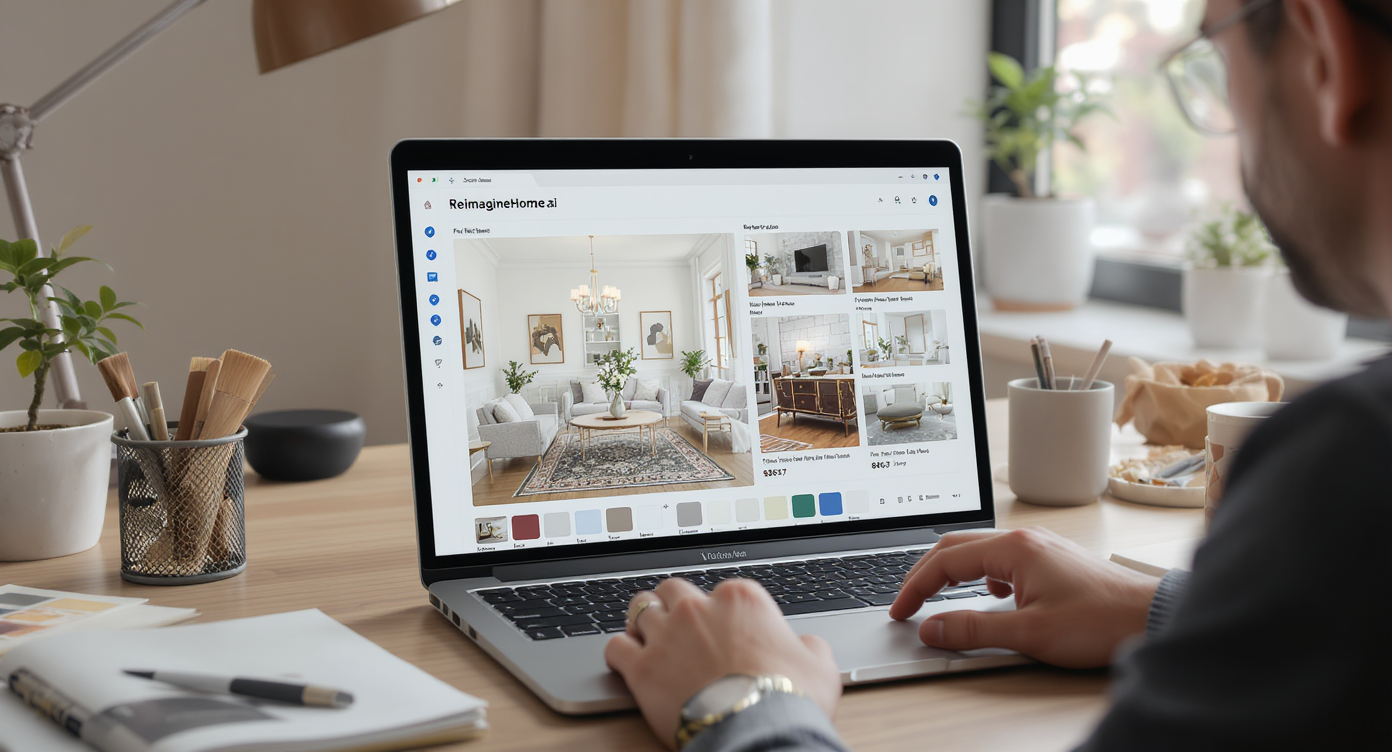
ReimagineHome.ai lets creatives preview bold color and layout ideas digitally before committing.
AI tools can show multiple layout and style options in minutes, before you move a single piece. With ReimagineHome.ai, you can redesign a room from one photo (no measurements) to test maximalist color, Memphis 80s forms, and pattern scales without risk.
- AI interior design from a photo: restyle your Victorian terrace lounge, studio bedroom, or kitchen in new palettes and styles—Scandi, Japandi, Boho, or unapologetically Memphis.
- AI room planner for small spaces: preview slimmer sofas, a round vs. rectangular coffee table, and different rug sizes to reclaim circulation.
- Paint and finish testing: swap ceiling colors, try high-chroma walls, or visualize a vinyl floor pattern (great for kitchen makeovers) and see how it coordinates with cabinets.
- Virtual staging for creative zones: stage a desk, easel, or shelving in a studio bedroom to confirm work/live balance.
If you want a walkthrough of turning one phone photo into a full virtual makeover, see this deep-dive on AI room makeovers.
Step-by-Step: Go Maximalist (Without the Headache) in a Victorian Terrace or Studio
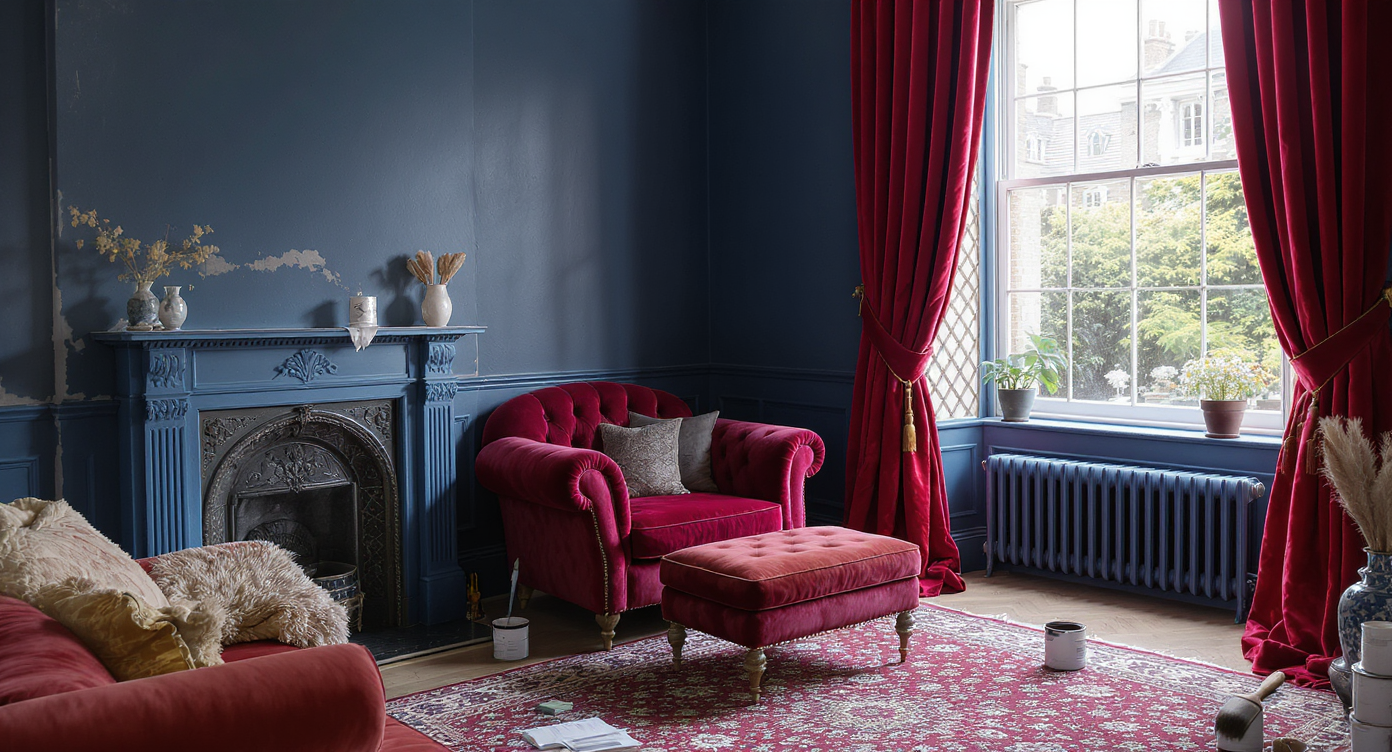
Maximalist style in Victorian terraces comes alive with layered paint coats and playful DIY furniture.
DIY-painted furniture typically needs 2–3 light coats over primer to survive high-use areas. Here’s a targeted plan for a color-brave terrace or studio home:
- Measure the room and main traffic path. Aim for 30–36 inches of clearance; if you can’t get it, choose a slimmer sofa or swap a rectangle coffee table for a round one.
- Photograph the space in daylight and upload to ReimagineHome.ai. Generate 3 palettes: one high-contrast (e.g., ultramarine + chartreuse), one grounded (olive + walnut), one mixed. Save the top two.
- Color-zone by function. Use a ceiling or stairwell color to define circulation; keep work zones calmer (mid-tone walls, colorful art) and let social zones carry the punch.
- Pick one statement light or lamp (Sottsass-style, sculptural pendant) and echo its geometry in 1–2 smaller accents to make maximalism feel cohesive.
- Use pattern with scale intent: 1 large (vinyl floor or curtain), 1 medium (rug), 1 small (cushions). Repeat colors across them.
- Old-house pragmatics: if wallpaper feels risky on crumbly plaster, try fabric panels or paste-the-wall nonwovens you can remove; or paint a large-scale mural block instead.
- Renters’ workarounds: hide the boiler with a curtain in vintage fabric, apply renter-friendly vinyl floor or stair runners, and lean art instead of drilling where possible.
- Prep and paint: patch, sand, prime stained areas; use durable scrubbable paint in kitchens/halls. Test sheen—matte hides flaws, satin brightens dark halls.
- Final check in AI: drop in the exact rug size, try two sofa lengths, and toggle ceiling color on/off to confirm the balance before buying.
Visualization Scenario
Upload a photo of your lounge to ReimagineHome.ai, sample an ultramarine ceiling, chartreuse stairwell, and a patterned vinyl kitchen floor; then duplicate the scene and swap in an olive sofa and walnut media unit to compare “plastic pop” vs. grounded palettes side by side.
FAQ
How do I fix an awkward living room layout without buying all new furniture?
Clear 30–36 inches for main paths, pull the sofa off the wall if needed, and try a smaller or round coffee table at 14–18 inches from the sofa. Use ReimagineHome.ai to test the layout with your current pieces before committing.
Which AI interior design tool is best for small apartments and terraces?
For quick, photo-to-redesign workflows, ReimagineHome.ai shines: it restyles from one image, tests paint colors, and suggests furniture layouts sized for tight rooms. For comparisons of virtual room design features, see this breakdown of AI interior design tools.
How can I see if a new sofa or rug will fit my room before I buy it?
Measure walkways and viewing distance, then preview lengths and rug sizes in a photo-based mockup. Upload your room to ReimagineHome.ai and compare two sofa sizes and two rug sizes side by side.
Can I use AI tools to plan DIY paint or flooring projects?
Yes. Use room design AI to test ceiling colors, accent walls, and patterned vinyl or tile before purchasing materials; it reduces returns and repaint time.
What’s the easiest way to mix different furniture styles without clashing?
Follow a 70/30 rule (one primary style, one secondary), repeat a color/material three times, and anchor with one statement light or art piece. Preview the mix in ReimagineHome.ai for instant feedback.
Visualize Your Room’s Next Chapter
Most “too much” rooms aren’t suffering from color—they’re suffering from scale. When you right-size the furniture and repeat color with intention, maximalism becomes magnetic, not manic. And when you can see it all up front, the decision gets easy. When you can see the possibilities, it’s easier to move with confidence. Start by uploading one honest photo to ReimagineHome.ai and let your next version of the room come into focus.