7 Lessons from a First-Time Budget Bath Remodel
TL;DR
A first-time bath remodel underlines how planning, flexible expectations, and hands-on problem-solving can yield impressive results, even with budget constraints. Material choices, layout adjustments, and addressing structural quirks are crucial for both renters and homeowners seeking affordable design changes.
Why a Compact Bathroom Remodel is a Learning Opportunity
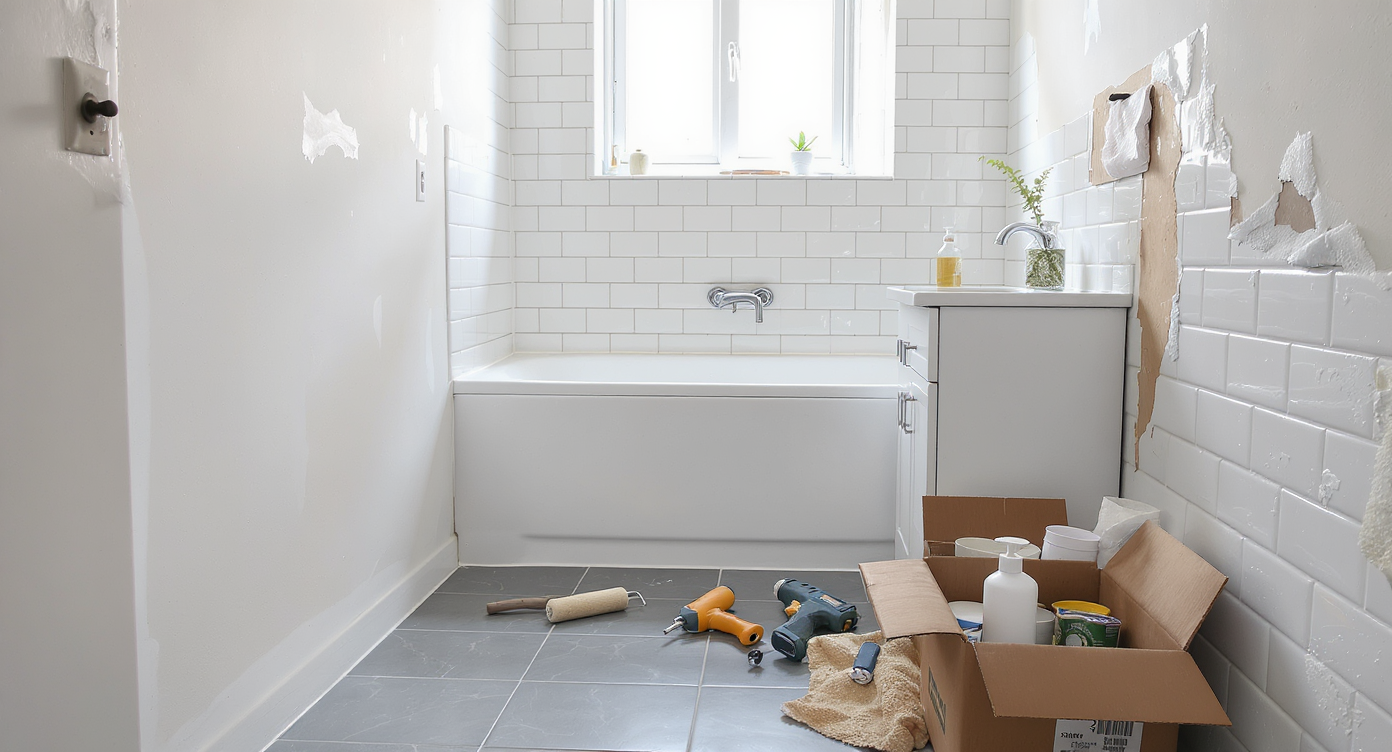
A compact bathroom undergoing renovation, featuring new budget-friendly tiles, fixtures, and tools—capturing the start of a first-time remodel.
Remodeling a compact bathroom on a limited budget is both a challenge and an opportunity to learn what truly matters in design and function. These projects often require more creative thinking than their larger, luxury counterparts. For rental properties or primary homes alike, the need for affordable design combined with practical upgrades pushes homeowners to balance ambition and reality. This list distills key lessons from one real-world bath remodel, offering actionable insights for anyone weighing a similar update. It is especially valuable for those planning rental-ready renovations or attempting their first major DIY home improvement. Each point is shaped by direct problem-solving, material selection, and unforeseen construction hurdles encountered along the way.
-
1. Meticulous Measuring Shapes Everything
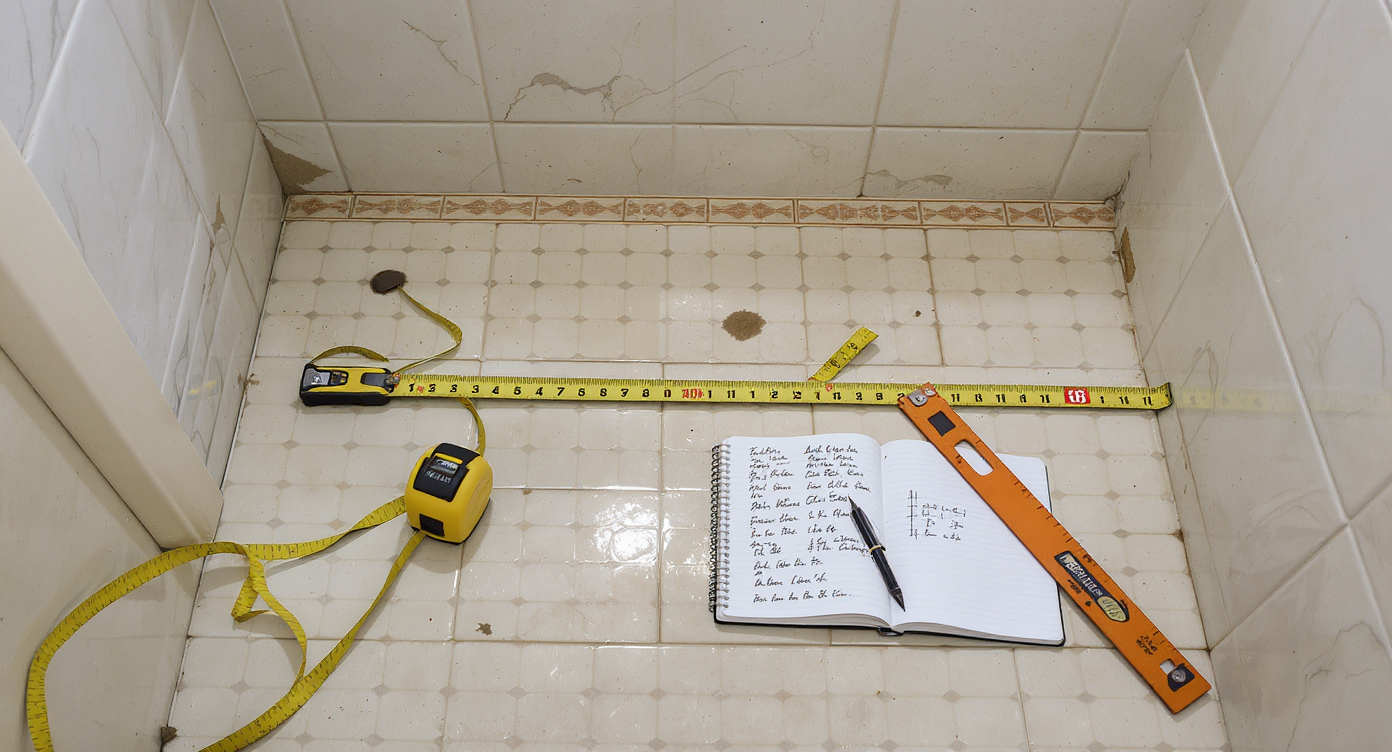
Measurement tools, sketched plans, and accent tiles laid out in a compact, older bathroom—highlighting meticulous measuring for a budget remodel.
A compact bathroom remodel, especially in an older home, hinges on detailed measurement from the start. Miscalculating square footage or failing to account for wall irregularities can lead to unexpected costs or delayed timelines. For floors and wall tiling, measure multiple times and plan extra for waste—especially if accent tiles are part of the design. Calculating material needs up front is a fundamental affordable renovation tip that can prevent both shortages and overbuying, as outlined in our guide to planning a home renovation on a budget.
-
2. Expect Surprises Behind the Walls and Floors
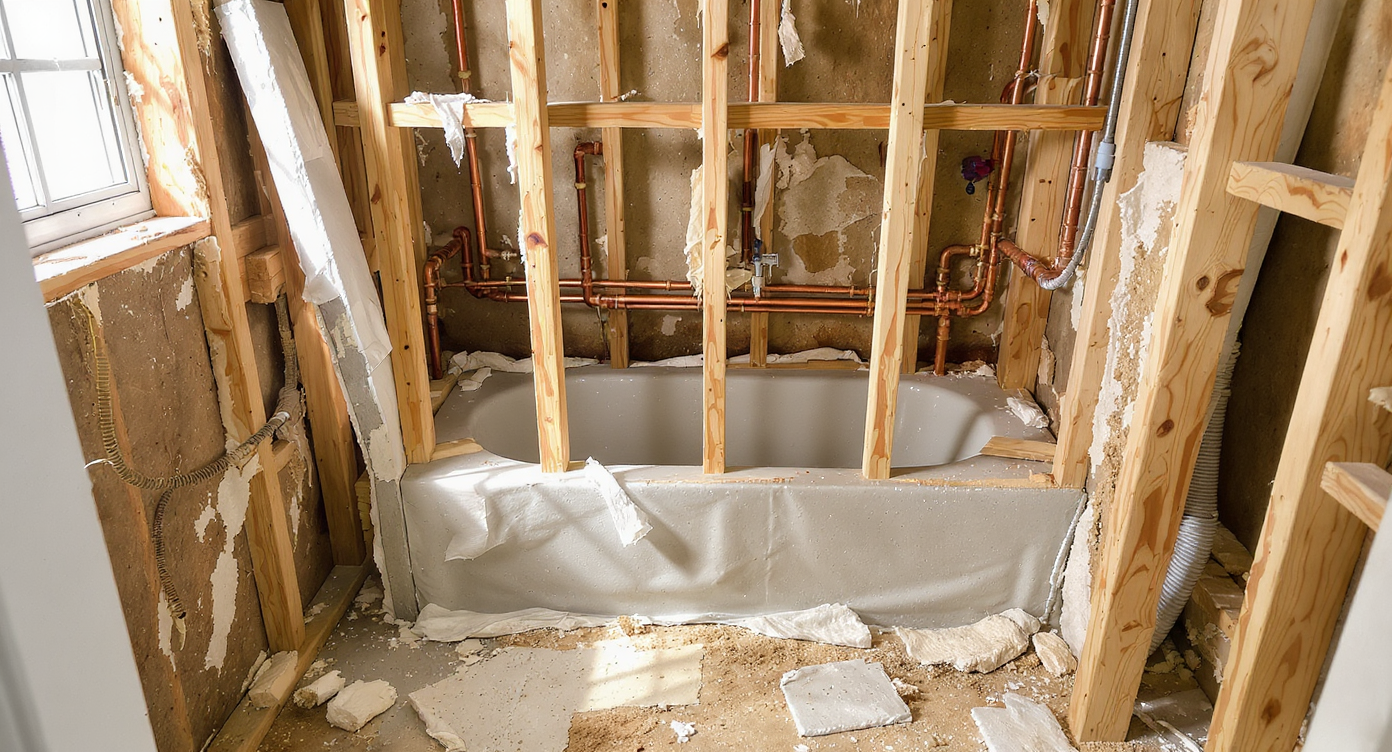
Demolition exposes uneven walls and offset plumbing, common surprises in older bathrooms that require creative remodeling solutions.
Demo may seem straightforward, but older baths inevitably hold surprises. Gutting a bathroom often reveals plumbing that is routed unconventionally or walls that are neither square nor plumb. In this example, offset plumbing and an uneven tub wall required creative use of backer board to achieve a flush finish—a scenario familiar to many homeowners. Proactively budgeting for the unknown, especially in compact & luxury bathrooms where space is tight, is essential for realistic cost estimation.
-
3. Material Choices: When to Save and When to Splurge
Choosing the right materials is where affordable design either succeeds or quickly overruns its budget. Standard ceramic tiles, discount fixtures, and big box vanities can yield stylish results if thoughtfully selected. Reserving higher-grade materials for high-touch elements while using value options for the rest reflects a strategy frequently recommended by design professionals. Rentals, in particular, can benefit from durable yet budget-friendly surfaces, achieving a clean look without overspending.
-
4. Problem-Solving on the Fly Is Non-Negotiable
No remodel, regardless of budget, goes entirely according to plan. Wall and floor thickness may call for risers or extensions, and plumbing might demand unexpected cabinetry modifications. The story of accommodating a vanity around existing pipes—rather than moving plumbing—demonstrates the importance of creative, reversible solutions. These adaptations balance function and cost, especially when expensive rerouting threatens to derail the project. For anyone attempting DIY work, readiness to improvise is a core survival skill—something echoed throughout our experts’ advice on DIY projects and resale value.
-
5. Small Details Can Change the Feel of the Space
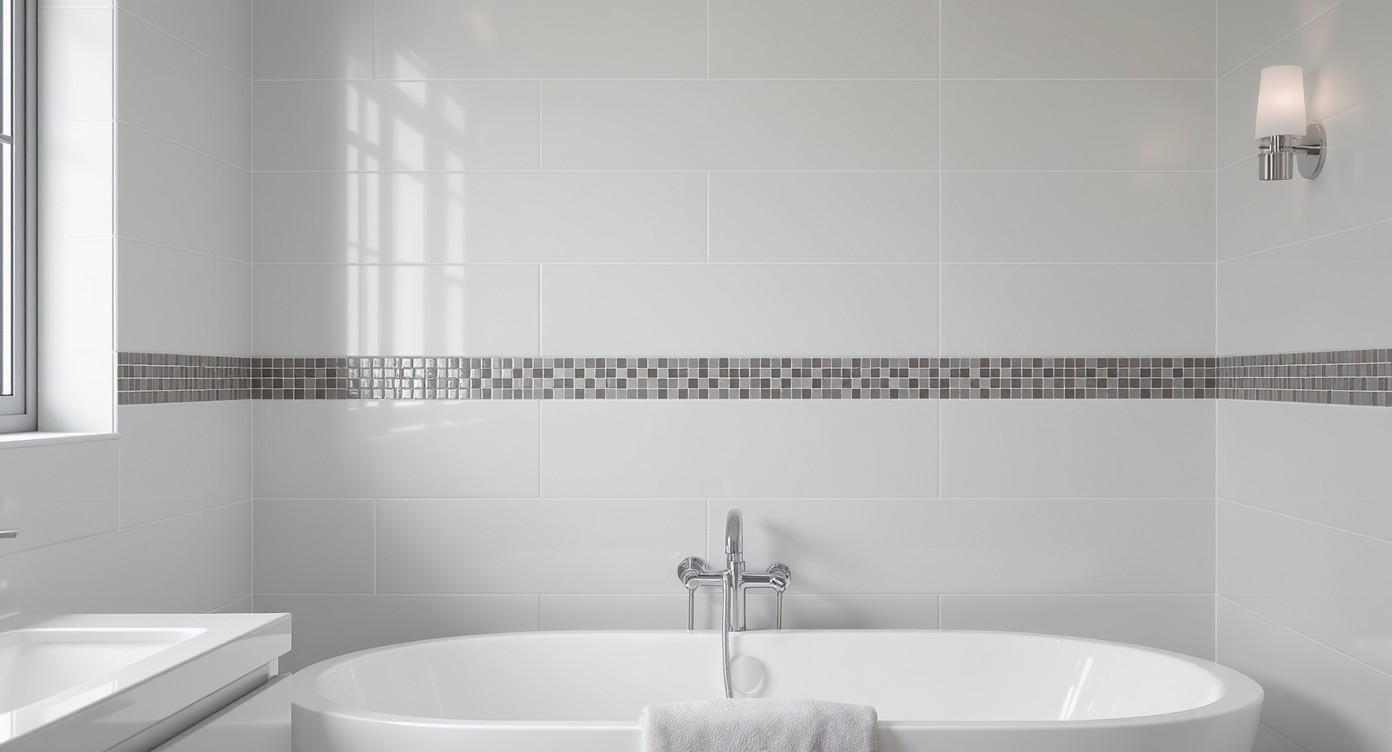
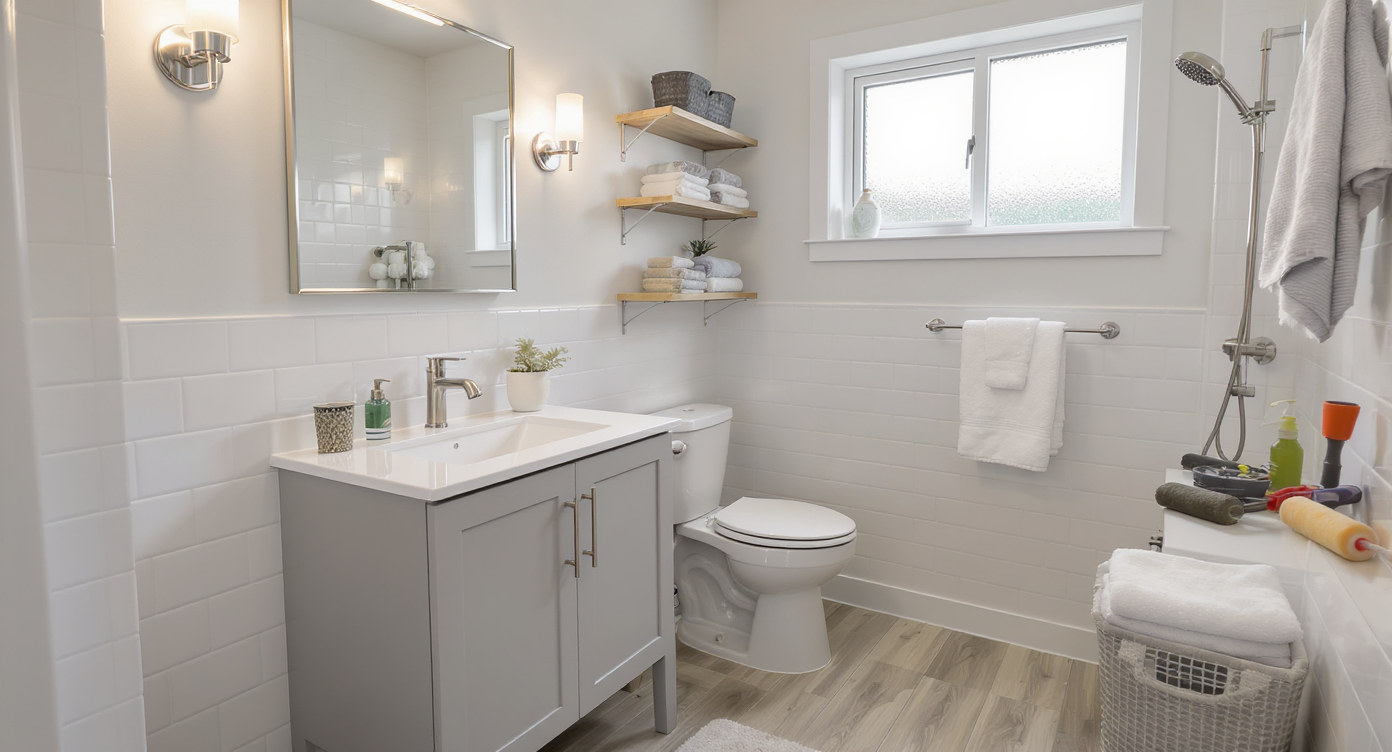
Small finishing details such as grout color, accent tile placement, molding, and hardware upgrades elevate a compact bathroom’s design.
Once the major elements are in place, finishing touches like grout color, tub filler selection, or tile accent placement wield outsized design influence. The choice of a gray and white palette aligns with current trends, but subtle details—such as aligning mosaic accent tiles or integrating PVC crown and transition molding—bridge a clean construction with an intentional look. Even in compact bathrooms, measured upgrades to lighting and hardware elevate the perceived luxury, as seen in our feature on previewing bathroom remodel finishing touches.
-
6. Having the Right Tools on Hand Matters More Than You Think
Attempting a budget remodel with an incomplete toolkit almost always leads to frustration or subpar results. Tile work, for example, demands a mix of precise cutting tools, spacers, and levels to get professional-looking finishes. Investing in or borrowing items like wet saws and backerboard screws, even if it nudges the project just over budget, can be the difference between frustration and finish quality. For aspiring DIYers, planning this toolkit is every bit as important as choosing tile or paint.
-
7. Flexibility with Budget and Timeline Is Critical
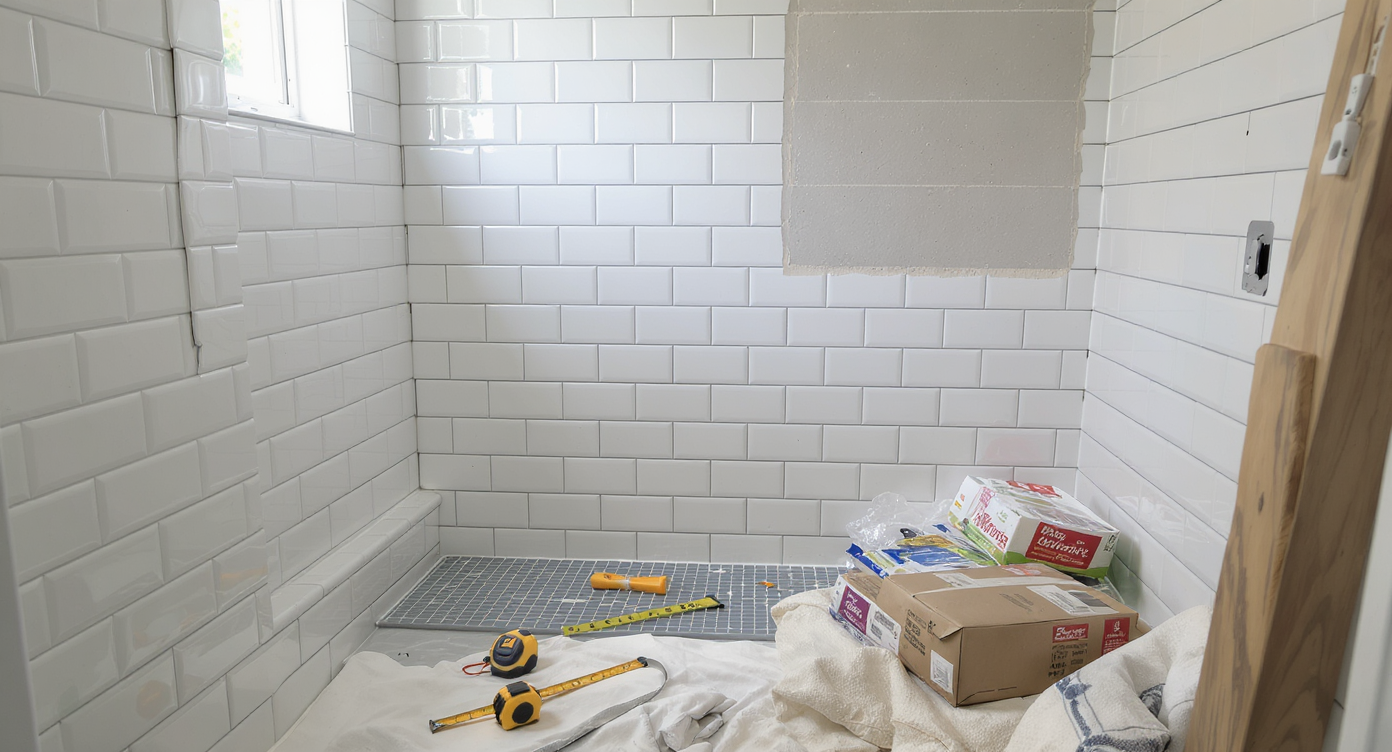
Work-in-progress compact bathroom remodel scene, featuring specialty tools and materials with a laptop open to a visualization platform.
Staying on budget is a laudable goal, but seasoned renovators know that small overruns are nearly inevitable. In this project, minor purchases of additional materials and specialty tools increased the final bill‚ but also made the work feasible and durable. Owners should build contingency into cost estimation, especially for first-time remodels. Realistic expectations regarding time, effort, and financial buffer help curb stress and disappointment. Visualization platforms such as REimagineHome.ai can assist with previewing layout changes and finish options before investing further.
Frequently Asked Questions About Compact Bathroom Remodels
Assessing the current condition of both surfaces and infrastructure, as well as planning the design and materials in detail, sets the groundwork for a smoother remodel.
How can I estimate cost more accurately for a small bath remodel?
Factor in all material costs, tool rentals or purchases, and leave 15-20 percent extra for surprises. Online calculators and visualization tools such as REimagineHome.ai can help test plans before money is spent.
Is it better to DIY or hire out compact bathroom renovations?
DIY can offer savings, particularly for cosmetic upgrades, but professionals are typically needed for major plumbing or structural adjustments. Weigh the project's complexity against your skill set, as discussed in this expert discussion.
What features deliver the most value in affordable design for rental properties?
Durable, neutral-finish fixtures, easy-to-clean tiles, and well-lit vanities often yield maximum return for both function and tenant appeal.
Key Takeaways for Successful Budget Bath Remodels
Ultimately, a first-time bathroom remodel executed on a modest budget proves that effective planning and adaptability are more valuable than top-shelf materials. Homeowners benefit from investing the most in high-impact areas, remaining nimble with problem-solving, and keeping expectations in check. Visualization tools like REimagineHome.ai add an extra layer of reassurance by previewing aesthetic changes without commitment. Each lesson learned can be applied to future projects, raising both skill and confidence for renovations to come.