9 Strategies for Designing a Massive Great Room into an Intentional, Stylish Space

TL;DR
Designing a large, double-height main social space involves breaking the room into functional zones, investing in scale-appropriate rugs and furniture, and anchoring the layout with unified finishes and textures. Smart lighting, thoughtful use of plants, and purposeful paint choices prevent the space from feeling cold or overwhelming, turning vast square footage into welcoming, cohesive living areas.
Rethinking the Great Room: Why Large Homes Need a Plan
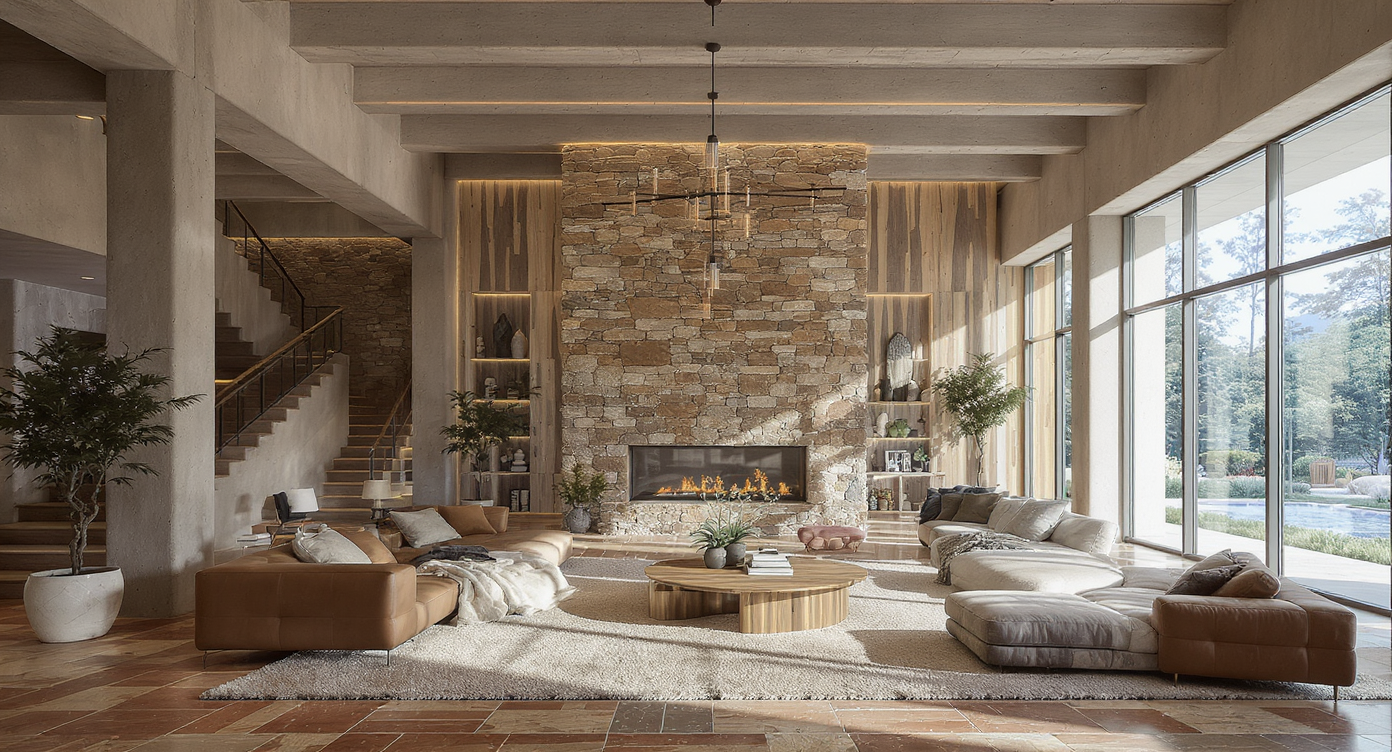
A sprawling great room illustrates the design challenge of tying together immense scale, mixed materials, and disconnected layouts.
A grand great room—spanning 1,000 square feet with ceilings soaring to 24 feet—can be both a dream and a daunting design challenge. These expansive main social spaces are common in large homes, offering endless possibilities and unique frustrations, especially when distinct materials and architectural quirks collide. Without careful planning, even the most impressive rooms can feel disconnected, cavernous, or unfinished. For homeowners and designers alike, the key is transforming openness into an intentional environment, where every element—furniture, textures, and paint—enhances both scale and function. This list presents nine effective strategies, grounded in real-world design practice and spatial psychology, to help any oversized room feel balanced, inviting, and purposeful.
-
1. Divide and Conquer: Create Functional Zones
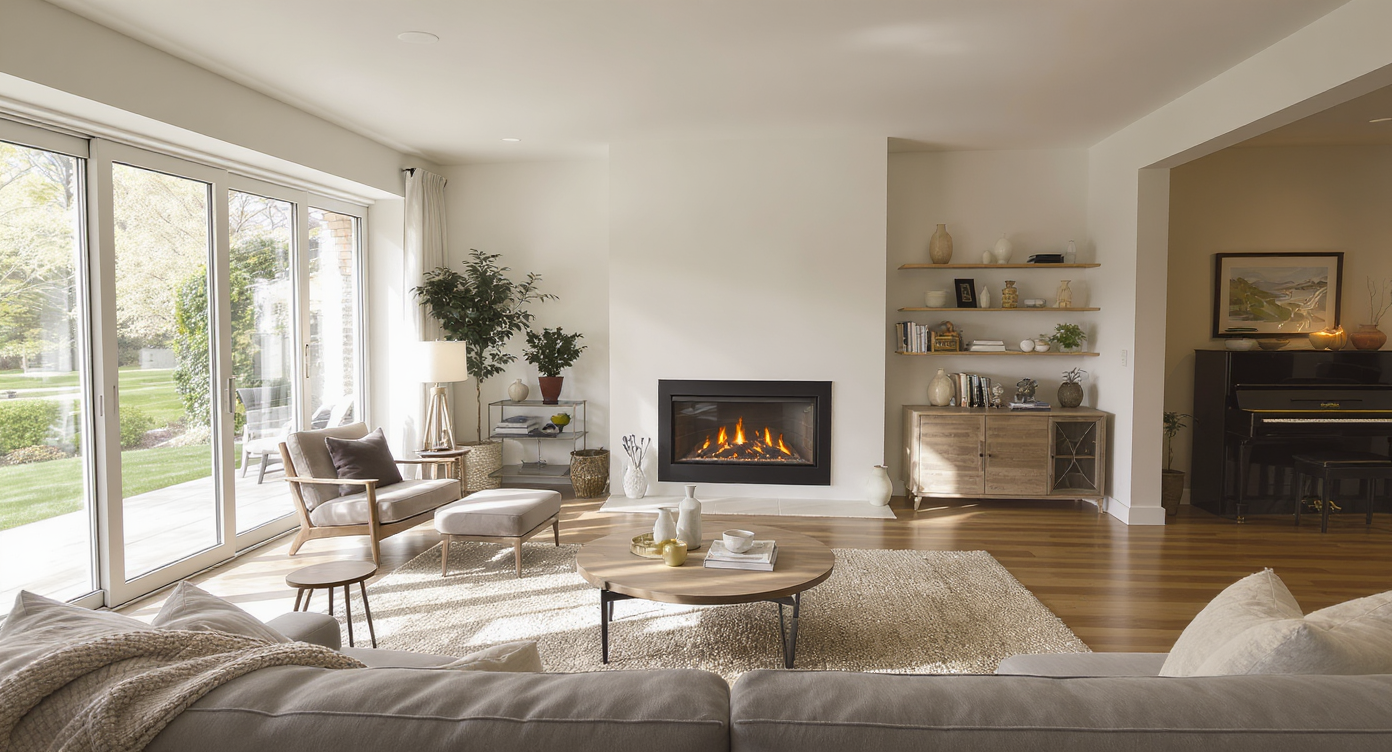
Intentional great room layout: seating by the fireplace, reading nook near windows, and a music or game space, each clearly zoned by rugs and lighting.
A large social space rarely functions best as a single monolithic area. Professionals recommend breaking the room into multiple, clearly defined zones—think a seating cluster by the fireplace, a reading nook near the windows, or even a game or music corner tucked away from the main conversation flow. To establish each zone’s boundaries without adding bulk, consider layering substantial rugs, positioning lighting for each area, and using varied furniture groupings. This approach not only organizes daily life but also gives the eye places to rest, which is vital in substantial open-plan rooms. For visual examples and AI-assisted mockups of how zones can be established, see our exploration of virtual staging for tall living rooms.
-
2. Prioritize Shape and Scale in Furniture and Rugs
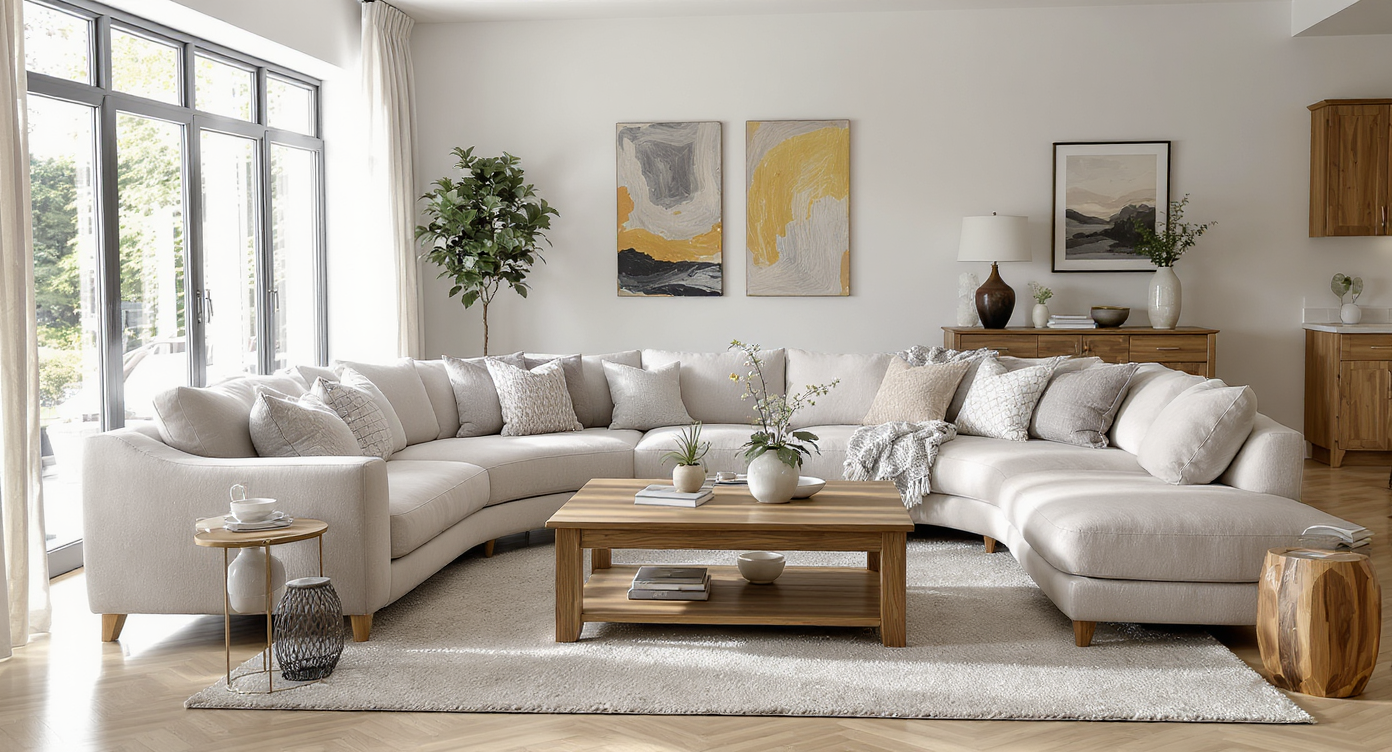
Custom-scale sectional, large armchairs, and a substantial rug demonstrate how thoughtful proportions ground a grand great room effectively.
Furnishing a massive room with standard-size pieces leads to visual imbalance. Scale is critical. Designers often turn to custom or oversized sectionals, chunky armchairs, and substantial coffee tables to anchor spacious rooms. Large area rugs—sometimes custom-bound carpet remnants—can visually connect furniture groupings and help floor finishes feel intentional rather than fragmented. When sectional arrangements echo a room’s main geometry, such as curving with vaulted ceilings or framing a view, the space becomes more cohesive. Detailed essentials for rug size, sectional arrangements, and why scale sets the tone are available in our guide to furniture arrangement and room flow.
-
3. Address Flooring Mismatches for Unity
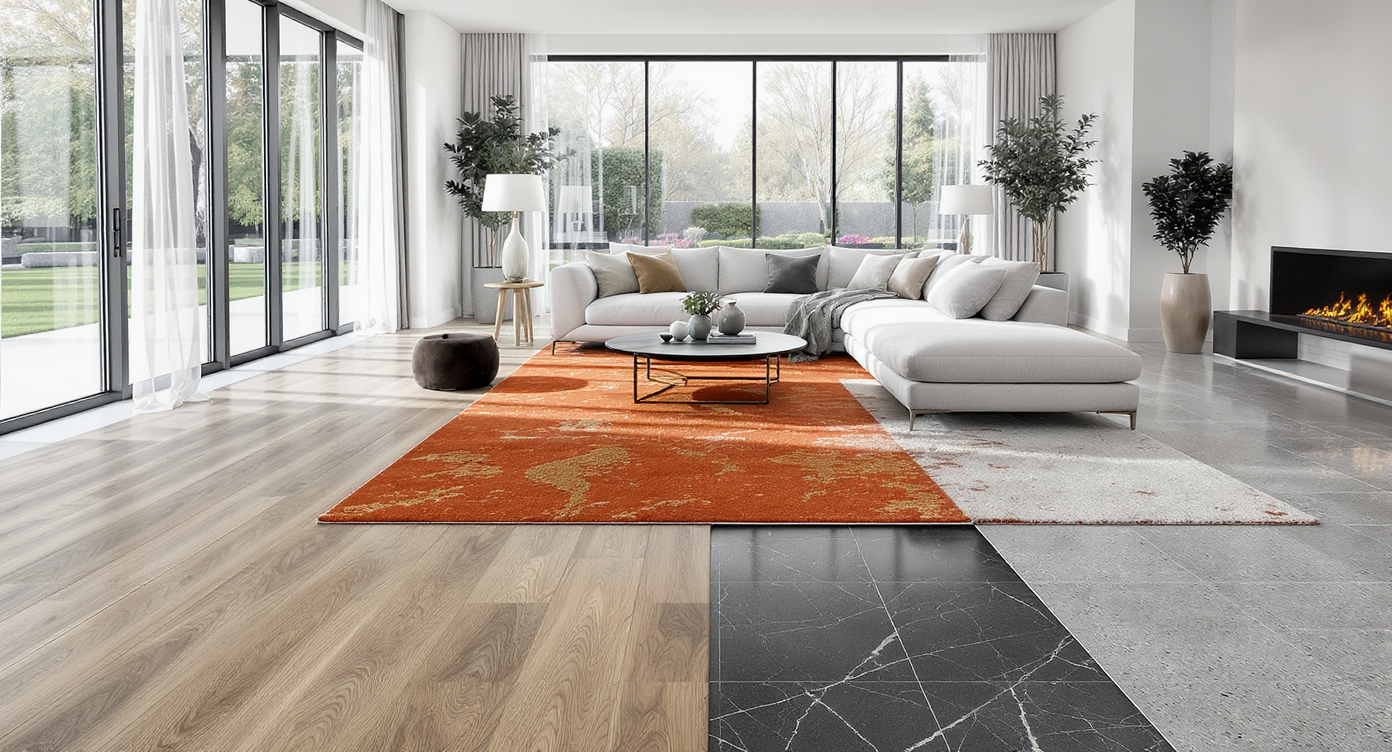
Three seamless flooring strategies—a large rug, wide-plank wood, and refined concrete—resolve mismatches in a massive great room.
Flooring transitions are amplified in large, open rooms. Mismatched woods or abrupt material changes can disrupt the desired flow. Where replacement is not feasible, use large rugs and clever furniture layouts to mask abrupt boundaries. In renovations, aligning the tone or finish of the floor to the main architectural features—either by refinishing, staining, or opting for dramatic contrast—will eliminate visual “clutter.” Tiling a section, installing wide-plank wood with a unique character, or even polishing existing concrete can turn awkward zones into design statements. When experimenting with new finishes or visualizing before committing, REimagineHome.ai allows you to test these ideas in your real space before making costly choices.
-
4. Treat Window Walls as a Feature, Not an Obstacle
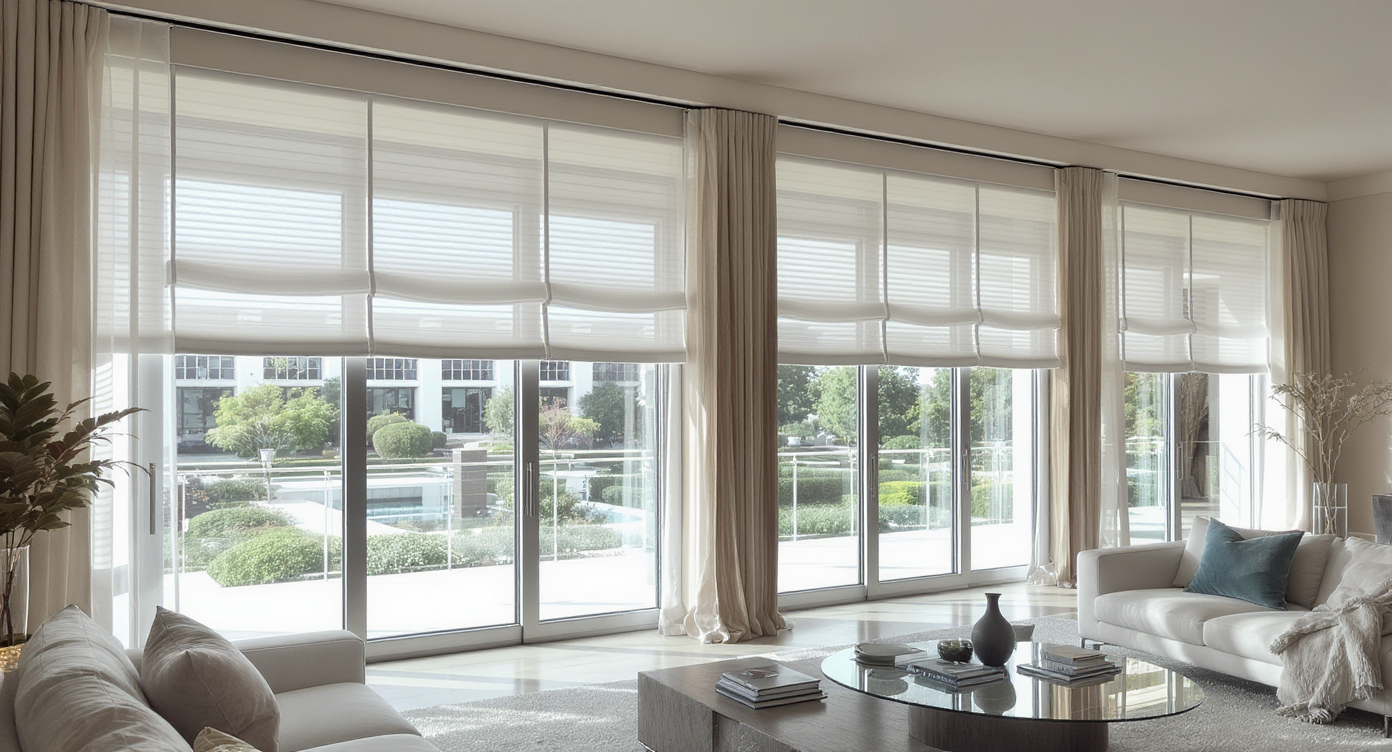
Instead of oversized curtains, custom blinds, layered sheers, and wood treatments elevate window walls as intentional design features.
Expansive walls of windows, while stunning, can introduce challenges for privacy, light control, and room balance. The default solution is often oversized curtains that visually weigh down the upper space or feel disconnected from the room’s layout. Instead, many designers opt for custom motorized blinds, layered sheers, or even architectural treatments that echo the geometry of the windows, keeping the focus on the view while ensuring practical comfort. Experimenting with scale—say, hanging treatments below the highest windows or using sculptural rods—helps avoid the “circus tent” effect. For insight into rendering window wall treatments before installation, consider approaches shared in our post on AI-powered virtual staging.
-
5. Harness Architectural Quirks Into Focal Features
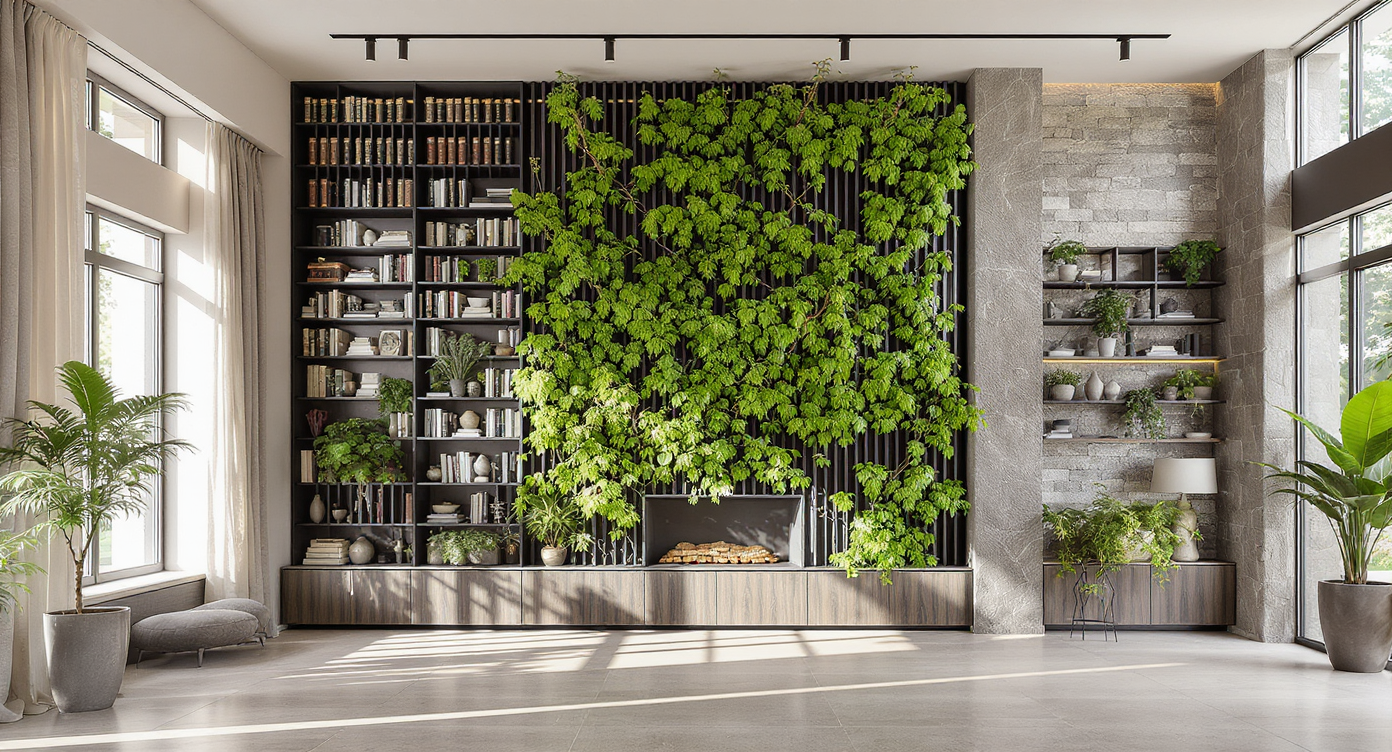
Unusual architectural features become highlights—a reimagined climbing wall as a bookcase, living plant shelf, and custom millwork in a stylish great room.
Unusual architectural details, whether built-in climbing walls or anomalous paneling, can be liabilities if not integrated. Rather than removing features by default, consider reinterpretation. A climbing wall, for example, could be transformed into a dramatic bookcase, a living plant installation, or a gallery wall. When removal is necessary due to function or aesthetics, replace with high-impact paint, stone cladding, or creative millwork that nods to the room’s original story. Design professionals suggest that such moments offer opportunities for personalization and for making what could be a distraction into a highlight. Testing options visually first, as covered in our guide to fixing scale and contrast, reduces “what now” anxiety.
-
6. Curate Paints and Textures for Warmth and Depth
Large rooms featuring copious wood, stone, or glass benefit from careful layering of paint and texture. Architects often advise against the temptation to paint all surfaces white, which can create an institutional effect and undermine the cozy feel. Instead, define certain zones with deep, saturated hues or rich, subtle textures—plaster, limewash, or sophisticated wallpaper designs. Textiles such as heavy drapery, velvets, or thick wools absorb sound and add comfort. Wall colors can be coordinated with adjacent materials (like wood ceilings or floors), either blending for a serene feel or contrasting for drama. Experiment with visual mockups using tools that visualize scaled paint fixes for double-height rooms.
-
7. Layer Lighting at Multiple Heights
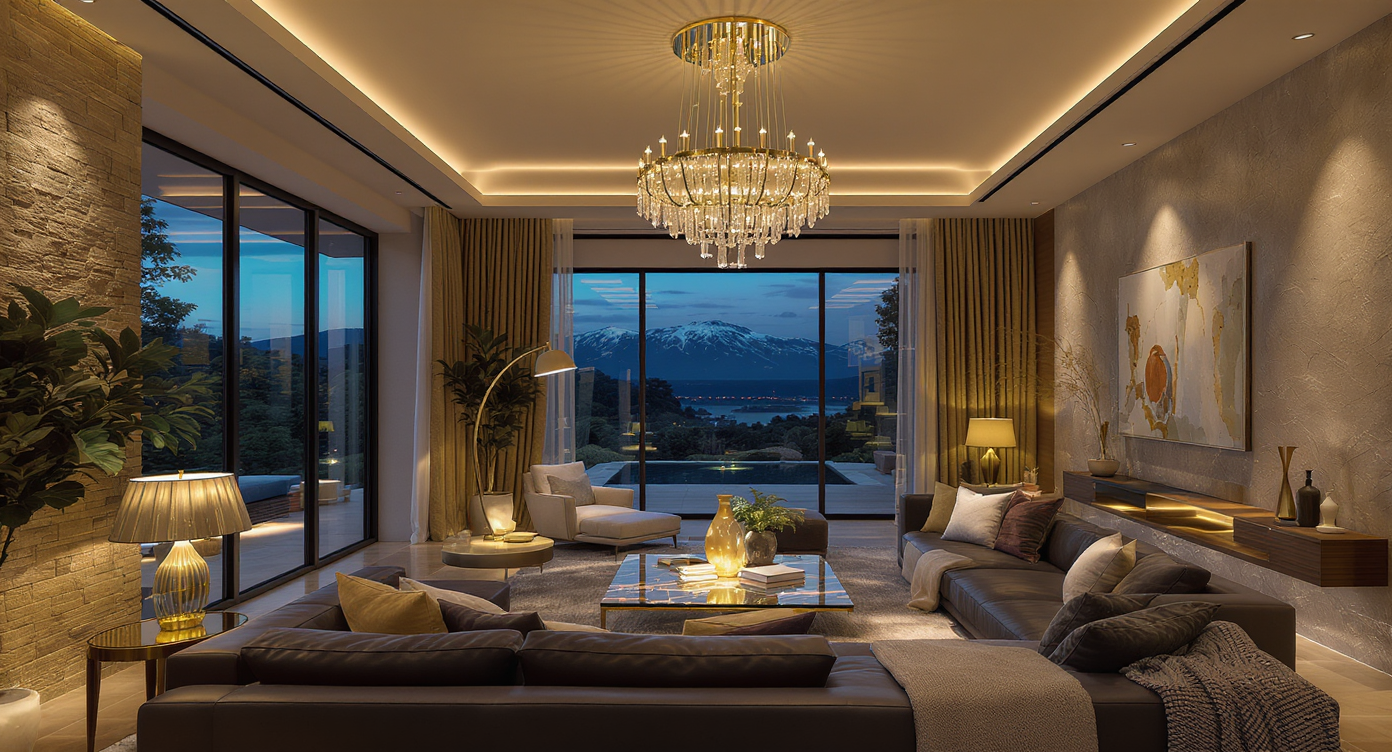
Layered lighting at multiple heights transforms a massive great room, using chandeliers, floor lamps, pendants, and accent lights for inviting, flexible ambiance.
Single fixtures high in the ceiling rarely provide suitable ambiance or task lighting in rooms with so much air above the furniture. Instead, employ a mix of statement chandeliers (sized to rival the room’s volume), pendants, floor lamps, and table lamps to build “lighting scenes.” Accent uplighting, wall washers, and even hidden track systems can highlight architectural features or plants and prevent the room from feeling cavernous at night. Designers frequently add utility through remote controls, smart bulbs, or programmable scenes for daily routines, ensuring every seating area is inviting after dusk. Layered lighting is particularly crucial for spaces with multiple zones and activity types.
-
8. Bring in Nature With Large Plants and Organic Forms
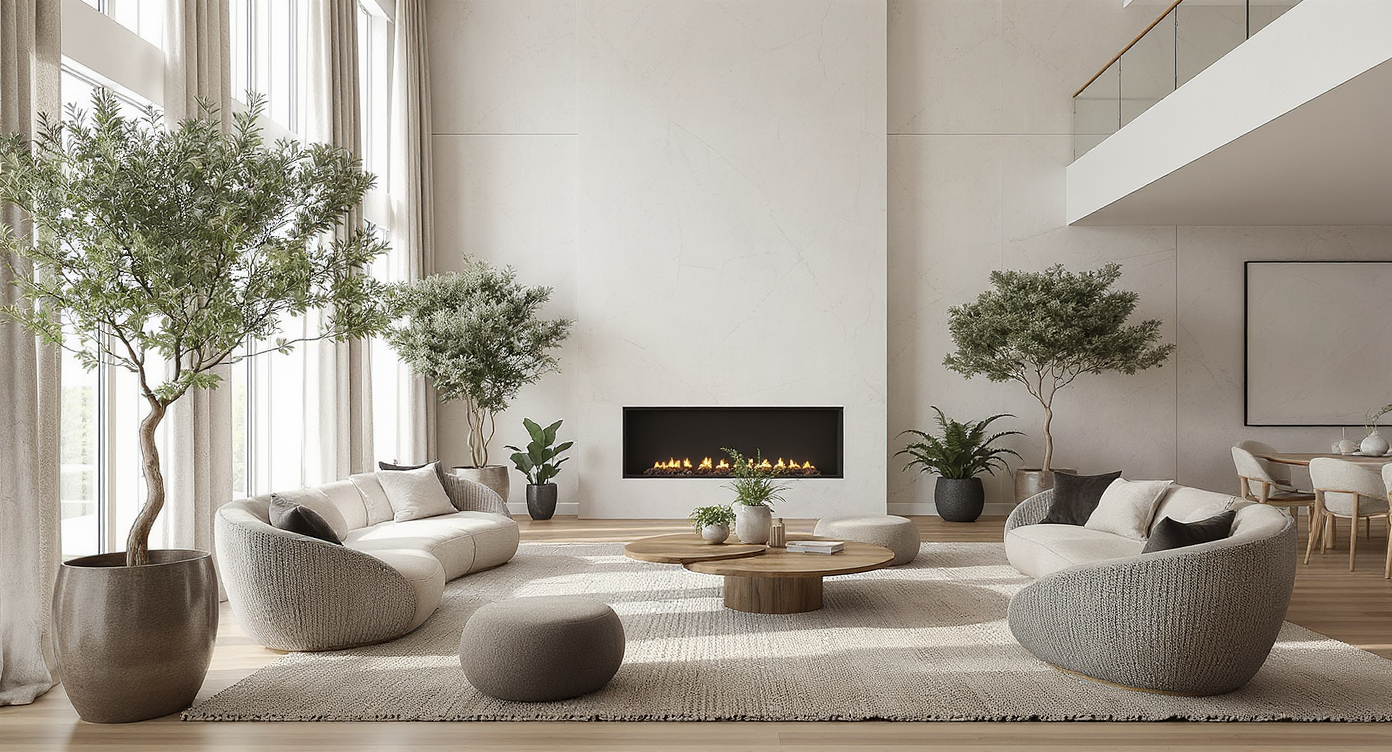
Mature indoor trees and generous leafy plants in large planters soften a sunlit great room, pairing with curving sofas and organic shapes.
Tall, light-filled rooms are ideal for mature indoor trees and clusters of substantial leafy plants. Large pots and “living arrangements” not only scale proportionally to the architecture, they also soften hard lines created by wood, stone, or glass. Activate corners, frame windows, or even create “eco partitions” between zones. In practice, designers often use olive trees, fiddle leaf figs, or dramatic palms that make a statement without cluttering the floor plan. Organic-shaped furniture, curving sectionals, and soft textiles add further balance, as documented in our overview of fixing layout and contrast in real rooms.
-
9. Personalize With Oversized Art and Bespoke Details
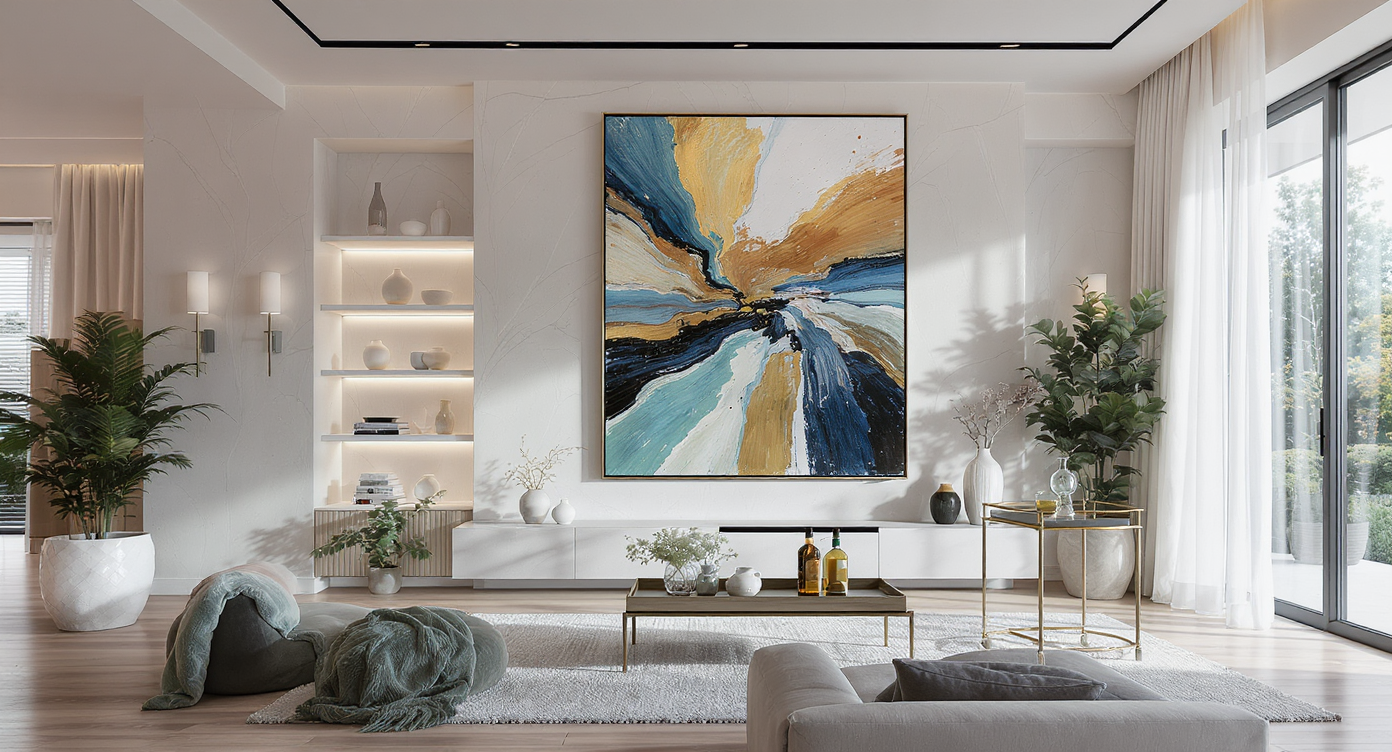
Oversized framed art, sculptural shelving, and bespoke credenzas transform a massive great room into a personalized, intentional space.
To prevent a massive main social space from feeling generic, fill vertical expanse with large-scale artwork, sculptural installations, or dramatic shelving. Custom framing or even printed murals turn blank walls into conversation pieces. Where art budgets are modest, designers turn to DIY solutions—printing high-resolution imagery for large canvases or commissioning artists for site-specific works. Add credenzas, low bookcases, or bar carts to introduce functional “moments” throughout the room, echoing the direction of the layout and harnessing both beauty and purpose. Test placement and impact using visualization platforms such as REimagineHome.ai before committing to installations.
FAQ: Great Room Design for Large Homes
Pick rugs that extend at least eight to twelve inches beyond the outer edge of the main seating area on all sides, or consider custom-bound carpet to match the space exactly. A too-small rug is the most common mistake in large layouts, as detailed in our sofa size and rug guide.
Can I test paint colors and finishes before committing?
Yes, visualizing paint and material changes on your real room before remodeling reduces risk and helps communicate ideas with professionals. Use AI visualization tools like REimagineHome.ai to preview combinations of paints, textures, and architectural details directly on photographs of your space.
What lighting works best in spaces with soaring ceilings?
Layered lighting is essential. Combine ceiling fixtures with sculptural pendants, arc lamps, and lower table or floor lamps. Use accent lights to highlight features like fireplaces or art and avoid a cold "warehouse" feel at night, as discussed in our post on virtual staging tall living rooms.
How do I incorporate existing quirks like climbing walls?
If keeping the feature suits your lifestyle, style it with custom holds or art. Otherwise, replace it with millwork or shelving that echoes the room’s scale. You can preview both options with REimagineHome.ai to decide.
Final Thoughts: Where Style Meets Scale
A thoughtfully designed large home’s main social space balances grandeur with comfort, function, and personality. Strategic zoning, scaled furnishings, and layered lighting transform even the most overwhelming great rooms into lively, functional retreats. By treating architectural quirks as opportunities, coordinating palettes, and previewing changes with digital tools like REimagineHome.ai, homeowners can make every choice count—creating not just a showpiece, but a place that truly feels like home.