7 Things No One Tells You About DIY Carpet Installation in a Bedroom
TL;DR
DIY carpet installation for a bedroom is both achievable and more physically demanding than most expect. Planning for the right tools and understanding where the pros earn their pay can lead to cost savings, but only for small, straightforward rooms. For complex layouts or multiple rooms, professional installation often wins for efficiency and finish.
What to Expect When You DIY Install Bedroom Carpet
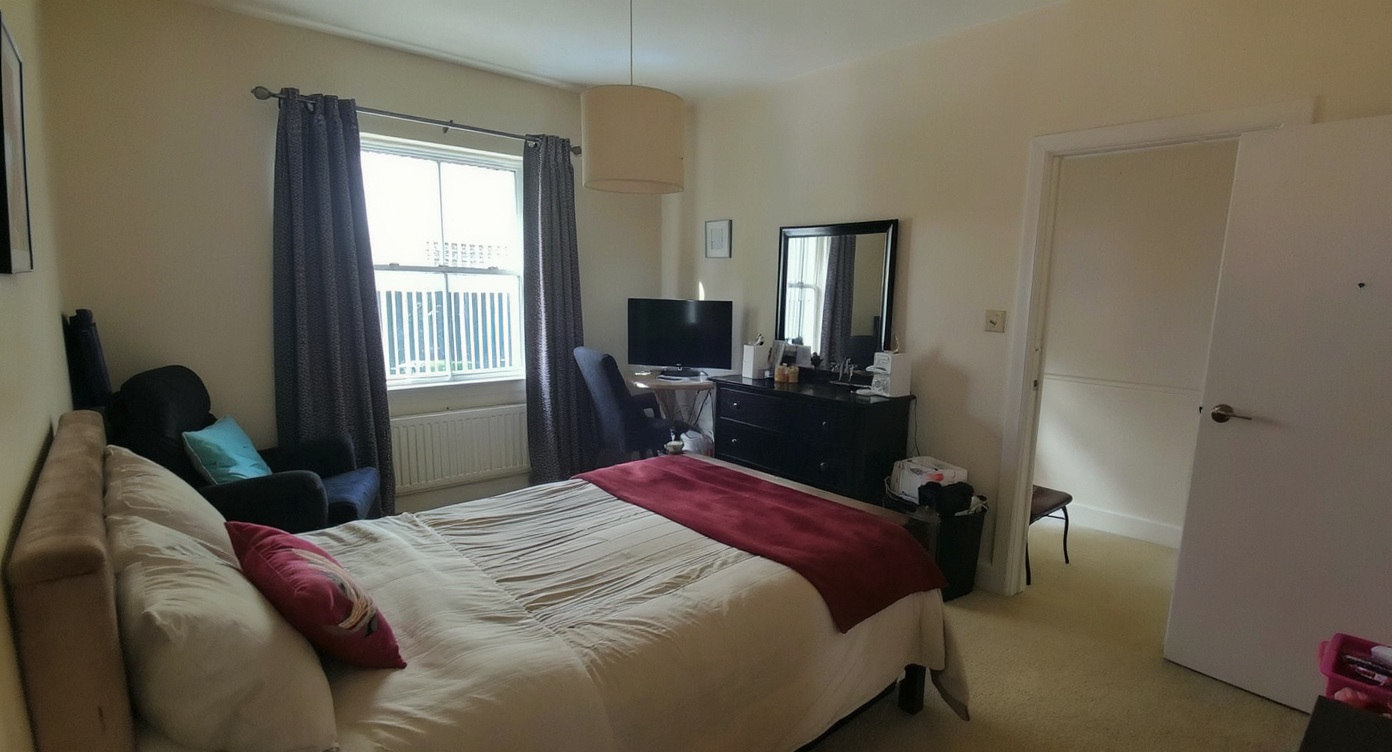
A bedroom mid-DIY carpet installation with visible specialist tools and new carpet partially fitted—realistic and editorial in composition.
Installing your own carpet in a bedroom sounds simple, but the reality is full of unexpected choices, physical demands, and moments where only experience guides the outcome. For many homeowners, the decision between a DIY vs pro approach comes down to budget, available time, and the willingness to endure a little discomfort. The learning curve is steep, yet for a single room without complex seams or transitions, the project often rewards persistence and careful attention. This list outlines the key lessons homeowners discover only after tackling a carpet install themselves. Whether your aim is to save money or feel the pride of a completed project, understanding these hidden realities prepares you for smarter decisions and a better finish—especially as part of remodel projects or exploring all bedroom concepts for your home.
-
Carpet Installation Is More Physical Than It Looks
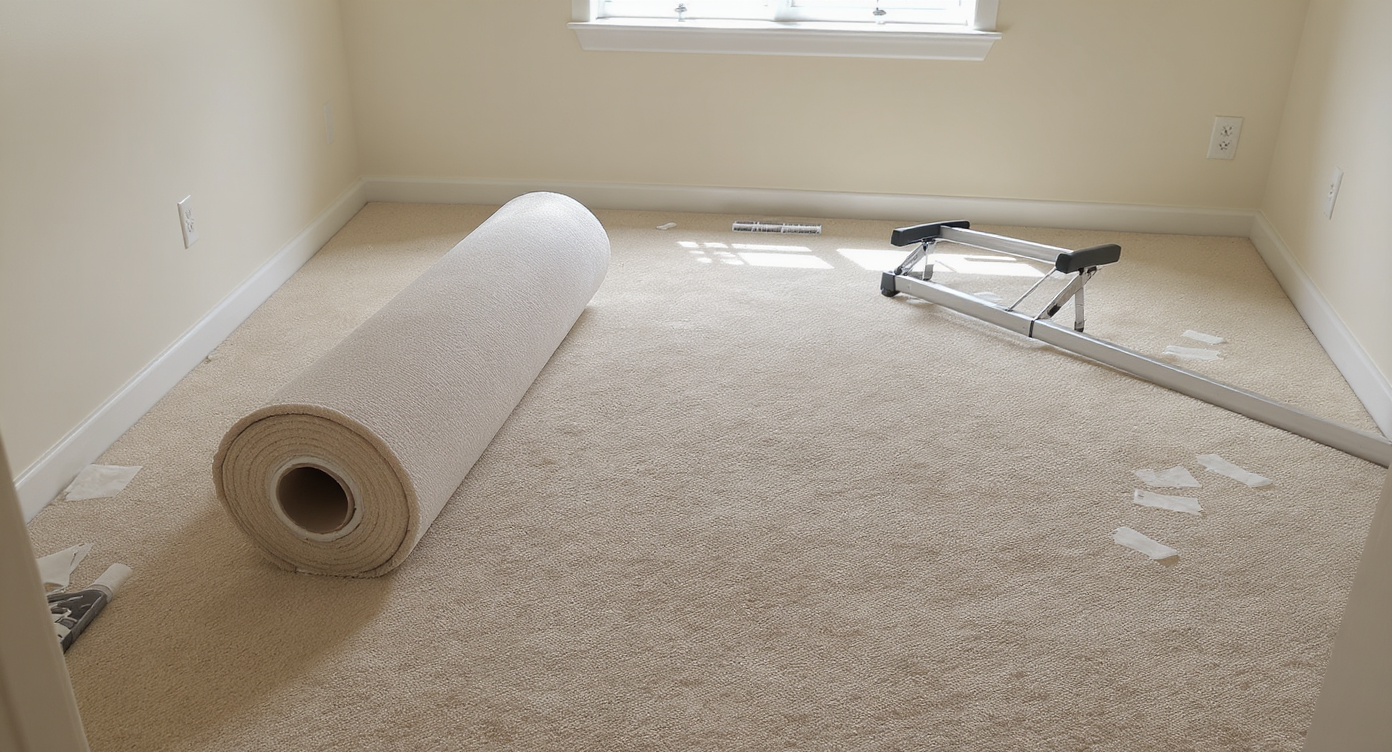
Partially installed carpet in a bedroom with a knee kicker, heavy carpet roll, tack strips, and gloves demonstrates the physical intensity of DIY installation.
Many first-time DIYers underestimate the physical intensity of installing carpet. Stretching carpet with a knee kicker can take a real toll on your body, especially your knees and lower back. Even for a small 11-by-10 bedroom, the act of kicking and stretching the carpet into the tack strips can leave you sore for days. As professionals often note, repetitive kneeling, lifting heavy carpet rolls, and staying in awkward positions are part of the job. For some, this is motivation to rent or buy specialty tools to lighten the load.
-
Tool Choices Influence Both Quality and Comfort
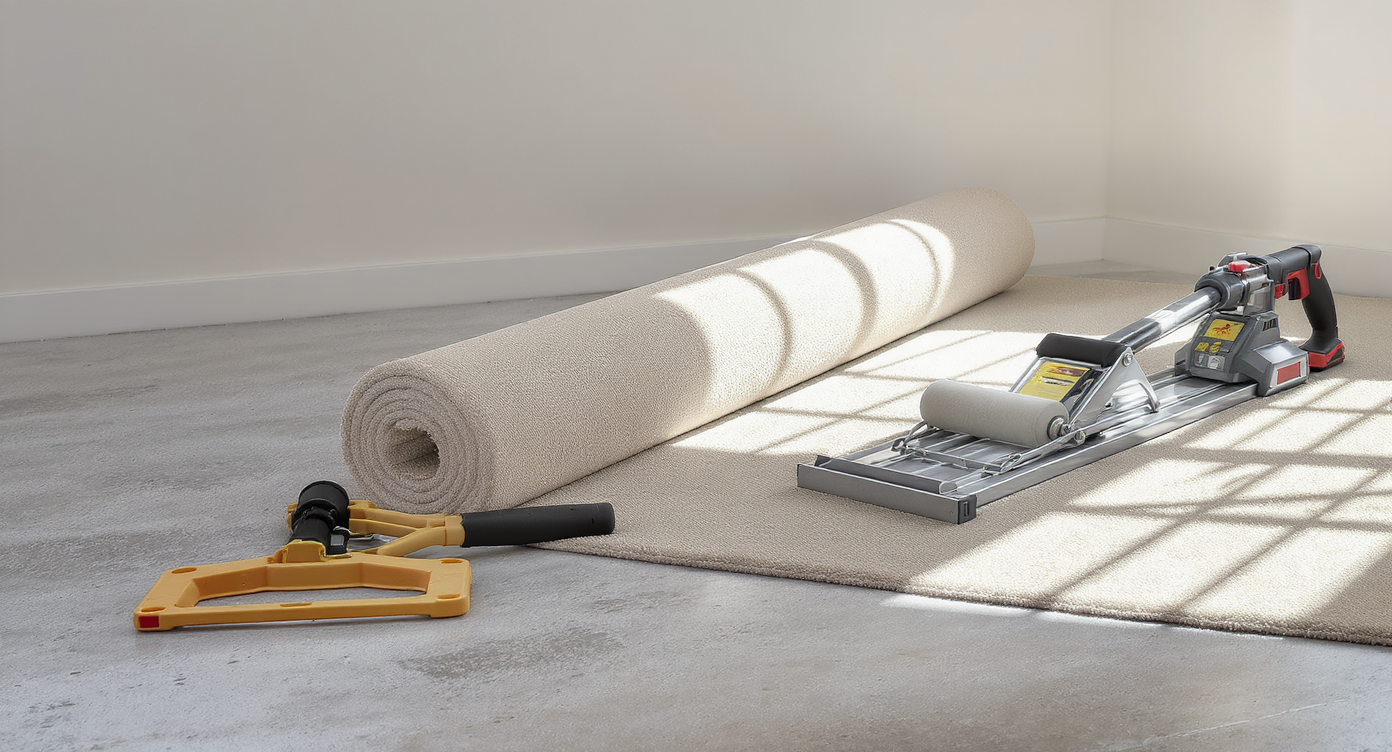
Affordable knee kicker and professional power stretcher side by side during carpet installation, highlighting tool impact on quality and comfort.
The right tools make or break the process and determine how much you enjoy or regret the job. A knee kicker is essential for small rooms, but it can be punishing to use. Many homeowners opt to buy an affordable knee kicker rather than rent one, only to realize later that a power stretcher (typically used on larger spaces) would greatly reduce fatigue. Even a modest upgrade in tools can impact both the ease of installation and the finished look. As with other DIY efforts, such as floor updates, investing in or renting professional-grade equipment can make a big difference, as seen in guides like understanding the realities of flooring projects.
-
DIY vs Pro: Where Savings Matter and Where They Do Not
Saving on labor is the main appeal of DIY, but only if the project is straightforward. For a single room with no seams or complex transitions, self-installation can be much cheaper than hiring out—particularly when minimum spend thresholds for free or discounted installation are not met at major retailers. Homeowners often discover that if the room has seams, unusual shapes, or requires significant subfloor prep, hiring a pro quickly becomes the better value for time and finish. As noted in our guide to the impact of DIY renovations on resale, professional touch can affect perceived home quality.
-
Material Sourcing and Room Prep Define Your Results
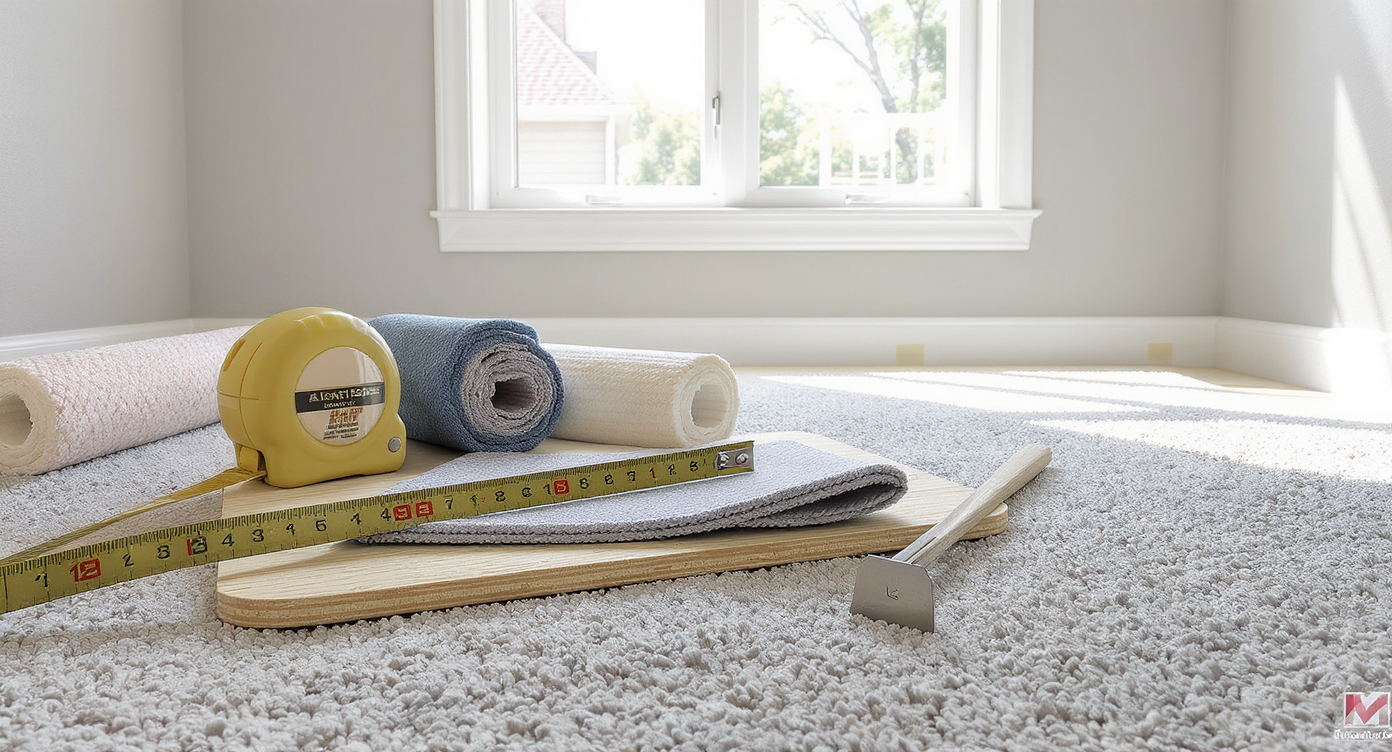
Carpet and padding samples, flooring tools, and room prep essentials illustrate the importance of material choice and proper subfloor preparation.
Shopping for carpet and padding is more nuanced than it seems. Price per square foot is just the start; understanding material quality, pad density, and compatibility with your subfloor matters. Sometimes, buying in bulk or off-the-roll from a big box store offers good value, but it may limit your choice of materials and padding weights. Subfloor prep is equally critical—a poorly prepared base will undermine even the most carefully installed carpet. Protection of new carpet during finishing tasks such as painting or trimming baseboards is essential, as small accidents can mar a fresh surface before you even enjoy it.
-
Expect Odd Logistics in Older Homes
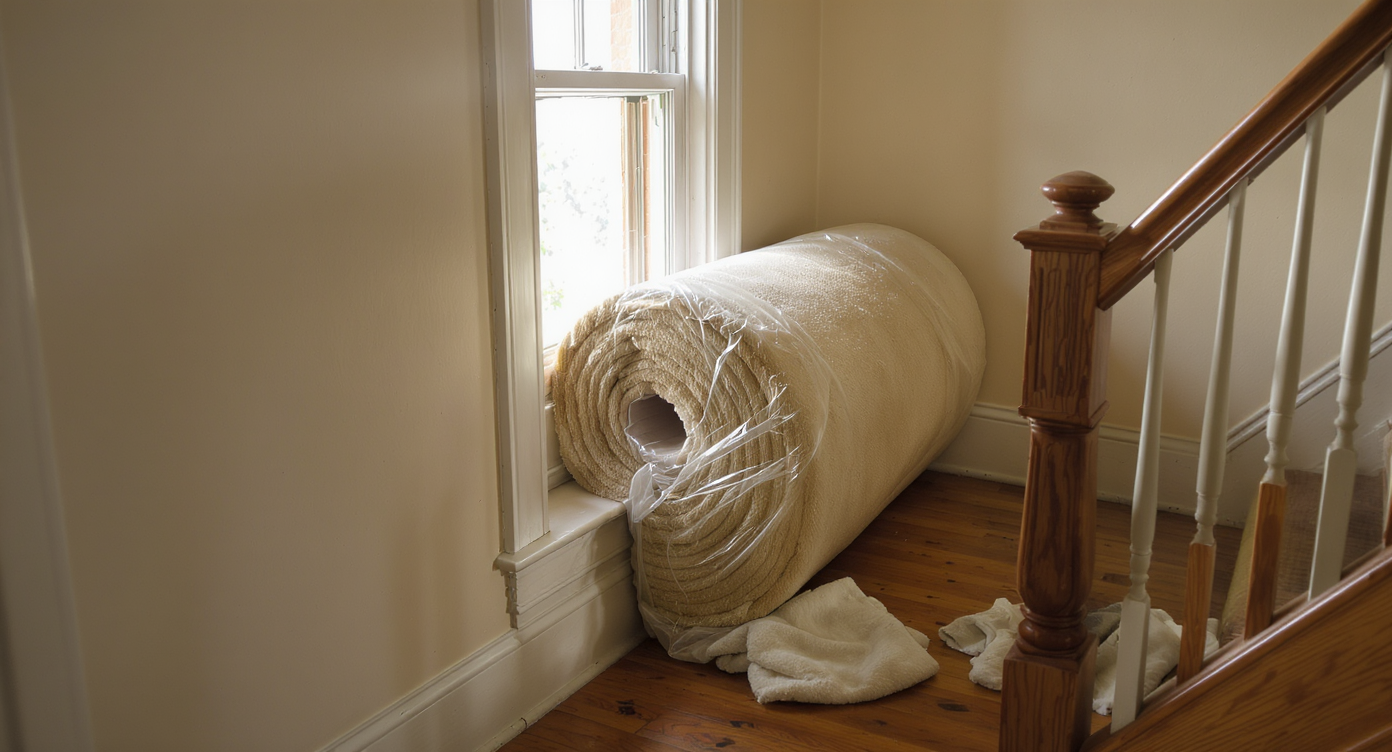
A rolled carpet wedged through a small upstairs window in a period home, illustrating the challenging logistics of installation.
Bringing a roll of carpet into an older or multi-story house is rarely straightforward. Narrow hallways, tight staircases, or unique architectural quirks may force creative solutions, such as maneuvering the carpet through a window. Be prepared for these logistics, and factor in the time and help needed to get materials into place without damaging walls or the product itself. This type of spatial challenge often repeats across remodel projects, especially in period properties.
-
Padding Choices Affect Feel and Acoustics
The type and density of carpet padding underfoot makes a surprisingly big difference. While 10lb padding is commonly recommended for sound dampening and comfort in upstairs rooms, availability or budget may dictate the use of a lighter, 7lb pad. The wrong pad will not necessarily ruin a project, but professionals suggest spending a little more for better feel and noise reduction, which can be particularly meaningful as part of all bedroom concepts where comfort is key.
-
Finishing Details Separate DIY From Professional Results
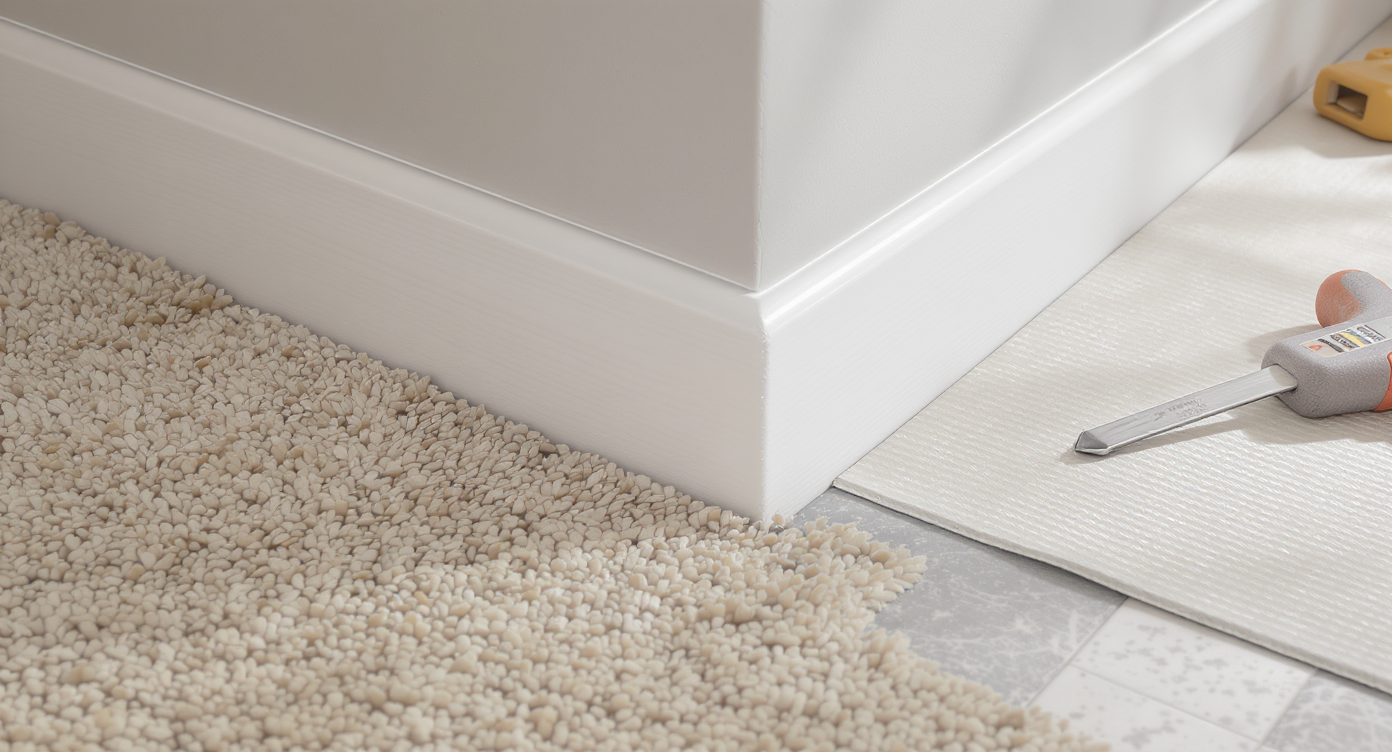
A flawless carpet edge meets professional baseboards and a clean transition strip, with tools on a protective mat for finishing touches.
The project does not end once the carpet is stretched and trimmed. Clean transitions, properly installed trim and baseboards, and careful protection of the new floor during finishing work define the overall quality. Sloppy edge cuts or skipped touch-up steps are what distinguish a DIY job from a professional finish. Even as you tackle more DIY decor, as explored in our favorite home decor ideas for 2025, putting extra attention into these details pays dividends in daily enjoyment and possible resale value.
DIY Carpet Installation FAQ
For a small, straightforward bedroom, it often is, especially when you avoid labor costs and minimum spend requirements. However, factor in tool rental or purchase and possible mistakes.
What tools do I absolutely need for installing carpet?
A knee kicker or power stretcher, utility knife, tack strips, and carpet padding are minimum essentials. For larger rooms, a power stretcher is highly recommended.
How do I pick the right carpet and padding for a bedroom?
Opt for a product that fits your comfort level and intended use. Denser padding improves softness and sound dampening. For visualizing combinations, REimagineHome.ai can be used to test layouts.
What are some common mistakes DIYers make?
Failing to properly stretch carpet, poor subfloor prep, and skipping edge protection during other renovations are typical. Professionals emphasize attention to these details for lasting results.
Where can I learn more about budgeting and planning for DIY home renovations?
Guides like our primer on DIY costs vs real savings can help set realistic expectations.
What Homeowners Learn After DIY Bedroom Carpet Installation
Taking on a DIY bedroom carpet install delivers meaningful budget savings and personal satisfaction—provided you understand the project’s physical demands, quirks, and the value of small details. Many homeowners find the balance tilts in favor of DIY for a single, simple space but quickly see the benefits of hiring pros when the job gets complex. Making use of tools such as REimagineHome.ai for layout planning and finish previews can help clarify scope before committing.