9 Effective Weed Management Tips for Rocky Landscapes in the Southwest

TL;DR
Managing weeds in Southwest rocky landscapes effectively requires a blend of physical removal, targeted herbicides, and strategic prevention. Use tools like weed torches for quick results while considering integrated pest management techniques for sustainable, long-term control. This approach helps maintain a tidy yard without constant upkeep.
Taking on the Weeds: A Strategic Approach
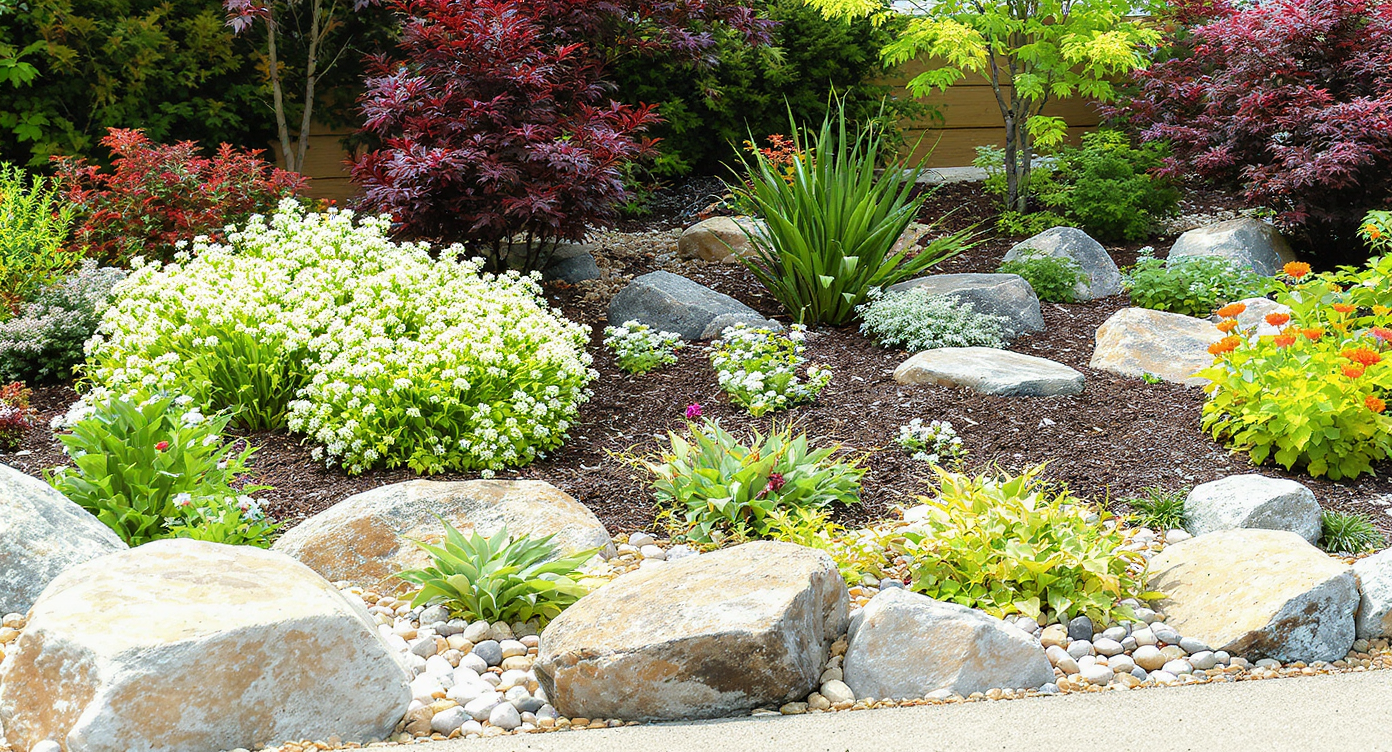
Setting the stage for effective weed management in rocky landscapes.
Weed management in the rocky terrains of the Southwest involves more than just picking or spraying—the right strategy can make a significant difference in curb appeal and landscaping maintenance. With sprawling weeds taking over gardens and yards, homeowners often question which method will be most effective without draining too much time or introducing excessive chemicals. The blend of natural and practical solutions, geared toward rocky environments, is crucial for keeping growth under control while preserving the beauty and functionality of your landscape.
-
01. Use a Weed Torch for Quick Results
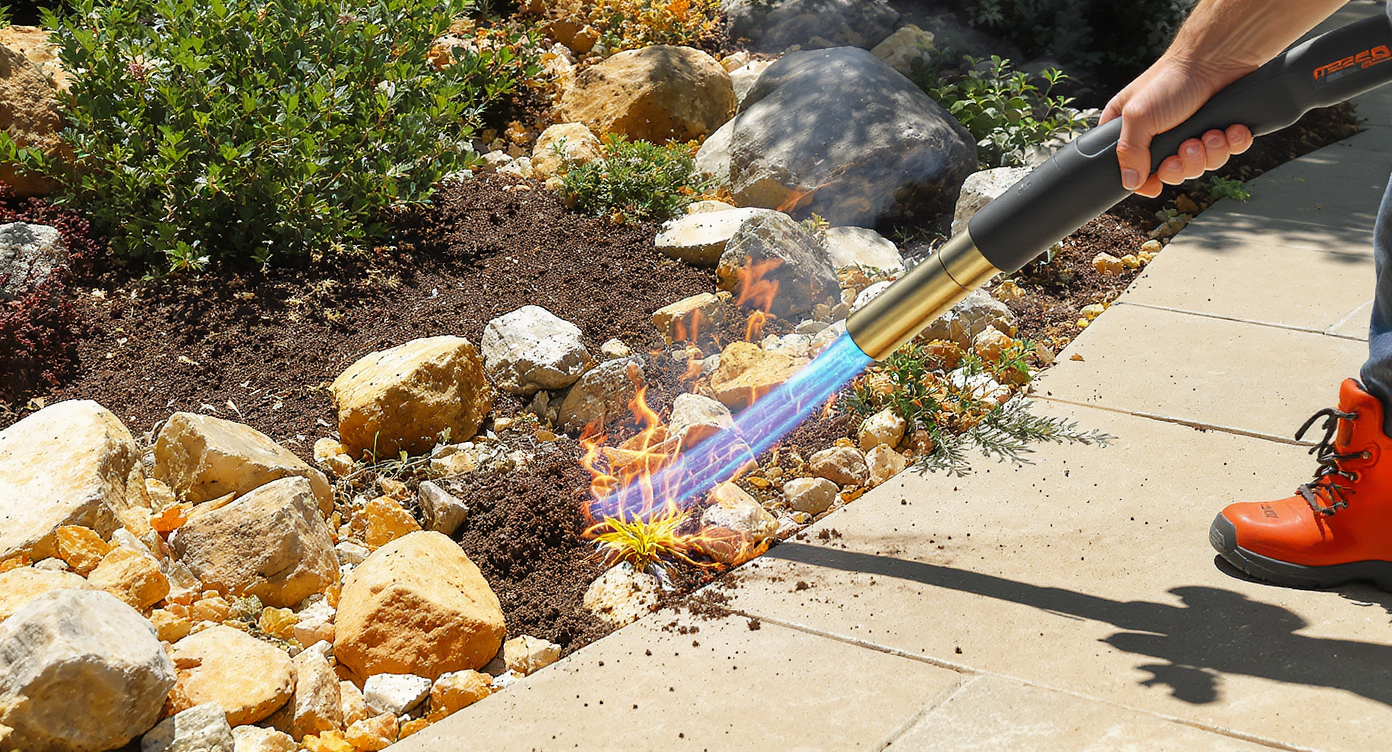
Harness quick results with a weed torch for efficient weed management.
Weed torches are ideal for targeting small weeds in gravel or paver cracks. By applying a brief flame to the leaves, you weaken the plant without introducing chemicals.
- How it works: A quick pass with a weed torch causes the water in the cells to expand, making them burst and die back. This method is praised for its speed and efficiency, but note it's not ideal for weeds with deep taproots.
- Ensure you use this tool on a dry day to avoid any complications from moisture.
Expert Insight
A homeowner in Arizona struggled with prickly lettuce invading their yard. After trying multiple methods, they found success by integrating boiling water treatments with periodic herbicide applications. Their yard became a case study in how persistence and a diverse strategy can outwit stubborn weeds.
-
02. Opt for Boiling Water as an Organic Alternative
Boiling water can effectively kill weeds, especially in rockier terrains where precision is necessary.
- What it does: Directly applied to young weeds, boiling water destroys plant cells upon contact. Use it for areas where chemical residue may cause harm, like near edible plants.
- Persistence may be required for deep-rooted weeds, with multiple applications needed to thoroughly eradicate them.
-
03. Employ Systemic Herbicides for Stubborn Weeds
Systemic herbicides are indispensable for knocking out weeds with deep root systems, such as dandelions.
- What to consider: Glyphosate-based products work through foliage, drying and eventually killing the root. These should be applied on a dry, warm day for maximum uptake and efficacy.
- Always follow the product instructions and use personal protective equipment as recommended to ensure safe application.
-
04. Mix a DIY Vinegar Solution for Eco-Friendly Treatment
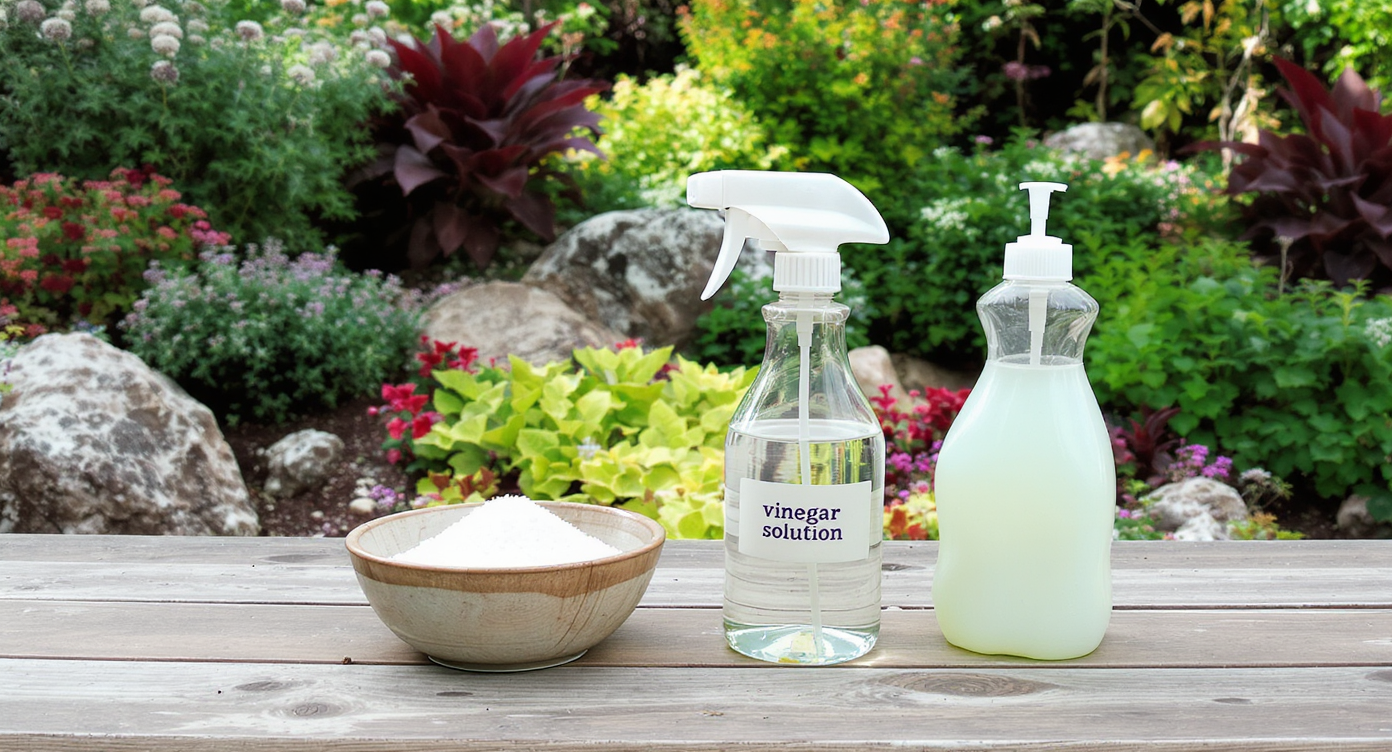
Eco-friendly weed treatment: simple ingredients for a powerful solution.
A common DIY solution involves vinegar, salt, and a dash of dish soap—a non-toxic mix safe for the soil in rock-heavy gardens.
- How it functions: Vinegar's acetic acid desiccates the plants, while salt inhibits further growth. Soap acts as a surfactant, helping the mixture stick to leaves longer.
- Our weed-free paver guide discusses vinegar’s effectiveness in more detail.
-
05. Integrated Pest Management (IPM) for Sustainability
Integrated Pest Management incorporates various strategies for holistic weed control, minimizing the reliance on any single method.
- Why it matters: IPM combines biological, mechanical, and chemical controls to manage weeds efficiently. This comprehensive approach reduces chemical use and promotes healthy ecosystems.
- Learn more about low-maintenance landscaping that complements IPM techniques.
-
06. Utilize Pre-emergent Herbicides to Prevent Future Growth
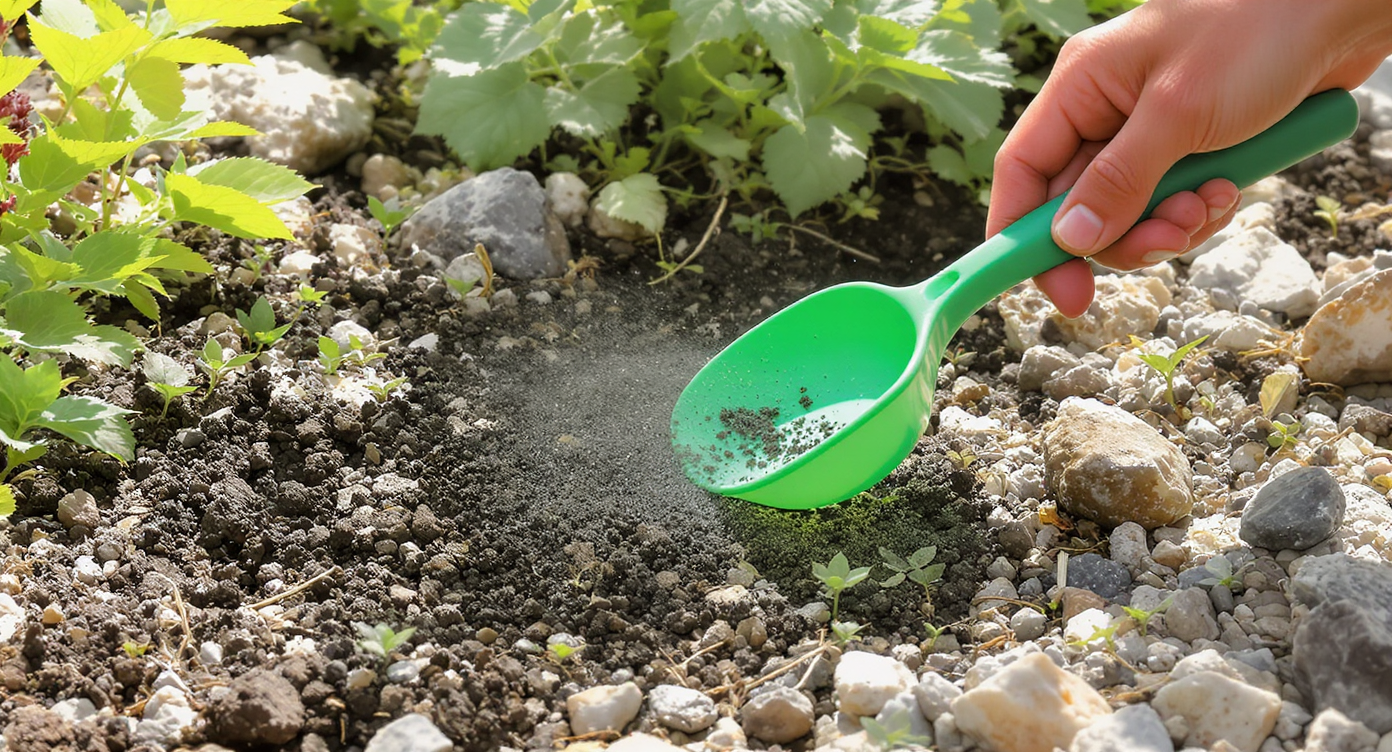
Prevent future weed growth effectively with pre-emergent herbicides.
Pre-emergents work by blocking new weed seeds from germinating, forming a protective barrier in the soil.
- How to use: Apply during early spring or fall to target seasonal weed cycles. Ensure the soil temperature is appropriate for the specific product being used.
- It is crucial to avoid tilling afterward, as disrupting the soil can break the barrier.
-
07. Regular Mechanical Removal to Manage Spread
Physical removal remains the most direct method, particularly effective after rainfall loosens soil and roots.
- Best Practices: Tools like hula hoes can efficiently manage weeds without disturbing the soil excessively, ideal for periodic maintenance on rocky grounds.
- Consistency is key—frequent, light weeding prevents the establishment of new weeds.
-
08. Adjust Landscaping Practices for Long-term Control
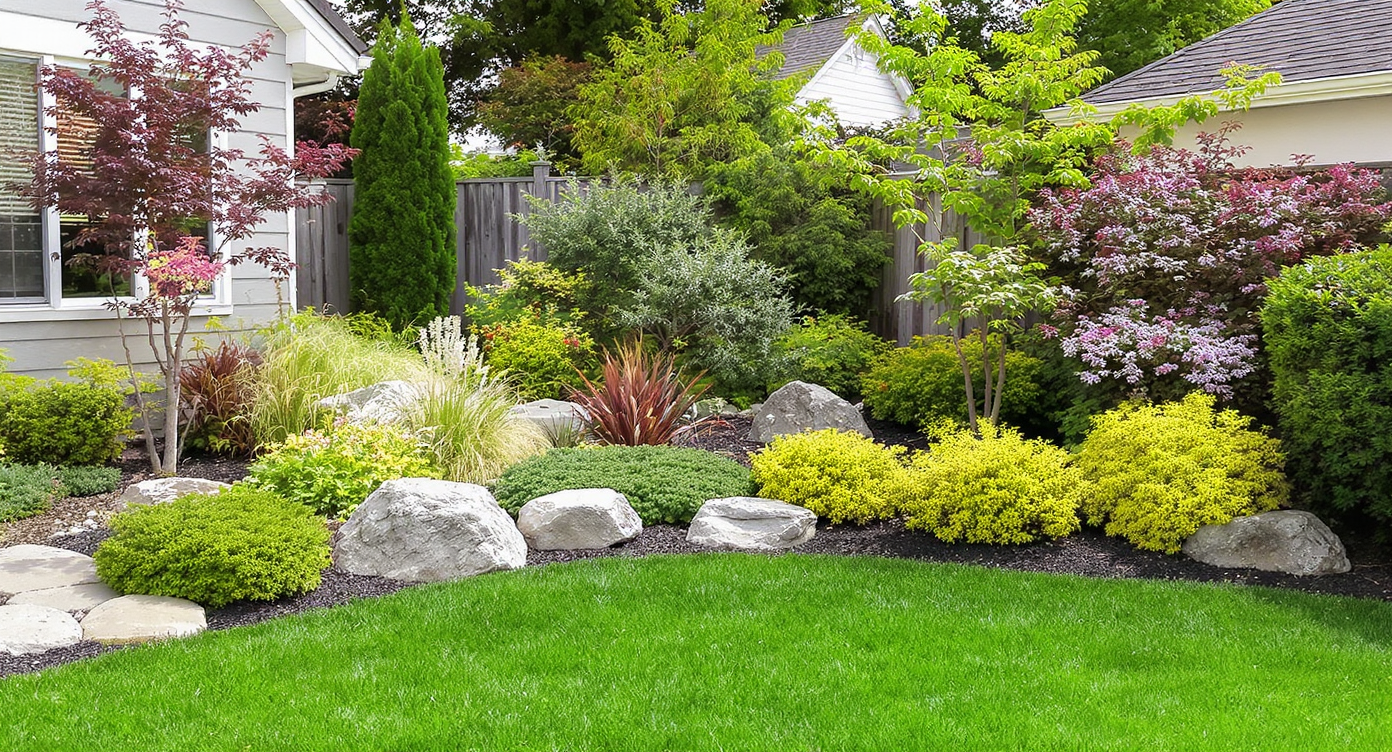
Adjust landscaping for a beautiful, low-maintenance garden that resists weeds.
Adapting your yard’s layout can naturally reduce weed presence by minimizing exposed soil and moisture retention areas.
- Practical Changes: Incorporate native plants, ground cover, or mulch extensively. These approaches cut down on open areas where weeds can thrive.
- These low-maintenance ideas highlight efficient plant coverage techniques.
-
09. Mindful Landscaping Design to Keep Weeds at Bay
Embedding prevention in your landscaping plans reduces labor and enhances visual appeal.
- Design Goals: Use large, ample pavers or gravel beds to cover broader areas, reducing open soil space. Edge with barriers to limit weed entrance.
- ReimagineHome helps visualize potential designs and strategize for minimal maintenance.
Visualization Scenario
Imagine transforming your weed-ridden pathway into a pristine landscape. By visualizing strategic planting and smart paving with ReimagineHome, you can see how different combinations work to eliminate open soil and reduce maintenance.
Common Questions About Weed Management
Applying a weed torch and pre-emergent herbicides combined with regular maintenance keeps weeds at bay in gravel areas.
Can boiling water damage surrounding plants?
Direct boiling water applications to the weeds only to avoid damaging desirable plants nearby.
Are vinegar-based weed killers effective long-term?
Vinegar solutions can kill surface plants but may require repeated application for persistent results. They are less effective on deep roots.
What's the benefit of using IPM for weed control?
IPM reduces reliance on chemicals by integrating various control methods, fostering a healthier garden ecosystem.
How often should pre-emergent herbicides be applied?
Typically once or twice per year, depending on local weed growth cycles and product instructions. Check specific guidelines for your area.
Conclusion: A Holistic Approach Yields the Best Results
In the quest to manage weeds effectively, combining different strategies tailored to your specific landscape conditions is essential. From the immediate impact of weed torches and herbicides to preventive measures like pre-emergent applications and design-conscious landscaping, each tool plays a pivotal role. Implementing these methods thoughtfully not only ensures a weed-free landscape but also enhances your garden’s ecological balance and beauty.