How Furniture Shopping Is Moving From Search to Visualization
TL;DR
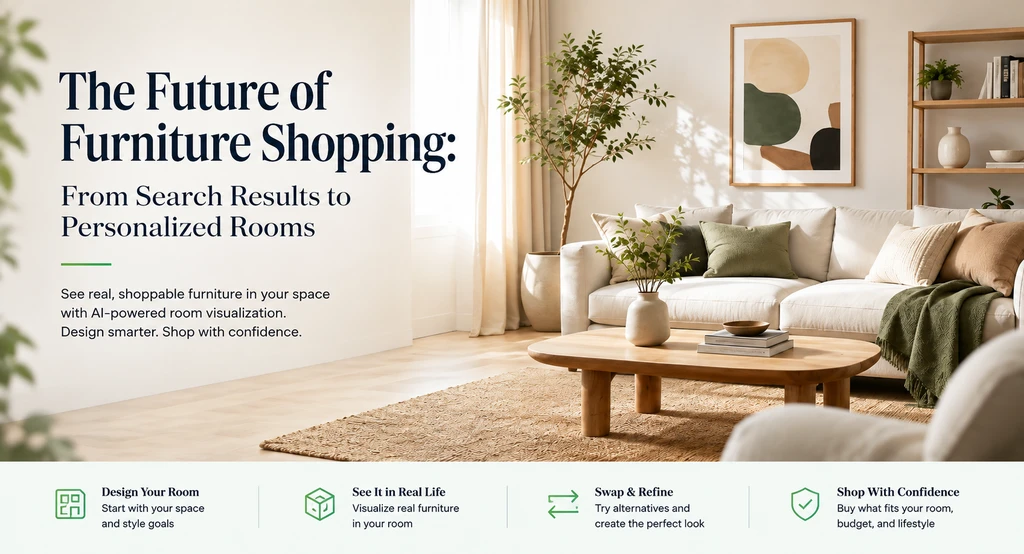
The next generation of furniture shopping starts with your actual room and design intent, not just endless product scrolling. AI-powered visualization, like REimagineHome, lets you see real, shoppable products in your space while accounting for preferences such as style, budget, and location, helping bridge the gap between inspiration and more confident buying decisions.
-
1. Why Traditional Furniture Shopping Falls Short
On the surface, shopping for furniture online looks simple: search, scroll, compare, and buy. But reality is often much messier. Filtering through endless product grids, reading specs, checking prices, and still, you wonder: Will this sofa actually fit my room? Will that color look right with my flooring? Most importantly, does the combination look and feel like home? This gap between product listings and real-life rooms can make it easier to choose furniture that feels wrong for the space, resulting in unnecessary returns, compromises, or disappointment.
-
2. From Product Grids to Contextual Shopping
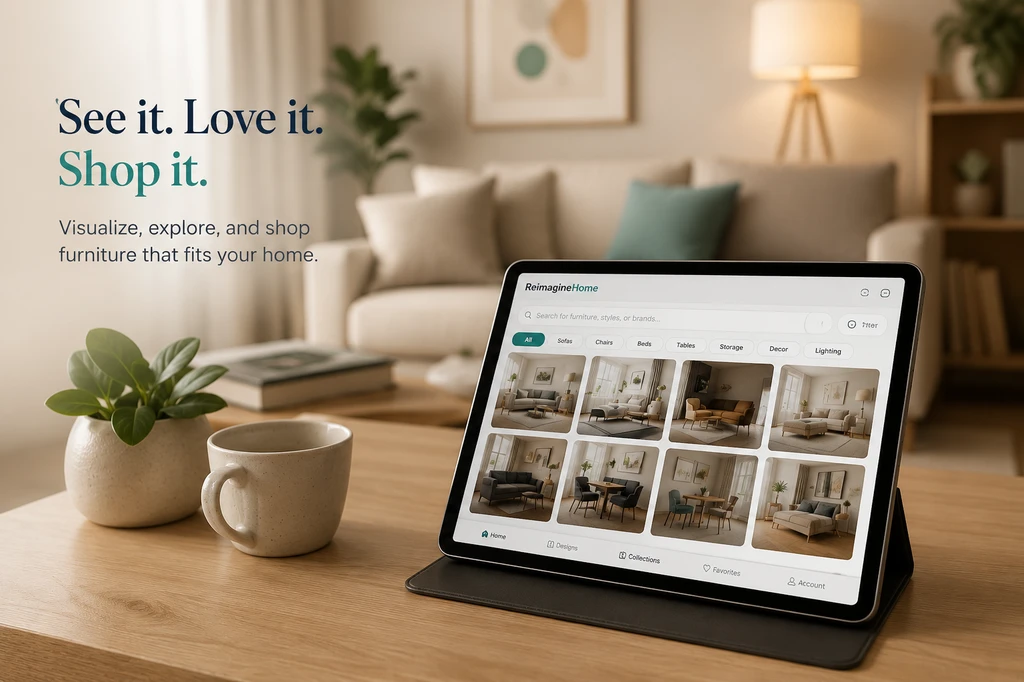
AI-powered furniture room visualization tools let you visualize furniture layouts in your own space, streamlining the personalized AI interior design workflow.
Furniture shopping was long about sorting through thousands of choices, sofas, rugs, tables, one at a time, with little guidance on how things fit together. In reality, a room is a system, where each piece influences the rest. The experience is shifting away from merely browsing catalogs toward considering the unique combination of space, architecture, light, colors, and how all the pieces relate in your actual home. AI-powered tools like ReimagineHome help bridge this gap, making it possible to start with your room and intent rather than just a search bar.
-
3. The New Workflow: Room → Intent → Personalized Design
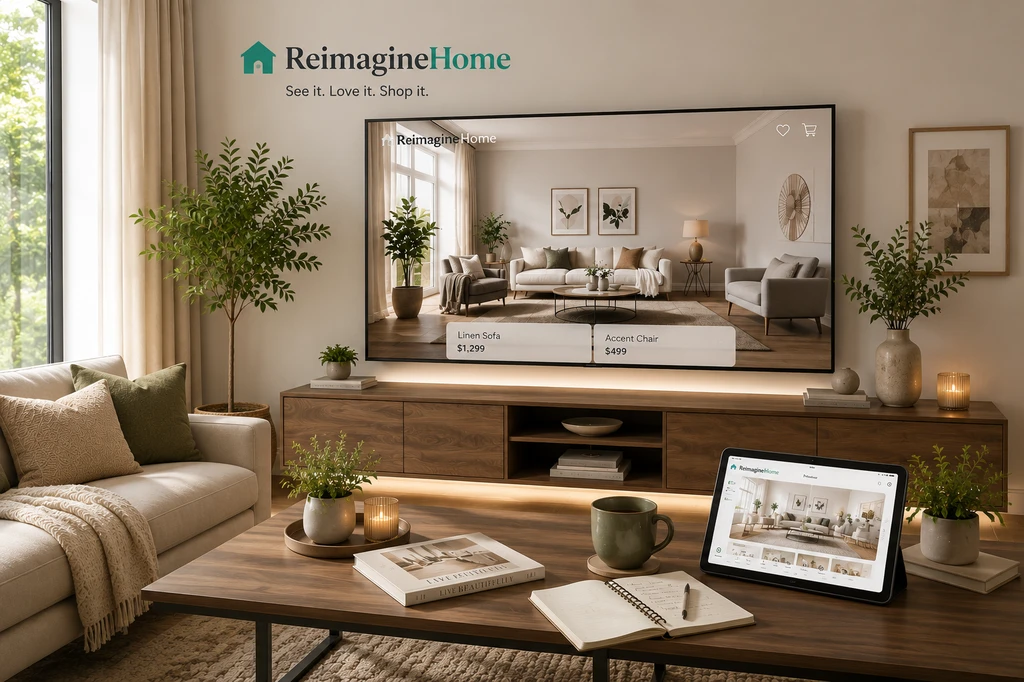
Discover how to visualize furniture with AI using personalized AI interior design workflow tools, enabling budget friendly room makeovers and easy comparison of AI home design tools.
Today’s next-gen furniture shopping journey can look like this:
- Start with your own room (upload a photo or choose a space)
- Tell AI your goals, style, or budget
- Visualize design ideas using real furnishings, before buying
- Compare, swap items, and fine-tune the room as needed
- Move toward a shoppable set of products that fit your space and lifestyle
-
4. Why Product-in-Context Visualization Changes Everything
See how ai-powered furniture room visualization tools make it easy to visualize furniture with AI, ensuring scale, cohesion, and a personalized interior design workflow.
Traditional methods (product photos, inspiration boards) answer: "What does this item look like?" Product-in-context visualization answers the real question: "How will this work in my actual room?" This leap is critical, as we outlined in our article on the structured approach to visualizing furniture and rugs before buying. It addresses:
- Scale: Does the piece overwhelm or underwhelm?
- Color: Will the palette clash or flow?
- Layout: Does the room remain functional?
- Composition: Is the space visually balanced?
- Cohesion: Do all products feel like they belong together?
-
5. Personalization: Beyond Just Picking a Style
Personalized furniture shopping is more than just choosing "modern" or "traditional." It means combining your style with your home’s physical constraints, your budget, preferred brands, and even the furniture you want to keep. AI visualization platforms like ReimagineHome allow you to input these parameters and virtually try different product combinations, fine-tuning options until the room feels right.
-
6. Budgeting and Shopping with Confidence
A major pain point in home design has been falling in love with unaffordable inspiration. By making budget an early design input, not an afterthought, AI-powered workflows help craft realistic solutions from the start. According to our insights on budget-aware shoppable room sets, platforms like ReimagineHome present on-budget, upgraded, and premium options, helping you prioritize where to invest and where to save, taking the guesswork out of what's possible for your space.
-
7. From Scrolling Products to Shopping a Whole Room
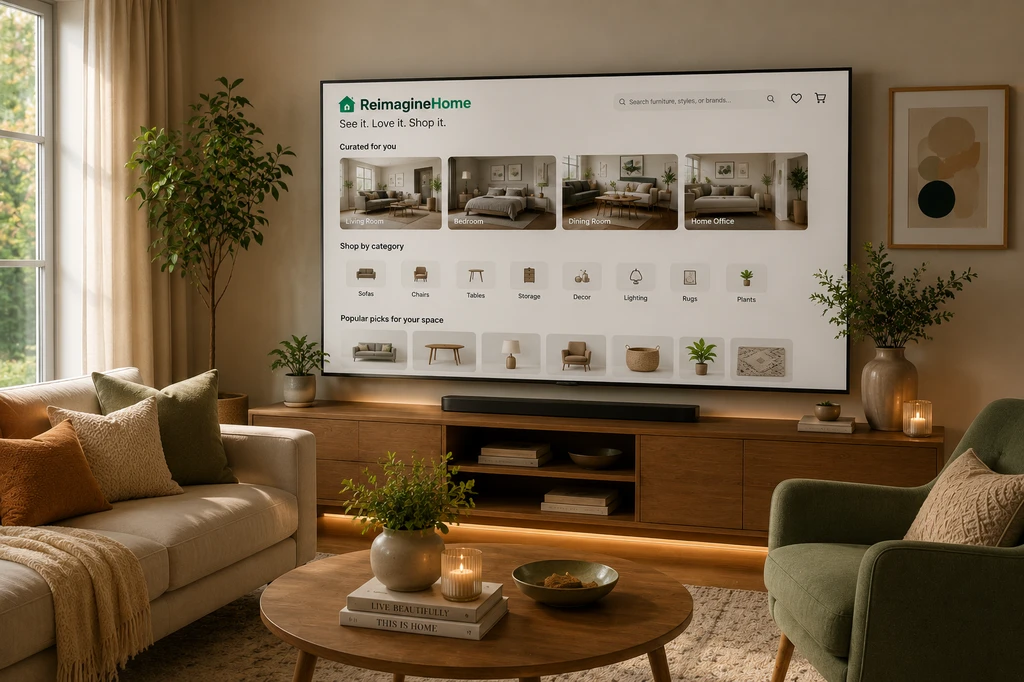
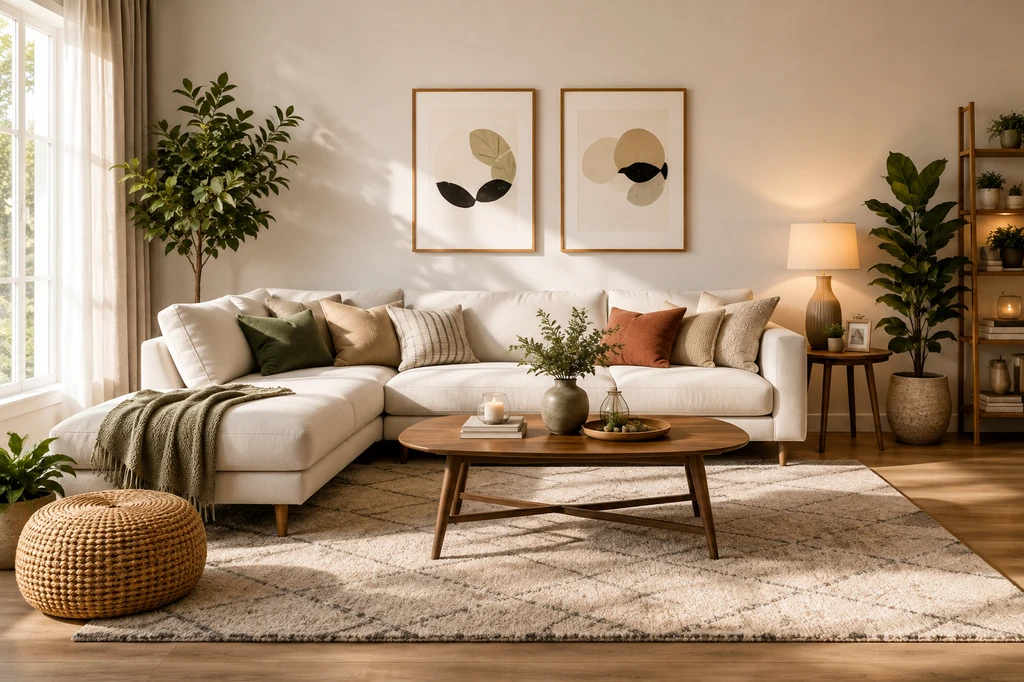
Visualize a complete living room concept using ai-powered furniture room visualization tools for a personalized ai interior design workflow. This setup demonstrates how to compare ai home design tools, visualize furniture with ai, and create coordinated, budget friendly ai room makeovers.
Rather than building a room product by product (and risking mismatched styles or overspending), AI makes it possible to shop a complete room concept. You can visualize, refine, and swap individual items without losing the overall aesthetic. This streamlines the selection process and reflects real-world shopping behaviors, as covered in our discussion on structured visualization for fewer mistakes and the ability to compare, iterate, and revisit decisions.
-
8. How Retail Experiences Are Evolving
The role of the retailer is shifting. Instead of focusing on pushing products, innovative platforms are acting as design partners, helping you achieve what you want for your room, factoring in context, budget, and function, not just style. This transition means retailers may increasingly support more personalized, context-rich shopping as the most meaningful form of product discovery. For buyers, this means shopping is less about searching endlessly and more about achieving real results.
Conclusion: The Room-First Future of Shopping
The biggest shift in furniture shopping isn’t just about seeing more choices, it’s about seeing the right choices in your own environment before you buy. AI visualization turns your room into both the starting point and the solution, making context and intent central to every decision. Furniture shopping is now less about hope and more about confidence. If you’re ready to try a room-first approach, A room-first approach, supported by tools like ReimagineHome, can make the journey from browsing furniture to building a personalized room more visual, practical, and intentional.