2026 Interior Design Trends: What’s In, What’s Out, and How to Visualize Them at Home
TL;DR
The top interior design trends for 2026 focus on warmth, comfort, and function, think warm minimalism, organic modern, quiet luxury, and spaces personalized to real lifestyles. Use tools like ReimagineHome to test trends in your actual rooms, so you can avoid costly mistakes and create living spaces that work for you.
Why 2026 Interior Design Trends Are Different
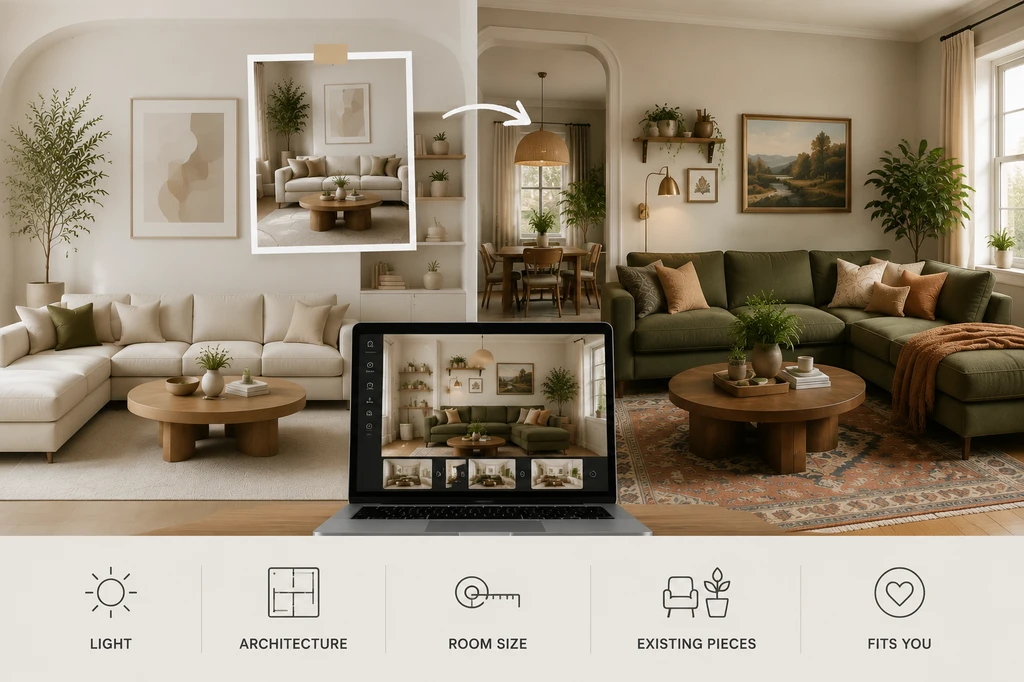
AI visualization helps adapt design inspiration to your actual space, considering layout, lighting, room size, and existing furniture.
In 2026, home design is shifting from staged, impersonal rooms to environments that feel truly lived-in, practical, and uniquely yours. The biggest interior design trends this year aren’t just about how a space looks—they’re about how it feels and works for real people day to day. Yet, translating a popular look from an online inspiration board to your own room can be surprisingly complicated. Differences in light, architecture, room size, and your existing furniture all affect whether a trend will actually look and feel right in your home. The challenge isn’t just knowing what’s in style, but deciding what fits you—and how to confirm that before you commit.
-
What’s In: Interior Design Trends for 2026
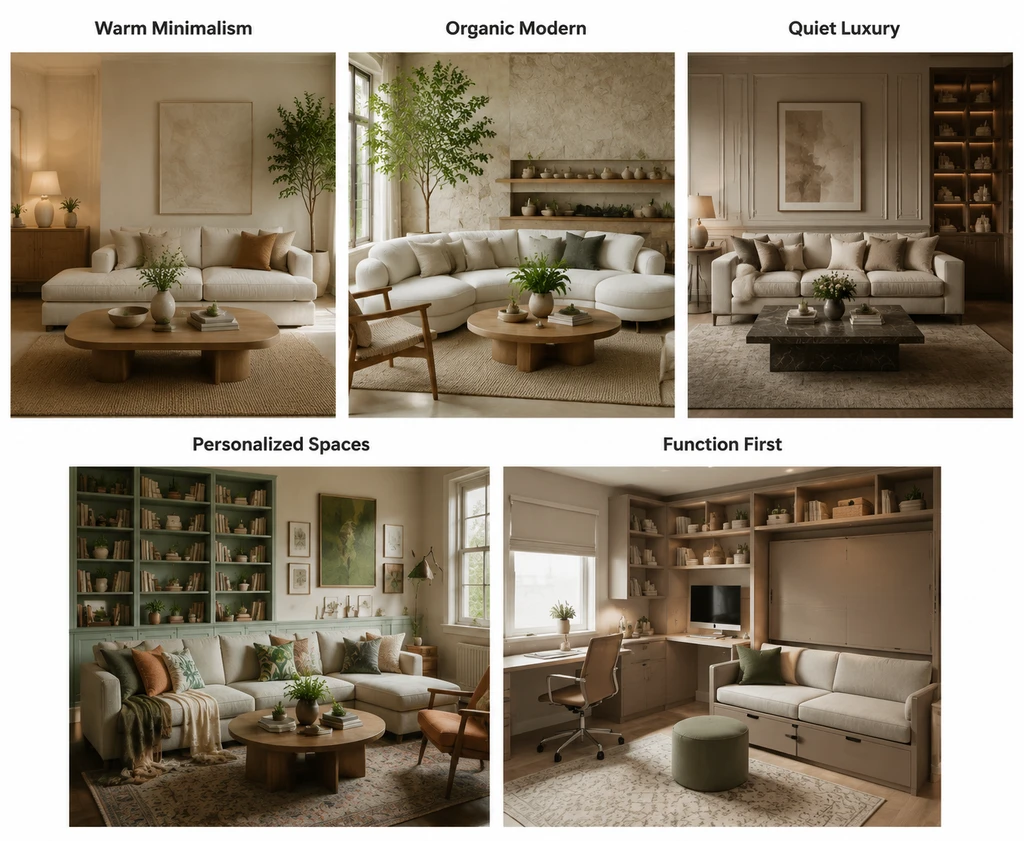
Five trending interior design styles for 2026, from warm minimalism and organic modern to personalized and functional spaces.
Warm minimalism, organic modern design, quiet luxury, and personalized spaces are at the top of 2026’s design direction. These trends prioritize comfort, functionality, and connections to nature over stark or impersonal visuals.
- Warm Minimalism: Instead of cold, empty rooms, think warm neutrals, comfortable furniture, wood accents, and layered lighting. This style blends clean layouts with cozy details to create calm and inviting spaces.
- Organic Modern: Combining a modern aesthetic with organic elements like natural stone, linen, oak, curved furniture, and plenty of plants. This approach brings softness and a nature-inspired feel to contemporary homes.
- Quiet Luxury: Premium materials and timeless furniture are paired with simple layouts and a restrained palette, focusing on craftsmanship and quality over excess.
- Personalized Interiors: In 2026, rooms are being designed around how people actually live, not just how they look online. Homeowners are mixing furniture, combining collections, and creating layouts that support their daily needs.
- Function First: Multi-functional rooms are becoming essential, with dedicated home offices, convertible guest spaces, and storage-focused designs that make homes more adaptable.
-
What’s Out: Trends on Their Way Out in 2026
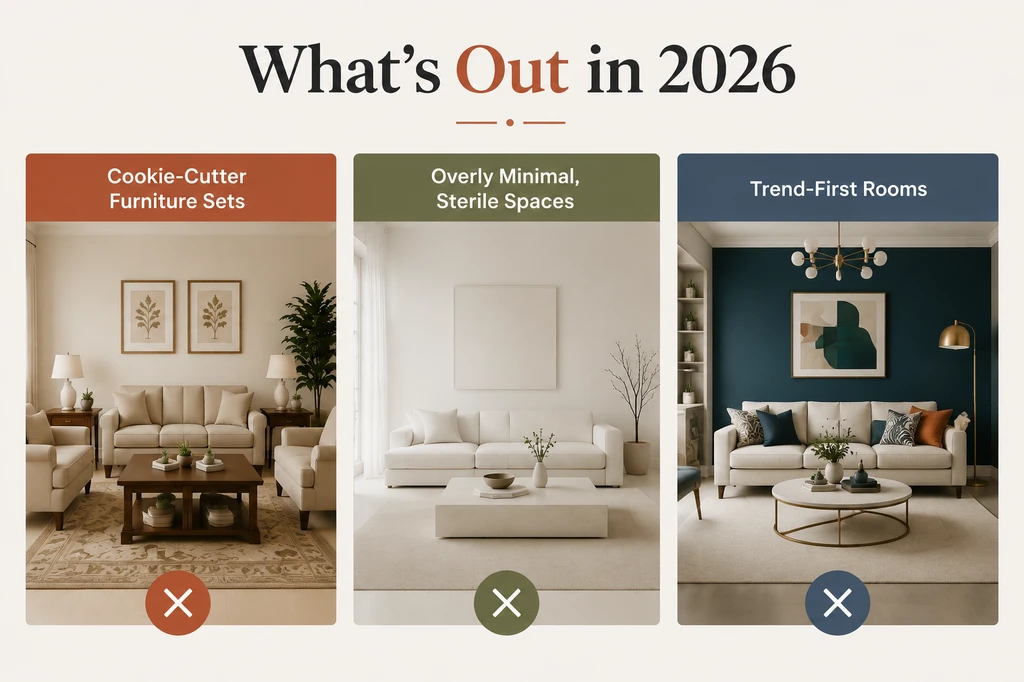
Interior design trends moving away from generic, cold, and style-first spaces toward more personal and functional homes.
Designers and homeowners in 2026 are leaving behind a few long-running staples:
- Cookie-Cutter Furniture Sets: Perfectly matched furniture collections are being replaced by curated combinations that mix different eras, materials, and brands for a more personal and collected look.
- Overly Minimal, Sterile Spaces: Cold and empty environments are giving way to warmer, more personalized interiors. Minimalism is shifting toward functional spaces layered with soft textures and meaningful decor.
- Trend-First Rooms: Rooms designed only for appearance are being replaced by spaces that prioritize comfort, functionality, and authenticity for everyday living.
-
Visualizing Trends with ReimagineHome: A Step-by-Step Example
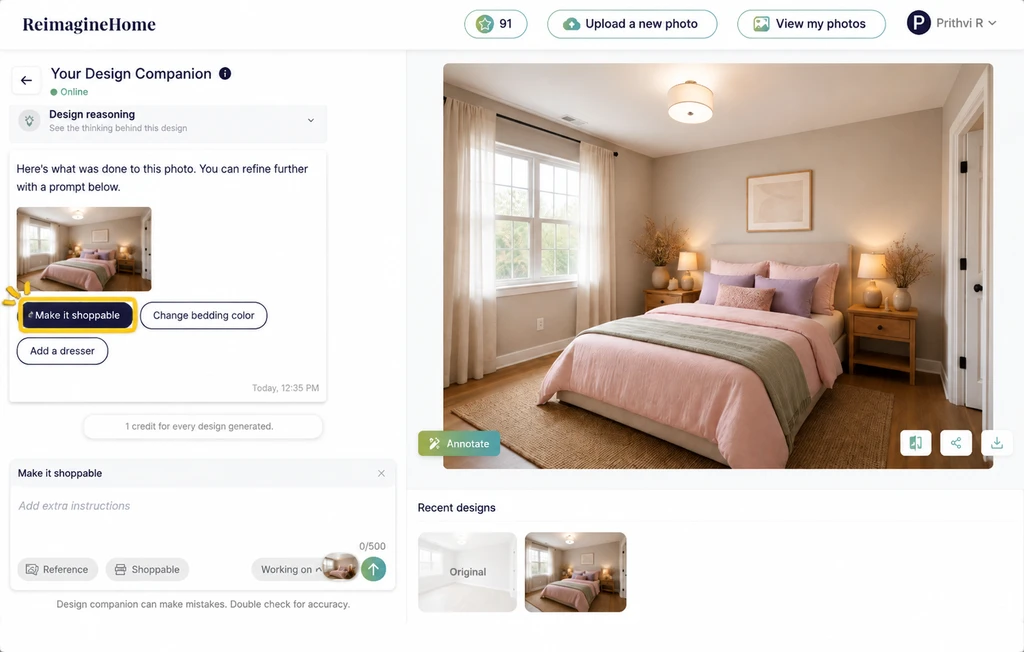
Turn your AI-generated room designs into shoppable spaces with ReimagineHome’s “Make it shoppable” feature. Explore and purchase furniture pieces inspired by your personalized design.
Trying on a trend—like organic modern—can be done in minutes with ReimagineHome:
- Upload a photo of your space: Start with your living room, bedroom, or office photo. The design stays grounded in your existing room architecture, helping create realistic suggestions while preserving important elements like walls, windows, and ceiling lines.
- Describe your preferred style: Share the look you want to create, such as a warm minimalist living room with neutral tones and oak furniture or an organic modern bedroom with plants and curved furniture.
- Explore generated designs: Review photorealistic design concepts based on your actual space and see how different layouts, furniture, and decor elements could look together.
- Refine and compare ideas: Make changes through conversational edits. Swap furniture, adjust styles, keep elements you like, and continue refining until the design matches your vision.
- Preview real products: Explore real furniture and decor options that match your design, compare products, check pricing, and move toward purchase decisions when you are ready.
-
Making Trends Work for Your Lifestyle, Not Just Your Instagram
Truly successful interiors in 2026 are built around real-life needs: working from home, entertaining, relaxing, or storage challenges—rather than chasing a perfect photo op. Ask yourself: • How do you use each room most often? • Are there features you need that are missing? • What makes you feel comfortable? Start by focusing on functionality—then layer in styles, materials, and colors that support your routines. This approach leads to spaces that support your lifestyle and look great in the process (learn more about designing for function and livability).
-
Trend Example: Modern Organic as the Premium Direction for 2026
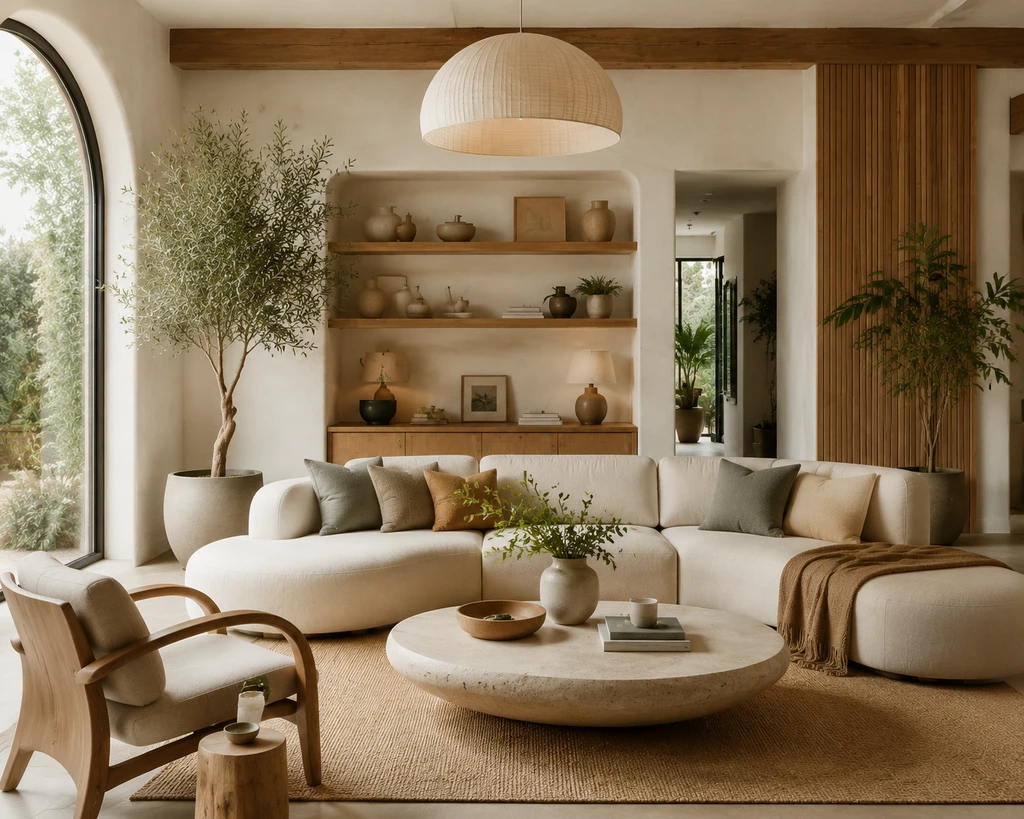
Modern organic interior design featuring natural materials, soft textures, and a warm connection to nature.
The modern organic look is leading the way in 2026, thanks to its blend of calm, natural textures and lived-in luxury. This style features neutral, earthy colors; tactile finishes; soft-form furniture; real wood and stone; and a focus on comfort. Home staging and renovation projects especially benefit from this direction because it’s universally appealing but never feels bland. According to our in-depth discussion of the modern organic trend, it’s the fusion of modern simplicity and nature-inspired design that delivers both emotional comfort and visual luxury.
2026 Interior Design Trends: FAQs
- What are the biggest interior design trends for 2026?
- Warm minimalism, organic modern, quiet luxury, personalized interiors, and multi-functional rooms are the most important trends. Each supports daily function and comfort.
- How do I know if a 2026 trend will work in my home?
- Visualize with tools like ReimagineHome to preview new colors, layouts, or furniture in your actual room before making changes, as described in our step-by-step workflow above.
- Which styles are most popular in 2026?
- Styles like Japandi, organic modern, warm luxury, and contemporary interiors continue to dominate, each bringing a comfortable and natural look.
- What trends are disappearing in 2026?
- Sterile minimalism, matched furniture sets, and purely decorative, impractical designs are outgoing—being replaced by approaches centered on livability and warmth.
- How can I experiment with interior design trends risk-free?
- Upload a room photo to ReimagineHome, select a trend or style, and customize the results step by step. You can preview real furniture and refine as needed before committing.
The Key to 2026 Design: Personalization and Practicality
2026 is the year where interior design becomes truly personal. Trends like warm minimalism, organic modern, and quiet luxury are just starting points. The best homes feel comfortable, suit your life, and look like you—not a generic page from a catalog. Advanced visualization tools now make it possible to preview these ideas on your real spaces, helping you confidently make choices that support how you live today and in the future. Try ReimagineHome here to bring your next design inspiration to life.