How Glass Windows Can Make Your Home Feel Spacious
TL;DR
Glass windows bring more than daylight to interiors—they visually expand rooms, erase boundaries, and brighten even the most compact homes. Choosing the right size, style, and placement is key, and thoughtful design can make the smallest rooms feel invitingly open. For more inspiration on making small spaces feel bigger, explore ReimagineHome.
The Power of Glass: Beyond Aesthetic Appeal
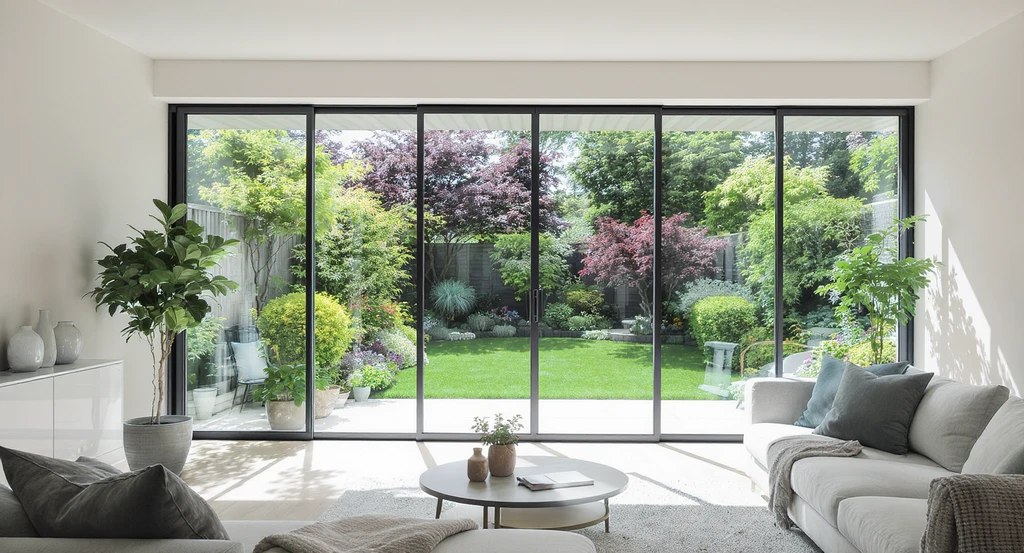
Strategically placed glass windows flood this living room with natural light, visually connecting it to the outdoors and enhancing its spacious feel.
A home’s sense of spaciousness isn’t simply dictated by square footage. Clever design choices can dramatically shift how a room feels, regardless of its physical boundaries. Among the most effective tools in the designer’s arsenal are glass windows, prized for their ability to bathe interiors in natural light and forge a visual connection with the outdoors. Natural light not only makes spaces feel brighter but also enhances a feeling of airiness and depth. The strategic use of glass, especially in window design, offers a striking blend of form and function. By carefully considering style, placement, and size, homeowners can transform even the most compact rooms into inviting, expansive retreats. As demonstrated in numerous design guides, the right window treatment can make more difference than most renovations (these expert insights show how).
-
Why Natural Light Changes Perception
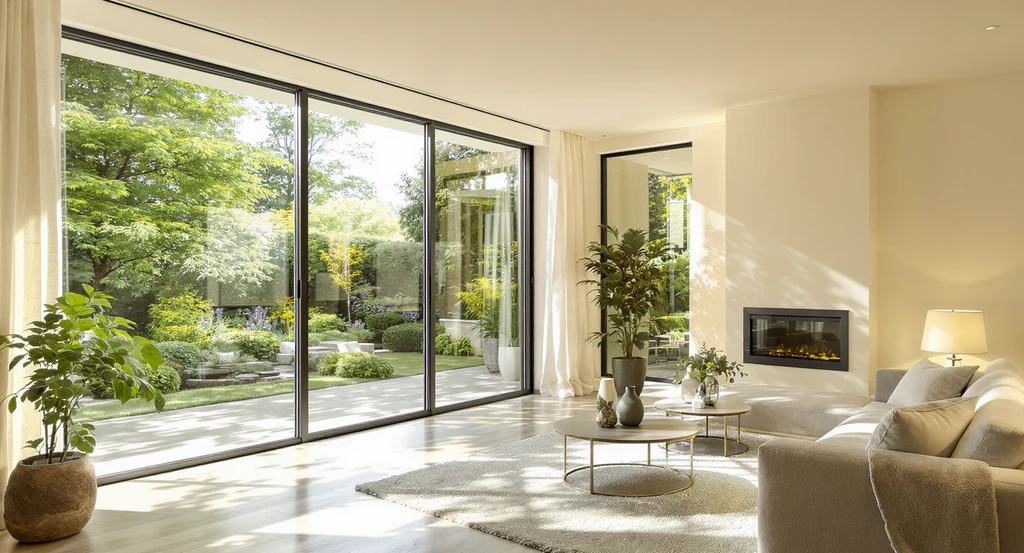
Floor-to-ceiling glass windows allow natural light to soften shadows and visually expand living spaces, making rooms feel larger and more open.
Bright, sun-drenched rooms almost universally feel larger and more open. Natural light flows across walls and ceilings, softening shadows and diminishing any sense of enclosure. Glass windows act as both source and connector, ushering daylight deep into your home and allowing your gaze to travel beyond the walls. When a room extends visually outdoors—perhaps to a garden or cityscape—the eye perceives extra space. This illusion is especially crucial in small bedrooms and living areas, where any added sense of openness is invaluable. According to our guide to making a small bedroom look bigger, letting in more sunlight is often the single most effective way to combat cramped feelings in any space.
Expert Insight
A recent client living in a vintage urban apartment was convinced her narrow living room would always feel cramped. After installing a series of slim, high aluminium glass windows, she was stunned to find the entire space transformed—bathed in sunlight and visually doubled in perceived width. Guests now routinely remark on the newfound openness, demonstrating the dramatic impact thoughtful window choices can have on daily living.
-
Top Glass Window Styles for Spacious Interiors
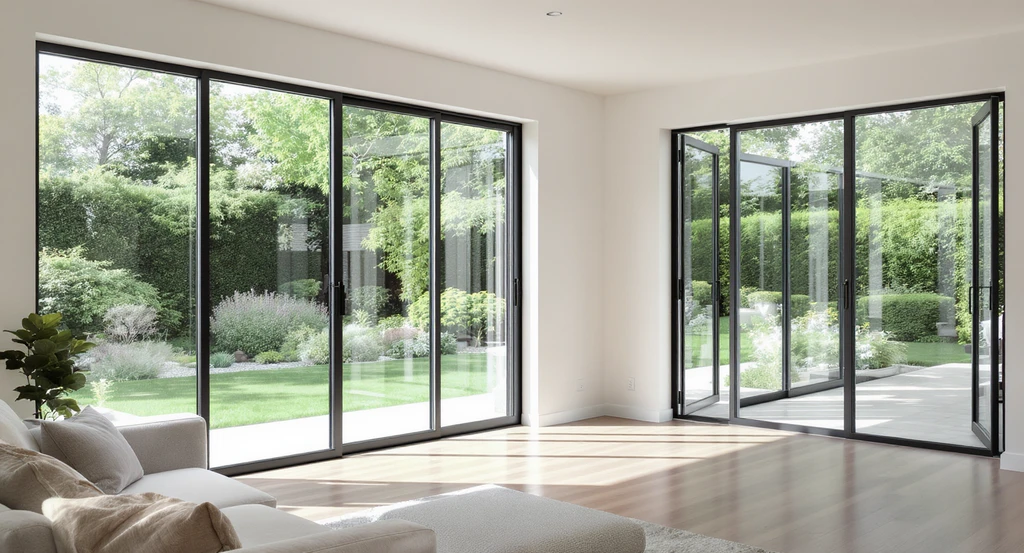
Top glass window styles like fixed, sliding, and glass-to-glass corner windows create brighter, more spacious interiors with seamless indoor-outdoor views.
Certain window types are especially effective when it comes to maximizing brightness and blurring the line between inside and out. Fixed glass windows, for instance, offer uninterrupted views thanks to large panes and slim frames. Sliding windows are another contemporary choice, delivering wide vistas and requiring minimal floor space to operate. Glass-to-glass corner windows create dramatic perspective, bringing in multi-directional light and dissolving hard boundaries. For homes where flexibility matters, combination windows—incorporating both fixed and operable sections—allow for optimal ventilation and daylight control. Experts often recommend these styles for tight rooms that need every visual advantage (as we outlined in our breakdown of space-enhancing layouts).
-
Sizing and Placing Windows for Maximum Effect
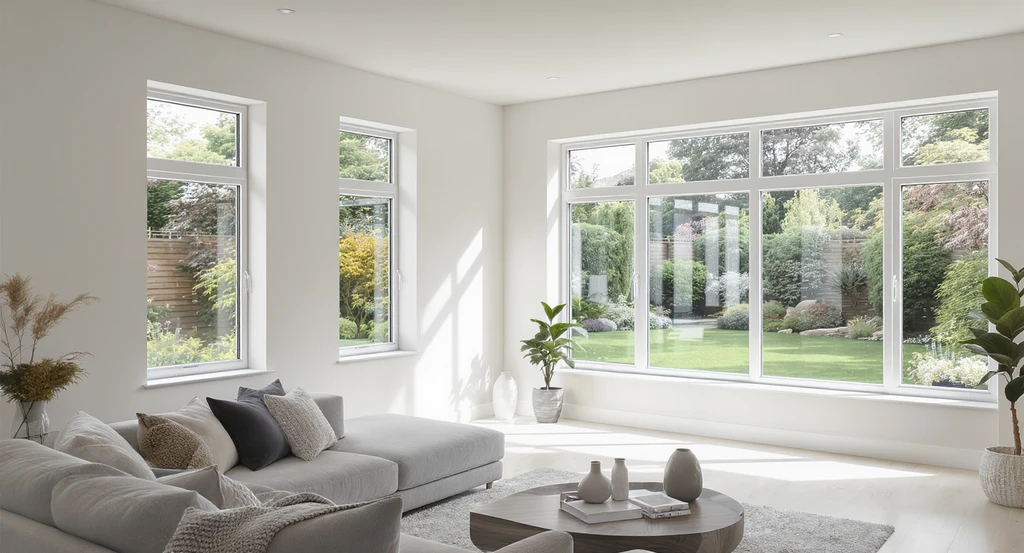
Thoughtful sizing and placement of glass windows, from high vertical designs to corner configurations, maximize daylight and openness in any room.
Selecting the right size for your glass windows is a balancing act. Larger windows flood interiors with light and integrate the landscape into your living space, but they must suit the proportion and function of the room. Too large in a modest setting, and the space risks feeling off-kilter. A more nuanced approach is often to use multiple moderate-sized windows that distribute light evenly and match the room’s architectural rhythm. Window placement is just as important. High windows bathe spaces in privacy-preserving sunlight, while corner configurations create multi-faceted perspectives. Even small rooms can benefit enormously from window arrangements that encourage views outward, an approach highlighted by our analysis of vertical and horizontal window orientations. Balancing daylight, privacy, and functionality is at the core of smart window design.
-
The Material Advantage: Why Aluminium Frames Excel
Aluminium has surged in popularity as a window frame material—and for good reason. Not only is it sleek and visually unobtrusive, but it also allows for thinner frame profiles, letting more glass (and therefore more light) into the space. This quality is particularly useful in rooms where every inch counts. Moreover, aluminium frames are durable, energy efficient, and require minimal maintenance, making them a logical fit for contemporary design schemes. Homeowners who want to amplify a feeling of openness while keeping long-term performance in mind often gravitate towards high-quality aluminium windows, as suggested by leading fenestration experts.
-
Tips for Integrating Glass Windows Into Small Spaces
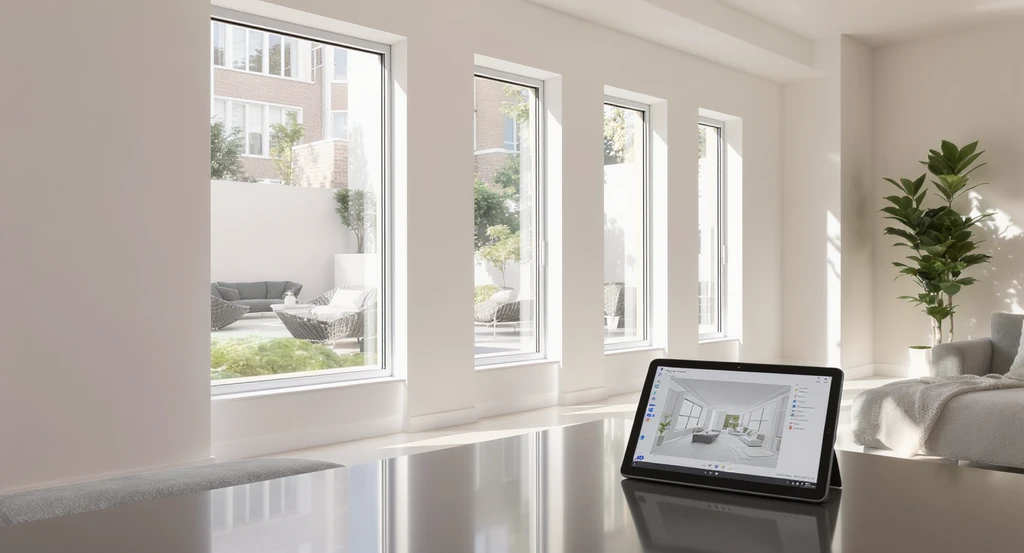
Integrating slender glass windows and minimalist frames, paired with light finishes, visually expands small spaces and maximizes natural brightness.
The best interior transformations come from paying attention to subtle details. Here are strategies for leveraging glass windows to their full potential:
- For narrow or oddly shaped rooms, line up multiple slender windows along one wall to draw the eye outward.
- Combine fixed and operable sections for design flexibility and breezy ventilation.
- Use glossy or light-hued finishes around windows to amplify natural brightness.
- Opt for minimalist frames to minimize visual clutter, echoing tips found in our guide to making small bedrooms look more expansive.
- Leverage visualization tools such as those from ReimagineHome to preview your window choices in a simulated space before installation.
Visualization Scenario
Imagine walking into a small, north-facing bedroom. Once dim and boxed-in, the space now gleams thanks to a full-width sliding glass window that frames treetop views and fills the room with soft natural light. The boundaries seem to dissolve, blending the outdoors with the serenity within. This inviting transformation shows how the right window choice can completely remake a home’s atmosphere.
Frequently Asked Questions
- How do windows help a room look more spacious?
Windows amplify natural light and extend sightlines beyond the room, visually enlarging even compact spaces. Large panes and exterior views also diminish feelings of confinement. - Which window styles are best for maximizing airiness?
Fixed, sliding, glass-to-glass corner, and combination windows are especially effective for creating a sense of openness. - What are the ideal placements to maximize natural light?
High wall installations and corners disperse daylight widely, making interiors brighter and airier while ensuring privacy. - Are combination windows good for small rooms?
Yes—they blend fixed and operable panels, offering daylight and flexibility without sacrificing usable wall space. - Why is aluminium a preferred window material?
Aluminium frames are slim, strong, and energy efficient, allowing for larger glass areas and greater design flexibility.
Glass Windows: Small Choice, Big Impact
When thoughtfully designed, glass windows act as both a practical and aesthetic upgrade, transforming modest rooms into sunlit, inviting sanctuaries. By getting the size, placement, and frame material just right, it's possible to erase boundaries and boost everyday comfort. In the end, a spacious feeling comes from harnessing daylight and strategic design—not just from having more square footage.