5 High-Maintenance Furniture Materials to Skip (and What to Choose Instead)
TL;DR
Many beautiful furniture materials can be a maintenance nightmare. Here’s what designers suggest you avoid, why upkeep matters, and which durable alternatives will serve your home and lifestyle far better.
Think Before You Buy: The Real Cost of High-Maintenance Furniture
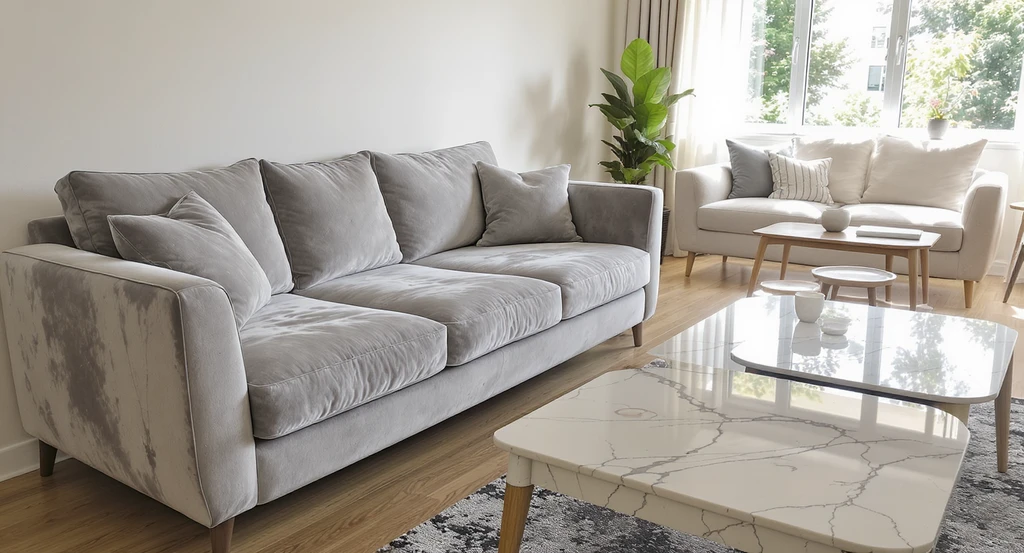
Hard-to-maintain furniture materials like velvet, lacquer, and polished stone show visible wear, while alternative materials such as linen, solid wood, and quartz remain clean and easy-care.
Eye-catching sofas, glossy dining tables, and dramatic stone tops catch our attention instantly—but the romance can fade fast if you’re left wrestling with scratches, stains, or endless dusting. Even seasoned shoppers admit to falling for form over function, only to discover that certain materials require constant upkeep that disrupts daily life. The good news is that designers and experienced homeowners alike have learned these lessons the hard way and openly share which materials are most likely to disappoint. Smart furniture shopping begins with knowing what you want—and what you’ll realistically maintain. Exploring the most problematic materials, along with their best alternatives, helps ensure your next purchase is as satisfying in year three as it is on day one. According to our guide on common mistakes to avoid when buying a sofa, thoughtfully considering your lifestyle needs can prevent regret (and extra chores) down the road.
-
Unsealed Marble: Luxurious, But Prone to Stains
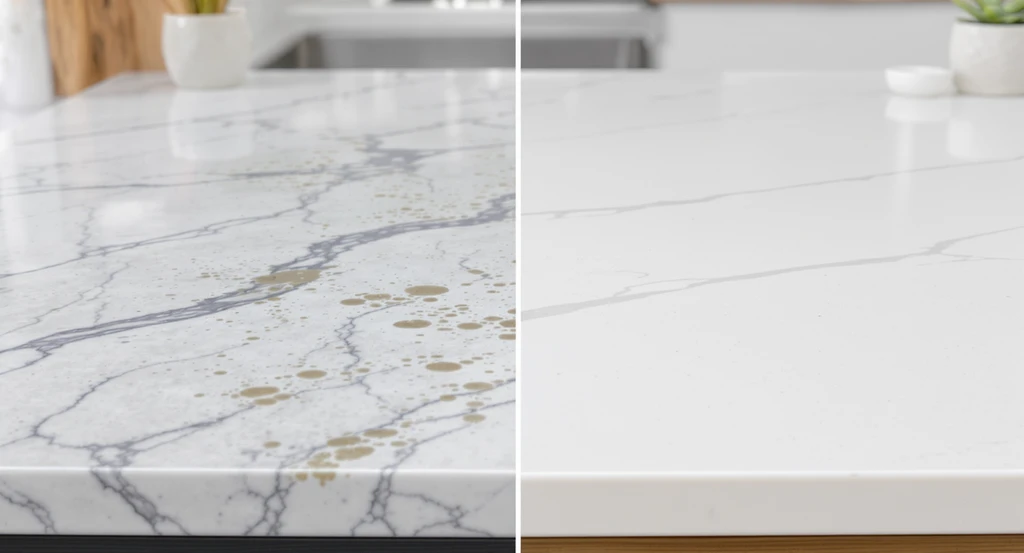
Unsealed marble quickly shows stains and etching, while honed quartzite and porcelain slabs offer a durable, low-maintenance alternative in busy spaces.
Marble certainly delivers a sense of timelessness and luxury, but its beauty hides a major vulnerability—porosity. Unsealed marble quickly absorbs spills, etches with acids, and loses its gleam after a missed wipe. In high-traffic areas like kitchens or busy bathrooms, keeping marble immaculate can become a full-time job. If you crave the marble look without the fuss, designers recommend opting for honed quartzite or porcelain slabs instead. These materials mimic the veined elegance of natural stone but stand up to daily use with a fraction of the care. As we explored in homeowner furniture regrets, it’s worth thinking beyond the showroom shine and asking how a surface will fare under real-life conditions.
Expert Insight
A family once fell in love with a dramatic raw-edge pine dining table at their local furniture store. Within months, they noticed it bore the marks of every homework project and dinner party. Their regret? Not considering how sensitive the wood would be to daily life—an experience echoed by many homeowners, as shared in these first-hand lessons.
-
Metal Furniture: Modern but Easily Marred
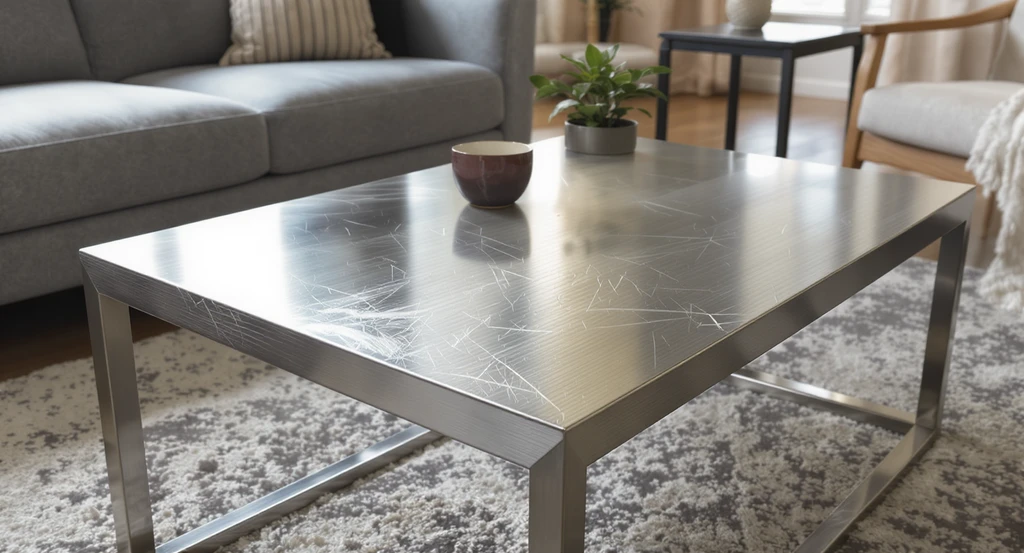
Visible scratches and fingerprints on a sleek metal coffee table underscore the challenges of high-maintenance furniture materials—powder-coated alternatives, such as the side table shown, offer a more durable, family-friendly solution.
Metal has surged in popularity for its contemporary appeal, but that sleek finish can come with a catch. Scratches, dents, and visible fingerprints can show up almost immediately in high-use spaces, turning modern minimalism into a source of frustration. Experts recommend limiting metal furniture to areas with less traffic or using metallic details as smaller accent pieces. For homes with kids or pets, look for powder-coated finishes, which are more forgiving. According to recent research on avoiding common sofa mistakes, anticipating how daily wear will affect your choice is one key way to sidestep buyer’s remorse.
-
High-Gloss Lacquered Finishes: Shine That Demands Work
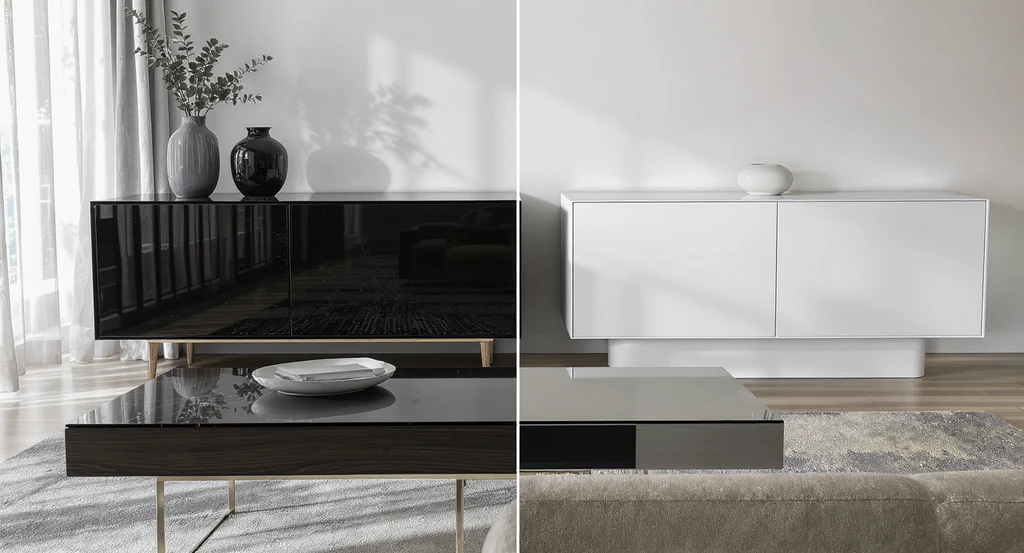
High-gloss lacquered furniture highlights every smudge and scratch, while matte and satin finishes offer stylish, durable, and low-maintenance alternatives.
There’s an undeniable allure to a high-gloss sideboard or lacquered cocktail table—they elevate a room instantly. But every fingerprint, speck of dust, or superficial scratch can be glaringly obvious. This level of upkeep isn’t for everyone. A wiser strategy is to choose matte or satin finishes, which are just as stylish but far more forgiving, reducing the hours spent on polishing and buffing. Durable laminates can also provide a similar gleam with less fuss. As shared in lessons from furniture store regrets, practicality should always accompany aesthetics in your decision-making process.
-
Cognac Leather: Rich Color, Sensitive Surface
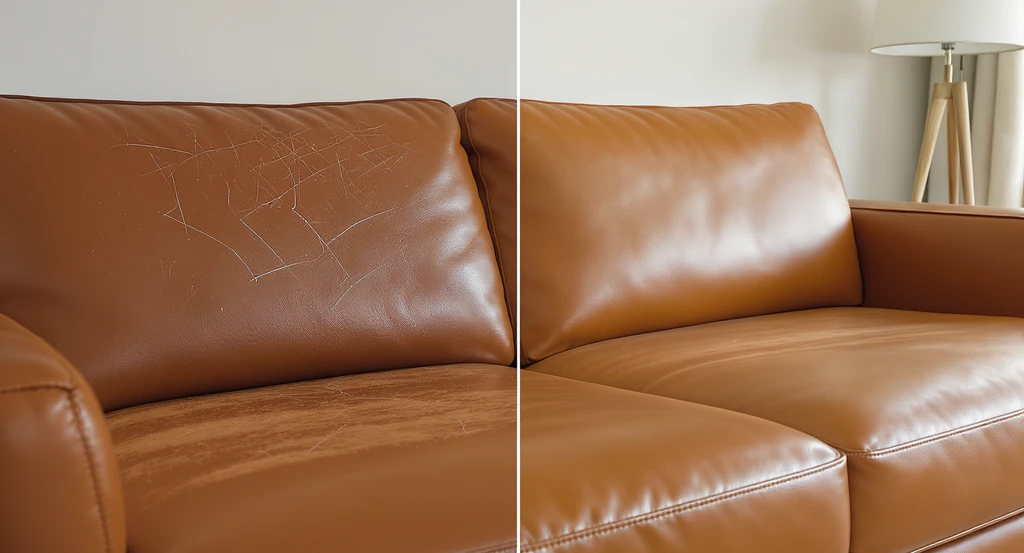
Cognac aniline leather shows scratches and stains while top-grain protected leather offers a more durable, low-maintenance alternative for stylish living rooms.
Cognac leather’s warm tone and classic vibe make it a favorite for both vintage and modern settings. However, this leather is particularly susceptible to scratches and stains, especially compared to darker or protected leathers. While leather can develop character over time, not every homeowner appreciates wear as 'patina.' To enjoy similar warmth with less anxiety, consider top-grain protected or semi-aniline leather, both more robust against daily mishaps. Our guide to common furniture mistakes highlights the importance of durability—especially in rooms where comfort and relaxation matter most.
-
Raw or Soft Woods: Natural Beauty, Fragile Finish
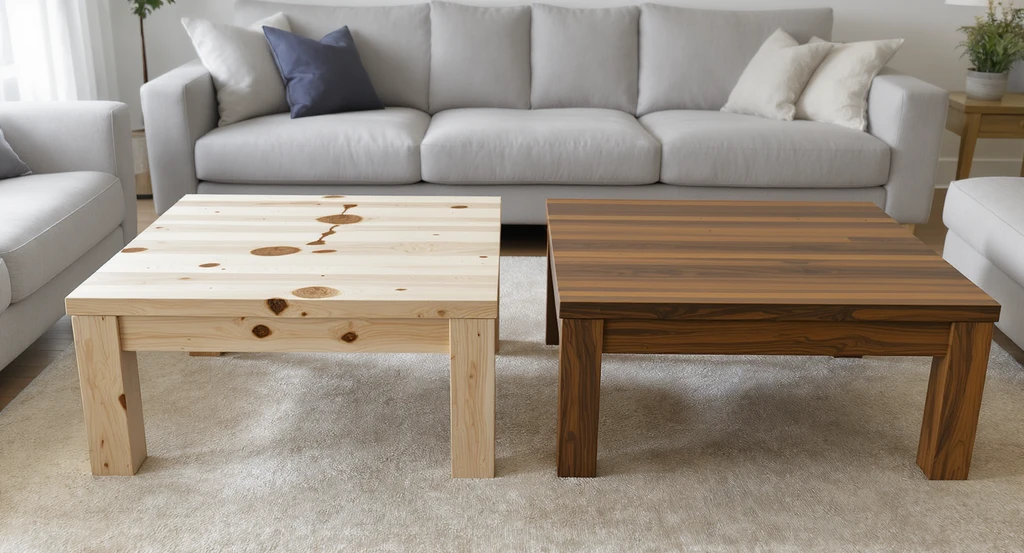
Raw pine furniture often shows dents and stains, demonstrating why high-maintenance materials are less ideal compared to durable options like walnut or white oak.
Pine, reclaimed, and other soft or raw woods bring a tactile, organic feel to interiors. Unfortunately, they're highly vulnerable to dents, nicks, and stains, especially in busy family homes. If you love the warmth of wood with fewer worries, consider white oak or walnut. These hardwoods are more resistant to everyday scuffs and still deliver the inviting look many designers favor. When evaluating the lessons learned from furniture regrets, durable materials consistently come out on top for longevity and satisfaction.
Visualization Scenario
Picture a living room drenched in afternoon sun. Instead of obsessively polishing a glossy lacquered coffee table, your attention is free to enjoy friends, family, or a favorite book, thanks to a matte-finish sideboard that hides dust and fingerprints. With smart, low-maintenance materials, your space feels inviting rather than anxiety-inducing.
Frequently Asked Questions
- Which furniture materials require the most upkeep?
Unsealed marble, high-gloss lacquer, untreated metal, cognac leather, and soft or raw woods are all prone to visible damage or stains, demanding more frequent maintenance. - What are the best alternatives to high-maintenance furniture materials?
Consider honed quartzite or porcelain slabs for stone surfaces, powder-coated or matte-finish metals, satin finish woods, and top-grain protected leathers—these all combine beauty with easier cleaning. - How can I minimize maintenance in a household with pets or children?
Opt for hard-wearing finishes like walnut or white oak for wood, and performance fabrics on upholstered pieces. Avoid porous or soft surfaces where scratches or spills are likely. - Is it ever worth choosing a high-maintenance material?
For low-traffic areas or if you love seeing natural wear and patina, some high-maintenance materials can add character—but be honest about your upkeep tolerance. - How do I balance style and practicality when buying furniture?
Evaluate how much use the piece will get and how much maintenance you’re willing to commit to. Shop with both your lifestyle and cleaning habits in mind, as advised in our resource on sofa buying mistakes to avoid.
Choose Materials That Fit Your Real Life
Furniture is more than a statement—it’s a partnership with your daily routine. While high-maintenance materials may wow in photos, their upkeep can quickly overshadow their charm. Fortunately, there are beautiful, low-maintenance alternatives that don’t sacrifice style for simplicity. By learning from design experts and real homeowners, and using thoughtful resources like ReimagineHome, you’re empowered to make choices that look gorgeous and genuinely work for your lifestyle.