7 Key Considerations Before Hiring a Landscape Designer for Your Remodel
TL;DR
Choosing whether to hire a landscape designer or tackle the planning yourself can shape the entire outcome of a remodel. This list explores the crucial factors that influence this decision, including cost, design quality, long-term value, permitting, and the ease of comparing contractor bids. Understanding these considerations helps homeowners make informed choices for both comfort and resale.
Weighing DIY Versus Designer for Your Outdoor Remodel
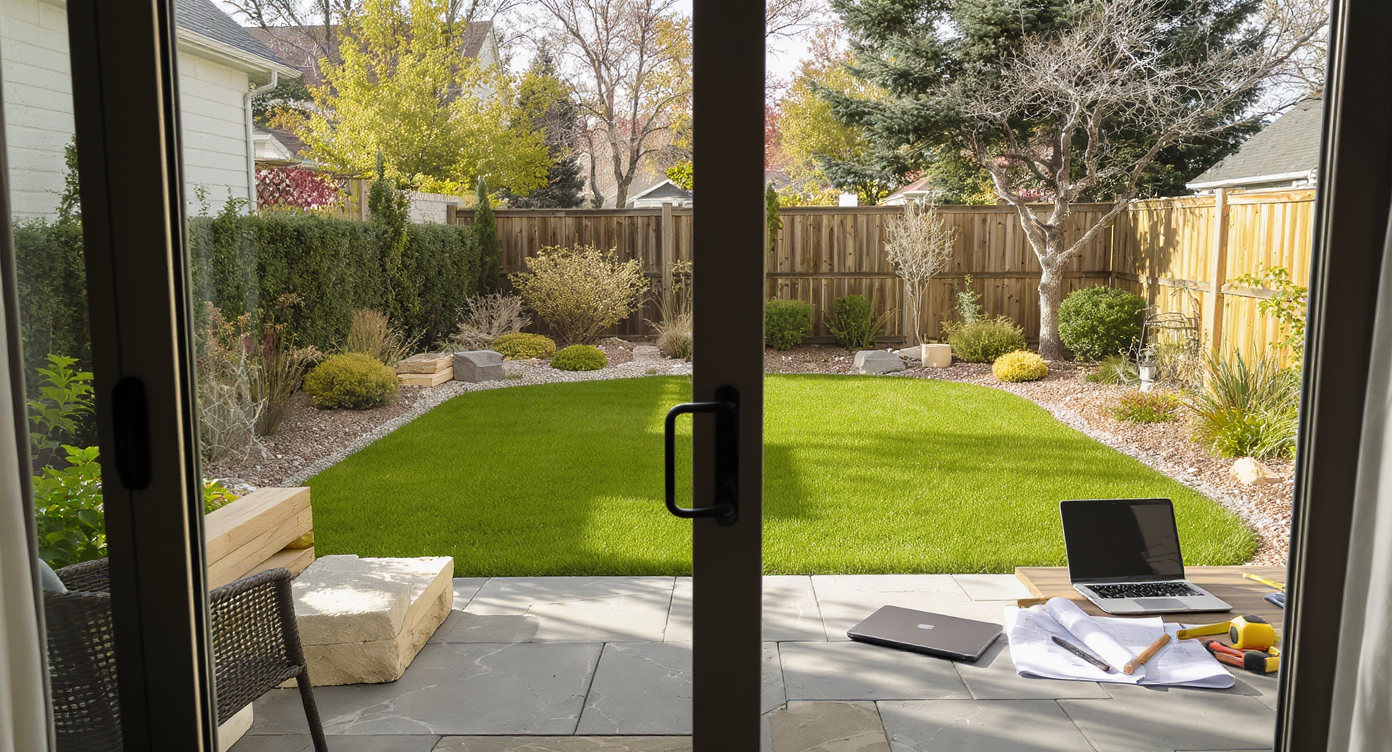
A realistic, in-progress backyard remodel shows hardscape materials, design tools, and plans—capturing the decision point before hiring a professional.
When planning a significant outdoor remodel, such as adding a patio or elevated deck, many homeowners face the dilemma of hiring a professional landscape designer or managing the design phase independently. The way you approach the planning stage will influence everything from your project's value to the practicality of construction. This decision isn't just about upfront costs—it's a strategic choice that affects how smoothly your project proceeds, how realistic your vision is, and how easily you can compare contractor quotes. For anyone considering upgrades that blend comfort, style, and curb appeal, clarifying this decision early can help maximize both everyday enjoyment and long-term ROI.
-
1. The Impact of Professional Design on Project ROI
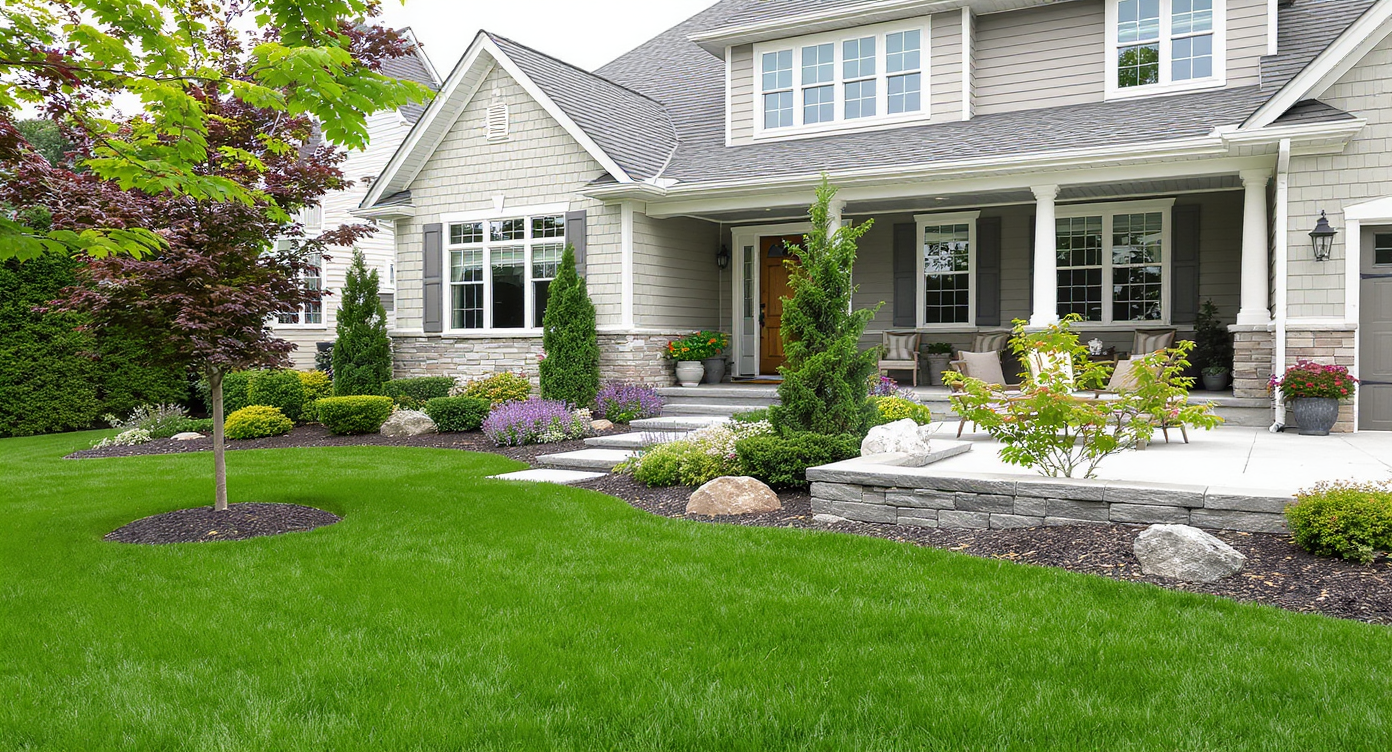
A professionally designed landscape with cohesive hardscaping and lush plantings enhances curb appeal and boosts a home's resale value.
A well-crafted landscape design does more than look good; it can directly affect your home's resale value and how quickly it sells. Professional designers focus on both functional layouts and enduring curb appeal, which often leads to higher returns on investment. According to our analysis of landscaping ROI and hardscaping value, even modest investments in landscape planning can speed up sales and attract stronger offers by resolving common buyer concerns, such as drainage and awkward layouts. Engaging a designer early fosters a cohesive look that not only suits your lifestyle but also anticipates what future buyers will value.
-
2. Permitting and Technical Drawings: Designer as Navigator
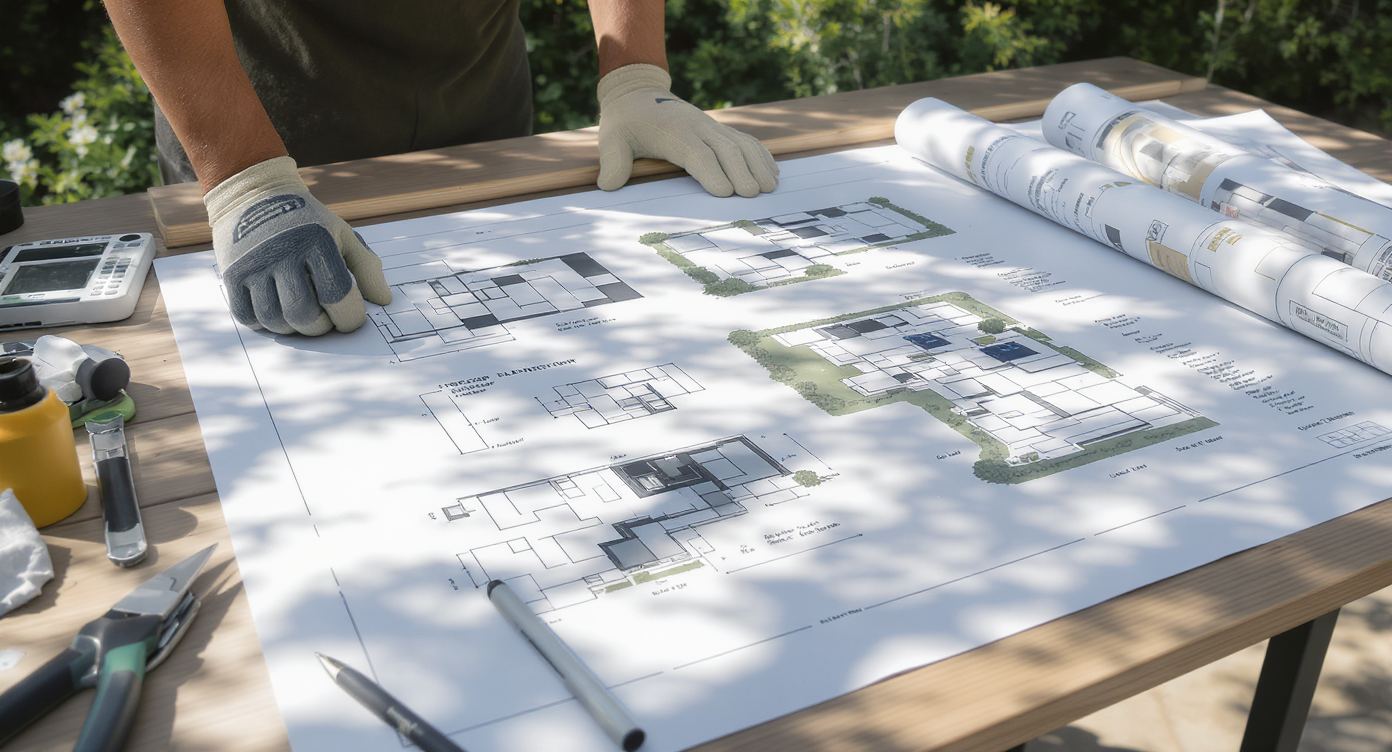
Technical landscape drawings, site plans, and permit forms displayed on an outdoor drafting table, highlighting planning for backyard construction projects.
One often-overlooked benefit of hiring a landscape designer is their expertise with construction documents and local permitting regulations. Many municipalities require detailed plans for decks, patios, and grading changes. Professionals can produce accurate side elevations, technical specs, and site maps that satisfy code requirements. This attention to detail helps avoid costly corrections later and minimizes project delays, especially when complex structures or outdoor utilities are involved.
-
3. Apples-to-Apples Bidding With Standardized Plans
Homeowners who invest in a professionally-drafted landscape plan are usually better positioned to compare quotes from multiple contractors. A single, detailed design ensures all bids reflect the same scope and materials, making cost comparisons more meaningful and reducing surprises. Without a standardized plan, each bidder may interpret your vision differently, leading to wide variances in estimates and potentially inconsistent results.
-
4. Managing Budget Expectations: DIY vs Designer
Resourceful homeowners sometimes opt for a DIY approach to save money, especially on the design phase. While drafting a concept yourself can reduce upfront costs, it may also lead to scope creep, technical omissions, or underestimating site challenges. Professional design fees generally range from a modest percentage of your total project budget, but they often pay for themselves by avoiding expensive rework. As highlighted in expert tips for creating a landscape plan that balances practicality and aesthetics, realistic budgeting requires both an understanding of costs and precise planning.
-
5. Visualizing the End Result Before You Commit
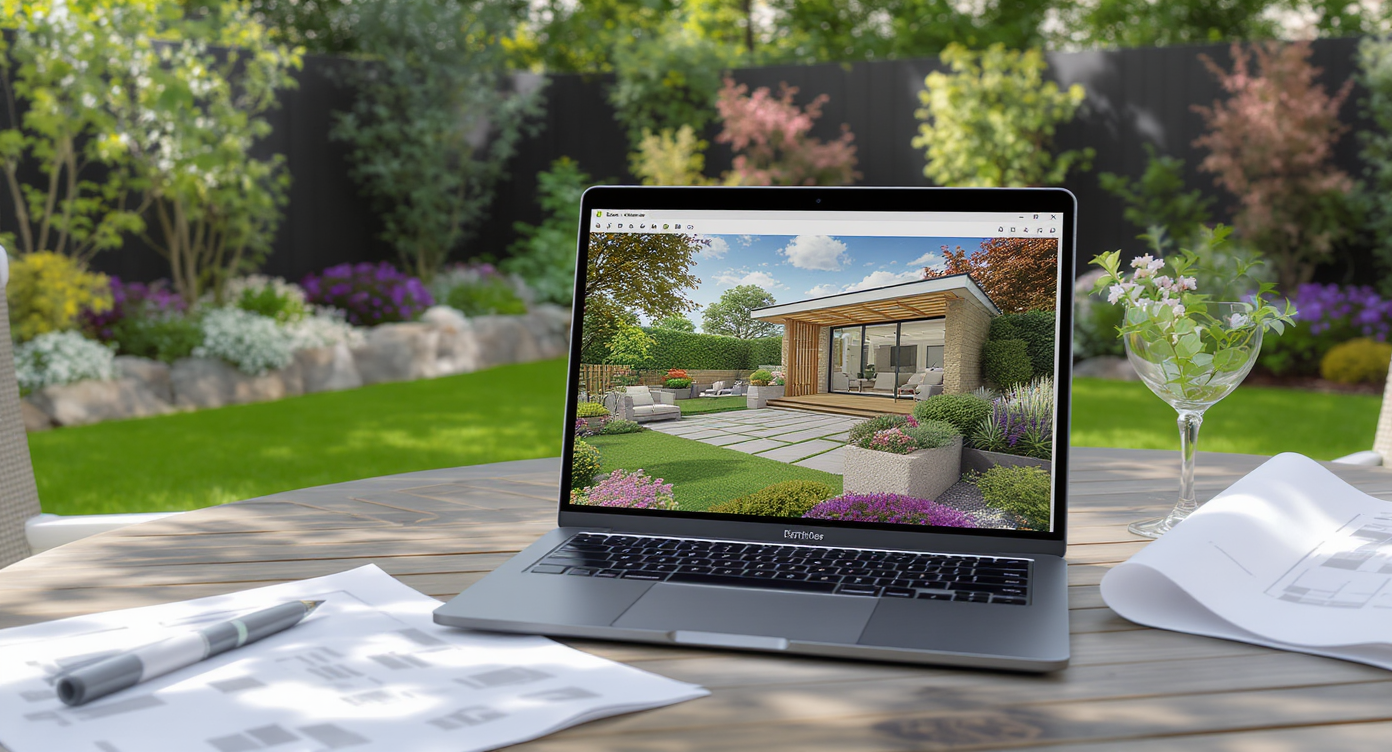
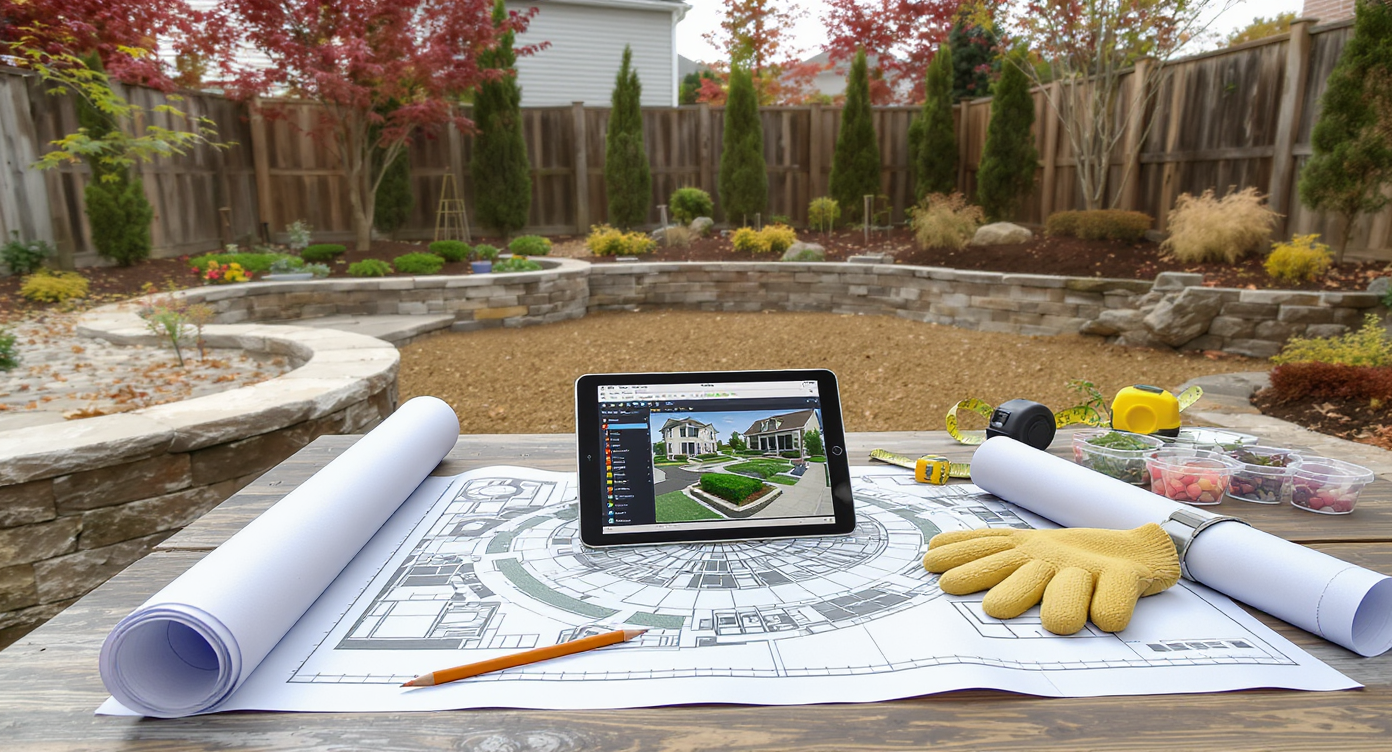
Visualize your landscape remodel: preview potential layouts and features with digital design tools before any project begins.
Quality design tools—digital or professional—empower homeowners to see how choices around layout, paving, or plantings will look before breaking ground. Platforms like REimagineHome.ai allow you to upload a photo and preview different patios, decks, or privacy screens, revealing how elevation changes or hardscaping will integrate with your home. Even those who prefer the DIY route can benefit from visualization software or design services that help avoid common pitfalls and increase project confidence. For inspiration, see our comparison of free design software and smarter visualization alternatives.
-
6. Tailoring the Design to Your Lifestyle and Maintenance Goals
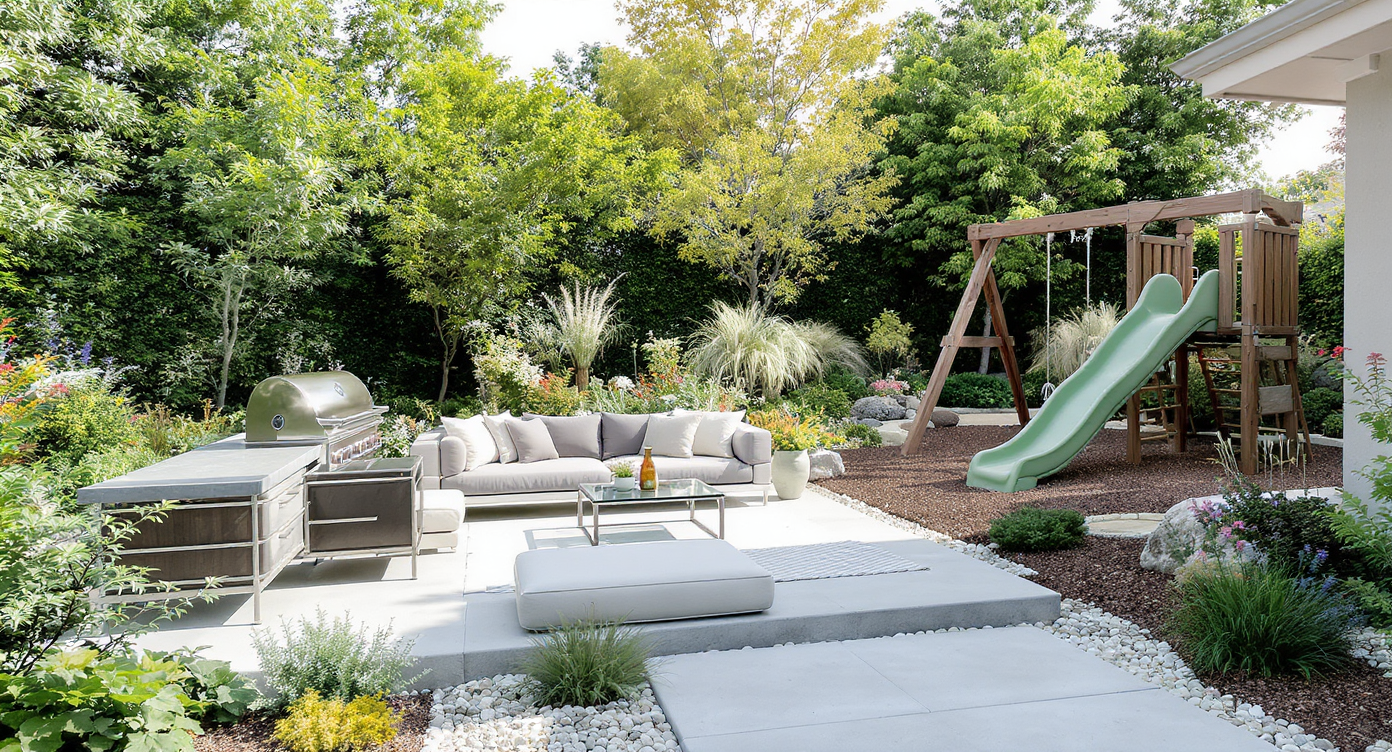
A customized landscape plan integrates functional entertaining, play, and privacy zones, using native plants and low-maintenance features.
A customized landscape plan should reflect not just trends and aesthetics, but how you actually use your outdoor space. For example, families may prioritize play areas, while others focus on entertaining or maximizing privacy. Designers routinely consider these lifestyle factors along with drainage, irrigation zones, and long-term plant health. As described in our article on creating low-maintenance landscapes with native plants, blending structure and flexibility leads to outdoor designs that stand up to everyday needs while minimizing future upkeep.
-
7. DIY vs Designer: Blended Approaches and Community Wisdom
A realistic outdoor workspace showing both homeowner sketches and professional blueprints, blending DIY creativity and expert input.
Some homeowners find success by sketching a basic concept themselves and then consulting professionals to refine details, check code compliance, and ensure feasibility. This hybrid strategy benefits from both personal vision and professional know-how, often saving money while achieving a high-quality result. Drawing inspiration from local examples or online visualizers, then engaging experts only for essential technical tasks, can deliver balanced outcomes that are both creative and practical for remodel projects.
Outdoor Remodeling Designer FAQ
Not always. For small or straightforward projects, skilled contractors can often follow clear DIY sketches, but complex remodels benefit from a formal design.
What are common mistakes when homeowners skip design services?
Common pitfalls include overlooking drainage or elevation issues, inaccurate measurements, or insufficient planning for lighting and irrigation zones.
What if I want to try out ideas before hiring a designer?
Photo-based design tools such as REimagineHome.ai allow you to experiment virtually, making it easier to visualize and discuss possibilities with professionals.
How do I compare contractor bids effectively?
Use a single, detailed plan for all bids to ensure each contractor bases estimates on the same requirements, reducing misunderstandings and hidden costs.
Is a professional plan necessary for permitting?
Many municipalities require technical drawings for major structures like decks. Designers can expedite this process with accurate documents tailored to code.
Takeaway: Thoughtful Planning Sets the Foundation for Outdoor Success
Whether you decide to hire a professional, tackle it yourself, or blend both approaches, the pathway to a great outdoor remodel begins with clear goals and thorough planning. Professional design can resolve technical hurdles, clarify budgets, and bring out the best in your landscape for years to come. Tools such as REimagineHome.ai help bridge the gap, providing visual reassurance and smarter experimentation as you shape the space that fits your lifestyle perfectly.