Making an Industrial Loft Living Room Feel Inviting Without Sacrificing Character
TL;DR
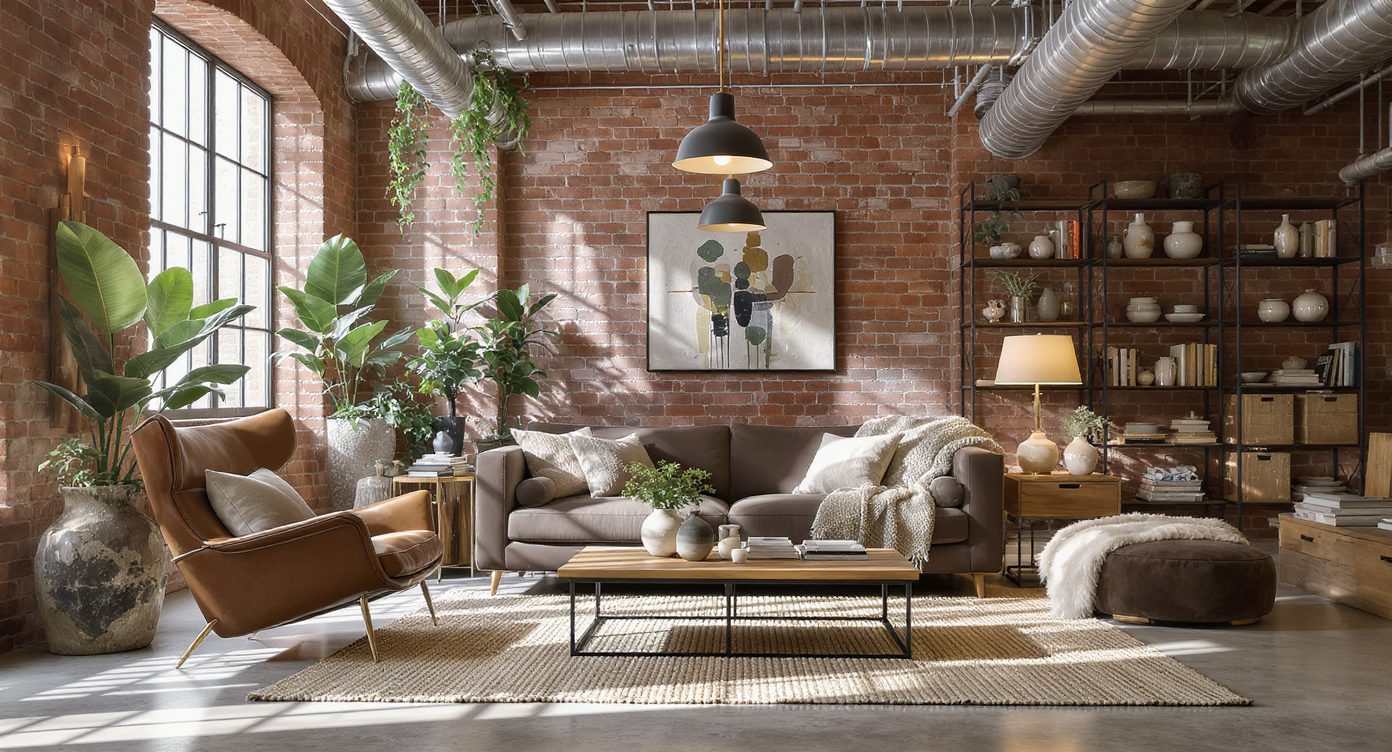
To create a cozy and functional industrial loft living room, start by defining zones, prioritizing harmonious furniture proportions, and using layered lighting and textured accents. Balancing the rawness of concrete or steel with subtle Japandi influences and carefully placed art helps achieve a bright, welcoming, and intentionally minimal atmosphere.
Introduction
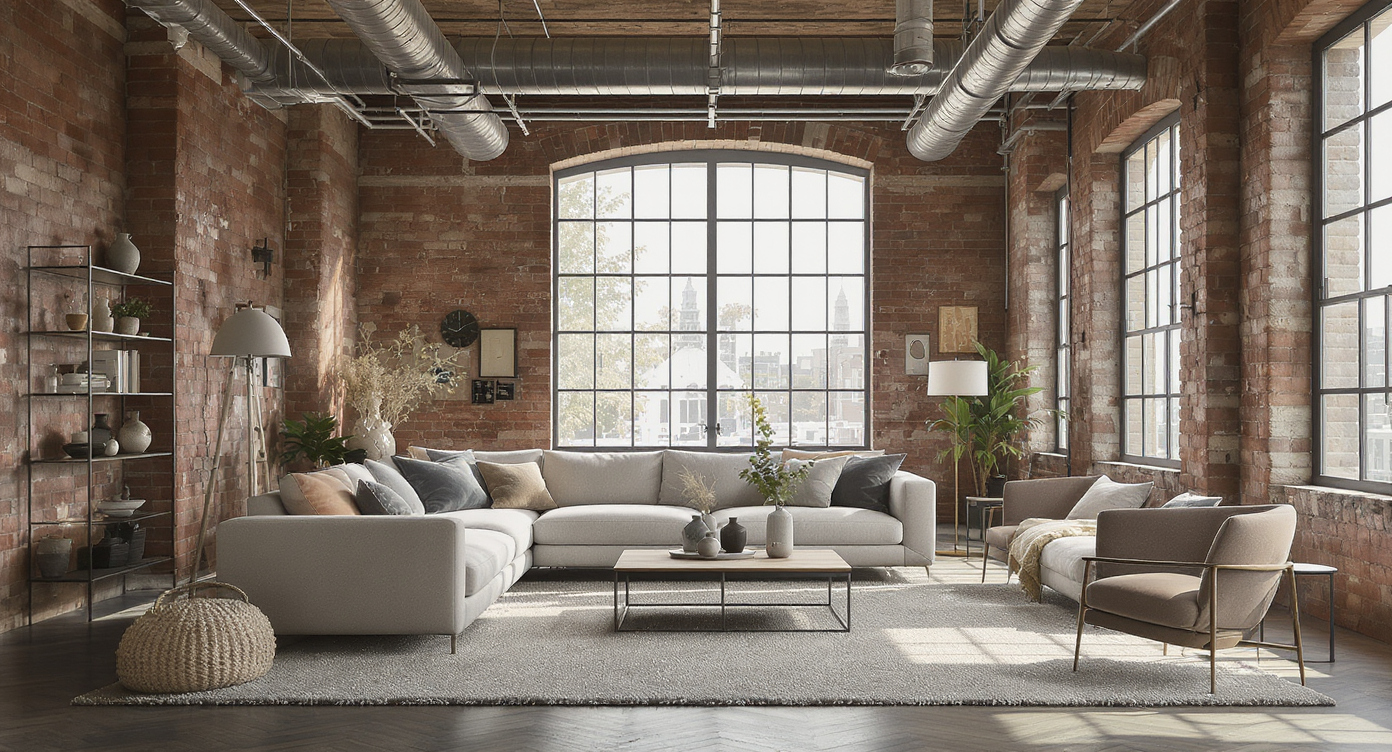
An industrial loft living room with open space, exposed brick walls, and mismatched modern furniture revealing a raw, unfinished feel despite ample natural light.
Industrial lofts are the ultimate in urban living, known for their open layouts, walls of windows, and echoes of the city’s architectural past. But turning those soaring ceilings and exposed elements into a cozy, functional living room can be surprisingly tricky. The abundance of natural light and flexible layouts often leave residents wondering how to make such a large, blank canvas feel inviting and pulled together. Comfort, warmth, and cohesion are within reach when you understand how to work with — not against — the benefits and quirks of industrial space. One recent loft-dwelling couple, drawn to the magic of bright walls and open air, quickly realized that piecemeal furnishing, trend-chasing, and awkward layout left their living area feeling anything but restful. Their story, echoed by many living in modern lofts, highlights that getting it “right” requires a few core decisions: where to place foundational furniture, how to balance proportions, and which decorating approach will bring the mood they crave. With inspiration from minimalist and Japandi sensibilities, and a touch of personal charm, any industrial living room can shift from echoing emptiness to lived-in warmth.
-
Defining Zones in a Loft Without Walls
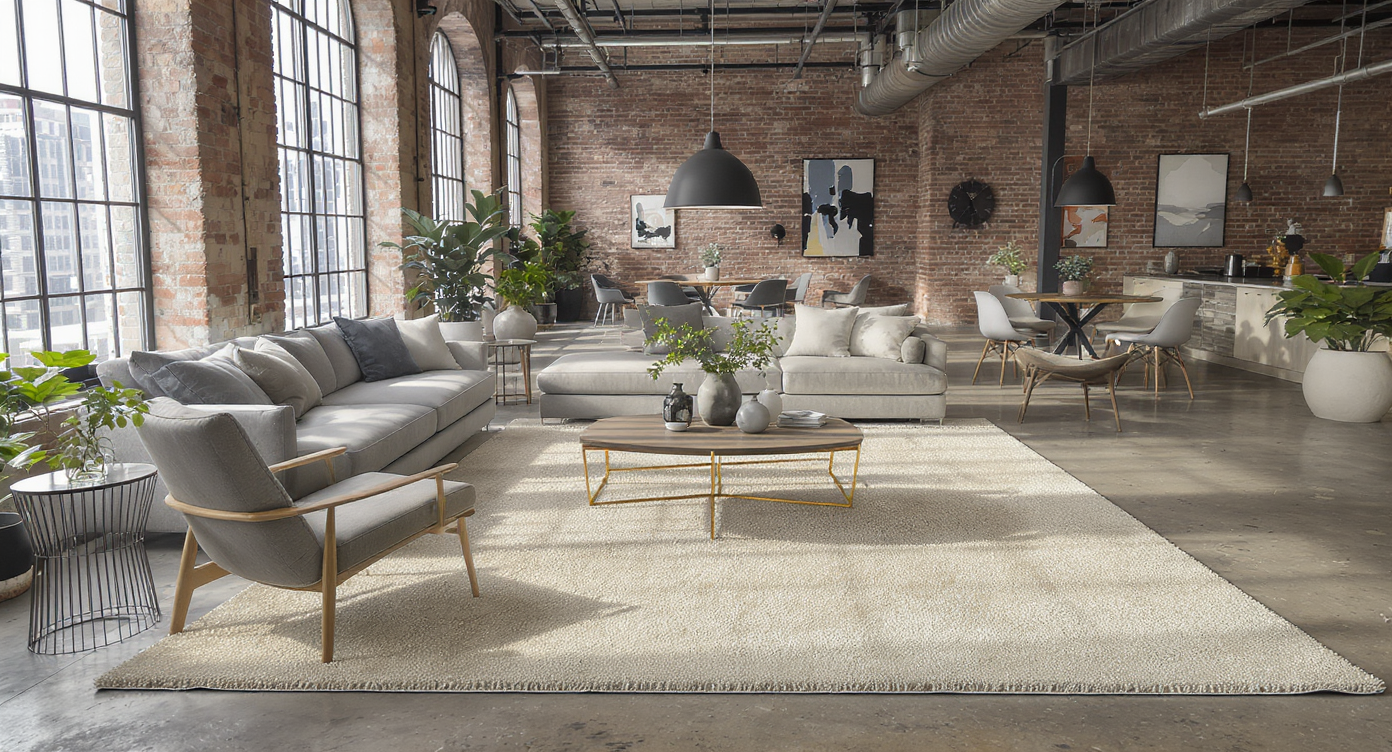
A neutral area rug anchors the sofa and chairs, visually defining the living zone within an open industrial loft layout.
Lofts rarely come with clear boundaries between living, dining, and working spaces. For a living room to truly function, visual cues must define where one area ends and another begins. Designers often recommend using rugs to anchor seating groups, which is especially crucial in open floor plans. A rug that fits the proportions of your sofa and coffee table can pull the scene together and prevent the seating from feeling like it is floating awkwardly. Consider shifting your main rug so that it sits partially under the front legs of the sofa and chairs rather than leaving it isolated — a subtle tweak with outsize impact. Learn how scale and rug placement influence coziness in what makes a living room feel cohesive. If your current rug feels too trendy or mismatched, choosing a neutral or textured alternative will unify your foundation while complementing both industrial bones and Japandi calm.
Expert Insight
A young couple relocated to a sun-drenched, two-story loft. They loved the original concrete pillars and city views, but after moving in, noticed each night felt more like sitting in a hotel lobby than a home. Real transformation began when they sold two mismatched chairs, stretched their natural-fiber rug to fit under the new sectional, and styled one generous artwork above the sofa. Potted greenery and layered lamps softened nightly routines. It took time, but suddenly, guests were lingering, and the space finally felt unmistakably theirs.
-
Furnishing With Purpose: Scale, Function, and Comfort
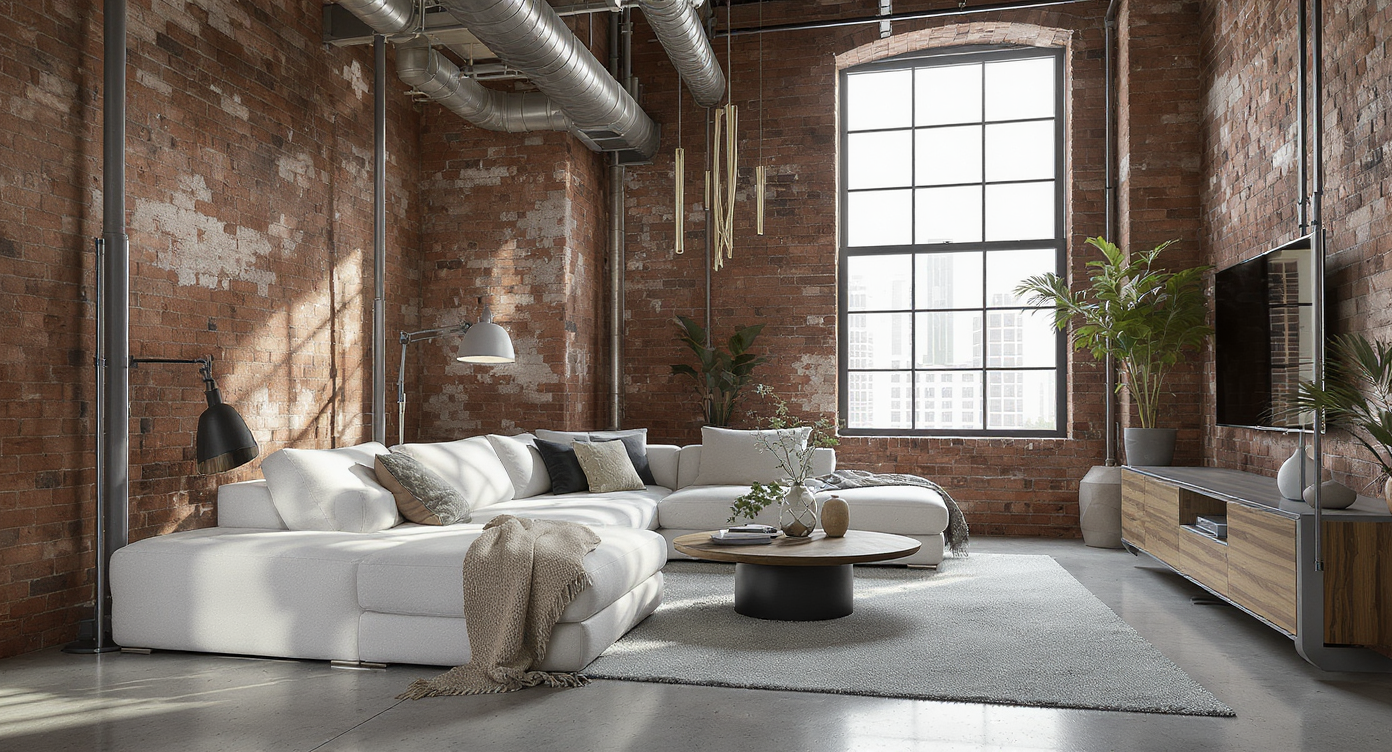
A well-furnished industrial loft shows a balanced, comfortable sectional, practical coffee table, and sleek storage solutions for open spaces.
Many loft owners inherit an accidental patchwork of furniture collected for other rooms. Over time, mismatched scales — a bulky armchair here, a petite console there — can muddy even the most stunning architectural backdrop. Focus first on a comfortable, well-proportioned sofa as your foundation. Large, open spaces invite sectionals or spacious two-piece seating, which provide both softness and a clear sense of place. Pay close attention to how each piece relates. For example, the coffee table should sit within easy reach of every seat, and avoid placing similarly dark objects directly next to each other to maintain functional contrast. If you have the freedom, incorporating built-in storage or a media cabinet with concealed compartments will maintain clean sightlines in the open space and minimize clutter. One practical challenge is TV placement — wall space can be limited, and few want to block prized windows. On this front, rotating consoles, corner stands, or extended arm mounts offer solutions that balance convenience, light, and aesthetics without sacrificing the pleasures of natural daylight. For more detail on ideal proportions and arrangement, see sofa and coffee table sizing strategies.
-
Curating an Inviting Palette: Japandi Influence Meets Industrial Edge
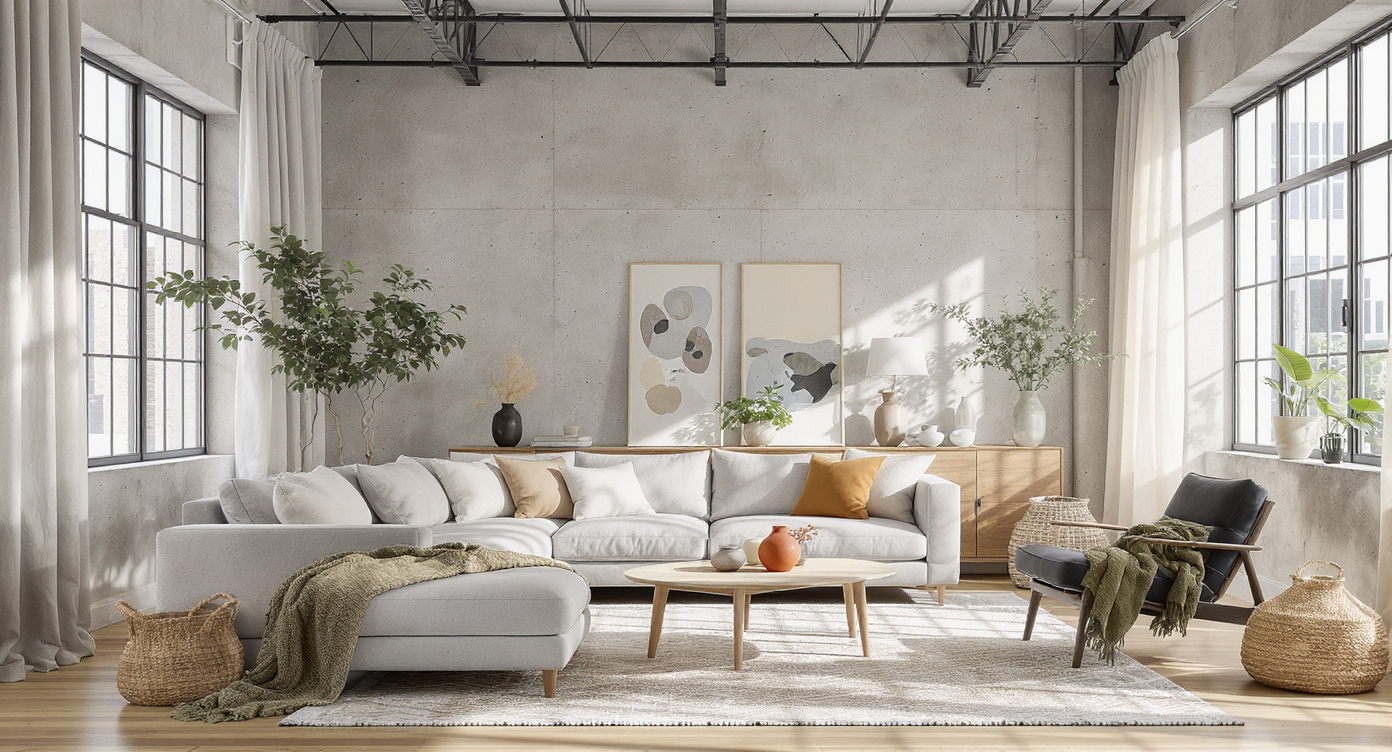
Neutral-toned industrial loft living room with Japandi influences: pale woods, cozy textiles, and warm earthy accents soften concrete and steel.
Minimalist-industrial doesn’t have to mean cold or unforgiving. The emerging Japandi trend weaves Japanese restraint and Scandinavian warmth through clean lines, pale woods, and gentle earthy colors — a softening counterpoint to steel beams or concrete. To emulate this, pick one neutral to lead: soft gray, warm ivory, or delicate putty. Layer in a second tone for interest, paired with a deeper accent hue — perhaps ochre, olive, or terracotta, as seen in a single pillow or artwork. According to our take on making a minimalist living room come alive, reserve patterns for textiles or the rug. Furnishings with natural wood tones or woven surfaces bridge the gap between modern rigour and homey comfort. If rental constraints prevent major changes, small upgrades such as textured throws, tactile draperies, and oversized or grouped ceramics inject distinct personality and soften acoustic echoes.
-
Art and Lighting: Personalizing a Double-Height Retreat
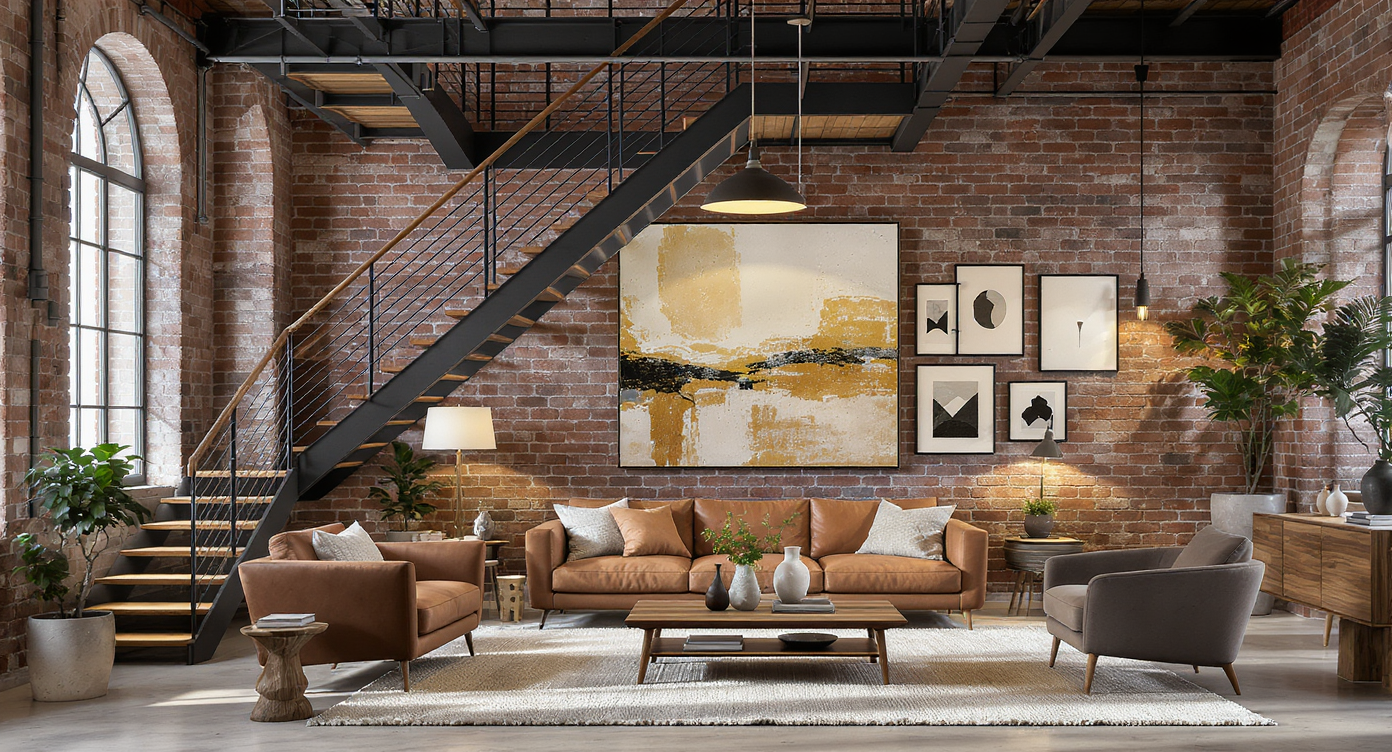
Double-height industrial loft living room with bold wall art, balanced gallery arrangement, and layered warm lighting accentuating key areas.
Bare walls and staircase voids are a blank invitation to create something truly personal. When considering art, scale is everything. An oversized canvas or bold gallery arrangement on a staircase wall can balance a loft’s vertical volume, while a few large framed prints grouped together offer structure without clutter. Designers sometimes align artwork with furniture edges or architectural lines for extra coherence. Lighting, too, is transformative. Layer overhead fixtures with floor lamps, table lamps, and even wall-mounted lights. Scandinavian lofts gain signature coziness by focusing on warm, dimmable lamps that accentuate corners and highlight art. Avoid over-reliance on cold overhead light, and use 2700K bulbs for a golden glow. More advice on these finishing touches is found in how to bring hygge into a loft living space.
-
Anecdote
A young couple relocated to a sun-drenched, two-story loft. They loved the original concrete pillars and city views, but after moving in, noticed each night felt more like sitting in a hotel lobby than a home. Real transformation began when they sold two mismatched chairs, stretched their natural-fiber rug to fit under the new sectional, and styled one generous artwork above the sofa. Potted greenery and layered lamps softened nightly routines. It took time, but suddenly, guests were lingering, and the space finally felt unmistakably theirs.
-
Common Mistakes to Avoid
Many loft dwellers unintentionally choose furniture that is too small or overly busy for such expansive areas. Small rugs and undersized sofas can make even beautiful pieces look lost. Sticking rigidly to current trends or scattering unrelated decor without an underlying color theme quickly turns sparse into scattered. Do not ignore lighting: relying on natural light alone or one overhead bulb leaves nighttime feeling harsh and cavernous. Likewise, hanging tiny artwork on enormous walls diminishes impact and energy. Instead, approach each addition as part of a greater whole, and aim for a deliberate, well-edited collection.
-
Tips or Expert Insights
Focus first on creating intimate groupings in large rooms by clustering seating around a substantial rug. Use storage pieces that echo your home’s architectural style but provide doors to hide life’s less elegant clutter. Layer lighting from multiple sources, prioritizing warmth and dimmability. Repeat colors or wood tones in a few places for calm cohesion. If art feels daunting, start with three or four large frames and build as your tastes evolve.
-
How to Use This in Your Next Designs
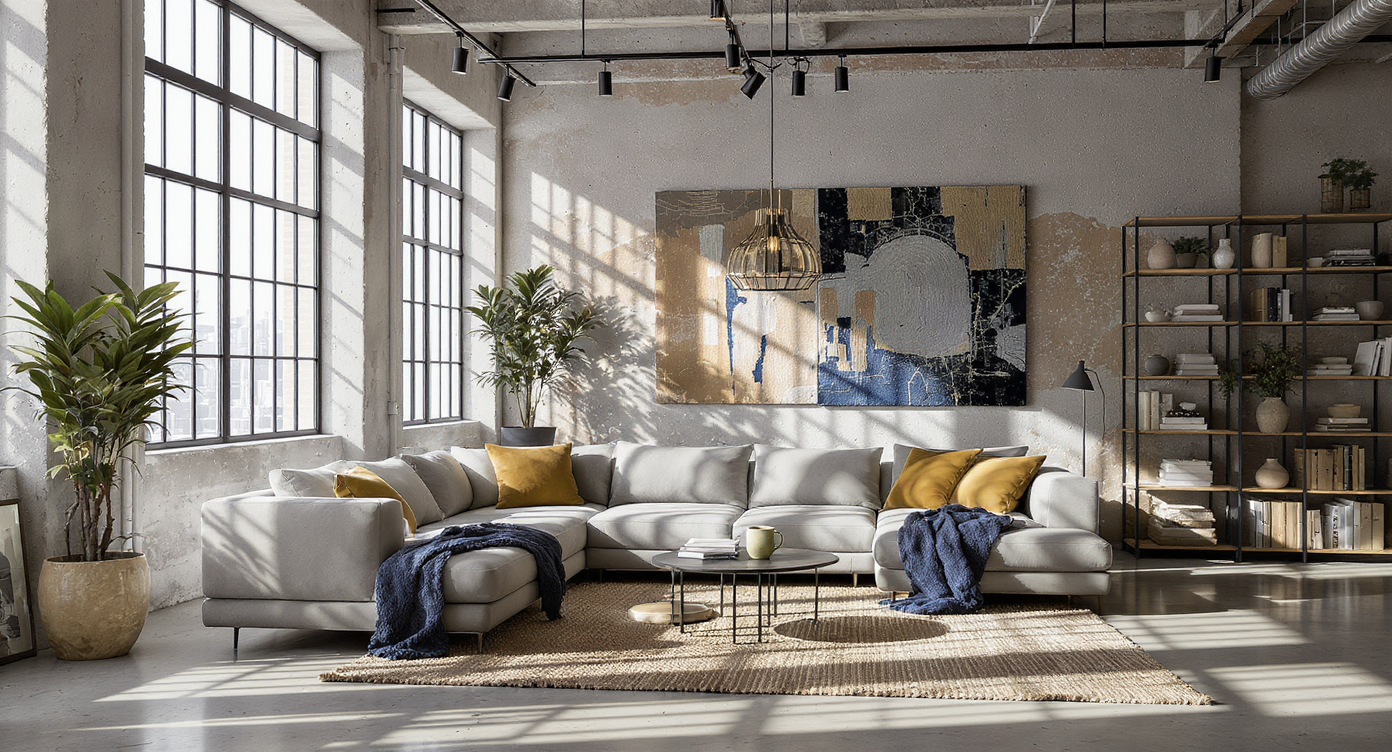
Modular furnishings, layered lighting, and personalized accents define clear, inviting zones in this photorealistic industrial loft setup.
Whether designing for yourself or a client, start by observing how natural light and traffic flow carve up the space. Map out conversation zones without relying on permanent structures: rugs, modular sofas, or creative bookcase placement all work well. Plan your palette ahead of time, choosing neutral and accent colors that harmonize but don’t compete. Pick furniture large enough for the volume of the room and avoid unnecessary clutter. Let favorite artworks or textiles dictate accent choices and use layered lighting to transition from airy daylight to golden evening calm. Most importantly, personalize with details that reflect everyday living.
-
Visualization Scenario
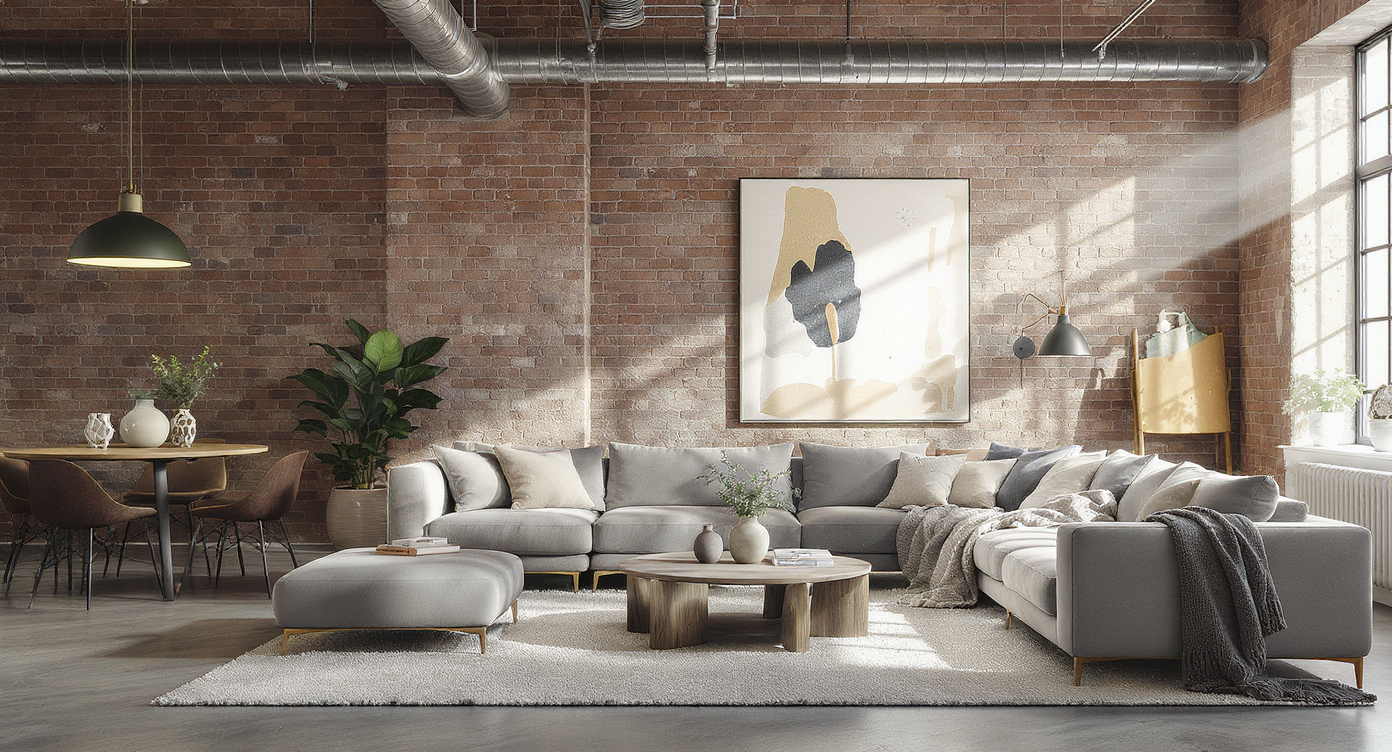
A sunlit industrial loft showcases a cozy oatmeal sectional, natural textures, serene artwork, and personal touches to create an inviting setting.
Imagine entering an industrial loft where softly filtered daylight spills across a natural fiber rug, placed confidently under a curved sectional in warm oatmeal. The concrete walls recede behind an oversized, serene canvas echoing subtle golds and deep forest greens. Nearby, a slender accent chair in pale wood contrasts just enough with a low, matte-black media cabinet, its lines following the edge of a long expanse of window. Textured pillows and a chunky linen throw transform the cool into comforting. In the evening, a floor lamp glows in the corner, while a vase of willow branches and a stack of art books lend quiet personal resonance.
Visualization Scenario
Imagine entering an industrial loft where softly filtered daylight spills across a natural fiber rug, placed confidently under a curved sectional in warm oatmeal. The concrete walls recede behind an oversized, serene canvas echoing subtle golds and deep forest greens. Nearby, a slender accent chair in pale wood contrasts just enough with a low, matte-black media cabinet, its lines following the edge of a long expanse of window. Textured pillows and a chunky linen throw transform the cool into comforting. In the evening, a floor lamp glows in the corner, while a vase of willow branches and a stack of art books lend quiet personal resonance.
Frequently Asked Questions
For most lofts, select a rug large enough to fit all or most furniture legs comfortably. Typically, an 8x10 or larger is suitable, but always measure to ensure it connects the whole seating area.
Where do you place a TV in a loft with lots of windows?
Look for an area where the TV will not block natural light. Corner placement, extendable wall mounts, or a low credenza against a partial wall all suit the open feel. Consider storage needs and sightlines before committing.
How can I add color without overwhelming the space?
Introduce one or two accent hues through pillows, throws, or art. Repeat these colors in different materials or surfaces to create cohesion.
What is the Japandi look?
Japandi combines Japanese minimalism with Scandinavian comfort: neutral palettes, simple lines, organic textures, and a few well-chosen accessories.
Is ReimagineHome.ai useful for loft spaces?
Yes, ReimagineHome.ai provides inspiration and practical advice for many living situations, including open-concept lofts.
Bringing Urban Warmth Home
The path from raw loft to restorative sanctuary begins by defining spaces, choosing furniture proportionate to your volume, and layering in warmth through carefully selected textiles and light. Minimalist, Japandi, and industrial elements fuse easily when grounded by a clear palette, artful storage, and personal details. Each choice, from rug placement to art scale, serves both beauty and daily comfort. For those beginning their own loft journey or reinventing a beloved space, these strategies offer both clarity and creative freedom — and for more design inspiration, explore ReimagineHome.ai.