Evaluating LED Lighting: Striking a Balance Between Mood, Modernity, and Livability
TL;DR
LED interior lighting is neither a universal must-have nor an inherent design flaw. Its impact depends on application, color temperature, intensity, and the way it layers into your space’s function. Thoughtful use can add elegance and function, while excess or mismatched color choices can undermine comfort and sophistication.
The LED Lighting Dilemma: Taste, Trends, and Tradeoffs
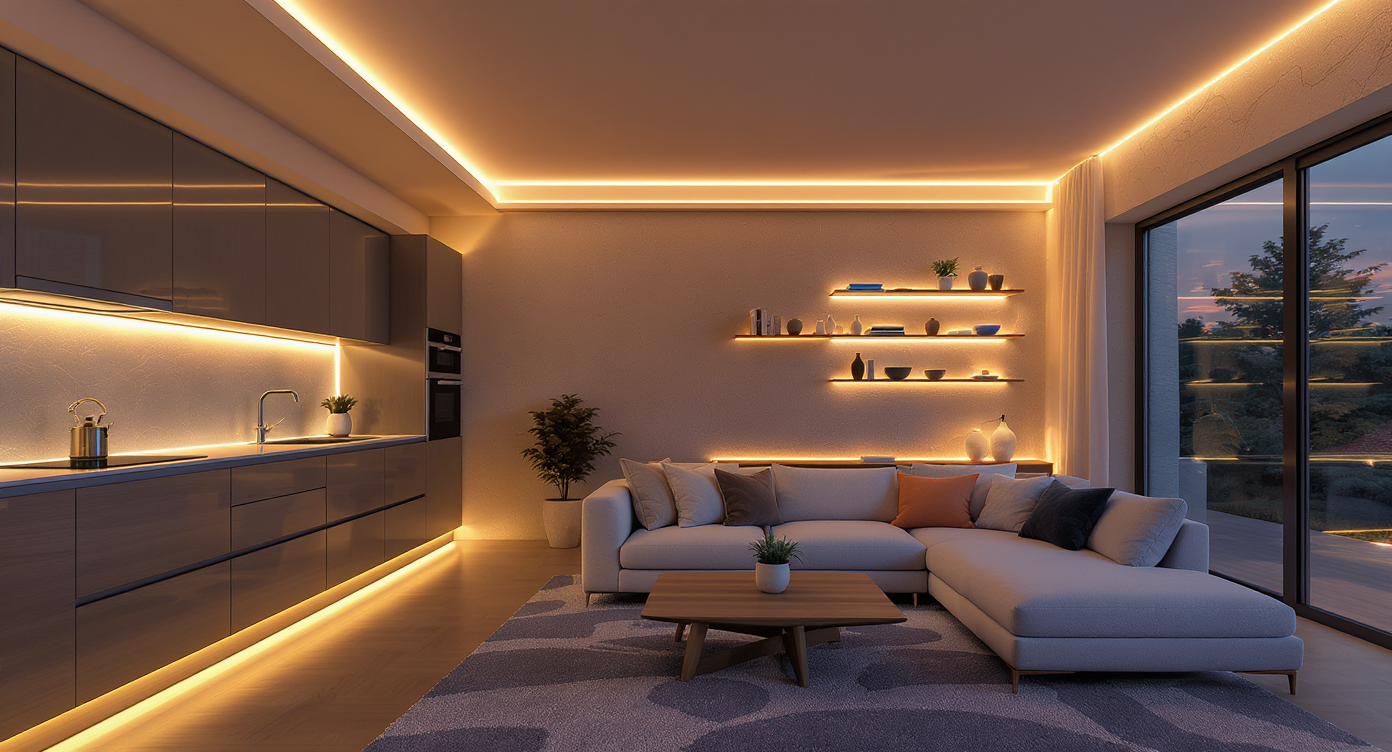
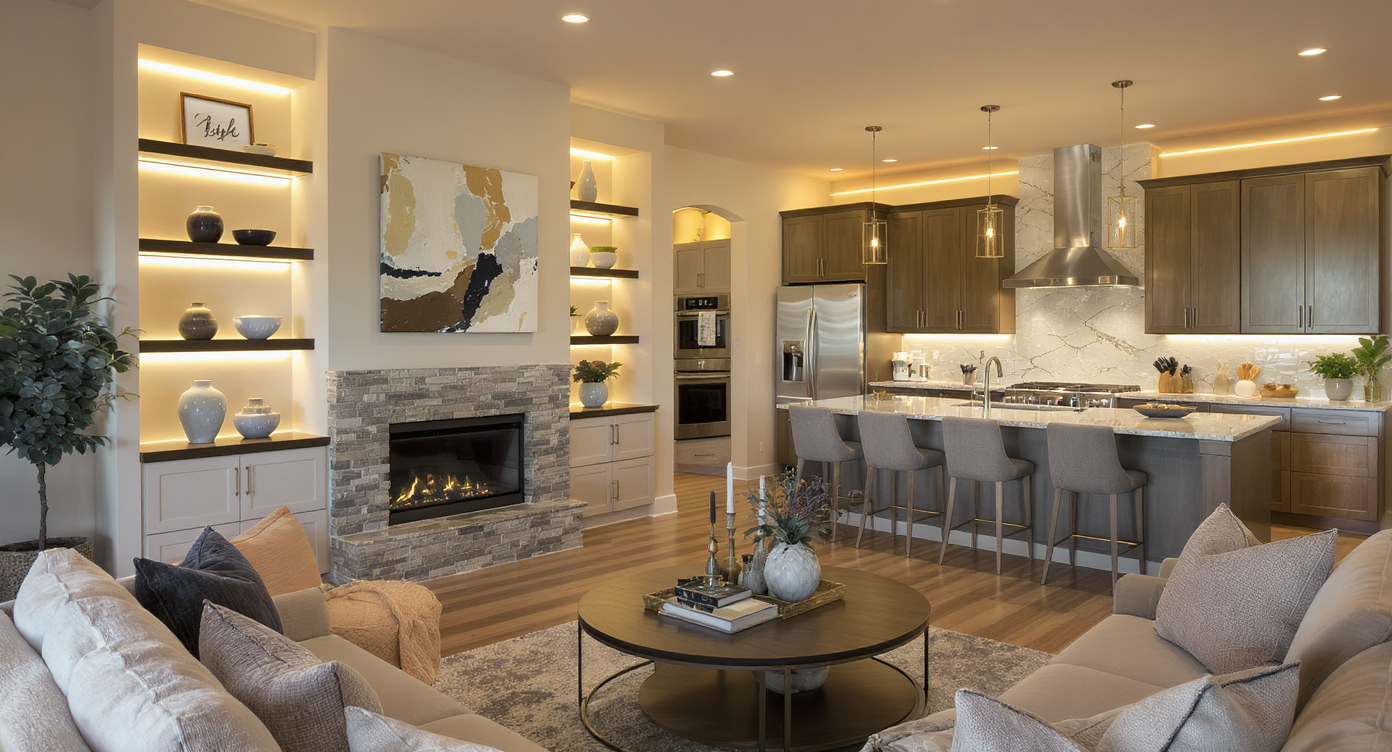
A contemporary open living space shows how LED accent, cove, and under-cabinet lighting can both elevate and challenge interior ambiance.
Few design elements divide opinion as sharply as LED interior lighting. For some, it’s a crisp symbol of modernity—a flexible tool that breathes life and personality into even the most understated rooms. For others, it’s a glaring interruption, threatening to cheapen or overwhelm subtle architectural choices. The debate rages from social media feeds to professional design studios: Are LEDs the key to a next-generation home atmosphere, or are they simply too much?
Today’s home looks far different than a decade ago, thanks in part to the mainstreaming of LED accent lighting. Whether streaking under cabinets, glowing along cove ceilings, or wrapping shelving in a digital rainbow, LEDs are as capable of making or breaking a design statement as any paint color or furniture choice. The challenge is finding balance: ensuring that modern lighting elevates, rather than undermines, a space’s character and livability.
-
The Allure and Pitfalls of Modern LED Illumination
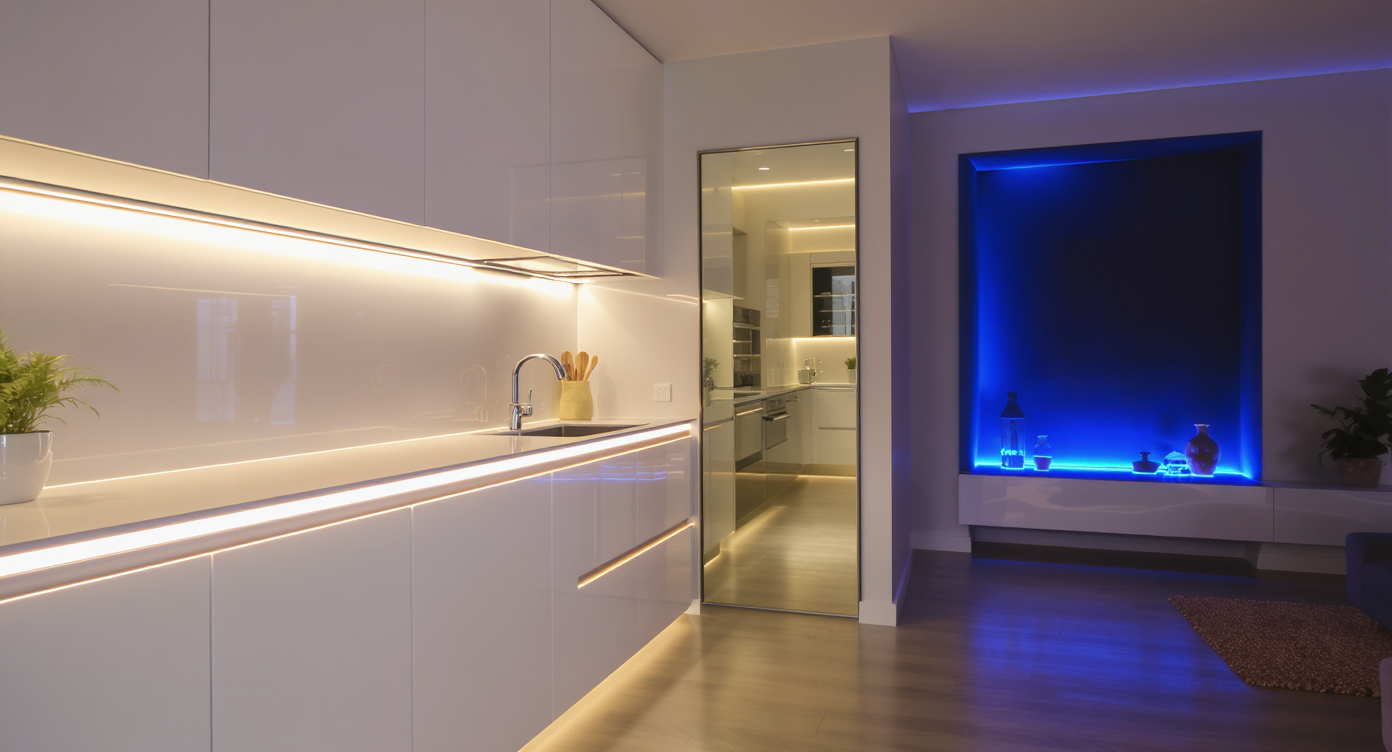
Soft white cabinet LEDs evoke a floating effect, contrasted by bold blue accent lighting—showing LEDs' allure and overuse risks in modern interiors.
LEDs owe their current popularity to their extraordinary versatility. Strip and puck lights can be hidden nearly anywhere—behind mirrors, tucked under cabinetry, or recessed in architectural details—creating effects impossible with traditional bulbs. Color-adjustable models allow for an impressive spectrum of moods. In minimalist homes, a single row of soft white can make cabinetry seem to float, or quietly spotlight a dramatic architectural line.
Yet as any experienced designer will admit, impact comes down to execution. The seductive photos of electric pink or cobalt underlighting that dominate design feeds tend to mask real-life drawbacks. Intense colored lighting may photograph well, but in reality, many find the look uncomfortable or even jarring, especially when used in everyday living areas. The line between “fresh accent” and “overly literal theme room” is surprisingly thin. Readers of interior trends most likely to read “very 2020s” within five years frequently mention colorful LEDs as trends that risk aging poorly unless integrated with restraint.
Expert Insight
As a design consultant, I once visited a recently renovated loft where the owners had invested in every lighting trend—neon strips along floating stairs, colored cove lights in the kitchen, and an RGB-lit headboard in the primary suite. While the novelty initially impressed party guests, the couple soon admitted that everyday routines—early breakfasts, quiet evenings, and working from home—felt disrupted by the constant presence of intense lighting. Their solution was simple: dimming controls, a shift to warmer tones, and strategic removals. The atmosphere became immediately more inviting yet lost none of its modern appeal.
-
Ambient and Task Lighting: Lessons from Real Homes
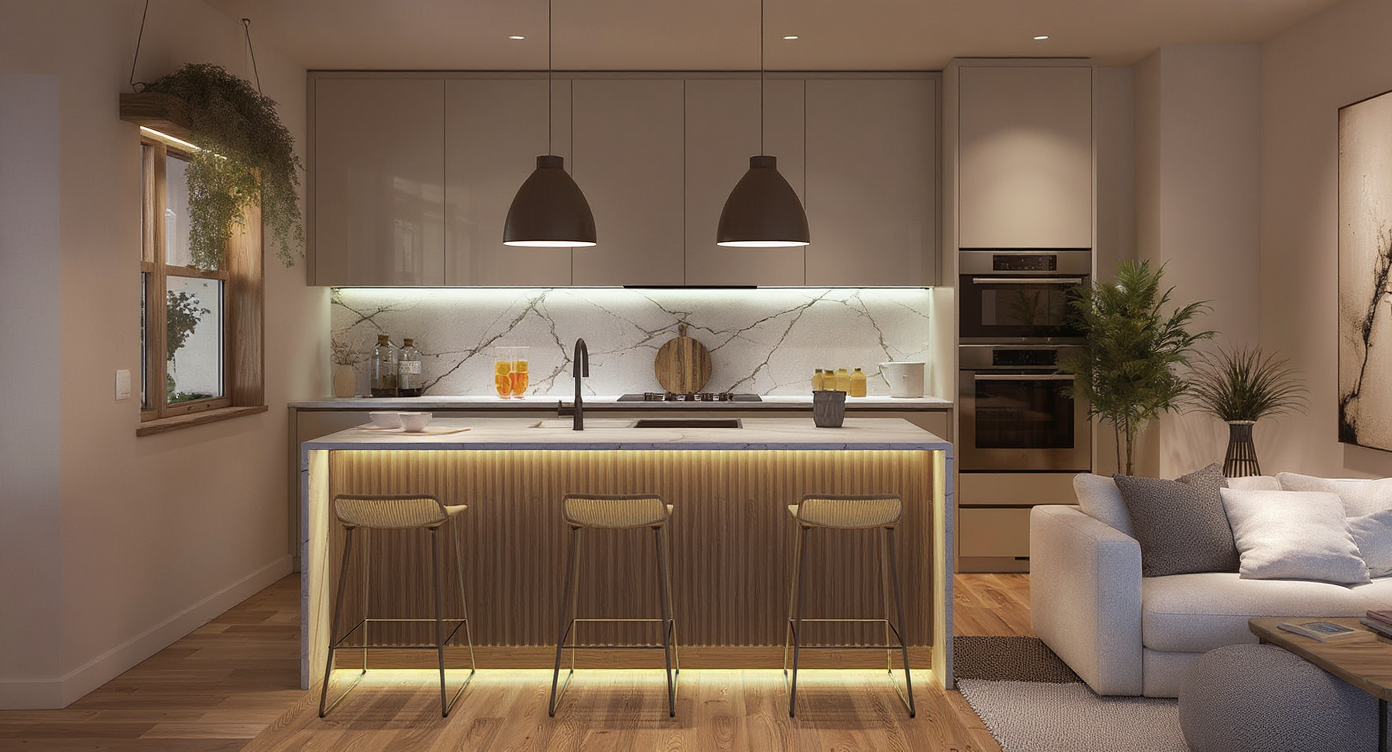
A modern kitchen and living space demonstrating layered LED lighting: warm ambient, dedicated task lighting, and subtle accent strips.
Modern lighting success often hinges on layering: ambient and task lighting should form a comfortable, flicker-free backdrop, while accents—LED or otherwise—add definition and interest. In practice, this means starting with general warm lighting, often between 2700 to 3500 Kelvin, and supplementing with lower-output LEDs for mood or display.
Scenarios play out across households. A homeowner enjoys a gentle wash of indirect light under kitchen cabinets, making midnight snack raids safer and more inviting. A minimalist living room features toe-kick LEDs set to a soft, barely-there white, which doubles as a nighttime guide without flooding the space. According to our guide to using LED accent lighting in a living room and foyer, glass-front cabinets or tailored niches benefit most from high-CRI, flicker-free sources angled purposefully—focusing attention without overwhelming the senses.
-
Aesthetic Consistency and Longevity: Avoiding a Trend Trap
Discreet LED accents enhance display shelves and work areas, while baseboards remain unlit for a timeless, harmonious look.
If there’s a consensus among design professionals and enthusiasts, it’s that lighting must serve both form and function. Overly bright, monochromatic, or club-inspired LED installations rarely stand the test of time. More refined applications emphasize compatibility with a home’s dominant style—whether boho, minimalist, or contemporary luxury.
There’s a particular caution about lighting that draws too much attention to utilitarian zones like kitchen toe kicks or bathroom bases. While such choices can be playful in small bursts, they often spotlight practical realities, such as dust or daily clutter, more than design intent. Design experts often recommend letting baseboards recede and reserving unique color accents for display shelves, art installations, or rooms dedicated to entertainment. As observed in analysis of overused design trends in 2025, reliance on glow-stick lighting or harsh RGB strips tends to date an otherwise timeless layout.
-
Anecdote: Redefining the Rules in a Small Apartment
Consider the story of a young couple moving into a compact urban flat. The kitchen, though immaculately organized, felt bland after sunset. Hoping for modern flair but wary of the "nightclub" effect, they installed dimmable, warm-toned LED strips just below the upper cabinets. In practice, these provided a gentle, welcoming glow for evenings—never drawing attention to themselves, but adding a feeling of intentionality and polish.
On the other hand, their friends embraced bold RGB lighting throughout their living room, cycling from electric blue to violet. While captivating for gaming nights, the vibrancy quickly became overwhelming during daily routines, making relaxation much harder. The contrast between the two apartments became a lesson in how nuance and moderation best serve day-to-day enjoyment.
-
Common Mistakes to Avoid
Among the most frequent missteps is assuming that more lighting or bolder colors automatically enhances a room. Installing high-output LEDs—especially in saturated hues—without a plan for layering or dimming often leads to an unnatural, even exhausting atmosphere. Highlighting utilitarian spaces, such as toe kicks or the base of kitchen islands in bright or colored light, can unintentionally draw focus to clutter and grime, undermining the room’s appeal.
Another common pitfall lies in mismatching color temperature. Mixing very cool LED strips with traditional warm bulbs divides the visual field and can make even luxurious spaces feel disjointed. Overlooking flicker-free, high-CRI options for task lighting results in uncomfortable or unflattering light quality. Designers emphasize that careful attention to these choices, as discussed in our update advice for dated interiors, fosters environments that feel both current and comfortable.
-
Tips and Insights from Designers
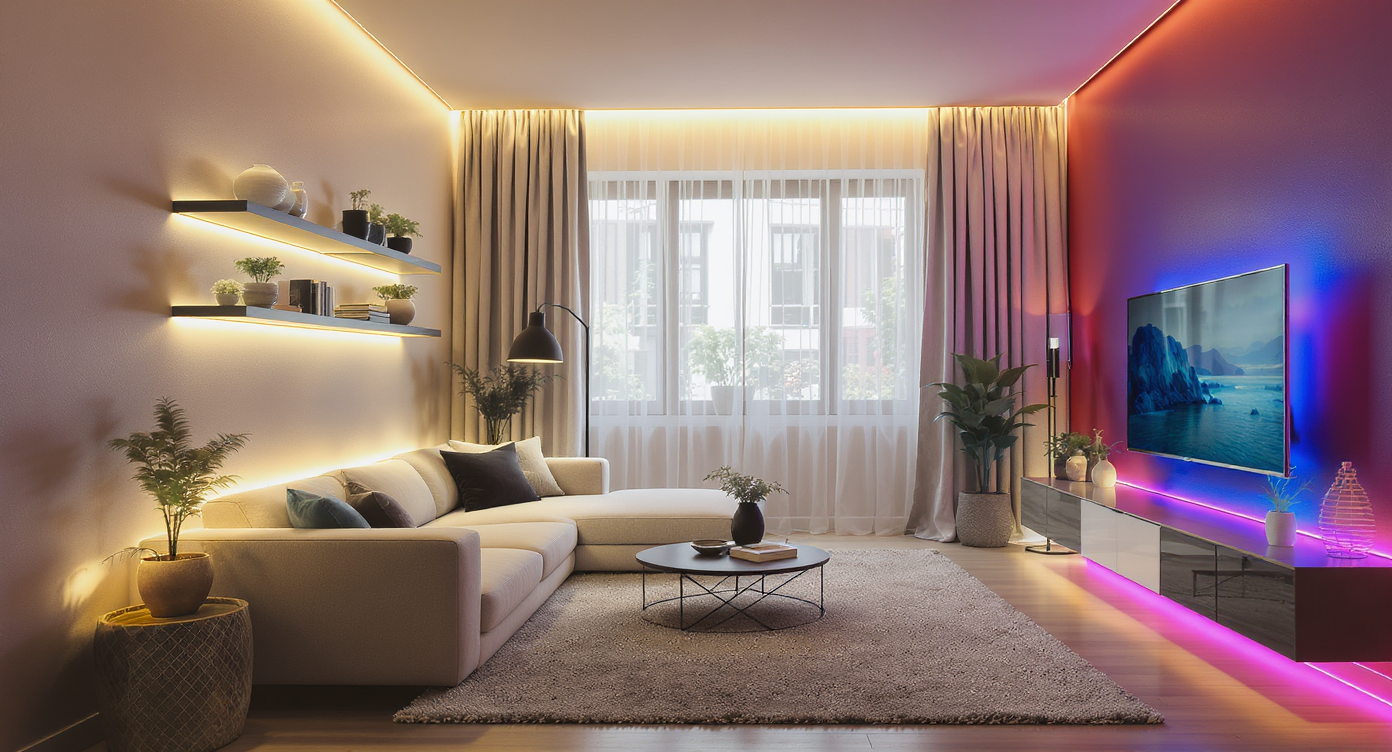
A modern living space with ambient warmth, subtle LED accents, tunable bulbs, and dimmer switches illustrates strategic designer lighting.
Experienced designers suggest treating LEDs as a supporting act, not the star of the show. Start with a baseline of ambient warmth—think modern, minimalist, or boho-inspired fixtures—then experiment with subtle LED accents that enhance a room’s atmosphere without hijacking its identity. Always utilize dimmers and look for tunable white or high-color-rendering models that match your needs throughout the day. When in doubt, limit saturated hues to areas where playfulness is intentional, such as creative studios or entertainment zones.
Balance remains essential: try visualizing lighting changes with photo-to-visual platforms before installing, and consider replacing harsh, overexposed LED accents with layered, warmer alternatives as seen in successful case studies of lighting refreshes.
-
How to Use This in Your Next Designs
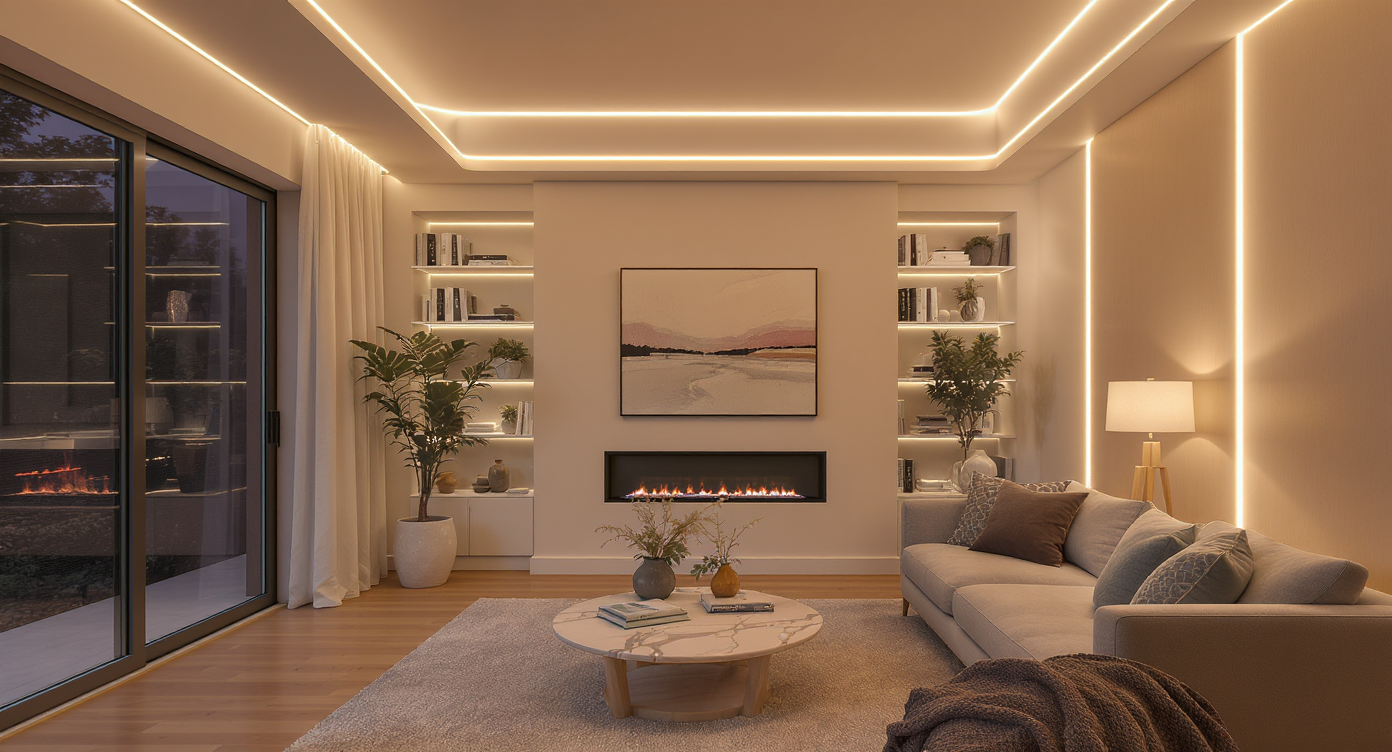
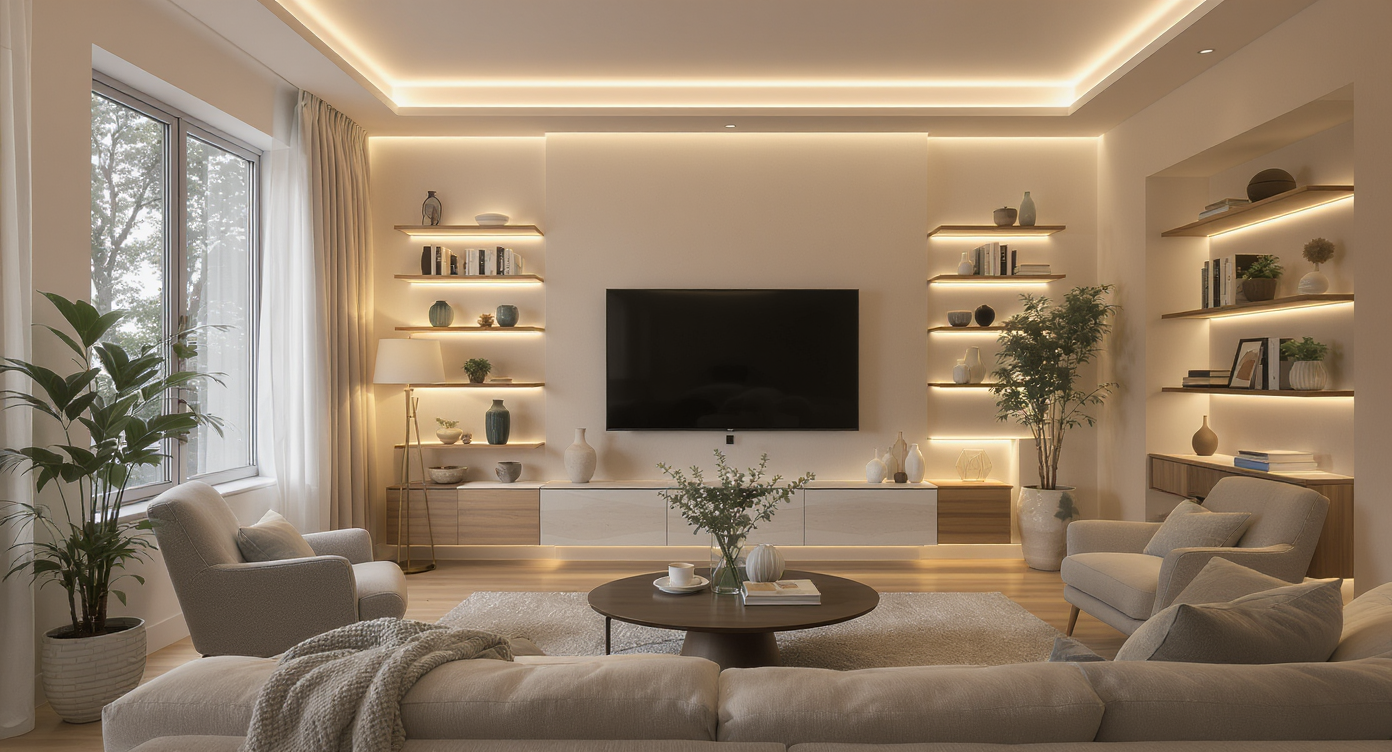
Seamlessly integrated soft white LED accents in coves and shelving, thoughtfully tailored to the room's architecture and decor style.
Whether embarking on a total renovation or a minor style update, the key takeaway is discretion. Consider the architecture, decor style, and daily rhythms of your household. For minimalist or luxury homes, LEDs might work best hidden behind coves or shelving, providing gentle accents at night. In boho or eclectic settings, consider using LEDs to frame art or books, not to flood entire spaces with color. Planning ahead—both in function and form—turns a divisive trend into a uniquely tailored asset.
Even simple moves, such as swapping harsh blue or pink LED strips for soft white models and adding a smart dimming system, can elevate the mood and functionality of any room. Reviewing LED accent lighting best practices ensures that your updates will feel thoughtful and timeless, rather than fleeting statements.
-
Visualization Scenario: Transforming a Living Room with Layered LED Lighting
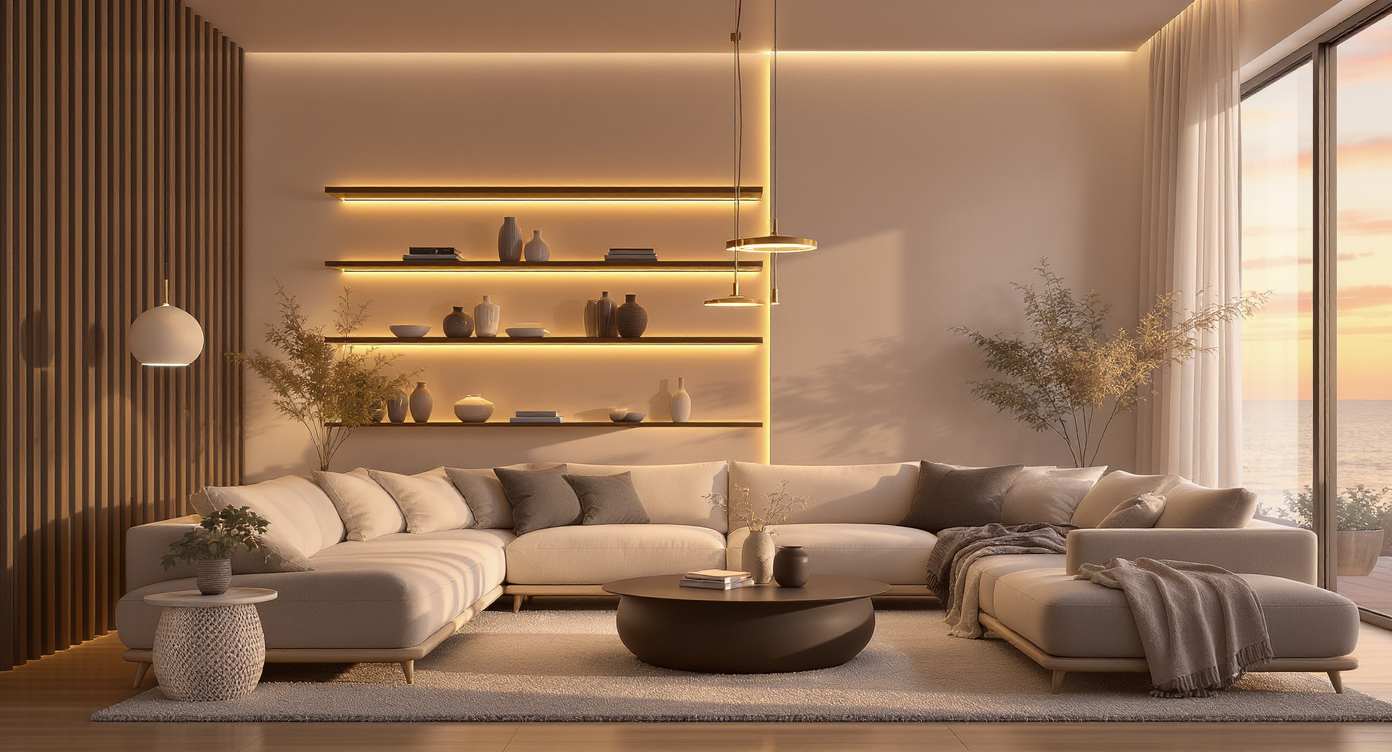
Layered LED lighting in a modern living room gently highlights neutral furnishings and ceramics, blending seamlessly into the architecture.
Picture a contemporary living room at sunset. Overhead fixtures softly illuminate the space in a warm wash, inviting guests to linger on neutral-hued sofas. Along the wall, floating shelves house curated ceramics, each highlighted by a hidden LED strip set to a gentle amber glow. The homeowner, preferring flexibility, can dial up brightness for family gatherings or dim the accents for movie nights. Instead of dominating, the LEDs recede—supporting architecture and art, never stealing the show. Here, LEDs become an adaptive backdrop, responsive to both occasion and taste.
Visualization Scenario
Envision a minimalist dining nook flanked by tall open shelving. By day, sunlight pours in, accentuating the crisp lines and natural wood tones. As night falls, integrated LED strips softly illuminate prized books and ceramics, creating depth without harshness. When guests arrive for dinner, the lighting adjusts effortlessly—providing just enough glow to frame the meal without overwhelming the senses. The space feels current, personal, and quietly luxurious, all thanks to thoughtful, restrained lighting design.
Frequently Asked Questions on LED Interior Lighting
- Are LED lights always harsh or bright?
- No. LED technology now offers a wide range of color temperatures (from soft warm to crisp cool), dimming abilities, and color rendering options. Choosing the right product and tuning it to the space is key.
- How can I incorporate LED accent lighting without making my home feel like a club?
- Start with subtle, indirect placement in shelving, behind coves, or under cabinets. Prefer warm or neutral white settings and avoid oversaturating living spaces with intense colors. Visualization tools from platforms like ReimagineHome.ai can help preview results before installation.
- Does LED accent lighting work with traditional or boho interiors?
- Yes, if applied thoughtfully. Warm, low-profile LED strips can highlight architectural details or décor without clashing with eclectic or vintage aesthetics. It is best to match the fixture color temperature to the existing ambient lighting for coherence.
- Are LEDs energy efficient and better for the environment?
- LEDs consume far less energy and have significantly longer lifespans than most traditional bulbs, making them an eco-friendly choice, especially when dimmed or used for targeted task lighting.
- What’s the biggest mistake to avoid when using LEDs at home?
- Avoid using oversaturated colors or installing high-output strips where only subtle accents are needed. Always layer LEDs with ambient and task lighting, using dimmers and warm white settings to maintain comfort and functionality.
Key Takeaway: Subtlety Outlasts Spectacle
LED interior lighting is not the villain nor the savior of contemporary design. Its success rests on intention, placement, and proportion. Used as a thoughtful layer rather than the focal point, LEDs can enhance, adapt, and modernize a space in ways traditional lighting simply cannot. Overapplication or out-of-context color choices, on the other hand, risk making even the most carefully curated home feel temporary or overstimulating.
For those weighing whether or how to incorporate LEDs, the path forward is measured experimentation, guided by the wisdom of both professional designers and real homeowners. If you’re eager to visualize your lighting ideas before committing, digital inspiration platforms such as ReimagineHome.ai offer the chance to trial changes until you find the right fit for your home’s unique character.