6 Ways to Create a Modern Tuscan Interior with Warm Earthy Palettes in 2026
TL;DR
Modern Tuscan interiors in 2026 focus on warmth, organic textures, and balanced palettes. Avoid common pitfalls like over-darkness and mismatched finishes by following these layout and color guidelines.
Why Modern Tuscan Revival Needs More Than Just Warmth
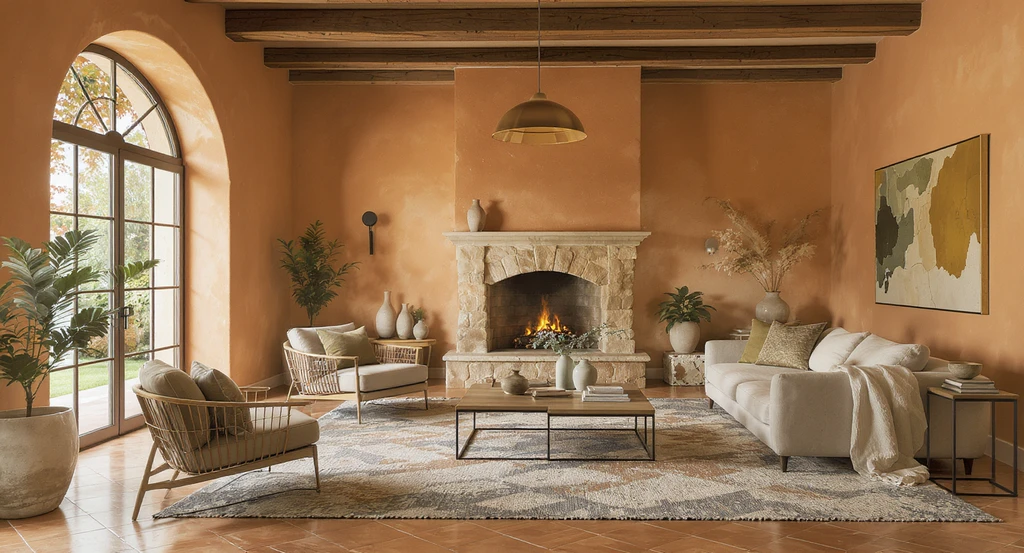
Explore timeless interior trends with virtual staging ai for modern Tuscan interiors. See how ai home design applies warm earthy palettes and best ai tools for Mediterranean home design to achieve a balanced, inviting living space.
If you’re exploring a Modern Tuscan interior, you probably want to achieve warmth, character, and a sense of honest comfort that feels inviting but also current. The simple answer: It isn’t just about picking earthy colors or rustic finishes, modern Tuscan design in 2026 demands careful correction of layout, palette, and scaling errors that can make a space feel dated or out of balance.
As we explored in our guide to 2026’s key interior design trends, Modern Tuscan revival is about layered comfort and long-term value. But it’s easy to make mistakes that undercut this potential. Here are the most common issues and how to correct them, with practical examples and structured rules you can apply before changing anything.-
01. Overusing Saturated Terracotta and Dark Woods
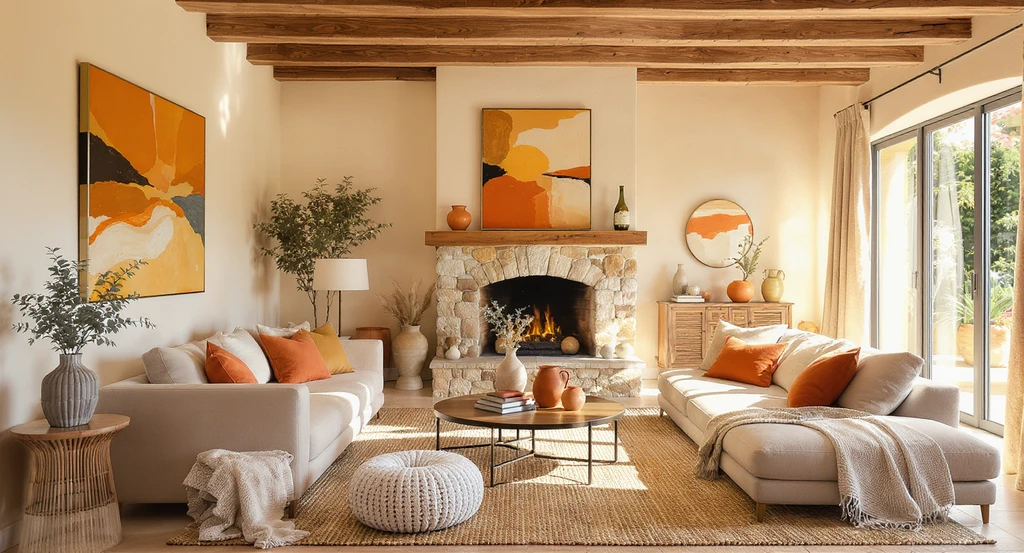
Bright, ai home design for modern tuscan interiors with virtual staging ai showcases correct use of warm earthy palettes, following 2026 trends and best ai tools for mediterranean home design.
Too much deep terracotta or heavy wood creates a dated, heavy effect that contradicts the Modern Tuscan look. This usually happens when people use every traditional tone or material instead of selecting a few for contrast.
What Works Best:: Limit dark hues to accent pieces. Use the 70/30 principle: at least 70% of the palette should be warm light neutrals (e.g., sandy beige, stone white, soft taupe). Mix in deeper tones only as accents in textiles, ceramics, or small furniture.
- Choose matte or honed finishes for floors and tables, avoiding gloss.
- Layer textures, like bouclé throws or linen upholstery, to add depth without visual heaviness.
This approach brightens the space and keeps it grounded, as recommended in the 2026 color trend breakdown.
-
02. Skipping Structured Lighting Layers
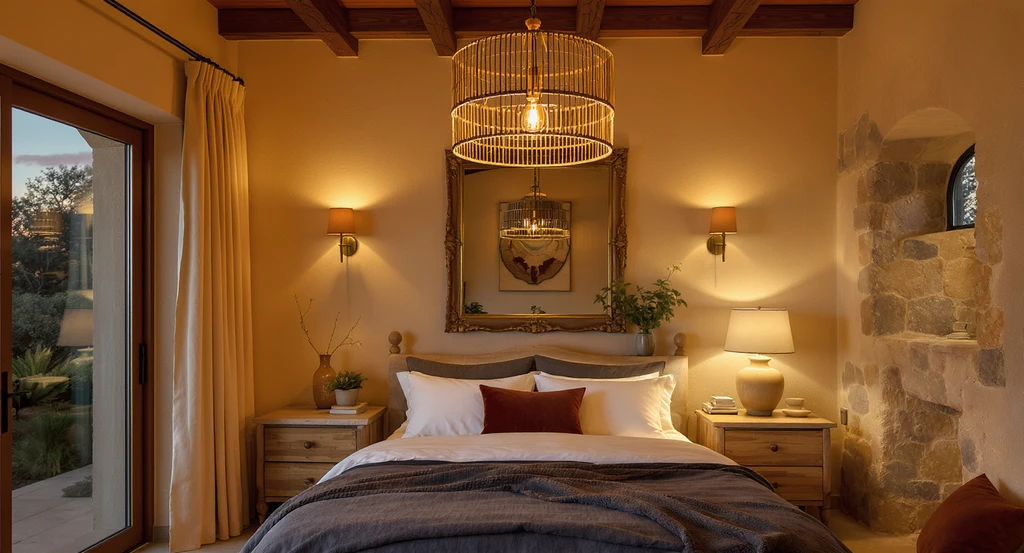
See how ai home design for modern Tuscan interiors leverages virtual staging ai and best ai tools for Mediterranean home design to highlight structured lighting layers and warm earthy palettes.
A common mistake in Tuscan-inspired rooms is relying on a single overhead fixture. Rooms can look flat or shadowy, losing the sense of warmth and dimension.
What Works Best:: Use a three-part lighting plan:- Ambient: main ceiling light or multiple smaller fixtures.
- Task: sconces beside the bed/bath mirror or under-cabinet lighting in the kitchen.
- Accent: table lamps or spotlights highlighting architectural textures (e.g., limewash walls, stone surfaces).
-
03. Ignoring Furniture Proportion and Room Scale
Choosing oversized or undersized furniture is a common error, especially large, dark sofas or tiny side tables that disrupt room balance. This typically happens without considering the real spatial relationship between objects and openness required for Modern Tuscan’s inviting aesthetic.
What Works Best:: Follow the layout spacing guideline: Maintain at least 18 inches between sofa and coffee table, and ensure major walkways are a minimum of 30-36 inches wide. Use furniture with lighter visual weight (open bases, natural linen, or carved wood legs) and avoid bulky, overstuffed pieces. Arrange significant furniture parallel or perpendicular to architectural lines, not diagonally.
-
04. Using Cold Whites or Gray-Based Neutrals
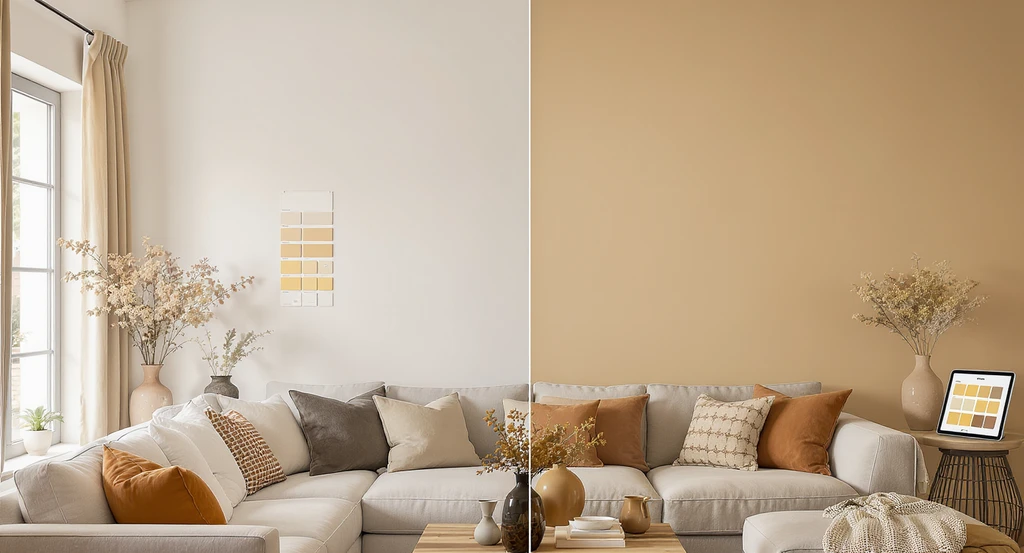
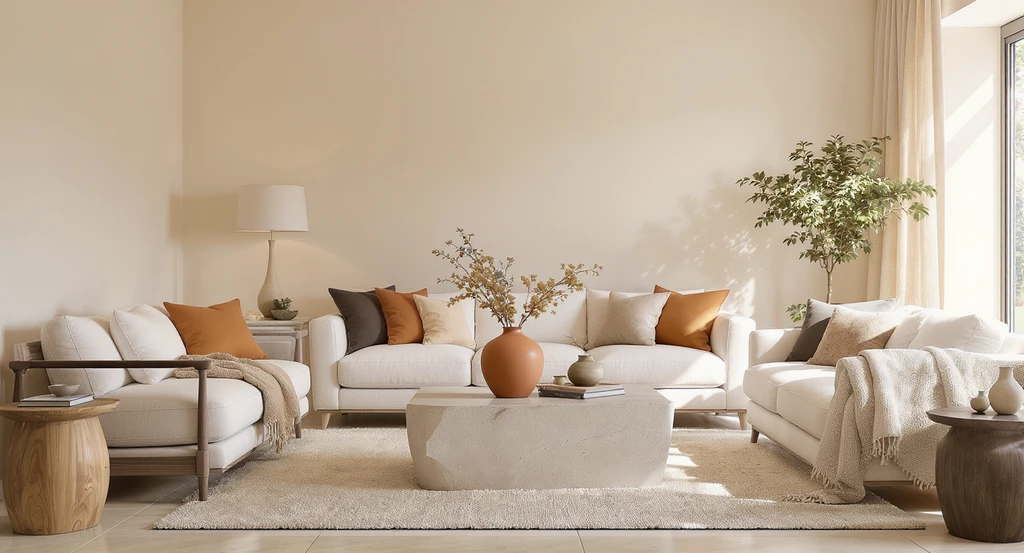
Virtual staging ai for warm earthy palettes helps correct cold whites in modern Tuscan interiors; ai home design tools preview timeless Mediterranean room makeovers.
Mixing in stark whites or cool grays is one of the fastest ways to break the sense of warmth and continuity in a Modern Tuscan palette. This mistake often comes from default paint choices or not previewing full-color impact.
What Works Best: Before painting, test swatches in natural light at multiple times of day. Replace all cold whites with warm taupes, sand, or creamy off-whites as a base. Layer with deeper olive, amber, or burnt umber accents. If you’re unsure, digital preview tools like REimagineHome AI let you view entire palettes on your own wall, preventing costly paint mistakes (as discussed in staging logic from our guide to selling with warm homes).
-
05. Overdecorating With Themed Sets or Faux Finishes
Matching “Tuscan” furniture sets or faux-painted arches lead to a cliché look that feels artificial and dated. This usually happens from overcommitting to the theme without considering authenticity or restraint.
What Works Best: Edit collections. Mix new and old pieces, and focus on real, tactile materials, like lightly distressed woods, stone, and raw ceramics. Avoid faux-finish paint techniques; use limewash or plaster for honest texture. Limit decorative accessories and let craftsmanship or material variety become the main visual feature, as highlighted in our insights on modern organic interiors.
-
06. Forgetting to Plan For Natural Light and Biophilic Elements
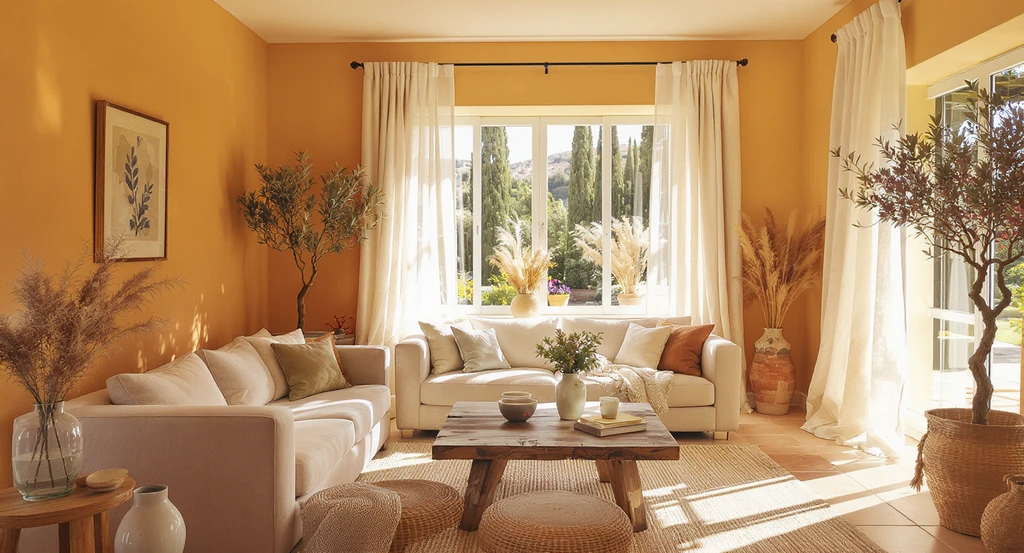
A photorealistic view of a modern Tuscan living room staged with ai home design to optimize warm earthy palettes and natural light. With virtual staging ai and biophilic elements like olive trees, this setup exemplifies how to use ai for Tuscan style room makeovers and visualization for timeless interior trends.
Blocking windows with furniture or using heavy drapes can make even warm palettes look dull and lifeless. People often overlook how sunlight interacts with textures and colors, diminishing both comfort and perceived room size.
Correction checklist:- Place major furniture away from primary windows.
- Opt for light, natural linen or cotton window treatments.
- Incorporate live or dried plants (olive trees, grasses) to echo Tuscan landscapes and soften lines.
Common Questions on Modern Tuscan Interiors and AI Visualization
What is the fastest way to see if Modern Tuscan suits my home?
Upload a photo to REimagineHome AI, select "Modern Tuscan" style, and preview the palette, materials, and layout in photorealistic detail before making any permanent changes.
How do I update a dated Tuscan space without a full renovation?
Start by painting walls in warm neutrals, replacing heavy curtains with linen drapes, editing out overly ornate accessories, and swapping a few key furniture pieces for lighter finishes.
Can I still keep terracotta tiles or wood beams?
Yes, but balance them with lighter walls and simplified furniture to prevent the room from feeling heavy or overwhelmed by traditional elements.
Are warm earthy palettes a passing trend?
According to our guide on 2026 interior design trends, earthy palettes are part of a larger movement toward comfort and long-lasting appeal, not just a short-lived style.
Does AI preview address furniture arrangement as well as colors?
Yes. Using modern AI home design tools, you can experiment with both color schemes and layout ideas, checking spatial flow and balance before making purchase decisions.
Key Takeaways for Tuscan-Inspired 2026 Interiors
Modern Tuscan Revival isn’t about heavy, ornate details, it’s building genuinely warm and balanced rooms using structured layout and palette rules. Previewing changes with tools like REimagineHome AI reduces risk and helps avoid costly mistakes, especially when creating inviting spaces that will last beyond the trend cycle. For more on what colors and finishes work best, refer to our breakdown of 2026 color trends for interiors.