Bringing Morning Sun Into Dining Layouts: Inspiration for Light-Filled Spaces
TL;DR
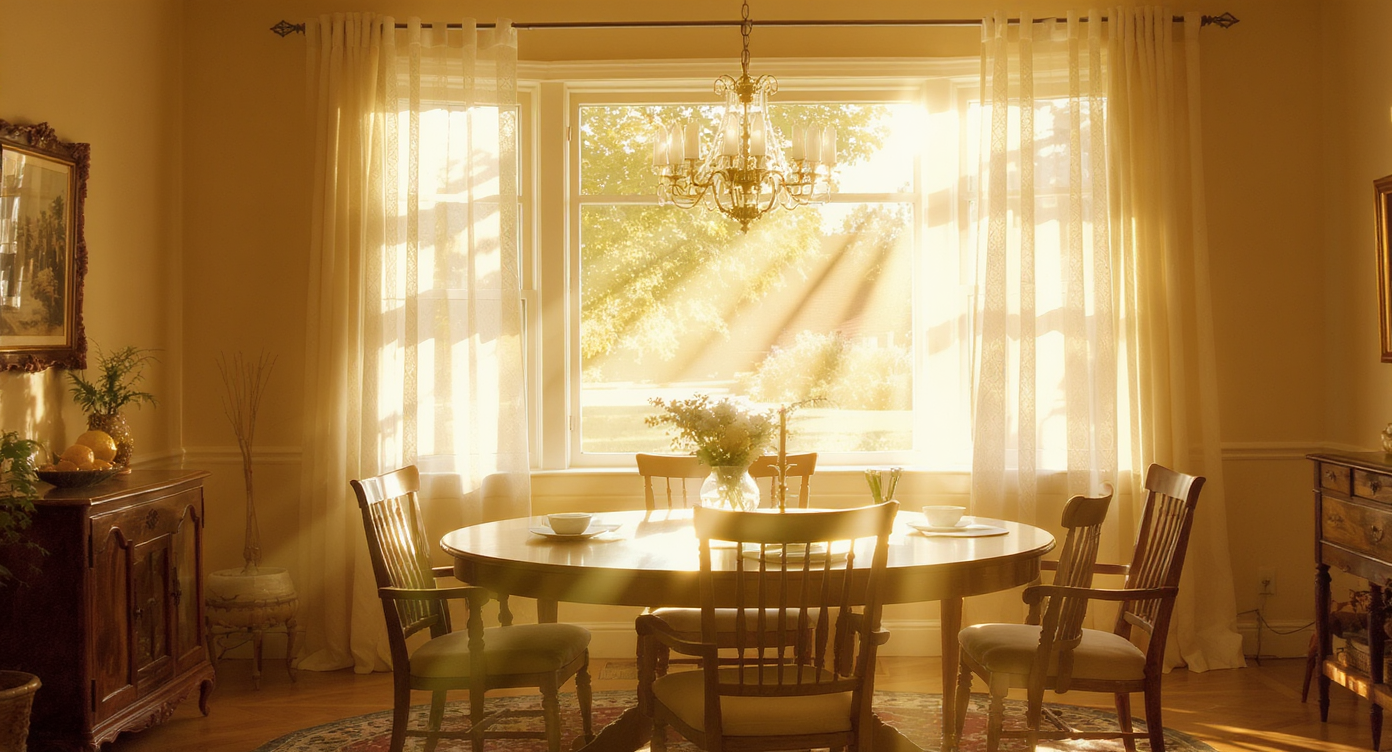
Filling your dining room with morning sunlight creates an uplifting, dynamic atmosphere that enhances every gathering. Through thoughtful dining layouts and sunlight planning, you can maximize brightness, improve mood, and curate a welcoming environment. Consider how table placement, window treatments, and design details work together to make your space shine—from the first coffee to evening dinners.
Why Sunlight Matters in Dining Design
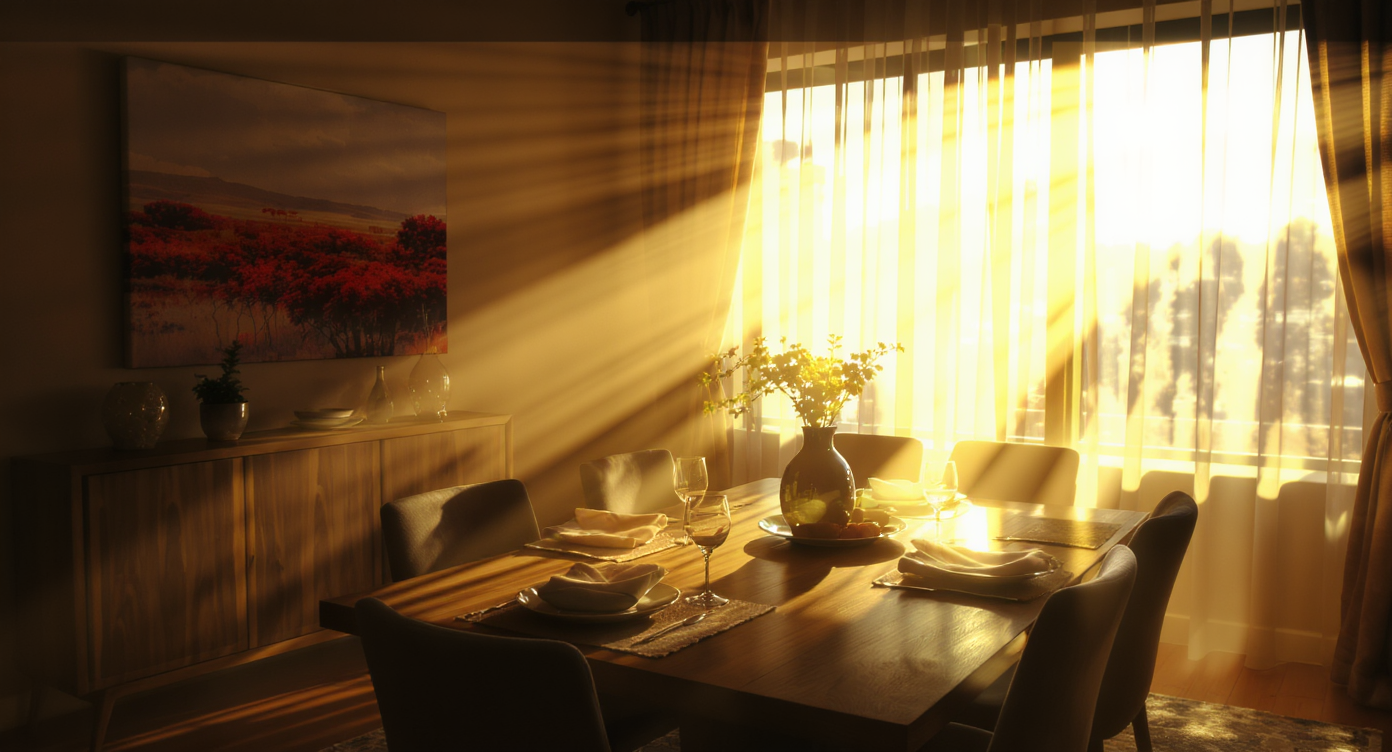
Morning sunlight fills a thoughtfully arranged dining room, highlighting natural wood and soft textures for an inviting, light-filled gathering space.
The way natural sunlight streams into a dining room can redefine the entire mood of the space. When morning light filters through your windows, it ignites both the energy of the day and the room itself. Those golden rays do more than highlight paint colors or make wood grain glow. Sunlight planning can foster optimism, encourage conversation, and lend warmth to moments shared around the table. For those looking to create truly inviting dining rooms, accounting for natural light means more than simply opening the blinds. It starts with understanding how your room’s orientation, window treatments, and dining layouts work in harmony throughout the day. Subtle shifts in sunlight influence both the function and feel of where you dine, making each meal feel fresh and thoughtfully curated.
-
Sunlight and Dining Layouts: Layers of Experience
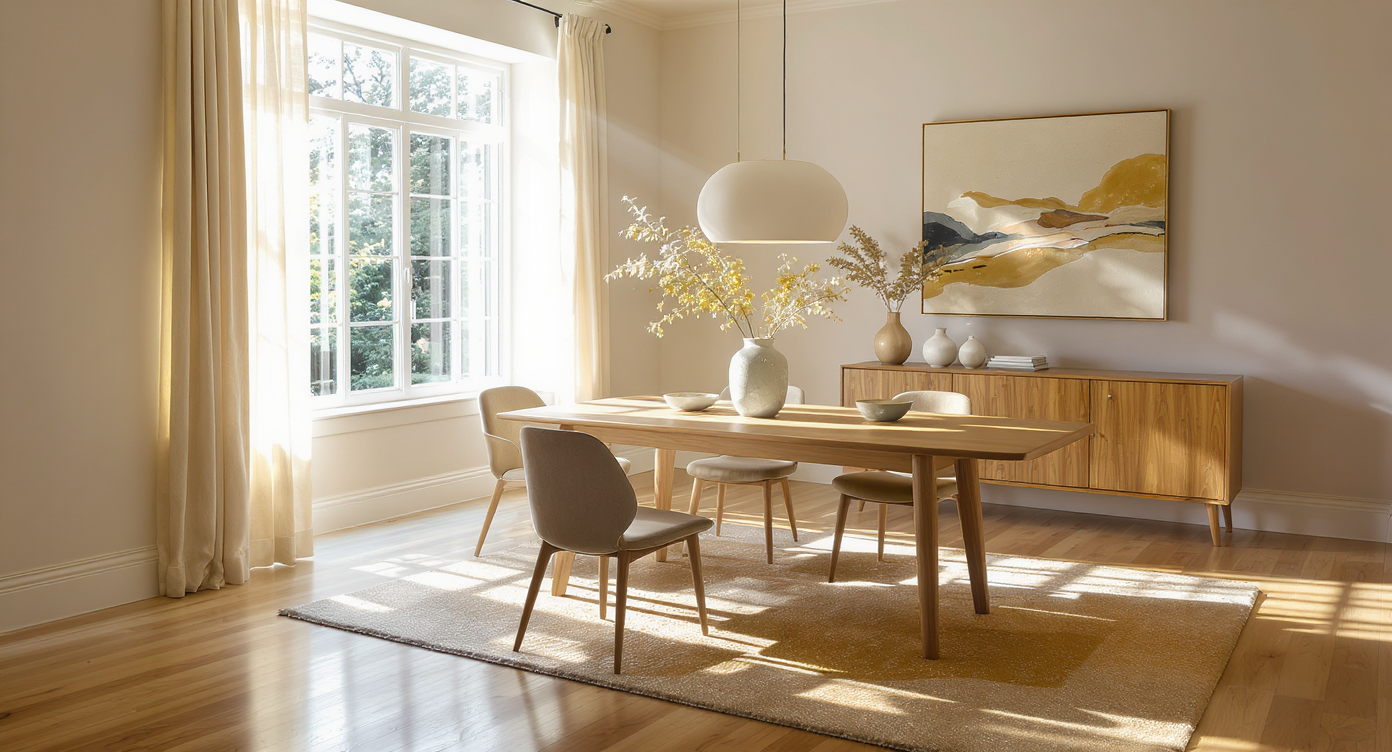
Morning sun transforms this thoughtfully arranged dining layout, highlighting textures, artwork, and the strategic placement of tables and furniture.
Every dining room comes alive differently in daylight. Morning sun, especially from east-facing windows, brings unmatched vibrancy to breakfast and early gatherings. When planning your dining layout, consider where the sun enters and how light patterns move across the floor and table. Situating your table to catch gentle rays can turn a weekday meal into a bright, restorative start. Within this dynamic, furniture placement plays a critical role. A rectangular table aligned with window lines might maximize exposure, while a round table near the sunniest corner encourages conviviality and easy conversation. Subtle details—such as chair choices, low-profile sideboards to avoid blocking light, and even the sheen of your rug—help shape the interplay between formality and comfort. Designers often use natural light to anchor the dining area, inviting guests deeper into the space without crowding it. Keep in mind, too, that sunlight can highlight artwork and surface textures in dramatic ways. Placement of statement pieces near sun-swept walls can enliven compositions throughout the day. Even a simple vase or breakfast bowl catches light, transforming routine into spectacle—an idea that elevates any approach to inspiration & concepts in dining room style.
Expert Insight
Recently, a designer shared a project where a client’s dining room only came alive after breakfast. By studying the shifting sunlight in early hours, they moved the table a few feet closer to the window and opted for a subtly reflective sideboard. The result was a sun-filled corner that quickly became the client’s favorite for morning coffee, transforming daily rituals into anticipated moments.
-
Window Treatments: Framing the Sun Without Losing It

Carefully layered window treatments in a dining room—sheer curtains, lined drapes, and linen blinds—diffuse sunlight while retaining brightness.
Too often, heavy curtains or the wrong window hardware can mute the magic of natural sun. Opt for sheer or lightly lined panels that diffuse light instead of blocking it, allowing the sun to animate the dining area from breakfast onward. According to advice on layering window treatments for warmth and style, switching from sheers to lined drapes at night creates both intimacy and flexibility. For rooms facing intense sunlight, consider cellular shades or linen blinds that soften glare while preserving brightness. Pivoting from night to day is as simple as drawing back panels, instantly resetting the mood. Natural fiber materials, subtle patterns, and thoughtful rod placement all play a role in balancing privacy with light—core to effective sunlight planning in any well-used dining space.
-
The Role of Light in Table Settings and Gatherings
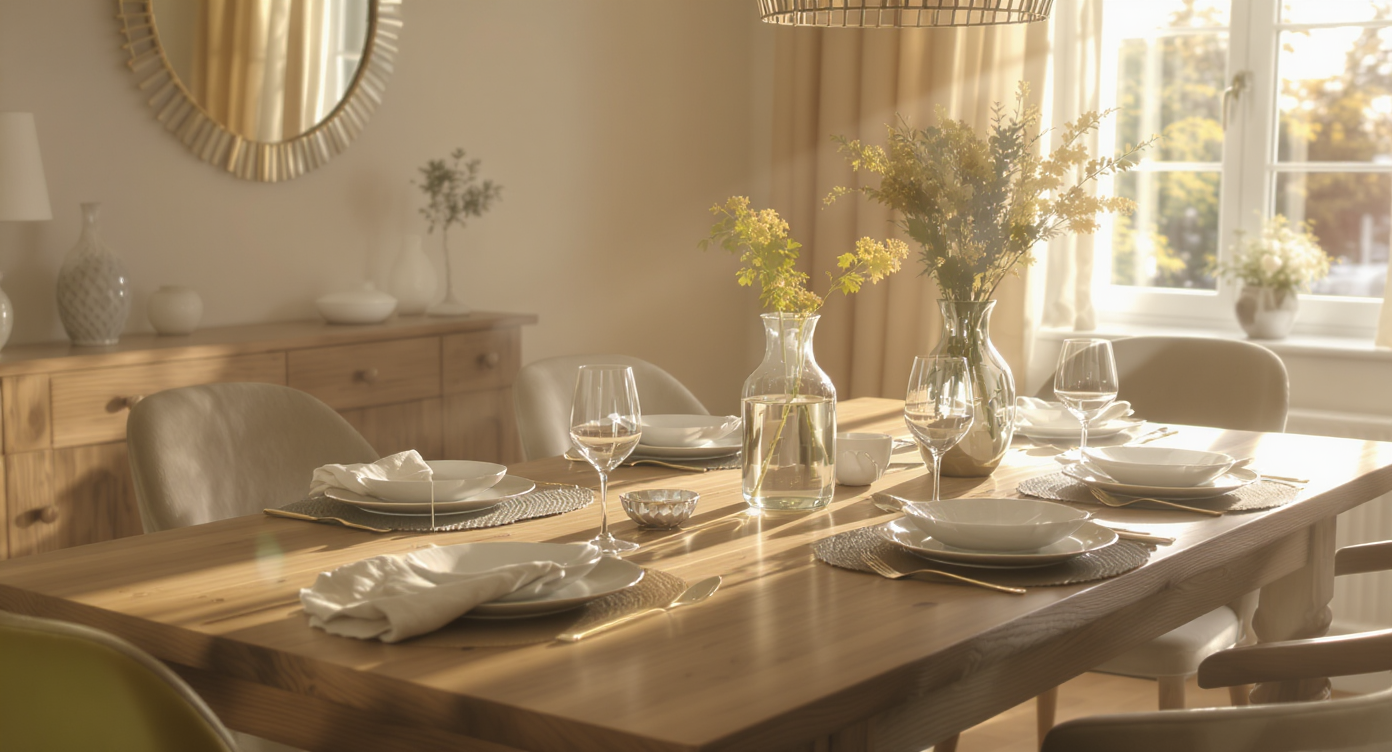
Morning sunlight enhances the textures of a set dining table while mirrors and glass decor amplify natural light throughout the space.
The tactile pleasure of morning sun on a tabletop is hard to overstate. Natural light renders every material more honest, from the texture of linen napkins to the polished surface of a beloved oak dining table. In a sun-bathed setting, even the simplest breakfast feels festive. Light also flatters food and faces, making meals feel both elevated and grounded. Think beyond the table—how does light interact with the room beyond breakfast? Subdued shadows gently extend gatherings, especially when paired with dimmable fixtures for evenings. As described in choosing the right dining room lighting, blending natural and artificial light lets you adapt for any occasion. Try placing mirrors across from your windows to amplify daylight, or introduce reflective décor that catches and bounces morning rays around the room.
-
Personalizing Layouts for Daily Light Patterns
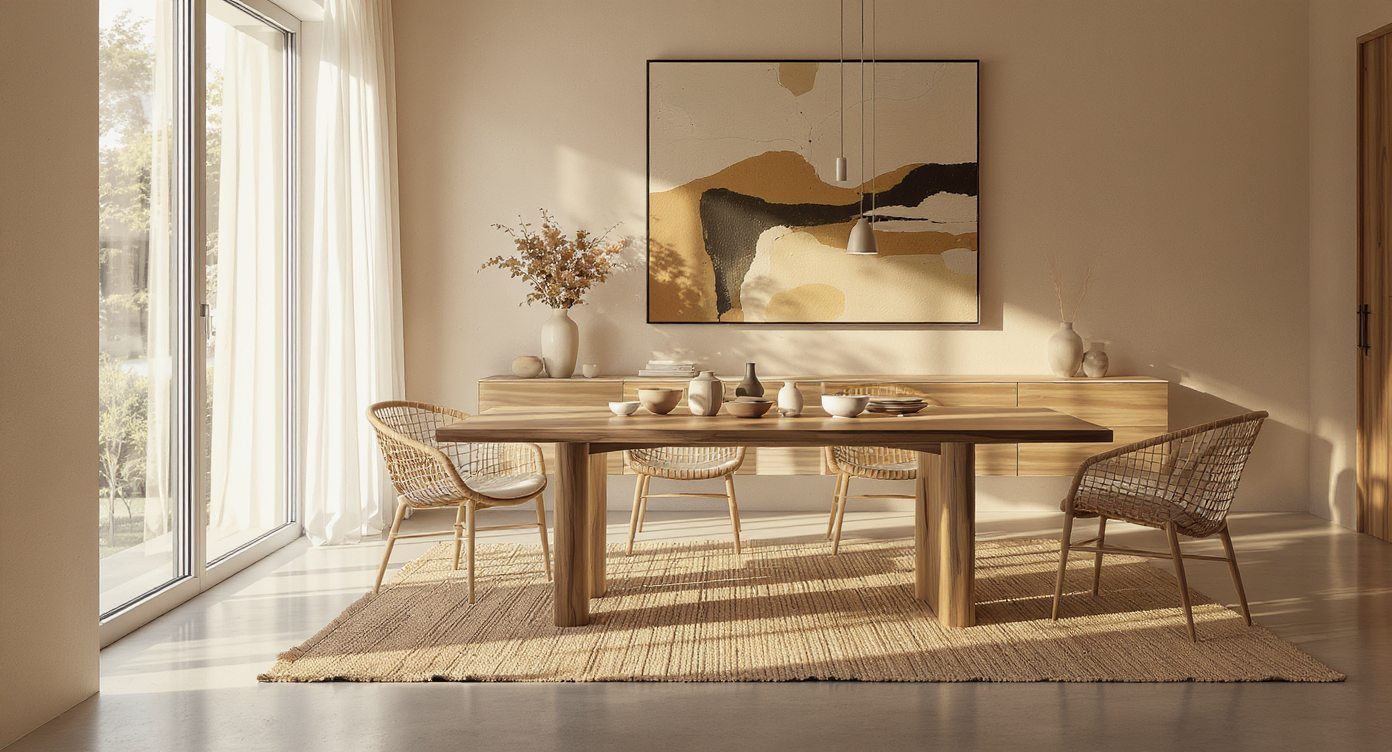
Dining table positioned to capture morning sunlight, with accent furniture and decor maintaining clear walkways and functional flow.
No two dining rooms receive sunlight in exactly the same way. Take some time to observe how natural light evolves throughout your mornings. Place the table where it receives its brightest welcome, but leave space to add accent furniture or a narrow console, as suggested by choosing the right wall anchor. This balance between utility and openness maintains both walkways and functionality. In smaller spaces, floating the table near a window can maximize sun exposure without feeling crowded. In open layouts, using area rugs or well-placed art helps define the dining zone in relation to shifting daylight. By observing and responding to these subtle shifts, the dining room becomes a living canvas—one shaped as much by habit as by design choices.
Visualization Scenario
Imagine entering your dining room just as the sun crests the skyline. A gentle beam slides across the tabletop, catching on the rim of a glass pitcher and making shadows dance on the wall. The warmth softens the room, drawing family to linger over breakfast, stories unfolding in the natural glow. Day after day, this sunlight becomes part of the rhythm and identity of your home.
Frequently Asked Questions
Place your table near east-facing windows and use sheer or light-filtering treatments to welcome soft light while avoiding glare. The right table alignment can make meals feel vibrant from dawn.
What’s the best way to select lighting fixtures for varied daylight?
Choose fixtures with dimmable, diffused bulbs to complement shifting natural light, as illuminated in dining room lighting advice.
How do I prevent sunlight from damaging furniture?
Opt for UV-filtering window films and rotate key pieces seasonally to diffuse exposure. Light curtains or treatments also help reduce fading while allowing brightness.
What should I place on a blank wall opposite windows?
Anchor the wall with a large artwork or linear console, referencing creative wall anchor options, while maintaining clear walkways and cohesion.
Where can I visualize changes to my dining room layout?
Use ReimagineHome.ai to preview dining layouts, lighting, and wall placements tailored to your own space.
Designing With the Sun in Mind
Welcoming morning sun into your dining room is more than an aesthetic decision. It’s an invitation to craft a daily ritual, transforming dining layouts through the poetic interplay of light and space. Whether you’re planning a renovation or small updates, consider how sunlight can reframe your experience at the table. By shaping your room with intention—through layout, window treatment, and artful detail—you create not just a setting, but a feeling every morning. When uncertainty arises, drawing inspiration from natural light can guide you toward spaces with depth, nuance, and warmth. For more tailored visualization and planning, ReimagineHome.ai offers further tools for every dining room ambition.