9 Lessons Learned from a Multi-Year Home Makeover and What They Teach About Timeless Interiors
TL;DR
This list unpacks nine meaningful takeaways from a long-term remodel journey, spotlighting what worked, what didn’t, and how visual transformations come to life over years. Readers will discover how before/after motion, clutter control, and intentional upgrades help create a home that’s both personal and practical.
Why Every Remodel Project Holds a Story
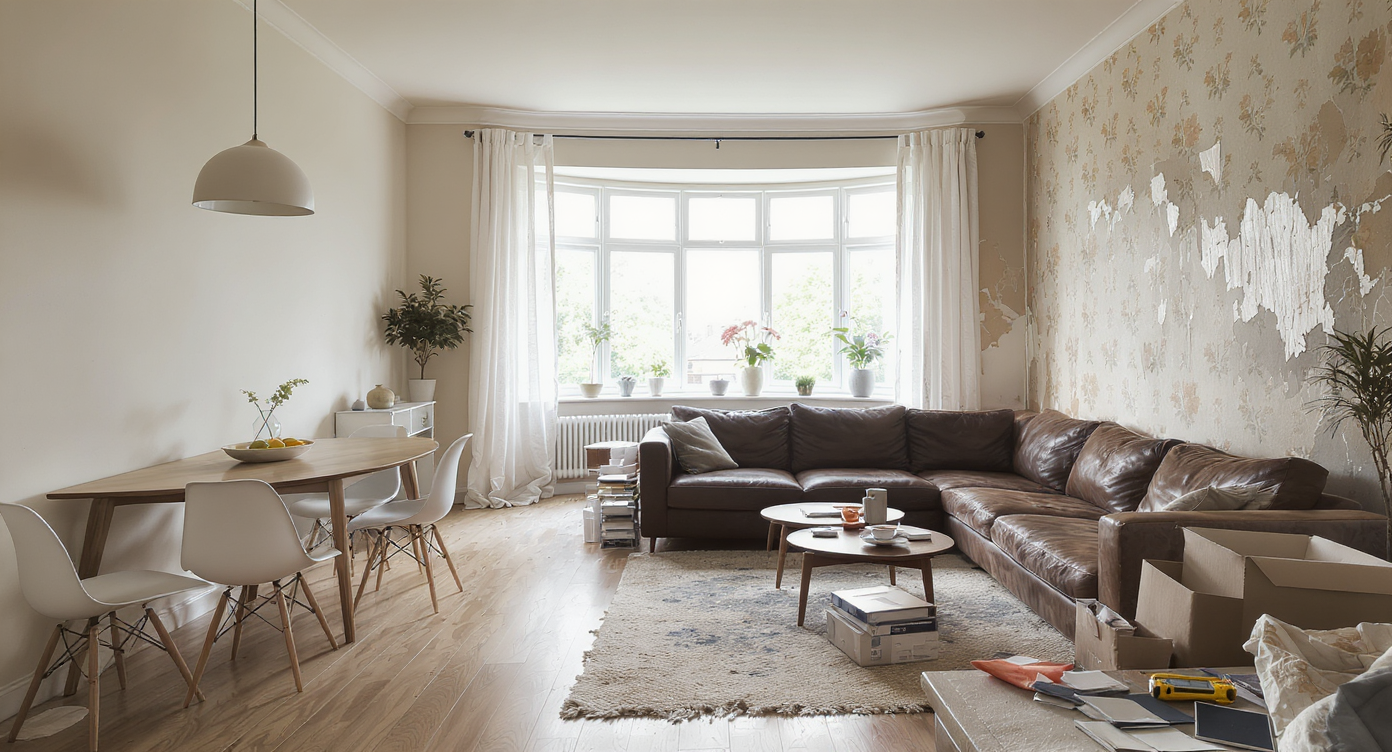
A real home in the midst of a multi-year makeover, blending updated features with lived-in elements and visible design decisions in progress.
Redesigning an entire home over several years provides insight that quick makeovers simply can’t. The layers of decisions, compromises, and unexpected victories show up in every detail—from color palettes to the layout of a room. Homeowners who invest time in their remodel projects often find themselves reevaluating not just style choices but also the function and comfort of each space. The lessons drawn from one person’s dedicated interior redesign are broadly relevant, whether your goal is a gradual DIY transformation or a total refresh with professional help. Learning from these real-life visual transformations can help anyone aiming to balance trend-neutral updates with the soul of a lived-in home. Here is what a multi-year upgrade reveals about how to truly reimagine your space.
-
1. Embracing Before/After Motion Makes Changes Real
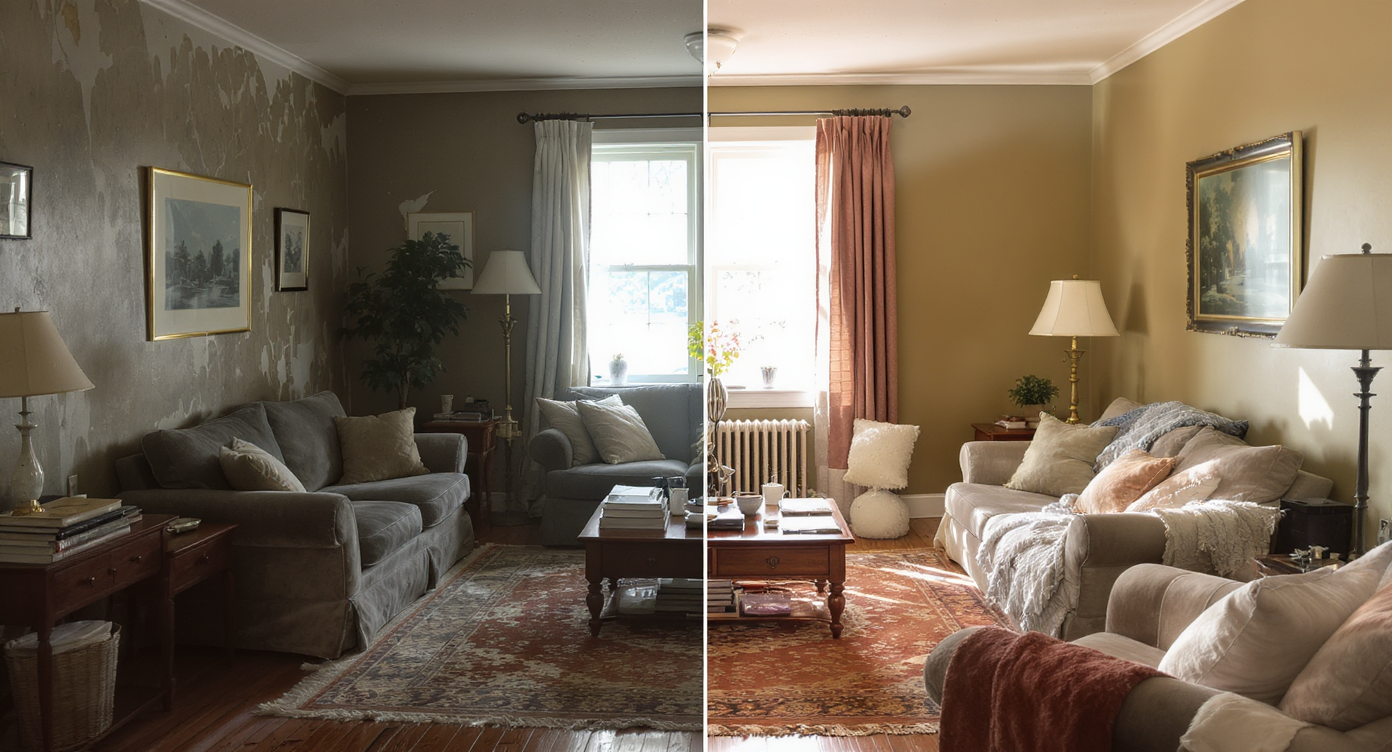
A living room perfectly captured from the same angle, showcasing its authentic before-and-after transformation in color, flooring, and furnishings.
One of the most powerful motivators during a home remodel is seeing tangible results using before/after motion. Capturing visual transformations documents progress, clarifies your direction, and makes the effort worthwhile. Designers often recommend archiving photos from similar angles to notice subtle improvements in paint, flooring, or furnishing choices. As we explored in our breakdown of a 2.5-year transformation, photographic comparisons show how incremental work pays off and helps maintain momentum over the long haul (budget decorating ideas can shift an entire home’s personality).
-
2. Color Cohesion Brings Instant Harmony
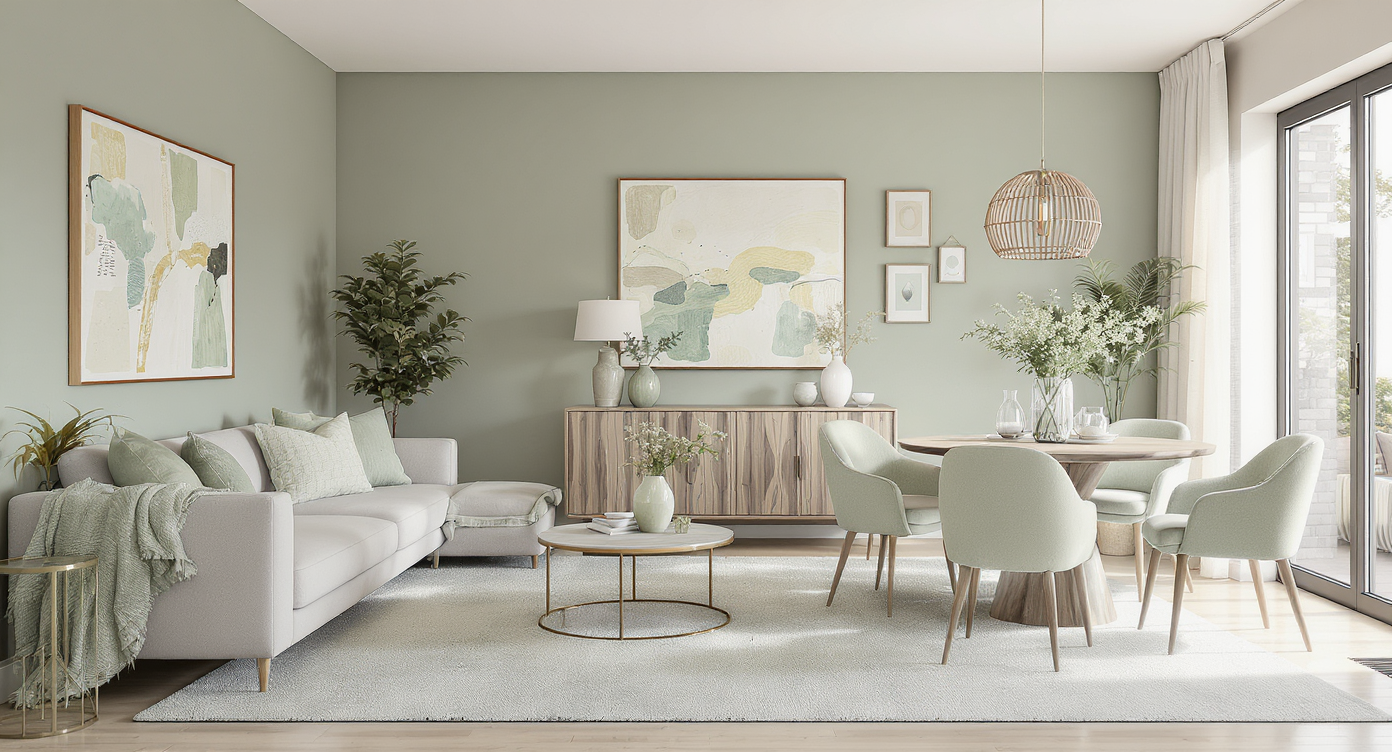
Cohesive color choices—like matching wall tones with fabrics and artwork—pull together previously mismatched open-plan zones for instant harmony.
Color palettes are more than personal preferences; they anchor a room’s mood and connect disjointed zones. In practice, cohesive color choices—like echoing wall tones in rugs or art—pull formerly mismatched areas together. When different rooms compete for attention with disparate warm and cool shades, the effect can feel chaotic or cluttered. According to our guide on updating a dated home, harmonizing strong architectural elements with unified colors achieves a refreshed look without losing character (interior design fixes to update a dated home prioritize intent over chasing trends).
-
3. Flooring Dramatically Alters the Feel—Especially When Original Materials Are Preserved
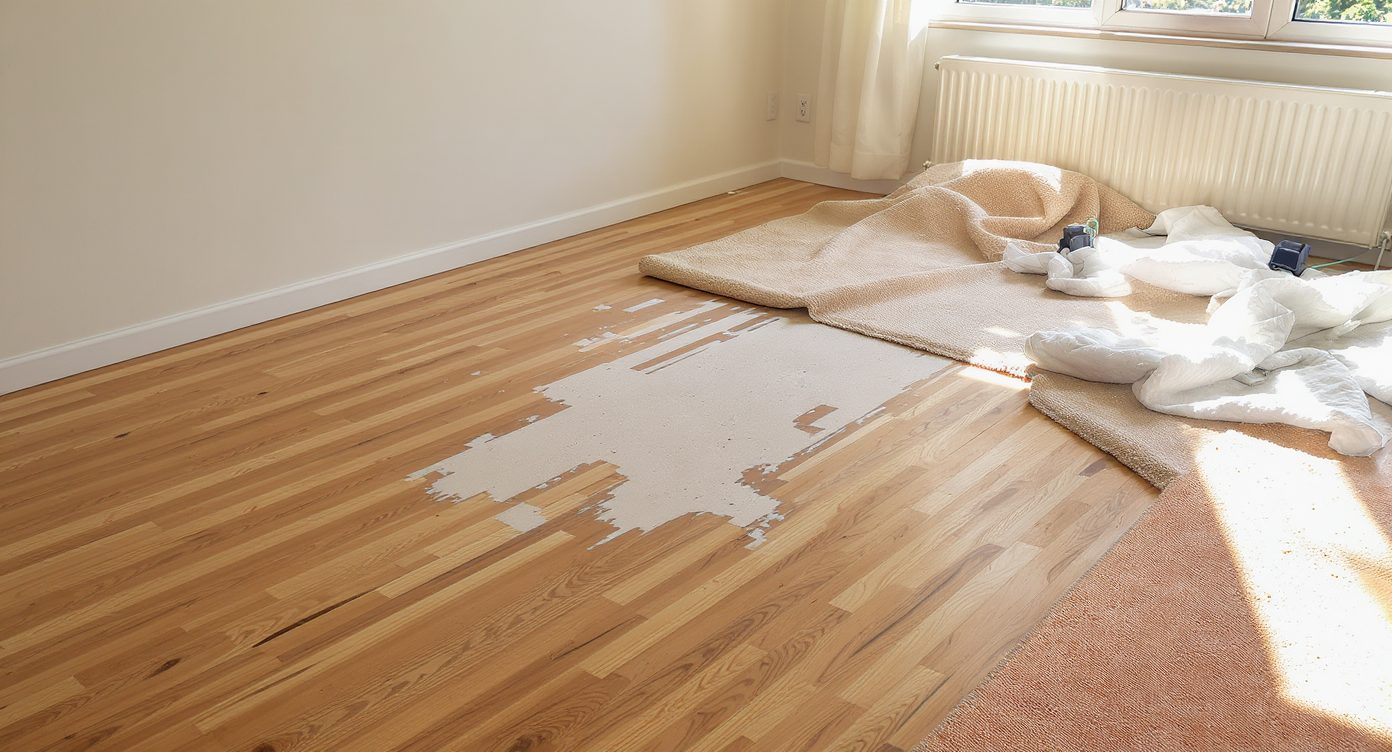
Exposed hardwood floors being refinished after pulling back old carpeting—showcasing the striking impact of restoring original materials.
The decision to refinish existing hardwood, rather than replace it, brings the authenticity many modern remodels lack. Restored floors bridge new features with a house’s past, lending timeless appeal. Real estate professionals note that revealing hidden hardwood under tired carpeting often creates the most impactful single change in a remodel project. Whether you expose wood or work creatively with laminate, the smart handling of floors is a foundational visual transformation.
-
4. Clutter Control Unlocks the Full Impact of Design
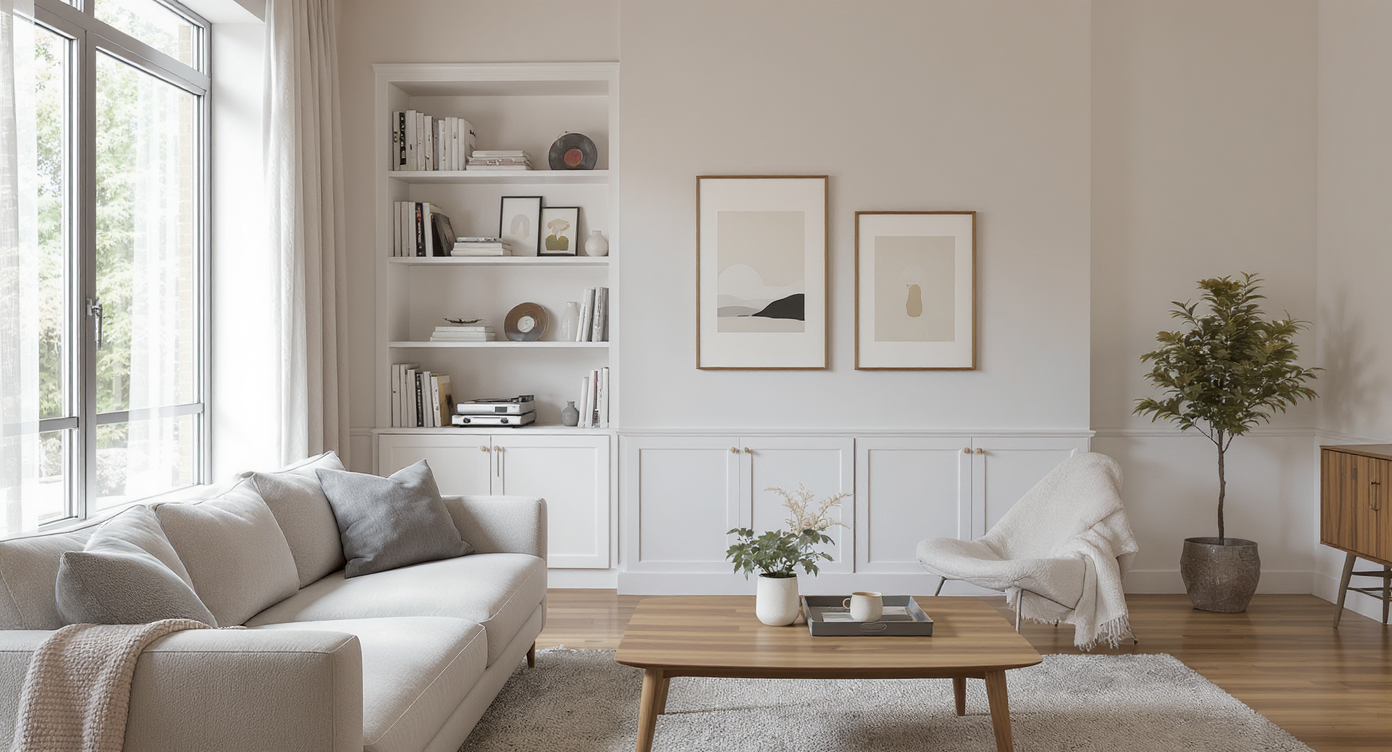
A modern living room featuring curated open shelving, minimal art, and right-sized furniture—showcasing how clutter control elevates design impact.
Physical clutter can override even the best design decisions. Thoughtful storage, right-sized furniture, and intentional curation are crucial. Many remodelers discover that open shelving, gallery walls, or record displays need breathing room or tight editing to avoid visual overload. Our exploration of what makes living rooms feel truly inviting found that clutter control and scaled-down styling deliver warmth without chaos (how to make a living room cozy and pulled together).
-
5. Multifunctional Spaces Elevate Utility and Enjoyment
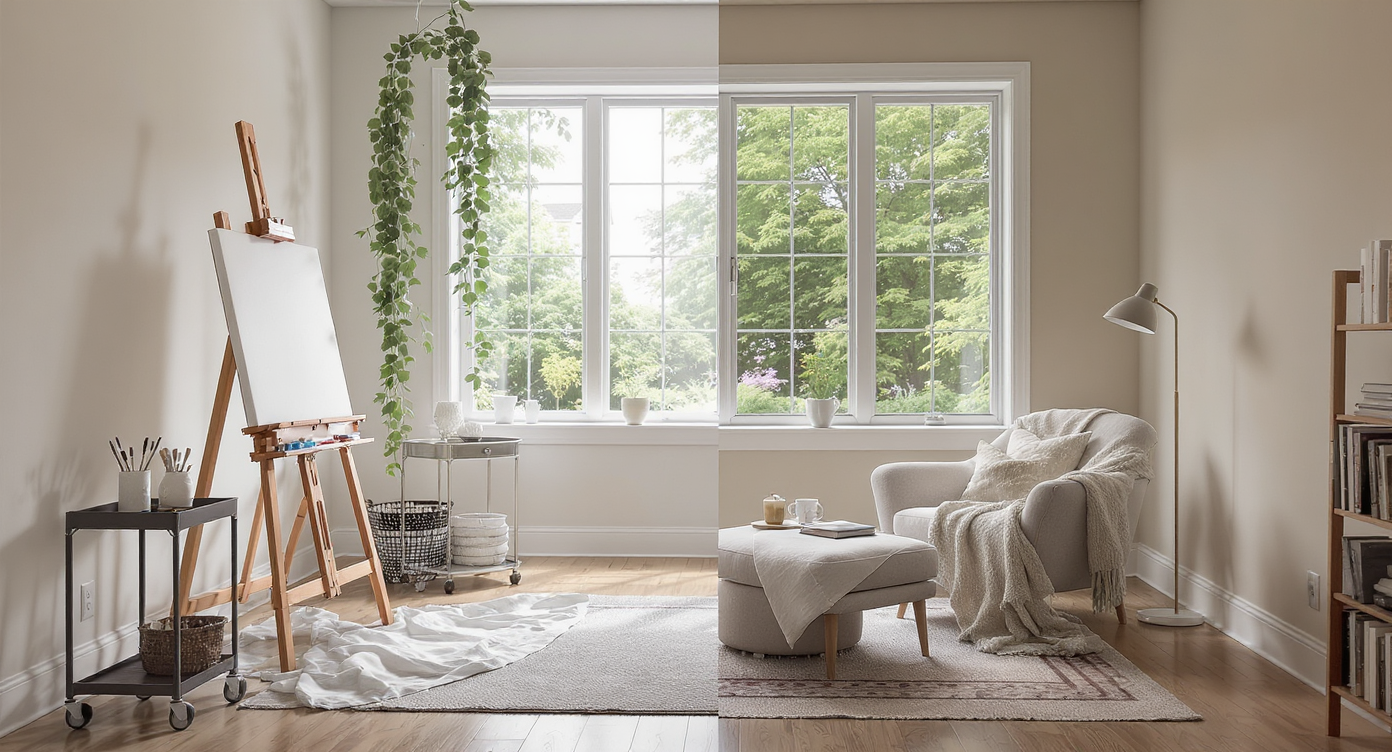
A dual-purpose sunroom seamlessly arranged as both an art studio and a reading retreat, maximizing utility and comfort without clutter.
Rooms shift purpose over the span of a remodel. The best transformations emerge when square footage is reimagined for layered use—whether turning a sunroom into both an art studio and a reading retreat or carving out a workspace in a den. Zoning a single area for dual activities offers flexibility that stands the test of time. For example, an inviting porch with hammocks and screens can become a year-round relaxation spot, echoing principles seen in our blueprint for blending creative and restful zones (how to turn a sunroom into an art studio and library).
-
6. Not Every Upgrade Needs to Break the Budget
True transformation is rarely about splurging on every detail. Selective investments—like swapping a sectional for maximum comfort or framing a favorite map yourself—often give outsized impact. Homeowners who spend wisely report the biggest gains from improvements in lighting, art display, or furniture scale versus costly structural work. Revisiting purchases with the test of time, such as evaluating whether that oversized mirror still fits, refines your understanding of value.
-
7. Personalization is the Soul of a Space
Meaningful homes feel distinct because they carry personal stories. Whether it’s displaying treasured vinyl, incorporating instruments, or framing a piece of homemade art, authentic touches outweigh cookie-cutter décor. Homeowners and designers alike agree that souvenirs from travel, family photos, or practical DIY projects infuse character and invite conversation. As one reader admired, the music room gallery with hanging instruments stood out as a high point of the makeover journey.
-
8. Listen to Feedback—But Prioritize Your Own Vision
A multi-year remodel will attract plenty of opinions, both supportive and critical. Constructive critique can highlight blind spots—for instance, missing an opportunity to preserve original paneling or update a dated bathroom vanity. However, homeowners consistently report greatest satisfaction when decisions ultimately reflect their own lifestyle and taste. Allowing feedback to inform but not dictate ensures integrity in your project. This balanced approach keeps future updates feeling authentic rather than reactionary.
-
9. Progress Is Cumulative—Celebrate Every Small Win
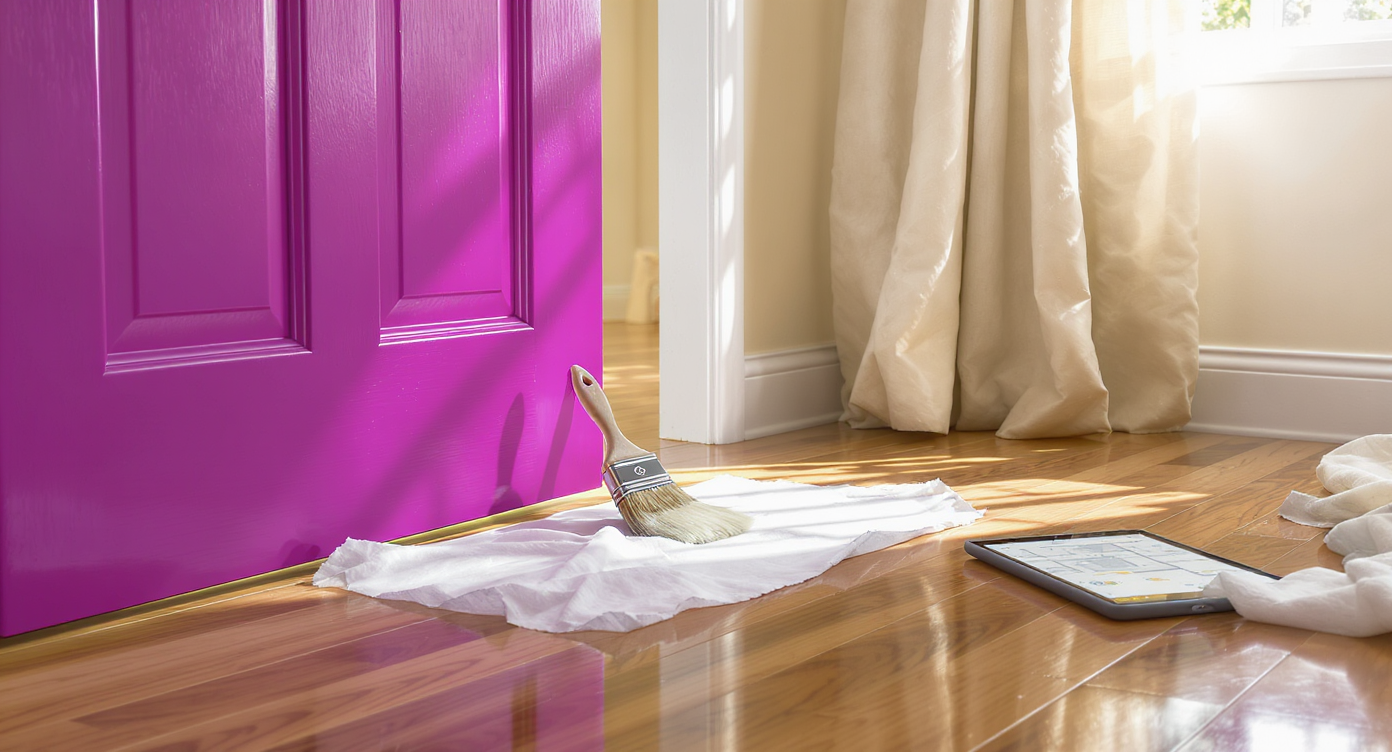
Small yet meaningful improvements—a purple door, restored flooring, tailored curtains—cumulatively transform this inviting, evolving home space.
The sum of dozens of small efforts forms the true story of a remodel project. Painting one door a bold purple, restoring just a part of the floor, or adjusting curtain lengths may seem minor, but together these shape an environment that is both inviting and lived-in. Professionals recommend capturing progress visually, reevaluating priorities as needs change, and revisiting earlier decisions with fresh eyes. Tools like REimagineHome.ai can also help visualize layout adjustments as your home continues to evolve.
FAQ: Making the Most of Your Remodel Project
Start by choosing a clear color palette and repeating elements like wood tones, textiles, or artwork across adjacent spaces. Reference ideas on color cohesion in our interior design fixes for dated homes.
What’s the best way to track before/after motion?
Take periodic photographs from the same vantage points. Collate images to see progress and keep motivation high. Digital visualization tools like REimagineHome.ai can also simulate future updates.
How do I avoid a cluttered look during a remodel?
Focus on scaled furniture, strategic storage, and regular editing of accessories. Rotate art or personal collections rather than displaying everything at once. Our living room decor guide has more practical tips.
Are there ways to increase functionality without major renovations?
Convert existing spaces for multiple uses, such as study nooks, hobby corners, or lounge areas. Flexible furniture and creative layouts can transform even small rooms over time, as discussed in our sunroom design article.
Refining Your Remodel Strategy, Step by Step
A multi-year redesign delivers far more than just visual transformations. It teaches the value of color cohesion, clutter control, and personalization—alongside practical lessons about budget and feedback. By documenting progress and making intentional, layered updates over time, you build not only a more beautiful space but also a home that continues to serve and delight. When you need to test design choices or imagine new layouts, digital planning tools such as REimagineHome.ai remain valuable allies for every stage of the journey.