Designing a Paver Patio That Combines Aesthetics and Practicality
TL;DR
A paver patio with appropriately chosen gap fillers not only enhances the aesthetic appeal but also the durability and stability of the design. For anyone wrestling with choices, options range from the traditional polymeric sand to the more creative creeping thyme or pebbles. Each choice has its own pros and cons, centered around maintenance levels and visual impact.
The Challenge of Filling Paver Gaps
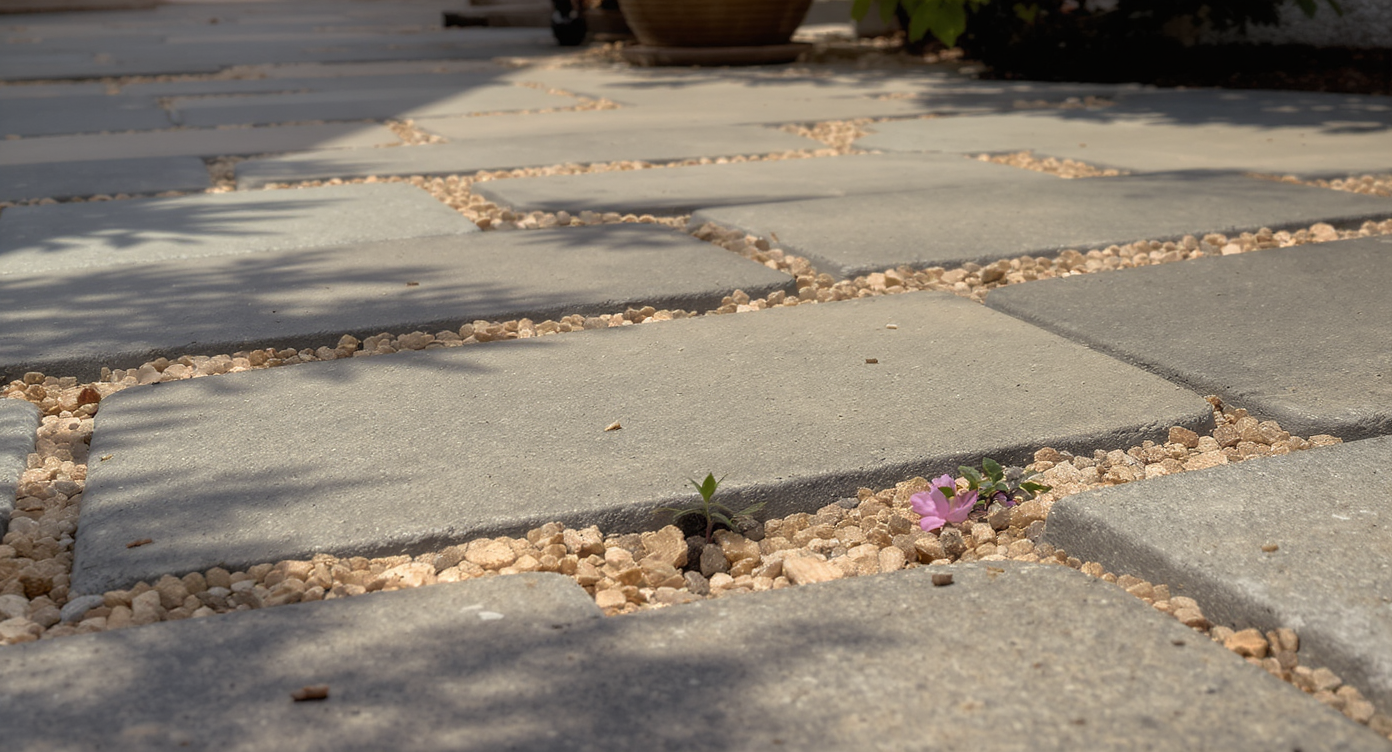
Choosing the right material for your paver patio gaps can enhance both design and drainage.
For homeowners who choose to install a DIY paver patio or walkway, the choice of how to fill the gaps between those pavers can be an unexpectedly challenging decision. While the space between pavers is essential for expansion and preventing cracking, it also greatly impacts both the aesthetics and functionality of the end product. Traditional materials like sand and gravel offer stability, while newer organic options can give a softer, more integrated look. Selecting the right filler is about balancing maintenance, appearance, and durability.
-
Choosing the Right Material for Paver Gaps
The material you choose for filling the gaps between your pavers plays a vital role in determining the overall success of your patio or walkway project. These gaps can make or break the aesthetics and practicality, and oftentimes, this decision involves considering several factors such as weed control, drainage, and the structural stability of your pavers. According to professionals familiar with landscaping techniques, polymeric sand remains a popular choice due to its ability to harden and resist weed growth while maintaining permeability. Alternatives like crushed granite offer similar benefits and can also enhance the visual appeal with their varied colors and textures.
Expert Insight
I once visited a homeowner who decided to fill her patio gaps with beach glass collected over several vacations. The result was a stunning display of blues and greens that sparkled under the sun, turning what once was a typical patio into a vibrant centerpiece for summer gatherings.
-
Living Solutions: Plant-Based Fillers
An increasingly popular trend for filling spaces between pavers is the use of living materials such as creeping thyme or moss. These options provide a unique aesthetic that blends seamlessly into natural environments, offering a lush, green appearance. However, it's important to note that maintaining these living fillers requires more attentive care, particularly in ensuring they receive adequate sunlight and water. In shaded areas, alternatives like Irish moss can prosper and create a serene and soft landscape. Experienced landscapers often suggest these options when vibrancy and ecological benefits are desired in a landscape design.
-
Creative and Unconventional Options
For those looking to push the boundaries of traditional patio designs, unusual materials like crushed colored glass or recycled marbles can bring an artistic, almost whimsical feel to your outdoor spaces. Experts suggest ensuring these materials are weather-resistant and safe for high foot traffic areas. Another idea, suitable for more formal settings, involves placing small decorative sculptures or pebbles that complement the tone of the pavers. This approach can transform your patio into a conversation piece, offering both functional and aesthetic value without extensive maintenance efforts.
-
Common Mistakes to Avoid
Selecting the wrong material for your paver gaps can turn a dream patio into a maintenance nightmare. Consider these common pitfalls:
- Using oversized stones: While visually appealing, large stones can be a tripping hazard and are often displaced over time. Opt for materials that naturally compact and fit snugly within the designated spaces.
- Ineffective drainage solutions: Ensure that any filler material does not impede water flow, causing puddles or ice build-up, especially in colder climates.
- Not considering weed growth: Organic fillers or loose gravels can quickly become home to weeds if not properly managed. Employing treated sand or installing a weed barrier fabric underneath can save time and energy in the long run.
-
Expert Tips for Durable and Beautiful Paver Features
To ensure your paver gaps remain attractive and functional, heed these expert recommendations:
- Stabilize with poly binders: When using sands or fine gravels, mixing in polymeric binders can aid in keeping materials in place, even in high traffic areas.
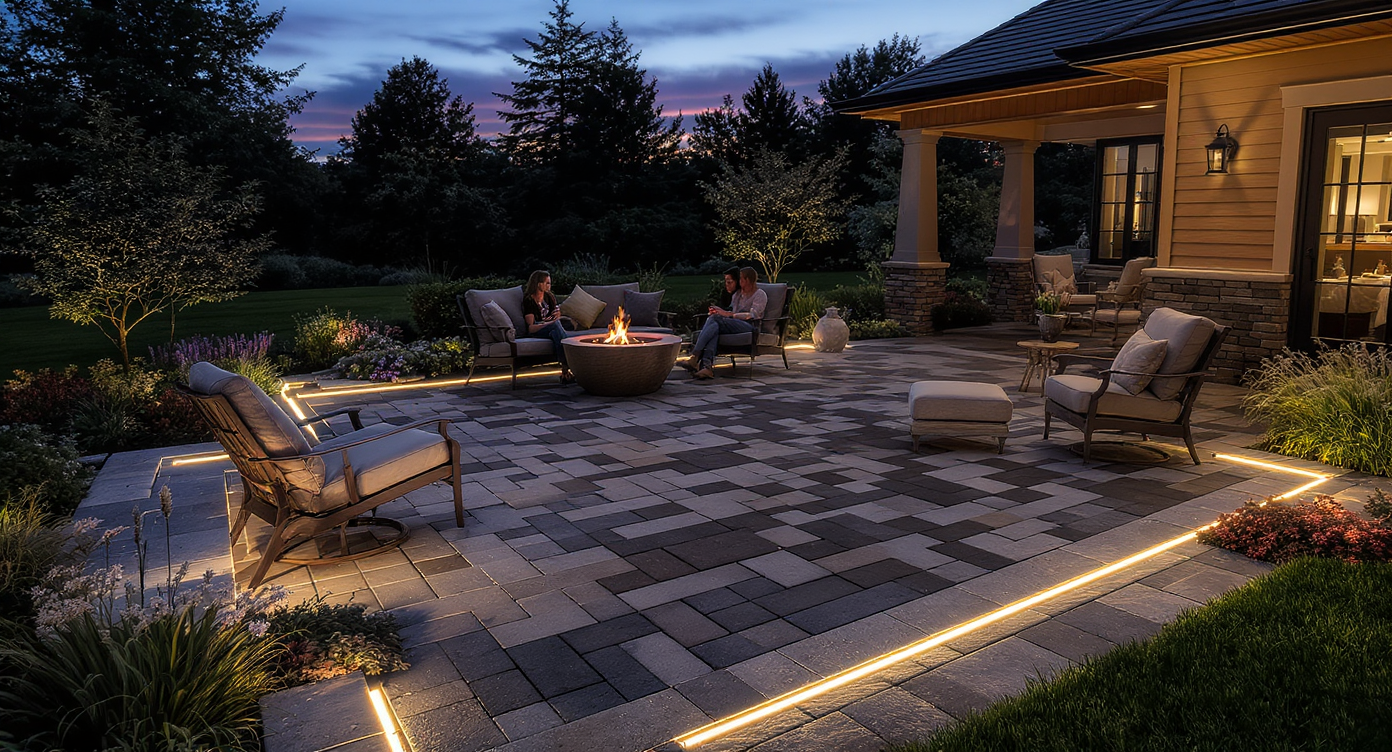
- Incorporate LED lighting: Embedding soft, low-voltage lighting within the gaps can enhance the atmosphere while improving nighttime safety.
- Utilize digital design tools: Consider platforms like ReimagineHome.ai to experiment with different gap fillers virtually, ensuring your choice aligns with both your style and functional needs before committing to a particular material.
-
Visualization: Bringing Your Patio to Life
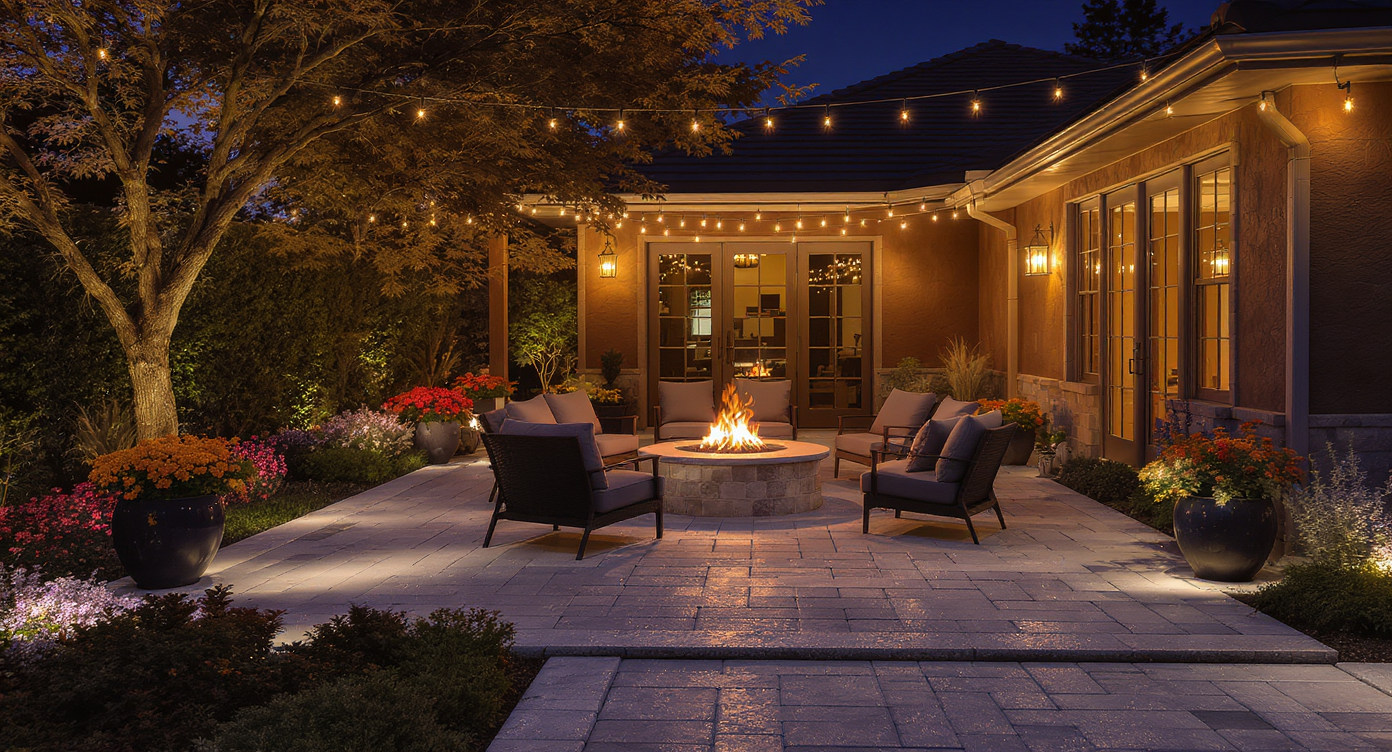
Bring your patio to life with thoughtful lighting and landscaping, creating an inviting atmosphere for gatherings.
Imagine walking across a beautifully crafted patio as the sun sets, with lights illuminating the gentle curves and textures of your paver arrangement. This sensory experience can be previewed with digital design tools like ReimagineHome.ai, where potential options for gap materials, lighting, and layout adjustments can be visualized and refined without lifting a trowel. Whether you are finalizing choices for decorative stones, living patterns of thyme, or even unexpected elements like colored glass, seeing it digitally helps mitigate design regretting down the line.
Visualization Scenario
Picture yourself stepping onto a patio where creeping thyme gently cushions your steps, releasing a rich, herbal fragrance. This choice blends beautifully with the understated elegance of slate pavers, creating a tranquil, living tapestry. Such envisioning can be seamlessly achieved through tools like ReimagineHome.ai, bringing your ideas to life before a single spade of earth is turned.
Frequent Questions About Paver Gap Fillers
What is the best filler for paver gaps?
Polymeric sand is a popular choice as it hardens to prevent weed growth while remaining flexible enough to manage freeze-thaw cycles.
Can I use plants in paver gaps?
Yes, plants like creeping thyme or moss can be used for a softer, more natural appearance, although they require more maintenance and specific conditions to thrive.
How do I prevent weeds between pavers?
Using polymeric sand and installing a weed barrier fabric beneath the pavers can drastically reduce weed growth between paver gaps.
Are decorative stones a good option for paver gaps?
Decorative stones can add aesthetic value but are prone to being displaced; they require a strong underlying structure or binders to remain stable.
Balancing Form and Function in Paver Design
Choosing the right filler for paver gaps is more than a simple aesthetic choice—it's a long-term commitment to functionality, safety, and ease of maintenance. From using reliable materials like polymeric sand to experimenting with vibrant, living options like creeping thyme, each choice reflects a balance of practical needs and visual appeal. For those looking to ensure that the final design not only performs but captivates, platforms like ReimagineHome.ai offer a window into the future, allowing every homeowner to design with confidence and creativity.