10 Creative Solutions to Prevent Sun-Induced Melting of Vinyl Siding
TL;DR
Vinyl siding can warp or melt due to intense sunlight reflections. Prevent such damage by installing window films, using physical barriers like awnings, planting strategic landscaping, or swapping materials for heat-resistant alternatives. These solutions ensure your home's exterior remains pristine without excessive repairs.
Why Vinyl Siding Melting Occurs

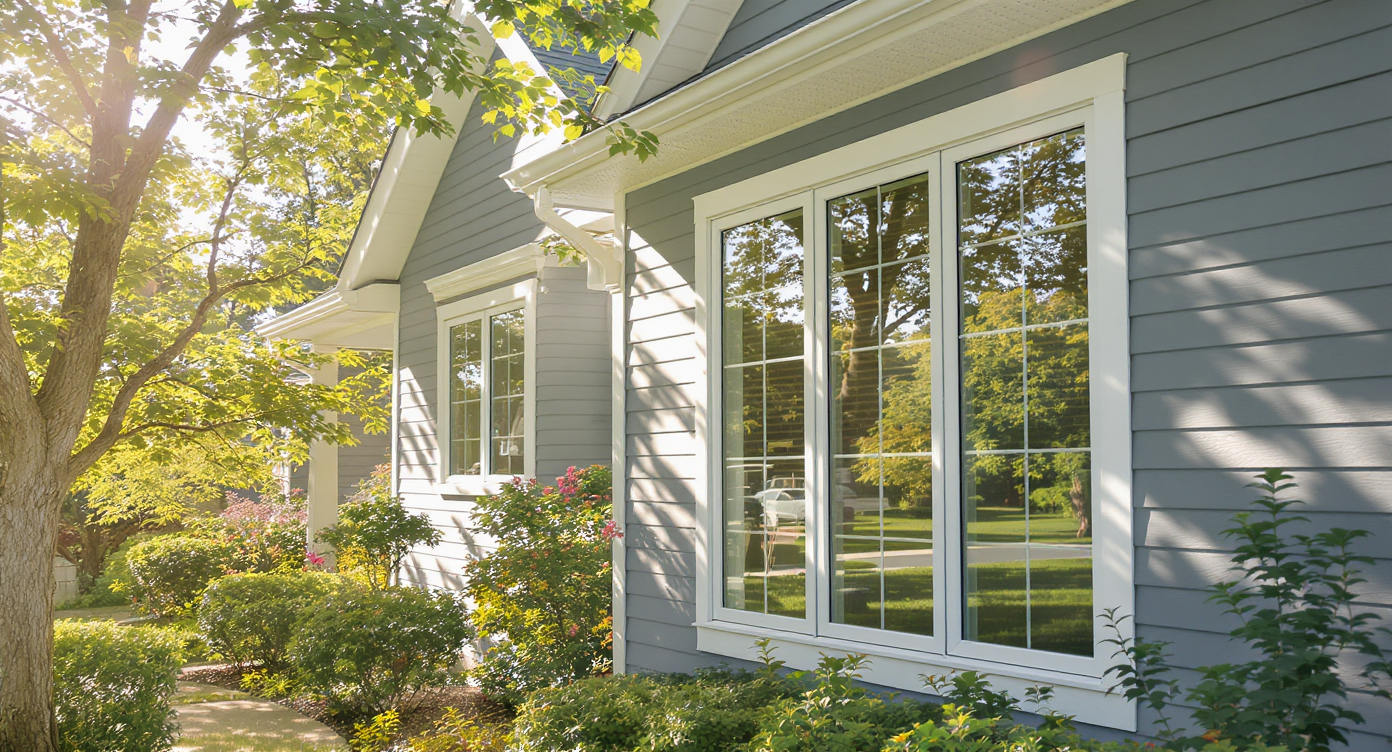
Discover how window films can help diffuse sunlight and protect your home.
Vinyl siding, a popular choice for modern homes, is occasionally susceptible to melting when exposed to concentrated sunlight. This issue commonly arises from reflective surfaces, such as low-E windows, in close proximity. These windows are designed to reflect sunlight to enhance energy efficiency, but under the right conditions, they can unintentionally focus sunlight onto neighboring properties, causing siding to warp. Fortunately, by understanding the root of the problem and employing strategic interventions, homeowners can maintain their siding's integrity.
-
01. Install Window Films to Diffuse Reflections
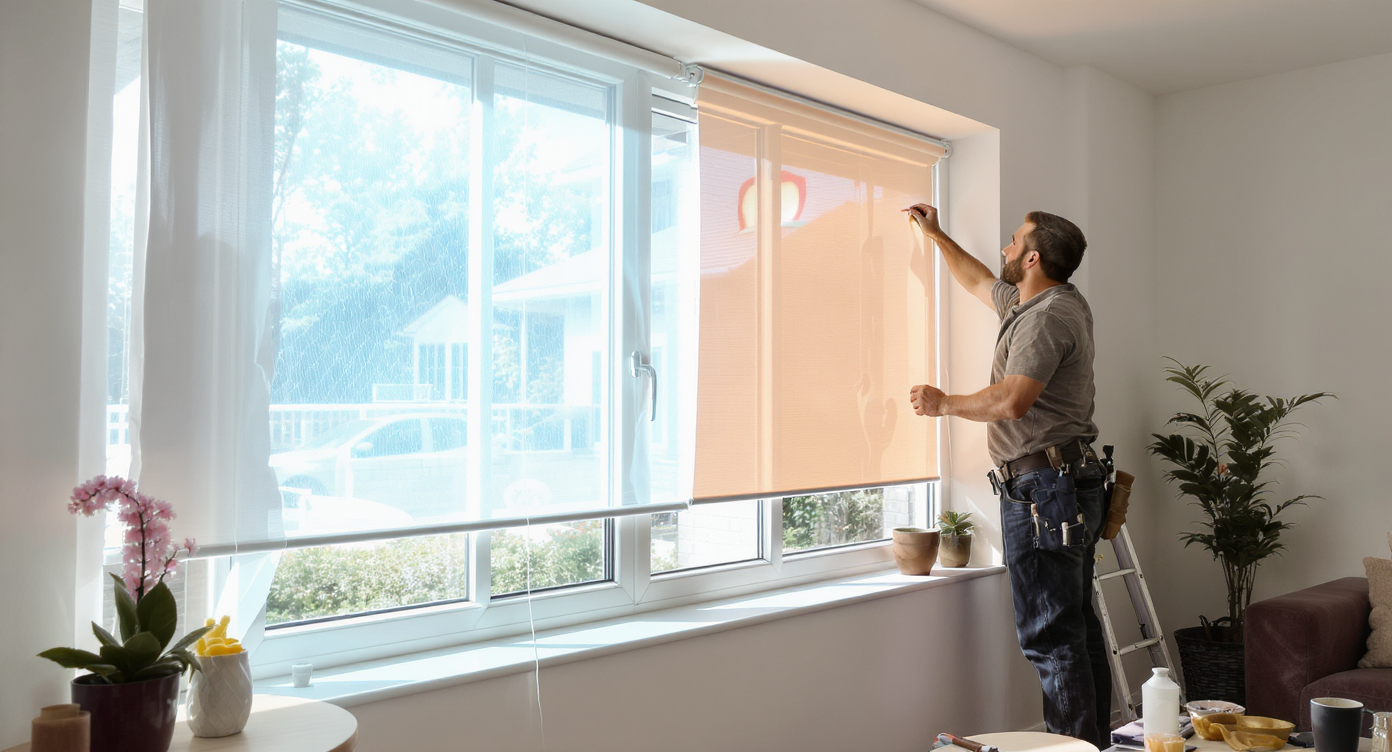
Window films transform natural light into a gentle glow, minimizing glare and protecting interiors.
Window films can significantly reduce the amount of light that reflects off a window. These films can be purchased in various styles, including anti-glare options, which help in dispersing sunlight more broadly rather than concentrating it on a specific spot. By addressing this primary cause, you can prevent your vinyl siding from overheating. For homeowners exploring protective window coverings, check out our guide on home investment essentials where we explore smart neighborhood-friendly upgrades.
Expert Insight
One couple replaced their vinyl siding twice before realizing its proximity to a neighbor’s reflective windows was the issue. Introducing window film and installing a decorative awning not only solved the problem but significantly boosted their home's curb appeal.
-
02. Opt for Physical Barriers
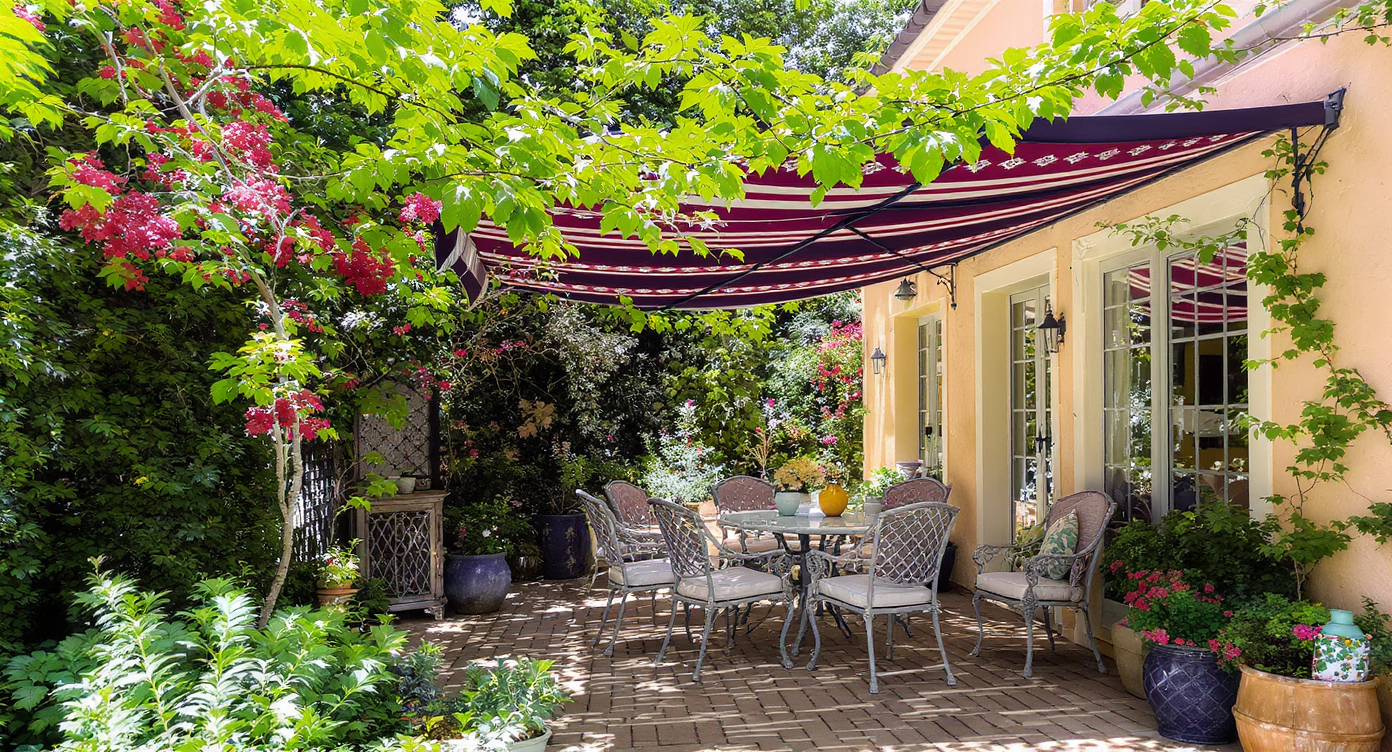
Decorative awnings and barriers not only enhance beauty but protect against intense sunlight.
Awnings, trellises, or even decorative screens can act as barriers to diffuse sunlight before it hits the siding. Position these elements strategically in areas receiving intense reflection from neighboring windows. This approach not only protects the siding but also adds aesthetic value to the home. Such barriers can enhance curb appeal, as discussed in our exterior design blog.
-
03. Use Landscaping to Shield Your Home
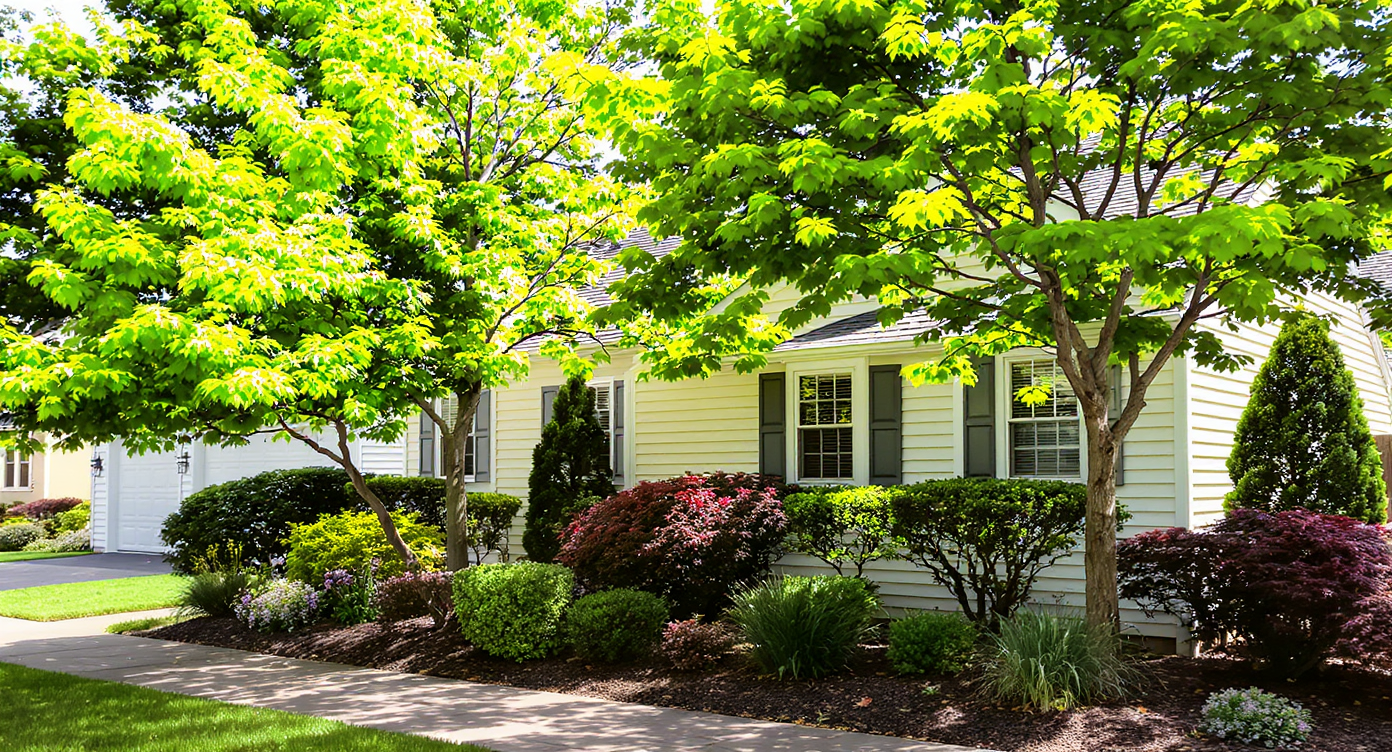
Use landscaping to create natural shade and shield your home from harmful sunlight.
Strategically planting trees or shrubs can provide natural shade and deflect sunlight away from your siding. Consider plants that grow tall and wide enough to offer year-round protection. This green solution provides a dual benefit—aesthetic and protective. However, when planting near a home, always be mindful of root growth and potential foundation impacts.
-
04. Replace Siding with Heat-Resistant Materials
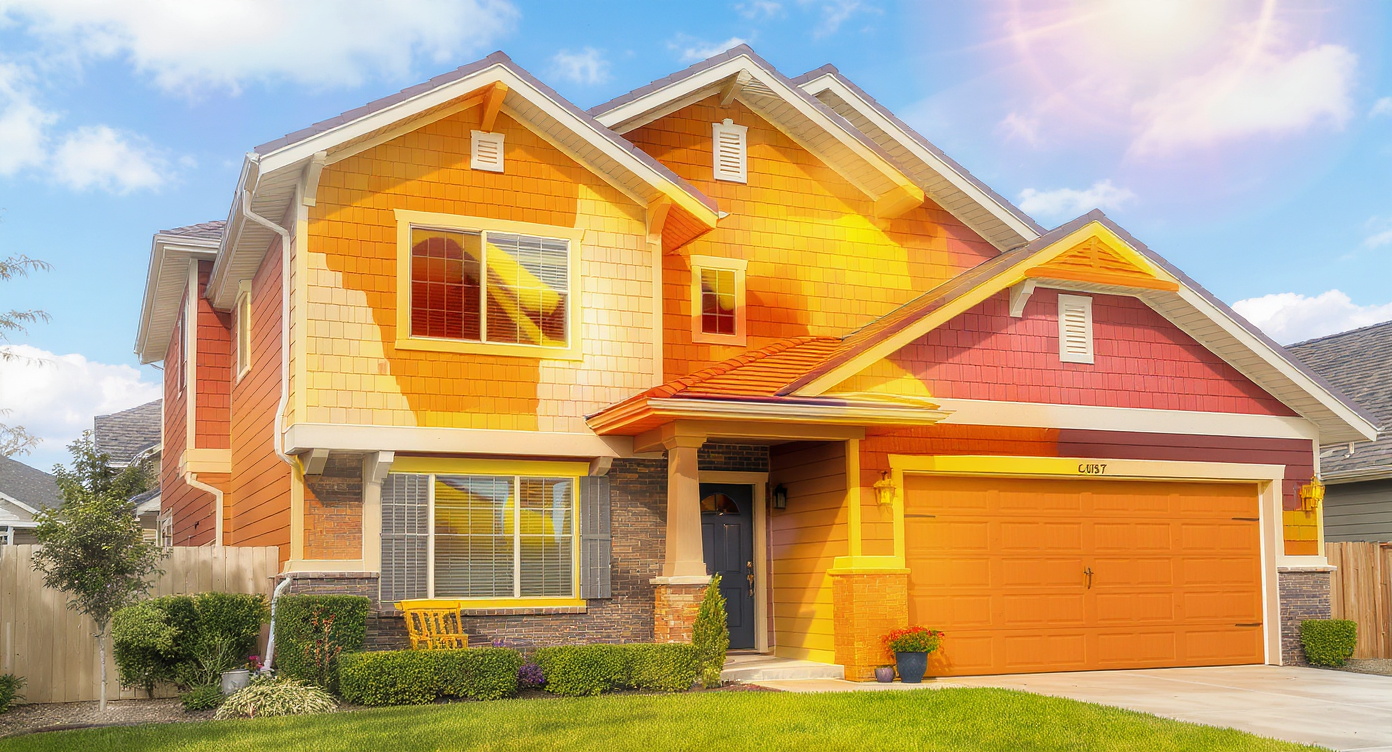
Heat-resistant siding offers both style and protection against the sun's harsh rays.
When preventive methods aren't enough, consider replacing sections of your vinyl siding with materials like fiber cement or engineered wood, known for better heat resistance. While this option can be more costly upfront, it provides a lasting solution that withstands harsh sunlight without distortion.
-
05. Employ Solar Screens on Windows
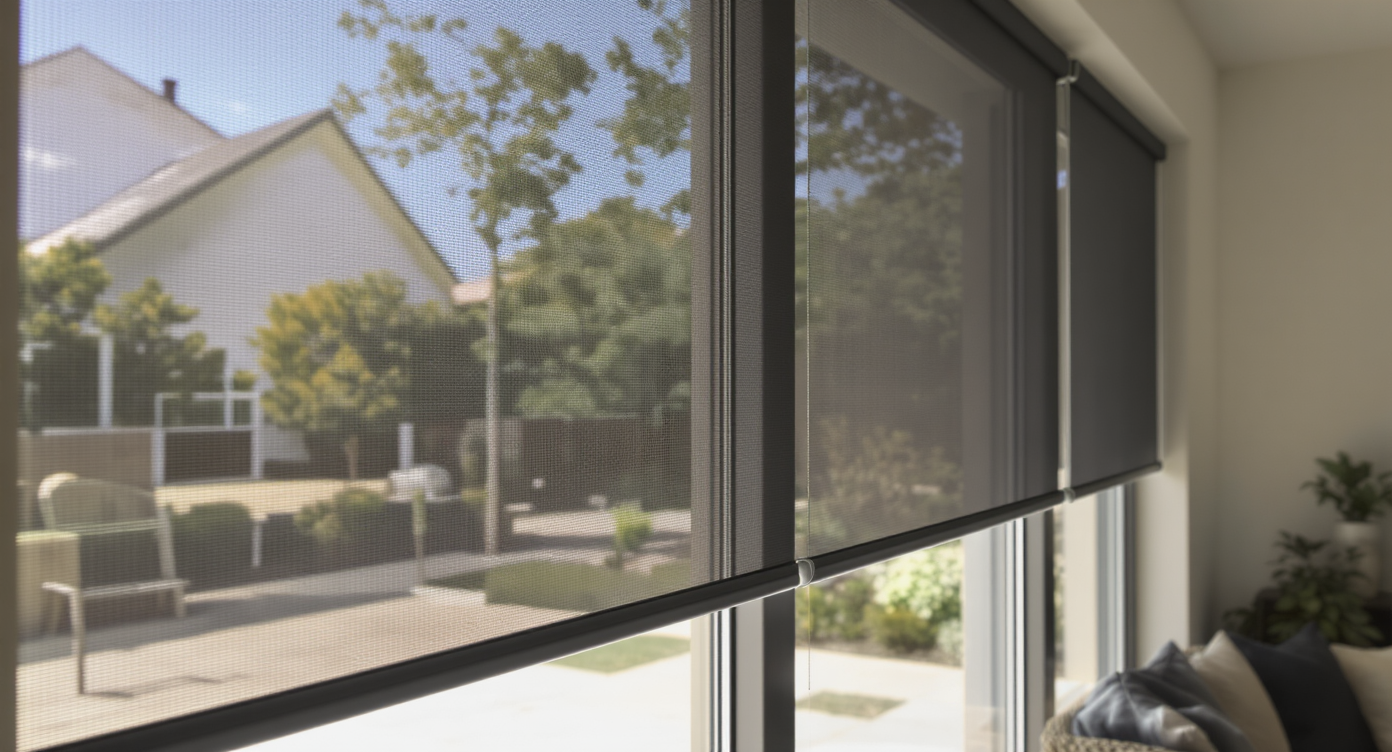
Effective solar screens enhance comfort while protecting your home from intense sunlight.
Solar screens serve as an effective measure to block and absorb sunlight before it can be focused onto the siding. Installed externally on windows, they are specifically designed to cut down on glare and reflection, thus preventing the hot spots that cause siding to melt.
-
06. Select a Light-Colored Siding
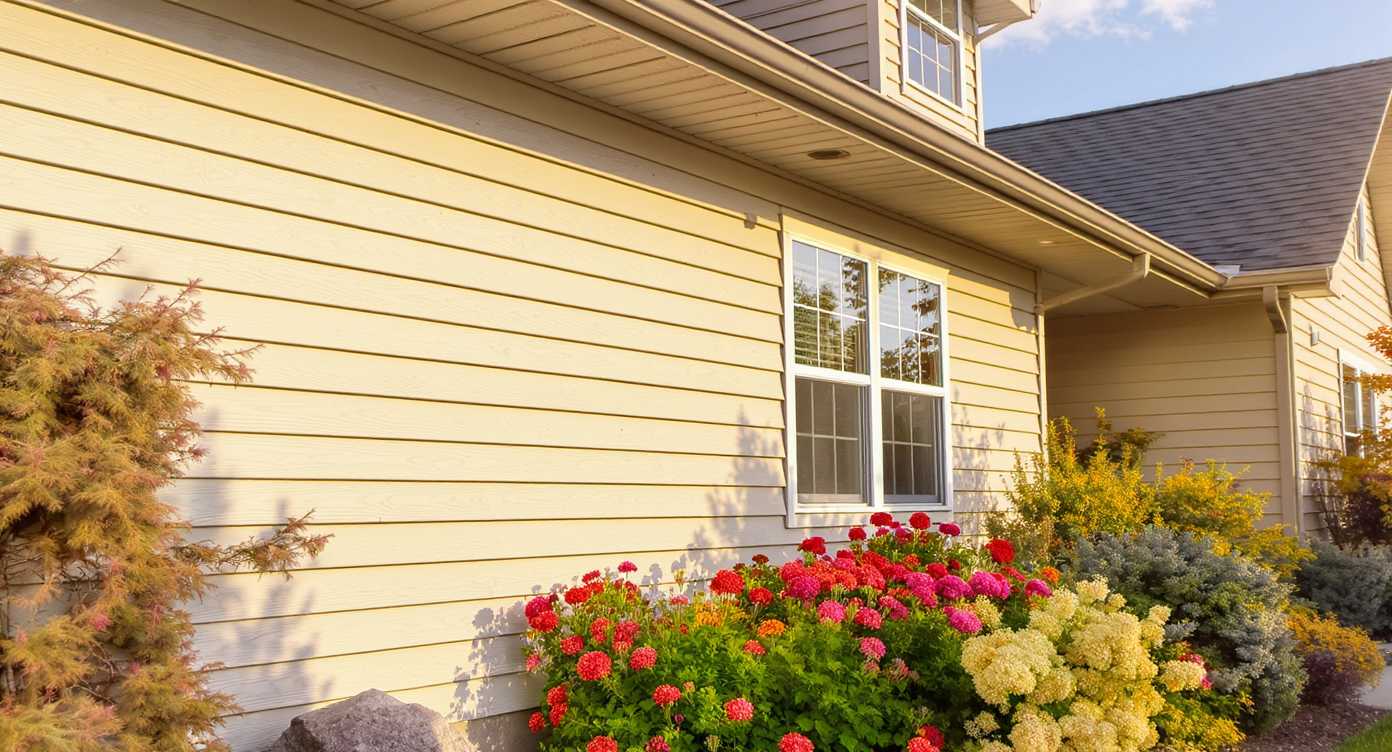
Opt for light-colored siding to reduce heat absorption and ensure long-lasting appeal.
Choosing siding in lighter shades can reduce the likelihood of heat absorption and subsequent warping. Light colors reflect more sunlight, which can help in maintaining a cooler surface temperature, compared to darker hues that absorb heat.
-
07. Monitor and Maintain Window Integrity
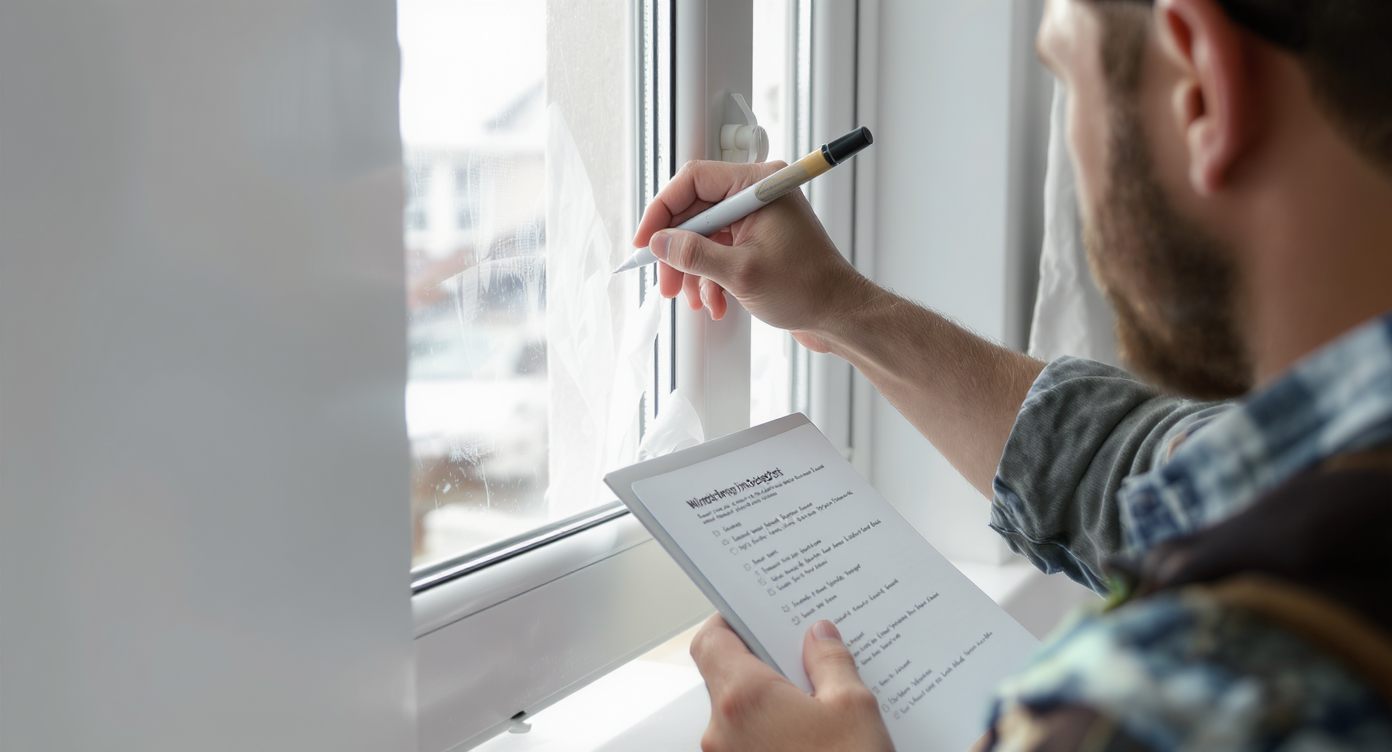
Regularly monitor your windows to maintain integrity and avoid sun damage.
Ensure that your windows are correctly installed and free of defects, like concave glass panes, which exacerbate reflection issues. It’s wise to regularly inspect your windows, especially if they’re older or subject to seasonal stress, and repair or replace as necessary.
-
08. Coordinate with Neighbors for Cooperative Solutions

Cooperate with neighbors to find mutual solutions for sunlight challenges.
If your neighbor’s windows are the cause, a friendly discussion might lead to a mutual resolution, such as sharing the cost for window films or solar screens. Such collaborative efforts can foster a cooperative neighborhood environment, preventing potential disputes.
-
09. Add Reflective Barriers
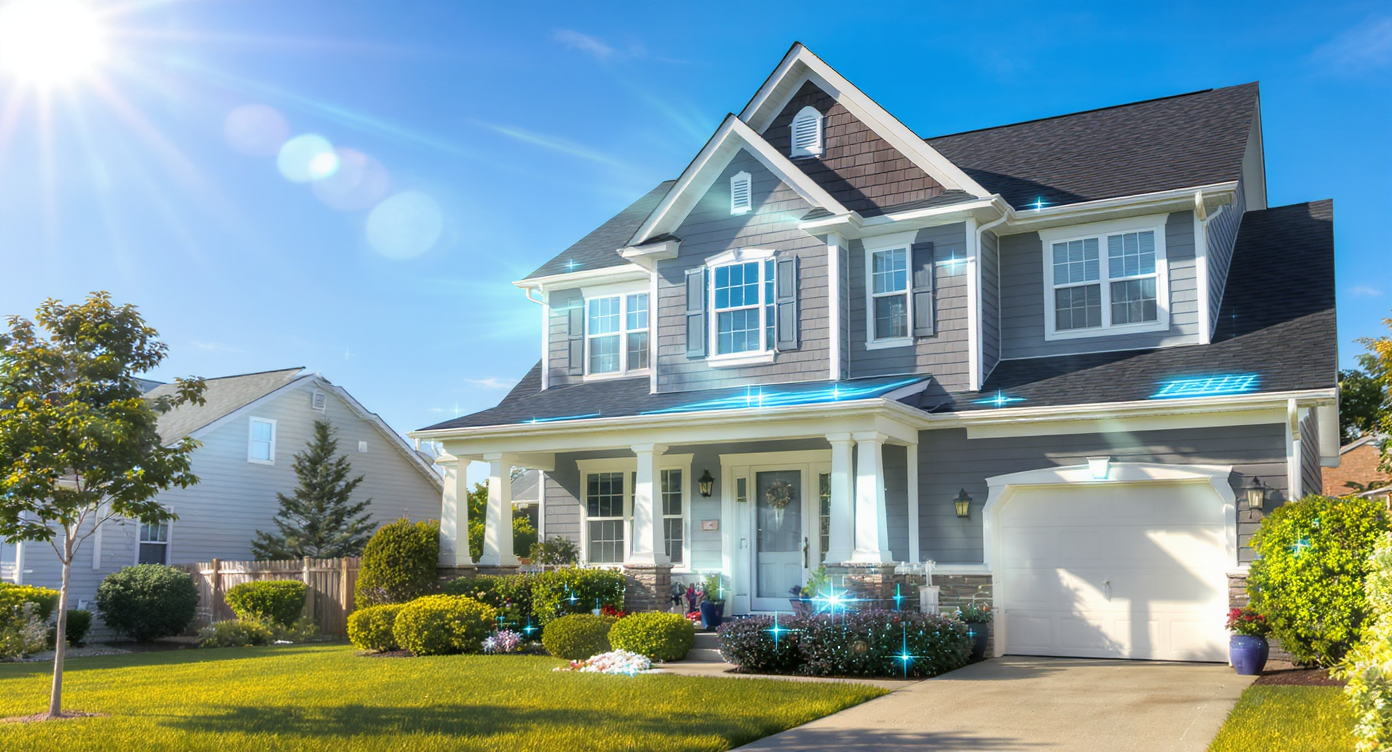
Install reflective barriers to add an extra layer of protection against excessive sunlight.
Consider installing reflective barriers, such as aluminum foil behind siding in critical spots. These barriers can redirect heat and light, offering low-cost insulation and protection.
-
10. Consult with a Home Maintenance Expert

Consult a home maintenance expert for tailored solutions to combat sun-induced damage.
Professional advice can be invaluable in complex cases where simple solutions do not work. A home maintenance expert can assess the situation and recommend specific products or strategies tailored to your exact circumstances. For those curious about budgeting for such projects, dive into real estate planning and budgeting tips to make informed decisions.
Visualization Scenario
Imagine a suburban home getting an upgrade with a mix of strategic interventions. Window films are fitted to neighbor-facing windows, a charming lattice-work screen adds character to the garden, and lush greenery enhances the view while shading the house. This multi-layered defense transforms a vulnerability into an opportunity for beautification, all while protecting the home’s integrity.
FAQ
- What causes vinyl siding to melt?
Vinyl siding can melt due to concentrated sunlight reflection, typically from inefficient neighboring windows. Reducing this reflection can prevent damage. - Will changing my siding color help?
Yes, lighter siding colors reflect more sunlight and heat, thereby reducing the risk of melting compared to darker colors. - Is planting trees a viable solution to prevent siding damage?
Yes, planting trees can shield your siding from direct sunlight, but consider the mature height and root spread to avoid foundation issues. - How do solar screens work?
Solar screens reduce heat and glare by blocking sunlight before it hits windows, which in turn decreases the intensity of heat reflected onto siding.
Prevention Pays Off
By proactively addressing the risks of sun-induced damage, you can preserve your vinyl siding and enhance your home's overall curb appeal. Whether you choose window films, upgrades in landscaping, or a switch to heat-resistant materials, each solution offers its unique path to a more resilient and aesthetically pleasing home exterior.