10 Essential Questions to Ask Before Home Renovation for Confident Outcomes
TL;DR
Renovation confidence begins with structured self-questioning. This guide provides ten actionable questions that clarify purpose, prevent common pitfalls, and reduce the likelihood of regret. Thorough decision logic, budget awareness, and visualization strategies position you for smoother project delivery and lasting satisfaction.
Why Questions Matter Before You Renovate
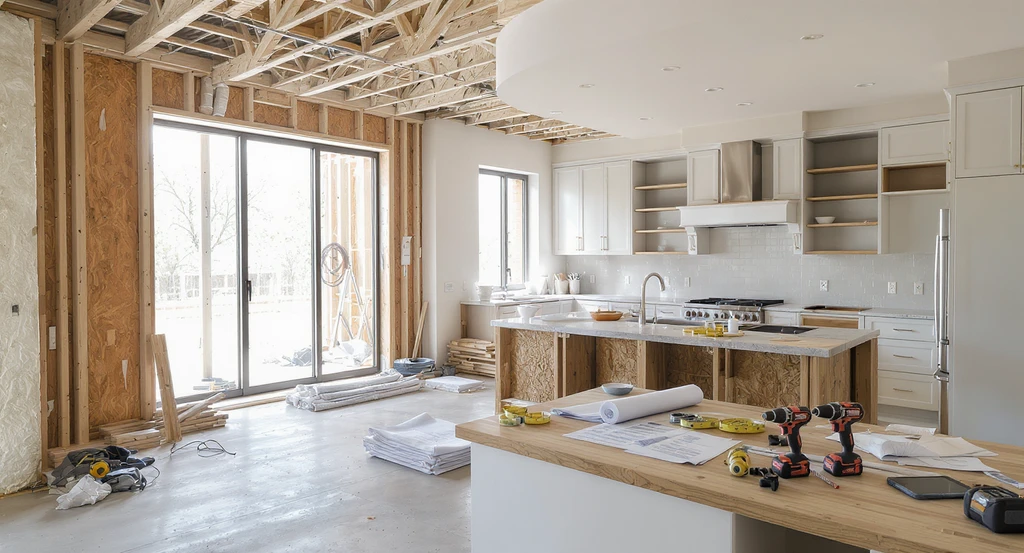
Before home renovation, review questions to ask, assess renovation budget, consider full remodel versus staging, and check council requirements to avoid regret.
Renovating your home is a major financial and emotional commitment, often carrying high stakes and irreversible choices. Entering a renovation without a clear decision structure increases risk not only to your budget, but also to future resale returns, functional quality, and personal satisfaction. Asking the right questions before you start can anchor planning, reveal hidden constraints, and align your investment with both your immediate needs and long-term goals. This sequence directs attention to what most influences renovation outcomes, positioning you to proceed with clarity, not just hope.
-
01. Clarify Your Renovation Objective Early
Every renovation should start with a defined objective—either value addition, style update, functionality improvement, or a mix. Knowing your 'why' shapes budget allocation and prevents inconsistent choices mid-project. Objectives act as anchors for decision-making, limiting over-investment in low-return areas and reducing the odds of scope drift. Motivation clarity supports communication with contractors and helps you resist design distractions.
Expert Insight
During a recent renovation, a homeowner neglected to check their title covenants, only to discover mid-project that a planned extension violated neighborhood restrictions. The oversight halted progress, added legal fees, and forced a costly redesign—an example of why asking the right questions first is essential.
-
02. Decide on Staged Versus Full Renovation
Choose between renovating in phases or all at once, depending on funding and disruption tolerance. Splitting renovation into stages can relieve budget strain and reduce household upheaval. Phased renovation allows for more manageable cash flow, but extends construction duration and may introduce inconsistencies. Full renovations often yield cohesive results, yet require larger upfront commitments and risk higher stress.
-
03. Define Success: Visualize Your End Space

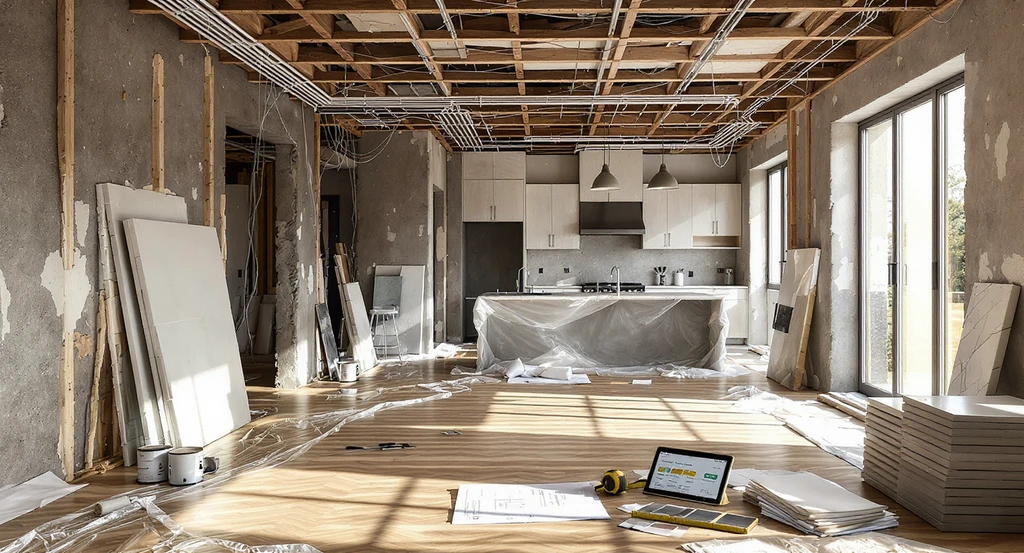
Defining home renovation success starts with visualization—use references, digital design previews, and sketches to address questions to ask before home renovation, ensure council requirements, compare staging versus full home remodel options, and avoid renovation regret.
Commit to a clear vision of your finished space using references, sketches, or digital tools before any demolition starts. Pre-visualization crystallizes expectations, assists in setting a realistic scope, and reduces disappointment from misaligned assumptions. With platforms like ReimagineHome, you can preview design options, spot layout issues, and refine finishes early, meaning fewer last-minute changes and regrets.
-
04. Assess Council and Building Requirements
Always check local council rules and title constraints before developing plans, as overlooking these can lead to major delays or costly rework. Council approval processes, covenant restrictions, and body corporate rules often determine what you can legally remodel or extend. Ignoring these layers risks project abandonment or forced reversals, especially with heritage or cross-lease homes. According to our exploration of smarter remodeling with ReimagineHome.ai, integrating planning with compliance review reduces such risks.
-
05. Budget Realistically-Add 20–30% Contingency
Adopt the measurable rule-of-thumb: add 20–30% to your initial renovation budget to cover unforeseen costs and unavoidable extras. This buffer acknowledges frequent underestimation of labor, materials, or code upgrades. Failing to set aside contingency often leads to abandoned quality choices or incomplete works, as explored in our guide on how to plan a home renovation on a budget.
-
06. Determine How Disruption Will Affect Daily Life
Evaluate if you can live through the renovation or will need alternative accommodation based on scope, dust, and timing. Living on-site can cause stress, limit contractor efficiency, and expose occupants to hazards. Separate renovation phases or rooms may help, but full gut jobs often warrant temporary relocation. Weigh trade-offs between saving on rent and project delays due to restricted access.
-
07. Investigate Insurance Implications
Ensure your insurance policy covers the renovation period, including liability, theft, and contract work, even if your contractors are insured. Gaps in insurance commonly occur when policies exclude work-in-progress or contractor-caused damage. Securing the correct endorsements early prevents uncovered losses, which can otherwise turn a budget-safe project into a costly ordeal.
-
08. Set Priorities Based on Function and Resale
Let function and future buyer appeal set project priorities especially for kitchens, primary baths, and main living spaces. Strategic upgrades in high-use or high-ROI areas provide the greatest value. As detailed in our analysis of what real estate agents say about resale renovations, focusing on photo-friendly, visible improvements helps avoid wasted spend and enhances long-term marketability.
-
09. Evaluate the Feasibility of DIY Versus Professional Work
Decide where to use licensed professionals versus DIY, considering complexity, time constraints, and resale goals. DIY may suit cosmetic changes but typically underperforms in highly technical or structural tasks. As we explain in detail in our guide on DIY renovations for resale, poor craftsmanship risks lower valuation and potential code violations, while only minor improvements reliably add worth.
-
10. Sequence and Schedule Tasks Logically
Develop a clear schedule using the spatial reasoning method of 'front-loading' disruptive work and sequencing by dependency (e.g., floor before paint, cabinets before countertops). Logical sequencing minimizes rework and keeps trades out of each other's way. Scheduling with contingency buffers, as demonstrated in our renovation timeline planning guide, supports smoother workflows and reduces budget overruns.
Frequently Asked Questions Before Home Renovation
- What is the most important question to ask before renovating?
- Define why you are renovating—whether for resale value, improved function, or aesthetics. This sets the direction and ensures alignment between goals and investment.
- How much contingency should I budget for unexpected costs?
- Industry best practice is to add 20–30% on top of your project estimate to cover surprises such as material shortages, code updates, or design changes.
- How can I be sure my design choices will look good in my space?
- Use visual preview tools to simulate layouts and finishes in context before committing. This reduces uncertainty and regret by showing outcomes ahead of construction.
- Can I do renovations in stages if my budget is limited?
- Yes, staged renovation allows you to upgrade critical spaces first, then proceed as funds permit. It requires more planning, but reduces upfront financial strain.
- What are common council requirements for house renovations?
- Council requirements can include building consents, covenant restrictions, and rules for heritage properties or multi-unit titles. Always check regulations early to avoid costly changes later.
Key Takeaways for Confident Renovation Decisions
Renovation outcomes depend far more on thoughtful pre-planning than on taste or budget alone. By systematically questioning purpose, scope, cost, compliance, and logistics, you structure your thinking to avoid major pitfalls and costly reversals. Visualization—before construction begins—resolves most uncertainties, and platforms like ReimagineHome make these previews accessible, supporting faster, more confident commitments.