How Snow Impacts Basements During New Builds: Insights and Solutions
TL;DR
Snow in the basement of a new build isn't uncommon, especially in colder climates. While it may cause initial concern, using strategic drainage and drying techniques will mitigate potential issues. Properly managing snow can prevent delays in construction and ensure a smooth transition to the next phases of building.
Snow in New Builds: Immediate Insights

Winter construction can lead to snow accumulation in basements, requiring strategic management.
Encountering snow in the basement during a new home build can be unsettling, particularly during harsh winters. However, this situation is surprisingly common across colder regions and doesn't necessarily spell trouble if handled appropriately. Snow can melt and seep into the underlying gravel or sand, naturally draining away without permanent harm. Yet, understanding the nuances of managing accumulated snow effectively ensures the process of laying the foundation continues unimpeded, avoiding potential delays in plumbing and slab installation.
-
Understanding Snow Accumulation in Basements

Understanding snow accumulation in basements is critical for successful winter construction.
Snow accumulation in the basement during winter construction is a phase that many builders in cold climates expect. Sand, gravel, and hay often cover unfinished basements, absorbing melted snow and transforming it into manageable water. This water then percolates deep into the soil, minimizing the risk of water damage. Sand and gravel layers are intentionally designed to facilitate this absorption, preventing water pooling that could delay the construction process. Experienced builders prepare for this by planning construction timelines that accommodate possible weather-related setbacks.
Expert Insight
A winter build in rural Vermont once faced three consecutive snowstorms. Despite initial trepidation, the builders employed tarps, sump pumps, and subtle heating methods to control the meltwater. Ultimately, the project continued smoothly, thanks to meticulous planning and smart snow management.
-
Managing Snow Melts in Construction
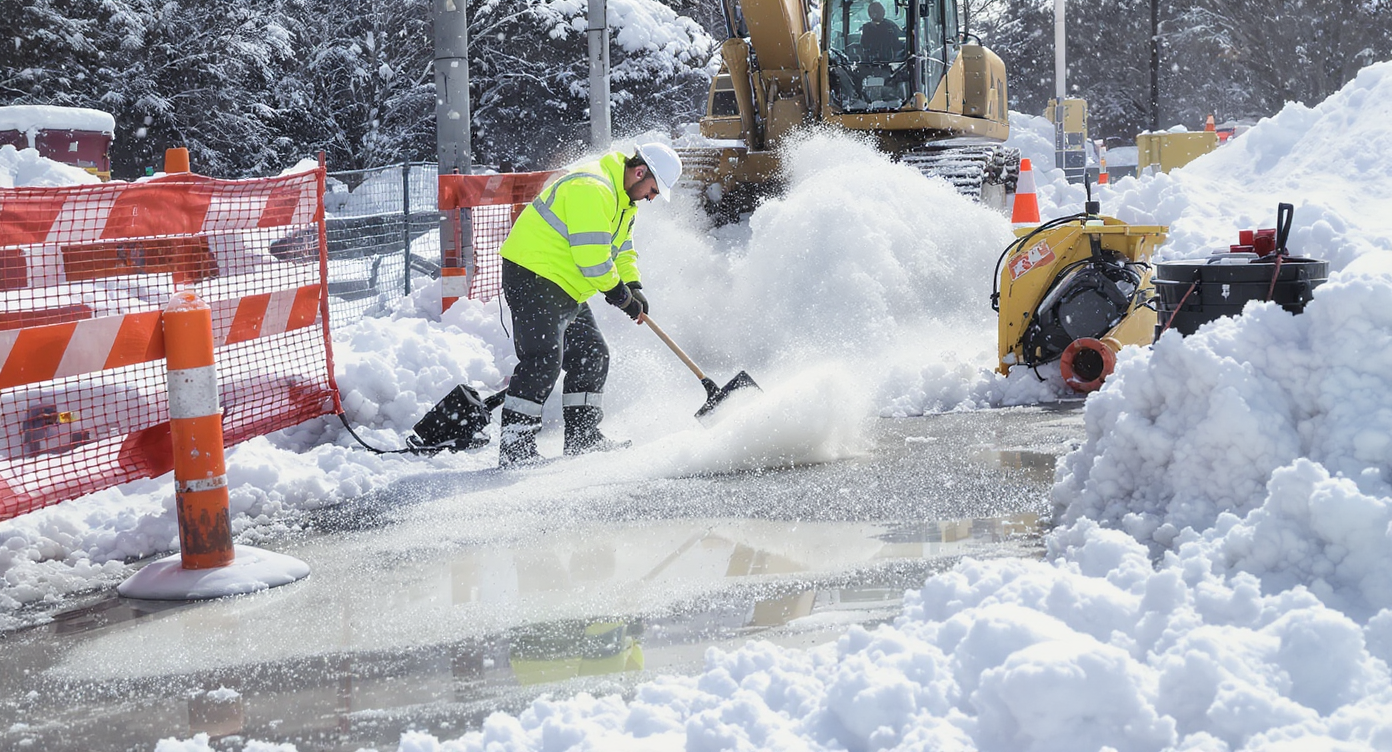
Effective management of snow melts is crucial to keep construction projects on schedule.
When it comes to effective handling of snow melt, timing, and method are crucial. Trusted strategies involve waiting for warmer temperatures to allow the snow to melt naturally while ensuring adequate drainage is in place. Additionally, builders might shovel excess snow to prevent excessive water ingress. In cases of severe weather, some opt to employ temporary heating solutions to accelerate melting without causing damage to the concrete structure. This involves using tarps to insulate exposed areas and strategically heating enclosed spaces to facilitate drying.
-
Preparing for Future Snowfall and Construction Delays
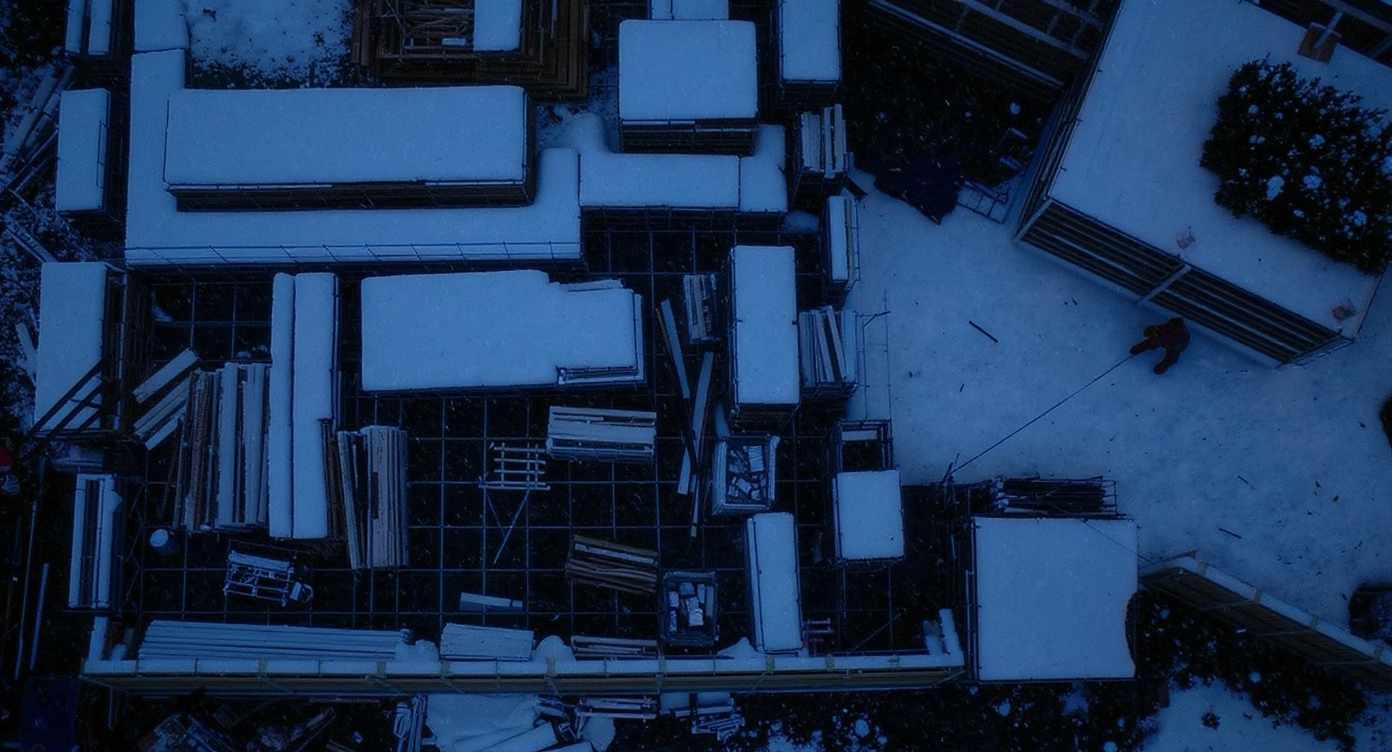
Proactively preparing a construction site for snowfall is essential for preventing delays.
Building in the winter demands forethought and preparation to handle unpredictable weather conditions effectively. This includes installing tarps or temporary coverings over construction sites to keep snow and moisture from collecting. Builders also utilize sump pumps and drain systems to remove water post-snowmelt. Recognizing and acting on these necessary precautions can prevent delays in the construction timeline, ensuring that progression from the foundation to the next stages of construction is smooth and efficient.
-
Common Mistakes to Avoid
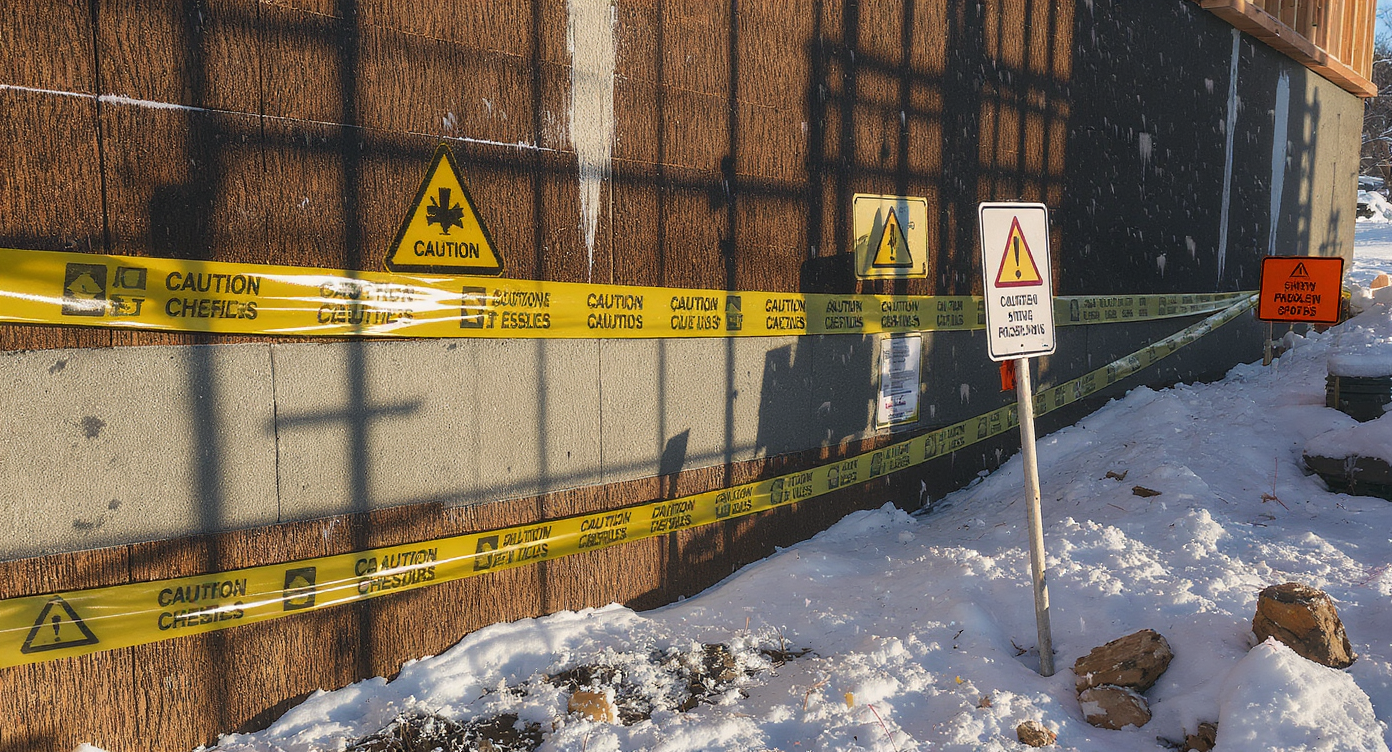
Avoiding common mistakes during winter builds ensures smooth progression and safety.
- Ignoring snow accumulation: Assuming that snow is harmless can lead to delays. Actively monitor and manage the snowfall with shovels or pumps as needed.
- Lack of insulation: Failing to cover basement floors can lead to water infiltration and subsequent damage. Always use tarps or insulation blankets during heavy snowfall.
- Improper drying techniques: Using excessive heat too quickly on snow or water can damage unfinished structures. Opt for slow, steady heating methods.
-
Tips & Tricks for Effective Snow Management
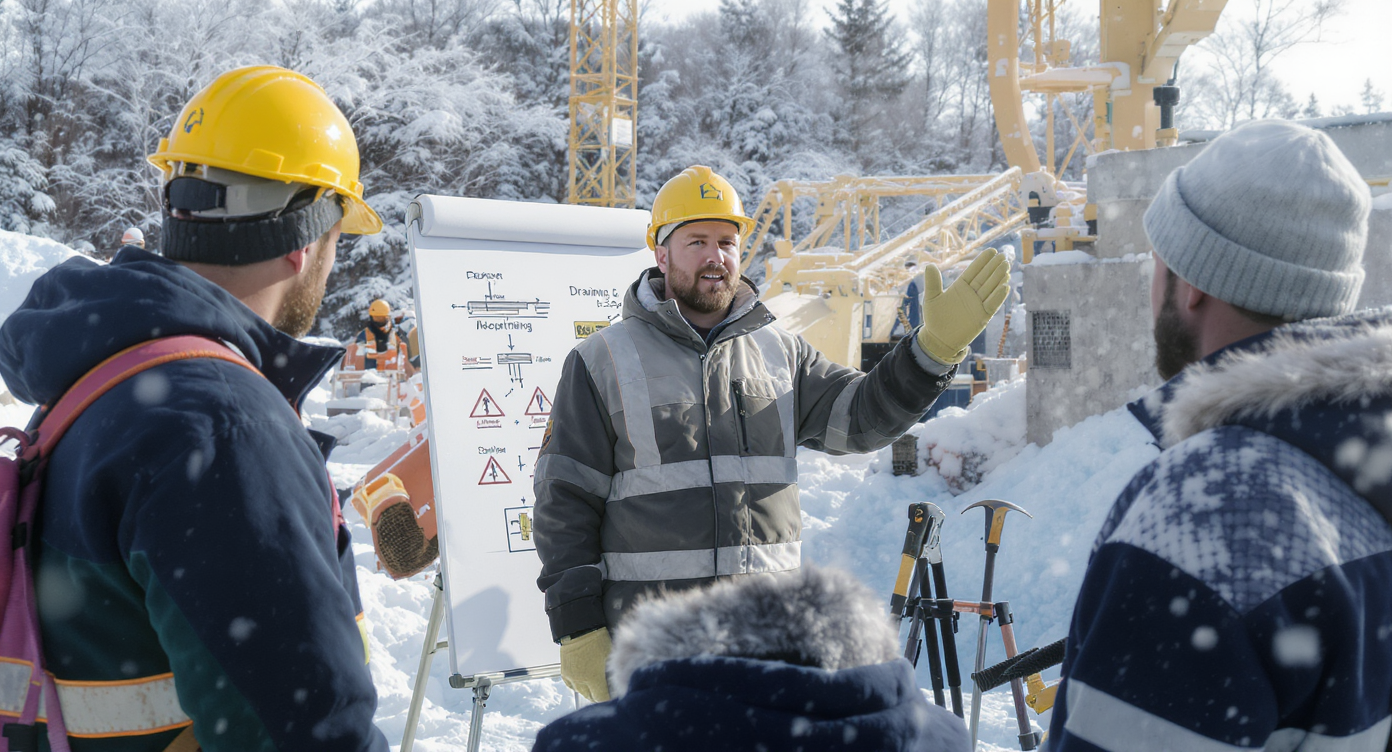
Expert tips for effective snow management can significantly enhance construction success.
- Inspect drainage regularly: Ensure all drainage systems are operational to prevent meltwater from pooling.
- Utilize moisture meters: These tools help you monitor wood and structural moisture levels, ensuring they stay within recommended limits.
- Leverage technology: Tools like ReimagineHome.ai can help visualize and plan construction sequences in adverse weather conditions, aiding in mitigation planning.
-
Visualizing a Successful Snow Management Strategy
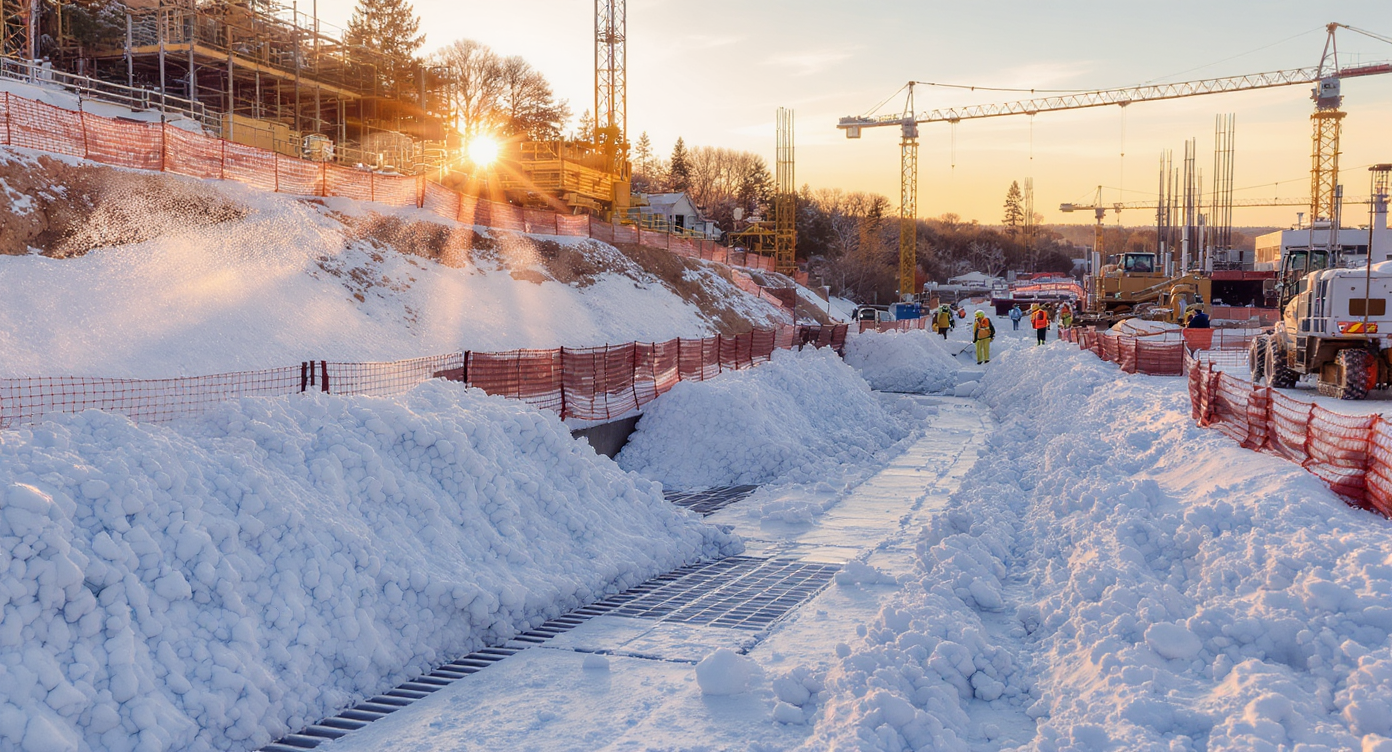
A successful snow management strategy transforms winter construction challenges into opportunities.
Imagine standing on a construction site surrounded by a fresh blanket of snow. The ground underneath is a mix of sand and gravel, optimized for absorption. Workers use shovels to clear critical pathways, and heaters hum softly as tarps retain the warmth. These efforts combine to ensure the snow transitions directly into the ground as meltwater, supporting an ongoing build that faces minimal interruptions. Access to tools like ReimagineHome.ai helps to visualize and adapt the site for optimal weather resilience.
Visualization Scenario
Envision a construction site blanketed with snow, where strategic shoveling paths and insulated tarps create dry, warm pockets, allowing construction to progress efficiently despite winter's challenges.
FAQ on Snow Management in Construction
- Should I be concerned about snow in my basement during construction?
Not necessarily. Take measures to ensure proper drainage and regular inspection to manage the melt effectively. - What tools can assist with managing snow-related issues?
Moisture meters, insulation blankets, and platforms like ReimagineHome.ai are valuable resources for monitoring and planning. - Is it necessary to remove all snow from a site?
While it's not always possible to remove all snow, clearing pathways and ensuring drainage systems are functional is crucial.
Mitigating Winter's Impact on Building Sites
While snow in a basement can appear daunting, it is a manageable aspect of winter construction. Implementing smart snow management practices ensures smooth progress, keeping projects on schedule despite adverse weather. By using effective drainage, heating methods, and employing visualization tools like ReimagineHome.ai, builders can address challenges proactively, leading to successful project completion without unexpected delays.