Standard Bathroom Dimensions and Their Impact on Design
TL;DR
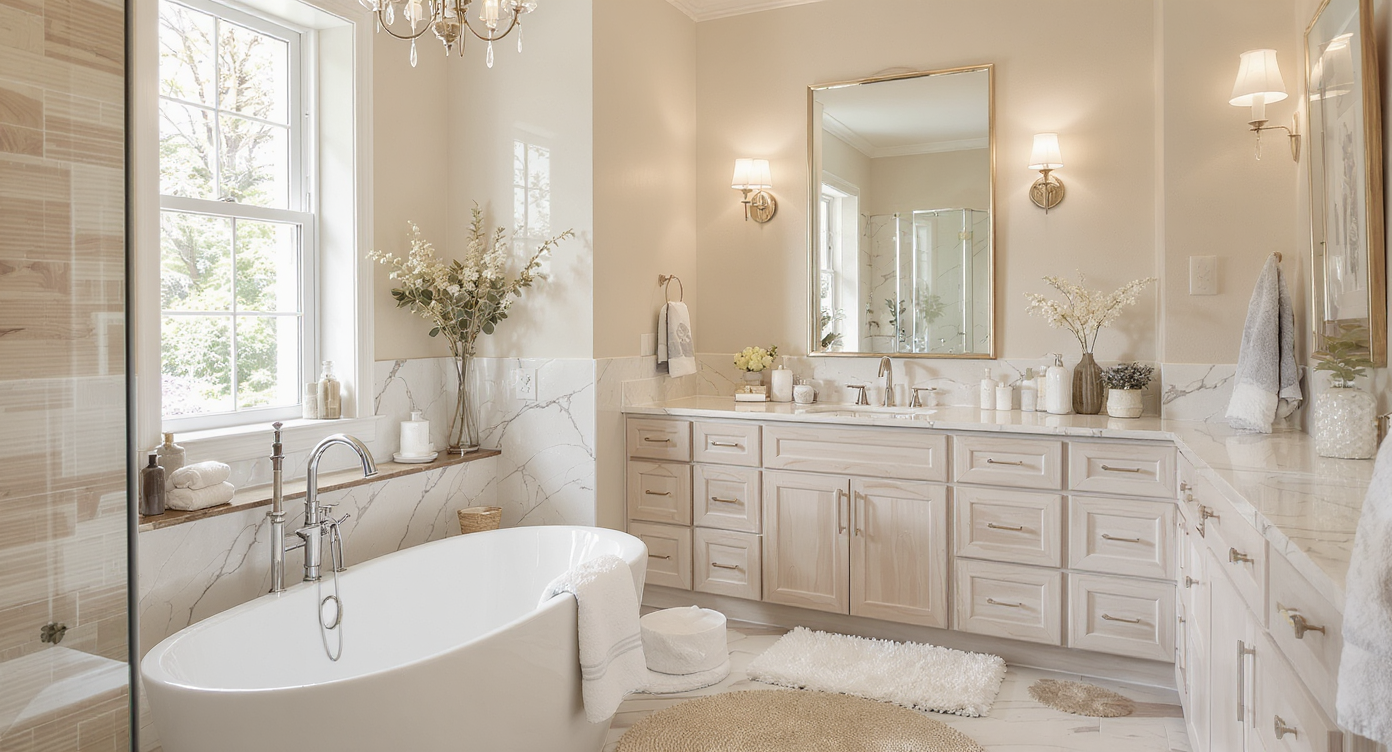
Standard bathroom sizes dictate how spaces function and feel. These dimensions ensure comfort, efficiency, and aesthetic appeal in home design. By mastering bathroom dimensions, homeowners can avoid costly mistakes and enhance the livability of their spaces.
Introduction
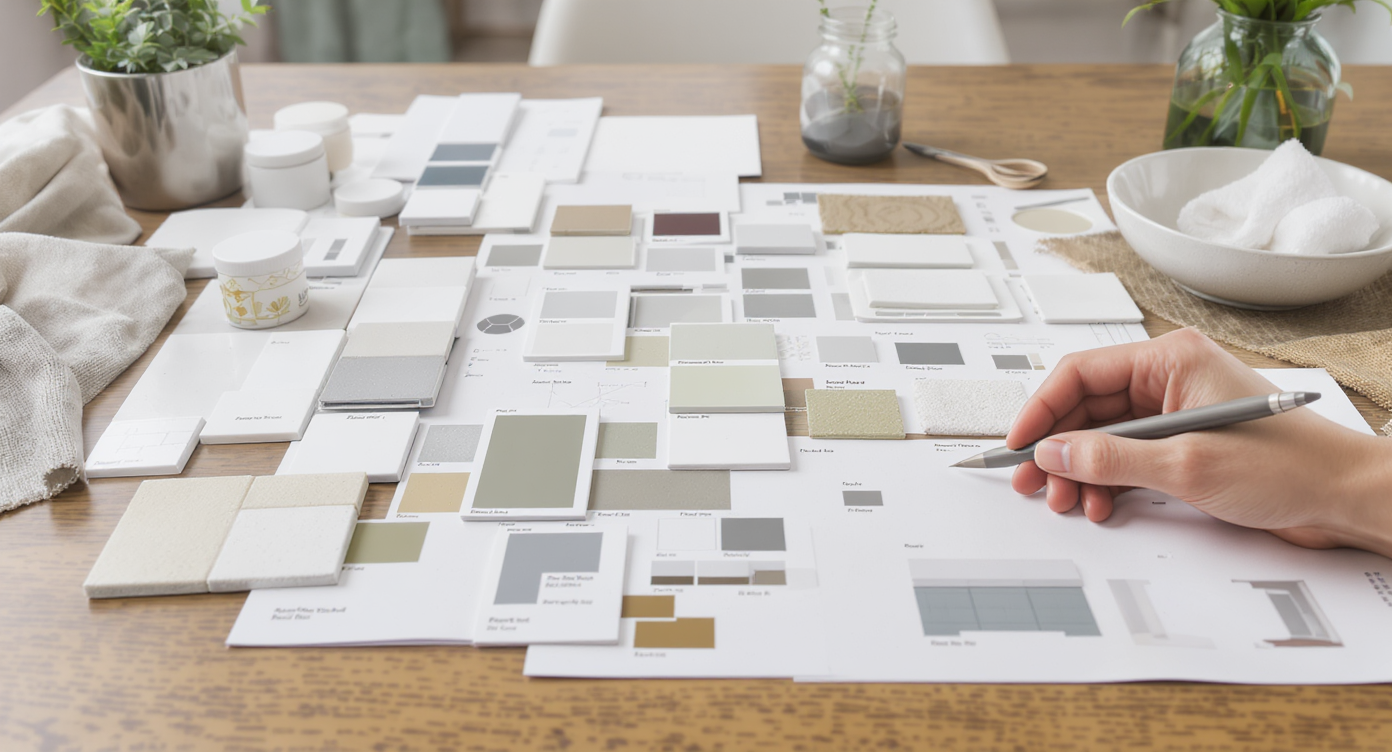
Unlock your creativity with a design board filled with ideas for your next bathroom project.
At the core of every cozy and functional home is a well-designed bathroom, shaped by a meticulous understanding of standard sizes. These dimensions assist in creating intimate spaces that are not just facades of cleanliness but sanctuaries of comfort and functionality. Homes may vary greatly in scale, but understanding the bathroom's dimensions ensures its role as a private, efficient escape.
-
The Significance of Bathroom Sizes
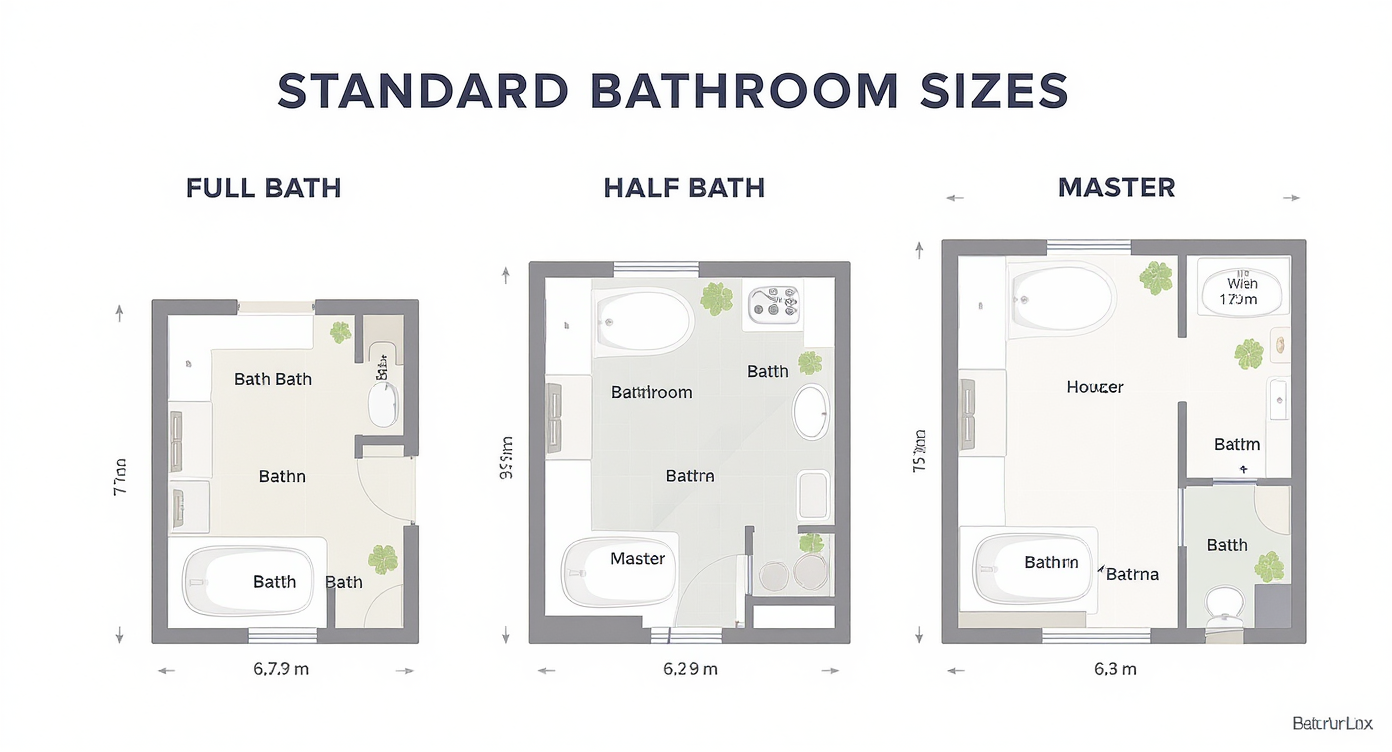
Understanding the significance of bathroom sizes can optimize space and enhance functionality in your design.
Standard bathroom sizes play an essential role in optimizing layout and functionality. They prevent overcrowding while ensuring space is utilized effectively, balancing comfort and practicality, whether the bathroom is the primary one or a powder room.
-
Types of Bathrooms and Their Dimensions
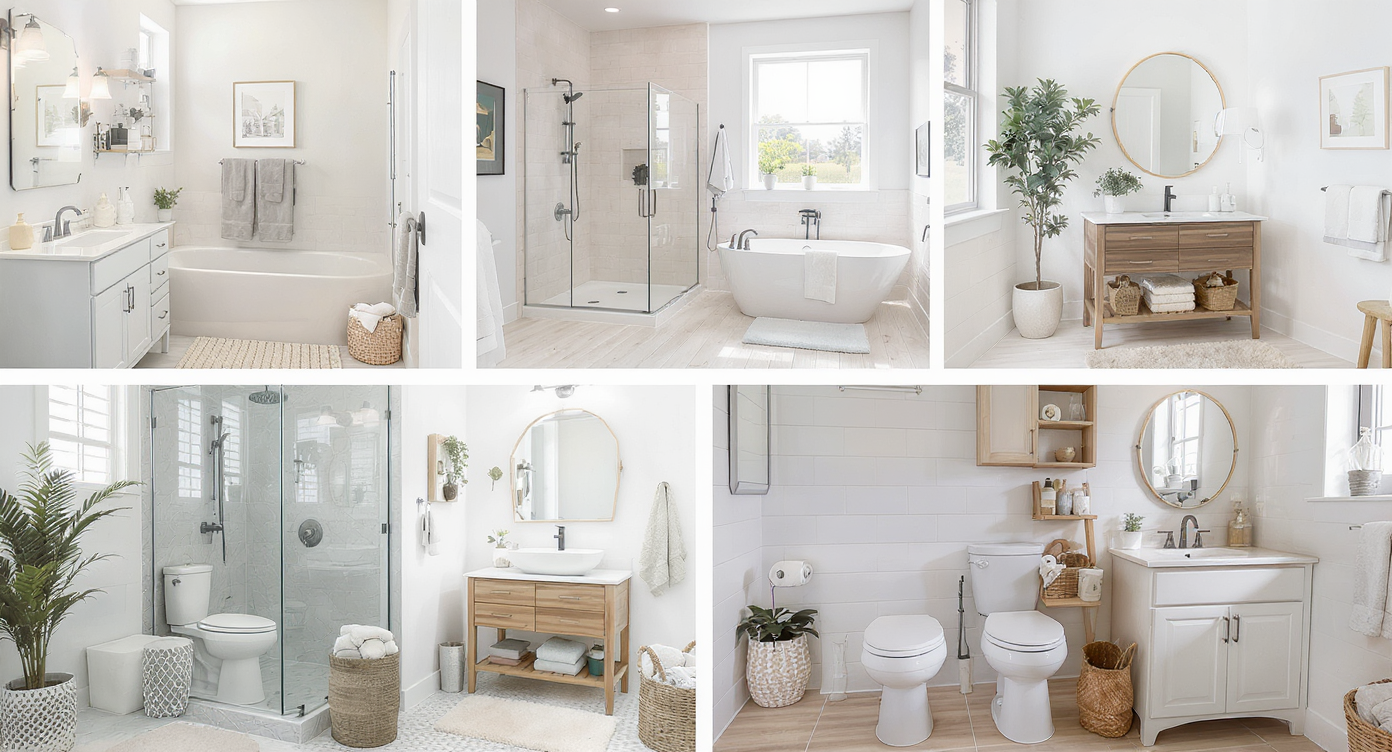
Explore the different types of bathrooms and their dimensions to find the perfect fit for your home.
Bathrooms fall into several categories—full, master, three-quarter, and half—with each serving different needs. Full bathrooms typically span 40 square feet, accommodating vital fixtures like a bathtub and a sink. Master baths may cover upwards of 100 square feet, integrating additional features like dual sinks or a freestanding tub.
- Full Bathrooms: Usually measure around 5'x8' and house essential fixtures.
- Three-Quarter Bathrooms: At about 6'x6', these include a shower, sink, and toilet.
- Half Bathrooms: Compact at approximately 3'x6', designed with a sink and a toilet.
-
Navigating Design to Elevate Functionality
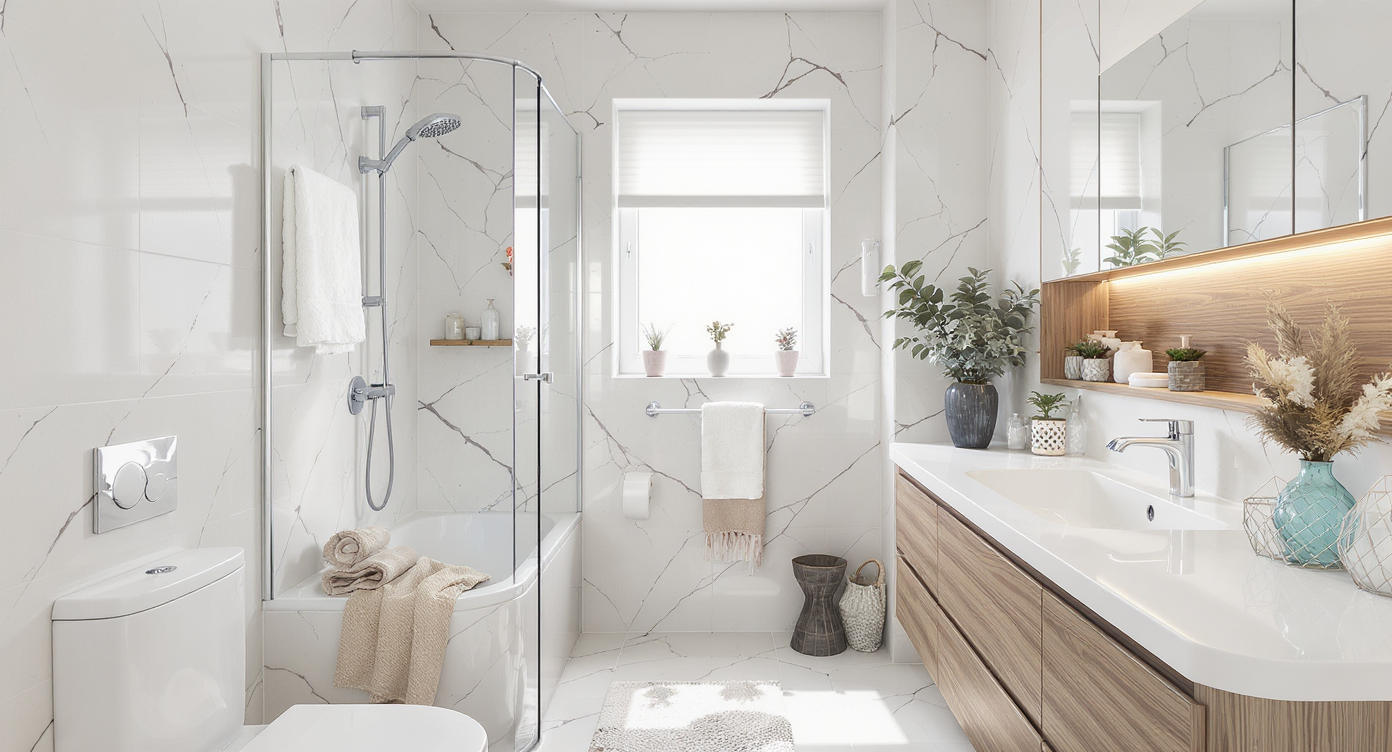
Navigate design choices that elevate functionality and transform your bathroom into a practical haven.
Well-planned bathrooms maximize space and enhance user experience. By adhering to standard dimensions, designers can ensure that fixtures fit harmoniously within any given area, bolstering the room's visual and functional appeal. Focus on placement strategy, such as the alignment of the toilet from walls and the vanity's position for optimal use. ReimagineHome.ai allows you to test these configurations virtually, enabling seamless planning and design realization.
Visualization Scenario
Imagine stepping into your newly remodeled bathroom, where everything from the strategic placement of fixtures to the flow of natural light is optimized for both beauty and utility. With the help of ReimagineHome.ai, you visualized and tested your space layout, ensuring your decisions meet both practical needs and personal taste.
FAQs on Bathroom Dimensions
- What is the average size of a full bathroom?
A typical full bathroom is about 40 square feet, or roughly 5'x8'. - How do design layouts vary for small vs. large bathrooms?
While small bathrooms prioritize space efficiency with compact fixtures, large bathrooms allow for luxurious features like dual sinks. - What should be the minimum clearance for fixtures in a bathroom?
Toilets need at least 15 inches from the center to walls, ensuring accessibility and comfort.
Conclusion
Mastering the imperatives of bathroom sizes not only refines functionality but also amplifies comfort and style appeal—key elements buyers seek in homes. Precise planning aligned with standard dimensions can prevent design blunders and lead to functional elegance. Leverage tools like ReimagineHome.ai to foresee how dimensions alter spatial dynamics and visual appeal, ensuring each bathroom plan is a testament to both utility and aesthetics.