
TL;DR
Transforming your attic into usable space can range from simple storage upgrades to full renovations for bedrooms or offices. Planning with building codes and professional guidance ensures safety and comfort. Using ReimagineHome.ai's Room Reuse solution, you can visualize your attic's new purpose before committing, increasing confidence and saving time.
Why Your Attic Space Deserves a Second Look
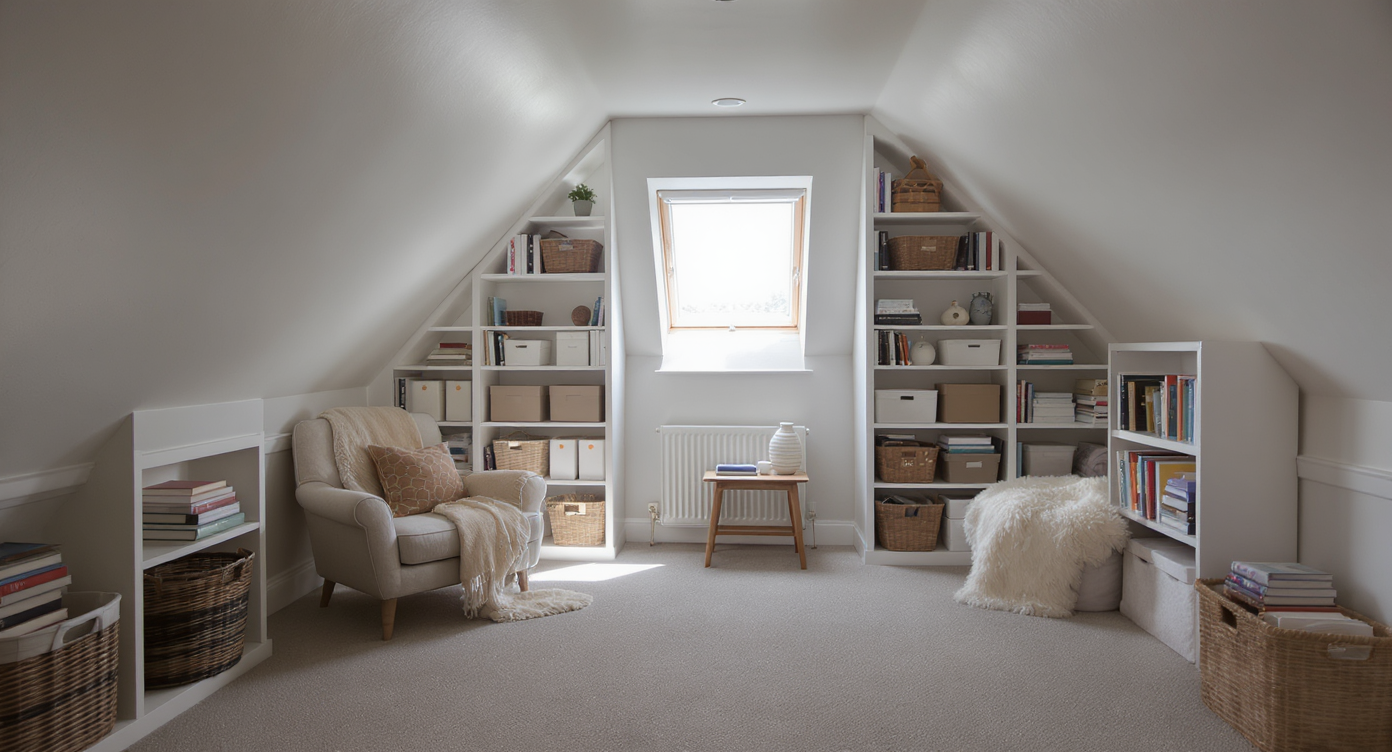
Unlock your attic's potential with smart storage and inviting design to boost your home's functionality.
Attics often sit underutilized, dusty, and dark—missing out on opportunities for extra storage or living areas. Yet, transforming your attic can add significant value and function to your home whether it becomes a cozy bedroom, a smart office, or organized storage. The key is approaching the project with realistic expectations, attention to structural requirements, and a plan that fits your lifestyle.
Why Converting an Attic is More Than Just Extra Space

Attic conversion involves structural understanding beyond extra space for safety and durability.
Converting an attic is a serious renovation project that directly affects your home's structure and comfort. Most attics are not built for storage loads beyond ceiling drywall; trusses and rafters need evaluation to ensure they can bear weight safely. Without proper ventilation and insulation, attics become uncomfortable extremes of temperature, limiting usability. Structural, electrical, and code compliance considerations often require professional input. Yet, when done right, attic transformations enhance home appeal and usable square footage materially.
Anecdote
That perfect-but-empty attic where you store rarely used decorations can become a cozy bedroom or a functional office with the right planning — and a little digital magic.
Common Mistakes When Converting an Attic into Usable Space
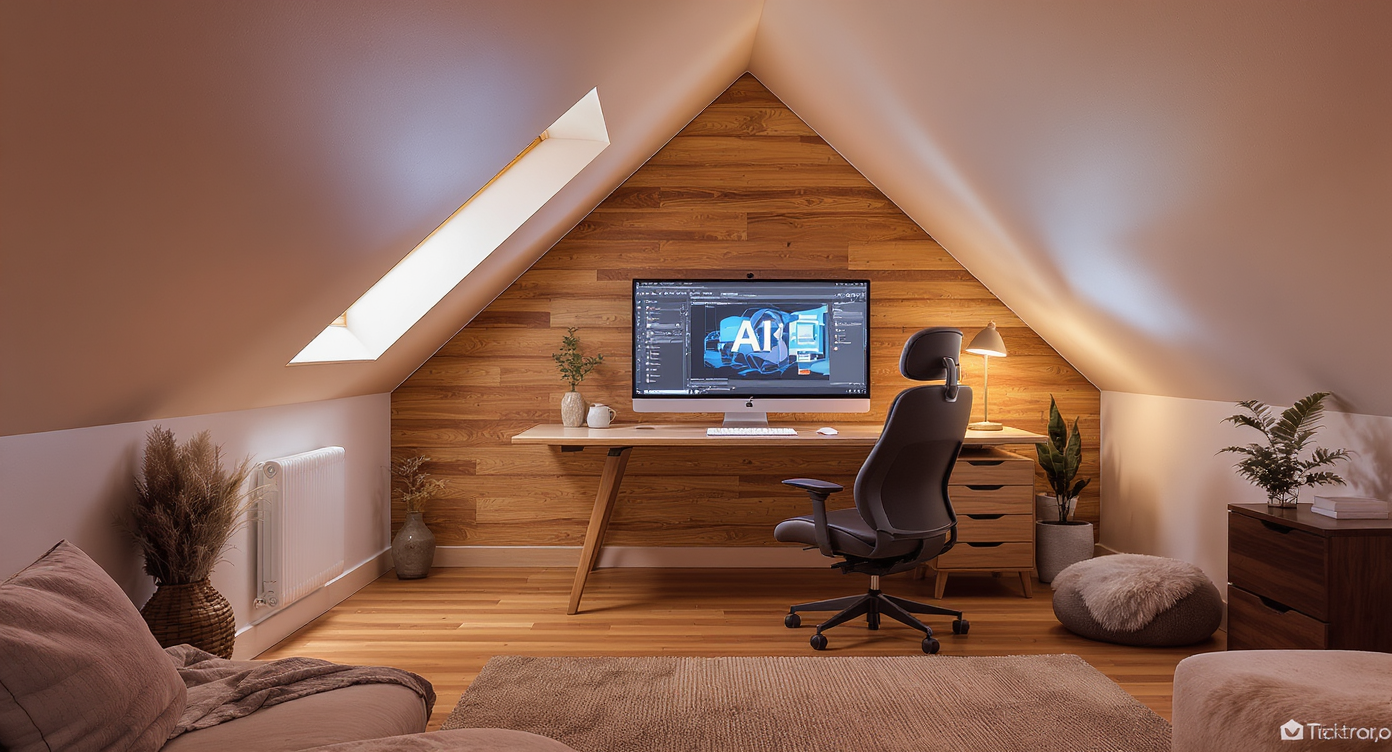
Harness AI technology to visualize and plan your attic's transformation with precision and style.
1. Ignoring Low Ceilings and Awkward Angles Many attic conversions fail because homeowners overlook sloped ceilings and tight corners. Without smart layout planning, furniture placement becomes difficult and the space feels cramped. 2. Forgetting About Insulation and Ventilation Attics heat up quickly in summer and lose warmth in winter. Skipping insulation, airflow planning, or proper windows makes the space uncomfortable year-round. 3. Poor Lighting Choices Attics often have limited natural light. Relying solely on overhead fixtures can create harsh shadows. Layered lighting—wall sconces, lamps, skylights—makes a huge difference. 4. Not Considering Structural Load Limits Before adding heavy furniture, flooring, or built-ins, homeowners sometimes forget to check whether the attic floor can support the weight. 5. Underestimating Storage Opportunities Sloped walls offer great built-in storage potential. Leaving them unused wastes valuable square footage.
Step-by-Step Guide to Repurposing Your Attic
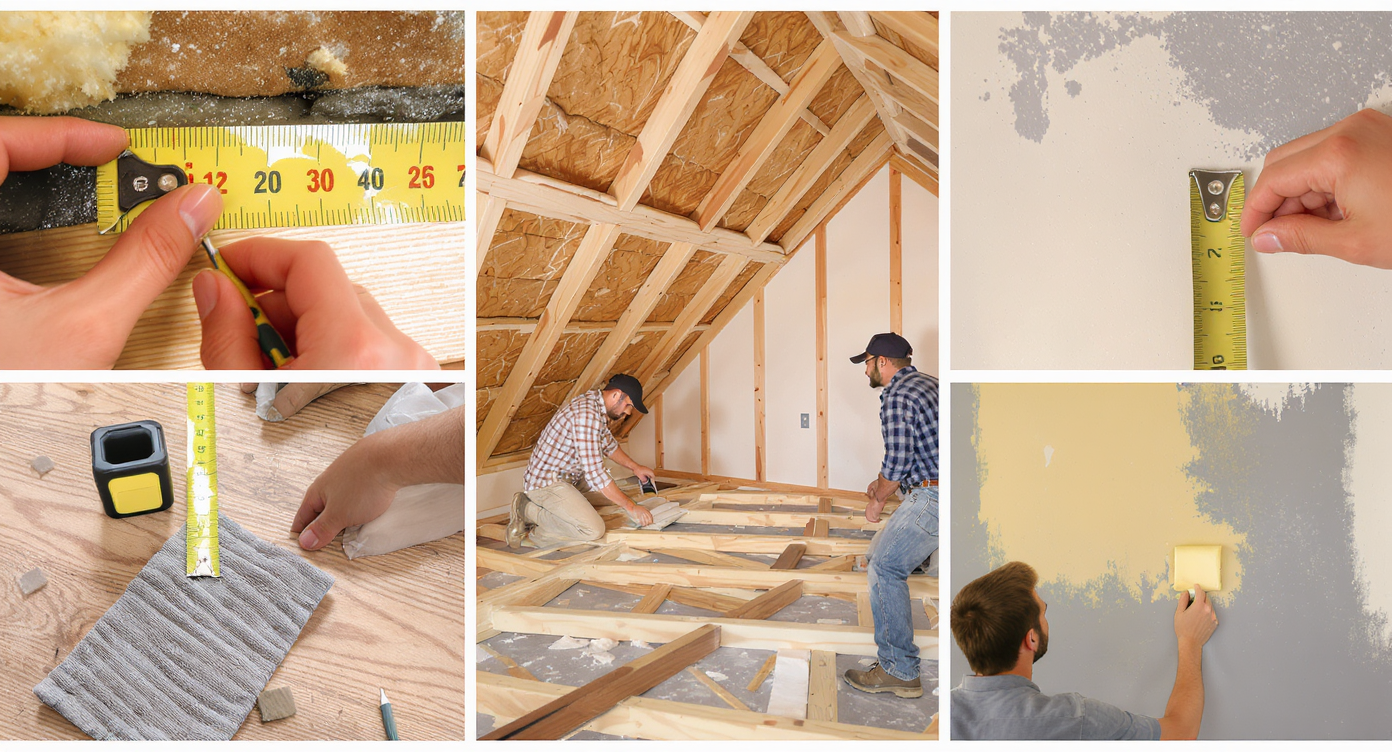
Follow practical steps for a successful attic repurpose, emphasizing preparation and detailed execution.
1. Assess Your Attic: Check for trusses or rafters, floor space, ceiling height (minimum 7.5 feet in half the space), and existing wiring/ventilation. 2. Consult Professionals: Engage a contractor or structural engineer to verify load-bearing capacity and identify upgrades needed. 3. Plan Your Desired Use: Decide between storage, bedroom, office, or multi-functional spaces. 4. Prepare the Space: Install safe flooring like plywood over insulation, plan lighting and power outlets. 5. Address Climate Control: Add insulation and ventilation or consider supplemental HVAC if needed. 6. Use AI Visualization: Upload attic photos to ReimagineHome.ai to digitally repurpose the room and explore different layouts. 7. Execute Renovation: Follow local codes for permits and build the converted attic space accordingly. 8. Decorate and Furnish: Choose multi-use furniture and finishings that maximize comfort and function.
Tips for Achieving a Functional and Comfy Attic Conversion
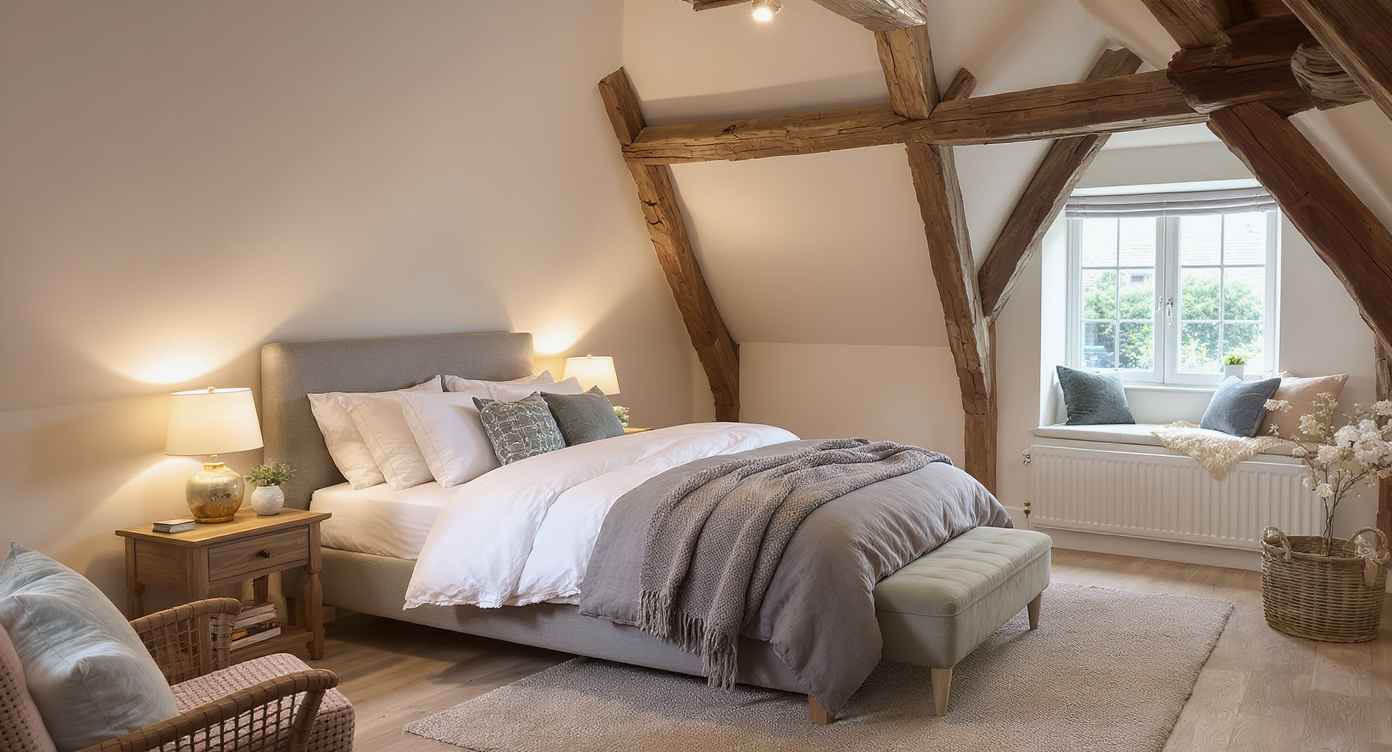
Create a comfy, functional attic space by blending structural character with warm, inviting design elements.
1. Always check your attic’s structural design (trusses vs rafters) before load-bearing modifications. 2. Prioritize insulation to stabilize temperature and reduce energy costs. 3. Incorporate ample natural light with skylights or windows. 4. Use space-saving furniture like wall beds or built-in shelves. 5. Add safe access with stairs instead of ladders if it’s a frequently used space. 6. Utilize ReimagineHome.ai's Room Reuse feature to visualize conversions and experiment with styles. 7. Consider multifunctional spaces like a playroom that doubles as storage or a reading nook. 8. Check local building regulations and acquire necessary permits early.
Visualization Scenario
Imagine uploading a photo of your current attic to ReimagineHome.ai and instantly seeing it transformed into a beautifully furnished home office, reading nook, or storage room, helping you envision possibilities before spending a dime.
Frequently Asked Questions About Attic Transformations
Can any attic be converted into usable space? Typically, attics with sufficient floor space, ceiling height, and structural integrity can be converted, but professional assessment is strongly recommended.
Do I need permits to convert my attic? Most municipalities require permits for structural, electrical, and HVAC work involved in attic conversions. Consult your local building department.
How can I know if my attic floor can support storage or living spaces? A structural engineer or qualified contractor can evaluate whether the trusses or rafters need reinforcement for added loads.
Is it necessary to add insulation and ventilation during the conversion? Yes, proper insulation and ventilation are critical to maintaining comfortable temperatures and preventing moisture issues.
How can ReimagineHome.ai help with attic conversions? By uploading photos, you can digitally visualize different uses and layouts for your attic space, helping reduce remodeling guesswork and improve planning.
Visualize and Plan Your Attic Project with Confidence
Transforming your attic is both an exciting and practical way to increase your home's livable area and value. The right planning backed by visualization tools like ReimagineHome.ai reduces uncertainty and risk, letting you explore possibilities from cozy bedrooms to clever storage without guesswork. Imagine your attic’s potential now, then bring that vision to life with confidence and the right professionals on your side. Explore ReimagineHome.ai's attic repurposing tool to get started on your design journey today.