Evaluating Your Options: Tree Stump Removal Versus Concrete Patio Restoration
TL;DR
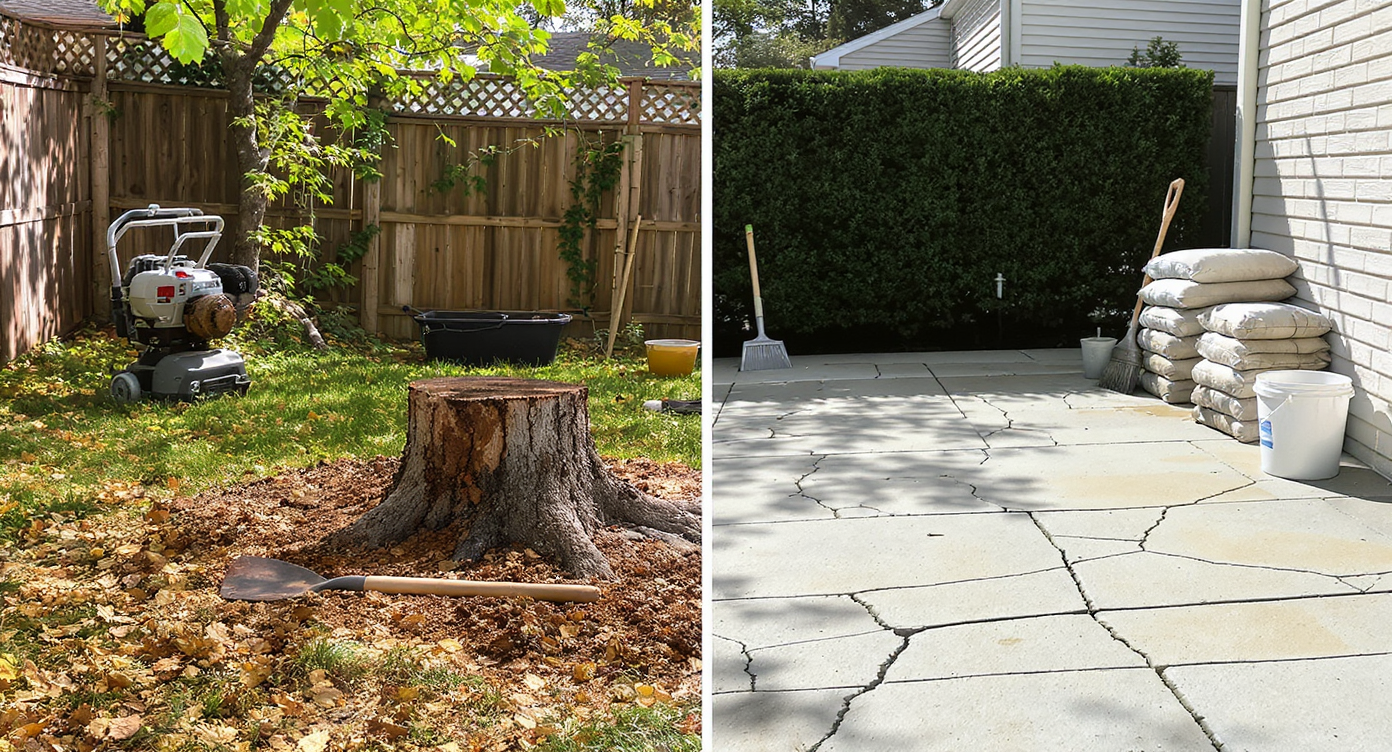
When a patio is built around a tree, root removal and drainage become critical for any remodel project. Choosing between living with an old tree stump or breaking up and relaying concrete involves more than appearance—long-term durability and water management are key. Successful outdoor updates mean designing for hard materials and smart drainage from the ground up, especially in climates with frequent dampness.
A Common Backyard Dilemma
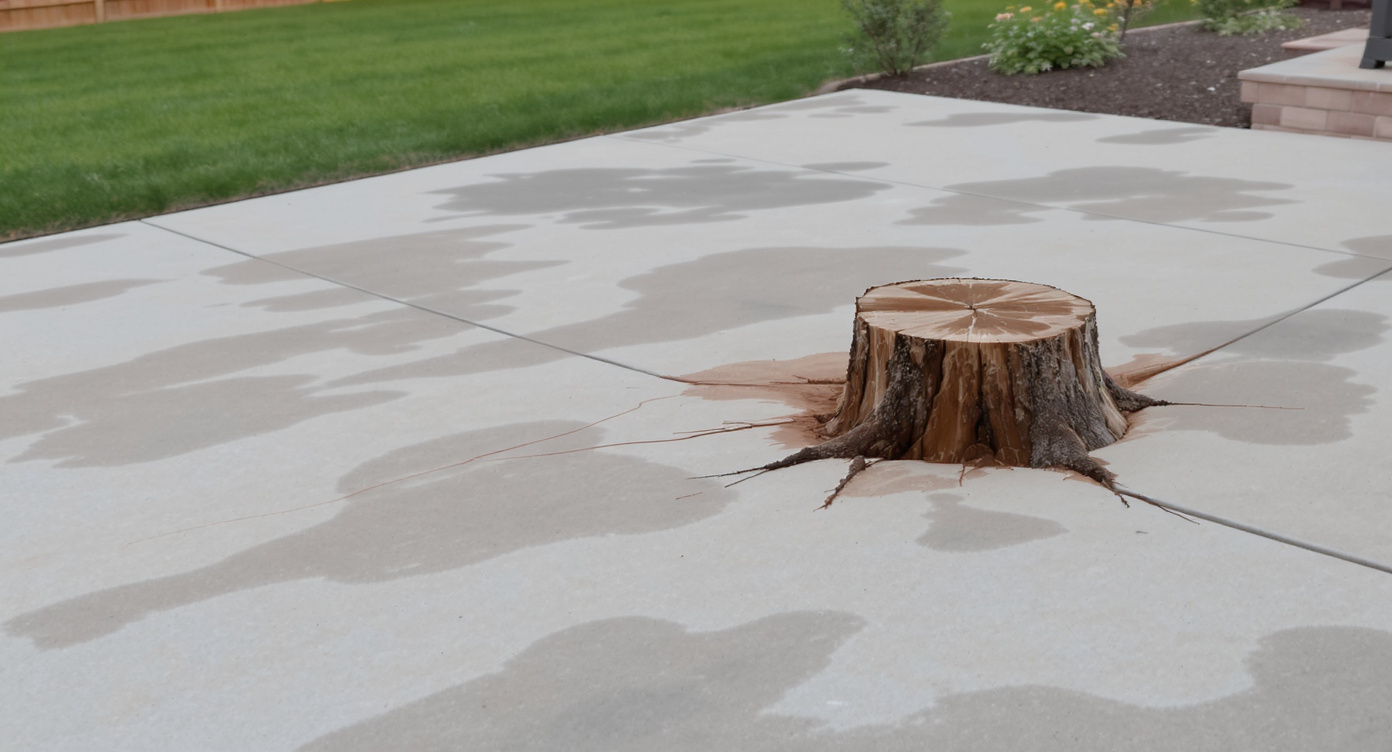
Uneven backyard concrete patio with a tree stump still in place, causing cracks, pooling water, and clear drainage issues near the home.
Backyard patios often carry the marks of past design decisions, and sometimes those choices show their flaws over time. Homeowners frequently encounter situations where a concrete slab was poured around a tree, only to deal with buckling, pooling water, or unsightly remnants when the tree is eventually removed. The intersection of living plant materials and hardscaping elements can create persistent headaches, especially in regions with heavy rainfall. Understanding how roots, soil, and patio surfaces interact is essential for anyone tackling an outdoor remodeling project. When landscaping conflicts with hard materials, such as concrete, it leads to drainage issues and potential foundation problems close to the house. Navigating these choices is all about balancing aesthetics, practicality, and the long-term health of an outdoor space.
-
When Tree Roots and Hardscapes Collide
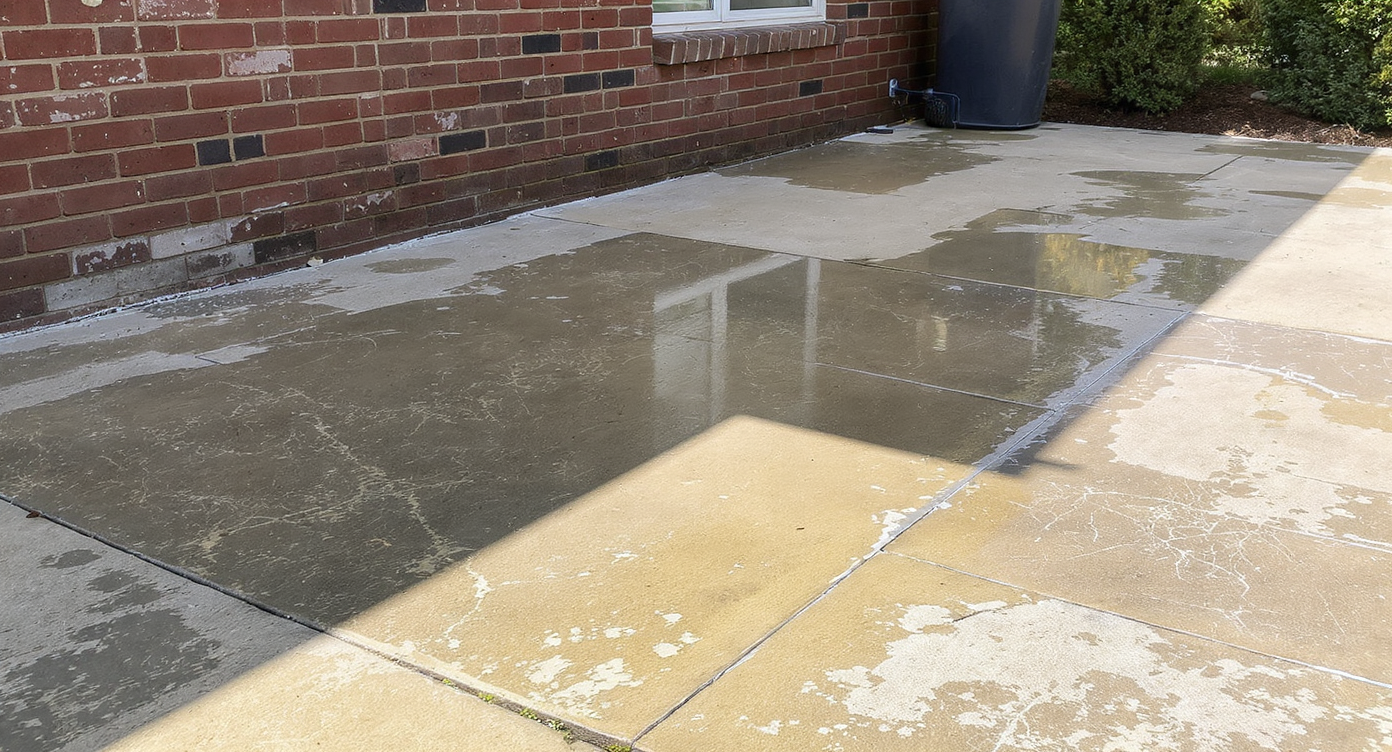
Tree stump and roots under a cracked patio create uneven slabs, depressions, and water pooling—highlighting issues with buried roots.
Patios built around existing trees can seem like a charming solution, but they often lead to problems down the line. As trees grow, their roots gradually press against the slab, causing cracking and lifting. Once the tree is gone, the remaining stump and root network continue to affect the area—sometimes causing the patio surface to sink as roots decompose. This decay risks further unevenness or structural instability, especially if water starts pooling against the foundation. According to insights gathered in best practices for hardscaping and tree care, it's crucial to avoid leaving roots and stumps under hard surfaces. Their gradual breakdown almost always leads to voids, which undermine the patio and invite further cracking. The risk increases near the home, where water management and foundation stability are key priorities.
Expert Insight
A neighbor in a wooded neighborhood once found that a patio poured around a long-gone oak struggled for years. After another rainy season revealed cracks and a sunken section, the solution was to remove both slab and roots, reshape the area with permeable pavers, and replant with easy-care ferns. The space went from soggy and uneven to a favorite spot for evening gatherings in just one season.
-
Drainage First: Why Water Flows Dictate Design
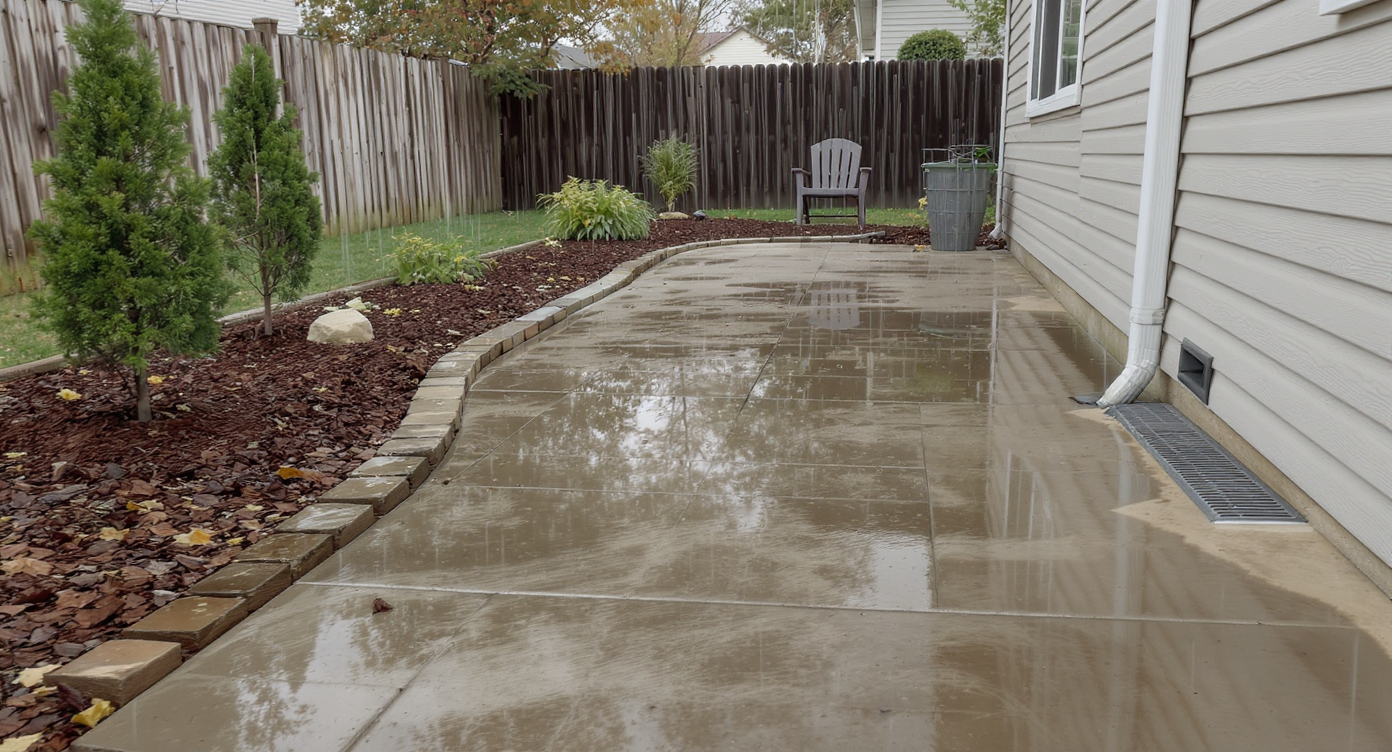
Proper grading and permeable hardscaping keep rainwater flowing away from the home’s foundation, reducing water damage risk.
Water pooling close to a house is one of the most persistent risks in backyard design, particularly in damp climates. Any imperfection in patio slope or blocked drainage paths leads rainwater to gather, putting home foundations at risk. Homeowners often discover after a storm that water travels the path of least resistance—sometimes straight to the walls of their home. Yard redesign efforts that focus on drainage before aesthetics tend to fare best. For example, using permeable hard materials and carefully grading the base away from the foundation, as discussed in hardscaping approaches for humid environments, ensures the space stays both attractive and functional year-round.
-
Breaking Up Concrete: Beyond the Immediate Mess
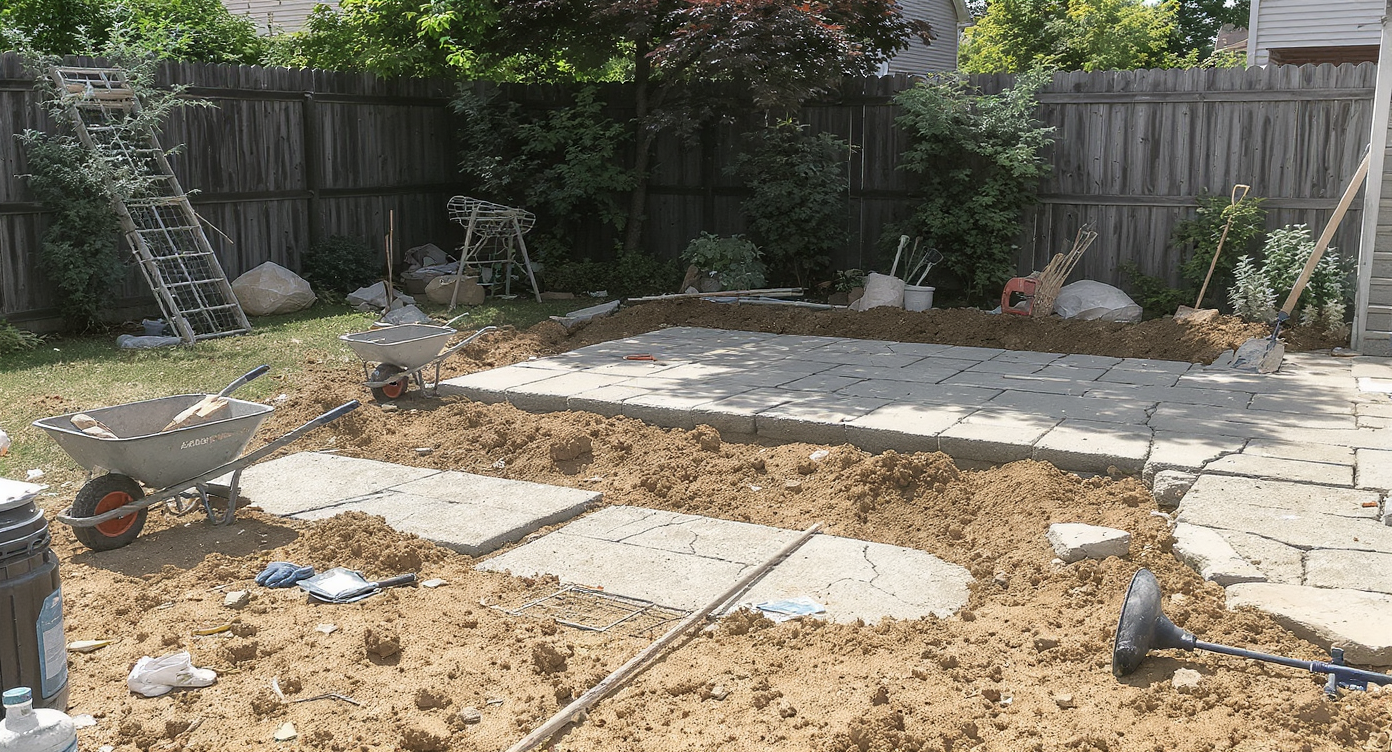
A backyard patio teardown scene shows broken concrete, exposed soil, removed roots, and essential equipment ready for restoration work.
The task of removing concrete may seem daunting, but it offers the cleanest start for renewed outdoor living. Breaking up an old slab provides an opportunity to fully remove decaying roots, properly regrade the area, and rebuild from a stable base. Many homeowners find that once the physical effort is complete, they're free to reimagine the shape, size, and function of their patio. Practical experience with tear-outs, as reflected in step-by-step patio remodels, shows that renting appropriate tools (such as a jackhammer or concrete saw) and following clear safety guidelines allows for a manageable and rewarding DIY project. The key is to excavate thoroughly, remove both the stump and roots, and compact the soil before adding new materials—a vital step for ensuring the long-term integrity of the new hardscape.
-
Remodel Projects That Blend Nature and Structure
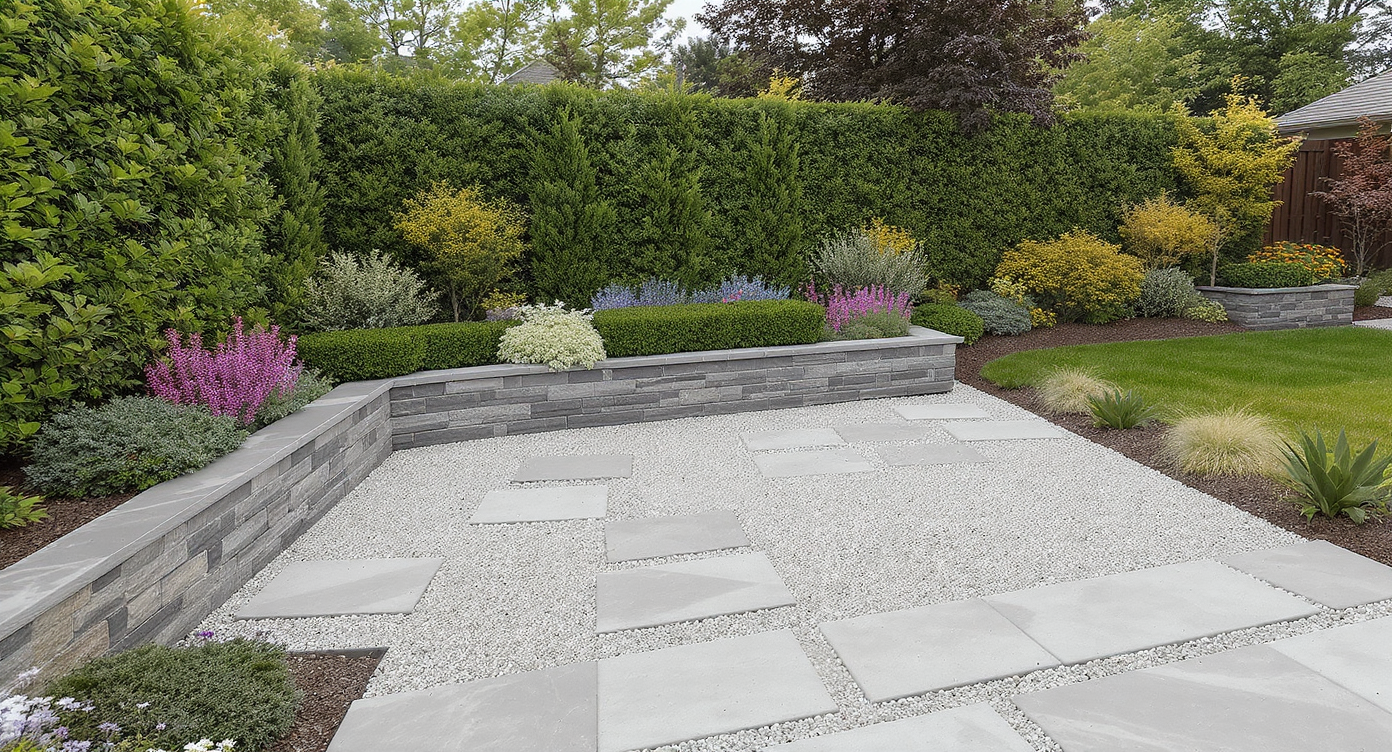
A contemporary patio showcases the fusion of durable hardscape materials and thoughtfully integrated plantings for a harmonious outdoor retreat.
After the removal of a problematic stump and the existing hardscaping, the next opportunity lies in designing a patio that harmoniously blends structure with the surrounding landscape. Professionals often suggest beginning with a blank canvas, allowing both living and non-living elements to work together rather than compete for space. As guidance from hardscaping versus landscaping design highlights, the healthiest outdoor spaces result when greenery is integrated around, but never beneath, major hard materials. Today’s options include permeable paving, decorative gravel, and modular stone—materials that support both drainage and durability. Raised beds, low stone walls, and strategic planting zones can then enhance privacy and soften the look. This adaptable approach prevents future maintenance headaches and brings a modern, welcoming feel to the backyard.
-
Anecdote: Reclaiming a Difficult Backyard
A family in coastal Virginia faced a familiar challenge. Their concrete patio had been built tightly to the house and hugged an aging pine. Years after the tree’s removal, roots continued to disrupt the slab, leaving dips that channeled rainwater towards the foundation. Frustrated by puddles and persistent mold, they decided to start over. They rented equipment, broke up the slab, and undertook a full root removal. With the ground graded and new gravel laid, they poured a modern, gently sloping patio bordered by native grasses. Water now drained freely, weekend meals became routine outdoors, and their investment in smart design paid off in years of low-maintenance enjoyment.
-
Common Mistakes to Avoid
Leaving a tree stump or intact roots beneath a new or existing slab can jeopardize the lifespan of any hard material. Roots slowly rot, creating air pockets that cause future settling or cracks—even with expert installation. Another frequent mistake is neglecting the patio’s slope during construction. A surface that does not direct water away from the house inevitably leads to pooling, leaks, or worse, foundation damage. Using non-permeable hardscaping materials without adequate drainage planning can increase runoff and cause surface flooding. For any remodel project, avoid shortcuts in site preparation and base compaction. Finally, mixing living plant areas directly under or within concrete causes eventual headaches. Each element should support—not undermine—the other.
-
Expert Insights and Designer Tips
Landscape designers repeatedly caution against working around existing obstacles at the expense of long-term function. Clearing tree stumps, removing root networks, and taking time to grade the soil are always worth the investment. Professionals recommend a 2 percent slope away from structures for patios and walkways, coupled with a well-compacted granular base for hard materials. Expert installation of permeable pavers, stone, or modular surfaces allows rain to pass through, minimizing water run-off and prolonging material life. For damp climates, integrating rain gardens or French drains into your plan reduces surface water and supports healthier plantings. Designers suggest envisioning how each design decision might evolve over time—considering future maintenance, growth, and access for repairs.
-
How to Use This in Your Next Designs
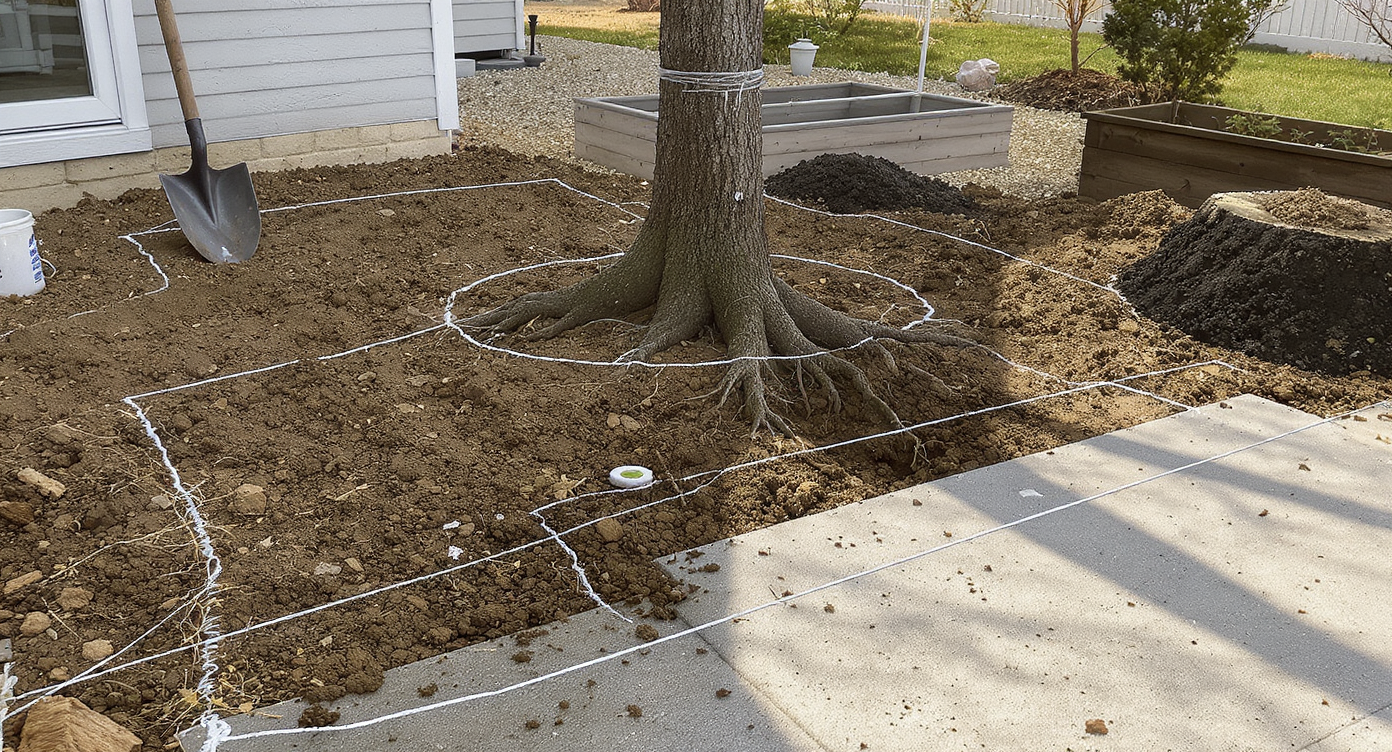
Backyard patio project site with marked outlines, exposed roots, soil testing tools, and compacted gravel base, ready for integrated outdoor design.
When tackling a patio project in a backyard where old roots or stumps exist, prioritize a holistic approach. Begin with a thorough assessment—identify all past obstacles beneath or beside concrete. Plan for staged removal of any decaying material, correct grading, and a solid, compacted base. Test different layouts using visualization tools or marked outlines to see how the space will look and flow. Think about how living elements and hard structures will coexist. Raised beds, seating areas, and permeable paths can work together for comfort and drainage. Learning from common remodel oversights helps set the stage for low-maintenance, inviting outdoor rooms that thrive for years.
-
Visualization Scenario: Before and After Transformation
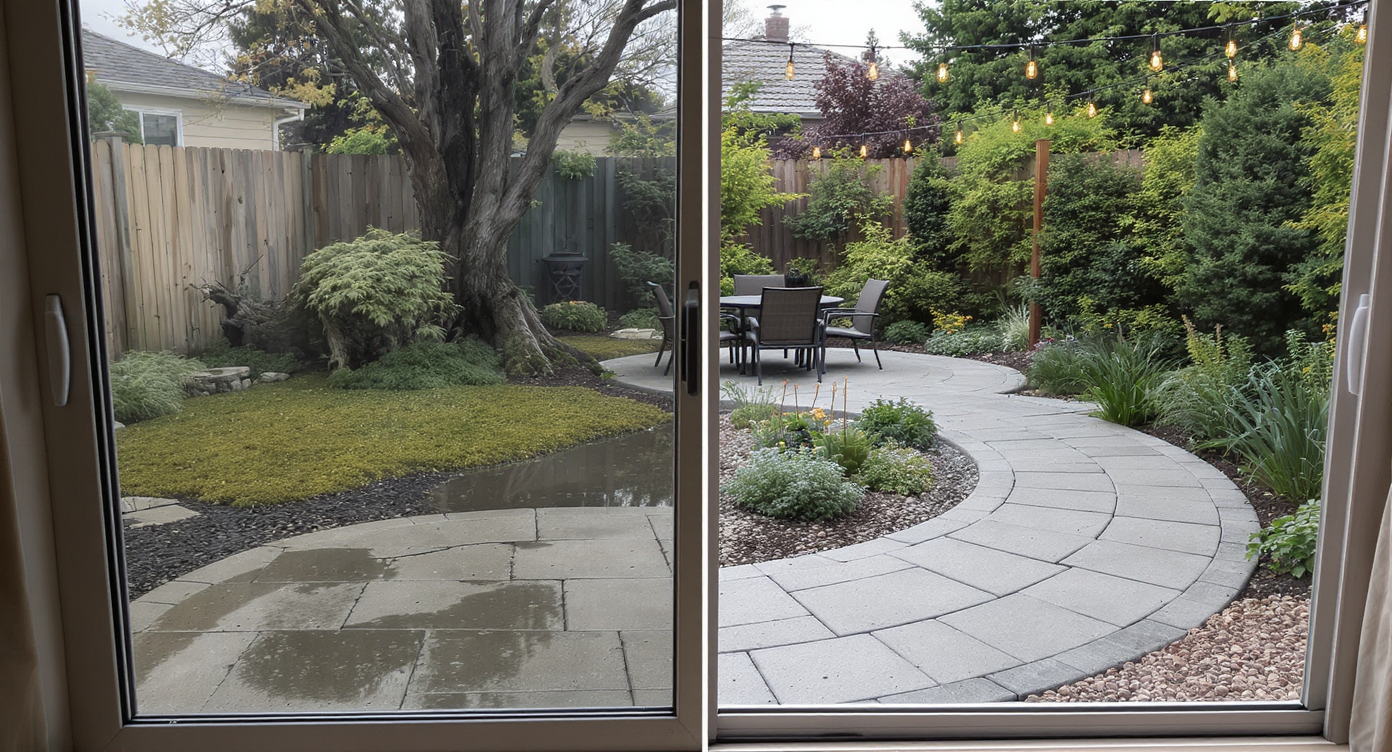
Realistic backyard split-view: before, a cracked patio with a tree stump and water pooling; after, graceful pavers, rain gardens, and string-lit dining space.
Imagine standing at the sliding door, gazing out across a backyard once dominated by a cracked, sinking slab encircling a jagged tree stump. The area pooled with rainwater, and children played only when the ground finally dried days later. Fast forward—the patio is rebuilt in a graceful arc bordered by lush rain gardens. Modular concrete pavers form a dry, slip-resistant surface, and a gentle slope ushers water toward gravel swales and native plants. Summertime meals happen under string lights, and stormy nights bring no worries for the foundation. The transformation wasn’t just cosmetic—it future-proofed the home for all seasons.
Visualization Scenario
Visualize a backyard renovation where the original concrete, sunken by old tree roots, is methodically removed. Using visualization software, the homeowner experiments with curved paths, raised planters, and stone seating nooks. When construction finishes, guests entering from the house follow a gentle path bordered by ferns and flowers. The patio stays dry and level all year, requiring little beyond seasonal sweeping.
FAQ: Tree Stumps, Patios, and Hardscaping Choices
Decaying stumps and roots gradually create voids under patio slabs, causing subsidence, cracks, and pooling water that undermines both structure and aesthetics.
Should I always remove a tree stump before relaying a patio?
Yes, removing all roots and stumps is the best long-term strategy for stability and drainage, preventing future settling and cracks.
What materials are ideal for outdoor patios in damp climates?
Permeable pavers, modular stone, and gravel can handle excess moisture better than solid slabs. Paired with proper grading, they reduce pooling and deterioration.
How can I plan my outdoor remodel to avoid drainage issues?
Imagine and test layouts digitally or with physical markers, always ensuring patios slope away from the home by about 2 percent, with water redirected to plant beds or drainage swales.
Are there tools to visualize before committing to a patio rebuild?
Digital tools like ReimagineHome.ai allow homeowners to see how design choices for hardscaping and landscaping will work together before any construction begins.
Bridging Past Mistakes and Modern Solutions
Working around natural obstacles such as tree stumps can cause long-term problems for even the most ambitious patio project. Removing roots and relaying concrete are rarely wasted efforts in damp climates, especially when water management and durability matter. By blending permeable hard materials, careful grading, and thoughtful landscaping, homeowners can craft outdoor spaces that last and delight. For those looking to visualize their designs and plan smart, digital platforms like ReimagineHome.ai enable experimenting with different patio shapes, drainage solutions, and plantings before any ground is broken.