Japandi Design in Contemporary Homes: A Practical Guide
TL;DR
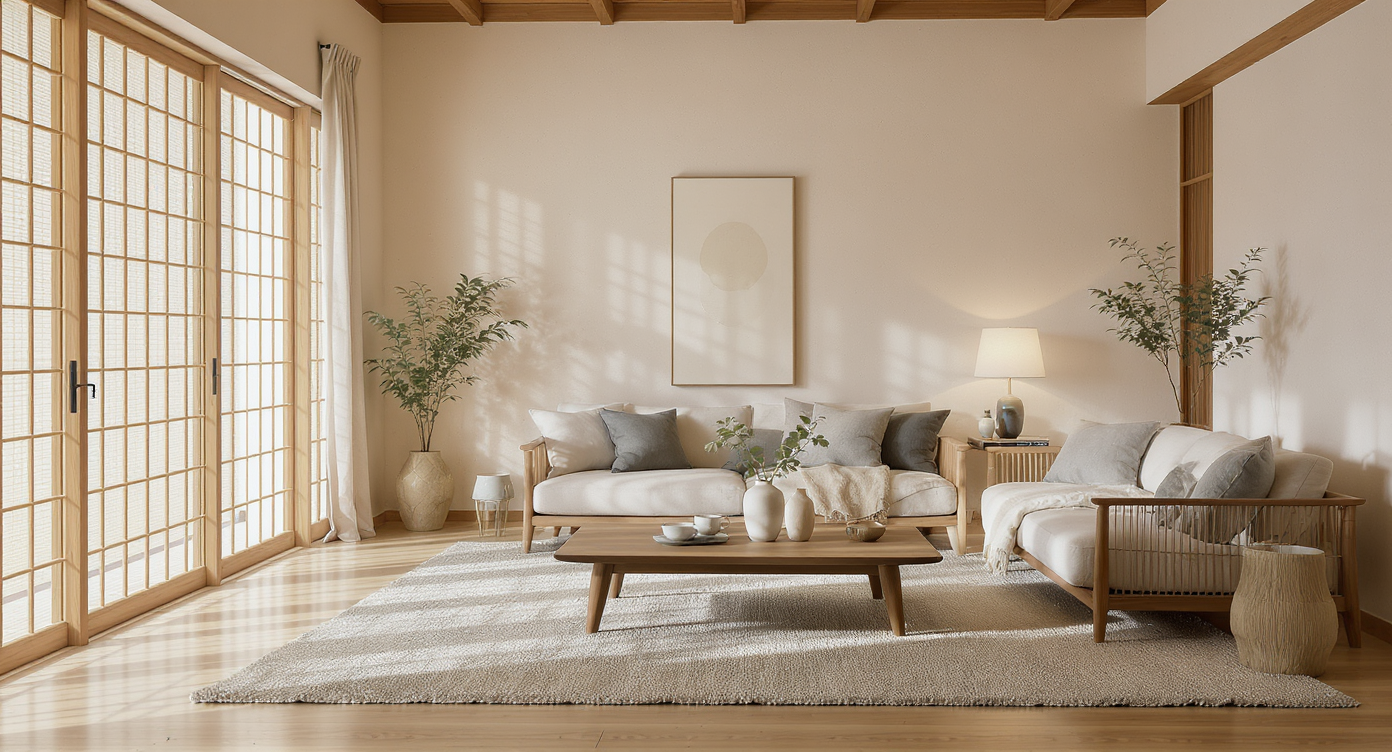
Japandi interior design is an artful combination of Japanese and Scandinavian aesthetics, emphasizing simplicity, natural materials, and functionality. This minimalist style focuses on creating peaceful, clutter-free spaces using a neutral color palette, clean lines, and nature-inspired decor. Japandi remains popular for its ability to adapt to any home, providing comfort and tranquility through thoughtful design.
Introducing Japandi Design
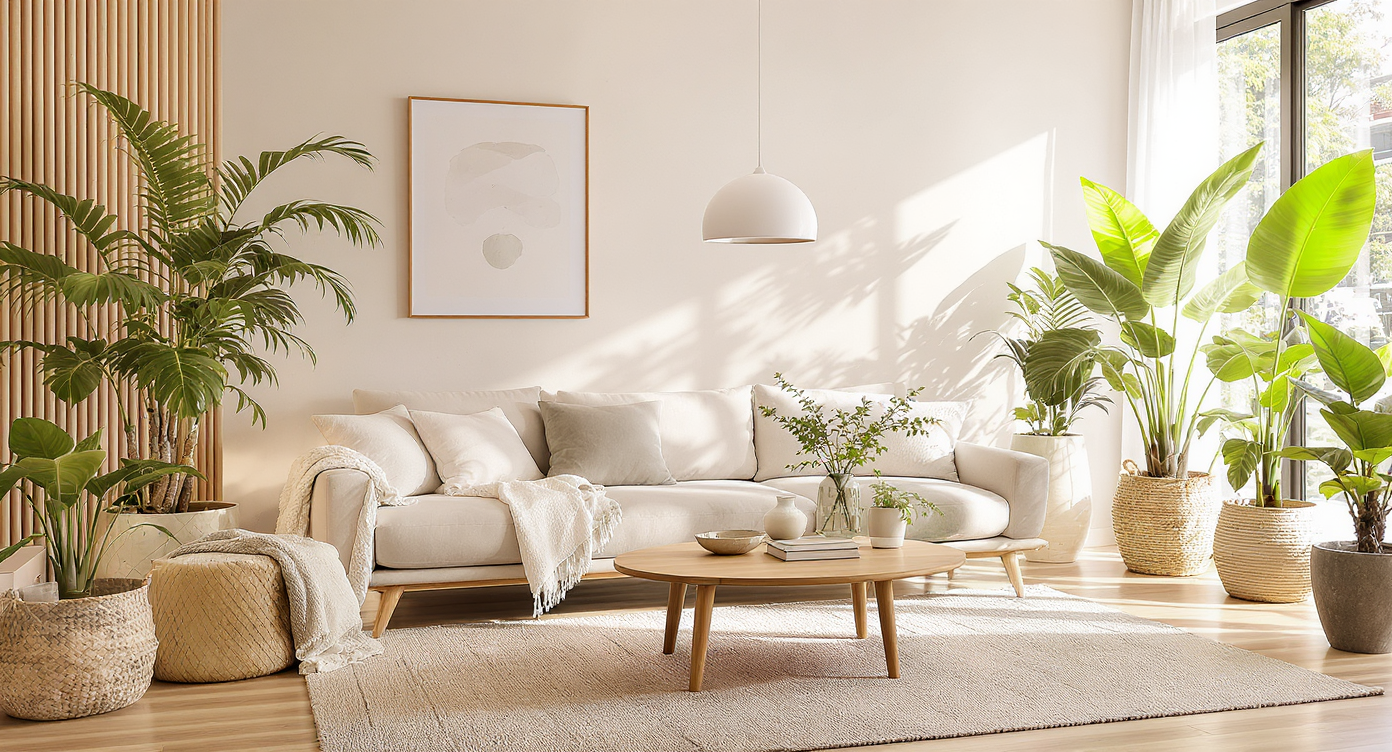
Discover how Japandi design harmonizes Japanese minimalism with Scandinavian functionality.
Japandi interior design represents a contemporary fusion of two timeless styles - the minimalist elegance of Japanese decor and the cozy functionality of Scandinavian design. Born from a shared philosophy that values simplicity, natural elements, and quality craftsmanship, Japandi has become a celebrated trend for creating a calm and inviting home. This style harmonizes the sleek, clean lines typical of Japanese interiors with the warmth and functionality from Scandinavian inspirations, resulting in spaces that are not just visually pleasing but also practical for everyday living.
-
The Core Philosophy of Japandi Design
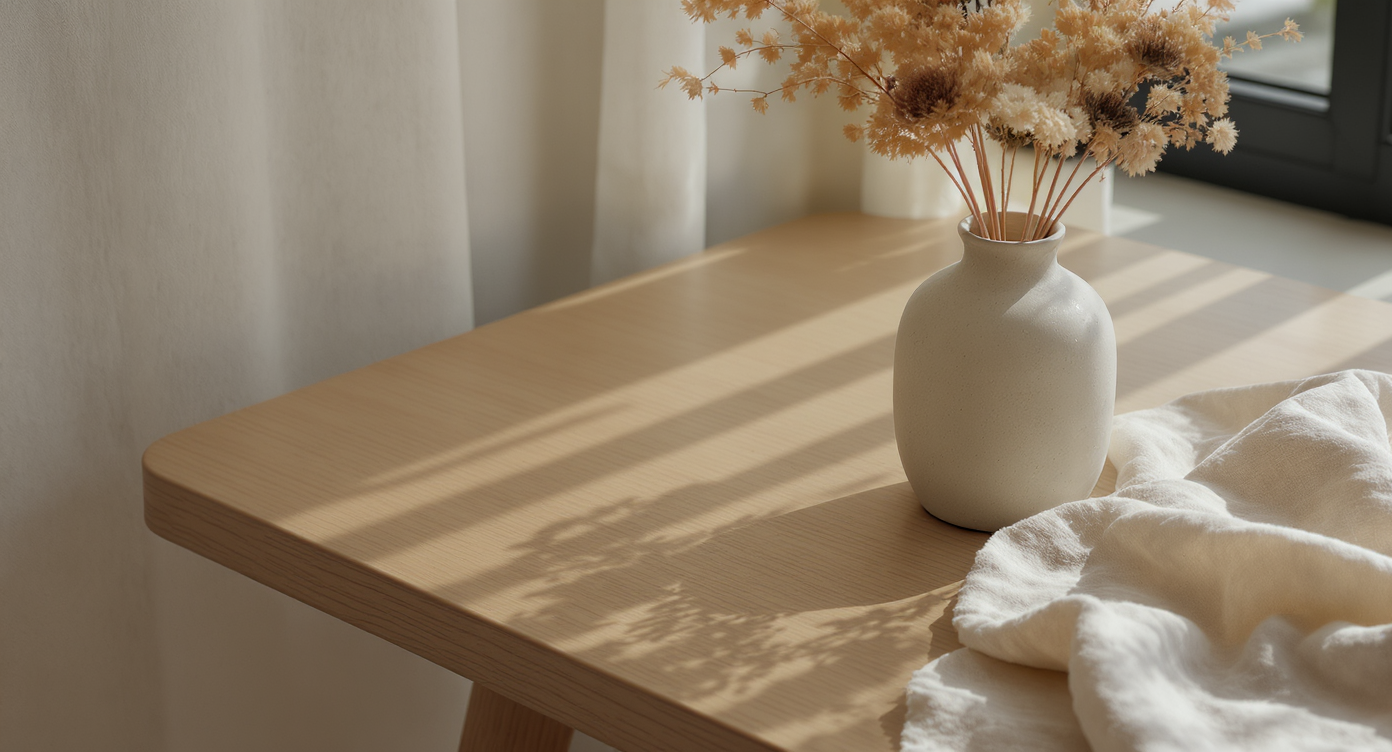
The core of Japandi design emphasizes minimalism and sustainability through simple, natural materials.
At the heart of Japandi design lies a commitment to minimalism and sustainability. This aesthetic is guided by principles of simplicity, purpose, and a deep respect for nature, reminiscent of "wabi-sabi" from Japanese culture, which finds beauty in imperfection, and "hygge" from Scandinavian culture, which emphasizes coziness and comfort. Together, these philosophies promote a lifestyle that values quality over quantity, encouraging homeowners to choose fewer, but more meaningful, pieces that offer longevity and evoke tranquility in their homes.
Expert Insight
Drawing inspiration from both the serene gardens of Kyoto and the cozy cabins of Scandinavia, one homeowner blended these elements, focusing on bamboo siding and oak furnishings, to create a peaceful yet functional space perfect for unwinding after a long day.
-
Key Elements of Japandi Interiors
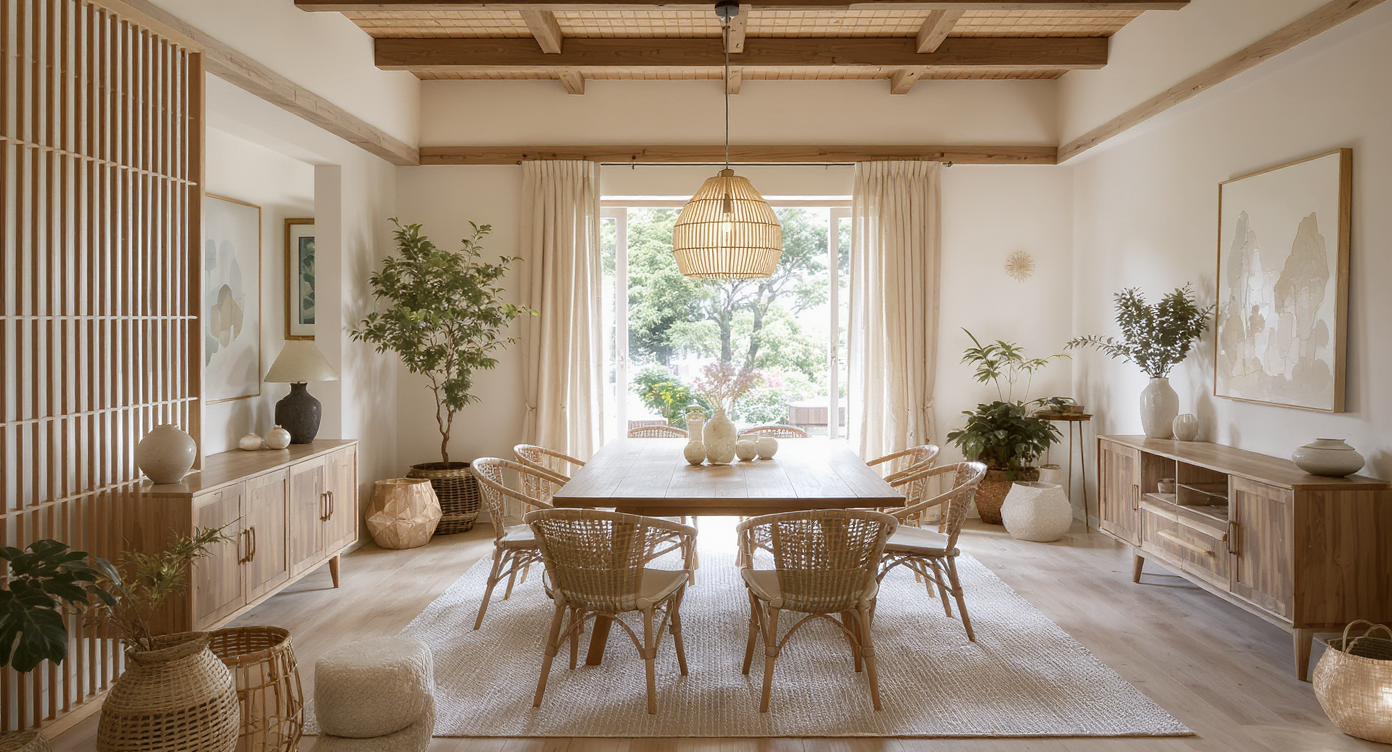
Key elements of Japandi interiors showcase harmony through natural materials and thoughtful design.
Japandi interiors are characterized by their use of natural materials, such as wood, bamboo, and stone, which provide warmth and texture to the spaces. Clean lines and understated furnishings create an environment that feels open and airy, allowing each piece to stand out through its craftsmanship. Colors in Japandi interiors are typically neutral and muted, with an emphasis on earthy tones like beige, soft gray, and oatmeal. Accent colors are used sparingly, often in the form of charcoal or forest green, to enhance the serene ambiance without overpowering it. This careful balance ensures that every aspect of the room contributes to a cohesive and soothing environment.
-
How to Incorporate Japandi Style into Your Home
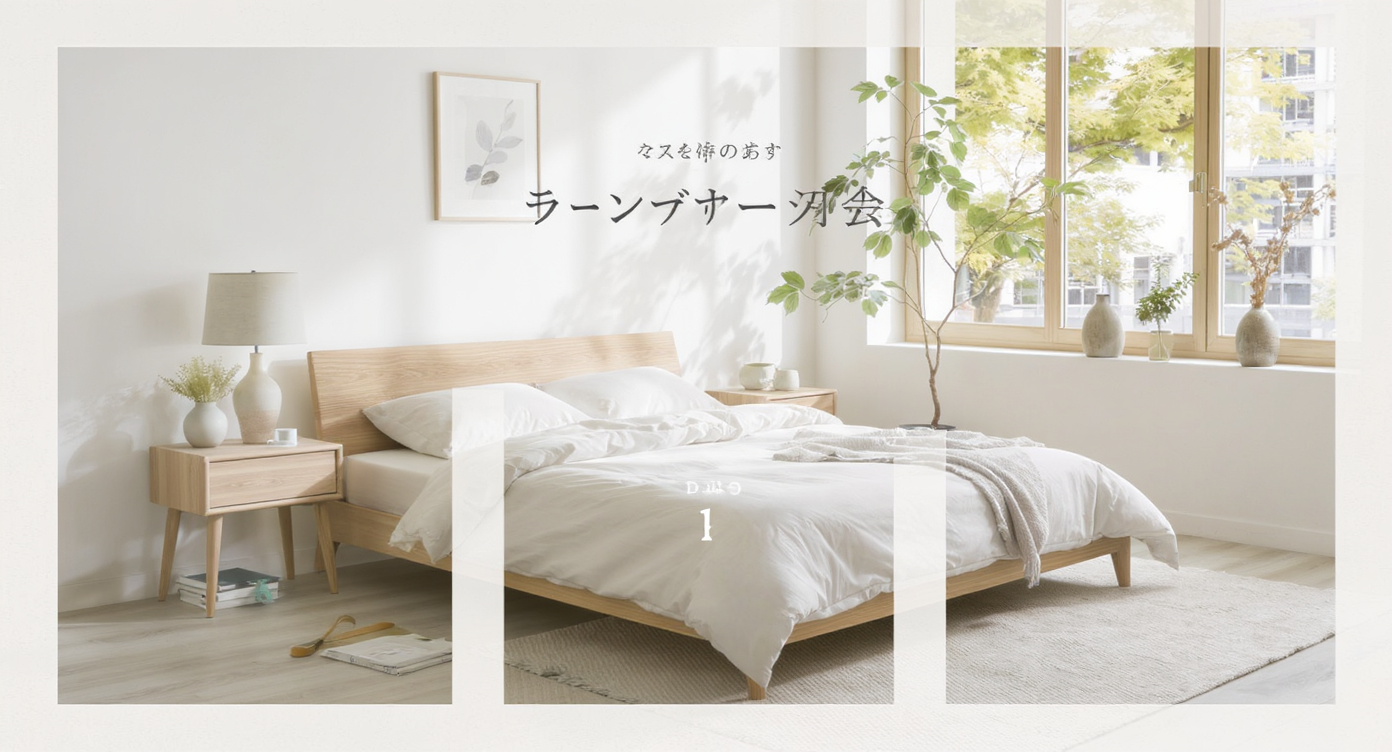
Incorporate Japandi style into your home by creating serene, decluttered spaces filled with natural beauty.
Incorporating Japandi style into your home can be approached step-by-step, starting with decluttering your space to emphasize simplicity. Prioritize natural light by using sheer curtains and strategic mirror placement to enhance brightness and the feeling of openness. When selecting furniture, opt for low-profile designs that maintain a closer connection to the ground, enhancing the room's flow. Consider pieces that double as storage to keep the space organized. Introduce plants and greenery to bring a touch of nature inside, enhancing the tranquility and improving air quality, as seen in many successful Japandi homes.
-
Common Mistakes to Avoid in Japandi Design

Avoid common mistakes in Japandi design by focusing on simplicity and coherence to maintain tranquility.
While Japandi styling is designed to be flexible, there are common errors that can disrupt its harmony:
- Overstuffed Spaces: Including too many elements or bold decor can overcomplicate the clean simplicity Japandi strives for. Aim to keep accessories minimal and intentional.
- Lack of Textures: Relying solely on monochrome palettes without texture can lead to a flat design. Emphasize diverse materials like wool, linen, and rattan to add depth.
- Ignoring Natural Light: Failure to utilize natural light can make spaces feel cold. Maximize windows and reflective surfaces to illuminate interiors harmoniously.
- Selecting Trend Over Longevity: Choosing trendy furniture over timeless pieces can lead to style fatigue. Invest in high-quality items that align with Japandi’s focus on longevity.
-
Tips & Tricks for Embracing Japandi
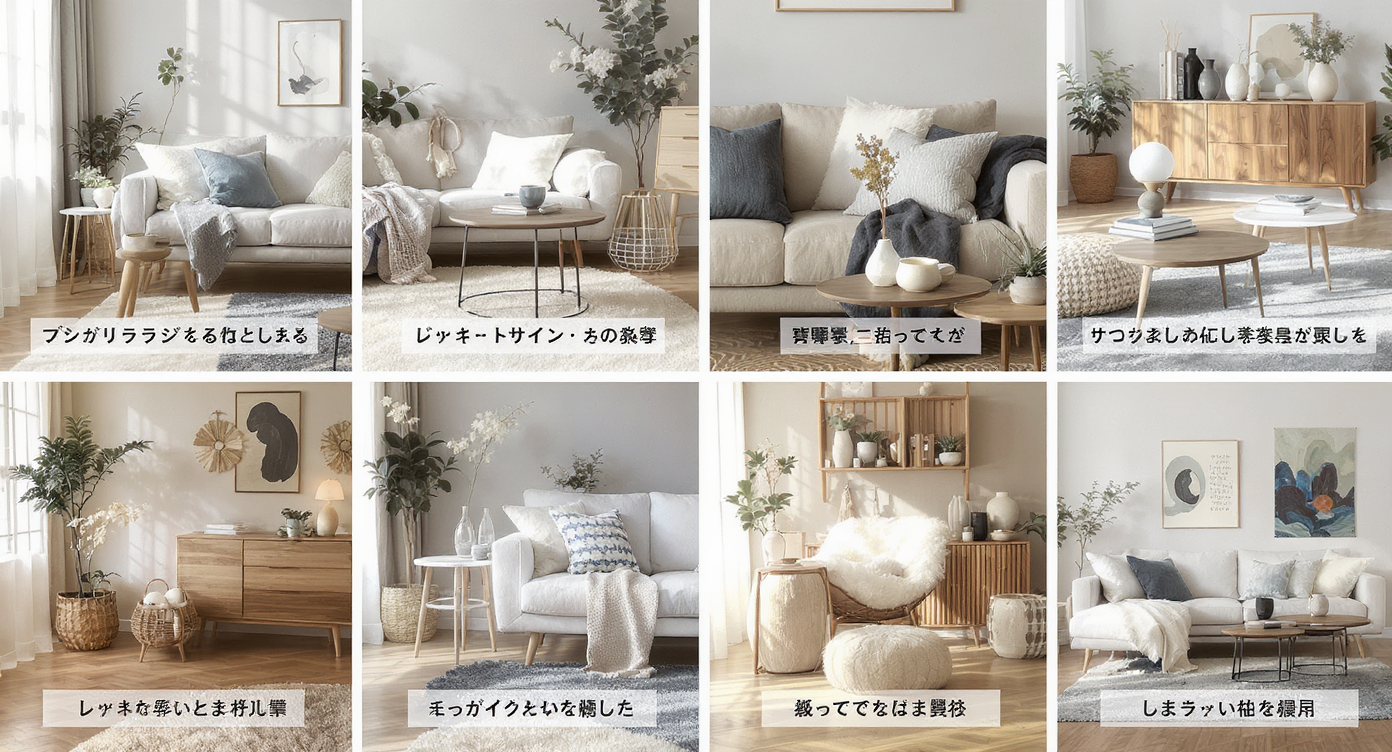
Embrace Japandi with these tips and tricks for a stylish, serene, and functional home environment.
Adopting the Japandi style involves a few strategic choices that enhance its minimalist ethos and aesthetic appeal:
- Quality Over Quantity: Select a few standout pieces made from sustainable materials that convey both functionality and beauty.
- Balance Light with Dark: Balance is key in Japandi; incorporate dark accents sparingly to contrast lighter tones, maintaining interest without cluttering.
- Layer Textures: Combine smooth and rough textures, like a silk cushion on a wooden bench, to create visual interest and tactile comfort.
- Mindful Color Usages: Stick to a monochromatic or muted palette, ensuring that any color accents enhance rather than disrupt the calm theme.
-
Visualizing Japandi in Your Space
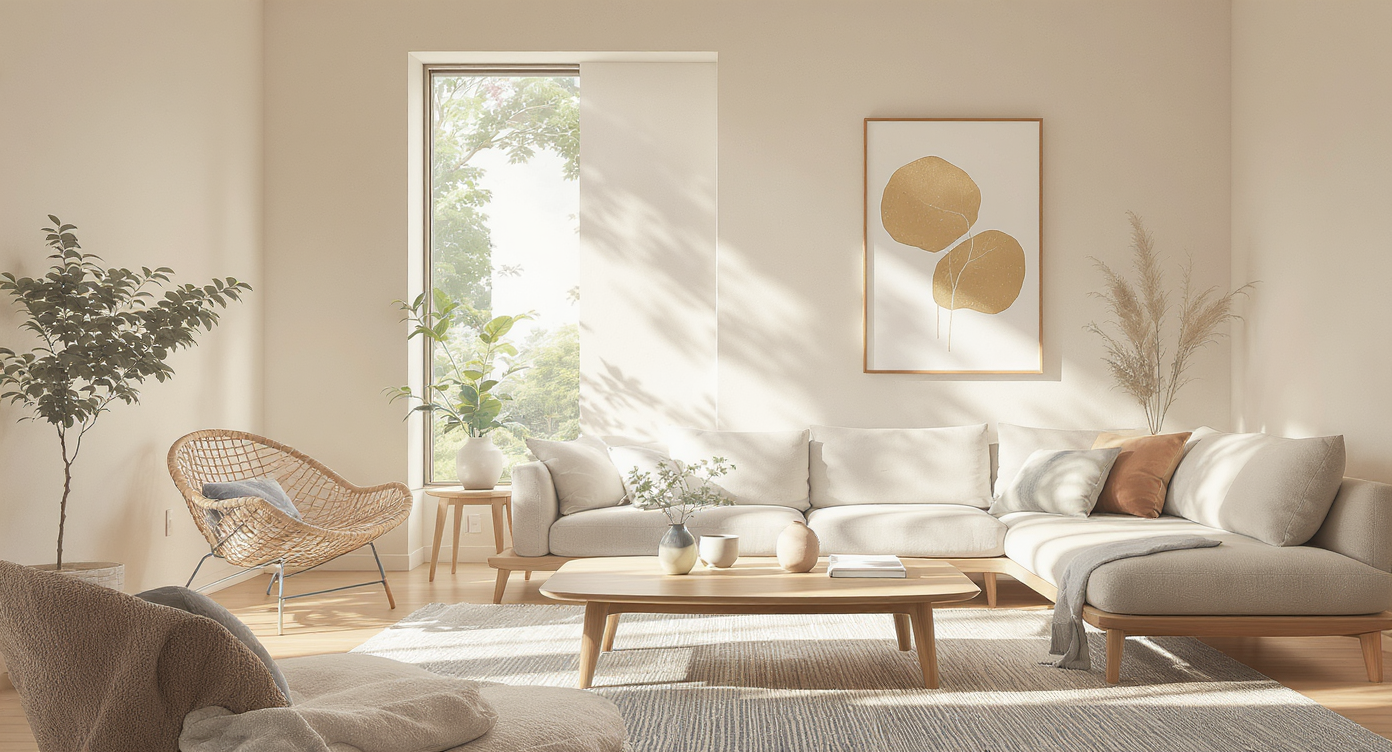
Visualize Japandi in your space: a harmonious blend of light, nature, and minimalist design.
Imagine a living room bathed in natural light, with a low, light-oak coffee table complemented by a neutral-toned, linen-covered sofa. A simple, ceramic vase holds a sprig of eucalyptus, adding a touch of green to the room. The walls, painted in a soft mushroom shade, reflect a warm glow from strategically placed mirrors. Gentle, woven textures on the floor contrast beautifully against the smooth wooden furniture, creating a harmonious balance that is the hallmark of Japandi design. To experiment with this style in your home, explore creative configurations and visualize transformations using ReimagineHome.ai.
Visualization Scenario
Picture a serene bedroom, where bamboo and rattan textures meet soft linen in a soothing palette of taupe and cream. A low-profile bed frame enhances the room's spaciousness, while sheer, ceiling-height curtains diffuse natural light beautifully.
Japandi Design FAQs
- How do I start incorporating Japandi style into my home?
Begin by decluttering to emphasize minimalism, and choose quality, natural materials for furnishings. Consider natural color palettes and integrate elements of flora. - Is Japandi suitable for small spaces?
Yes, its minimalist approach and focus on function make Japandi ideal for maximizing smaller spaces while maintaining a cozy atmosphere. - What are essential features of Japandi design?
Natural light, functional furniture, a neutral-filled palette, and the use of natural materials are all key features of Japandi design. - Can Japandi style incorporate modern elements?
Japandi is adaptable; incorporating sleek modern pieces can complement its clean lines and earthy tones, enhancing the space further.
Embracing Japandi's Timeless Appeal
Japandi interior design continues to resonate with those seeking a sanctuary from the hustle of modern life. This style, with its dedication to craftsmanship and nature, promotes a living space that feels as good as it looks - understated, yet profoundly impactful. By integrating both Japanese and Scandinavian elements, Japandi creates inviting, clutter-free environments that elevate peace and function. As you consider exploring this style, remember that less is more. Begin your journey by visualizing possibilities with ReimagineHome.ai and watch your space transform into a timeless oasis.